
And what it reveals about hygiene culture, immune logic, and why one continent prioritizes routine while the other over-sanitizes by default
To most Europeans, showering is a functional task. It’s brief. It’s flexible. It’s often done without a daily rule. For many, the goal isn’t to be scrubbed raw or to leave the bathroom smelling like detergent—it’s simply to freshen up, stay presentable, and maintain comfort.
But to many Americans, this attitude seems not just relaxed, but risky.
Why? Because Europeans often don’t use washcloths, don’t apply soap head-to-toe, and sometimes, don’t even shower daily. In countries like France, Spain, or Italy, you might meet someone who showers three times a week, uses minimal soap, and still considers themselves clean.
To Americans, this sounds like a public health hazard. It evokes stereotypes of smell, bacteria, and even social disrespect. But the truth is, the European approach to showering reflects a very different relationship with the body, the immune system, and the idea of hygiene itself.
Here’s why Europeans shower differently—and why American views on “clean” may be creating the very problems they claim to solve.
Want More Deep Dives into Other Cultures?
– Why Europeans Walk Everywhere (And Americans Should Too)
– How Europeans Actually Afford Living in Cities Without Six-Figure Salaries
– 9 ‘Luxury’ Items in America That Europeans Consider Basic Necessities
Quick Easy Tips
Stay adaptable. If you’re traveling, expect different bathroom setups and adjust without frustration.
Ask before assuming. Hosts will often explain local habits if you’re unsure how something works.
Focus on comfort. If you prefer your own method, small travel accessories—like shower shoes or portable showerheads—can bridge the gap.
One controversy stems from America’s cultural emphasis on daily, full-body showers with lots of hot water and soap. In parts of Europe, this is often seen as excessive, wasteful, or even harsh on the skin. Americans may view European minimalism as “dirty,” while Europeans sometimes see American habits as neurotic.
Another debate revolves around shared or unconventional bathroom setups. Many European households, especially older ones, rely on detachable showerheads, bidets, or even smaller shower stalls. Americans can find this inconvenient or unsanitary, while Europeans argue it’s more practical and eco-friendly.
Finally, there’s the environmental argument. With water shortages and rising energy costs, Europeans often use quicker showers or less soap as a conscious effort to conserve resources. Americans, accustomed to abundance, often dismiss this as cutting corners on hygiene. The truth lies in the middle: both approaches have valid reasoning rooted in cultural context.
1. Europeans don’t believe the body needs to be sterilized
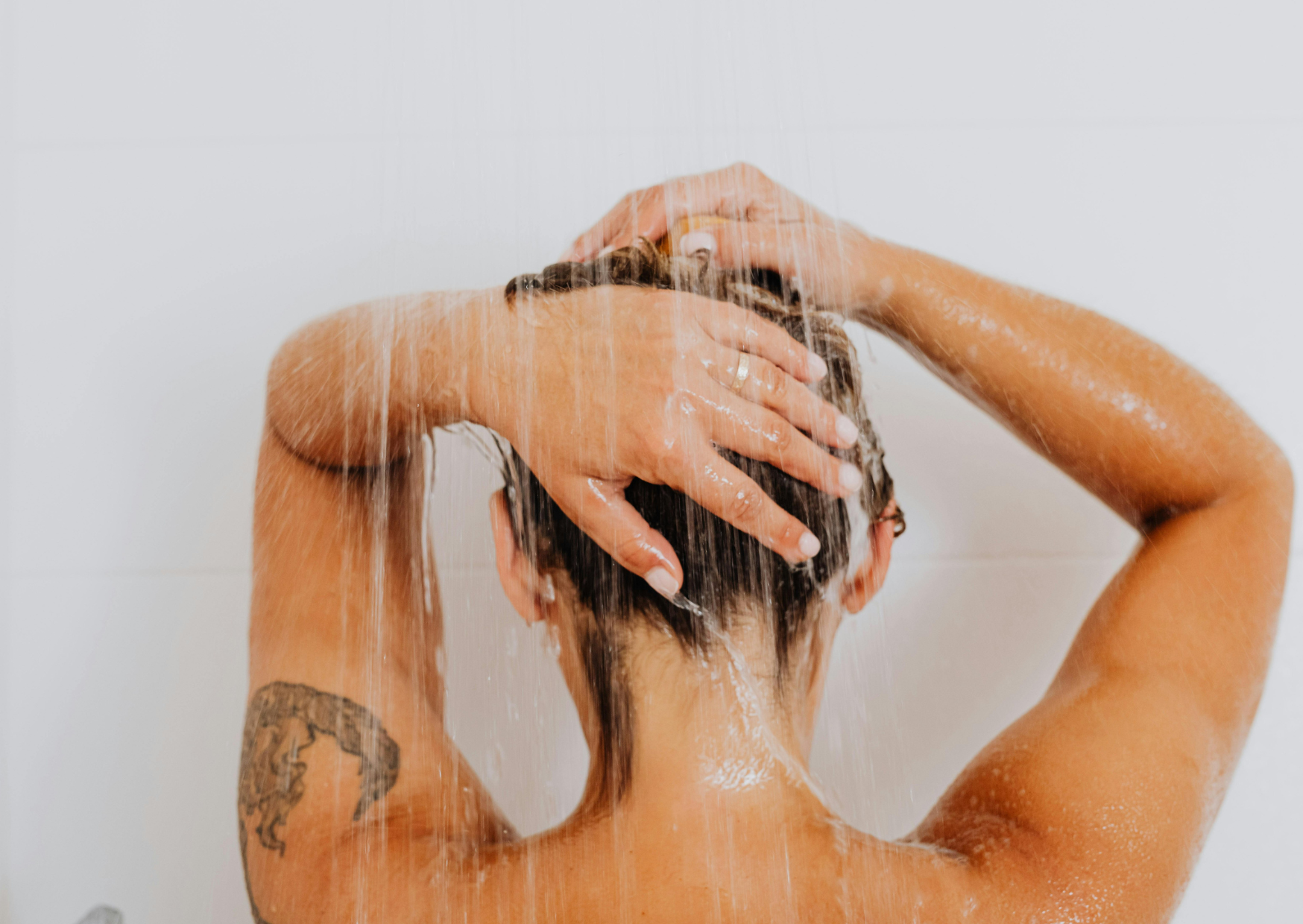
In American bathrooms, the goal of showering is often total removal—of sweat, odor, oil, and bacteria. Scrubbing with loofahs, washcloths, exfoliating gloves, and antibacterial gels is common. Every inch of skin is lathered daily. Fragrance is layered over top.
Europeans take a different approach. They aim for maintenance, not sterilization. Soap is used selectively—often only on armpits, feet, and groin. Many avoid overwashing arms, legs, chest, or back unless visibly dirty or sweaty.
The belief is simple: the skin is an organ, not a crime scene. It maintains its own balance. Disrupting it with harsh products or daily stripping weakens the barrier, dries the skin, and may even harm long-term immunity.
To Europeans, constant sanitizing doesn’t make you cleaner. It makes you vulnerable.
2. Washcloths are seen as unnecessary or even unhygienic
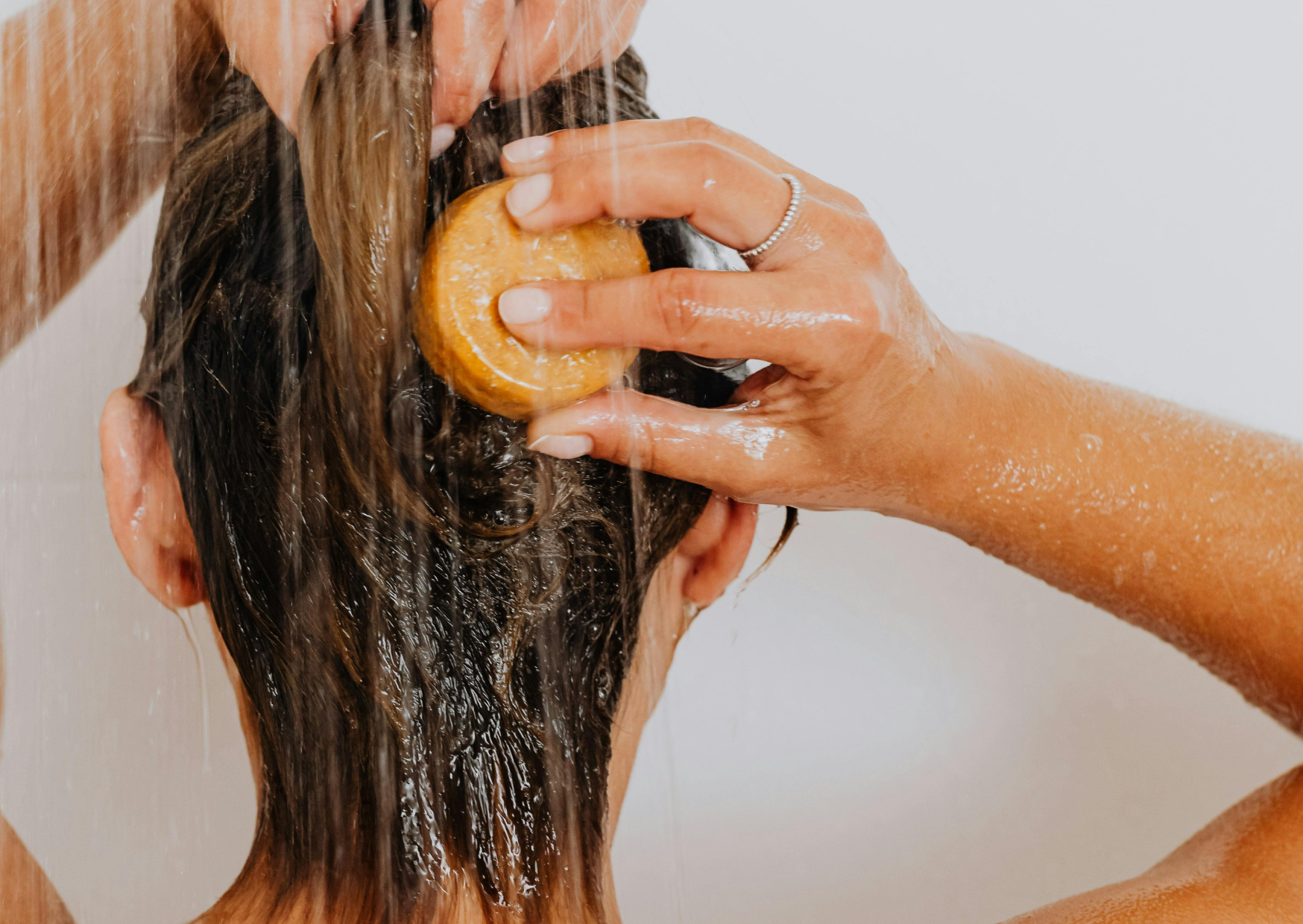
In many American homes, washcloths are standard. People have stacks of them. They’re part of daily bathing. In some cases, they’re believed to be necessary for “proper” hygiene—to remove dirt, dead skin, or bacteria.
But in most European homes, you won’t find washcloths at all. People apply soap directly by hand or use a soft sponge that’s rinsed thoroughly after use. They don’t believe vigorous scrubbing is required. They don’t equate friction with cleanliness.
More importantly, washcloths—when reused, not washed frequently, or left damp—can harbor bacteria. So to Europeans, the tool Americans use to feel cleaner is actually seen as a risk.
Hands are washed constantly. Why wouldn’t you trust them to clean the body?
3. Daily full-body showers are viewed as excessive
Americans often shower every morning—even if they didn’t sweat, didn’t exercise, and bathed the night before. Showering becomes a default expectation, not a response to need.
In Europe, showering is contextual. If you worked outside, you’ll shower. If it’s hot, you’ll rinse. But if it’s winter, you’re clean, and you haven’t sweat? You wait. A light rinse may suffice. Some people shower every other day. Some, less.
The result isn’t dirt. It’s balance. The skin isn’t stripped. The microbiome is preserved. Water isn’t wasted.
To Americans, skipping a day feels like failure. To Europeans, it’s just normal.
4. Hot water and soap aren’t applied to hair and skin by default
In the U.S., many people shampoo daily—or every other day. They use body wash on their entire torso, even if they’ve done nothing to warrant it.
Europeans shampoo less frequently. Hair is left alone unless oily. Skin is not re-cleaned unless necessary. This habit is particularly strong in France, Germany, and Scandinavia, where the understanding of bodily rhythms is based on observation, not marketing.
The idea is: don’t treat what isn’t broken. The scalp has its own cycle. The skin adjusts to your climate, clothing, and hormones.
Over-cleansing leads to rebound oiliness. Gentle care leads to equilibrium.
5. Scent is expected to be human not synthetic

Americans often view body scent as offensive. Personal odor is masked with deodorants, perfumes, dry shampoos, and aftershower sprays. The body is expected to smell like citrus, lavender, or cotton.
In Europe, people wear deodorant. They shower. But they’re not obsessed with smelling like something else. A neutral, slightly human smell is fine. Fragrance is personal, not mandatory.
More importantly, many Europeans find American scent products overpowering. The layers of lotion, fabric softener, and perfume are considered chemical and unnecessary.
Being clean doesn’t mean smelling like a product. It means not smelling offensive. And that’s a difference in definition.
6. Showering isn’t tied to mental health or moral discipline
In the U.S., hygiene is often moralized. People say things like, “I just feel gross if I don’t shower,” or “I can’t function unless I’ve washed my hair.” Not showering can be linked to depression, laziness, or poor character.
In Europe, showering is physical, not emotional. You do it when needed. You don’t assign meaning to the act. It’s not about starting the day “right.” It’s about caring for the body based on reality.
This attitude frees people from ritual dependence. It lets the body guide the schedule. And it avoids shame around skipped days or changing needs.
Cleanliness isn’t a personality trait. It’s just a decision.
7. Bathing is often preferred to showering
In countries like Germany, Austria, and even France, many people take baths instead of showers—especially in winter. A hot soak is viewed as deeply cleansing, calming, and healthier for skin.
Baths aren’t seen as inefficient. They’re restorative. They clean without friction. They support sleep. And they create emotional space without the aggression of high-pressure water.
To Americans, baths are a luxury—or something done occasionally. But in many European homes, especially among older adults, baths remain the default.
This difference affects how cleanliness is achieved and how the body is treated in daily care.
8. Showering isn’t the only form of hygiene
In America, cleanliness often centers around the shower. If you skipped a shower, you’re “unclean.”
Europeans break hygiene into smaller tasks. If they don’t shower, they might wash their face, refresh their underarms, brush their teeth, rinse their feet. These acts are normal. They maintain cleanliness without full-body water use.
This flexibility means people can stay clean without rigid rules. The body is cared for in pieces, not all at once. And that care is responsive—not performative.
By decoupling hygiene from showering, Europeans give themselves permission to maintain balance without fixation.
When Clean Isn’t About Foam
Europeans don’t wash their bodies into submission. They don’t wake up each day to scrub away sin. They don’t panic at the thought of 24 hours without soap. They trust their skin. They trust their rhythm.
Americans think more soap means more safety. But Europe, with lower skin condition rates and less product use, proves that more is not always better.
The difference isn’t dirt. It’s definition.
Because when one culture teaches the body to fear its own scent, and the other teaches it to live in balance with it, you get two very different relationships to the word “clean.”
Showering habits might seem like small cultural quirks, but they often reveal deep differences in how people view health, hygiene, and even daily life. Europeans tend to favor efficiency, tradition, and sometimes even environmental concerns when it comes to their routines. What Americans might see as questionable or unsanitary, Europeans often view as completely normal.
This divide isn’t just about showers—it’s about cultural perception. Hygiene standards are influenced not only by science but also by upbringing, climate, and lifestyle. What feels instinctively “wrong” in one culture can feel like common sense in another.
Ultimately, the best approach for travelers is to keep an open mind. Instead of labeling habits as unsafe or odd, understanding the reasoning behind them can make cross-cultural experiences richer, less judgmental, and far more enjoyable.

About the Author: Ruben, co-founder of Gamintraveler.com since 2014, is a seasoned traveler from Spain who has explored over 100 countries since 2009. Known for his extensive travel adventures across South America, Europe, the US, Australia, New Zealand, Asia, and Africa, Ruben combines his passion for adventurous yet sustainable living with his love for cycling, highlighted by his remarkable 5-month bicycle journey from Spain to Norway. He currently resides in Spain, where he continues sharing his travel experiences with his partner, Rachel, and their son, Han.