
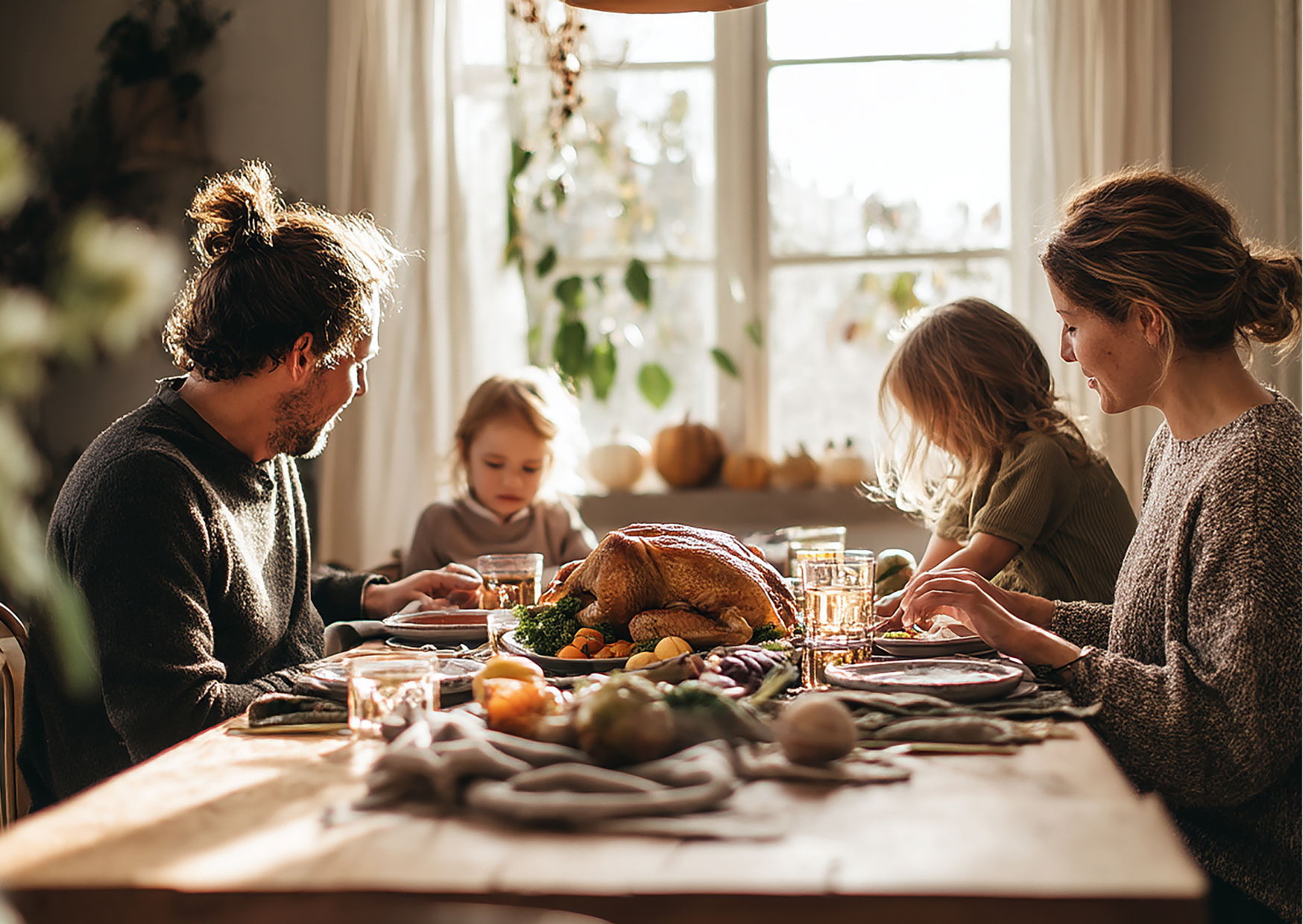
The first time you try to do Thanksgiving in Europe, you spend an hour hunting for canned pumpkin and realize you are explaining a holiday to a cashier who smiles politely and says nothing. The menu turns into logistics. The feeling turns into work. People mean well. Your friends say they will bring wine and then arrive with three baguettes and a story. At some point you understand it is not the ingredients you miss. It is the chorus. Thanksgiving in the U.S. is ambient. Abroad, it is manual.
What follows is not a complaint. It is a translation. If you are in Paris or Porto or Palermo this November, you can still have a table that feels like the thing you remember. You just need to build the quiet parts on purpose: the timing, the shape of the conversation, the way the room holds people who do not share your calendar. I will show the frictions Americans hit, the European workarounds that actually work, and a menu swap that calms both oven math and expectations. Treat Thanksgiving here like a rhythm problem, not a recipe problem.
The day is a Thursday, not a mythic Thursday
In the U.S., the city bends around you. In Europe, Thursday is a normal workday. Schools are open, offices run, supermarkets close early in small towns, and neighbors do not understand why you are brining a turkey in a bathtub. If you insist on Thursday evening, you will cook under stress and greet guests who sprinted across town. That mood leaks into the food.
Shift the day. Saturday afternoon carries the same emotional weight without the sprint. Moving the feast to Saturday is not betrayal, it is oxygen. Your people arrive rested, you shop like a local on Friday, and the kids do not melt at 21:30. If your heart needs Thursday, keep it small: a soup, roast chicken, a pie. Save the big table for the weekend. The feeling comes from the room, not the calendar square.
The shopping list is smaller and better when you stop chasing America
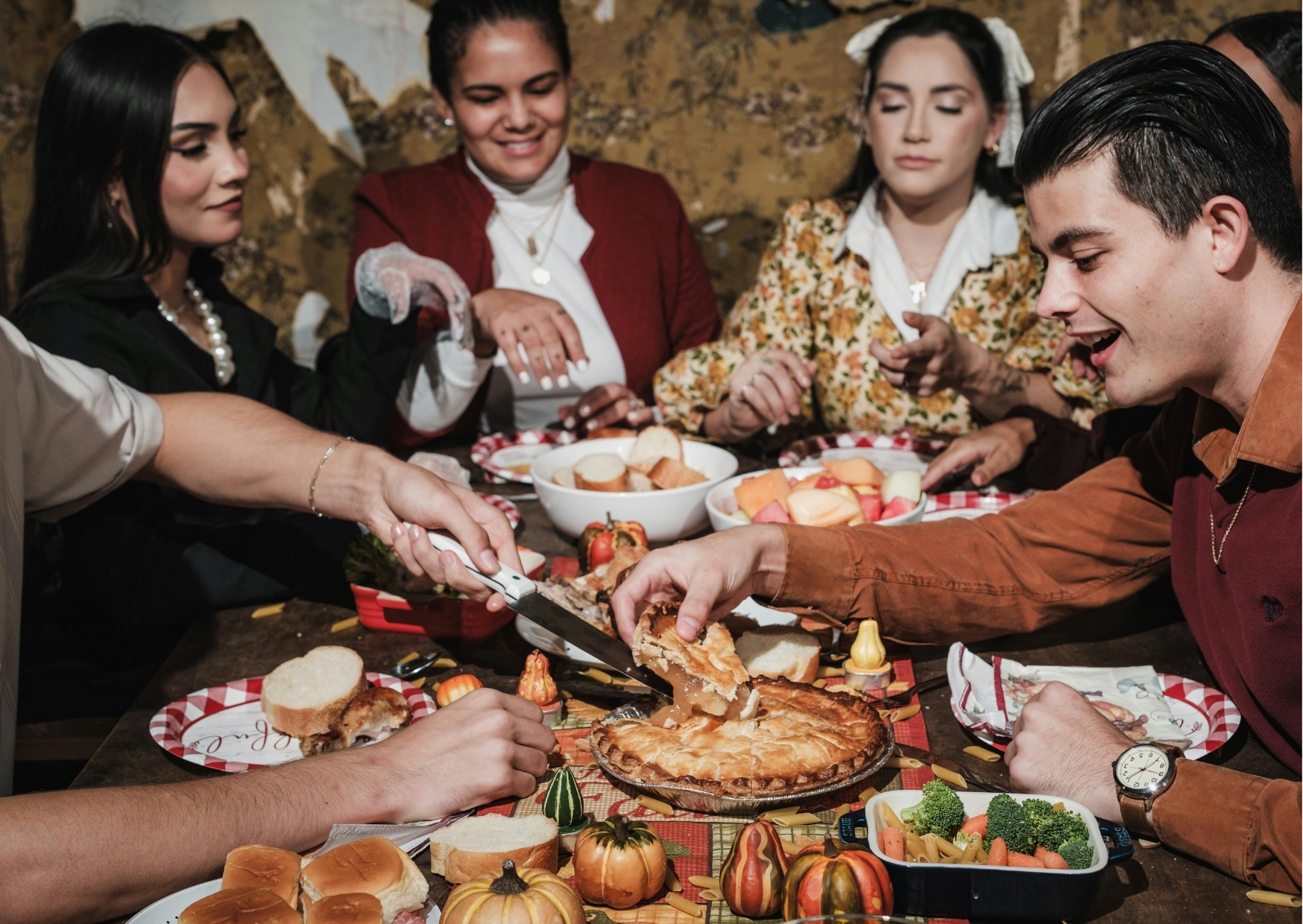
You can find a turkey in many European cities, usually frozen, often too big for your oven, and priced like a dare. You could chase canned cranberries, marshmallows, and the exact pie spices that live in your mother’s drawer. Or you can pivot to European inputs and keep the Thanksgiving shape.
- Turkey becomes two roasted capons or free-range chickens, or even a porchetta if you live near a decent butcher. The table wants a centerpiece. It does not need a bird that touches both oven walls.
- Cranberry becomes pomegranate and orange with a sharp vinegar syrup and black pepper. It has the color and the snap. A tart red thing on the table is the job, not the brand.
- Sweet potatoes with marshmallows become roasted pumpkin wedges with olive oil, rosemary, and a little honey.
- Stuffing becomes bread salad with good stock, leeks, chestnuts if you find them, and crisp edges finished under the grill.
- Green bean casserole becomes haricots verts with shallot and almond or charred Brussels sprouts with lemon.
- Pie becomes tarte aux pommes or pastel de nata towers you buy because you are not a bakery. You can still make one pie. You do not need to make six.
Keep the structure and swap the nouns. The table looks right and cooks faster. People eat what Europe already does well and your kitchen stops performing nostalgia under duress.
The loneliness is not in the food, it is in the missing chorus
Thanksgiving is a call-and-response holiday. In the U.S. the world sings back. Football murmurs in the corner. Streets are empty. Even the air permission-slips rest. Abroad you light candles and no one around you knows why. That gap is where the emptiness lives.
You fix it by manufacturing chorus. Invite a neighbor who never heard of Thanksgiving. Ask them to bring a story from their November and give it ten minutes before dessert. Play one song that is not seasonal but is yours. Raise a glass to absent family and then call them on speaker for two minutes so the room hears their room. The feeling returns when sound does. You are not trying to replicate Indiana. You are building a small choir in Lisbon.
Gratitude here needs translations
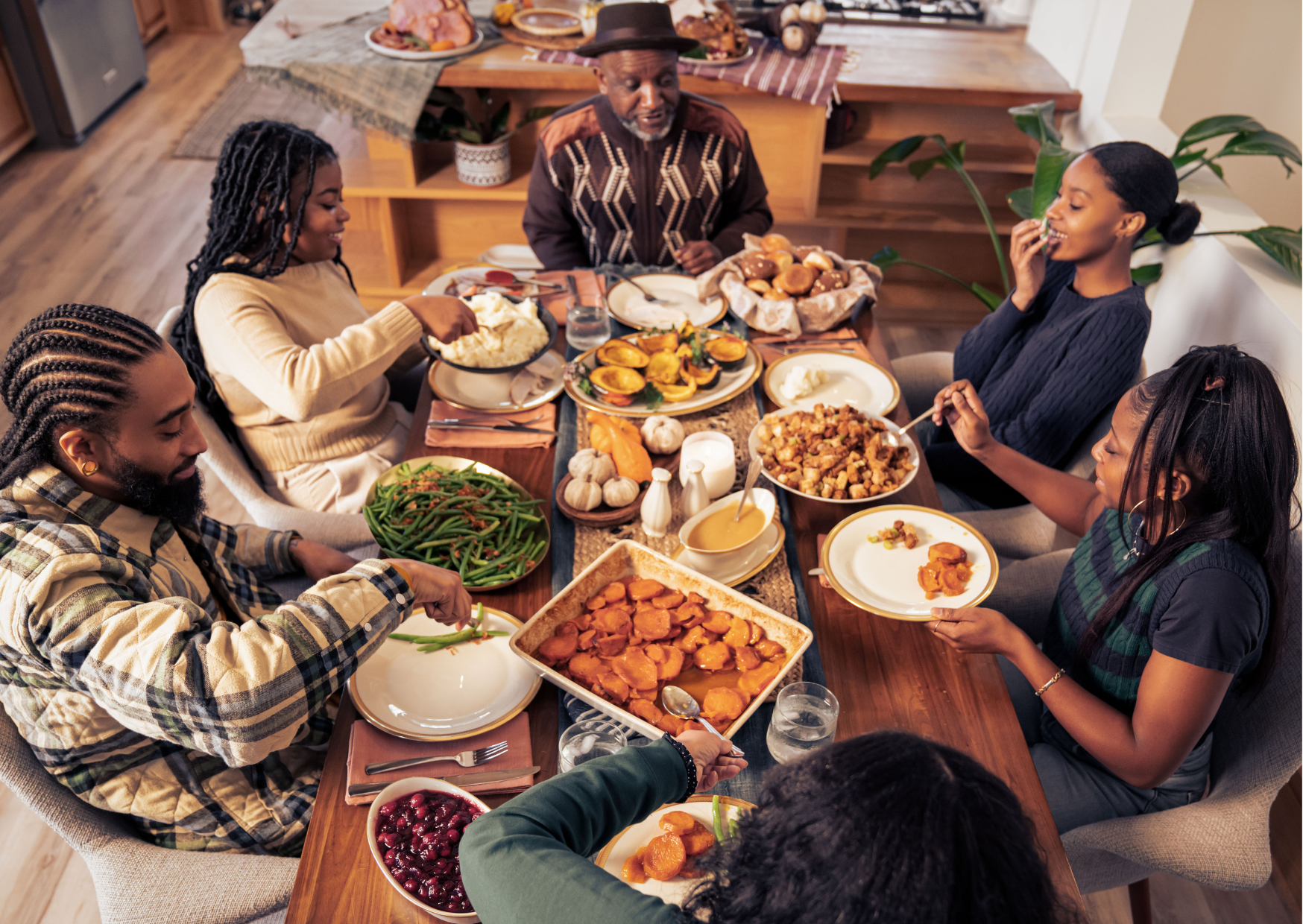
The American ritual of going around the table and declaring gratitude can sound theatrical to Europeans. It is not that people lack gratitude. They keep it private or they show it differently. If you want to have that moment without making guests squirm, change the prompt.
Try this: before the main, ask everyone to share one small thing this month that made their day easier. A neighbor who grabbed a parcel. A child who carried a bag without asking. A colleague who put the kettle on. Smallness lands better here. It pulls gratitude out of performance and into the mundane where Europeans are already fluent. You will get the warmth you wanted without speeches that feel imported.
The meal is too late and too big
European dinner often sits later than Americans expect, but the heavy meal late is what makes people quiet and homesick. The tension is absurd. You cook an American feast at 20:30 and wonder why the room does not sing. Bring the clock forward and the portion sizes down.
Start at 16:00. Serve a first course you can plate in 90 seconds. Keep the main in one pass, not the buffet infinity loop where everyone stands awkwardly and promises to go first. Make places, serve people, sit back down. The quiet secret of a successful European Thanksgiving is that it behaves like a French Sunday lunch with different nouns. When your body understands the schedule, your head follows.
Wine is not the problem, water is
You will buy wine well here. That part is easy. What Americans miss is the pitcher of water in reach of every hand and a table cadence that resets glasses without comment. A jug on the table says the meal is a long one in a place where no one drives soon. Wine becomes part of the meal, not the melody. Make wine small by making water constant. People will drink both, talk longer, and leave with the memory you wanted, not the headache you feared.
Kids do better when you design the table like a European parent
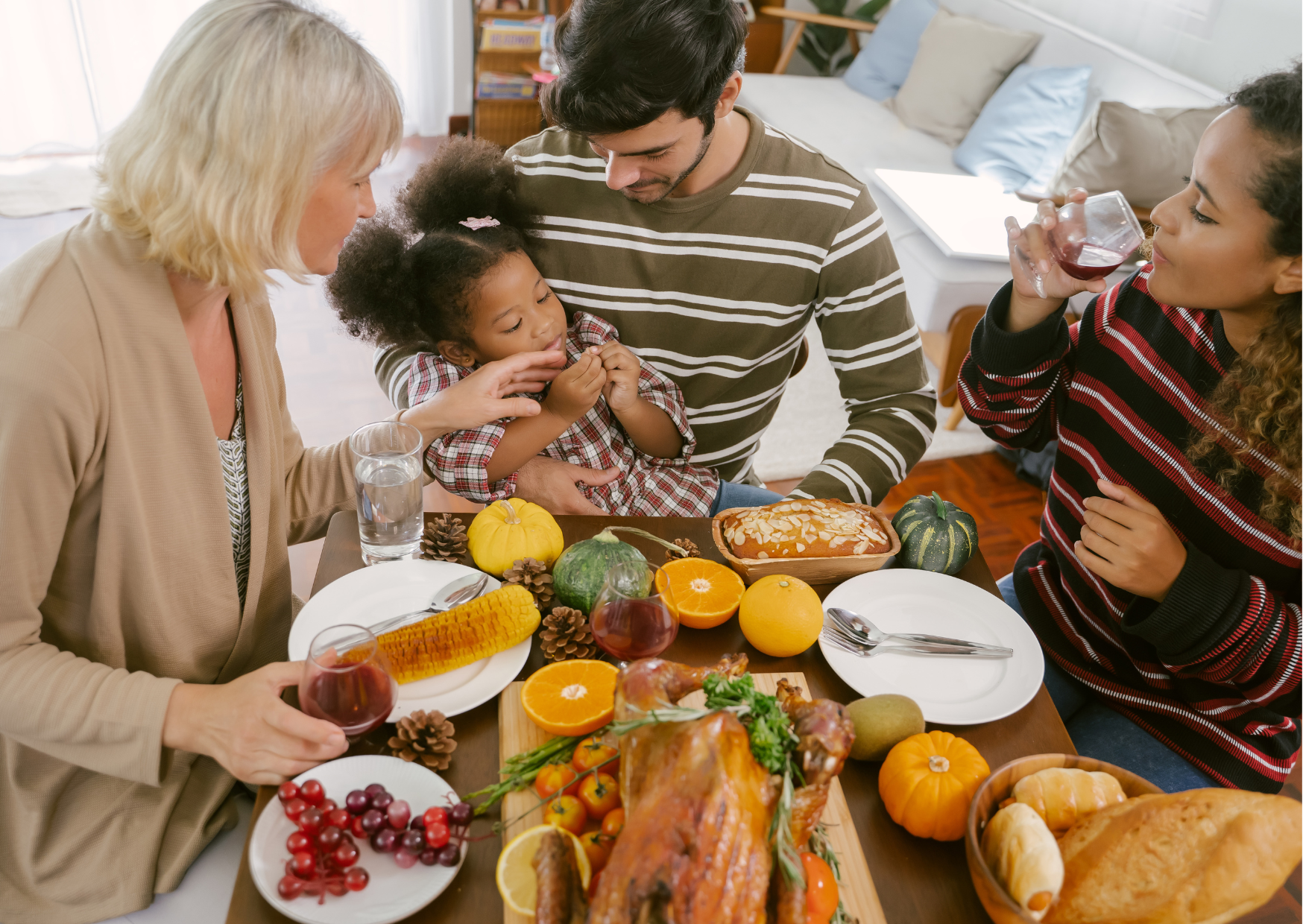
If your dinner includes children, put them at the same table and make the food they can eat without negotiation. Give them their own bread basket and a bowl of olives. They will signal when they want more. If you are tempted to build a separate kid’s zone with a screen, you are building silence. The room wants kid noise. Kid noise is the anchor that makes the day feel like a family thing and not a performance. You can still give them a short film after dessert if you need ten minutes to breathe.
The speech you are planning is too long
You rehearsed something about gratitude and distance and the year we all had. I have written those speeches. They rarely improve the night. Say less. Thank the people who came, name the ones who could not, and put food on plates. If you feel words waiting in your chest later, say them when you pour coffee, not when plates are hot. The room will hear you better when it is not hungry.
If you need ritual, build one that fits the city you live in
People cling to habits when they feel far from home. The best way to make Thanksgiving travel is to build one new ritual that belongs to the city. In Barcelona, that might be a late walk to see the sea before dessert. In Lyon, a cheese board with two local wedges and one American cheddar you smuggled. In Porto, a toast with tawny port and a memory from the oldest person at the table. Rituals carry holidays across borders when recipes struggle.
A menu that cooks in a European apartment without panic
Here is a workable plan for a six to eight person table. It fits a normal oven, it leans on markets, and it lets you be in the room.
First course
Pumpkin soup with crème fraîche and chives. Serve in cups so you do not hunt for enough bowls. A hot cup quiets a room faster than a speech.
Main
Two roast chickens rubbed with garlic, lemon, and thyme. Pan juices mounted with butter.
Bread salad with leeks, stock, parsley, and chestnuts if you found them.
Roasted pumpkin or squash with rosemary and a little honey.
Green beans tossed with shallot, lemon zest, and toasted almonds.
Pomegranate orange relish with black pepper and vinegar.
Cheese pause
A small board with one local cow, one goat, and one blue. Cheese gives you time to breathe and reset plates before sweets.
Dessert
Apple tart from a bakery plus whipped cream you make in a minute. A bowl of clementines. Chocolate squares on a plate so people can decline without ceremony.
Wine and water
One white that behaves with poultry, one light red, a dessert sip if you like. Pitchers of water always full. Tea and coffee after.
This is not a compromise menu. It is a European Thanksgiving that tastes like the place you live and behaves like the holiday you remember.
The grocery list you can actually find
You do not need a specialty importer. You need a market and one decent supermarket.
- Poultry: two whole chickens or a capon from a butcher
- Produce: pumpkin or squash, leeks, green beans, lemons, oranges, pomegranates, chives, parsley, garlic
- Bread: a crusty country loaf one day old
- Dairy: butter, crème fraîche or thick yogurt, cream for whipping
- Pantry: good stock, olive oil, vinegar, honey, toasted almonds, black pepper, salt
- Cheese: three small wedges that start a conversation
- Sweets: apple tart or pastries
Buy Friday morning. Cook Saturday calmly. If your city runs markets on Saturday, reverse it: shop early, cook after lunch, eat at four.
What to say to European friends when you invite them
Make the invitation short and clear. People worry they will perform badly in a foreign ritual.
- “I am cooking a traditional American meal on Saturday at four. It is relaxed, children welcome. You only need to bring yourself and a story from your week.”
- “We will serve a soup, a roast, vegetables, and a dessert. No costumes, no speeches. Comfortable clothes. Come hungry.”
Setting expectations lowers anxiety. Anxiety, not culture, is what keeps people from saying yes.
The money math is different and smaller
Thanksgiving in the U.S. can feel like a minor wedding. Abroad you can spend far less and get more of what you want because markets are set up for this. Buy poultry that tastes like a bird. Spend on good bread and butter. Save money by not importing nostalgia in jars. When you spend on the room instead of the legend, the night feels like yours, not a copy of someone else’s Thursday.
The moment that hurts and how to handle it
At some point the room will tilt. A laugh will sound like someone back home. A song will land wrong. A smell will open a door in your head you did not know was still locked. You are allowed to be quiet for a second. Step to the kitchen, rinse a glass, breathe. Then return and ask someone about their first winter in this city. Turning the ache into a question often releases it. It stops being a private test and becomes a conversation the room can hold.
If you insist on doing the full American spread
You can. It will be harder and more expensive but not impossible. The only nonnegotiable advice if you go that route is to simplify the oven choreography. Make stuffing the day before and reheat covered. Bake pies Friday evening. Roast the bird earlier than you think and hold it wrapped in towels while sides cycle through. Start early and keep your sink empty. The sink is the real bottleneck in European kitchens. If it is clear, your head is clear.
What to do with the people who do not get it
There will be a friend who arrives late and says the food looks “interesting.” There will be a neighbor who cannot understand why you care about a family holiday in a country that has other holidays. Do not recruit them. Feed them. Ask one question about their parents’ winter table. Listen. You are not defending a thesis. You are hosting. Hospitality wins arguments by refusing to argue.
A small plan for the week after
If this year felt thin, write a note now while it is fresh. Next year invite two more locals. Start earlier. Order the poultry in advance. Buy better stock. Rituals get stronger by being repeated, not perfected. The second year often lands. The third year becomes yours.
Move the main meal to Saturday or to daylight and keep the plates smaller.
Swap ingredients to European strengths while protecting the Thanksgiving shape.
Build chorus on purpose with water on the table, one shared story, and a ritual that belongs to your city.
That is how the emptiness thins out. Not by importing every can and jar, but by building a room that sings back, even if the song is in two languages and the pie came from a bakery.

About the Author: Ruben, co-founder of Gamintraveler.com since 2014, is a seasoned traveler from Spain who has explored over 100 countries since 2009. Known for his extensive travel adventures across South America, Europe, the US, Australia, New Zealand, Asia, and Africa, Ruben combines his passion for adventurous yet sustainable living with his love for cycling, highlighted by his remarkable 5-month bicycle journey from Spain to Norway. He currently resides in Spain, where he continues sharing his travel experiences with his partner, Rachel, and their son, Han.