
So here is the trick the Algarve grandmothers already know. If you cook Portuguese sweet potatoes the right way, let them cool, and pair them with fat, fiber, and protein, your blood sugar stays calm and lunch carries you for hours. No powders. No fake sweets. Just a tuber, a clock, and pantry food that grows here. If you have tried sweet potatoes that left you hungry an hour later, you probably rushed the cook or plated them like dessert. Remember, the method matters more than the marketing.
This is a full recipe you can run tonight and repeat all week. I will give you the exact technique that keeps insulin quiet, the science in plain words, shopping notes for Portuguese stores, and three complete plate formulas that taste like lunch instead of a diet. Bottom line, sweet potatoes can be slow fuel if you treat them like a savory staple and respect the cool-down.
Why this works in Portugal specifically
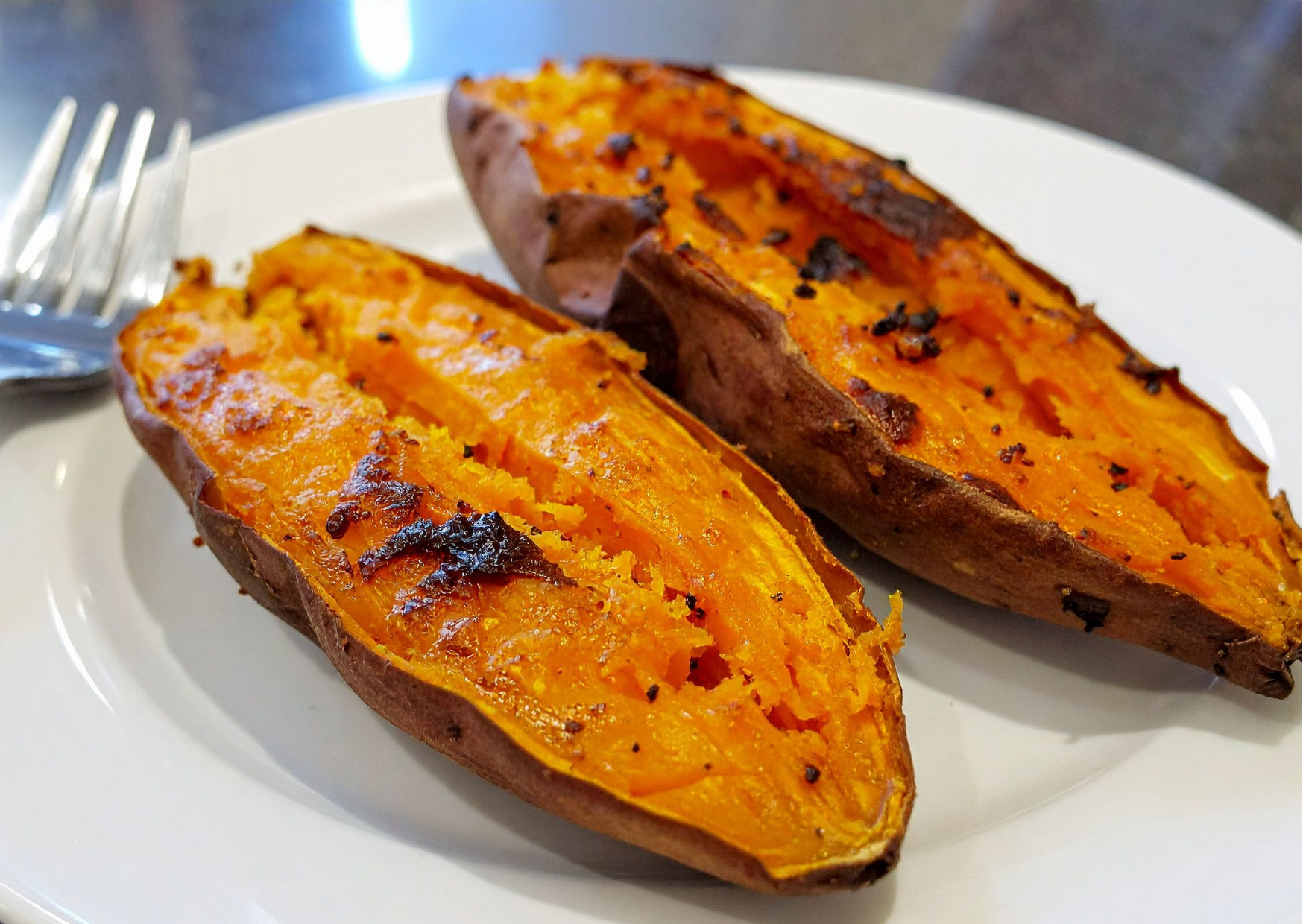
Two local advantages help you. First, Portuguese batata-doce tends to be smaller and denser, especially the Aljezur variety. Smaller size means more even cooking and fewer gluey centers. Second, good olive oil and tinned fish are everywhere, which turns a high carbohydrate food into a balanced plate with fat and protein in seconds. Remember, starch plus olive oil plus protein beats starch by itself every time.
Also, your oven is probably honest about temperature. If it runs hot, write it down once and stop guessing. The method survives small variances because it uses time, not tricks.
The insulin logic in one paragraph
You do not need a textbook. Cooking, cooling, and reheating some starches increases resistant starch, which digests more slowly and blunts the blood sugar rise. Fat and protein slow gastric emptying, fiber slows absorption, and acid, like a splash of vinegar, can nudge the curve even lower. That is the entire plan. Cook fully, cool at least 12 hours, reheat briefly, and eat the potato as part of a real meal with olive oil, protein, and greens. Key point, the fridge is part of the recipe.
The base recipe: slow roast, chill, reheat
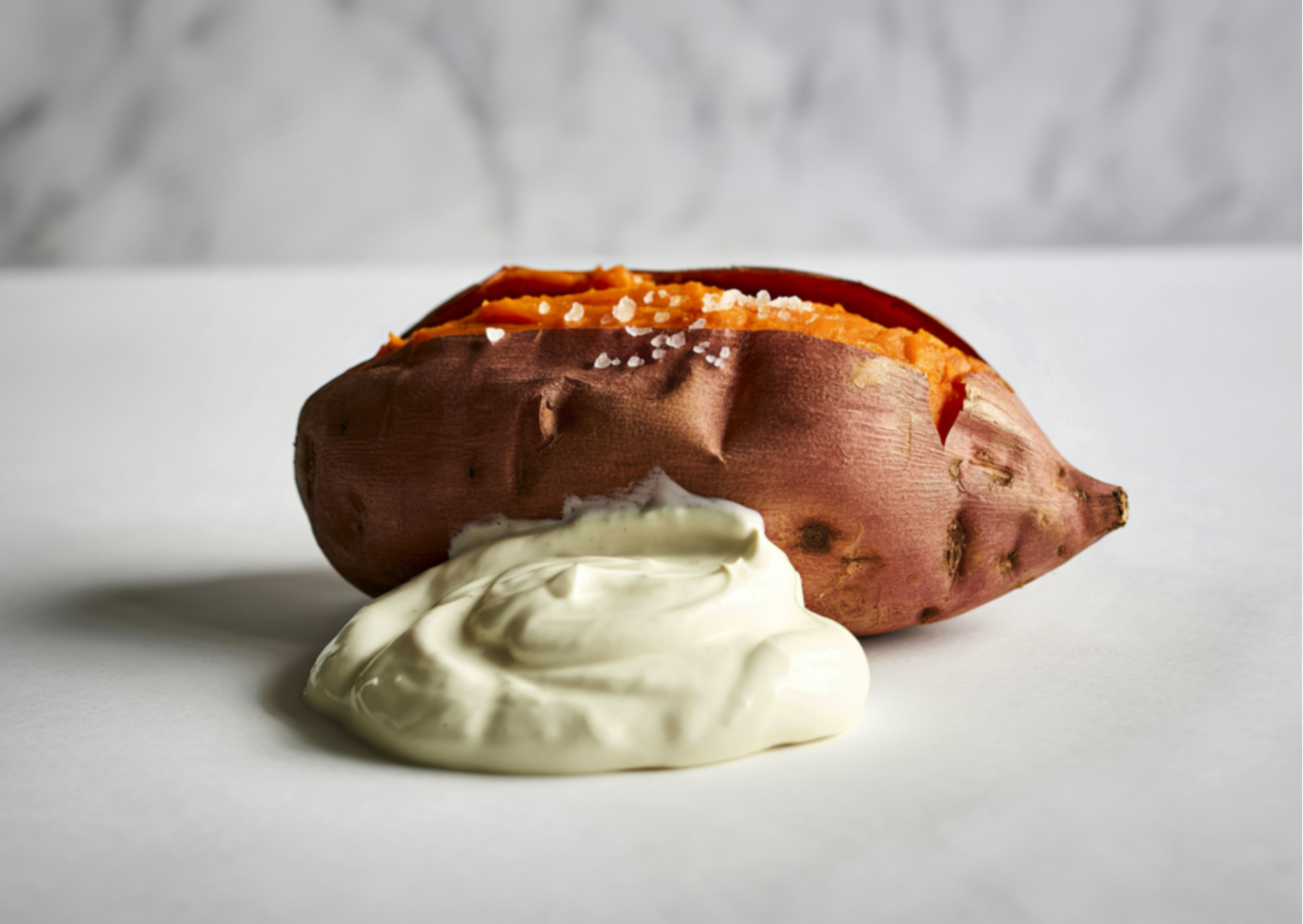
This is your template. Make a tray once, eat calm lunches for three days.
Ingredients
- 6 Portuguese sweet potatoes, 180 to 250 g each, scrubbed well, skin on
- 3 tablespoons extra virgin olive oil
- 2 teaspoons sea salt, divided
- Fresh black pepper
- Optional aromatics for after reheating: smoked paprika, garlic powder, lemon juice, red wine vinegar, chopped parsley
Remember, size matters. Smaller, evenly sized potatoes cook predictably and portion easily.
Equipment
- Oven with a reliable 180 to 200°C setting
- Baking tray and parchment
- Cooling rack or space in the fridge
- Airtight container for storage
Step 1. Slow roast to finish
- Heat oven to 190°C. If your oven runs hot, set 180°C.
- Prick each potato 3 to 4 times with a fork. Rub lightly with olive oil, then sprinkle with 1 teaspoon salt and pepper.
- Place on a lined tray. Roast 55 to 75 minutes depending on size, turning once.
- They are done when a skewer slides through with no resistance and syrup beads out at the slits. If unsure, roast the largest for 5 more minutes. You want fully cooked, not “almost.”
Bottom line, undercooked starch spikes worse. Finish the cook.
Step 2. Cool to set the starch
- Move hot potatoes to a rack. Let them steam off 20 minutes on the counter.
- Transfer to an airtight container. Chill overnight, at least 12 hours. Do not skip this. The cool-down is the insulin guardrail.
Step 3. Reheat gently for meals
Reheat portions, not the whole batch.
- Oven: 10 to 12 minutes at 180°C until just hot.
- Pan: halve lengthwise, warm cut side down in a nonstick pan with a teaspoon of olive oil for 3 to 5 minutes.
- Air fryer: 5 to 6 minutes at 180°C for a crisp edge.
Remember, you are reheating, not recooking. Keep the centers warm, not dry.
Portion sizes that keep things steady
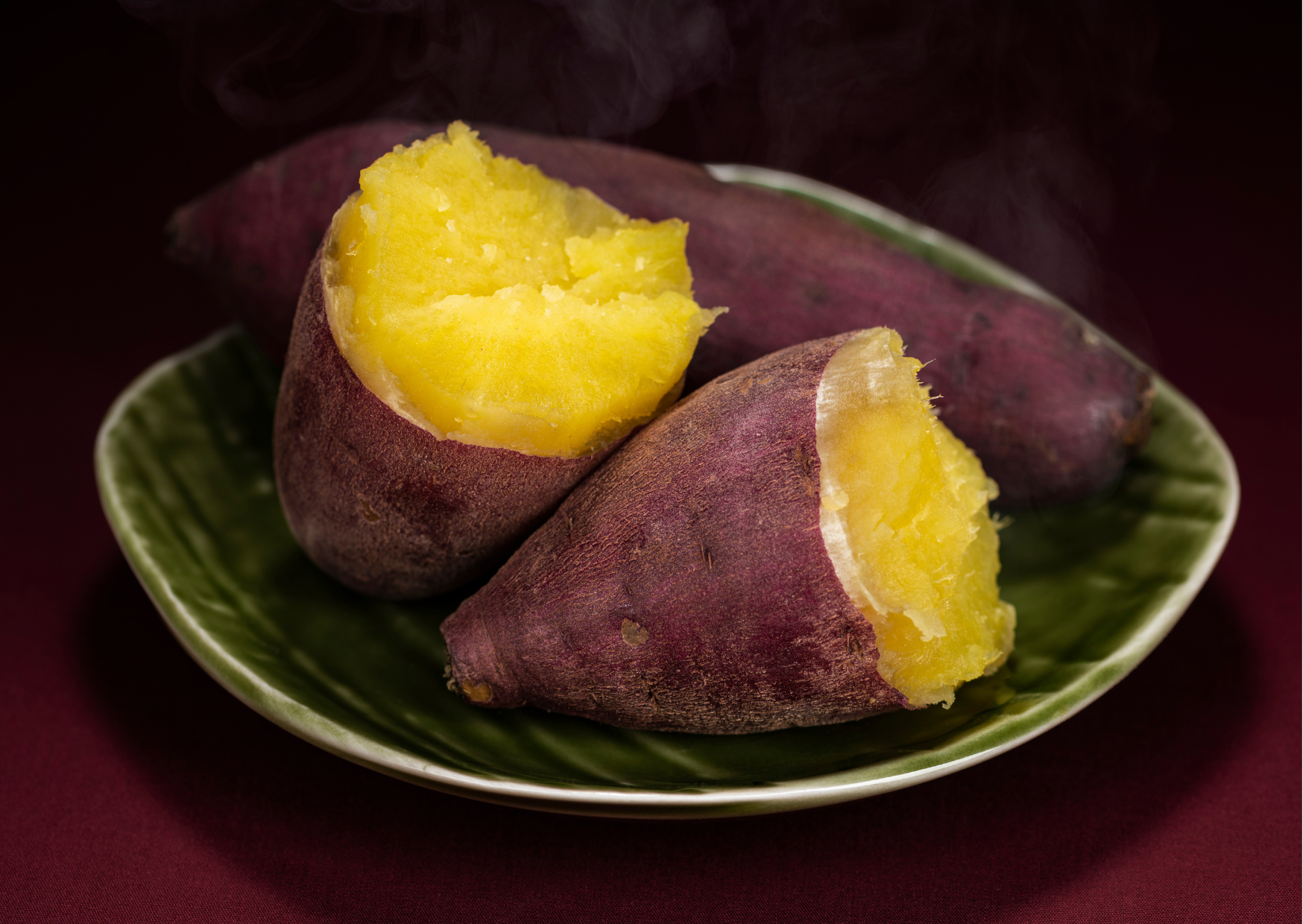
- Everyday lunch target is 150 to 200 g cooked potato per person. That is half to one small potato.
- Pair with 20 to 30 g protein, which is roughly a tin of fish, two eggs, or 120 g skyr or Greek yogurt in a savory bowl.
- Add 15 to 25 g fat from olive oil, nuts, or sardines in oil.
- Fill the rest of the plate with nonstarchy vegetables. Greens, peppers, tomatoes, cabbage, fennel. Your appetite will calm down. Key point, build plates, not snacks.
Three plate formulas that do not spike
You can repeat these all winter and no one complains.
1) Algarve tin fish bowl
- Reheat 180 g sweet potato, slice thick.
- Top with 1 tin sardines in olive oil.
- Add a handful of arugula and sliced tomato.
- Finish with 1 teaspoon red wine vinegar, a pinch of salt, and paprika.
Why it works: fat and protein from sardines plus acid and greens. Remember, vinegar is not decoration. It helps.
2) Market eggs with greens
- Reheat 150 to 180 g sweet potato, smash lightly with a fork.
- Fry 2 eggs in olive oil.
- Pile onto a bed of sautéed spinach with garlic.
- Sprinkle with parsley and lemon.
Why it works: protein and fat slow the roll, greens bring fiber, lemon wakes the palate without sugar.
3) Yogurt tahini bowl for busy days
- Cube 160 g reheated sweet potato.
- Mix 150 g plain Greek yogurt with 1 tablespoon tahini, salt, and a little lemon.
- Add cucumber, mint, and toasted sesame.
- Drizzle olive oil.
Why it works: thick dairy protein plus sesame fat and fiber. Bottom line, it eats like lunch, not dessert.
The science in plain words
I promised no footnotes. Here is the gist.
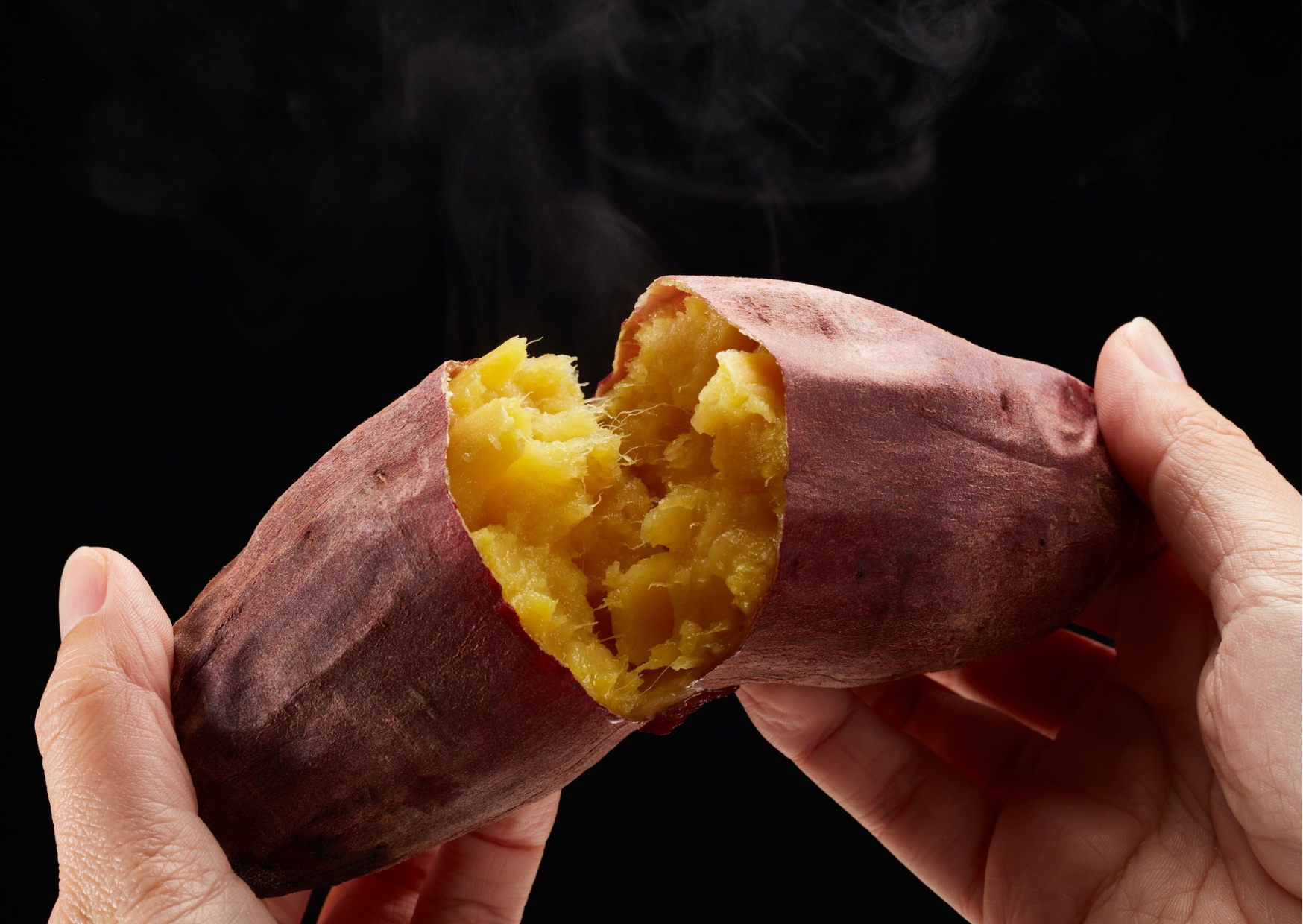
- Resistant starch forms when certain cooked starches cool. It behaves more like fiber, feeding gut bacteria and lowering the glycemic rise. Reheating gently does not erase it.
- Fat and protein slow how fast the stomach empties. Slower emptying means a smoother glucose curve.
- Fiber in vegetables and the potato skin slows absorption. Do not peel.
- Acid from vinegar or lemon can slightly reduce the spike. Use a teaspoon.
- Spices like cinnamon in sweet preparations may help a bit, but the big wins are still cool-down, fat, protein, and fiber. Do not hide a candy bowl behind a cinnamon label.
Remember, you are not trying to make sweet potatoes into zero carbohydrate. You are trying to make them steady fuel.
Taste first, then macros
People blow this by chasing grams and forgetting flavor. If lunch tastes like homework, you will raid the cupboard at 17:00. Make it savory and satisfying.
- Use a good peppery olive oil. You will need less.
- Add a bitter green like arugula to balance sweetness.
- Keep a jar of pickled onions in the fridge for snap without sugar.
- Finish with clean salt and fresh herbs. Small touches move cravings.
What to buy in Portuguese stores
You can find everything during a normal run.
- Batata-doce: look for small to medium size, firm, no gashes. The Aljezur kind is excellent when you see the mark.
- Azeite virgem extra: any decent supermarket extra virgin is fine for bowls. Use the nicer bottle raw and a basic one for the pan.
- Conservas: sardines, mackerel, or tuna in olive oil. Buy a few brands and pick your favorite.
- Greens: espinafres, rúcula, alface.
- Vinegar: red wine or apple cider.
- Protein backups: eggs, Greek yogurt or skyr, cottage cheese if you like it.
- Add ons: tahini, sesame, paprika, parsley.
Key point, substitution is allowed. Anchovies instead of sardines, cabbage instead of spinach, lime instead of lemon. The structure is what matters.
A savory mash for cold days
If you want something spoonable that still behaves, do this.
Ingredients
- 400 g reheated sweet potato, cubed
- 150 g cooked white beans, drained
- 2 tablespoons olive oil
- 1 clove garlic, finely grated
- Juice of half a lemon
- Salt and pepper
- Parsley
Method
- Warm the cubes in a pan with olive oil and garlic for 2 minutes.
- Add beans and mash everything coarsely with a fork.
- Lemon, salt, pepper, parsley to finish.
- Serve with a fried egg or tinned mackerel.
Why it works: beans add fiber and protein, the mash stays savory, and you get comfort without a glucose rollercoaster.
A quick sheet pan dinner for families
Not every night can be bowls. This feeds four.
Ingredients
- 4 small cooled sweet potatoes, halved
- 1 red onion, wedges
- 1 red pepper, strips
- 8 chicken thighs, bone in, skin on
- 3 tablespoons olive oil
- 1 teaspoon smoked paprika
- 1 teaspoon dried oregano
- Salt and pepper
- Lemon to finish
Method
- Heat oven to 200°C.
- Toss chicken with oil, paprika, oregano, salt, pepper.
- Put chicken on a tray, add onion and pepper. Roast 20 minutes.
- Add sweet potato halves to the edges, cut side up. Drizzle with a little oil. Roast 15 to 20 minutes more until chicken is cooked and skin is crisp.
- Squeeze lemon over everything.
Remember, dinner is where people overdo starch. The potato halves are already portioned. The protein carries the meal.
Common mistakes and easy fixes
- Skipping the cool-down: you lose the resistant starch benefit. Fix by cooking a day ahead.
- Eating potatoes by themselves: you will be hungry quickly. Add protein and fat.
- Peeling the skin: you lose fiber and minerals. Scrub, do not peel.
- Reheating to death: you dry the centers and push yourself toward toppings for moisture. Reheat until hot, not desiccated.
- Making it sweet: maple and cinnamon turns lunch into dessert. Use paprika, lemon, vinegar, and herbs. Bottom line, keep the flavor savory.
Cost and time on a normal week
- Six small sweet potatoes: €3 to €5 depending on store and season
- Olive oil and pantry aromatics: call it €1 worth per week
- Sardine tins and eggs: €6 to €8 for multiple meals
- Greens and vegetables: €5 to €7
For roughly €15 to €20, you get six calm lunches plus a family sheet pan night if you choose it. Remember, good routine food is cheap. Cravings are expensive.
If you want numbers
People ask, so here is a rough plate that behaves:
- 180 g cooked sweet potato
- 1 tin sardines in oil, drained to taste
- 60 g mixed salad leaves and tomato
- 2 teaspoons olive oil on the leaves
- 1 teaspoon red wine vinegar
You are in the neighborhood of 450 to 520 kcal depending on oil and fish brand, with 20 to 30 g protein, 20 g fat, and the carbohydrate from the potato balanced by fiber, fat, and protein. You feel steady instead of sleepy. You will notice the difference at 16:00.
Frequently asked questions
Can I use American sweet potatoes
Yes. The method still works. Try to buy smaller ones and roast fully. The cool-down is the lever.
How long can the cooked potatoes stay in the fridge
Three to four days in a sealed container. If the texture turns watery, crisp the cut side in a pan for a minute.
Can I freeze them
Yes. Freeze halves, thaw overnight, and reheat in the oven. The texture is softer but still fine for bowls or mash.
What about adding cinnamon
Fine for flavor in a savory way, but do not turn it into dessert. The big wins are still cool-down, fat, protein, and fiber.
Do I need a glucose monitor
No. If you like data, go ahead, but you will feel the steadiness without gadgets. Fewer yawns, fewer snacks, calmer evenings.

About the Author: Ruben, co-founder of Gamintraveler.com since 2014, is a seasoned traveler from Spain who has explored over 100 countries since 2009. Known for his extensive travel adventures across South America, Europe, the US, Australia, New Zealand, Asia, and Africa, Ruben combines his passion for adventurous yet sustainable living with his love for cycling, highlighted by his remarkable 5-month bicycle journey from Spain to Norway. He currently resides in Spain, where he continues sharing his travel experiences with his partner, Rachel, and their son, Han.