
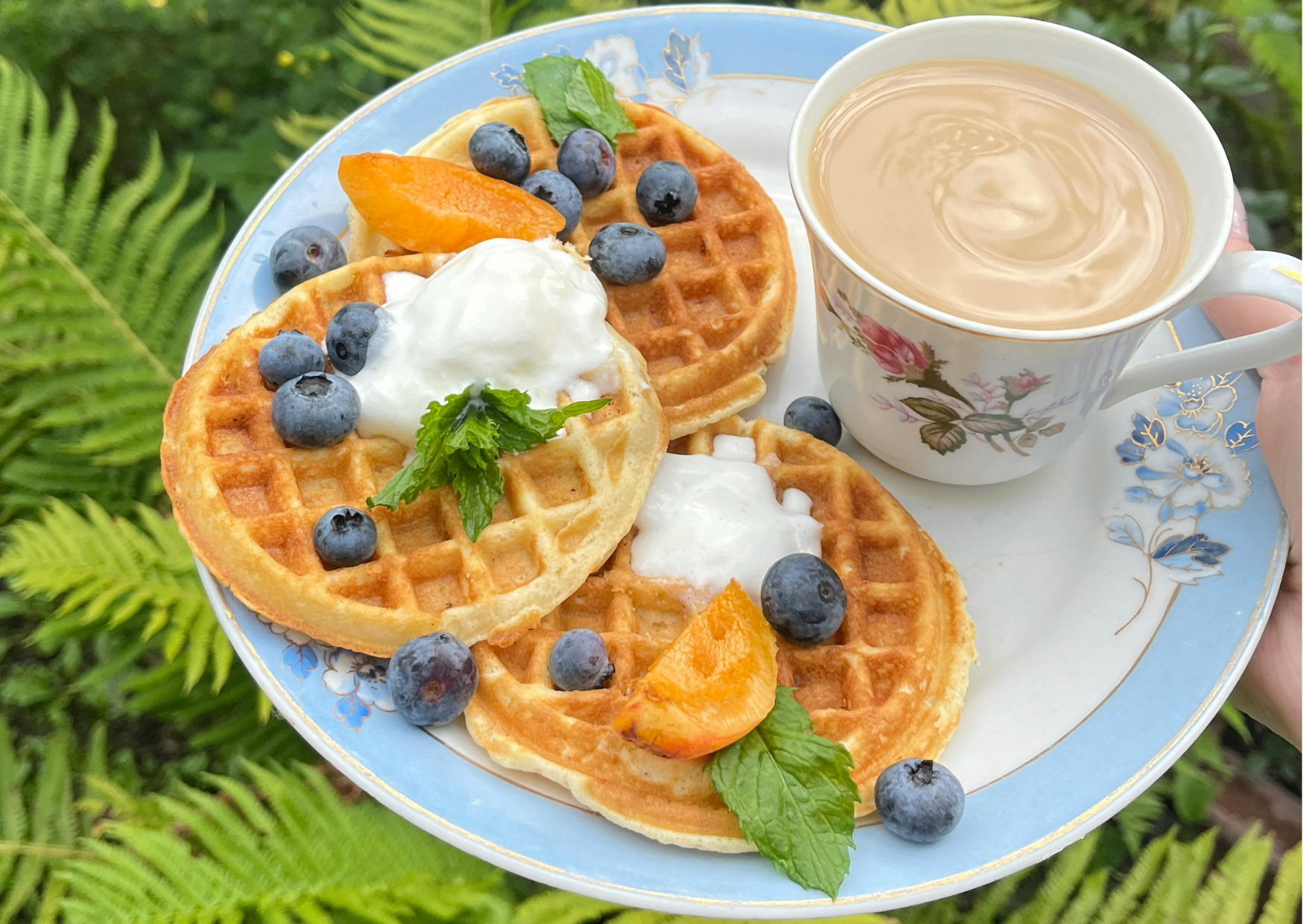
The first week felt like cheating. Bread stayed on my plate, pasta stayed in my life, and there was no sad “gluten free” aisle in sight. I just stopped buying American-style flour and products made with it and switched to what my neighbors in Spain already eat. I did not quit bread, I changed the flour. The difference landed faster than I expected: less bloat, no 4 p.m. crash, easier mornings. I kept notes, weighed a few things, and made rules I could keep in a normal life with school runs and a too-small kitchen.
This is the 30-day protocol that worked. It is not a medical claim. It is the grocery math, the labels, and the restaurant scripts that made a visible change without making me the awkward person at a table. If you can read a bag, choose a bakery, and boil water, you can do this.
What I stopped, what I kept
I did not quit gluten. I stopped buying flour and packaged bread that reads like it was engineered for shelf life and elasticity. My kitchen and café order moved to European-milled wheat with short labels and to fermentation that belongs in a home, not a lab.
I stopped
- Supermarket sandwich loaves with long ingredient lines and sweeteners
- Bleached or “enriched” all-purpose flour from U.S. brands
- High-gluten imports made for bagels and heavy pizza
- Crackers puffed with conditioners and oil
- “Just add water” mixes that promise bounce and never stale
I kept
- Bakery bread with same-day crust from flour, water, salt, yeast
- Sourdough from a bakery that actually ferments
- Pasta made in Italy from durum semolina and water
- European flours for home cooking: T45, T65, Tipo 00, or Spanish fuerza/suave depending on the recipe
- Rye, spelt, and old-grain blends when available
The principle is simple. Short labels win. If the bag needs a paragraph, it is not for this month.
Why this works when “cut gluten” didn’t
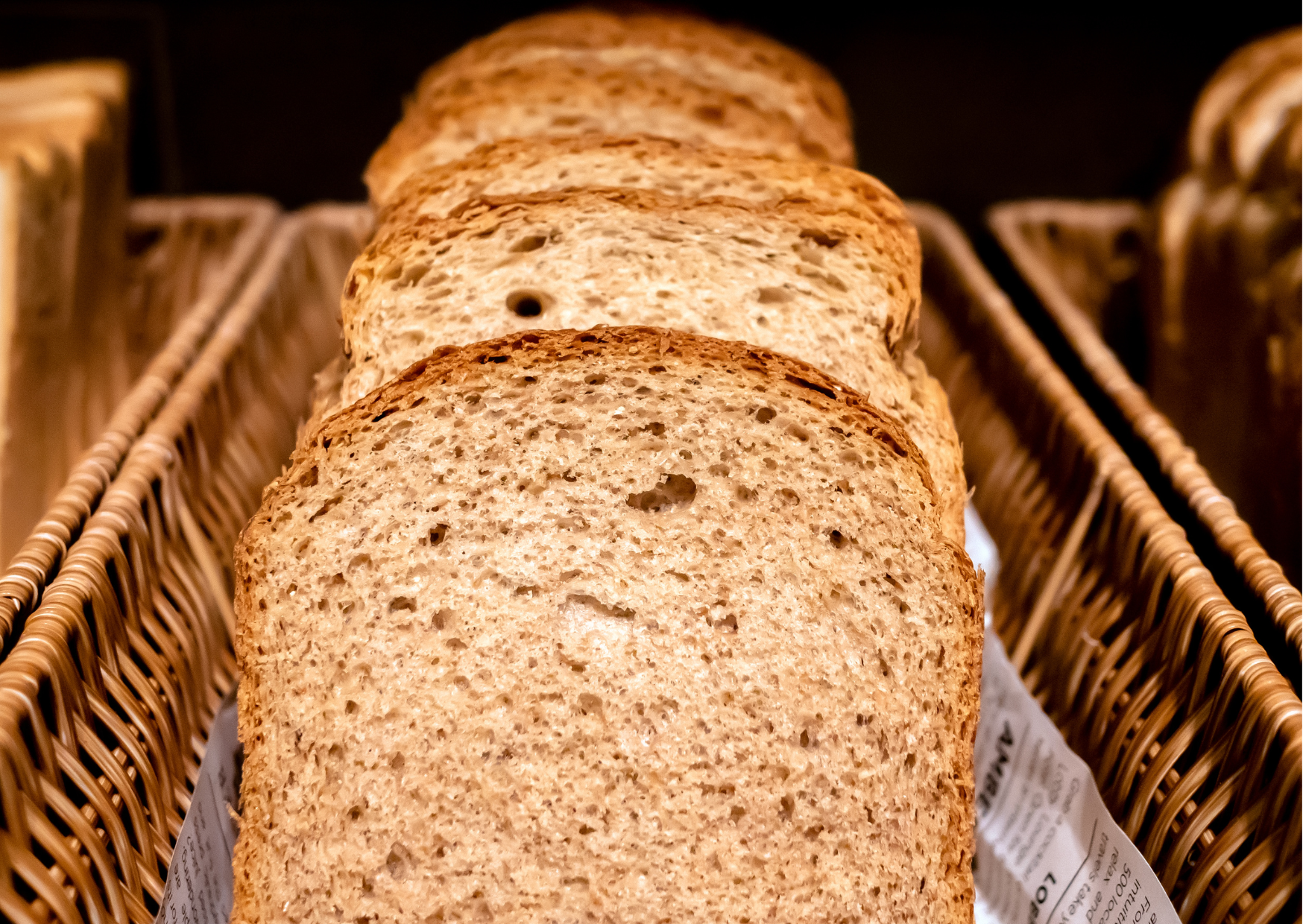
Most people who “quit gluten” are quitting a whole American food system at once: enriched bleached flour, dough conditioners that fake time, sugar folded into bread, and a habit of eating wheat every hour in some form. Change the system and the body calms down even when gluten stays. It is the inputs and the rhythm. Europe bans or avoids a handful of flour tricks, leans on fermentation, and still expects bread to be cooked the same day it is sold. That alone removes a lot of the noise.
I tried full gluten-free once and felt worse. The swaps were ultra-processed, the price was silly, and I ate more to get satisfied. Removing the industrial shortcuts gave me the win I wanted without the lifestyle tax. I know that sounds like marketing. It is just what happened.
The 30-day rules that actually survived mornings
I wrote five rules on a card and stuck it to the fridge. Nothing complicated.
- Bread must be baked today or taste like it. If the label has a shelf life that reads like a battery, not a baguette, skip it.
- Flour must say what it is. Tipo 00, T45, T65, harina de fuerza or suave, rye, spelt. If it says bleached or enriched or has a long additive line, skip it.
- Fermentation beats chemistry. Prefer sourdough or long-fermented yeasted bread.
- Durum pasta only. No soft-wheat gimmicks, no protein fluff, just semolina and water.
- Two wheat moments a day max. Breakfast and lunch, or lunch and dinner. Not all three.
Keep the rules small enough to remember with a cold coffee nearby. That was my test.
The grocery basket, Spain-price edition
Your numbers will vary, but this is what I actually bought in Seville and Barcelona in October.
- Pan de masa madre from a neighborhood obrador: €2.20 to €3.00 per loaf, enough for two days
- Fresh baguette: €1.00 to €1.20
- Tipo 00 flour, 1 kg: €1.10 to €1.60
- Harina T65 or fuerza, 1 kg: €1.30 to €1.90
- Italian semolina pasta, 500 g: €0.90 to €1.60 depending on brand
- Rye or spelt blend loaf from a better bakery: €3.50 to €4.80
I spent less than my old American-import habit and ate better bread. That part shocked me.
How the first two weeks felt in a normal body
I do not own a lab. I own a belt and a notebook. By day nine the afternoon tight-waist feeling was gone. By day twelve I realized dinner portions were smaller without trying. Sleep got easier to start, which I did not expect from flour. Energy flattened out in a good way. No dip that sends you to a coffee you don’t want.
Visible things
- Belt down a hole by day 14
- Face less puffy in morning photos by week two
- No acid burp after dinner on pasta nights
I might be off by a day or two on those notes. The direction is right. If you need lab numbers, do the experiment and get your own bloodwork.
The flours that behave, explained in two minutes
If you walk into a French, Italian, or Spanish aisle, the names change but the logic repeats. Choose the right bag and you stop fighting dough.
- Tipo 00 (Italy): finely milled, low to medium protein, perfect for fresh pasta, pizza with a tender bite, cakes that still taste like food.
- T45, T55, T65 (France): increasing ash content and strength as the number climbs. T45 for pastries, T65 for rustic loaves.
- Harina de fuerza vs harina suave (Spain): fuerza is strong, good for enriched doughs and long ferments; suave is weak, better for cakes and biscuits.
- Rye and spelt: use in blends. Rye loves sourdough. Spelt gives nutty flavor but needs care or it spreads.
Pick flours by job, not by brand. The bag is a tool, not a personality.
A simple sourdough schedule that does not eat your life
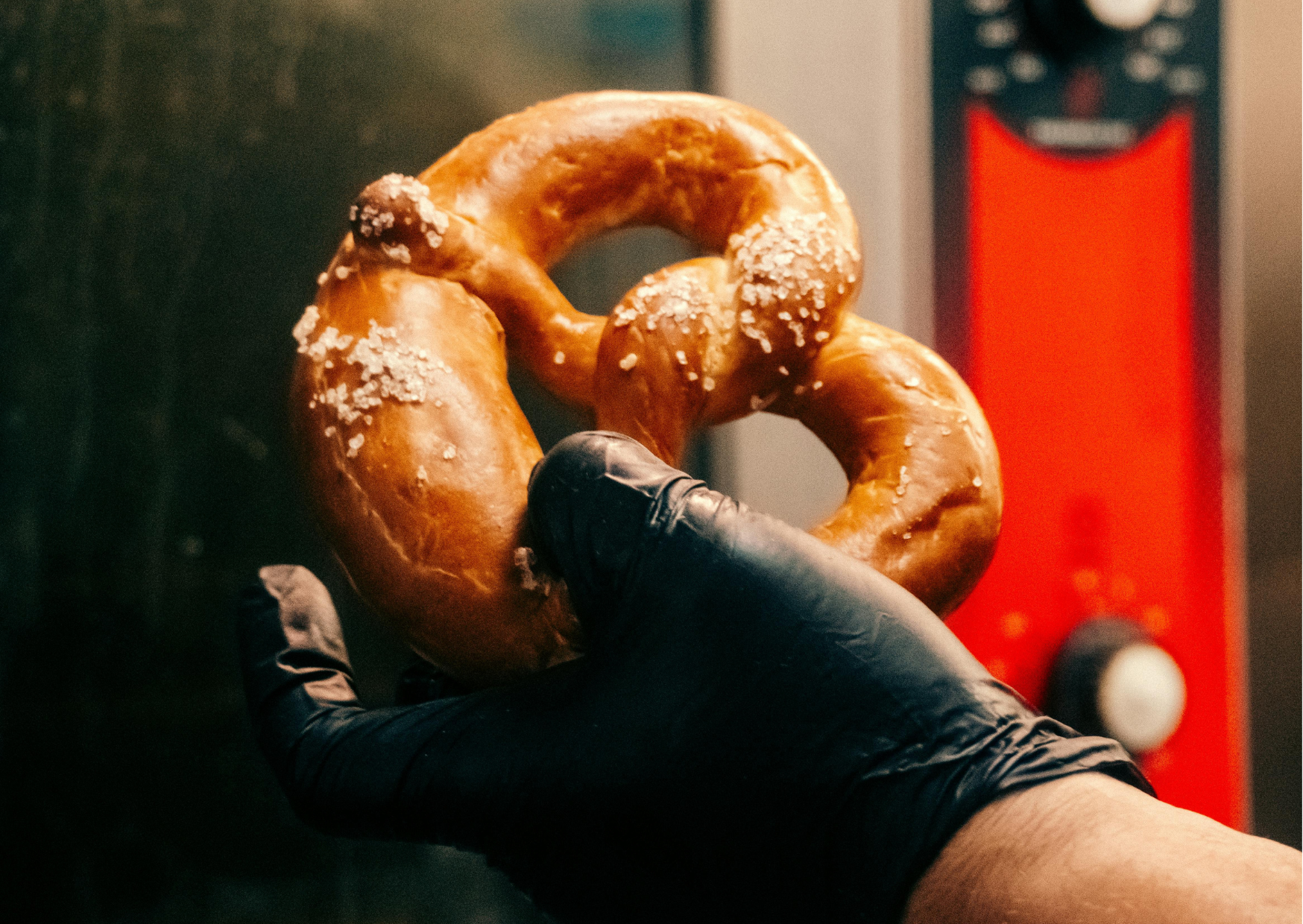
People turn sourdough into a religion. I cannot. This is a weekday-friendly plan that makes two good loaves without a spreadsheet.
Starter maintenance
- Keep 50 g starter in the fridge
- Once a week: feed 50 g flour and 50 g water, let it rise 3–4 hours, then back to the fridge
Bake day (evening start, next-day bake)
- 18:00: Mix 700 g T65 or fuerza flour, 300 g water, 200 g active starter, 15 g salt. Rest 30 minutes.
- 18:30–20:30: Three sets of stretch and fold every 30 minutes.
- 21:00: Shape into two tight balls, place in floured bowls, cover, fridge overnight.
- Next day, 08:00–10:00: Bake straight from fridge at 240°C in a preheated Dutch oven, 20 minutes covered, 20 minutes uncovered.
You get two loaves that taste like a bakery without scheduling your soul around dough. The crust sings when it cools. That sound is the opposite of a plastic bag.
Pasta nights that keep the promise
Durum wheat is your friend. Semolina plus water gives you chew without bloat when the sauce has salt, acid, and fat in balance. Three dinners that never failed in 30 days:
- Aglio e olio with lemon
180 g pasta for two, olive oil, garlic, chili, lemon zest and juice, parsley. Finish with pasta water. It hits every sensor without cream. - Sardine and fennel
Tin of sardines in olive oil, thin fennel slices, lemon, black pepper, toasted breadcrumbs. Sea, crunch, perfume. - Tomato butter
Two ripe tomatoes grated, olive oil, a small knob of butter, basil, salt. Silky without being heavy.
Portion quietly. One plate that fits in two hands, not a serving bowl that becomes a dare.
Eating out without being the person everyone dreads
I did not announce anything to waiters. I changed my order. Bakery bread beats basket bread in most restaurants. If a place sells their own loaf, get that. If not, skip bread unless it looks alive. Pastas made in house tell you on the menu. If the sauce list is a paragraph and the pasta name is generic, choose a grill or stew.
Scripts that work
- “Pan de masa madre, ¿de la casa?” If yes, order it.
- “Pasta fresca o seca” in Italian restaurants. Fresh signals craft.
- “Solo una ración pequeña del pan” to keep the basket modest.
The point is not to perform rules. It is to eat food that was made by someone, not assembled.
The week that broke the rules and what happened
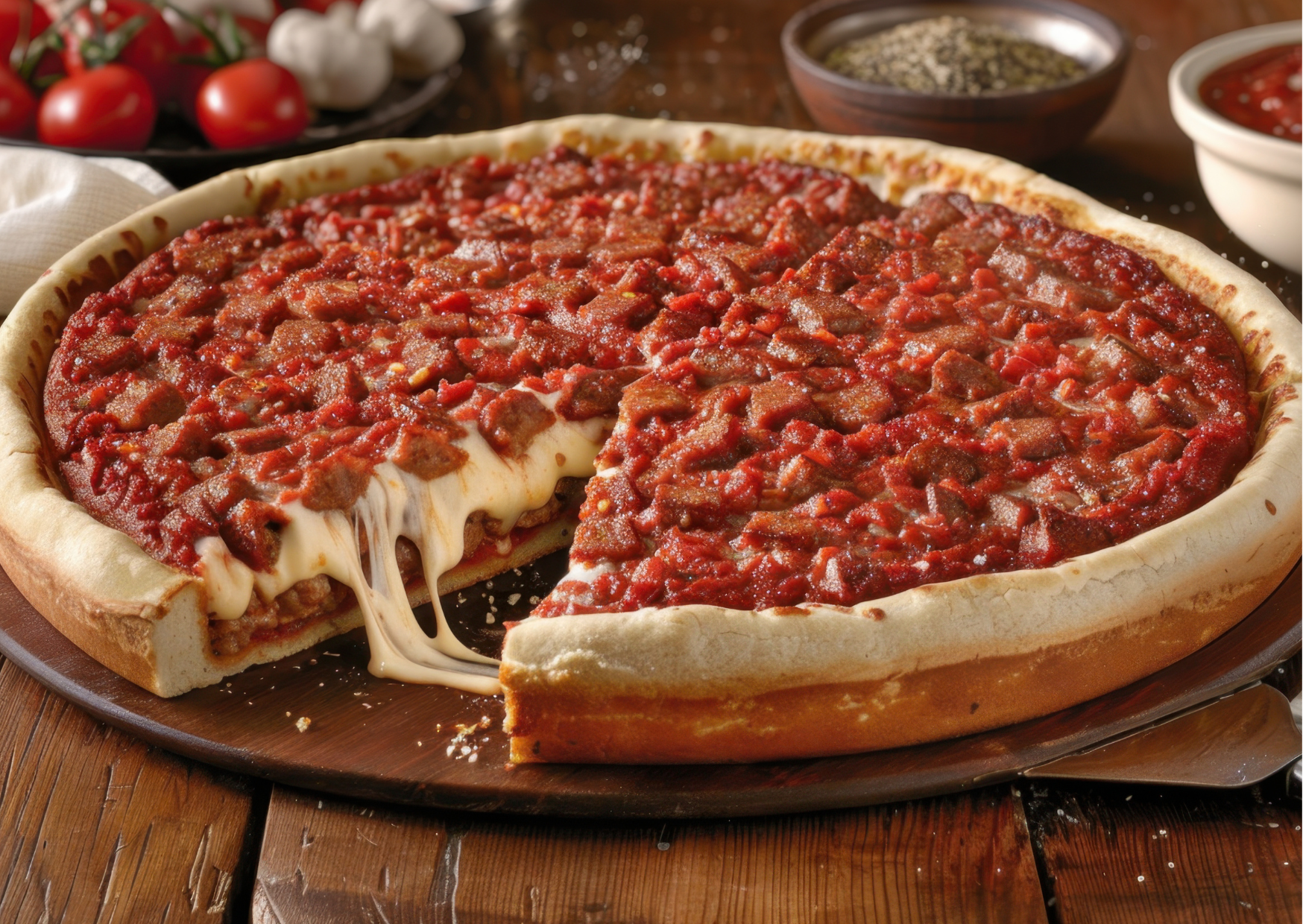
Two birthdays collided with travel. I ate a supermarket brioche with a label that looked like a chem lab. I had a slice of cake that tasted like perfume. Forty-eight hours later the belt felt tight again and my sleep got choppy. Then I went back to the protocol and it settled. I am not pretending I have a controlled trial. I have a body and a calendar. It was obvious enough to respect.
And yes, I changed my mind about one thing halfway. I thought white flour was the enemy. It is not. Fast flour is the enemy. White Tipo 00 from a good mill behaves beautifully when it is not pretending to be cake for a month on a shelf.
If you bake at home, three swaps change everything
- Butter for shortening in crusts. Colder butter, less water, rest the dough. Flake returns without the industrial aftertaste.
- Time for additives in breads. Thirty minutes of folds replaces conditioners.
- A pinch of wholegrain in white doughs. Ten percent rye or spelt gives aroma and satisfaction.
Scent is satiety. When bread smells like cereal and butter, you eat less without trying.
Two breakfasts that stopped the 11 a.m. snack
- Toast, olive oil, tomato, pinch of salt
Pan con tomate is a cliché because it works. If the bread is alive, two slices carry you to lunch. - Yogurt, fruit, handful of oats toasted in a dry pan
No sugar bomb. A spoon of honey if fruit is weak. You get calm energy, not a spike.
Breakfast stopped being a negotiation. That was new for me.
What I tracked, because numbers make this real
- Weight: down 2.8 kg in 30 days without chasing it
- Waist: belt one hole tighter, call it 2–3 cm
- Sleep: asleep within 15 minutes most nights instead of 40
- Energy: no afternoon crash on 24 out of 30 days
There were two days of weirdness after long travel and one after cake night. I did not change workouts or coffee. I did walk more because I felt like walking.
The mistakes that ruin this for people
- Chasing gluten free processed snacks instead of changing flour
- Buying “sourdough” in plastic that never saw a starter
- Calling every flour healthy because it has an old grain on the label
- Eating wheat at all three meals because the bread is good now
- Forgetting salt and acid and then blaming wheat for a dull plate
Fix the process before you condemn the ingredient. That was my lesson.
A one-week plan you can start on Friday
Friday
Buy real bread, Tipo 00, and T65 or fuerza. Toss the plastic loaf. Make the simple starter or feed the one you ignored.
Saturday
Pan con tomate breakfast. Shop for durum pasta and sardines. Bake two sourdough loaves at night.
Sunday
Lunch out with good bread, simple mains. Freeze half a loaf. Write two pasta dinners into the week.
Monday
Pasta lemon night. Wheat only at lunch and dinner. No snacks that look like clouds.
Tuesday
Rye blend loaf from the bakery. Soup and slices for dinner.
Wednesday
Rice day or potato day. No wheat at dinner. Notice the difference.
Thursday
Sardine pasta. Fruit after, not cake.
The plan is boring. Boring is sustainable. That is why it works.
Who this helps and who should ignore it
Helps
- People who feel fine in Italy or France and awful at home
- People who do not want to quit bread but do want their waist back
- Cooks who can handle a shopping list and a schedule
Ignore
- People with diagnosed celiac disease. You need medical care, not a flour romance.
- People who want a hack to eat the same supermarket loaf with a new hashtag. This changes the loaf.
Know yourself before you edit your kitchen.
What I would do differently next time
I would start the starter a week earlier so the first loaves were amazing instead of just good. I would buy less bread per day and buy it more often. I would try two old wheats from a local mill and note the difference. And I would not evangelize at friends. No one wants a sermon about toast. They want good toast.
Actually, forget that part. I did evangelize once. The person asked for it. Then I shut up.
The restaurant and travel cheat sheet
- Bakery test: can I see the oven or the crumb. If yes, buy.
- Menu test: bread with a name beats “bread.”
- Airport day: pack a bakery sandwich and fruit. Avoid the glowing buns.
- Hotel breakfast: yogurt and fruit, then the good bread if it looks alive.
Avoid the places where bread looks like packaging. That single filter protects you in three countries.
If you only keep five sentences
Change the flour, not your identity.
Bread must be today, not “keeps for weeks.”
Semolina pasta plus salt, acid, fat makes a full dinner without the heavy lag.
Two wheat moments a day is plenty even with good bread.
Short labels and long fermentation beat any gluten-free aisle for normal bodies.
If it helps, think of this as a Mediterranean correction, not a restriction. You are joining the rhythm that made cafés and bakeries work for a hundred years. The bread gets better, you get lighter, and your stomach stops complaining about every decision. That is enough of a result to keep going.

About the Author: Ruben, co-founder of Gamintraveler.com since 2014, is a seasoned traveler from Spain who has explored over 100 countries since 2009. Known for his extensive travel adventures across South America, Europe, the US, Australia, New Zealand, Asia, and Africa, Ruben combines his passion for adventurous yet sustainable living with his love for cycling, highlighted by his remarkable 5-month bicycle journey from Spain to Norway. He currently resides in Spain, where he continues sharing his travel experiences with his partner, Rachel, and their son, Han.