
Here is the secret nobody expects from a supermarket promo bird. A small Spanish turkey cooked under a salt crust beats the expensive American bird on moisture, flavor, and calmness in your kitchen. You do not need a brine bucket, special bags, or a culinary school diploma. You need salt, a thermometer, and a plan. The salt cap protects the lean breast, keeps steam where it belongs, and seasons gently while you do very little. The result is the kind of turkey people describe as “how is this still juicy after an hour on the table” while you pretend it was difficult.
Where was I. Right. Below is a complete guide that you can follow once and repeat every holiday without thinking. I will show the exact method for a 3 to 4 kilo bird, the salt crust technique, oven temps in Celsius and Fahrenheit, how to time lunch at 14:30 like a normal Spanish table, a fast gravy, and the little fixes that save the day when something goes sideways. Remember: this is designed to be boring and reliable. Boring and reliable is what you want on a day with guests.
Why the €12 Spanish bird wins
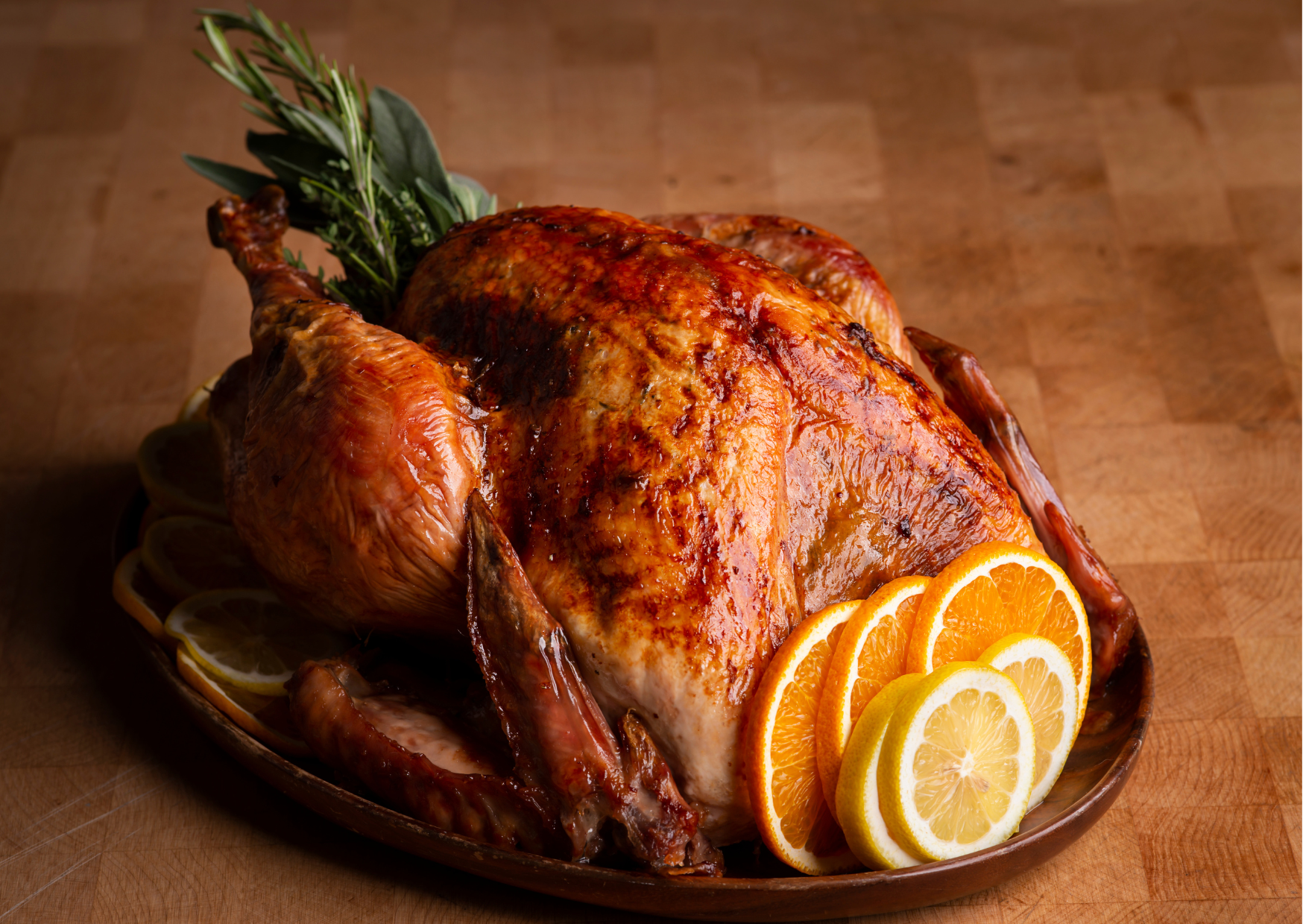
Spain’s advantage is practical, not mystical. Smaller birds in the 3 to 4 kilo range cook evenly and rest beautifully. Supermarkets move a lot of fresh turkeys in December, so the meat is not stale or waterlogged. Most important, the salt crust replaces overnight brining, which means less planning and no crowded fridge. You trade a messy bucket for a clean dome that you crack off and throw away. Bottom line: cheap bird, smart method, luxury result.
Remember: a salt crust does not make the turkey salty. It locks in moisture and seasons the outer layers while the meat flavors itself.
What you need
Turkey and aromatics
- 1 whole turkey, 3 to 4 kg, cleaned and patted dry
- 1 lemon, halved
- 1 head of garlic, halved horizontally
- A few thyme or rosemary sprigs
- 1 small onion, quartered
Salt crust
- 2.5 kg fine salt such as table salt or fine sea salt
- 4 to 5 egg whites or 1 tablespoon cornstarch whisked into 450 ml water if you prefer no eggs
- 250 to 350 ml water to reach a damp-sand texture
- Optional: zest of 1 lemon and a teaspoon cracked pepper mixed into the salt
To finish
- 2 tablespoons olive oil
- 30 g butter
- Freshly ground black pepper
Pan and tools
- Heavy roasting tray that fits the bird comfortably
- Baking paper
- Instant-read thermometer
- Rolling pin or heavy spoon to crack the crust
- Foil and a clean towel for resting
Key point: if you have enough salt and a thermometer, you are already most of the way to perfect.
Servings
A 3 to 4 kilo turkey serves 6 to 8 people with normal sides. For big appetites plan 6 portions. For lighter eaters or more sides you can reach 8 to 10 small plates. Remember: portion planning sets your stress level. If you want leftovers, buy at the upper end of the weight range.
Gear you really need
- Instant-read thermometer
- 2.5 kg fine salt not flakes
- Large roasting tray and baking paper
- Rolling pin or heavy spoon to crack the crust
- Oven that reaches 220°C for a short finishing blast
Before you start
Take the turkey out of the fridge 45 to 60 minutes ahead so the salt cap adheres. Mix the salt paste first thing in the morning and cover it if you like. Clear space near the stove for the crack-and-finish moment so you are not juggling hot trays. Remember: setup beats talent. Put tools where your hands will be.
Why salt crust works
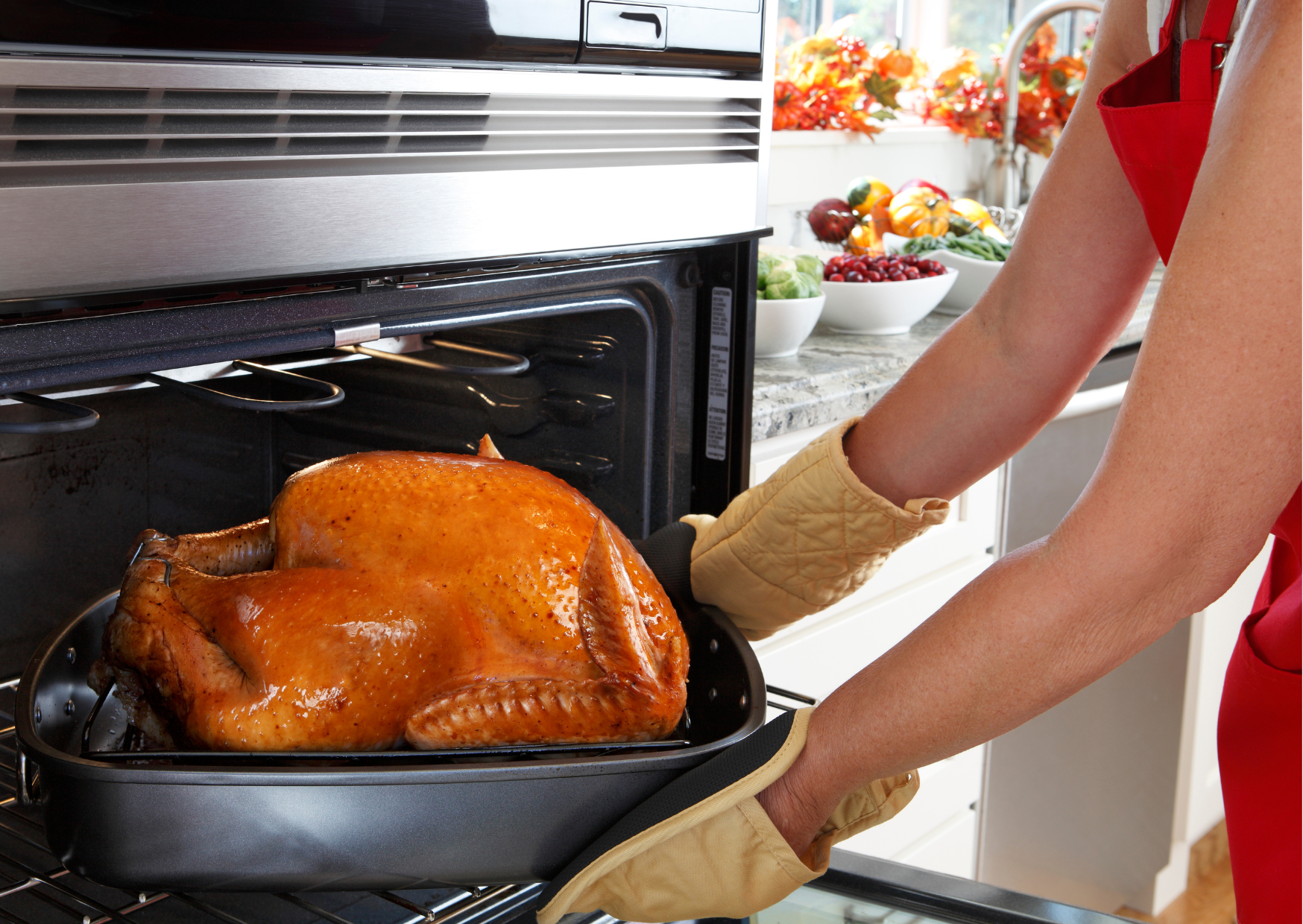
Think of the crust as a porous, mineral shell. You pack damp salt around the breast and upper sides, it hardens in the oven, and the bird effectively cooks in its own gentle sauna. Steam stays inside, the lean breast is insulated, and the meat seasons from the outside without bathing in sugar. When you crack the shell, the turkey is glossy and tender, ready for a brief high-heat finish to bronze the skin.
Key idea: low evaporation equals high juiciness.
Prep timeline for a 14:30 lunch
- 09:45 Remove turkey from fridge, pat dry, check cavity
- 10:00 Mix salt paste and line the tray
- 10:15 Stuff cavity with lemon, garlic, herbs, onion
- 10:25 Build the base and the salt cap
- 10:35 Roast at 170°C fan or 180°C conventional
- 12:15 to 12:30 Temp checks and finish decision
- 12:35 Crack crust, brush with butter and oil, quick bronze at 220°C
- 13:00 Move turkey to board, rest 45 to 60 minutes
- 13:10 Make gravy from drippings
- 14:15 Carve
- 14:30 Eat
Remember: resting is not optional. That hour makes the turkey taste expensive.
Weight and timing at a glance
Roast at 170°C fan or 180°C conventional, then finish at 220°C.
- 3.0 kg: 100 to 110 minutes roast, 8 to 10 minutes finish
- 3.5 kg: 110 to 120 minutes roast, 8 to 12 minutes finish
- 4.0 kg: 125 to 140 minutes roast, 10 to 12 minutes finish
Start temperature checks 15 minutes before the early number. Breast should finish at 67°C. Thigh should finish at 75°C. Time is a guide. Temperature is the truth.
Scaling for your bird
- 2.5 kg: use 2.0 kg salt, reduce roast by 15 to 20 minutes
- 4.5 to 5.0 kg: use 3.0 kg salt, add 15 to 25 minutes and verify both breast and thigh
Step by step: Salt crust turkey
1) Mix the crust
In a large bowl, combine 2.5 kg fine salt with the egg whites and about 250 ml water. Add water by the tablespoon until the texture is damp beach sand.
Texture check: the salt should pack in your fist and hold shape. If it crumbles, add a spoon of water. If it oozes, add a little salt. You are building a seal, not a paste.
2) Season the bird
Place lemon, garlic, herbs, and onion in the cavity. Rub a spoon of olive oil over the skin. Do not salt the meat directly. A few turns of black pepper are fine. Remember: you are seasoning the environment, not the flesh.
3) Build the base
Line the tray with baking paper. Spread a 1 cm salt bed roughly in the shape of the turkey. Set the turkey breast up on the bed. The base keeps the crust from welding to the tray.
4) Cap the breast
Use your hands to mound a 1.5 to 2 cm layer of salt over the breast and upper sides only, pressing firmly where the cap meets the base so the edges seal. Leave most of the legs and wings visible. Covering the breast protects the leanest part and lets you brown the rest later without overcooking.
Bottom line: sealed edges keep steam in. Gaps create dry spots.
5) Roast gently
Slide the tray onto the lower-middle rack of a preheated 170°C fan or 180°C conventional oven. Plan on 26 to 30 minutes per 500 g with this partial cap. For a 3.5 kg bird you will be around 110 to 120 minutes. Start checking early.
At the 100-minute mark, probe the thickest part of the breast under the cap from the side and the deepest part of the thigh without touching bone. If your breast reads 63 to 65°C and your thigh trails a few degrees, perfect. If the breast is lagging and legs are racing, you can loosely tent the legs with foil for the last bit.
Bottom line: lower-middle rack and an uncrowded tray give even heat. Roast sides separately so the turkey’s airflow stays predictable.
6) Crack and finish
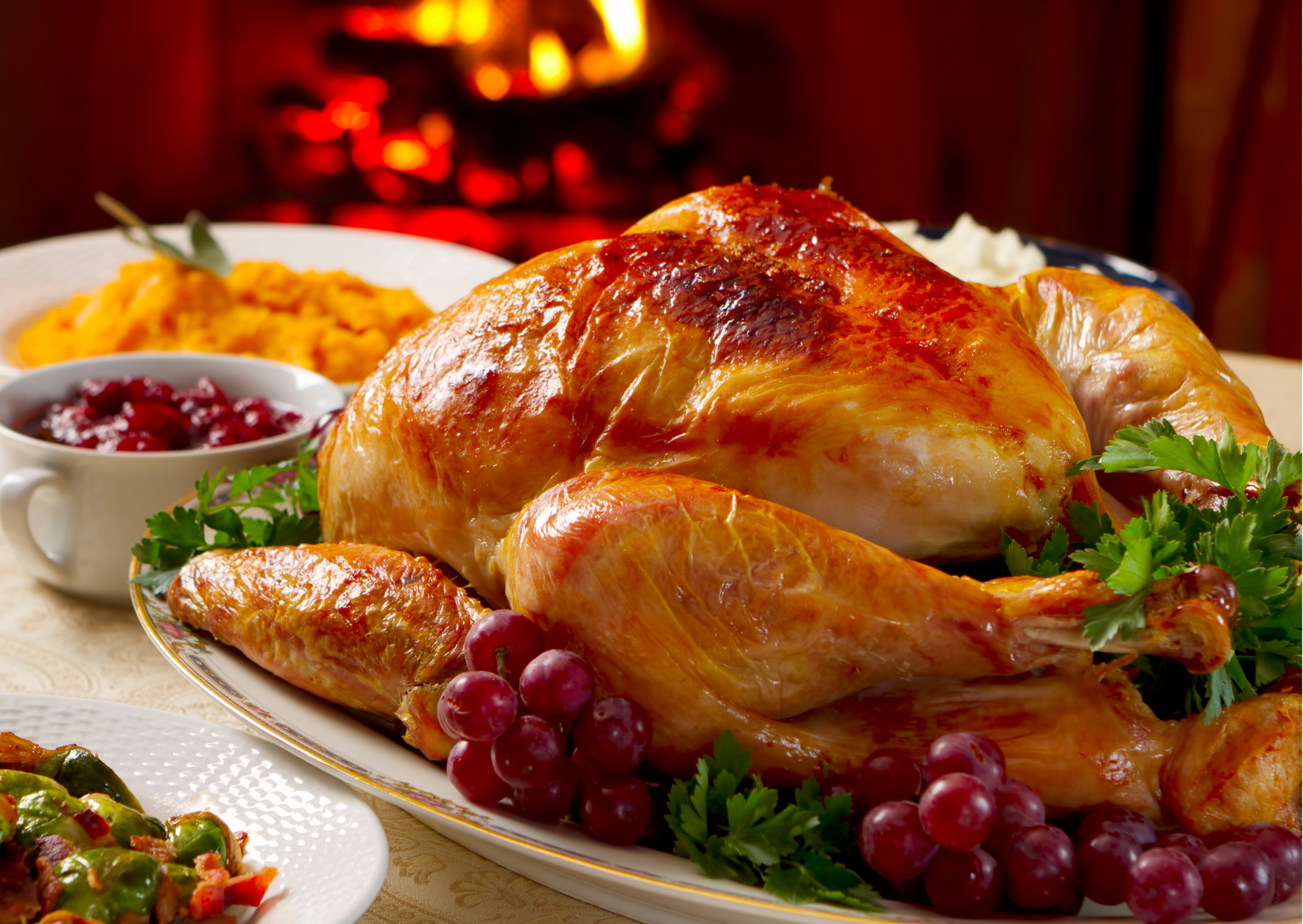
Pull the tray. Use a rolling pin or heavy spoon to tap the salt cap until it breaks into big plates. Lift and discard the crust. Brush the exposed breast with butter and a little olive oil. Return the bird to a hot 220°C oven for 8 to 12 minutes to bronze the skin and bring the breast to 67°C and thigh to 75°C.
If color is pale, give it 3 to 4 more minutes and watch closely. Remember: you are crisping, not recooking. The finish is brief.
7) Rest like you mean it
Move the turkey to a warm board. Tent loosely with foil, cover with a clean towel, and rest 45 to 60 minutes. The temperature will even out, juices will redistribute, and carving will be clean and calm.
Key point: the rest is where juiciness happens. Do not rush to carve.
Fast pan gravy while the bird rests
- Pour tray juices into a jug and let the fat rise.
- Return 2 tablespoons fat to the tray with 1 tablespoon flour. Set over medium heat and cook 1 minute, scraping the browned bits.
- Whisk in 300 to 500 ml hot stock or water, plus a small splash of white wine if you like.
- Simmer 3 to 5 minutes until it coats the back of a spoon.
- Pepper to taste. Salt only after tasting because the drippings are seasoned.
Remember: silky gravy is nappe, not glue. Add stock if it thickens too far.
Carving that keeps the plate hot
- Remove legs and thighs as whole sections. Separate at the joint.
- Free one breast lobe by slicing along the keel bone, then slice across the grain into 1 cm pieces.
- Arrange on a warm platter and nap with a spoon of gravy so the first slices glisten.
- Repeat for the second breast. Keep the platter near the stove so it stays warm.
Bottom line: thin slices chill fast. Carve in batches and serve.
If something goes sideways
- Crust will not stick: it was too dry. Mist with water, press again, and reseal the edges.
- Breast ready, legs lagging: tent the breast with foil and give legs 5 to 10 minutes more.
- Drippings taste too salty: whisk in more stock and a knob of unsalted butter.
- You forgot the thermometer: pierce at the deepest part of the thigh; juices should run mostly clear, then rest longer. Buy a thermometer for next time.
- Skin looks dull: you skipped or shortened the finish. Return to 220°C for a quick bronze.
- Cap shattered early in the roast: you probably packed too thin or too wet. Do not panic. Spoon on more damp salt and reseal where it cracked.
Remember: heat and time fix most problems. Panic ruins them.
Why this beats wet brining
Wet brining adds water to meat. Then you spend the cook fighting to evaporate that water while keeping natural juices inside. The salt crust shortens the fight. It reduces evaporation, it seasons without sugar, it keeps the surface dry enough to crisp, and it clears space in your fridge. Key point: simple inputs, clean outputs. You taste turkey with lemon and garlic, not syrup and spice mix.
Sides that match the Spanish table
- Patatas panadera: thin potato slices baked with onion and a little stock. Slide the tray into the oven for the last hour on a separate rack.
- Green beans with garlic: sauté briefly in olive oil, add a squeeze of lemon at the end.
- Ensalada verde: lettuce, spring onion, good olive oil, vinegar. Serve after the roast in European order for a fresh finish.
- Good bread: to chase gravy because life is short.
Remember: sides should be calm. This method frees your head to season and taste.
Leftovers protocol for the best bocadillo
Shred warm thigh meat, toss with a spoon of gravy, and pile on toasted crusty bread rubbed with a cut tomato and a thread of olive oil. Add pickled peppers if you have them. Lunch becomes a memory you want again. Bottom line: leftovers are a plan, not an accident.
Shopping list to print
- Bird: 3 to 4 kg turkey
- Salt: 2.5 kg fine salt
- Aromatics: lemon, garlic, thyme or rosemary, onion
- Fat: olive oil, small piece of butter
- Pantry: flour, stock cube or boxed stock, white wine if desired
- Tools: baking paper, thermometer, foil, towel, rolling pin
Tape this to your cupboard door. If it is in the house by Saturday, Sunday lunch will be easy.
Frequently asked questions you will hear at the table
Is it going to be salty
No. You are not salting the meat. You are building a shell that traps steam and seasons the exterior lightly. The drippings are salty, so you taste gravy before adding salt.
Can I cap the whole bird
You can, but a full dome means pale legs unless you extend the finish. The partial cap over the breast is the best balance of protection and color.
Can I make it with a bigger turkey
Yes, but your risk goes up as size increases. Bigger birds have more thermal lag. If you must, follow the scaling notes, use 3.0 kg salt for up to 5.0 kg, and watch temperatures like a hawk.
What if I only have flaky salt
Use it for finishing the platter. Flakes break the ratios. Fine salt packs the dome.
Do I have to stuff the cavity
You do not have to, but lemon, garlic, herbs, and onion perfume the meat and make the kitchen smell like a promise.
Can I skip the butter
You can finish with only olive oil. Butter gives that last bit of shine. Remember: a little butter is a glaze, not a bath.
The cook’s timeline on one page
Morning
- Mix crust. Clear workspace. Put thermometer where you can grab it.
- Set the table water jugs or wine for lunch so you do not do it later.
Two hours before roast
- Turkey out of the fridge.
- Preheat oven and set the rack.
Build and roast
- Base, cap, roast at gentle heat.
- Temp check early. Decide when to finish.
Crack and bronze
- Crack, brush, finish hot.
- Move to board, tent, towel. Start gravy.
Rest and carve
- Gravy simmering while turkey rests.
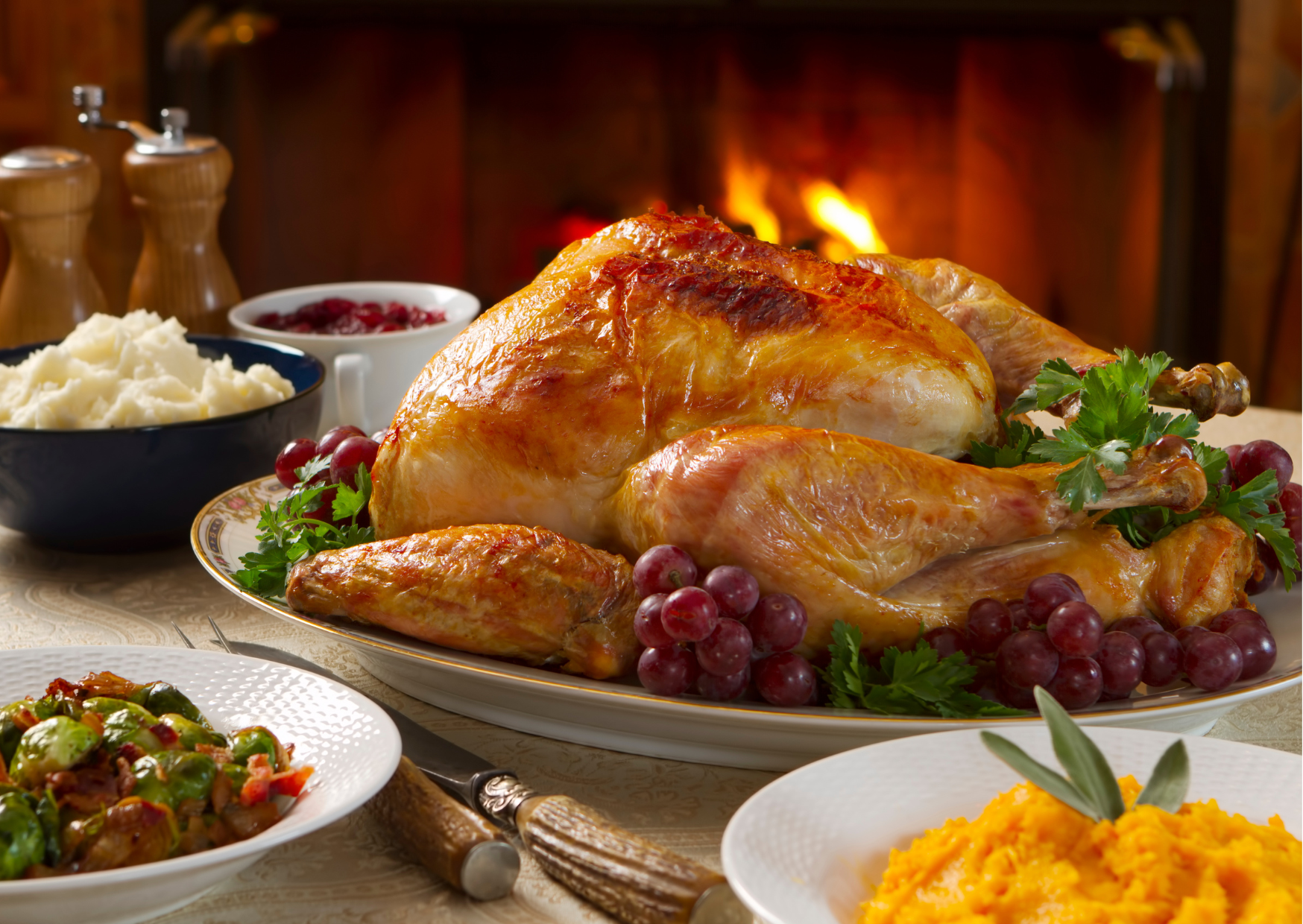
- Warm platter ready. Carve in batches. Serve at 14:30 with a quiet smile.
Troubleshooting dryness before it happens
If you have ever served turkey that chews like a gym mat, you were fighting two enemies: overcooking the breast and slicing too soon. The salt cap prevents the first and the one-hour rest prevents the second. Keep your probe in the thickest part of the breast and pull for the short bronze when you hit the low to mid sixties Celsius. Final breast of 67°C and thigh of 75°C is the happy landing. Bottom line: numbers beat nerves.
Why guests think this tastes expensive
Moisture is one answer. Another is clarity. There is no sweet brine, no sticky glaze hiding dry meat, no perfume of five spices shouting at the table. You taste clean turkey, lemon, and garlic with olive oil and pepper. The texture is silkier because steam was trapped and fibers did not seize. The gravy is glossy because the drippings were concentrated, not diluted. That is the entire trick. Simple inputs and a precise finish taste like confidence.
What to do while it rests
Do not hover. Set the platter near the stove to warm, taste the gravy, adjust pepper, and set bread on the table. If you are making patatas panadera, this is when you check for tenderness and add a splash of stock. Toss the salad at the last minute. Refill the water. Sit down for five minutes. Remember: a calm cook tastes and fixes. A rushed cook serves problems.

About the Author: Ruben, co-founder of Gamintraveler.com since 2014, is a seasoned traveler from Spain who has explored over 100 countries since 2009. Known for his extensive travel adventures across South America, Europe, the US, Australia, New Zealand, Asia, and Africa, Ruben combines his passion for adventurous yet sustainable living with his love for cycling, highlighted by his remarkable 5-month bicycle journey from Spain to Norway. He currently resides in Spain, where he continues sharing his travel experiences with his partner, Rachel, and their son, Han.