
So here’s the blunt version parents whisper at crèches and pediatric offices in Paris. It isn’t that French parents are purists. It’s that certain American baby-aisle ingredients simply would not make it onto French shelves for children under three. Not as everyday food. Not as “a treat.” France treats under-threes as a protected category with stricter rules, fewer additives, and a cultural allergy to sweeteners and bright gimmicks, and the EU backs that up with hard limits on contaminants and banned additives. If you grew up thinking “it’s FDA approved so it must be fine,” this is going to feel like stepping into a different moral universe.
Where was I. Right. I’ll show you which ingredients trigger the French no, why EU rules make them disappear from baby jars and pouches, what to buy instead, and a two-week pantry reset you can do without moving. Remember, the goal isn’t perfection. It’s removing the usual landmines so food for a one-year-old looks like food, not a chemistry set.
What France and the EU do that the U.S. usually doesn’t
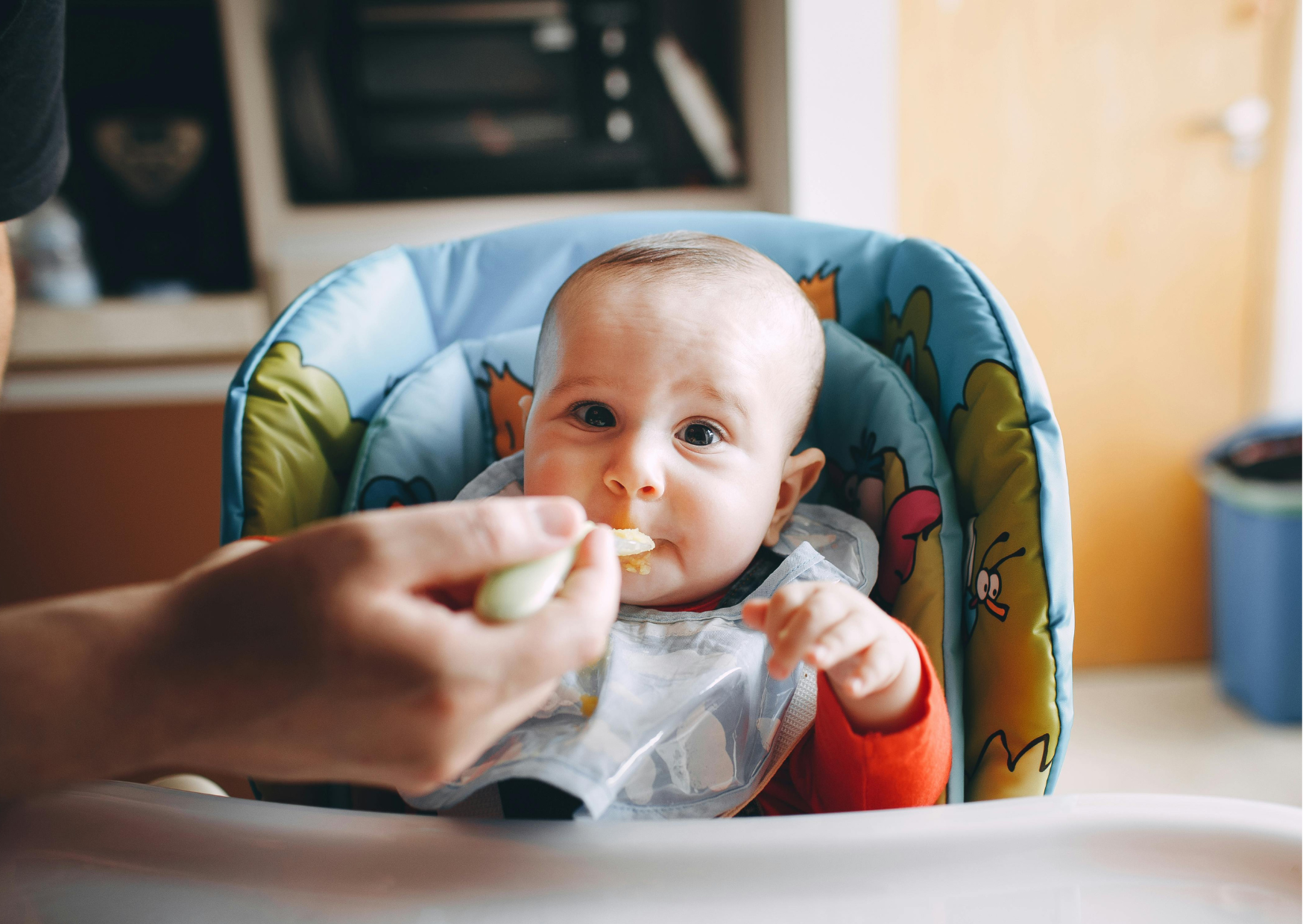
French parents aren’t just picky. Foods for infants and young children are a distinct legal category with tighter additive permissions and specific contaminant caps. Additives are largely prohibited in baby foods unless explicitly allowed, and several headline ingredients that still appear in the wider U.S. market are off the table here for everyone, not only babies. Bottom line: the default is “no” unless an additive clears extra hurdles, and contaminants get hard ceilings at very low levels.
“Okay, but that’s abstract.” Fine. Here are the flashpoints that make French dietitians raise an eyebrow at American labels.
1) Titanium dioxide for whitening
If you’ve ever seen titanium dioxide (E171) on a U.S. ingredient list, you were looking at a whitening pigment that Europe pulled from the food supply after its scientists said they could no longer consider it safe. The EU ban covers all foods, which by definition covers anything marketed to babies and toddlers. Remember: whitening is cosmetic. Babies don’t need cosmetic chemistry in lunch.
2) Artificial sweeteners and the “dessert training” problem
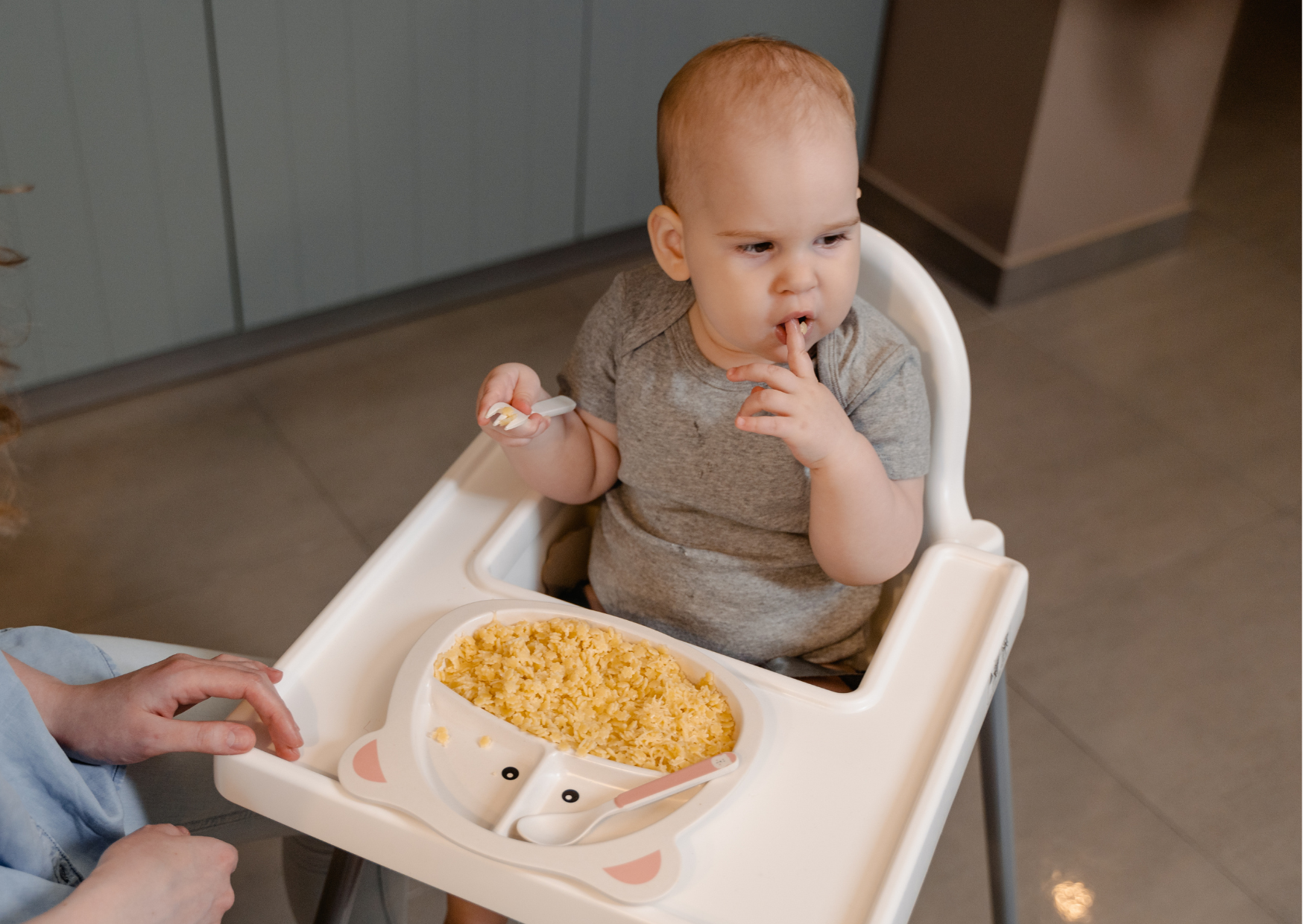
France draws a bright red line here: artificial sweeteners are prohibited in foods for children under three, and public health guidance pushes parents to avoid adding sweet taste altogether in that window. In practice this wipes out the entire idea of a “sugar-free” toddler pudding or diet drink. Key point: France defends a baby’s palate, not a brand’s sweetness target. Anses+1
You will still find naturally sweet purees in Europe, but sweeteners that train the tongue to expect dessert at every meal are a cultural and regulatory non-starter.
3) Heavy metals: action levels vs hard caps
American parents heard about this the hard way when congressional investigators found worrying levels of arsenic, lead, cadmium, and mercury in mainstream baby foods. The FDA’s Closer to Zero plan is moving, but it relies on guidance and staged action levels that are still rolling out. Meanwhile, the EU already sets binding maximum levels for specific contaminants in baby cereals and rice snacks, and has repeatedly tightened cadmium and lead limits across food categories. Remember: guidance is not the same as a legal limit.
One concrete example parents understand: inorganic arsenic limits in infant rice products. The EU codified strict caps years ago, and keeps updating related standards. That shifts the aisle. Fewer rice-based baby products, more oats and mixed grains, lower exposure by design. EUR-Lex+1
4) Banned pesticides and “carry-over” worry
Chlorpyrifos is the pesticide French parents swapped articles about for years. The EU banned it, explicitly citing neurodevelopmental harms. That means baby food producers sourcing in Europe reformulated supply chains years ago. In the U.S., the policy path was slower and patchier. Key point: when a pesticide is out at the farm level, it doesn’t “carry over” into the baby aisle.
5) Colors, emulsifiers, and texturizers the EU walls off from under-threes
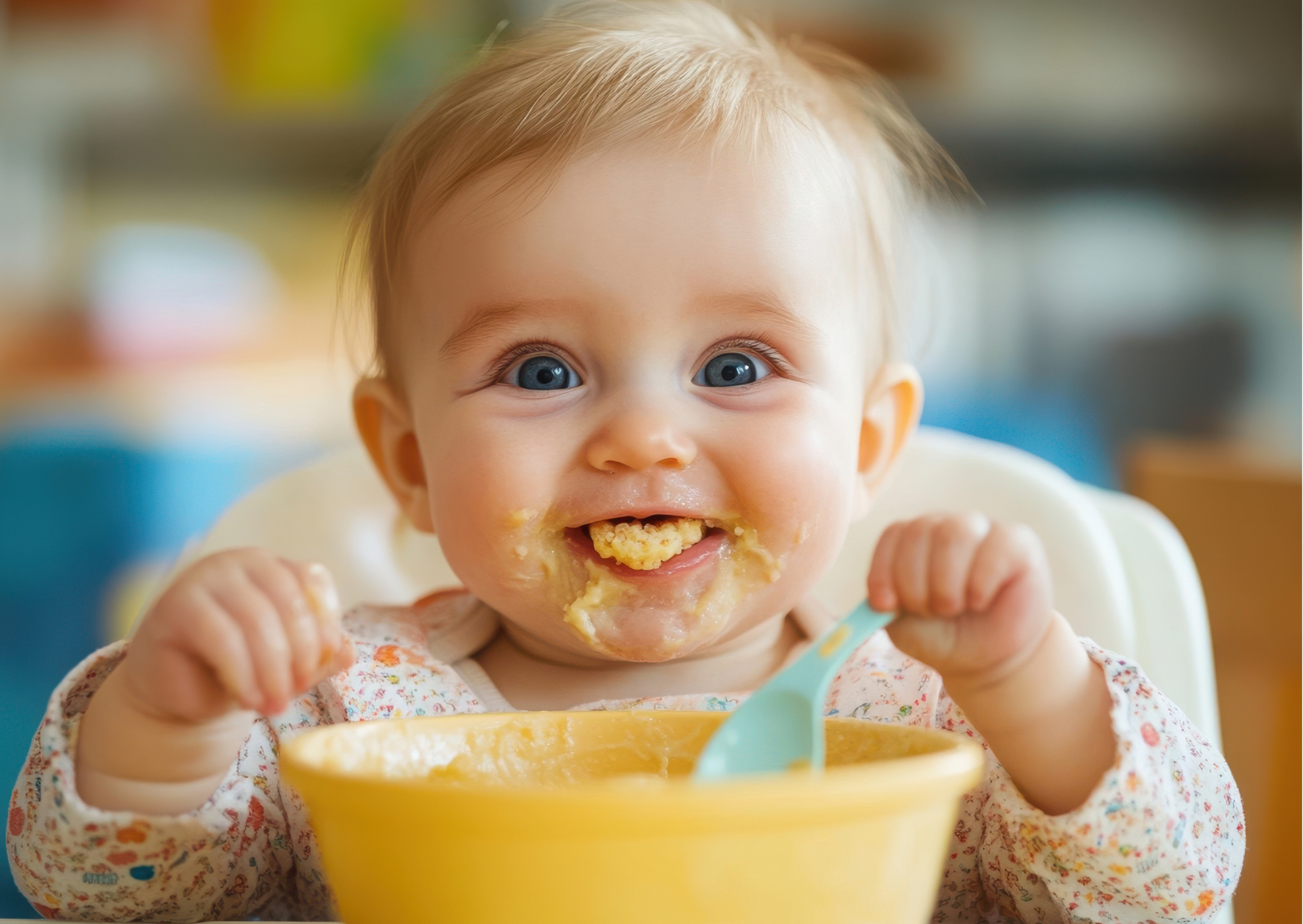
The EU’s master additives regulation is dry reading, but its practical effect is simple: you can’t toss in random colors, sweeteners, or texture tricks into foods for infants and young children unless Annex II says you can. A short, controlled list of thickeners or carriers is allowed in specific contexts. The carnival of thickeners or stabilizers you may see in U.S. toddler snacks doesn’t fly in France. Babies get food, not performance additives.
6) Sugar by stealth
European watchdogs keep calling out “no added sugar” pouches that still rely on concentrated juices, pureed dates, or banana bases to jack sweetness and teach squeeze-and-sip dessert habits. France is not perfect here, but pressure is constant and labeling rules keep tightening. The direction of travel is away from sweet. If you grew up thinking a toddler pouch should taste like pie, you’ll be swimming against the current in a Paris pharmacy aisle.
There’s also the global double standard that made headlines: added sugars in infant cereals marketed in poorer countries while the European versions are sugar-free. That story didn’t land well in France. Remember: if sugar wouldn’t pass in Switzerland or France, don’t buy the version that targets a different market.
What French pediatric dietitians actually tell parents
If you strip the fancy words, the advice is painfully simple. Offer real foods with minimal ingredients, avoid added sweet taste before three, never add salt, and treat “baby foods” as a convenience, not the foundation. The national guidance spells it out and emphasizes no sweeteners for under-threes. Bottom line: less label, more food.
How an American label turns into a French “no”
Here’s what trips people up when they bring favorite brands in a suitcase or click “international shipping.”
- Whiteners or “pearlescent” effects in yogurt-style snacks. The EU E171 ban makes this a nonstarter.
- “No sugar added” desserts that use acesulfame-K, sucralose, or stevia to fake sweetness. Prohibited for under-threes.
- Rice-based baby snacks without explicit low-arsenic sourcing. EU caps make many U.S. rice snacks fail the test by default.
- Brightly colored puffs made with dyes or color blends for eye appeal. EU permissions for infants are narrow.
- “All natural” fruit punches for toddlers with juice concentrates and 12 grams of sugar per pouch. A French pharmacist will steer you to water and fruit.
Remember: in France, if it reads like a confectionery product, it belongs to older kids, not babies.
What to buy in France so you stop fighting the rules
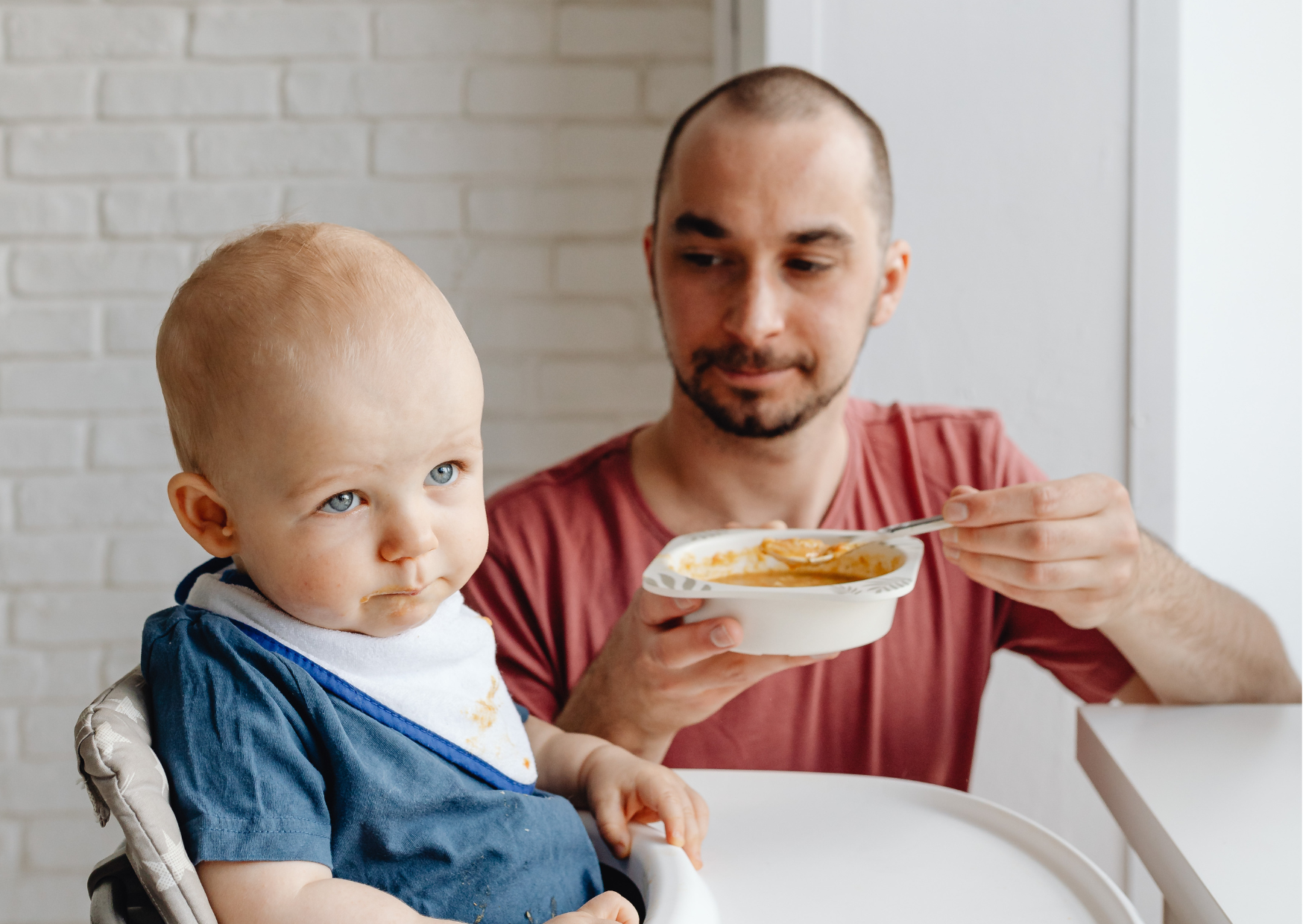
If you walk into a Monoprix, Carrefour, Biocoop, or a pharmacie, this is how parents actually shop.
- Base foods: plain full-fat yogurt, unsweetened applesauce, oats, polenta, lentils, white beans, potatoes, carrots, zucchini, apples, pears, bananas.
- Proteins: eggs, tinned sardines with nothing but fish, salt, oil, or a frozen white fish.
- Baby aisle items as backups: simple jars with two to four ingredients. Avoid “dessert” ranges and squeeze pouches for everyday use.
- Finger foods: soft cooked vegetable sticks, bits of omelette, torn bread crusts, slices of ripe pear.
- Drinks: water. Milk if appropriate for age. No juice in bottles.
Key idea: the safest proxy for “French baby” is an ordinary grocery cart and a small saucepan.
Two-week pantry reset you can do anywhere
Week 1: Replace, don’t argue
- Swap all “no sugar added” desserts for plain yogurt plus mashed fruit.
- Replace rice puffs or rice rusks with oat cakes or soft polenta fingers.
- Retire anything with titanium dioxide, artificial sweeteners, or neon colors.
- Build one pot every other day: carrot–potato puree, zucchini with olive oil, lentils with a splash of tomato and lots of water.
Week 2: Shrink the baby aisle
- Buy only two jars for the week, both with four ingredients or fewer.
- Plate what you are eating in softer form. Babies learn the family table, not a brand.
- Keep fruit visible and pour water first at every meal.
- Read labels once on Sunday, not at every meal. Remember: decision fatigue creates bad habits.
If you only changed those, you already matched eighty percent of what the French system is trying to do.
How to read a label like a Parisian parent
- Ingredients first, not the claims. If the list runs long or reads like a lab manual, put it back.
- Search and destroy list: titanium dioxide, sucralose, acesulfame-K, stevia, artificial colors, juice concentrates used to sweeten, “glazing agents,” vague “flavors.”
- Arsenic sanity check: avoid rice as a daily base. Rotate oats, wheat, potatoes, cornmeal, and legumes.
- Company voice test: if the pack screams “dessert,” it probably is.
Remember: babies don’t need treats to learn to eat. They need food that tastes like food.
Common objections and clear answers
“My child won’t eat unsweetened yogurt.”
Give it fifteen tries. Palates learn what we repeat, and mashed banana or baked apple makes the bridge without sweeteners. French parents are patient here because they know it pays off at two and three.
“Isn’t all rice dangerous then”
No. EU keeps arsenic low with hard caps and by not centering baby snacks on rice. Rotate grains and you sidestep the issue.
“The FDA is fixing heavy metals.”
Good. Action levels are a start, but they are still being phased and are not the same as binding limits. Until U.S. labels catch up, shop like Europe.
“Artificial sweeteners are safe for adults.”
Different question. For under-threes, France says no on principle and habit formation. That’s the entire answer parents here need.
The quiet math of why this matters
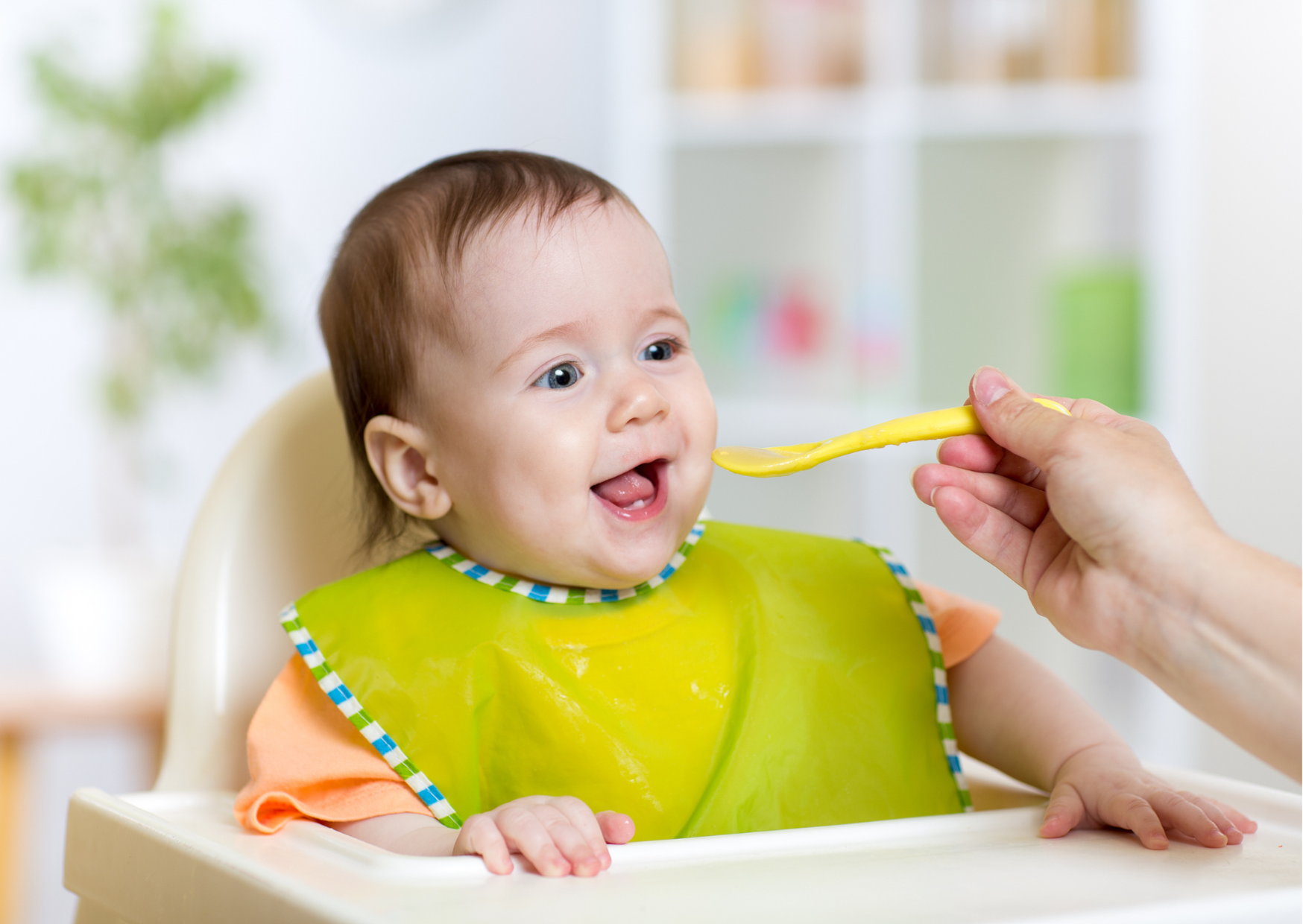
If you remove one whitening pigment, all artificial sweeteners, most rice-based baby snacks, and brightly colored treats, two things happen. Contaminant exposure falls, almost by accident, because you stop leaning on categories with historical trouble. The palate stays calibrated to real food, which lowers sugar intake later without a fight. Remember: your future battles with food are decided by this year’s habits.
A calm ending you can use this week
Open the cupboard. Choose food that would make sense at a French nursery table: plain yogurt, fruit, vegetables, grains, beans, a little fish. Put water in the cup. Retire the sweeteners and the cosmetic whiteners. Rotate away from rice. If you need packaged help, pick the jar with four ingredients and a name you’d recognize in your own kitchen. That’s it. Not ideology. Just fewer landmines for small bodies.

About the Author: Ruben, co-founder of Gamintraveler.com since 2014, is a seasoned traveler from Spain who has explored over 100 countries since 2009. Known for his extensive travel adventures across South America, Europe, the US, Australia, New Zealand, Asia, and Africa, Ruben combines his passion for adventurous yet sustainable living with his love for cycling, highlighted by his remarkable 5-month bicycle journey from Spain to Norway. He currently resides in Spain, where he continues sharing his travel experiences with his partner, Rachel, and their son, Han.