
Last updated on January 14th, 2026 at 04:48 am
And what it reveals about food culture, lifestyle rhythm, and the power of slow digestion
In the U.S., colorectal cancer has become one of the most alarming public health crises of the last decade not just for older adults, but increasingly among people in their 30s and 40s. Awareness campaigns urge screenings, lifestyle changes, and early detection. And yet the numbers keep rising.
In Europe, particularly in Mediterranean countries like Spain, Italy, and Greece, colon cancer rates remain significantly lower. While they’re not immune, their risk is far less dramatic even among aging populations. And no, it’s not just about better access to healthcare.
It’s about the way people live.
From what they eat, to how they move, to how they rest, socialize, and treat digestion as a full-body process rather than a quick transaction Europeans, often without realizing it, have built habits that Americans have nearly abandoned.
Here’s why colon cancer isn’t destroying European lives the way it is in the U.S. and what it says about two very different relationships with food, stress, and the gut.
Want More Deep Dives into Everyday European Culture?
– Why Europeans Walk Everywhere (And Americans Should Too)
– How Europeans Actually Afford Living in Cities Without Six-Figure Salaries
– 9 ‘Luxury’ Items in America That Europeans Consider Basic Necessities
Quick Easy Tips
Adopt a Mediterranean mindset. Center your meals around vegetables, legumes, olive oil, and whole grains. Limit red meat to once or twice a week and replace processed snacks with fruit or nuts.
Eat for your gut. Add fiber-rich foods like beans, lentils, and leafy greens to feed healthy bacteria that protect the colon. A strong gut microbiome can drastically reduce cancer risk.
Rethink food convenience. Cook more at home using fresh ingredients, and reduce your reliance on fast food or prepackaged meals. Simple home cooking aligns more closely with European eating habits.
Schedule screenings early. Europeans tend to begin colon screenings at a younger age. Talk to your doctor about early testing especially if colon cancer runs in your family.
The stark difference in colon cancer rates between Europe and the United States has sparked intense discussion among health experts. While genetics play a role, lifestyle and diet seem to be the biggest factors. Europeans, on average, eat fewer processed foods, consume less red meat, and incorporate more whole grains, olive oil, and fresh produce into their diets. The traditional Mediterranean approach rich in fiber, antioxidants, and healthy fats has long been associated with lower cancer risks. Meanwhile, the standard American diet leans heavily on processed meats, refined sugars, and low fiber intake, creating conditions that increase inflammation and disrupt gut health.
Another key factor is food quality and regulation. Many preservatives, additives, and artificial dyes allowed in the United States are banned in Europe. European countries also tend to prioritize local, seasonal ingredients and smaller portion sizes, which contribute to a healthier gut microbiome. Studies show that Americans who adopt Mediterranean or Nordic-style diets see measurable improvements in digestion, inflammation, and even colon health within months. Yet despite clear evidence, food industry lobbying and convenience culture keep most Americans locked into unhealthy eating patterns.
Even healthcare systems play a role in this divide. European nations often emphasize preventive care, including early screenings and dietary education, while in the U.S., medical systems tend to focus more on treatment than prevention. Cultural attitudes matter, too: Europeans view food as nourishment and social connection, not just fuel. This slower, more mindful approach to eating may be as powerful a defense as any medical intervention.
1. Europeans Eat Real Food — Not “Functional” Products
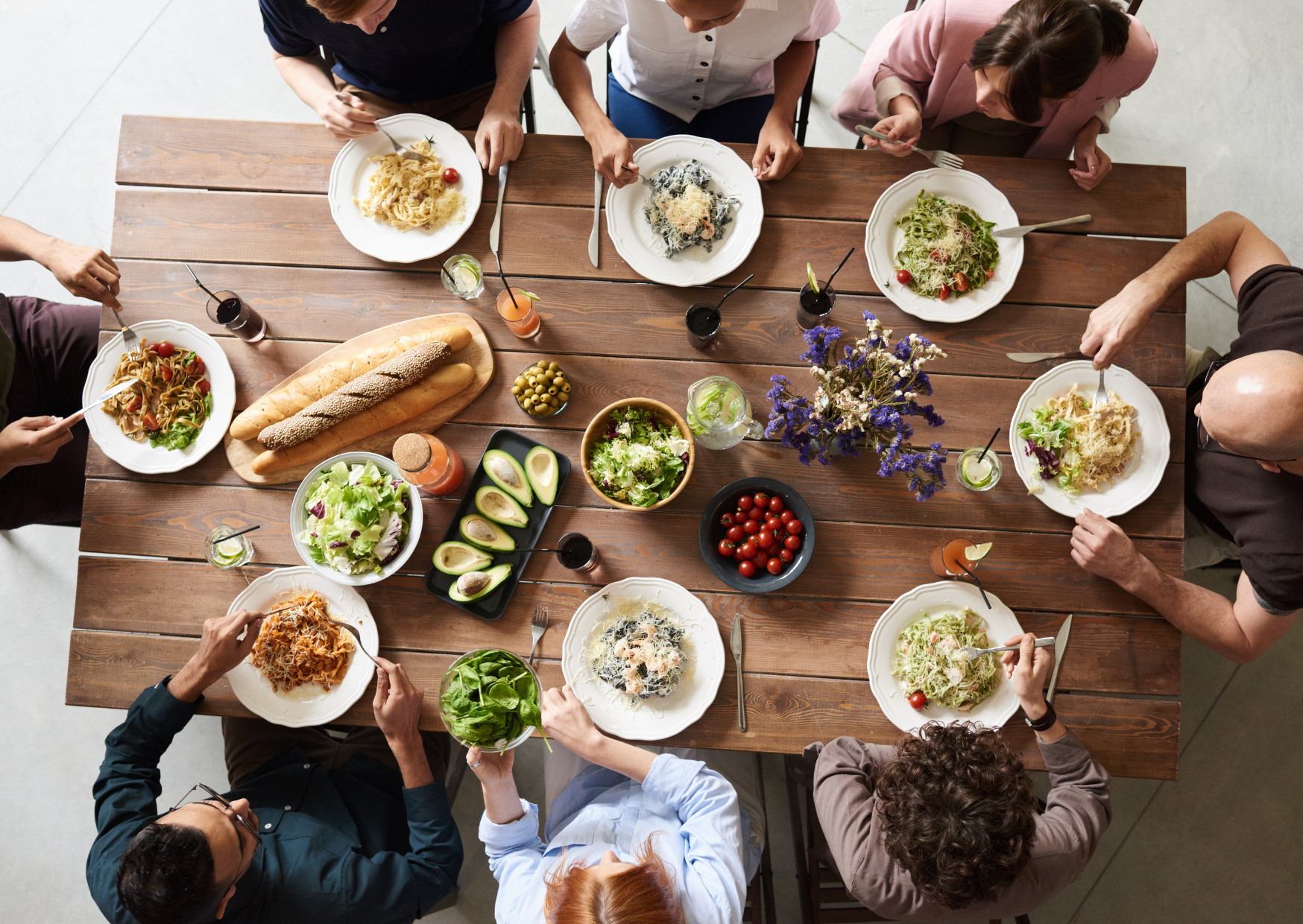
The typical American breakfast might include fortified cereal, protein bars, fiber-enhanced shakes, or “gut-healthy” probiotic gummies.
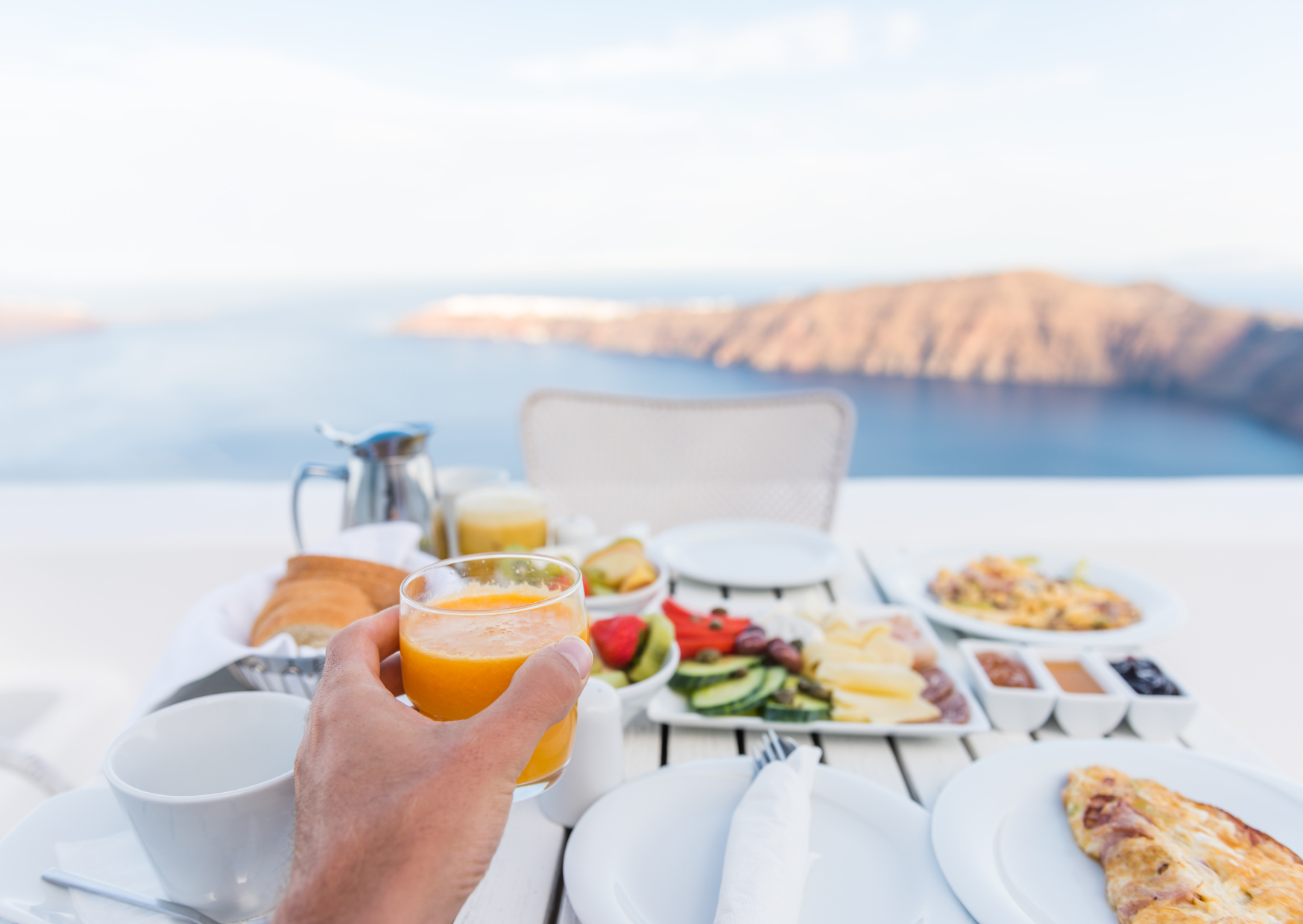
In much of Europe, breakfast is simple, light, and made of real food: toast with olive oil, a small pastry, fruit, coffee.
Lunch and dinner are full of whole vegetables, legumes, olive oil, and minimally processed grains. There are no “gut-boosting” supplements — because the food itself is digestive medicine.
Fiber comes from lentils and leafy greens, not powders. Good fats come from olive oil, not pills.
There’s no marketing around it. Just generations of tradition — and it works.
2. The Mediterranean Diet Wasn’t Invented — It Was Inherited
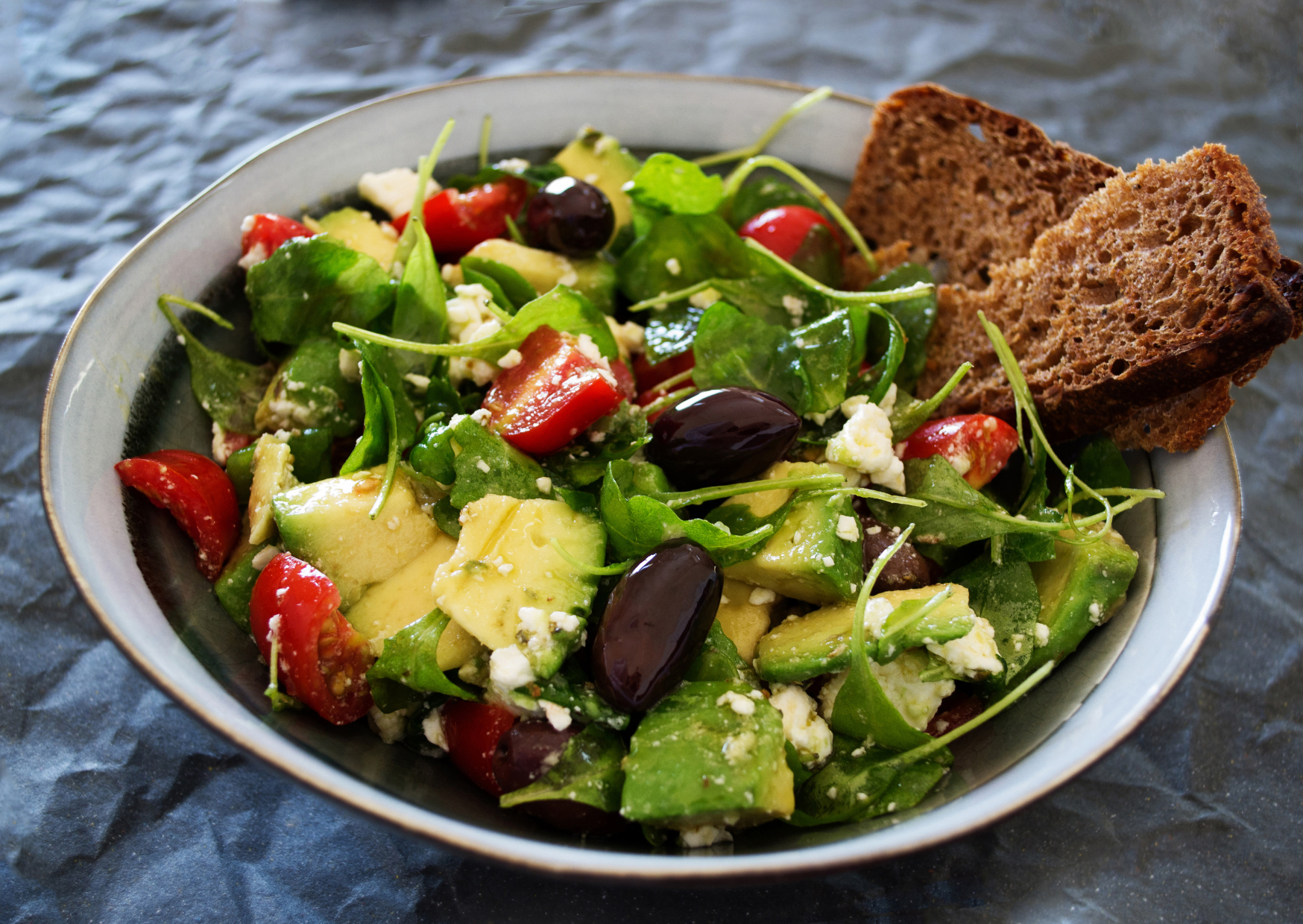
In the U.S., the Mediterranean diet is treated like a medical protocol. In Europe, it’s just how people eat.
In southern European households, meals include:
- Legumes several times a week
- Fermented dairy like yogurt or kefir
- Seasonal vegetables at every meal
- Garlic, onions, herbs
- Whole grains
- Moderate wine with meals
- Very little red meat
It’s not a cleanse. It’s not a reset. It’s just lunch. And it’s normal.
This kind of regular, unforced dietary balance supports gut bacteria, reduces inflammation, and helps regulate bowel function — all protective factors against colon cancer.
3. Mealtimes Are Regular — and Not Rushed

One of the most overlooked contributors to colon cancer risk is irregular eating and chronic constipation — both increasingly common in American life.
European mealtimes are scheduled, expected, and respected.
You don’t eat in your car. You don’t eat standing up. You don’t go five hours between coffee and a giant dinner. Meals are breaks, not interruptions.
This rhythm promotes better digestion and more regular elimination — reducing the kind of chronic stress and internal stagnation that weakens the colon over time.
4. Portions Are Smaller — But More Satisfying
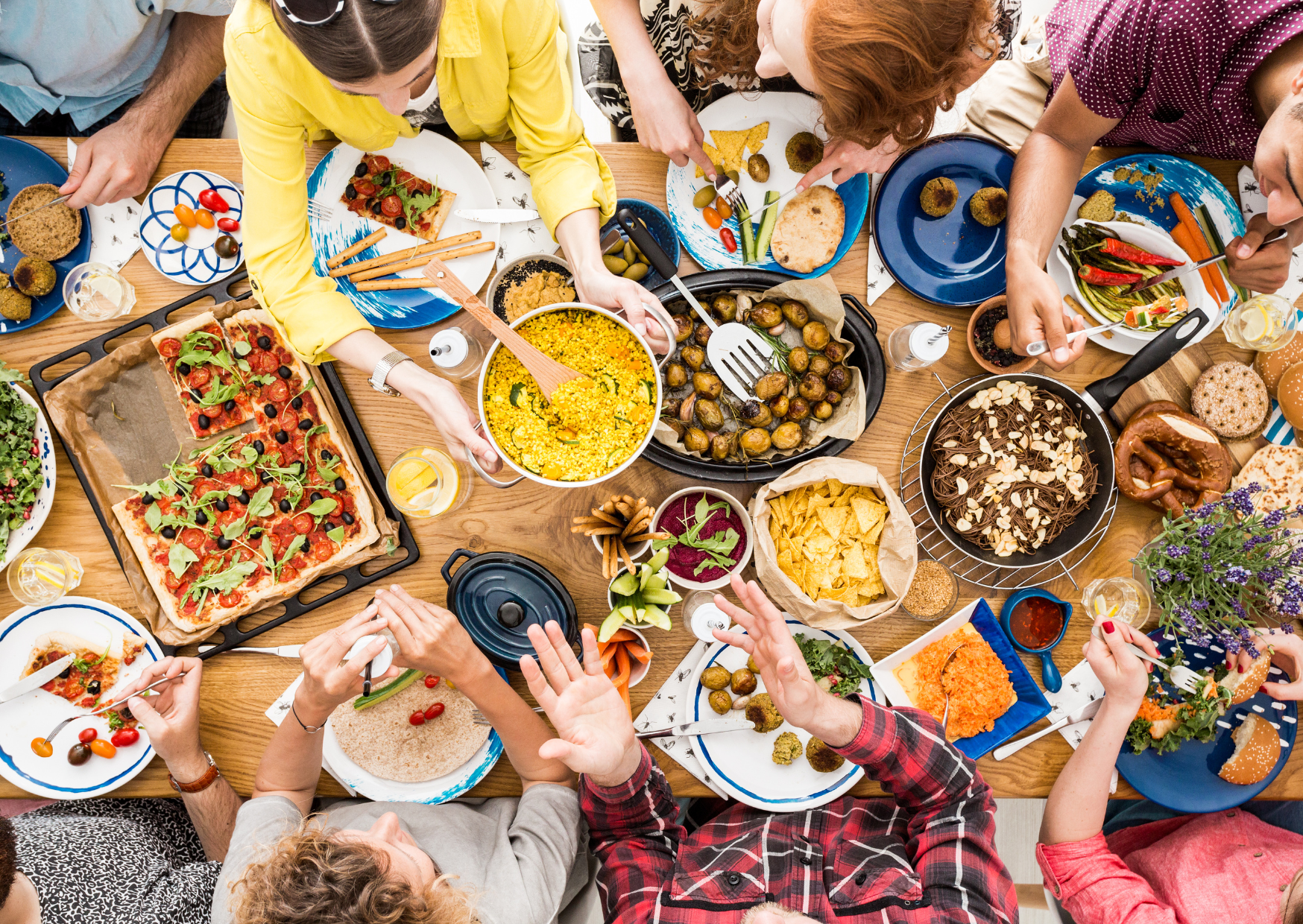
Americans are encouraged to eat in quantity, then “balance” it with added fiber or supplements.
In Europe, especially in the south, meals are modest in volume, but rich in quality. You don’t need five cups of leafy greens — you need one cup of real food, properly dressed, and eaten slowly.
The result? Less bloat. Less constipation. Better blood sugar regulation. And a digestive system that works with food, not against it.
5. Movement Happens Every Day — But Not Always at the Gym
Sedentary lifestyles are a major risk factor for colon cancer. In the U.S., people either sit for 10 hours or go to the gym for 45 minutes. It’s extremes.
In Europe, especially in walkable towns and cities, movement is built into the day:
- Walking to the store
- Carrying groceries up the stairs
- Evening strolls after dinner
- Standing at the bar for coffee
- Gardening, biking, and errands on foot
It’s not exercise — it’s living in motion. And this daily physical rhythm keeps the bowels active, reduces inflammation, and strengthens the immune response.
6. The Gut Is Respected — Not Pathologized
In America, people talk about digestion only when something goes wrong. Bloating. IBS. Heartburn. And when that happens, the solution is often pharmaceutical.
In Europe, people talk about digestion casually, and without shame. You say a food “sits well” or “sits badly.” You adjust. You rest after meals. You don’t push through stomach discomfort.
More importantly, people understand that the gut reflects stress, fatigue, hormones, and emotion. You don’t need a diagnosis to notice that your body is out of sync.
This self-awareness — and willingness to respond gently — plays a quiet, powerful role in long-term colon health.
7. Alcohol Is Consumed With Food — Not On an Empty Stomach
Heavy alcohol use increases colon cancer risk. In the U.S., binge drinking, sugary cocktails, and alcohol on an empty stomach are common.
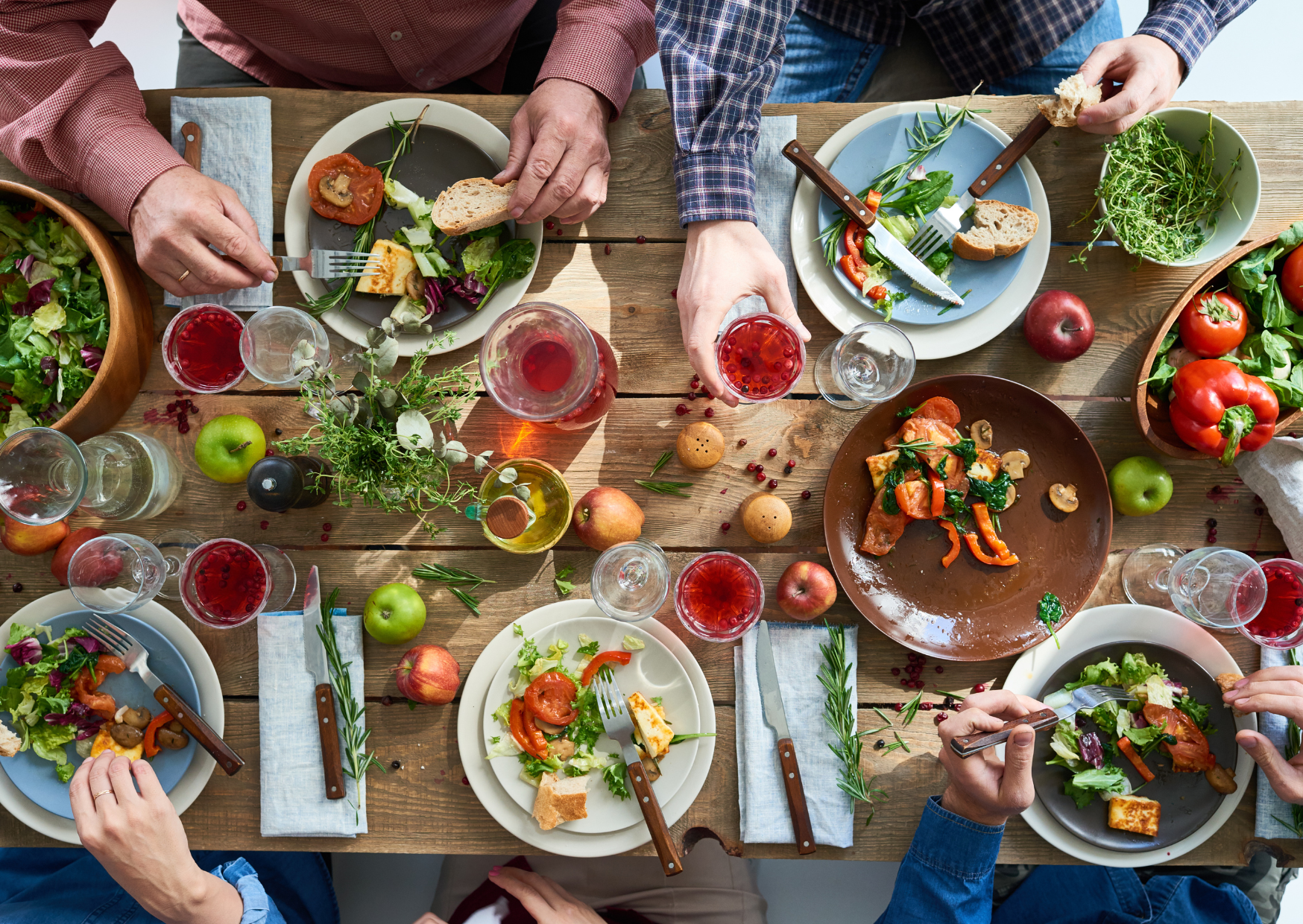
In Spain, France, and Italy, alcohol is usually taken in moderation, with food, and over time.
A glass of wine during lunch. An aperitif before dinner. No hard liquor on an empty stomach. No shot culture.
This matters — because alcohol consumed with food is absorbed differently, causes less intestinal inflammation, and doesn’t trigger the same oxidative stress response in the colon.
8. Processed Red Meat Isn’t a Staple
Americans eat high levels of processed and red meat — bacon, deli meats, hot dogs, fast-food burgers — all of which are strongly linked to colon cancer.
In Europe, these foods exist, but they are not daily staples.
Cured meats like jamón or salami are eaten occasionally, often in small portions, and not fried in seed oil. Red meat is used more for flavor than bulk. Beans, fish, and eggs take up more space on the plate.
This shift in protein sources has a protective effect — not because of a single ingredient, but because of less chronic irritation to the colon lining.
9. There’s Less Fear Around Bathroom Habits
In the U.S., bathroom talk is taboo. People go out of their way to hide their digestive routines. At work. At school. Even at home.
In Europe, especially among older generations, there is no shame in talking about bowel habits. Grandparents openly discuss regularity. Parents teach their children to be aware of how food affects elimination. There’s less embarrassment, more acceptance.
And because of that openness, there’s more proactive behavior — people know what’s normal for their body, and they notice sooner when something isn’t right.
That means earlier checkups. Earlier awareness. And often, better outcomes.
10. The Colon Isn’t a Machine — It’s a Mirror
Perhaps the most important cultural difference is this:
In America, the colon is treated as a part that breaks down and needs fixing. In Europe, the colon is treated as a mirror — of how you live, eat, and move.
It’s not a mysterious tube. It’s part of you — and how you treat it daily matters far more than what you do after symptoms appear.
That mindset — steady, respectful, rhythmic — is likely why European rates of colon cancer, even among aging populations, remain so much lower.
One Body, Two Realities
In the U.S., the colon is often ignored until there’s pain.
In Europe, the colon is cared for every day — through food, rest, movement, and awareness.
In the U.S., digestion is pathologized, medicated, or outsourced to functional wellness hacks.
In Europe, digestion is lived — gently, quietly, and collectively.
There’s no miracle food. No bulletproof supplement. No silver bullet.
Just a rhythm of eating, living, and moving that supports the body’s most underappreciated organ — before crisis hits.
And maybe that’s the real lesson.
Colon cancer is not just a genetic lottery. It’s often the result of how we live.
And in that sense, the European lifestyle imperfect, unbranded, and proudly human is quietly saving lives every single day.
Europe’s lower colon cancer rates aren’t just a result of luck they’re a reflection of lifestyle choices rooted in culture, community, and awareness. From the food they eat to the pace at which they enjoy it, Europeans have built habits that naturally protect their digestive and overall health. The difference isn’t just about diet; it’s about perspective. Food is treated as a cornerstone of wellbeing, not an afterthought.
Americans, on the other hand, are often victims of convenience culture and industrialized food systems. Fast meals, processed ingredients, and supersized portions have become normalized. But change doesn’t require moving to Europe it starts with daily choices: cooking more, slowing down, and paying attention to what goes on the plate.
In the end, the lesson is simple. Europeans aren’t surviving longer because they have better medicine they’re thriving because they’ve made health part of everyday living. The American healthcare system can’t fix what lifestyle neglect creates, but individuals can. A shift in habits, not just prescriptions, might be the key to reversing one of America’s deadliest preventable diseases.

About the Author: Ruben, co-founder of Gamintraveler.com since 2014, is a seasoned traveler from Spain who has explored over 100 countries since 2009. Known for his extensive travel adventures across South America, Europe, the US, Australia, New Zealand, Asia, and Africa, Ruben combines his passion for adventurous yet sustainable living with his love for cycling, highlighted by his remarkable 5-month bicycle journey from Spain to Norway. He currently resides in Spain, where he continues sharing his travel experiences with his partner, Rachel, and their son, Han.