
So here is the thing that sneaks up on new arrivals. Sunday is not a catch-up day in most of Europe, it is a protected rhythm. Shops shutter, inboxes stay quiet, drills stay in closets, and a three-hour lunch wipes the calendar clean. You will hear different words for it in different countries, but the operating system is the same. Sunday is for people, not transactions. If you plan like an American and land in Europe with a to-do list, you will meet a metal shutter and your own impatience at noon.
Where was I. Right. This is not a sermon. It is a blunt field guide to how Sundays actually work, why noise and shopping get policed, what makes the day feel good instead of inert, and how to use the rule to fix your week. I will give you quiet scripts that work with neighbors, a blueprint for food, and the one exception that keeps you from hating this by week three.
What “the Sunday rule” really is

Across the continent you will see different labels for the same idea. Shops close, noise drops, and the day belongs to families and rest. Germany calls it a day of rest in practice with retail closed and quiet hours enforced, France talks about repos dominical in labor language, Spain and Italy treat it like an expanded family table and a slower street. The specifics vary by city and sector, but the lived result is the same. Your errands wait and your phone stops pretending it is urgent.
Two pieces make it work. First, trading laws or norms keep most retail closed. Second, quiet rules keep machines, music, and renovations from hijacking the neighborhood. The result is an audible change. You can hear the day breathe.
Why this exists and why it still holds
People like to say it is religious. The truth is wider. Sunday is a labor decision and a social contract that survived modern life. Countries limited trading to protect small shops and worker rest. Apartment codes and local customs protected quiet so dense neighborhoods could tolerate each other for decades. You keep neighbors by giving them one day where the building is not a power tool.
There is also a kitchen logic that has nothing to do with church. Big Sunday lunch solves the rest of the week. Stock pots and ovens run once and feed you until Wednesday. The whole neighborhood benefits when everyone cooks once, meets once, and stops running in circles for six hours.
Rest was legislated so community could survive density.
What is allowed and what gets you side-eyed
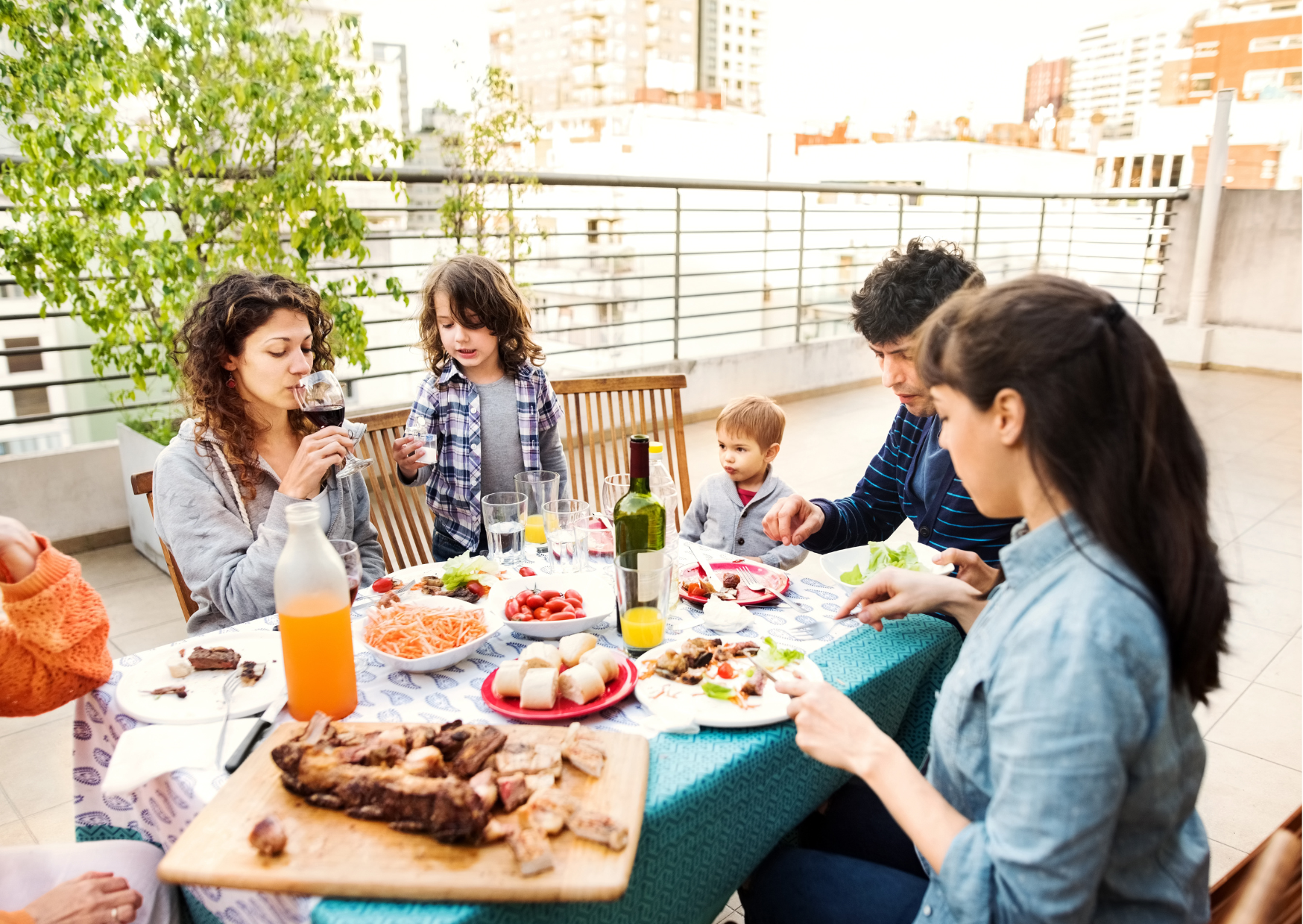
This is where Americans get confused. You will not get fined for breathing, but there are unwritten lines that everyone recognizes.
- You can take long walks, eat out, go to parks, visit family, host lunch, nap, read, and be gemütlich. The day rewards slowness. Brunch is a tourist word. Sunday lunch is a local ritual.
- You should avoid loud chores. Vacuuming in apartments before lunch is tolerated, late afternoon usually is too. Power tools, drills, hammers, and balcony projects are rude and may be illegal depending on your building rules. Respect quiet and you keep your landlord off your back.
- You do not move furniture or build Ikea at 16:00. If you must assemble, do it Saturday or stop by noon Sunday with a note to neighbors. Your note buys goodwill for months.
- You do not expect to shop out of boredom. Some bakeries open in the morning, some convenience shops in tourist zones open, but the default is shutters down. Plan on Saturday or relax.
If it makes noise or demands someone else work retail for your convenience, do it on another day.
The European Sunday timeline you actually feel
Morning is quiet and long. People walk, get bread, and start the roast or the pot. Midday becomes lunch that actually deserves the word. Afternoon is for coffee, calls to friends, and parks. Evening is light and almost administrative. Everyone resets their head without touching a spreadsheet.
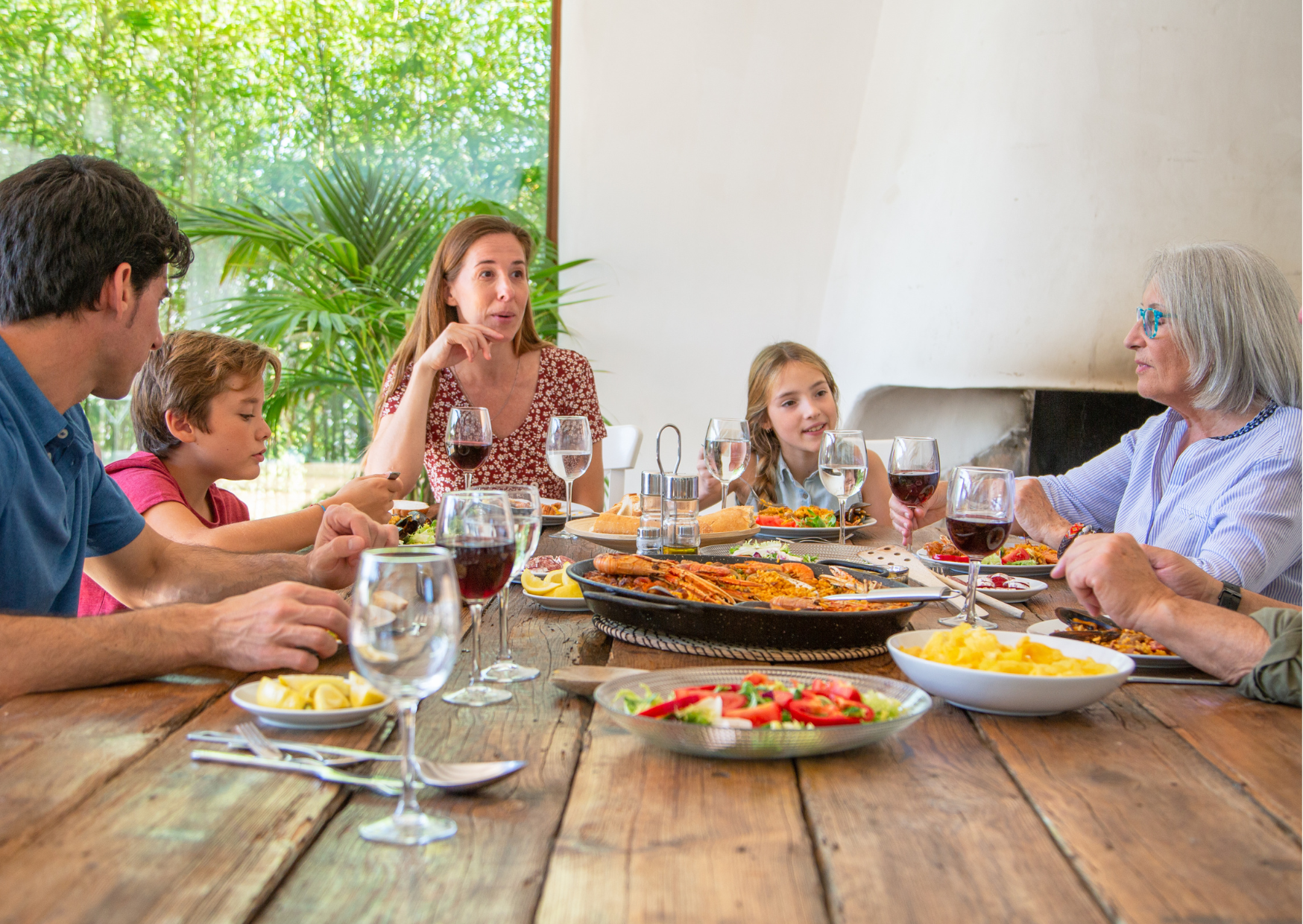
You will see two distinct lunch cultures. The Mediterranean table stretches. A two-hour pranzo or comida is normal. Northern tables are shorter but still sit and serve a real meal. Both send the same message. Eat well at midday and you stop snacking on resentment.
What shuts and what stays open
- Supermarkets and malls usually close. Tourist zones sometimes carve out exceptions. Do not bank on it.
- Bakeries and cafés open in the morning, close after lunch. Grab bread early or go without.
- Museums and parks are your friends. Many stay open. Culture and grass are Sunday proof.
- Pharmacies rotate duty. One nearby will be open. There is always a green cross somewhere.
- Gyms open with limited hours. The day is designed for outside air, not fluorescent lights.
The psychological trick nobody mentions

Most Americans carry a Sunday dread that starts at 16:00. The European rule kills it by removing the decision problem. If you cannot shop and you should not drill, you are done by default. You can only rest, walk, cook, or read. The calendar defends you from yourself and your inbox backs off because no one expects answers. That is why people protect this day with a quiet ferocity. It keeps the week human.
How to stop fighting Sunday and use it to fix Monday

You can adopt the rule wherever you live. You need a plan and a kitchen.
Step 1. Saturday is logistics
Do the food shop, fill the car, fix the squeaky door, schedule the repair, buy the light bulbs, answer lingering emails, tell people you will be offline Sunday. Front-load the chores so Sunday can breathe.
Step 2. Make one absurdly big lunch
Choose one pot that delivers leftovers. Beans with tomatoes and herbs, roasted chicken with potatoes, or a slow ragù. Set the table. Invite one person you like. Leftovers mean Monday and Tuesday already cook themselves.
Step 3. Pick a neighborhood loop
Walk the same route every Sunday. Routine makes rest automatic. Add a bakery stop. Pick a bench. Let kids run if you have them. Screens get boring once air arrives.
Step 4. Establish a phone rule
Texts and photos are fine. Work apps are off. You do not need heroic discipline if the rule is household law. Put devices in another room for lunch.
Step 5. Protect the quiet
Tell neighbors you are reachable for emergencies, not for borrowing drills. Quiet keeps peace.
Saturday plans the week, Sunday restores the people, Monday thanks both.
Food is the engine of the day
The easiest way to love Sunday is to build a table people will remember. You do not need restaurant skills. You need one pot, one salad, one dessert, and time.
- One pot
Chickpeas with rosemary and tomatoes. Or roast chicken with potatoes and garlic. Or a simple fish stew. Cook slowly and salt like an adult. - One salad
Tomatoes in season with olive oil, or greens with lemon and oil, or shaved fennel and orange. Acid and crunch wake the plate. - One bread
A crusty loaf to mop the pot. Bread at the center makes the meal feel complete. - One dessert
Fruit with yogurt and honey. An easy cake. Dark chocolate and espresso if you are tired of dishes. Sweet belongs to Sunday.
What not to do on a Sunday if you want a calm week
- Do not open work apps. If you must, scan in the evening and schedule sends for Monday. Protect the illusion. The illusion protects you.
- Do not deep clean the house. Save it for Saturday or Monday night in small pieces. Sunday is not a punishment day.
- Do not start a renovation. If a crisis forces noise, warn the floor with a note and a time cap. You will be forgiven if you communicate.
- Do not plan a six-hour kid itinerary. The park is enough. Children learn rest from parents who rest.
Country flavors you will notice
Germany
Expect closed retail, strict quiet, and long walks or hikes. Cakes in the afternoon are an institution. If you like rules, you will thrive.
France
Family lunch dominates. Many shops rest. Parks fill, boulangeries sell out early, and late afternoon is for coffee and a book.
Spain
Lunch stretches and the streets slow hard. Football on TV is the soundtrack. Evening is a paseo. Errands belong to Saturday.
Italy
Sunday pranzo is a weekly reunion. Grandmothers guard recipes and seating charts. Errands wait, espresso does not.
Nordics
Calm retail, outdoors, and coffee rituals. The silence feels organized rather than ceremonial.
What to do when Sunday annoys you
It will. That is normal. The fix is not to defeat the day. The fix is to stop using it as a spare Saturday.
- If you miss shopping: make Saturday morning a ritual list and two stores. Treat it like a game with a timer. You will finish faster than you think.
- If you get restless: make a standing Sunday walk with a friend, rain or shine. Movement solves boredom better than malls.
- If you feel lonely: host lunch for two people instead of eight. Ask guests to bring one thing. Small tables feel human, big tables feel like events.
- If the quiet feels heavy: plan one cultural thing. A museum, a market in a square, a free concert. Quiet and culture coexist nicely.
How parents use Sunday without hating it
- Prep lunches for Monday and Tuesday while the pot simmers. Two boxes per kid, fruit washed, water bottles ready. Future you says thank you.
- Declare screen windows rather than an all day ban. One movie after lunch, then outside. Rules fail when they feel like punishment.
- Rotate houses for lunch. One week at yours, next week at theirs. Workload drops and the tradition survives.
- Put homework at 18:00 with tea, one hour only. Then close the door. A start and stop time prevents dread.
The one exception that keeps you sane
There is always an emergency. A leak, a prescription, a broken shoe on the only pair. Use the duty pharmacy, the small kiosk, or the corner shop that is legally open and treat the clerk like the blessing they are. Say thank you twice. Buy a bottle of water you do not need to make the line worth their time. Exceptions work when they feel rare.
What this rule does to your money and your health
When you stop treating Sunday as overflow, you spend less on impulse buys and eat better from one big pot. You sleep more because your brain stops sprinting and your phone stops dictating your dopamine. Your neighbors like you because you are not the person who drills through dessert. The week feels shorter because you finish Monday’s work on Monday, not in a half day you stole from yourself.

About the Author: Ruben, co-founder of Gamintraveler.com since 2014, is a seasoned traveler from Spain who has explored over 100 countries since 2009. Known for his extensive travel adventures across South America, Europe, the US, Australia, New Zealand, Asia, and Africa, Ruben combines his passion for adventurous yet sustainable living with his love for cycling, highlighted by his remarkable 5-month bicycle journey from Spain to Norway. He currently resides in Spain, where he continues sharing his travel experiences with his partner, Rachel, and their son, Han.