
And why this everyday technique persists despite what health experts in the U.S. would call a contamination nightmare
In kitchens across Spain — from modern apartments in Barcelona to family homes in rural Extremadura — something happens every day that would make an American food safety officer flinch.
A package of raw chicken is opened. It’s removed from the plastic. And then it’s taken to the sink.
To be washed. With water. By hand.
Not scrubbed. Not soaked in vinegar. Just rinsed — usually under running water. Sometimes splashed with lemon juice or salt. But always washed.
To Spanish cooks, this is routine. The first step in prepping poultry. No debate. No risk.
To American authorities — especially the CDC — it’s a major red flag. A contamination hazard. A food safety violation that could spread harmful bacteria all over the kitchen in seconds.
So why do so many Spanish home cooks still wash their chicken — and what does this cultural divide say about how different societies weigh tradition, risk, and the quiet authority of kitchen habits?
Here’s what’s really happening at the kitchen sink — and why it would spark panic in the average American home.
Want More Deep Dives into Everyday European Culture?
– Why Europeans Walk Everywhere (And Americans Should Too)
– How Europeans Actually Afford Living in Cities Without Six-Figure Salaries
– 9 ‘Luxury’ Items in America That Europeans Consider Basic Necessities
1. The CDC Says Don’t Do It — But Spanish Cooks Do It Every Day
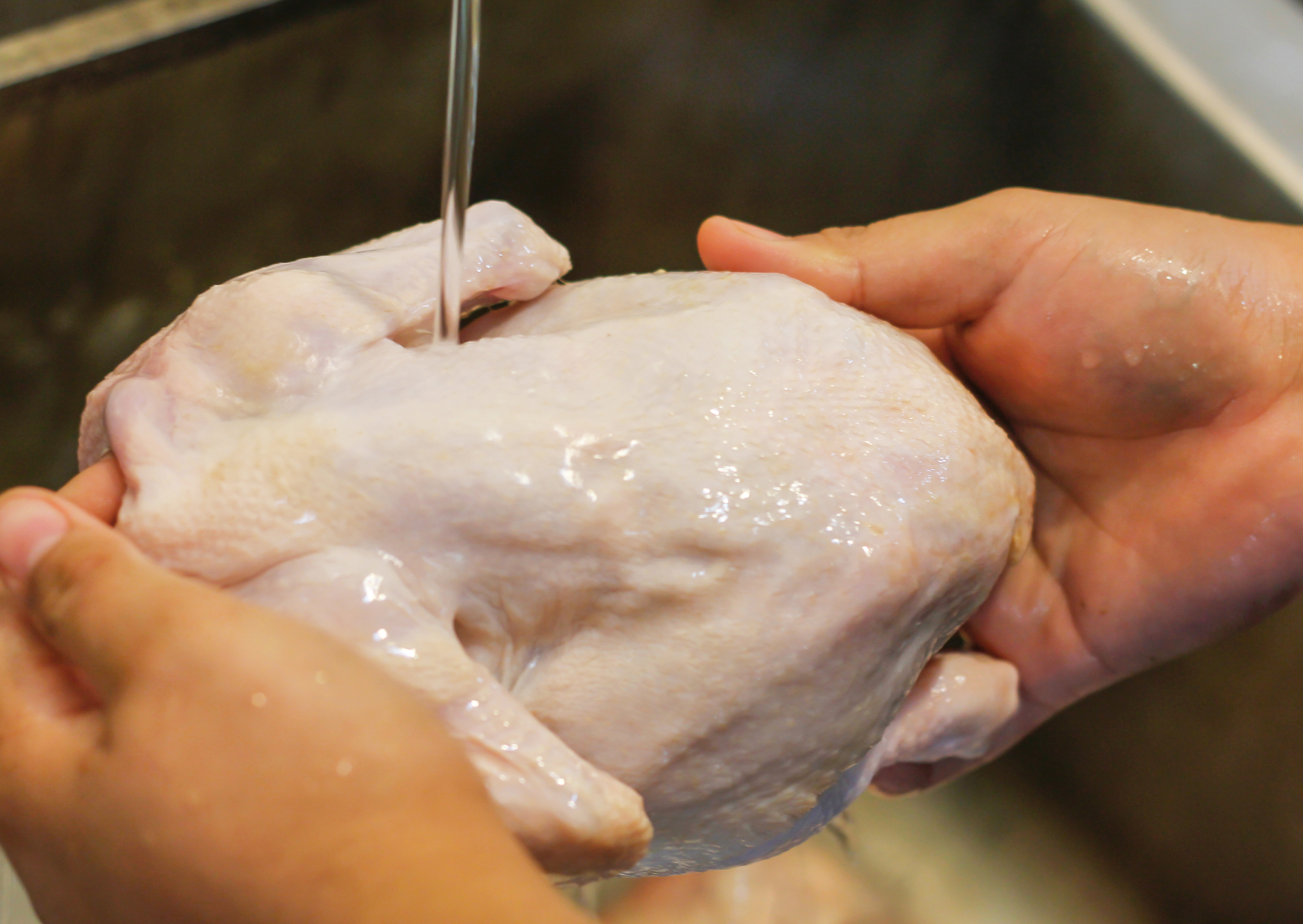
The Centers for Disease Control in the U.S. has made its stance clear:
Don’t wash raw chicken. Ever.
Doing so can splash bacteria — particularly salmonella and campylobacter — across countertops, utensils, and other food.
In Spain, this warning has largely gone ignored in home kitchens.
Open any Spanish cookbook, visit any abuela mid-recipe, or ask a neighbor what to do before seasoning the meat, and the answer is the same:
“Lo lavas primero.” You wash it first.
Not because they distrust the quality of the chicken — but because it’s what has always been done.
2. Washing Meat Is Tied to Cultural Ideas of Cleanliness

In Spain, as in many Mediterranean and Latin cultures, cleanliness in the kitchen is not just about bacteria. It’s also about ritual.
Washing the chicken removes “suciedad” — visible impurities. Blood. Slime. Packaging residue. Even the smell.
It’s less about microbes and more about freshness, presentation, and pride.
To skip this step feels… dirty. Incomplete. Like setting the table without a tablecloth.
You wash vegetables, right? So why wouldn’t you wash chicken?
3. It’s Often Tied to Home Cooking — Not Restaurants
Professional kitchens in Spain, especially those governed by modern food safety codes, don’t wash raw chicken.
But in homes, the story is different.
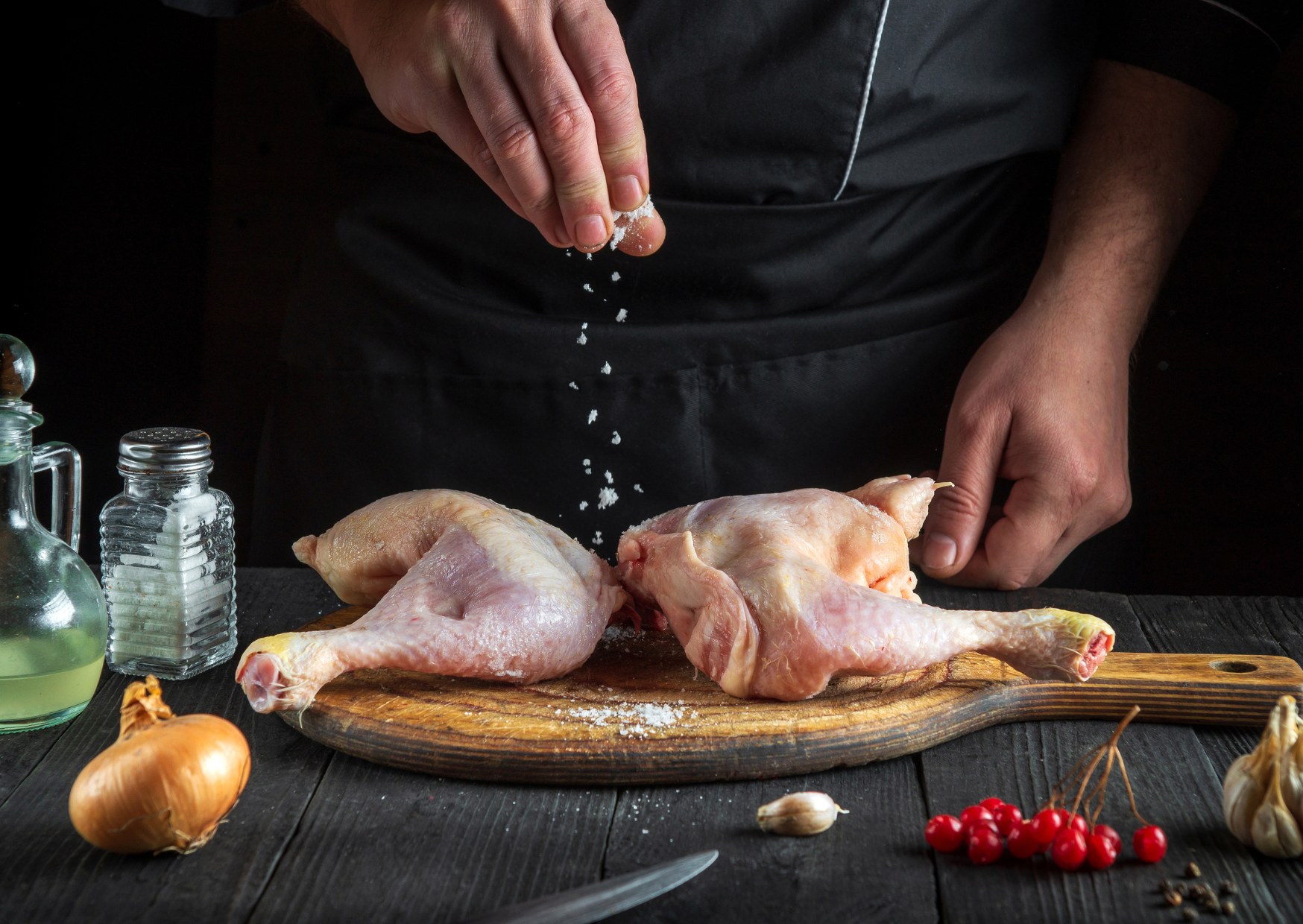
Generations of women — and now men — have passed down this technique. It’s part of a domestic logic: wash, pat dry, season with garlic and lemon, marinate in wine.
This is what makes food homemade.
It’s not sterile. It’s hands-on. It’s emotional.
So while Spain absolutely has food safety regulations, they often stop at the kitchen door.
4. The Belief Is: “We’ve Always Done It, and We’ve Never Gotten Sick”
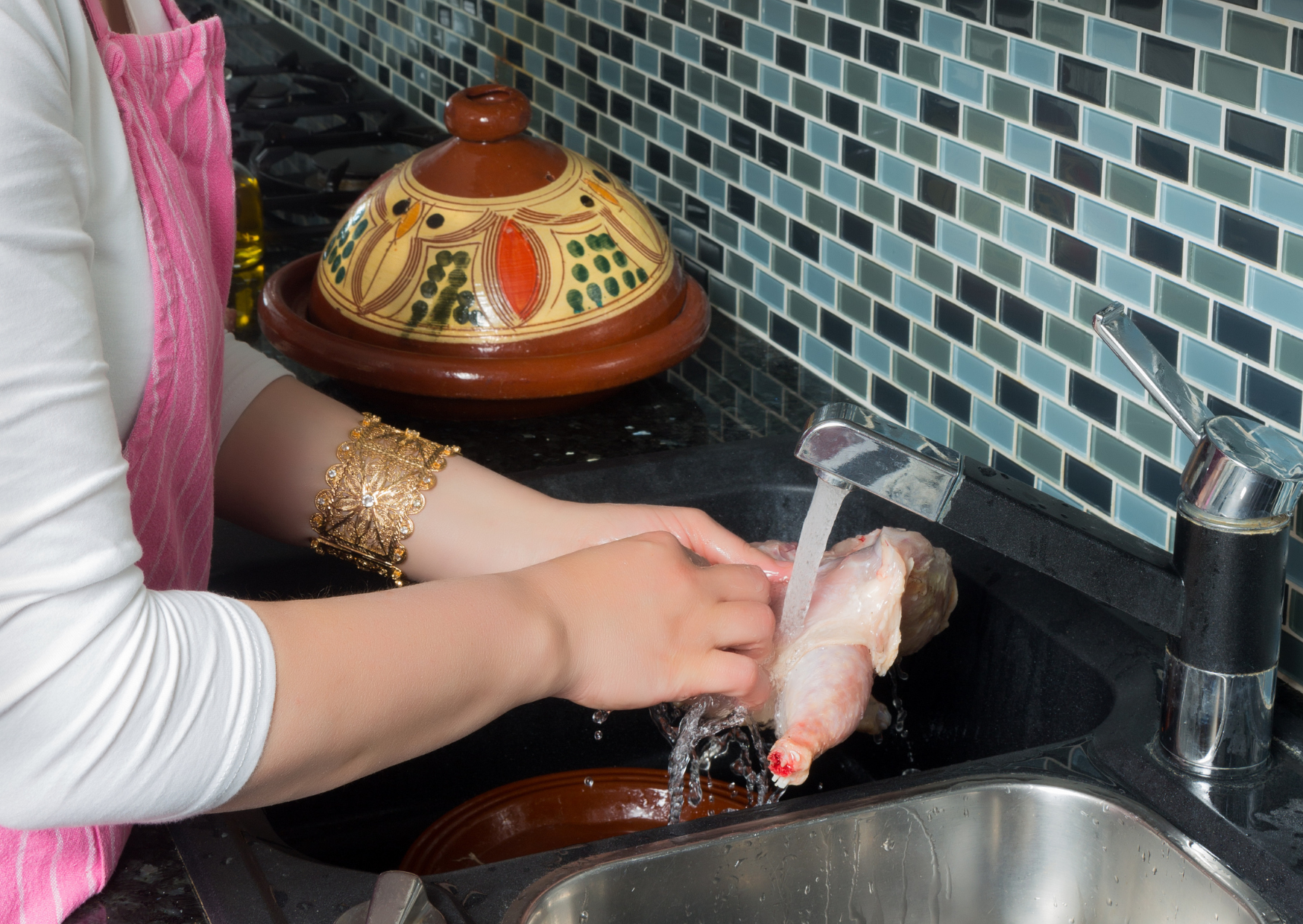
Ask someone in Spain why they still wash chicken despite the warnings, and you’ll likely hear some version of:
- “Mi madre siempre lo hizo.” My mother always did it.
- “Nunca hemos tenido problema.” We’ve never had an issue.
- “Si no lo lavas, huele raro.” If you don’t wash it, it smells weird.
This is how trust is built: through experience, not authority.
The idea that water could cause more contamination than the raw chicken itself? It doesn’t resonate — especially when the kitchen is cleaned meticulously afterwards.
5. The Sink Is Scrubbed Immediately — Often with Bleach
Here’s what American officials often miss:
Yes, Spanish people wash chicken. But they also clean the sink afterward. Very thoroughly.
In many Spanish households, bleach (lejía) is a regular cleaning tool — often diluted and poured down the drain, or used with a sponge to scrub the basin.
The faucet is wiped. The counter is cleaned. The cloth is rinsed.
The ritual includes the full cleanup — often with more intensity than what happens in U.S. kitchens.
It’s not blind trust. It’s a system — just not the CDC’s.
6. The Chicken Is Then Cooked — Often at High Heat
Most Spanish chicken recipes call for thorough cooking. Whether it’s pollo al ajillo (garlic chicken), pollo guisado (stewed chicken), or grilled thighs over an open flame, the meat is cooked well — usually to the bone.
There’s no rare poultry. No low-temp sous-vide. No margin for error.
The belief is: bacteria are killed in the pan — not avoided at the sink.
And with this cooking tradition, the risk of foodborne illness remains low, even with the wash step.
7. Food Is Handled With More Intuition — Less External Instruction
American kitchens are increasingly governed by outside voices: labels, apps, health guidelines, expiration dates, nutrition tracking.
In Spain, the kitchen remains a place of personal wisdom.
Smell it. Taste it. Watch the texture. Cook until the juices run clear.
People don’t follow rigid rules — they follow gut feeling, literally and figuratively.
So when someone says, “The CDC says not to wash chicken,” the response might be:
**“Vale, pero en mi casa lo lavo.” Okay — but in my house, I wash it.”
8. The Generational Chain of Teaching Is Stronger Than Policy
Food habits in Spain are taught at the elbow. You watch your mother. You copy your grandmother. The sink, the towel, the lemon juice — they’re part of the choreography.
This means food safety updates from government agencies — especially foreign ones — don’t always break through the domestic code.
And since people trust the habits they grew up with more than a stranger in a lab coat, the wash stays.
It’s not stubbornness. It’s cultural loyalty.
9. Americans Expect Regulation to Fix Risk — Spaniards Rely on Judgment
In the U.S., the idea is: if a practice is risky, remove it. Ban it. Warn against it.
In Spain, the idea is: if a practice has risk, understand it, and do it carefully.
This mindset extends to many parts of life — from driving, to parenting, to cooking.
It’s not that Spanish cooks don’t believe bacteria exist. It’s that they believe in their own ability to manage the risk, rather than avoiding it altogether.
One Chicken, Two Cultures
To Americans, rinsing raw chicken under the faucet feels reckless. Alarming. Maybe even dirty.
To Spaniards, it feels careful. Correct. Clean.
To Americans, trust belongs to the system.
To Spaniards, trust belongs to the household.
Both want safe food. Both value cleanliness. But one avoids risk through removal — the other through ritual.
So next time you’re in a Spanish kitchen and see someone washing raw chicken, don’t panic.
They’ll clean the sink. They’ll cook it through.
They’ll feed their family the way they always have — with confidence, not caution.

About the Author: Ruben, co-founder of Gamintraveler.com since 2014, is a seasoned traveler from Spain who has explored over 100 countries since 2009. Known for his extensive travel adventures across South America, Europe, the US, Australia, New Zealand, Asia, and Africa, Ruben combines his passion for adventurous yet sustainable living with his love for cycling, highlighted by his remarkable 5-month bicycle journey from Spain to Norway. He currently resides in Spain, where he continues sharing his travel experiences with his partner, Rachel, and their son, Han.