
A small apartment above a bakery. Midday sun on tiled streets. Lunch at a tablecloth spot that costs less than a latte back home. Thirty days later, my notebook says the same thing my body does: this is doable, and it is gentler than you think.
I set one rule for myself. Live like a local pensioner, not a tourist with a checklist. That meant an inland town, not Lisbon’s hilltops. It meant the train, not Ubers. It meant the menu do dia instead of the brunch line.
My target was about €1,100 for the month, roughly $1,200. No gaming the math with house sitting or sofa surfing. Rent something ordinary. Track every receipt. Say yes to the rituals retirees actually keep, like a morning café and a proper lunch.
Here is the playbook, the exact budget, the shortcuts that make the numbers work, and the few traps that will blow the month if you are not careful.
Quick Easy Tips
Rent like a local, not a tourist. Skip short-term Airbnb rentals and look for monthly apartments in non-touristy neighborhoods. Places like Coimbra, Tavira, or Setúbal offer comfort and charm at half the Lisbon price.
Shop at local markets. Fresh produce, bread, and seafood from municipal markets cost far less than supermarkets and connect you to Portugal’s food culture.
Cook most of your meals. Portuguese retirees rarely eat out daily. Cooking at home with olive oil, sardines, and seasonal vegetables keeps costs low and meals satisfying.
Use public transport. Buses and trains are clean, reliable, and affordable. A monthly metro pass in Lisbon or Porto costs a fraction of U.S. city transport rates.
Embrace the café culture. For less than two euros, you can sip espresso and people-watch for hours. It’s not about caffeine—it’s about connection.
Slow your pace. The Portuguese day runs on calm predictability. Shops close midday, dinner starts late, and time stretches differently. The more you resist rushing, the richer your experience becomes.
There’s a growing fascination with Portugal, especially among retirees seeking a slower, more affordable life. But what many don’t realize is that living like a Portuguese retiree isn’t just about cheaper rent or better healthcare—it’s about embracing an entirely different rhythm. The Portuguese approach to retirement emphasizes balance, community, and simplicity, something that stands in sharp contrast to America’s hustle-driven culture. What Americans might call “doing nothing,” the Portuguese consider “living well.”
However, this slower lifestyle comes with debate. Some expats romanticize it without understanding the deeper cultural nuances. Locals live within their means out of habit and history, not just preference. They’re used to making modest pensions stretch, cooking at home, and walking instead of driving. For Americans used to convenience and consumption, adapting to this reality can feel restrictive rather than liberating. Yet, that very limitation is what makes life in Portugal feel freer—there’s less pressure to perform and more time to actually live.
Another controversy is the rising tension between locals and the growing influx of foreign retirees. While Portugal has welcomed global newcomers, especially from the U.S. and Northern Europe, locals worry that rising housing costs and gentrification are pushing traditional communities out. Living “like a local” on $1,200 is still possible—but it requires humility, respect, and a willingness to integrate rather than impose.
The Rules That Kept It Real
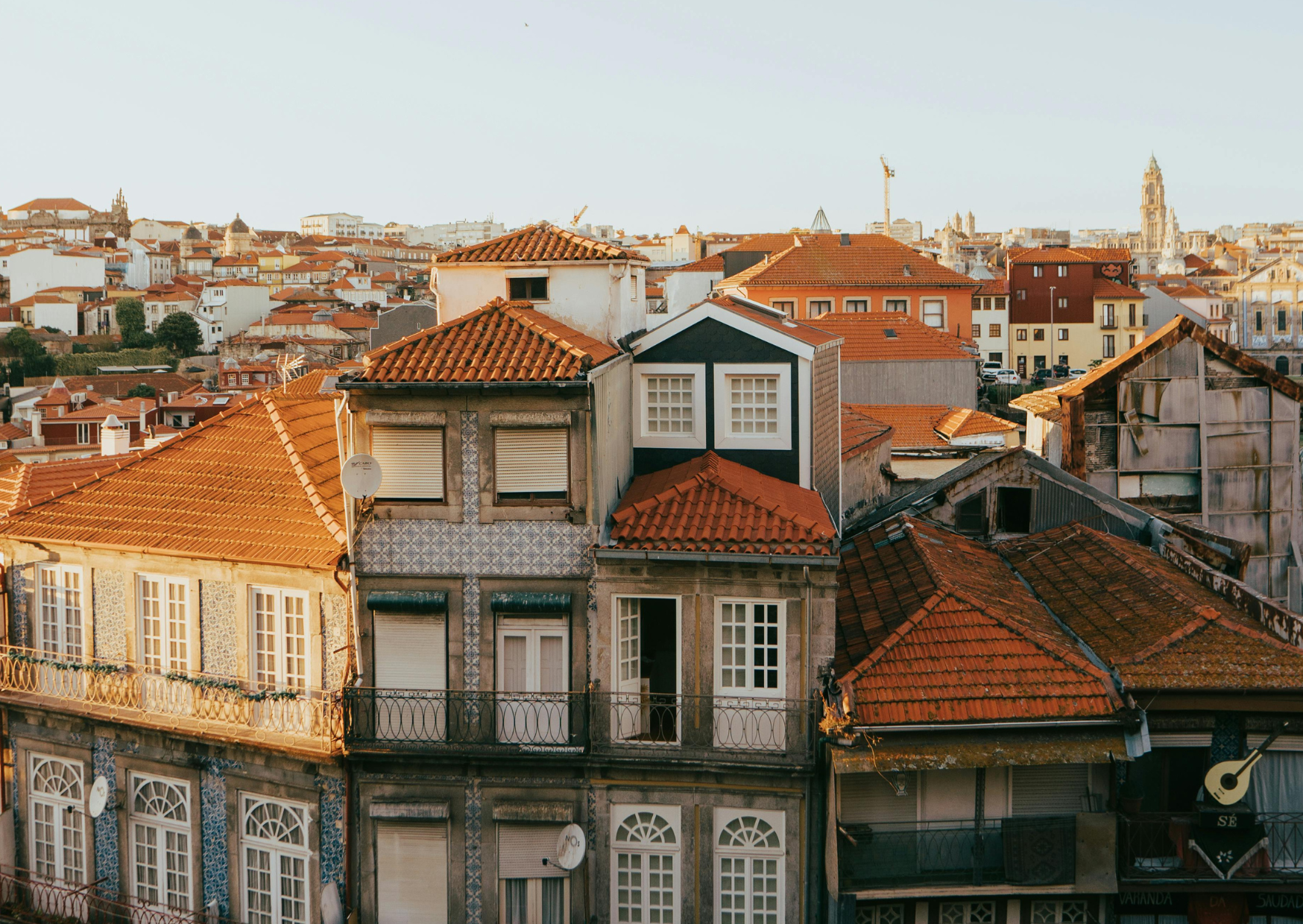
I picked a medium-size, lower-cost district capital on the rail line. Think Coimbra, Leiria, Viseu, or Tomar scale, where rents still behave and life runs on foot. I searched long-lets, not holiday rentals, and took a modest one-bedroom with sun, a washing machine, and fast internet. No pool, no view tax.
I also “lived like a retiree” in the sense that I used the senior deals locals use. In Portugal, those are not fringe coupons. The national train operator sells half-price tickets for 65+, many city passes discount senior travel, and museums routinely cut entry in half for over-65s. You need an ID that shows age, and for some transport discounts you need local residency on file. If you are practicing the lifestyle before you move, budget as if you will register, then note what changes if you do not. Function first, local lanes, paperwork matters.
Finally, I ran the day the way my neighbors do. Coffee standing at the counter, a set lunch around 13:00, errands on foot, and simple dinners cooked at home. This is not hair-shirt frugality. It is the Portuguese rhythm that quietly lowers your spend.
Where I Lived, And Why It Matters
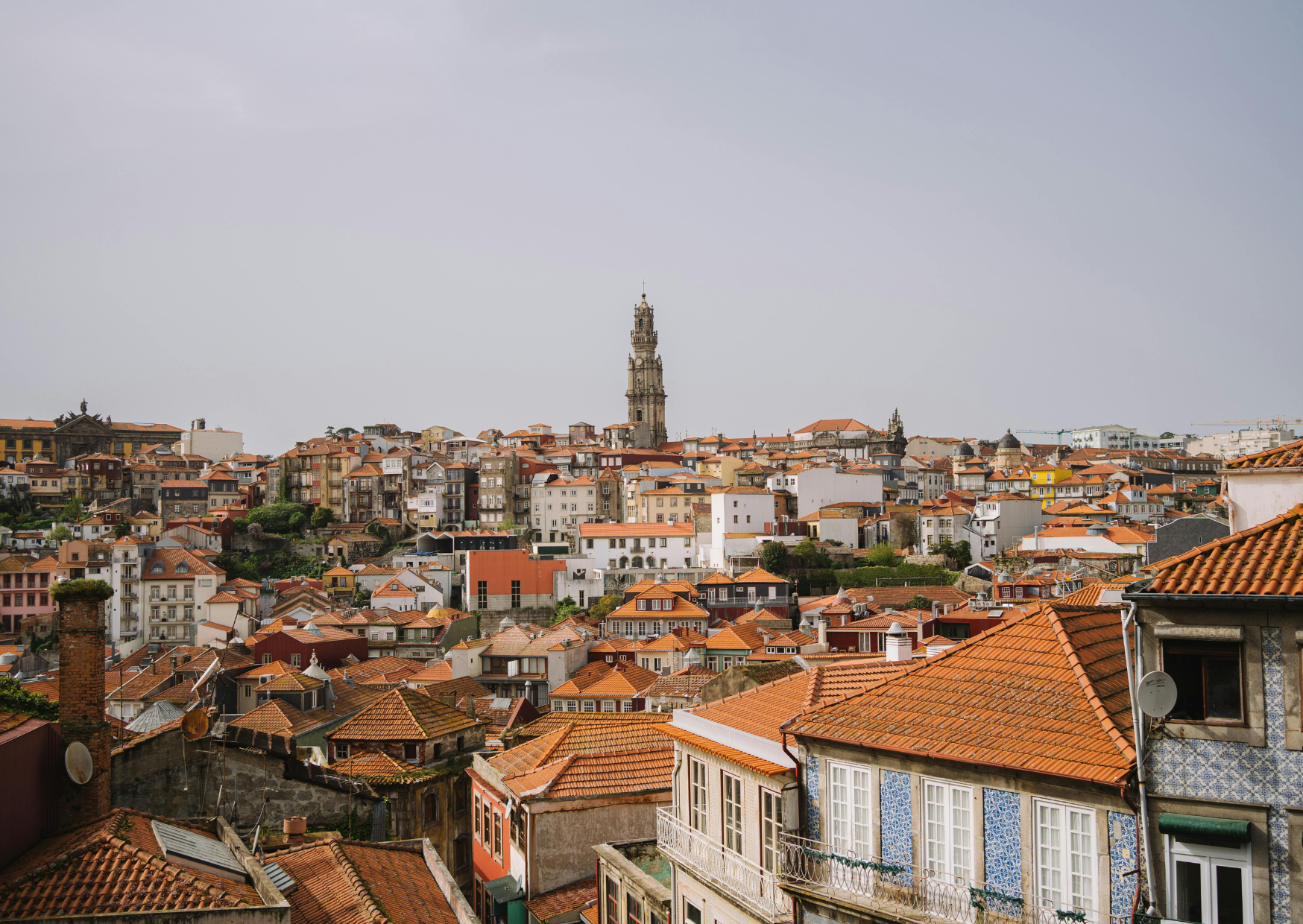
I avoided Lisbon and Porto, not because they are impossible, but because your housing dominates the budget in big cities. Inland hubs give you everything you need without the price spike that comes with international demand.
In towns like Leiria or Coimbra, one-bedroom long-lets routinely post from €350 to €600 depending on condition and location. Coastal darlings and capital neighborhoods push that higher. If your number needs to say €1,100 for the month, pick rail-served, university-or-administrative towns where locals actually rent. You will still have cafés, clinics, markets, a library, a pool, and a train to the sea.
Pick a ground-truth neighborhood. Two markers helped. A small mercado municipal with morning vegetable stalls, and a bus stop with pensioners carrying newspapers at 10:00. If both are in walking distance, your errands are going to be cheap and your days are going to feel human. Errands on foot, market before noon, doctors within a bus ride.
What I Paid, Line by Line
Here is the month, cleanly penciled. Prices are in euros, with round-number dollars in parentheses for brain comfort.
Rent: €450 (~$490).
One-bedroom, furnished, simple finishes, quiet street ten minutes from the center. No view premium. I signed a straightforward lease, not a tourist contract. Modest unit, local market, no view tax.
Utilities and internet: €80 (~$87).
Electricity, water, trash, plus a fiber plan split over the month. I did not run a dryer and I line-dried. Shoulder season makes this easy. Line-dry saves, fiber is cheap, no AC, no spike.
Mobile: €10 (~$11).
Prepaid data and calls for a basic plan. Portugal’s mobile offers are sane if you are not streaming video all day. Prepaid wins, shop at the mall, auto-top-up optional.
Groceries: €180 (~$196).
Vegetables at the market, basics at Pingo Doce and Continente. Olive oil, beans, rice, eggs, sardines, pork shoulder, soup greens. I baked tray meals and big pots, then ate leftovers at night. Market veg, batch cooking, pantry staples.
Coffee and bakery: €45 (~$49).
One café a day at the counter plus a few pastéis on Sundays. Counter prices are low when you stand. At-counter prices, one a day, treat on weekends.
Lunches out: €120 (~$131).
Two or three menu do dia per week at €8–€12. Always includes bread and a drink, often coffee or dessert. Fish on Tuesdays, cozido or roast on Thursdays. Set lunch, protein heavy, cheap midweek joy.
Transport: €25 (~$27).
Local buses with a senior pass and a few regional trains with the 50% senior fare for day trips. If you are not yet 65 or not locally registered, reserve €40–€50 instead. Senior fares cut bills, train beats car, walk most days.
Health and pharmacy: €25 (~$27).
A box of generic statins and ibuprofen, plus one copay-free GP visit to get into the system. I also priced a private clinic consult in case of delay, €35–€50 cash. GP in system, generics cheap, private consult if needed.
Household odds and ends: €35 (~$38).
Refillable gas lighter, dish soap, cleaning cloths, printer pages at the copy shop, bus card initial fee. Set-up bits, one-time buys, save receipts.
Leisure and museums: €30 (~$33).
Matinée at the cinema, local museum with a senior discount, weekly swim at the municipal pool. Local pool, half-price museums, cheap matinees.
Cushion for the unexpected: €100 (~$109).
A round of beers when friends appeared, a cab on a rainy night, a replacement hat. The cushion is why budgets survive. Small slush fund, use without guilt, close the month clean.
Total: €1,100 give or take a few coins. That is the month, lived like my neighbors.
How Lunch Carries The Day

Portugal protects lunch. That single habit is the anchor of the budget and the reason you do not snack all afternoon.
The menu do dia is the happy middle. For €8–€12, you get a proper plate and a drink. If you pick grilled fish or a stew, you cover protein for the day and cook lighter at night. Treat it like a retiree would: same cafés each week, say hello to the staff, and sit near the door. You will get better plates and sometimes a free espresso without asking. Regular spots, protein at lunch, light dinner at home.
Dinner at home is not a moral victory. It is what lets you say yes to a friend’s birthday next week without wrecking the sheet. Make a caldo verde on Sunday, roast a tray of peppers, onions, and chicken thighs, and keep a tin of atum for the nights you get home later. Anchor your week with a soup and a tray, and the rest is easy. One soup, one tray, tin fish backup, salad always in the fridge.
If you want a treat without tipping the budget, go counter-service pastelarias instead of sit-down cafés. Stand for coffee and a pastry and you will spend €1.50–€3.50 total in many neighborhoods. Sit, and the bill climbs. Stand to save, same espresso, same custard.
Transport, Errands, And How Seniors Actually Move
In medium towns, your feet do most of the work. For distance, the bus pass and the train card are your tools.
Retirees register a senior transit card and load a discounted monthly pass if they are residents. In Lisbon and Porto, there are dedicated senior tariffs and resident subsidies that cut those monthly costs dramatically. Nationally, Comboios de Portugal sells senior fares at 50% off for people 65+ on mainstream trains, which makes day trips to the coast or the next city stunningly cheap. Half-price trains, resident bus deals, walk the rest.
Day to day, you can run the week without a car. The market for produce, the mercearia for bread and milk, the pharmacy for meds, the Loja do Cidadão for paperwork, all live on a short bus line or within a 20-minute walk in these towns. Bring a folding cart and an extra tote. Your back will thank you.
If you plan to move here, register early so your name and address land in the local systems. Some senior transport and culture discounts require fiscal domicile in the municipality. Once you are on file, you stop paying the outsider tax. Register once, show ID, use the lanes locals use.
Healthcare Without The Panic
If you come from a system where a doctor visit feels like taking a small loan, Portugal’s mix of public and private will feel like exhaling.
Residents enroll in the SNS and get a family doctor at their Centro de Saúde. Portugal has eliminated most user fees inside the SNS, so primary care consults and a wide range of exams do not carry a charge. Emergencies without referral may still have a copay, but the everyday items are not what drain your wallet. Public GP is free, referral cuts ER fees, pharmacy generics are low.
If you want speed or you are not fully registered yet, private clinics fill the gap. A GP or basic specialist slot commonly runs €35–€50 cash in many towns, with private insurance cutting that further. Pharmacies handle minor issues and manage refillable generics with very little drama. Bring your prescription history on paper and your meds translate smoothly.
The senior neighbor trick is simple. Ask the pharmacist first. If they say “go to your médico de família,” you go. If they hand you a box and explain the label, you just solved your afternoon for the price of a sandwich. Pharmacist first, GP for the rest, private if you need speed.
What’s changed
In Portugal, residents are taxed on their worldwide income, and in 2025 the personal income tax brackets for residents now range from about 12.5% up to 48% (depending on income) plus solidarity surcharges.
The previous flagship regime, the NHR (Non-Habitual Resident) status, allowed many new Portuguese tax residents to enjoy favourable tax treatment on foreign-source income (dividends, interest, capital gains, pensions) under certain conditions.
That regime has been phased out for most new applicants and replaced by the IFICI programme. Under IFICI (often described as “NHR 2.0”), only individuals who qualify (principally via “highly qualified professions”, innovation or research roles, or certain strategic activities) may benefit from special tax treatment.
Among the changes is the fact that foreign-sourced income such as pensions, dividends, and capital gains are now more tightly controlled and often taxed at the regular resident rates unless covered by a double tax treaty or other specific exemption.
The Three Places Budgets Break

The month holds if you dodge three common mistakes.
Big-city rent creep. Lisbon and Porto are wonderful, and they will eat your number if you insist on central, renovated, and view. Start inland. Visit the capitals on a €6–€12 train fare and come home to your low rent. Visit the coast, sleep inland, protect the base.
Tourist pricing habits. Sit at the most famous café on a square and you will pay for the square. Walk two streets over and stand at the counter. Same espresso, half the price, and the staff will learn your order. Counter culture, side street rule, save daily.
Staying unregistered. Many senior perks attach to age alone. Some attach to age plus residency. If you are testing retirement, at least get your fiscal number and a temporary lease you can show. The moment you belong to the city on paper, your transport and culture spend collapses in the right direction. Paperwork unlocks, passes get cheap, museums go half-off.
Copy This Month In One Week
If you want to try the same month, do these steps in this order.
Day 1–2: Lock housing.
Search long-let sites for your town shortlist. Filter out tourist leases. Visit three units. Pick sunlight and insulation over everything. Ask what last month’s utility bill was. Sun over granite, ask for bills, sign simply.
Day 3: Set up your passes.
Get your bus card and ask about senior tariffs. Buy a regional CP card if offered and test the half-price fares the following week. Card first, questions at the desk, snap a photo of your receipt.
Day 4: Enroll at the health center.
Bring ID, lease, and fiscal number. Get a user number and the name of your GP. Ask which labs and imaging centers the clinic uses. Enroll once, note the phone line, know your lab.
Day 5: Stock the kitchen.
Market for greens, supermarket for dry goods, butcher for one cheap cut, fishmonger for sardines or hake. Make soup and a tray roast. Buy two glass containers so you always have tomorrow’s dinner. Soup in the fridge, tray in the oven, containers ready.
Day 6: Map your lunch spots.
Walk three tascas. Read the chalkboards. Choose one fish, one meat, one wild card. Learn the staff names. Put €40 aside as your lunch envelope for the week. Three places, cash envelope, names matter.
Day 7: Test a day trip.
Take the train to a nearby town with a museum. Use your senior fare if eligible, show ID for the museum discount, and be back for your own soup by 19:00. Half-price there and back, half-price entry, home for dinner.
By the end of week one, your month will feel like a pattern, not a stunt.
What This Means For You
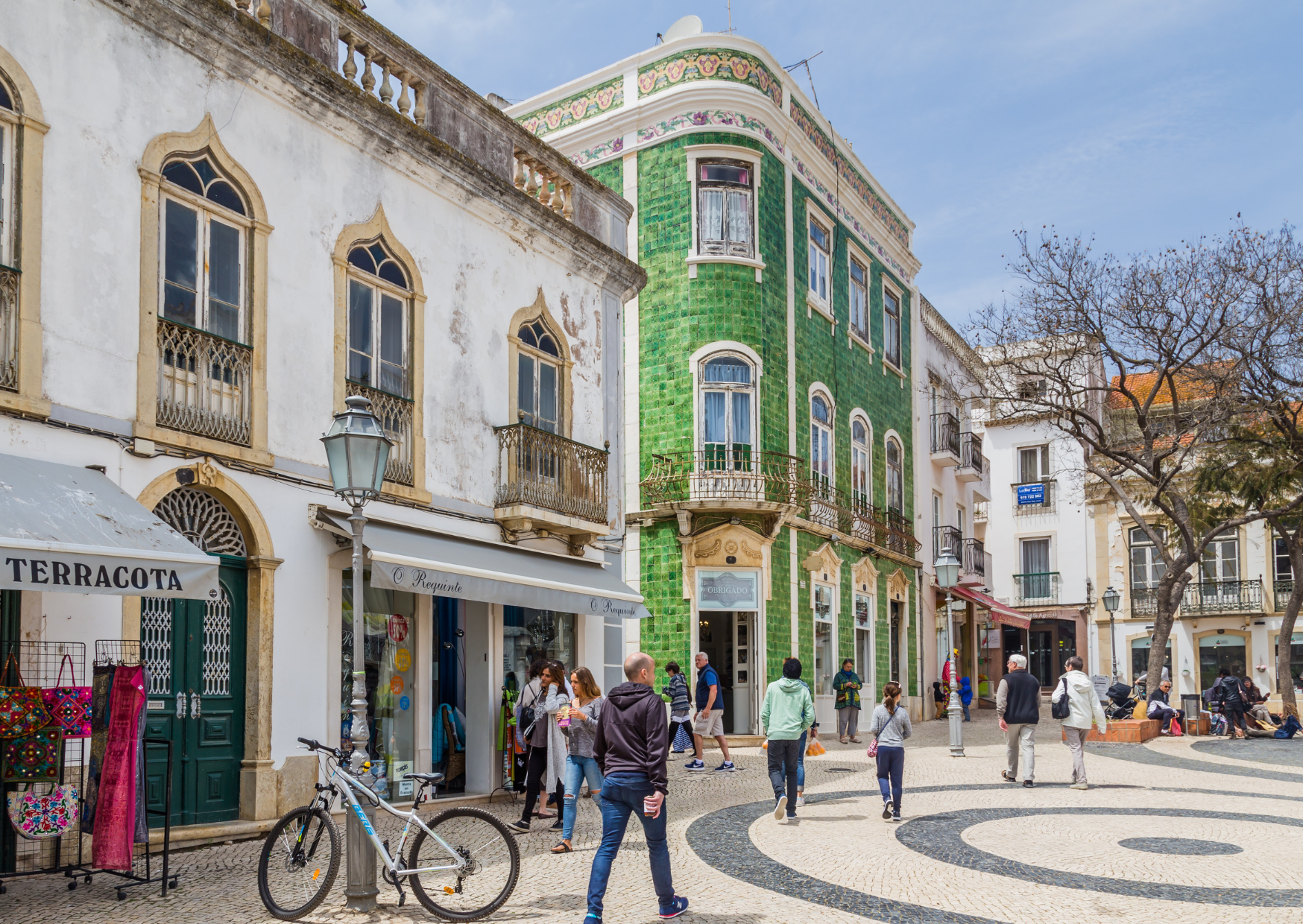
A quiet, inland Portuguese month sits inside €1,100 without contortions if you choose your town, take the local lunch, and use the senior lanes Portugal built on purpose. You are not giving anything up that makes life feel rich. You are swapping tourist defaults for retiree defaults: a set lunch, a bus card, a train day, a pharmacy chat, soup in the fridge, and the same café at 10:30.
If your number needs to be lower, the lever is housing. If it needs to be easier, add €100 to the cushion and keep the rest as is. What matters is that the month is repeatable. You could do three of these back to back and feel fine.
Portugal rewards people who live at its speed. When you do, $1,200 is not a headline. It is your grocery list, your pass in your pocket, and a table with a chalkboard lunch you will remember next Wednesday.
Final Thoughts
Living like a Portuguese retiree on $1,200 a month reshapes your idea of what’s truly necessary. You realize quickly that happiness in Portugal doesn’t depend on possessions—it depends on moments. Morning walks along cobbled streets, conversations over espresso, and quiet evenings watching the sun set over tiled rooftops replace the noise of consumer culture. It’s a life that rewards presence over productivity.
What struck me most was how sustainable it felt. Without even trying, I was living more consciously—wasting less food, walking more, and finding joy in simplicity. The Portuguese have mastered the art of living within their means without feeling deprived. Their version of “enough” isn’t minimalism—it’s contentment.
After a month, I understood why so many Americans choose to retire here. Portugal isn’t just affordable—it’s peaceful. It offers something that money alone can’t buy: dignity in simplicity. Living on $1,200 didn’t feel like cutting back; it felt like finally catching up with life. The Portuguese don’t chase happiness—they live in it. And that’s a lesson worth more than any savings account.

About the Author: Ruben, co-founder of Gamintraveler.com since 2014, is a seasoned traveler from Spain who has explored over 100 countries since 2009. Known for his extensive travel adventures across South America, Europe, the US, Australia, New Zealand, Asia, and Africa, Ruben combines his passion for adventurous yet sustainable living with his love for cycling, highlighted by his remarkable 5-month bicycle journey from Spain to Norway. He currently resides in Spain, where he continues sharing his travel experiences with his partner, Rachel, and their son, Han.