
Last updated on January 14th, 2026 at 10:10 am
The Camino de Santiago is one of the world’s most famous pilgrimage routes, drawing travellers, hikers, and spiritual seekers from every corner of the globe. While many simply refer to it as “the Camino,” there are multiple routes leading to Santiago de Compostela, each offering its own landscape, culture, and unique challenges. Among the most popular are the French Camino (Camino Francés), the Spanish routes such as the Camino del Norte, and the Portuguese Camino.
Choosing between these routes can be overwhelming for first-time pilgrims or even returning travellers. The French route is the most traditional and social, the Spanish routes like the Camino del Norte hug the coast with dramatic scenery, while the Portuguese Camino offers a gentler walk with rich coastal and rural experiences. Each path provides a different perspective of Iberian culture and landscapes.
In this post, you’ll learn which Camino de Santiago route is the best, so you can pick the best Camino for your adventure! With quick easy tips for planning, a controversial understanding of how each route is perceived by pilgrims, and final thoughts to help you choose the journey that aligns with your goals, fitness, and sense of adventure.
Read here Camino de Santiago by bicycle and Camino de Santiago French Route,
Read here Spain sim card for tourist and things to know before visiting Spain!
BOOK YOUR TRAVEL INSURANCE
Two of our favorite travel insurance: Heymondo Vs Safetwing cheapest travel Insurance. You can get for $135 USD your Heymondo Travel Insurance with Heymondo discount code valid for 90 days. Read our full comparison of Genki vs Safetywing Travel Insurance Review and the comparison Heymondo vs Genki
The 3 Main Camino Routes Compared
French Camino (Camino Francés) 780 km (485 mi) and 30-35 days. The difficulty is Moderate and you will be hiking between the Mountains, vineyards and medieval towns: Traditional pilgrimage experience.
Spanish Camino del Norte 825 km (512 mi) and 35-40 days. The difficulty is Hard and you will be hiking thru the Rugged coastline and lush green hills: Experienced hikers, fewer crowds.
Portuguese Camino 610 km (379 mi) and 25-30 days. The difficulty is Easy-Moderate and you will be hiking thru the Atlantic coast and historic cities: Shorter route and cultural experiences.
Quick Easy Tips
Research distances and terrain difficulty before committing to a route to match your fitness level.
Book popular accommodation ahead on the French route during peak months to avoid full albergues.
Try a shorter coastal section on the Portuguese route if you want fewer crowds but accessible paths.
Consider starting in Porto or Lisbon on the Portuguese Camino for varied cultural experiences.
Pack light, moisture-wicking clothing for all routes to adapt to changing climates and elevations.
Download offline Camino apps or GPS maps, especially for the lesser-marked routes.
Reflect on your personal goal – spiritual reflection, social connection, or a physical challenge – to choose the route that resonates with your purpose.
One controversial aspect is the “hierarchy” among pilgrims regarding routes. Some believe the French Camino is the only true Camino because of its historical significance and popularity, sometimes looking down upon alternative routes as shortcuts or easier options. This perception can create divisions among pilgrims, overshadowing the personal meaning of each journey.
Another debated topic is overtourism on the French Camino. While it offers a deeply social and well-supported experience, critics argue that its popularity has turned it into a mass tourism path rather than a reflective pilgrimage. This has sparked discussions about whether the true essence of the Camino is being lost amid crowded albergues, rushed stages, and commercialisation.
Finally, some locals and long-time pilgrims feel that increased promotion of routes like the Portuguese Camino focuses too much on attracting tourism revenue rather than maintaining cultural authenticity and infrastructure sustainability. Balancing pilgrimage traditions with modern tourism demands remains an ongoing debate in Camino communities.
The French Camino (Camino Francés)
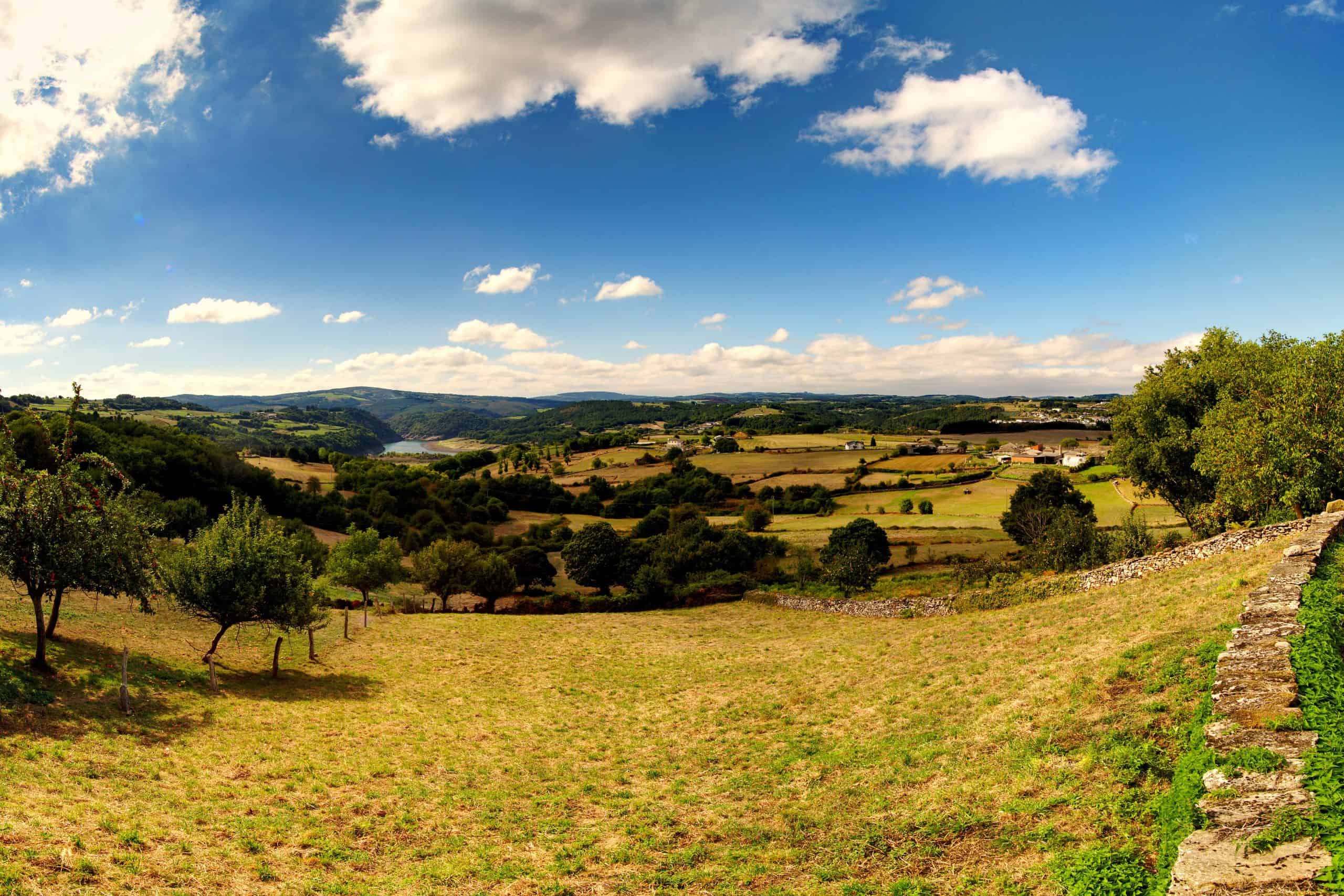
Why Choose It?
The most famous and traditional Camino route.
Passes through iconic towns like Pamplona, Burgos, and León.
Great infrastructure with plenty of albergues (hostels), restaurants, and supply shops.
A social experience—most pilgrims walk this route.
Downsides:
Can get overcrowded in peak months (May-September).
Longer and more challenging than the Portuguese Camino.
The first stage (St. Jean Pied de Port to Roncesvalles) is physically demanding.
Best For:
First-time pilgrims looking for the classic Camino experience.
Travelers who want a mix of history, culture, and nature.
The Spanish Camino del Norte
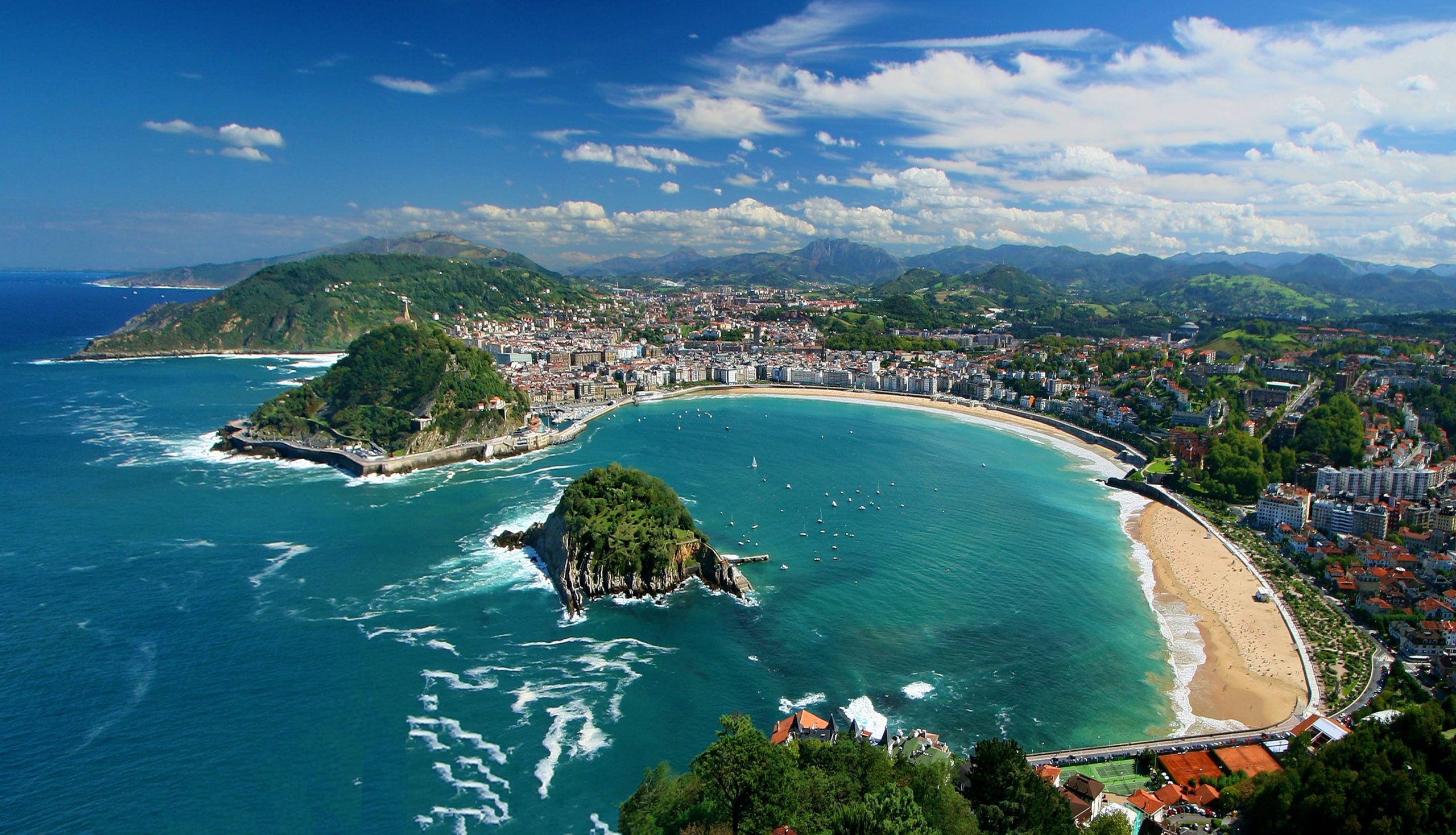
Why Choose It?
A less crowded and more scenic alternative to the French Way.
Beautiful coastal views and a mix of mountains and green landscapes.
Passes through San Sebastián, Bilbao, and Santander—great for food lovers!
Downsides:
More difficult terrain with lots of hills and coastal paths.
Fewer accommodation options, requiring careful planning.
Can be rainy and muddy, especially in spring and autumn.
Best For:
Experienced hikers looking for a challenge.
Those who prefer quiet trails and natural landscapes.
People who love Basque and Northern Spanish culture.
The Portuguese Camino
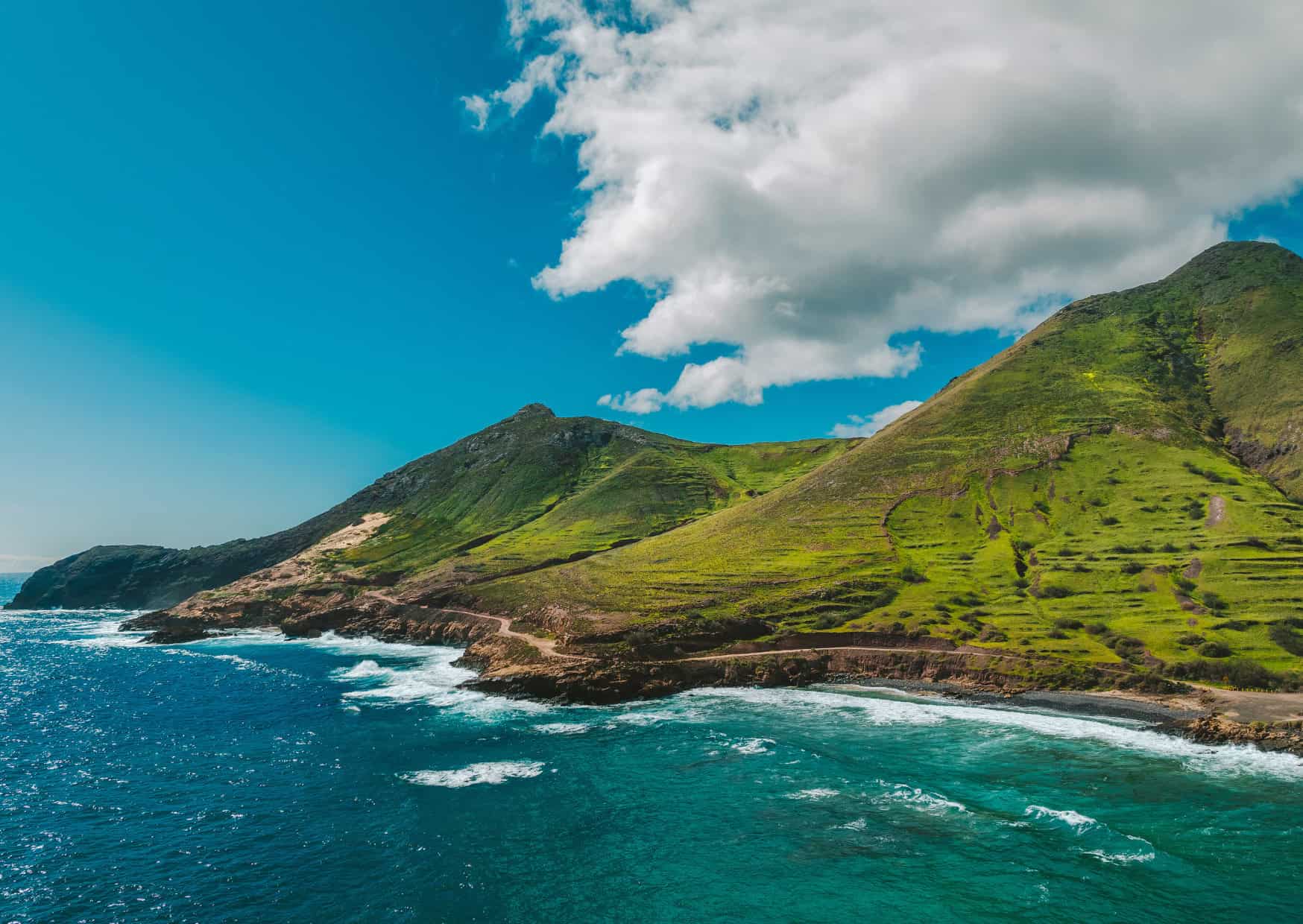
Why Choose It?
Less crowded and shorter than the French Camino.
Starts in Lisbon or Porto, passing through Braga, Tui, and Pontevedra.
Offers two options:
Coastal Route: Follows the Atlantic coast.
Central Route: Passes through historical towns.
Great for food lovers—Portuguese cuisine is fantastic!
Downsides:
Fewer traditional albergues than the French route.
Some sections lack clear signage, especially in Portugal.
Less of a “pilgrimage feel”, as it’s a newer route.
Best For:
Beginners who want an easier Camino experience.
Shorter timeframes (can be completed in 2-4 weeks).
Pilgrims who enjoy cultural and coastal walking.
Which Camino Is the Best for You?
For first-time pilgrims: Choose the French Camino.
For a scenic, coastal adventure: Choose the Spanish Camino del Norte.
For a shorter and cultural journey: Choose the Portuguese Camino.
Common Mistakes to Avoid on Any Camino
Underestimating the physical challenge
Even the “easy” Camino routes require walking 20-30 km per day.
Train beforehand—practice long-distance walking with a backpack.
Overpacking
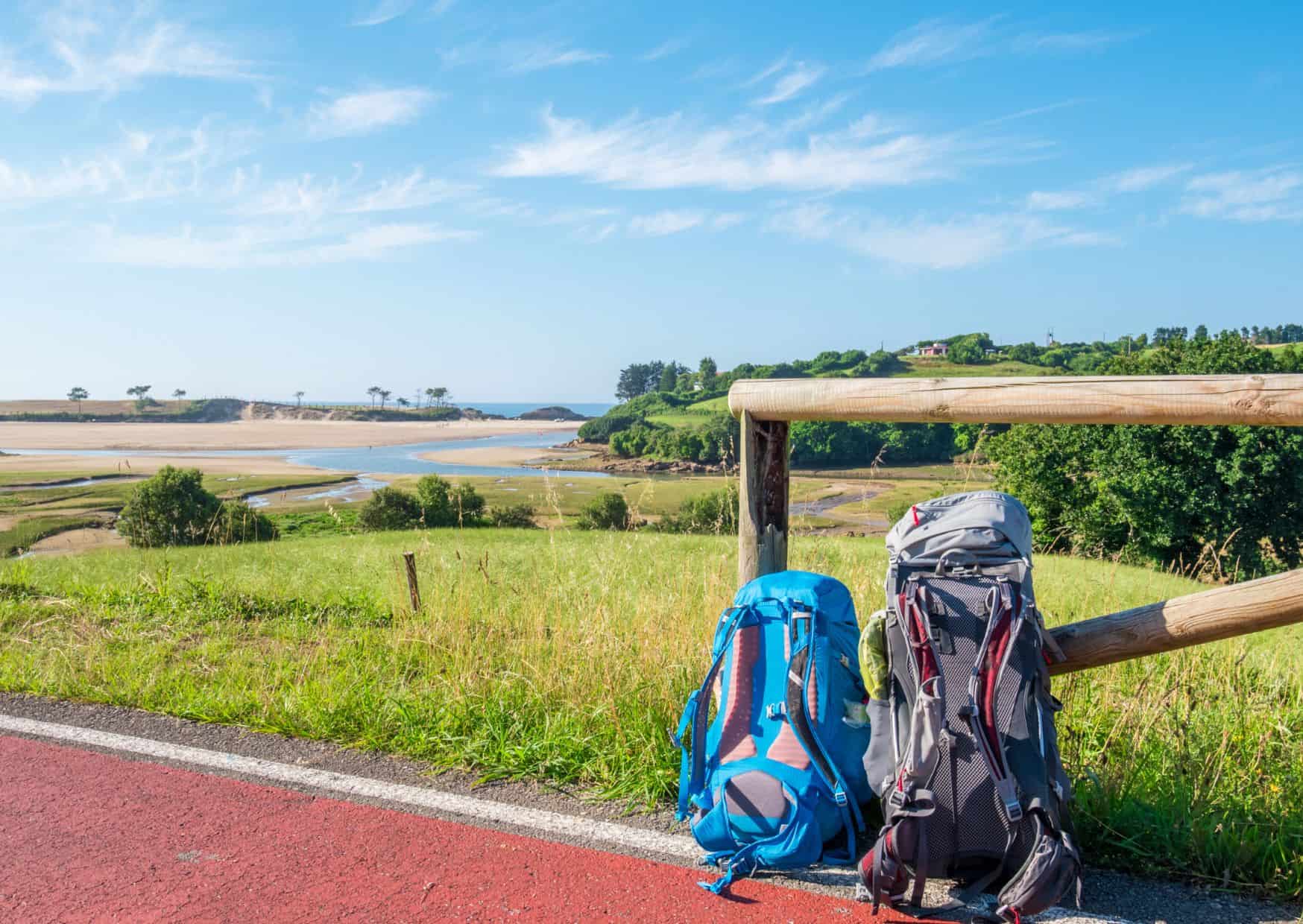
The #1 mistake of first-time pilgrims! Pack light—max 10% of your body weight.
Essentials: good hiking shoes, 2-3 outfits, rain gear, water bottle, blister kit.
Not booking accommodations in advance (during peak season)
French Camino can get fully booked in July-August.
Reserve albergues a day or two ahead to avoid stress.
Ignoring weather conditions
Summer: Too hot, risk of dehydration.
Winter: Some hostels close, and mountain routes can be dangerous.
Skipping local food and culture
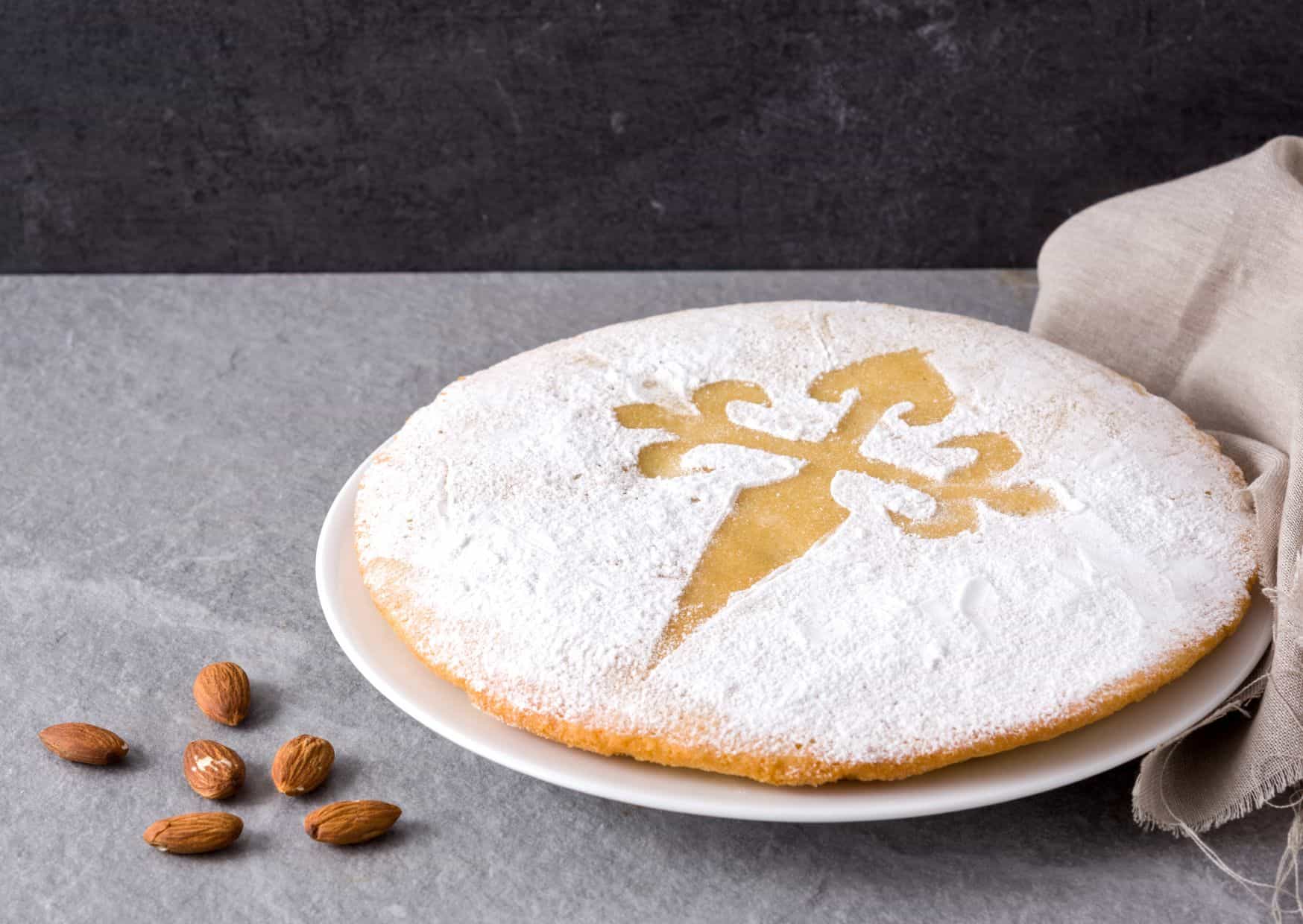
Try Bacalao (Portuguese cod), Pulpo a la Gallega (Galician octopus), and Tarta de Santiago (almond cake).
Explore historic sites like Santiago Cathedral, Burgos Cathedral, and Porto’s Ribeira district.
Rushing the journey
The Camino is about the experience, not just reaching Santiago.
Take rest days in beautiful towns, meet fellow pilgrims, and enjoy the adventure.
Final Tips for the Best Camino Experience
Best time to walk?
Spring (April-June) and Fall (September-October) for mild weather and fewer crowds.
Avoid July-August unless you like extreme heat and packed hostels.
Budgeting
Expect to spend €30-50 per day (food, lodging, and small expenses).
Stay in public albergues (€5-10/night) or private hostels (€15-25/night).
Walking certificate (Compostela)
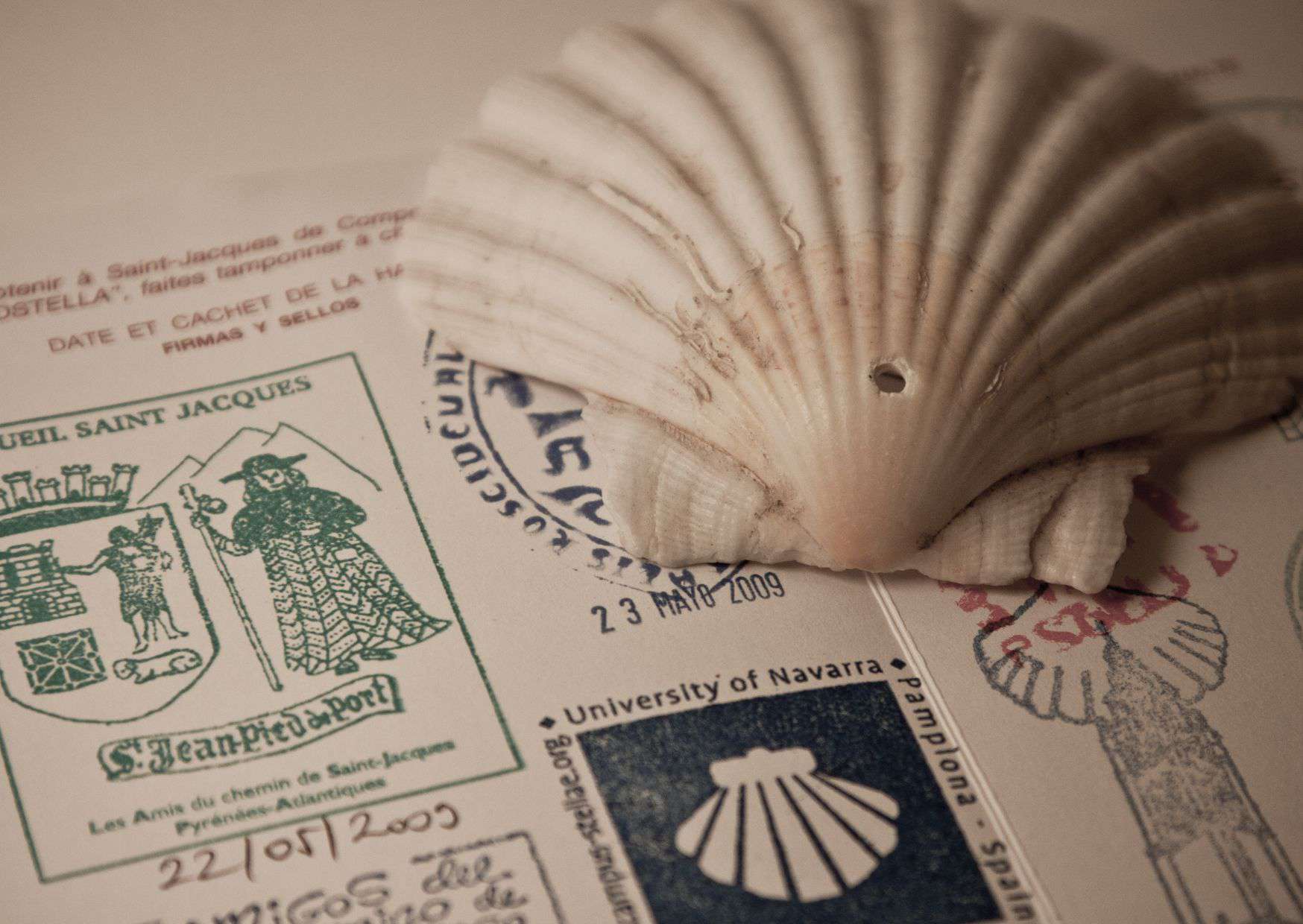
To get your Compostela Certificate, you must walk at least 100 km (200 km for cyclists).
Keep a pilgrim’s passport (Credencial del Peregrino) and collect stamps along the way.
Final Thoughts: The Best Camino for You
If you want the classic pilgrimage, go for the French Camino.
If you prefer rugged coastal beauty, try the Spanish Camino del Norte.
If you want a shorter, culturally rich experience, choose the Portuguese Camino.
Ultimately, there is no single “best” route for the Camino de Santiago only the best route for you. Each path offers its own lessons, scenery, and experiences, whether it’s the camaraderie of the French Camino, the rugged coastal views of the Spanish Camino del Norte, or the gentler, hospitable vibe of the Portuguese Camino.
Choosing your route is an important first step in the pilgrimage, reflecting your goals, fitness, and the type of journey you wish to embrace. Take time to research, connect with other pilgrims, and reflect on what you hope to gain spiritual renewal, cultural exploration, or simply the joy of walking each day.
Whichever route you choose, remember that the true essence of the Camino lies in the journey itself in every conversation with fellow pilgrims, every step through quiet forests or bustling towns, and every moment of reflection along the way to Santiago de Compostela. No matter which route you choose, the Camino will be an unforgettable journey! Buen Camino!

About the Author: Ruben, co-founder of Gamintraveler.com since 2014, is a seasoned traveler from Spain who has explored over 100 countries since 2009. Known for his extensive travel adventures across South America, Europe, the US, Australia, New Zealand, Asia, and Africa, Ruben combines his passion for adventurous yet sustainable living with his love for cycling, highlighted by his remarkable 5-month bicycle journey from Spain to Norway. He currently resides in Spain, where he continues sharing his travel experiences with his partner, Rachel, and their son, Han.