
And what it reveals about food trust, tradition, and two very different ideas of “safe”
In most American kitchens, eggs are pulled straight from the fridge. Cold, carefully dated, stored in the back away from fluctuations. You crack them into a pan quickly, toss the shells into the trash, and wash your hands like you’ve just handled radioactive material.
In Italy, it’s completely different.
Eggs sit on the counter. They’re bought unrefrigerated. They’re used hours — or even days — after being pulled from a shelf at room temperature. They’re stirred into tiramisù without cooking. Whisked into carbonara without heating to a safe temperature. Cracked and folded into cakes without fear.
There’s no refrigeration panic. No salmonella warnings posted on grocery store walls. No government posters telling you how to sanitize your kitchen after every omelet.
To American cooks raised on rigid FDA rules, this feels reckless. Maybe even dangerous.
But to Italians, it’s how real food has always been made — and it reflects a trust in ingredients, producers, and tradition that American kitchens rarely allow.
Here’s why Italians still cook with room temperature eggs in 2025 — and why Americans still can’t believe it’s allowed.
Want More Deep Dives into Everyday European Culture?
– Why Europeans Walk Everywhere (And Americans Should Too)
– How Europeans Actually Afford Living in Cities Without Six-Figure Salaries
– 9 ‘Luxury’ Items in America That Europeans Consider Basic Necessities
1. In Italy, Eggs Are Stored at Room Temperature — Not in the Fridge

Walk into a typical Italian supermarket and you’ll find eggs on the shelf, not in the refrigerated section. No ice-cold cartons. No chilled displays. Just stacked boxes, often near flour or pasta.
Most Italians then take those eggs home and leave them out — either on the counter or in a cool cupboard. They’re not put in the fridge unless it’s extremely hot or the eggs are very old.
To an American shopper, this is unthinkable. In the U.S., eggs go from refrigerated truck to refrigerated store to refrigerated kitchen. And any deviation is treated as a risk.
In Italy, it’s simply what people have always done — and no one is getting sick.
2. European Eggs Are Processed Differently — And That Matters
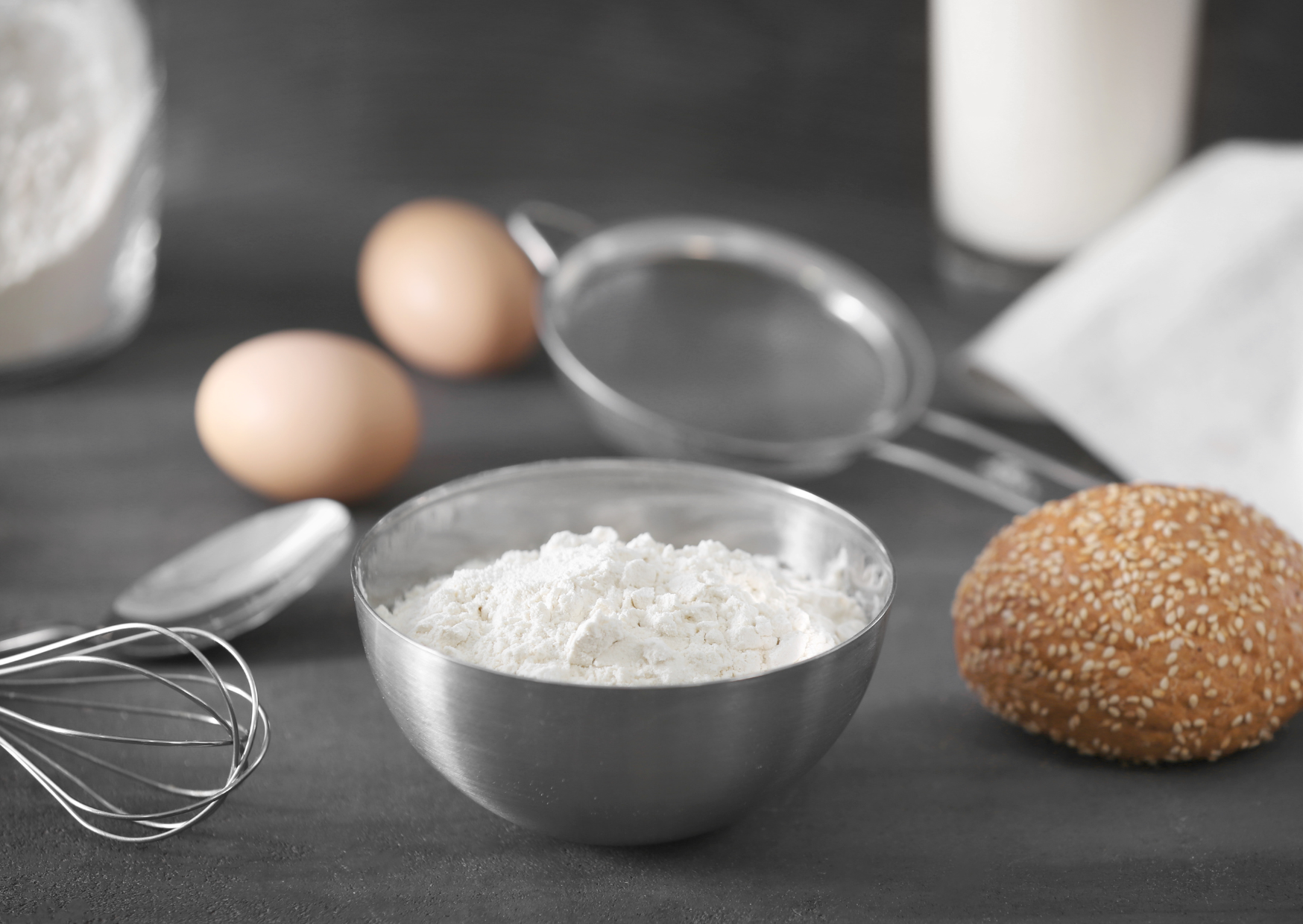
The FDA’s strict refrigeration guidelines are based on how eggs are handled in the U.S., where eggs are washed and sanitized before sale. This process removes the egg’s natural protective coating — the “cuticle” — making them more vulnerable to bacteria like salmonella.
In Italy (and across the EU), eggs are not washed before sale. The natural protective layer stays intact, and eggs remain stable at room temperature for weeks.
Italians aren’t ignoring safety. Their safety starts earlier, at the source — not in the fridge.
3. Baking Recipes Call for Room Temperature Eggs — And They Mean It
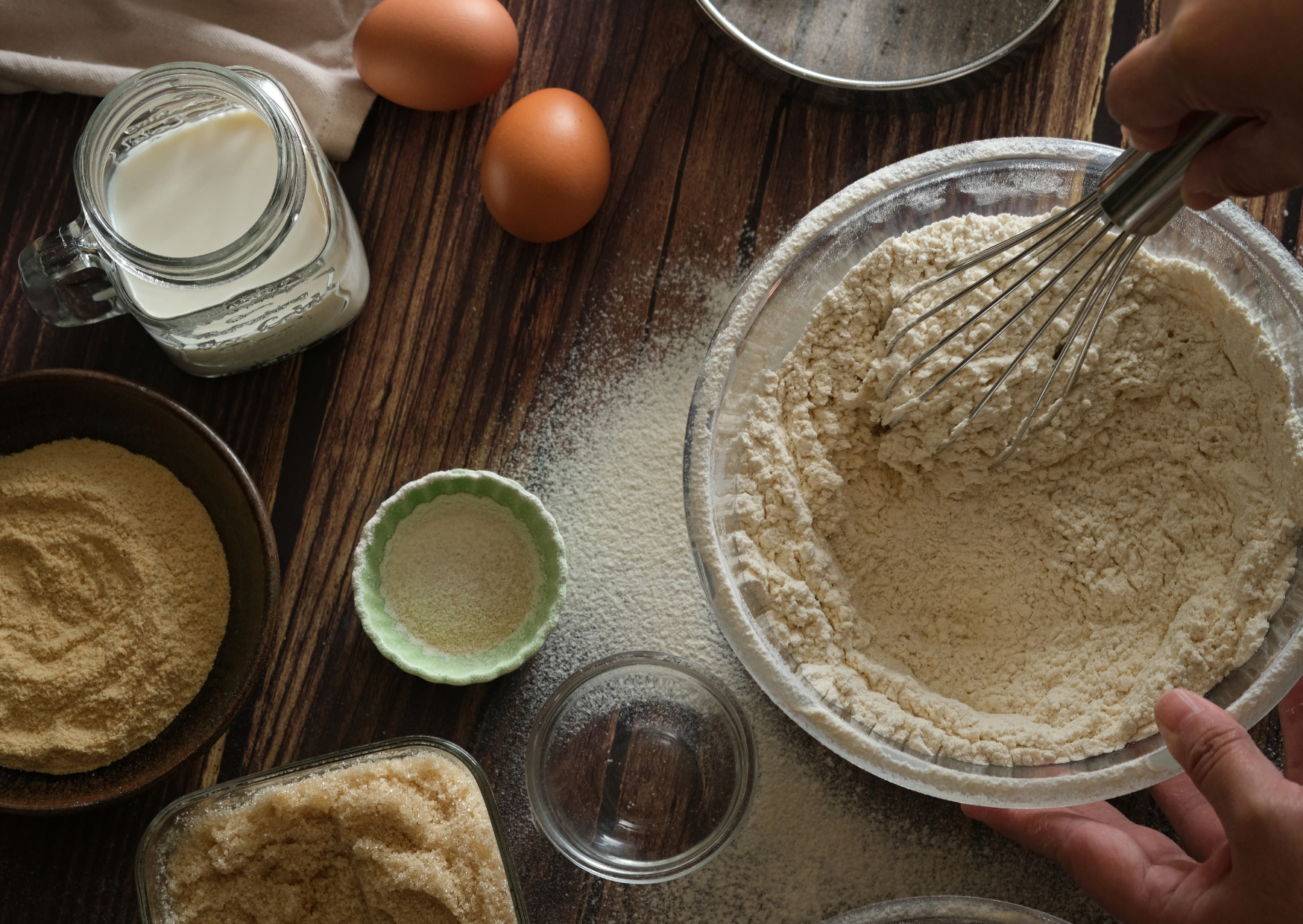
If you bake in the U.S., you’ve probably read this line: “Use room temperature eggs for best results.” But that’s often followed by: “Leave the eggs out for 15 minutes, then return them to the fridge.”
In Italy, there’s no such confusion.
All baking — from sponge cakes to ciambellone to biscotti — begins with eggs that have been sitting at room temperature for hours, sometimes days. The logic is simple: they mix better, rise better, and create better texture.
Italian bakers don’t “bring eggs to room temp.” They never chilled them in the first place.
4. Dishes Like Carbonara Require Raw, Room Temp Eggs
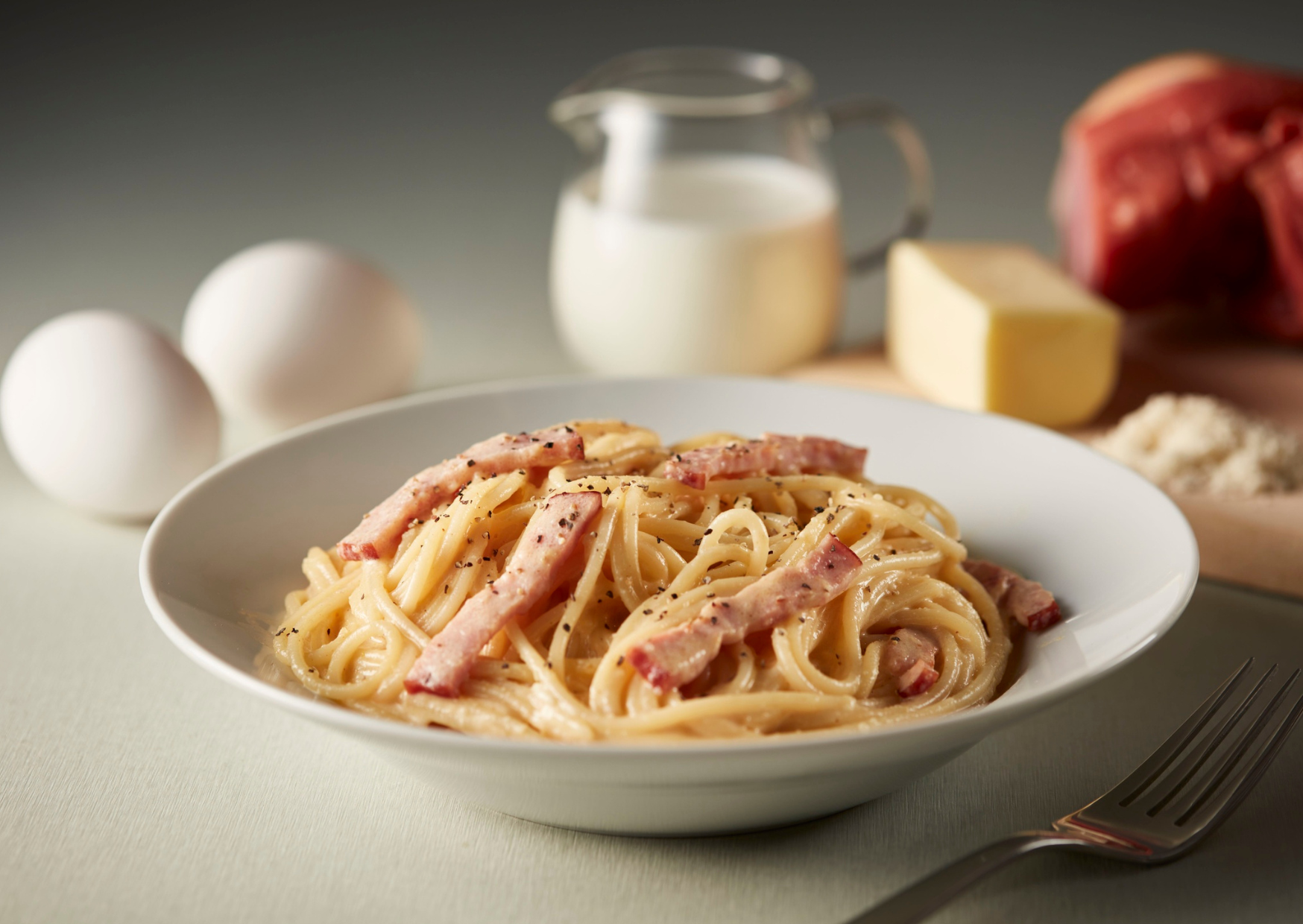
Traditional Italian carbonara is made with pasta, pancetta, black pepper, pecorino — and raw egg yolks, folded into hot pasta to create a creamy sauce.
The eggs are not fully cooked. They’re not pasteurized. They’re stirred in warm — not boiling — conditions.
American cooks often modify the recipe, scrambling the yolks first or using cream to mimic the texture. Why? Because raw eggs are treated like a threat, even in traditional recipes.
In Italy, that raw yolk is not a hazard. It’s a requirement. The flavor, the richness, the mouthfeel — all depend on eggs that were never in the fridge.
5. Tiramisù Isn’t Cooked — And That’s the Point

A classic Italian tiramisù is made with raw eggs whipped into mascarpone. No cooking. No pasteurization. Just fresh eggs, room temperature, whipped by hand or with a mixer.
To an American baker, this sounds like a salmonella trap. Many U.S. recipes now replace the eggs with whipped cream, or require heating the mixture over a double boiler.
In Italy? That would be seen as inauthentic. The whole point of tiramisù is the delicate balance of raw egg, cheese, coffee, and ladyfingers.
No one asks if it’s dangerous. They ask if you whipped the yolks long enough.
6. Italian Food Safety Relies on Trust — Not Control

In the U.S., food safety is built on industrial standards. Government regulations, mass processing, centralized production. Eggs are considered risky not because they always are — but because the system assumes lowest common denominator conditions.
In Italy, food safety is built on trust in the chain — from the local producer to the market to the home cook. You know where your eggs came from. You know how old they are. You store them properly. You know how they smell, look, and feel.
Food safety is personal. And because of that, people are more attentive — not less.
7. Refrigeration Isn’t Treated Like a Universal Good

In American kitchens, refrigeration is a reflex. If it can go in the fridge, it does. If it sits out for more than an hour, it’s tossed. “Refrigerate after opening” is the law.
In Italy, refrigeration is used sparingly. Not because people don’t care — but because they understand that refrigeration alters food, often for the worse.
Tomatoes. Bread. Cheese. Coffee. And yes, eggs — all change in flavor and texture when chilled unnecessarily.
Refrigeration is a tool — not a blanket solution. Italians use it where it makes sense. And they don’t assume it’s safer just because it’s colder.
8. Even Restaurants Don’t Panic About Egg Temperature
In American restaurants, health codes are strict. Every perishable ingredient must be chilled. Temperatures are monitored. Raw eggs are replaced with pasteurized alternatives.
In Italy, traditional restaurants still use fresh, room temp eggs in recipes that call for them. Carbonara. Tiramisù. Fresh pasta.
They’re not breaking the rules. The rules are different — and built to reflect how Italian food is actually made.
And diners trust it. Because food safety in Italy doesn’t mean eliminating all risk. It means knowing how to prepare food properly, with care.
9. Nobody Washes Eggs at Home — Or Worries If They Have a Feather on Them
In the U.S., any egg with a speck of dirt is seen as dangerous. Some people wash store-bought eggs again at home. Others panic if a shell isn’t pristine.
In Italy, especially with farm eggs, it’s normal to find a little straw, dirt, or even a feather stuck to the shell.
And nobody washes them. Washing would remove the protective coating. You leave the egg as is — and crack it just before using it.
That connection to where the food came from makes the egg feel more real — not more dangerous.
One Ingredient, Two Realities
To Americans, the idea of cooking with room temperature eggs feels unsafe. Reckless. Even illegal.
To Italians, it’s just how you cook. You trust your ingredients. You respect the process. You don’t introduce cold eggs into delicate batters. You don’t scramble yolks out of fear.
In the U.S., eggs are regulated through control.
In Italy, they’re managed through experience.
Both systems exist for a reason. But one allows for tiramisù that tastes like childhood. Pasta that clings to the spoon. A kitchen where ingredients sit out, breathe, and belong.
And sometimes, that’s worth more than total sterility.

About the Author: Ruben, co-founder of Gamintraveler.com since 2014, is a seasoned traveler from Spain who has explored over 100 countries since 2009. Known for his extensive travel adventures across South America, Europe, the US, Australia, New Zealand, Asia, and Africa, Ruben combines his passion for adventurous yet sustainable living with his love for cycling, highlighted by his remarkable 5-month bicycle journey from Spain to Norway. He currently resides in Spain, where he continues sharing his travel experiences with his partner, Rachel, and their son, Han.