
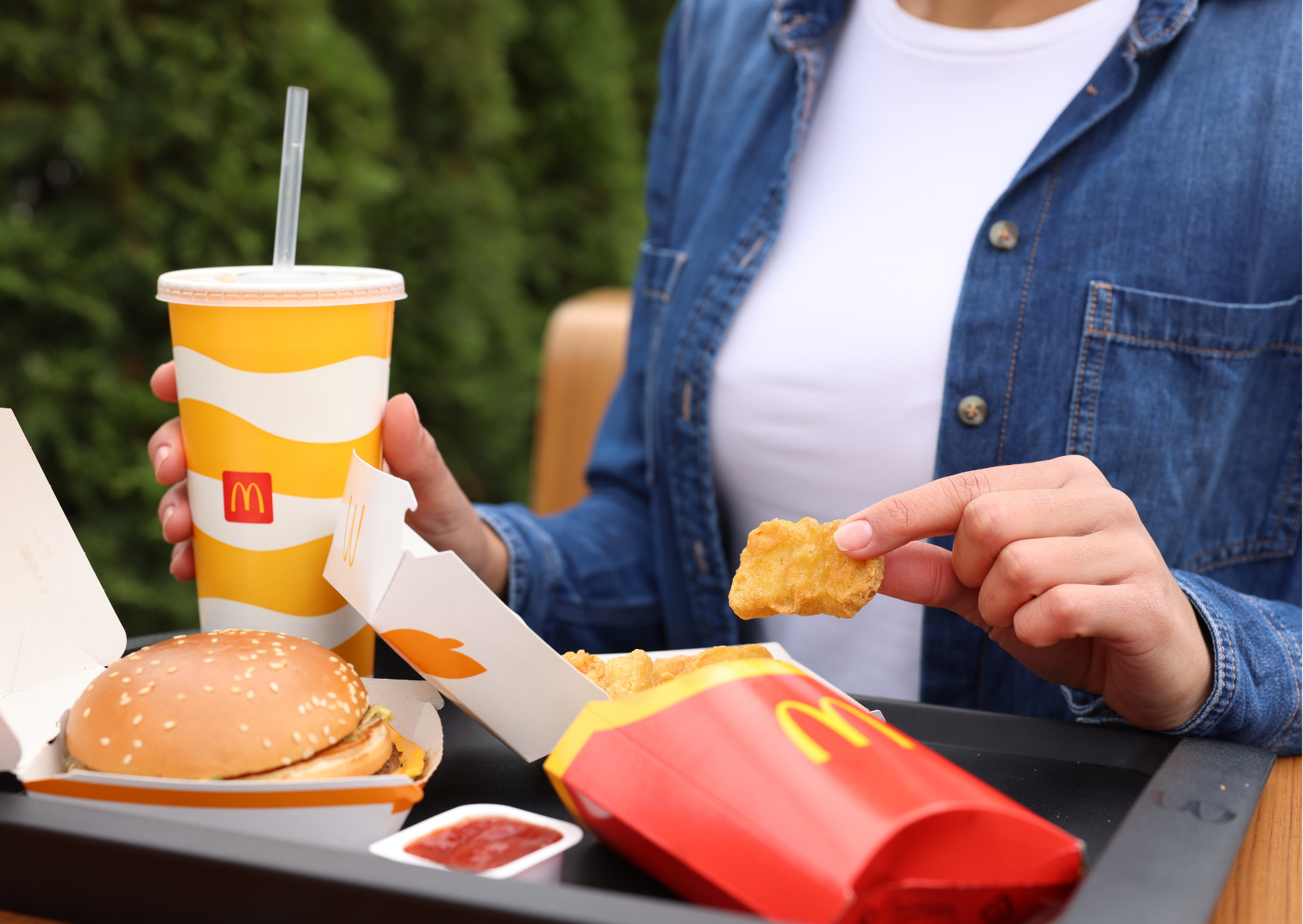
So here is the quick version nobody tells you before you order a cheeseburger in Madrid and expect the same afternoon nap you get in Ohio. The ingredient lists are not the same. Not close. Same logos, same fonts, different guts. Between oils, flours, colorings, stabilizers, and sweeteners, you can count dozens of swaps across the core items. The number on my napkin was thirty eight after a week of menus and labels in Spain, France, Germany, and Italy. You do not need to be a chemist to taste it. You just need to read the tiny lines and notice how your body feels an hour later.
Where was I. Right. This is not a corporate expose. It is the simple reality of two rulebooks and two food cultures colliding under a golden M. I will walk you through the differences by category, the “why” behind them, a country-by-country feel, and a grocery store plan that gives you the same benefits without living at a counter. I will also admit where I changed my mind halfway and then changed it back. One espresso and we go.
What “the same burger” means in Europe vs the U.S.
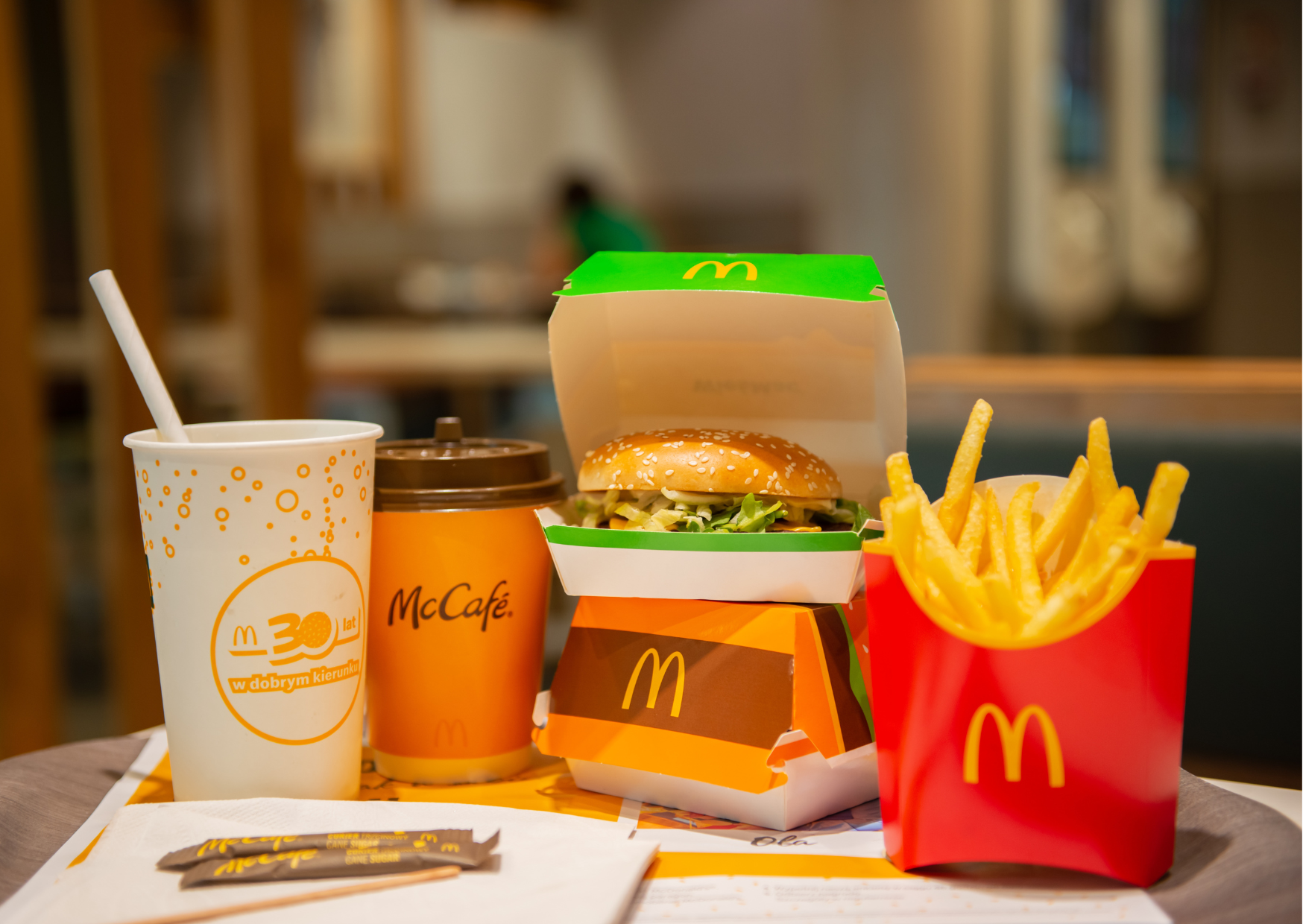
You can hold two truths at once. A Big Mac in Lisbon is still a Big Mac, and the ingredient deck is built from a different pantry.
The headline differences land in five buckets you will see again and again:
- Fats and oils. Sunflower and rapeseed oils dominate in Europe, while U.S. labels lean harder on soybean or blends. That shift pulls in different antioxidants and frying behavior. You can taste the fry oil on day four of a Spanish batch and it is not a punishment.
- Flour and conditioners. European buns are often made with as few conditioners as the baker can get away with while still surviving distribution. U.S. formulas use more aggressive strengtheners for softness and shelf life. The feel in the hand is real. Softer is not always better when you want a clean chew.
- Colors and “shiny.” The EU is stricter about certain synthetic colors and whitening agents, plus warning labels for some dyes when they appear. Result: less neon sauce, fewer bright buns, more muted ketchup. Your eyes will argue with your tongue for a week.
- Sweetness and syrups. Europe leans sugar from beet or cane and sometimes glucose-fructose syrup, while the U.S. is fluent in high fructose corn syrup. It changes the top note on ketchup and buns. Less shiny sweet in Europe, more round sweet.
- Additive philosophy. Same functions, different tools. Thickeners and emulsifiers show up on both sides, but the EU’s list and limits push kitchens toward shorter labels and different E-numbers. If you like reading packages for sport, welcome to your new hobby.
The logo standardizes branding, regulators standardize recipes, and you taste the regulator by the second bite.
The bun and the bite: flour, sugar, softness
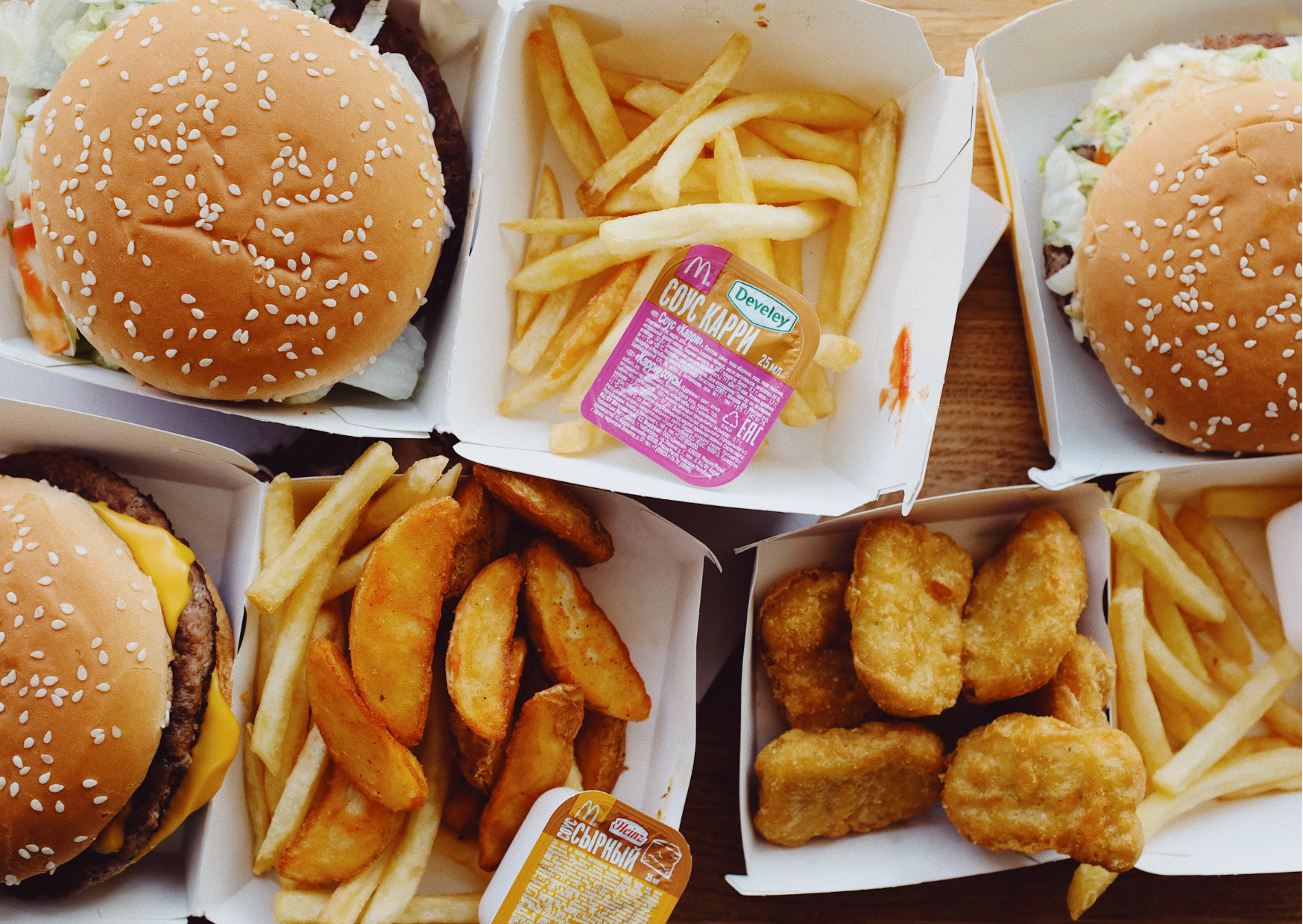
I am not going to list every conditioner on earth. I am going to tell you what you actually feel.
European buns usually chew cleaner. Bakeries that supply McDonald’s in Spain or France work inside rules that reward shorter ingredient lists and give you a little more bread behavior. Pull a bun apart and you get crumb, not velvet. In the U.S., the same product is optimized to stay cloud-soft across longer hold times and longer supply routes. That usually means more dough strengtheners and a sweeter baseline.
A small thing you notice after three lunches: the sweetness curve. European buns read as barely sweet, U.S. buns as lightly cakey. Add ketchup and the gap widens. If you grew up on the sweeter curve, Europe tastes blunt for a week and then starts to feel sane.
Key idea to keep: less sugar and gentler strengtheners change how full you feel. You are done with a burger faster in Barcelona and you do not go hunting for a second one because the bun did not dissolve into frosting.
The fries are where the rulebooks shout
You can love both versions and admit they are not twins.
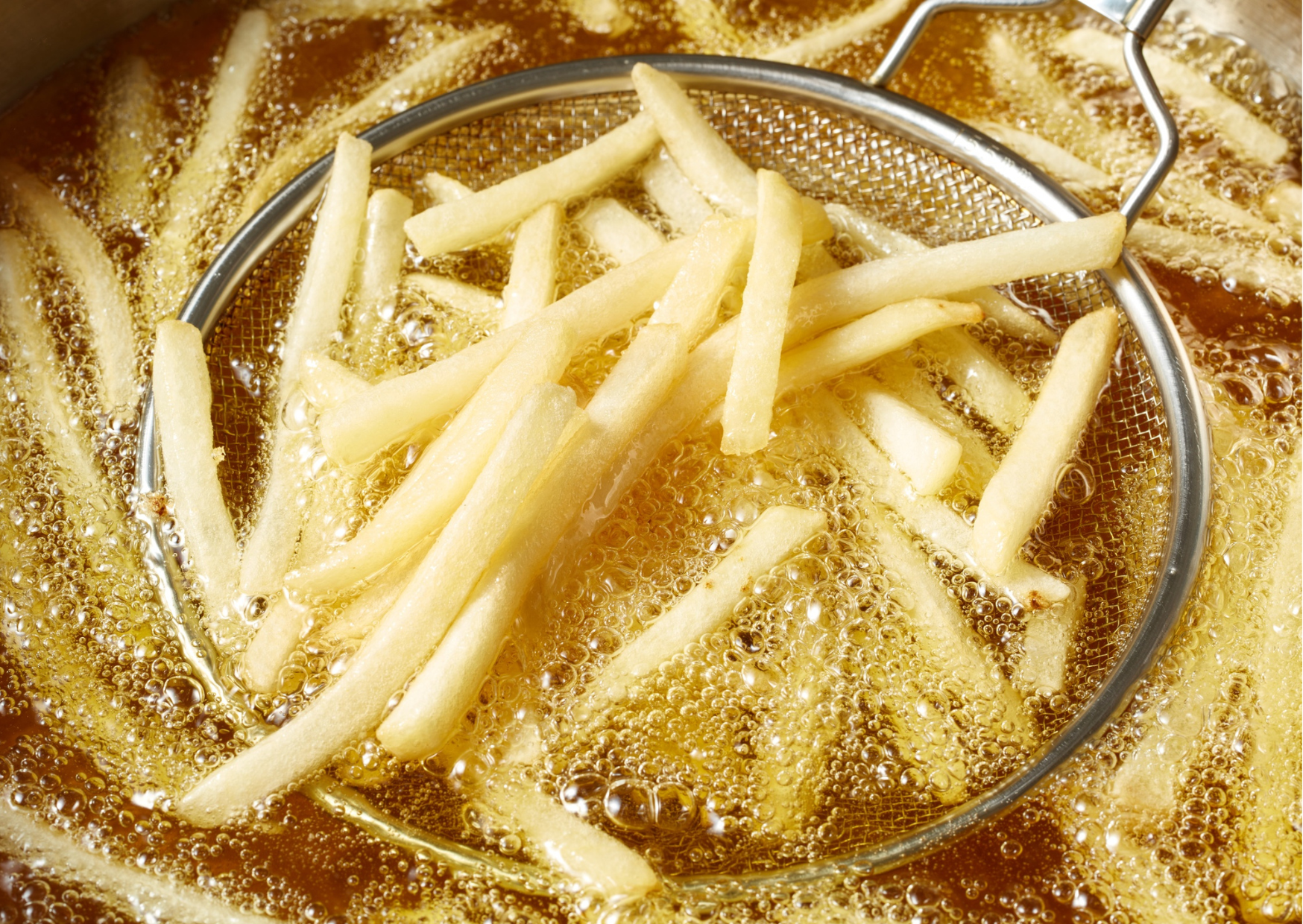
Oil and aroma. In Spain and much of Europe, sunflower or high-oleic rapeseed oil is the default frying medium. Lighter aroma, a bit more crisp at 10 minutes, and a boredom that reads as clean. In the U.S., the blend choices and “house” aromas create that nostalgia note many people crave. If you are sensitive to oils, European fries feel quieter in the stomach an hour later. That is not science class. That is Tuesday.
Potatoes and pre-treatments. Par-frying, dextrose washes, anti-darkening agents exist on both continents. The practical difference a diner notices is color and finish. Europe lets fries be pale gold and still call them done. The U.S. calibrates for a deeper, photo-friendly brown. If you judge fries by the photo, you may call Europe undercooked for a week. Then you realize you were confusing color with doneness.
Salt. Same. But watch your hand. Europe is less generous with the shaker by default, which matters if you are the kind of person who salts without tasting. Taste first. Your body will message you later with fewer rings under your eyes.
Remember: cleaner oil, paler courage, equal salt unless you ruin it.
Sauce, sweetness, and the sticky middle of the menu
Open three packets of ketchup in Madrid, Chicago, and Milan. Taste blind. Your tongue will score two things differently every time: acidity and sweetness.
Ketchup in Europe leans tomato and acid, with a shorter, rounder sweetness from sugar. Ketchup in the U.S. leans brighter and sweeter, and the top note sticks longer on the palate if you are used to corn syrups. Not moral, just different. It gets louder in special sauces where sugar is carrying herbs and pickles.
Mayonnaise is a separate universe. European mayo tastes like your neighbor’s kitchen, even at a chain. Thicker, eggier, less sweet, and it shows up in menu items the U.S. would never dare to serve to a child without apology. If you put Europe’s mayo on a U.S. bun, you would accuse it of being adult.
The point in the whole sauce story? less sweetness and more acid means you chew more. You feel your food. That alone changes how much you eat.
Chicken, crunch, and coatings
The breading is where you meet the additive lists most baldly.
European coatings tend to list fewer colorings and sometimes different leavening blends, and the end result is more crunch without the neon. The oil choice punches here again. High-oleic rapeseed gives a thinner fried film than some U.S. blends. On a long day in Valencia, nuggets taste like chicken with a coat. On a long day in Phoenix, nuggets can taste like a coat with chicken. I know that is rude. Try them side by side and tell me I am wrong.
Spice is cultural, not chemical. Paprika shows up in both worlds. Europe hides heat and pushes herb, the U.S. hides herb and pushes salt. If you think “seasoned” means “salty,” you will call Europe bland for three days. Then your taste buds wake up.
Remember: frying fat and flour choices make you call the same crunch “grown up” or “kid food.” That is why you keep squinting at your tray.
Drinks and dessert: the sugar math you feel at 16:00
You can tell yourself dessert is universal. It is not.
Soft drinks. Europe’s trend line is simple. Sugar taxes in multiple countries nudge the syrup blend down and the portion down. You still get a big cola if you want it, you just have to ask for it deliberately. Default sizes are smaller, the syrup tastes less syrupy, and you finish the cup sooner because it is not a bucket. The U.S. sees freedom in the refill. Europe sees sanity in the portion. Your pancreas reads both.
McFlurry and friends. The base is milk and sugar everywhere. Topping choices tilt local. In Germany you will meet Hanuta and Ritter Sport. In Spain you will drift into Oreo or KitKat territory with a calmer sweetness. The biggest difference is portion expectation. Europe reads a McFlurry as a treat to share. The U.S. reads it as a personal challenge. I am only half joking.
Remember: portion size is an ingredient. It changes everything downstream.
Why the ingredients diverge in the first place
This is the part people try to solve with “better vs worse.” It is not helpful. It is rules vs rules, supply vs supply, and culture vs habit.
- Regulatory frameworks. The EU and U.S. approve different additive lists and require different warnings. If a color needs a warning in Europe, brands reformulate or avoid it, because nobody wants to put a caution label on a kids’ menu. If a whitener is not allowed, you learn to live with beige. Beige is fine.
- Supply chains. Sunflower and rapeseed are the local workhorses in much of Europe. Soy rules in the States. Mills, refineries, and bakeries are built around those flows. You feel the farm and factory you live next to.
- Consumer tolerance. European diners accept less sweet and less shiny. U.S. diners accept more soft and more bright. Once you bake a habit into a nation for thirty years, you do not reverse it with a billboard.
Regulators write the fence, suppliers build the road, culture drives the car.
Four countries, four small twists you will notice anyway
Spain
Menus lean olive oil logic. You will find salads and a light touch on sauces that read as Mediterranean playacting by a global brand. It is still a chain. It tries to respect the street.
France
Sauces get real mustard behavior and mayo that tastes like a human made it. Buns still soft, less sugar pressure. You will find a seasonal burger that reads bistro-ish in name and almost in taste.
Germany
Portions feel sensible even when they are large. Pickles have bite, not sugar hum. If you are used to sweet relish, Germany will feel like someone took your candy away and gave you adulthood.
Italy
Salt and acid balance better than you expect from a chain. Tomato tastes like tomato, not a color. You will still get a burger. You will pause after the first bite because your mouth recognized grocery store values.
Remember: you are not “being healthy” because you crossed a border. You are eating a global brand forced to respect local lines.
The “I can feel it” effects you notice after a month
We can argue mechanisms in the comments forever. The practical effects are not complicated.
- Less afternoon spike and crash. Lower sugar and quieter sauces mean fewer 16:00 headaches when you order a burger at 13:30. Not none. Fewer.
- Cleaner post-meal feel. Sunflower and rapeseed as defaults plus better oil turnover in busy urban stores means less fried-oil hangover. If that phrase makes sense to you, welcome to Europe.
- Fewer “what was that purple” moments. Stricter color rules remove some of the visual drama. Your stomach likes boring more than your eyes do.
Ain idea to keep: tiny formulation nudges multiplied by millions of meals become culture. You feel the culture on your couch later.
How to copy the European effect without flying anywhere
You do not need a plane ticket to get the benefit. You need a shopping list and two rules.
Rule 1: buy the boring bottle.
Pick high-oleic sunflower or canola for frying at home. Use extra virgin olive oil for dressings. Skip blends that hide in vague names.
Rule 2: find the least shiny label.
Bread with fewer conditioners, ketchup with sugar instead of syrup, mayo that tastes like eggs and acid, not “happy.” It is not precious. It is just reading.
One week menu shift that lands hard
- Make burgers at home with a plain bun and salt-pepper beef.
- Fry homemade fries in fresh high-oleic oil and accept pale gold as done.
- Mix your “special sauce” at half the sugar you usually pick.
- Buy a smaller dessert and eat it without a second one.
Repeat. Notice the 16:00 you.
Truth: you are not anti-fast-food if you use better oil and less sweet. You are just using your head.
The “but I like the U.S. taste” objection
Of course you do. Nostalgia is an ingredient. If you grew up on a sweeter bun and a louder fry oil, Europe reads like someone turned your childhood down. It will for a week. Then your tongue adjusts and your brain stops shouting when a fry is gold instead of brown.
If you truly prefer the U.S. curve, keep it. Just know what it is. Sweetness and softness are not neutral. They are levers. Use them when you want that ride, and use calmer levers the rest of the week.
Ordering tips that make European McDonald’s feel great instead of weird
You can steer in small ways at the counter.
- Ask for sauces on the side. Less sugar lands by accident when you control the squeeze.
- Choose water or small drinks. Portion is a secret ingredient. You feel the difference at night.
- Pick the pale fry box if the batch looks like the sun. Color is not flavor.
- Try the mayo-based options once. If you have only known U.S. mayo, this will shock you in a good way.
- Add a salad as insurance if you want the burger but you also want to be a person at 17:00.
Remember: fast food is a volume game. Your body plays defense with small edits.
Two places I flipped my opinion on
I said I would be honest about my own contradictions.
I thought pale fries were undercooked. Then I ate them three times in Spain and realized my brain equated brown with done. Now I chase pale gold because the texture holds longer and I do not feel fried inside.
I thought ketchup sweetness was sacred. Then I tasted two European ketchups in a row and noticed I could taste tomato again. Now I bring my own bottle to picnics because I got tired of eating candy on fries.
I will probably swing back toward loud sweetness during a trip and then swing back to quiet at home. That is fine. Your mouth can live in two worlds without a manifesto.
If you want the numbers, here is how to count without buying a plane ticket

You can play the ingredient game at your kitchen table.
- Open the nutrition and ingredient pages for a Big Mac, cheeseburger, fries, ketchup, and mayo for one European country and the U.S.
- Make two columns. Circle oils, flours, sweeteners, colors, thickeners, conditioners.
- Put tick marks for every non-match. You will hit numbers that make you blink before you reach sauces.
- Then eat your lunch and stop chasing drama for the day.
This is a hobby, not a war.
In the end..
Order the burger. Notice the bun. Accept the pale fry. Taste the ketchup for tomato. Keep your drink small because portion is an ingredient and you do not need to argue with sleep tonight. If you want the European effect at home, use better oil and shorter labels for seven days and see what your 16:00 mood says about it.

About the Author: Ruben, co-founder of Gamintraveler.com since 2014, is a seasoned traveler from Spain who has explored over 100 countries since 2009. Known for his extensive travel adventures across South America, Europe, the US, Australia, New Zealand, Asia, and Africa, Ruben combines his passion for adventurous yet sustainable living with his love for cycling, highlighted by his remarkable 5-month bicycle journey from Spain to Norway. He currently resides in Spain, where he continues sharing his travel experiences with his partner, Rachel, and their son, Han.