
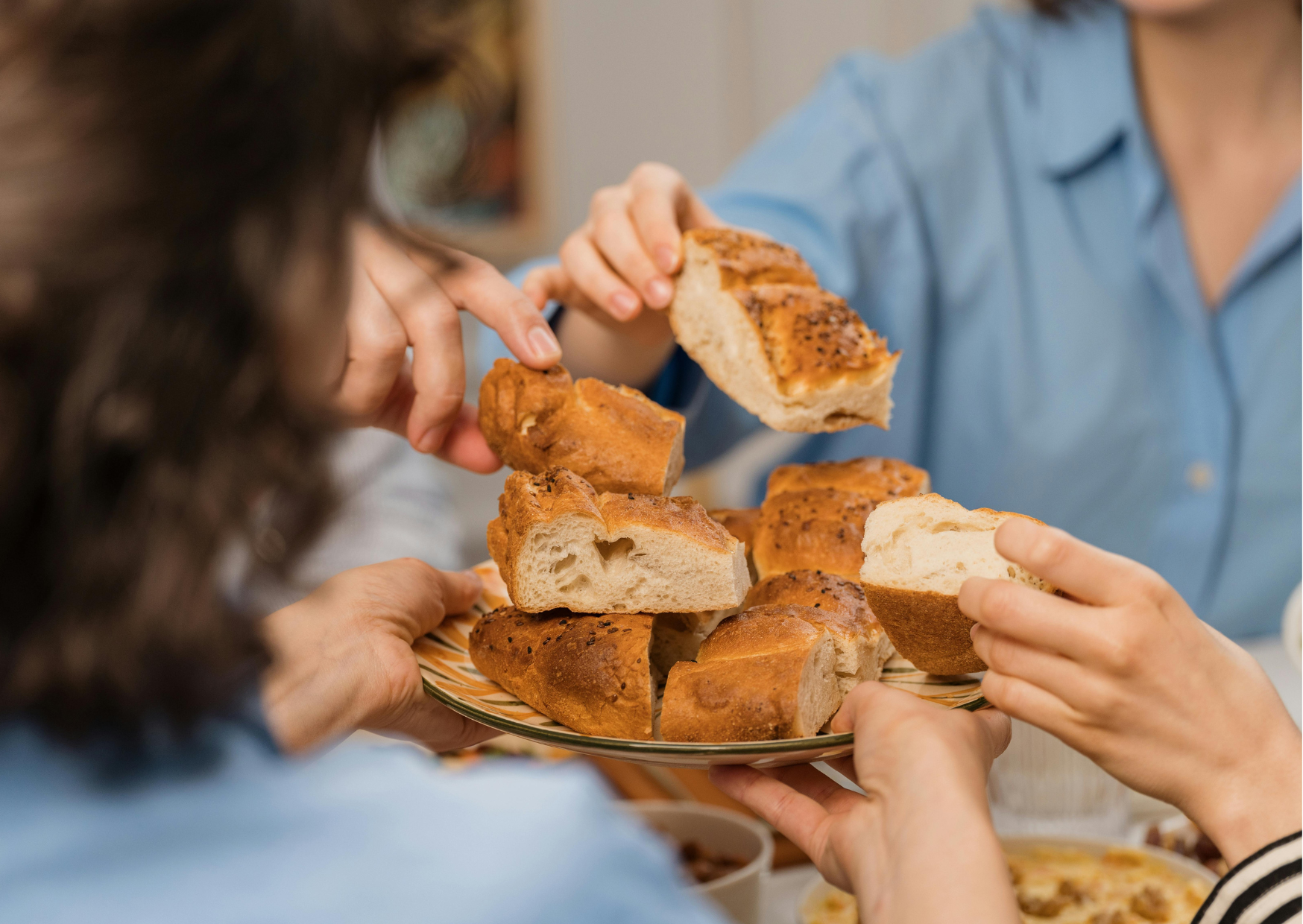
So let’s say it plainly before breakfast. Europe banned potassium bromate from food in the early 1990s and the United Kingdom made it illegal in flour starting April 1, 1990. The United States still allows it in flour within limits, which is why you will still find it on some American bread labels today. Same loaf on the shelf, totally different rulebooks.
So right. The internet loves big numbers and scary lines. You have probably seen the claim that “73% of American bread contains potassium bromate.” That number is not supported by current, verifiable data. What we can document is simpler BUT still uncomfortable: the FDA permits potassium bromate as a dough improver up to 75 mg per kilogram of flour, many countries ban it outright, and watchdogs have logged hundreds of U.S. products with it on the label. If you want the benefits Europeans enjoy, you need a better habit at the bakery, not a meme.
This is the piece I wish someone had handed me before I took kids to school with a bright white bun and a headache at 11:15.
What potassium bromate does in dough and why bakers liked it
In a bakery, potassium bromate is a powerful oxidizer. It tightens and strengthens gluten, helps dough rise higher, and delivers a whiter, lighter crumb with fewer surprises for mass production. In theory, the chemical should break down during baking so none remains in the final loaf. In practice, residues can and do persist, especially when the bake is cooler, faster, or the dose ran high. That gap between theory and reality is where regulators split.
Bromate smooths the process, not the nutrition. You are buying predictability for factories more than you are buying better bread.
The fork in the road: EU ban versus U.S. allowance
Europe’s move
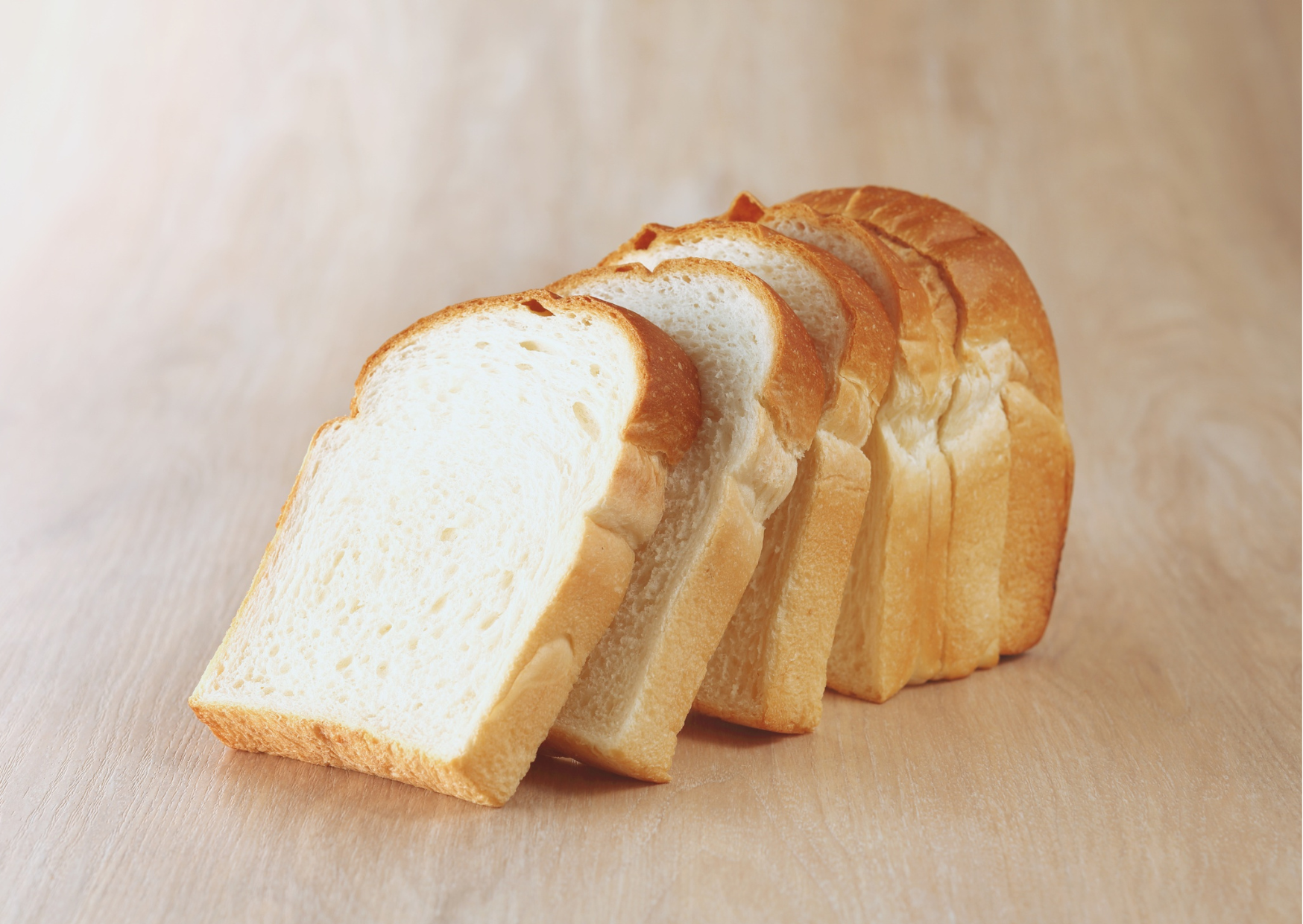
After reviews in the late 1980s and early 1990s, the U.K. prohibited potassium bromate in flour from April 1990, and European scientific committees later concluded bromate is a genotoxic carcinogen. Bottom line for shoppers in the EU today: E924 potassium bromate is not permitted in food. If you buy a baguette in Paris, there should be no bromate story underneath.
America’s move
The FDA never issued a flat ban. It limits potassium bromate to 0.0075 parts per 100 parts of flour by weight and has long urged bakers to switch away, but the regulation still stands. That is why you still see it in some breads, rolls, frozen doughs, and pretzel products, even as many brands have reformulated. California has passed a state ban that will force changes regionally, but federal rules remain permissive. Same word “bread,” different fence.
The EU applied the precautionary principle; the U.S. applied a tolerance and a hope that the oven finishes the chemistry.
Why many countries decided the risk was not worth the rise
This part is not about panic. It is about policy math.
- Carcinogenic potential
European committees labeled bromate genotoxic based on lab data. Once a substance is genotoxic, “safe level” becomes very hard to defend, especially for something that does not add flavor or nutrition. You reduce exposure rather than argue decimals. - Real-world residues
If baking always drove levels to zero, the U.K. would not have found residual bromate in bread samples in the late 1980s and then not after its prohibition era. Reality beat theory. - Alternatives exist
Ascorbic acid, longer fermentation, better flour, and different process controls can achieve similar strength without bromate. When a less risky tool works, the risky one becomes a legal headache.
Bromate solves production problems, not human problems. Regulators outside the U.S. acted accordingly.
How to find bromate on a label in under ten seconds
No detective hat required. Flip the bag and scan for “potassium bromate.” You might see “bromated flour” in an ingredient list for bagged flour or a roll. If the loaf is simply labeled “flour, water, salt, yeast” and lives in the fresh bakery case, you are likely safe, but ask anyway.
If you want to sound like you live here, say: “Do you use bromated flour or ascorbic acid” and watch the baker either glow with pride or blink. The blink is your cue to choose another loaf.
Why whiteness and ultra-soft crumb cost you later
Bromate rose with an American preference for ultra-soft, ultra-white, ultra-predictable bread that can ship for days and bounce back from a thumbprint. Europe prizes a stronger chew, darker crumb, and shorter shelf life, and it built industrial lines to hit those marks without risky oxidizers. Your mouth can learn to love both textures, but your label will tell you which system you are eating.
Softness is an ingredient choice. If you want soft without bromate, buy the brands that say so or buy fresh bakery bread.
What to buy this week if you want the European effect without moving
You do not need to become a sourdough monk. You just need three moves.
- Pick “unbromated flour” on the bag
If you bake at home, King Arthur, Bob’s Red Mill, and many store brands sell unbromated flour. If a bag says “bromated,” leave it. If it says nothing, check the brand’s site or buy one that spells it out. - Choose bakers who brag about ingredients
Chains and local bakeries that print “unbromated flour” on shelf tags are doing you a favor. Reward them. If the sign is silent, ask once and remember the answer next week. - Switch your “everyday loaf”
Keep the fluffy buns for cookouts if you must. Make the family default a simple bakery bread with four or five ingredients or a store loaf that lists ascorbic acid instead of bromate. Your sandwiches will taste better in two days than the soft ones do in two hours.
What to do if you cannot change the brand tomorrow
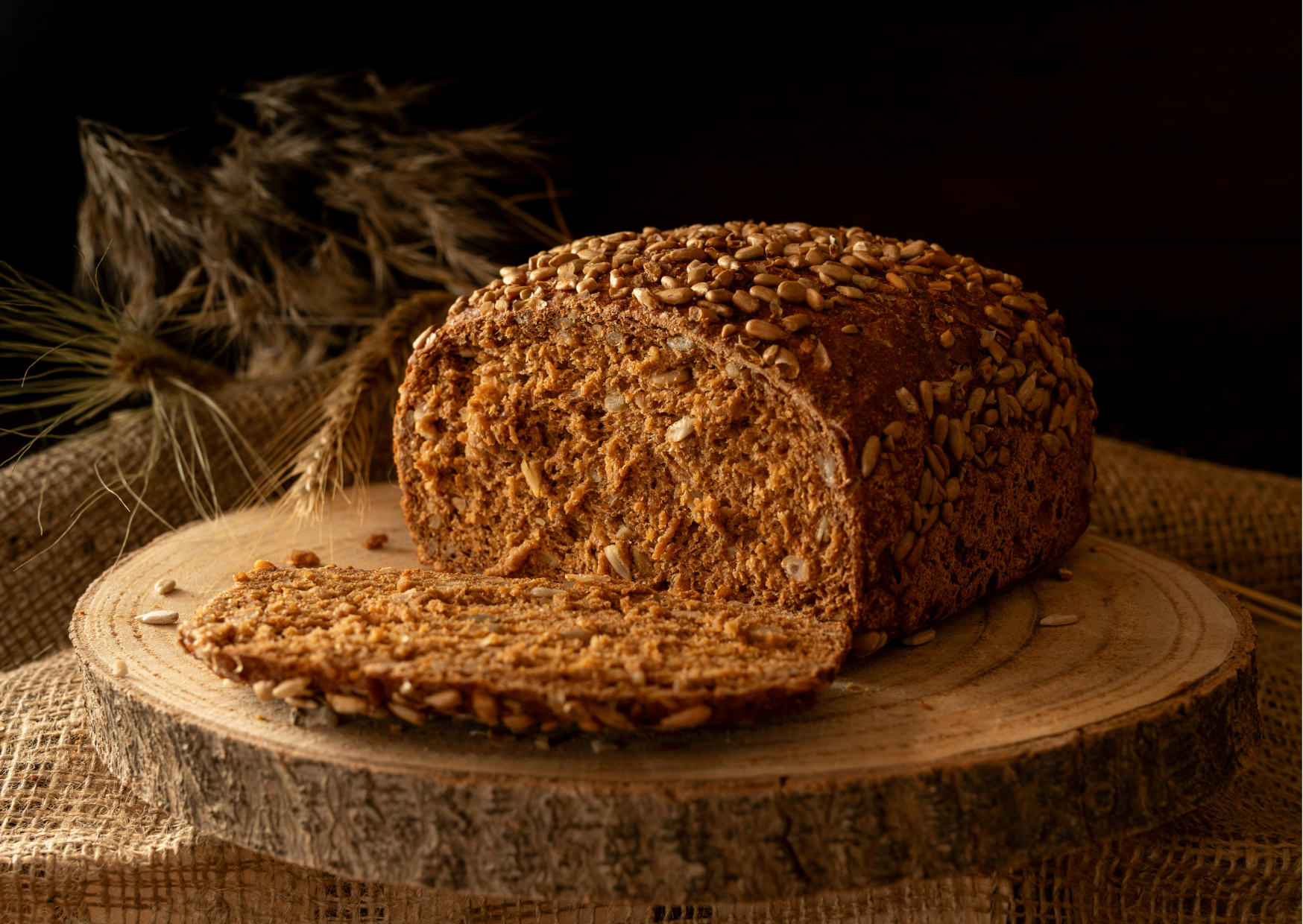
Life is messy. Here is a half-measure that helps.
- Toast it
Toasting will not erase bromate, but it changes glycemic impact and texture, which may help breakfast feel less wild for the kids. - Slow the sandwich
Pair the bread with fat and protein. Turkey and avocado beat jam and air. Protein calms the 11:15 crash that makes mornings miserable. - Mix your starches
If lunch is on a soft roll, make dinner a grain bowl, potatoes, or rice, not another bun. Balance across the day beats purity.
Why this matters more if you eat bread daily
Bread is not a rare treat. It is a daily baseline, which is exactly why regulators get itchy about avoidable risks. A small risk multiplied by daily exposure becomes a policy problem. You can dodge the argument by buying the loaf that never started it.
The baker’s alternatives that make bromate obsolete
If your favorite shop still uses bromated flour, point them to the grown-up tools.
- Ascorbic acid
A familiar oxidizer with a better risk profile. It strengthens dough and helps ovens spring without the baggage. - Longer fermentation
Time builds dough strength. Retarding overnight gives structure and flavor without chemical shortcuts. - Better flour choices
Higher-protein unbromated flours behave beautifully if you match hydration and mixing.
Good bakers are already here. Your money votes for that future.
A two-week home plan to make bread boring in the best way
Week 1
- Buy one unbromated sandwich loaf and one simple bakery loaf.
- Make three lunches with the unbromated bread and add protein plus veg.
- Toast breakfast instead of serving it soft.
- Note the 11:00 to 12:00 mood without forcing a narrative.
Week 2
- Swap any “mystery” rolls for baguettes, ciabatta, or country loaves that list ingredients you can count on one hand.
- Try one whole-grain unbromated flour for a weekend bake.
- Keep a running list in Notes of brands that print “unbromated” on pack so you can reorder without thinking.
Reminder: consistency beats intensity. You do not need to win the bread Olympics. You need to buy smarter twice a week.
Quick answers to the questions you will ask anyway
Is bromate illegal across all of Europe
Yes, E924 potassium bromate is not permitted as a food additive in the EU, and the U.K. banned it in flour in 1990. You should not see it on bread labels in European supermarkets.
Is the FDA fine with it
The FDA allows bromate in flour at a capped level and historically encouraged industry to phase it out. Some companies did, others did not. California has acted at the state level, which will push reformulation there sooner.
Does baking remove it all
Not always. Real-world testing has found residual bromate in finished bread when conditions are not ideal. Theory says zero, lab work says sometimes not zero.
So what about the 73% stat
Treat it as internet folklore. We can document hundreds of U.S. products with bromate and FDA rules that still allow it. We cannot verify that “73% of American bread” number from any credible, current survey. Your better move is to read your label today.

About the Author: Ruben, co-founder of Gamintraveler.com since 2014, is a seasoned traveler from Spain who has explored over 100 countries since 2009. Known for his extensive travel adventures across South America, Europe, the US, Australia, New Zealand, Asia, and Africa, Ruben combines his passion for adventurous yet sustainable living with his love for cycling, highlighted by his remarkable 5-month bicycle journey from Spain to Norway. He currently resides in Spain, where he continues sharing his travel experiences with his partner, Rachel, and their son, Han.