
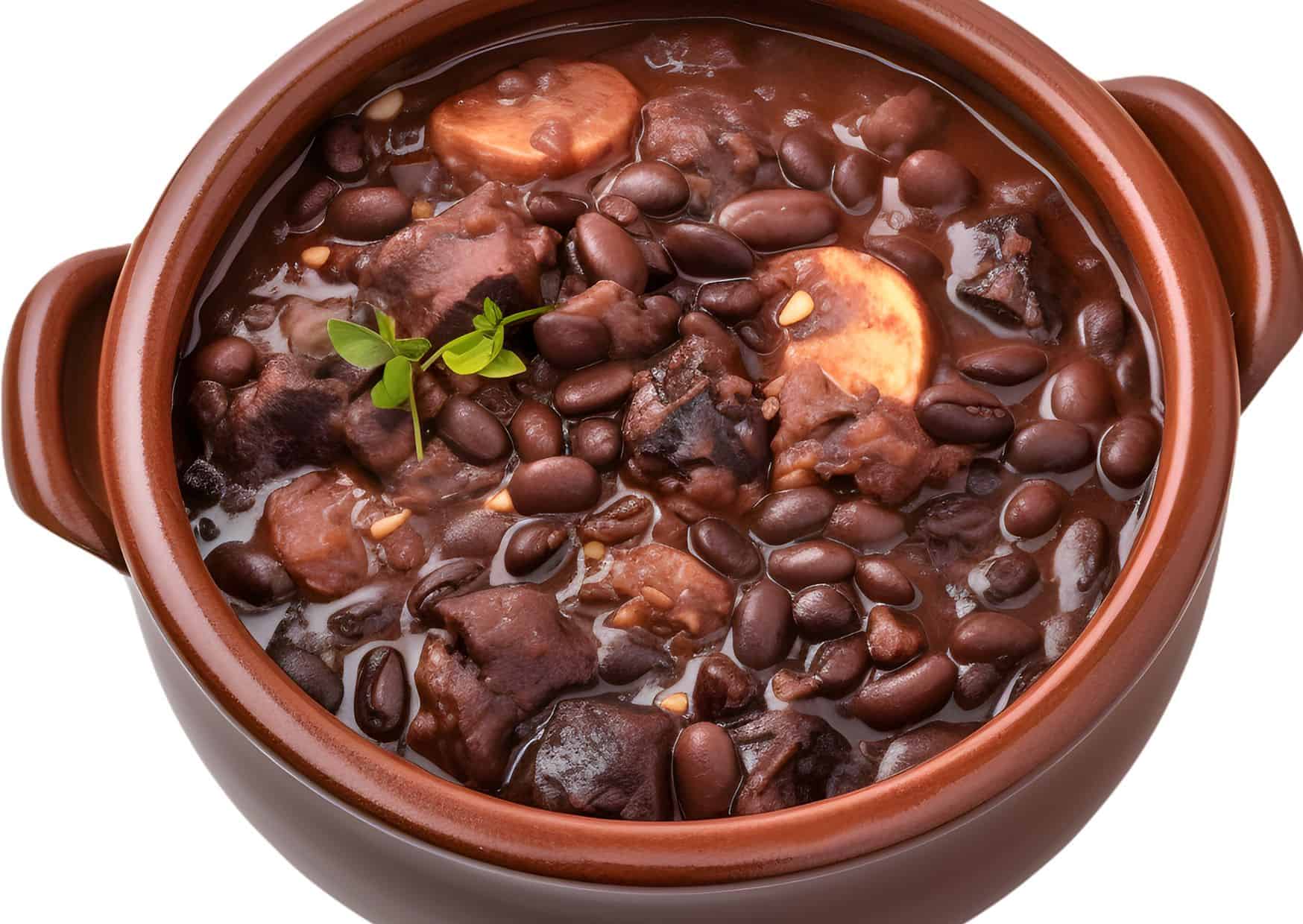
Few dishes are as deeply tied to cultural identity as Feijoada, the hearty bean stew beloved in both Portugal and Brazil. While they share a name and a base of slow-cooked beans and meat, Portuguese and Brazilian feijoada are distinct in both ingredients and cultural significance. Each version tells its own story of tradition, adaptation, and culinary pride, making them much more than just comfort food.
Portuguese feijoada is often lighter, made with white or red beans and a variety of cured meats, reflecting the country’s Mediterranean roots and love for rustic, slow-cooked dishes. Brazilian feijoada, on the other hand, is famous for its black beans and richer cuts of pork — a legacy of colonial history and African influence that shaped Brazil’s culinary landscape. What started as a dish of humble origins evolved differently on each side of the Atlantic.
In this recipe guide, you’ll discover the key differences between Portuguese and Brazilian feijoada, learn how to prepare each style authentically, and understand why this beloved dish holds a special place in both cuisines. Whether you’re curious about the flavors or want to try both versions yourself, this guide brings you a taste of tradition from two vibrant cultures.
Read Here Best Traditional Portuguese Dishes and Best breakfast in Portugal
BOOK YOUR TRAVEL INSURANCE
Two of our favorite travel insurance: Heymondo Vs Safetwing cheapest travel Insurance. You can get for $135 USD your Heymondo Travel Insurance with Heymondo discount code valid for 90 days. Read our full comparison of Genki vs Safetywing Travel Insurance Review and the comparison Heymondo vs Genki
Best Time to Eat & How to Partner These Dishes
Feijoada is traditionally a hearty lunch or dinner meal, especially on weekends or special occasions when there’s time to savor its rich, slow-cooked flavors. In Brazil, it’s often the centerpiece of communal gatherings or family meals, particularly on Saturdays. In Portugal, it’s a rustic staple served in cozy taverns or family homes, typically during colder months.
Serve Brazilian feijoada with steamed white rice, sautéed collard greens, farofa (toasted cassava flour), and orange slices, which help cut through the richness of the dish. A cold beer or a classic caipirinha complements its deep, savory flavors. Portuguese feijoada pairs well with crusty bread, a simple salad, and a glass of robust red wine, balancing its rustic character.
While both versions can stand alone as complete meals, they shine when shared. Feijoada is best served at relaxed gatherings, where conversation flows as easily as the hearty portions — a true reflection of its roots as a dish meant to bring people together.
One of the biggest misconceptions is that Portuguese and Brazilian feijoada are essentially the same dish, just with different beans. In reality, the variations go deeper — from the types of meats used to the spices and side dishes. Brazilian feijoada embraces a bolder, richer profile, while Portuguese feijoada leans into its rustic, Mediterranean simplicity.
Another debated topic is the dish’s origin. While some claim feijoada was born from Brazilian slave communities using leftover pork cuts, historians argue that it’s an adaptation of European bean stews, influenced by local ingredients and cooking methods in Brazil. The truth likely lies somewhere in between — a fusion shaped by history, hardship, and cultural blending.
And perhaps most surprising: many believe that feijoada is always a heavy, once-in-a-while indulgence. Yet in both Portugal and Brazil, it’s a dish of everyday pride, often adapted to suit lighter palates or regional tastes. Whether prepared for a festive gathering or a quiet family dinner, feijoada remains a symbol of culinary heritage — proof that even the simplest ingredients can create dishes with deep cultural meaning.
Portuguese Feijoada
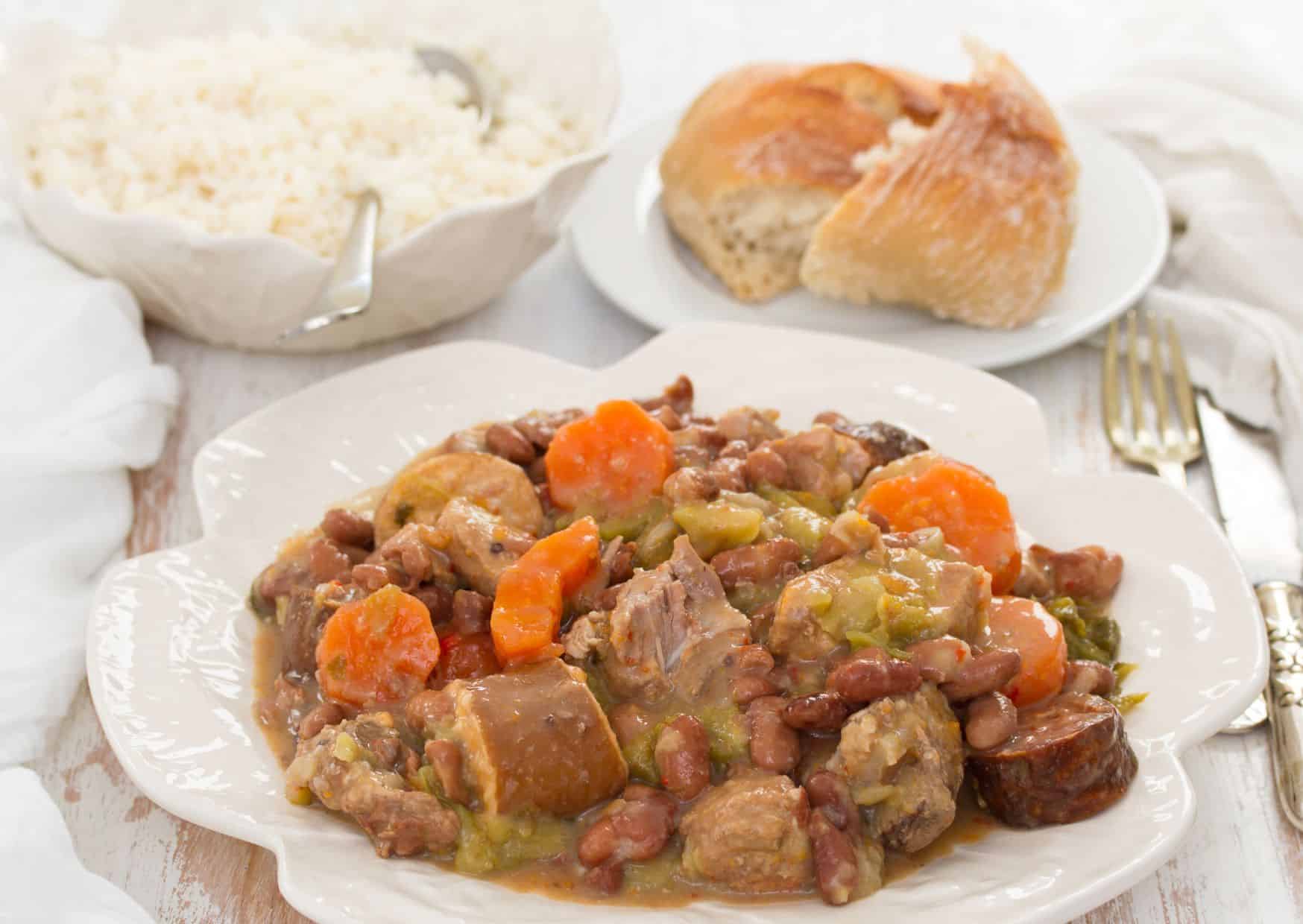
Ingredients and Preparation
Meats: Typically uses a variety of pork cuts, including ears, feet, and tail, which are less common in the Brazilian version.
Beans: Red kidney beans are more commonly used in Portuguese feijoada, compared to the black beans in Brazilian feijoada.
Vegetables: Often includes carrots, cabbage, and sometimes turnips.
Seasonings: Portuguese feijoada is generally milder with less emphasis on smoked flavors.
Cooking Process
The meat is usually cooked together with the beans and not pre-cooked separately. Vegetables are added to the stew, making it a bit lighter and less meat-centric than its Brazilian counterpart.
Accompaniments
Portuguese feijoada is typically served with rice, but it may also come with potatoes and collard greens.
Read here how to make Portuguese Feijoada
Brazilian Feijoada
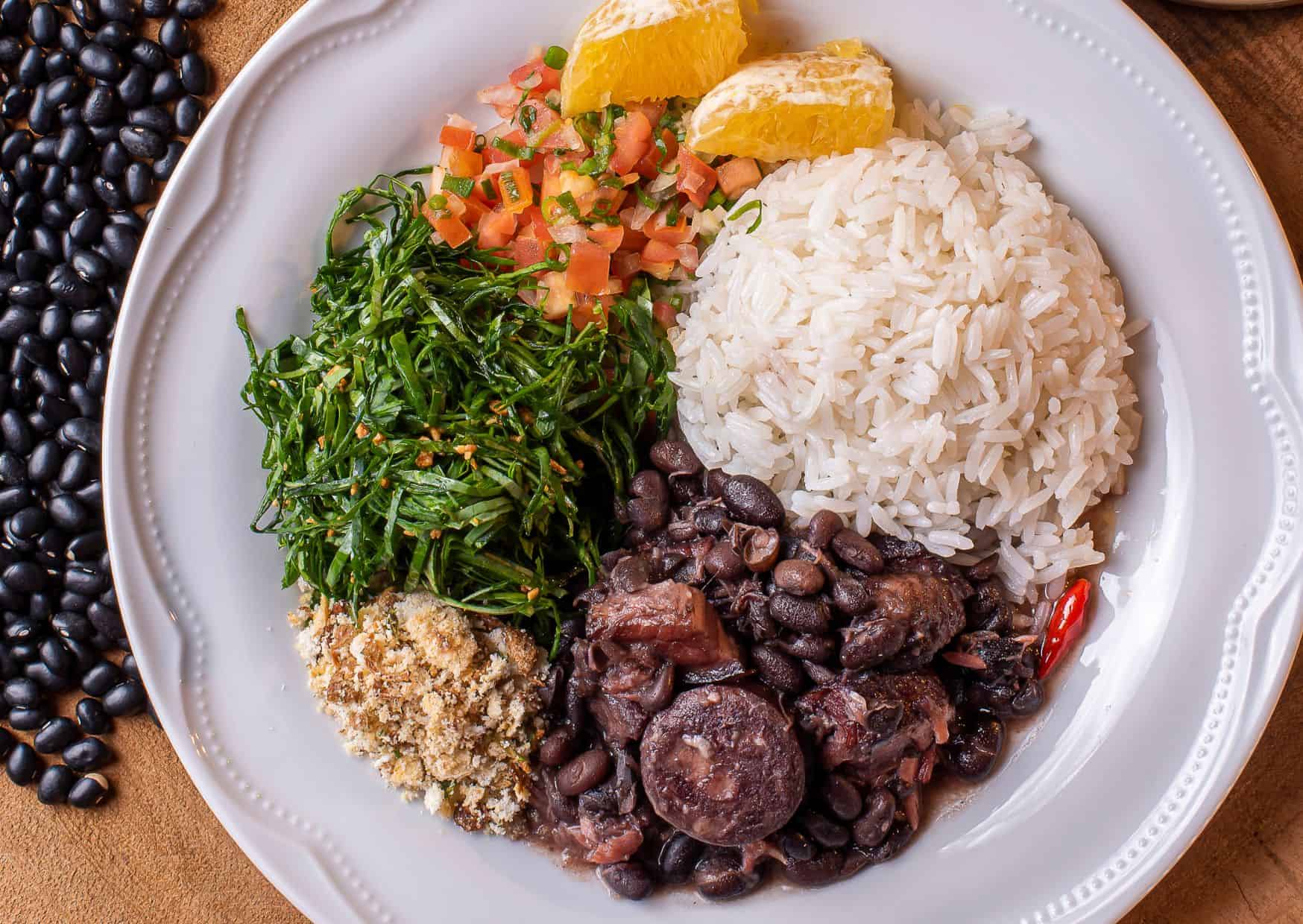
Ingredients and Preparation
Meats: Utilizes a variety of meats but focuses more on smoked meats and sausages, such as chorizo, and salted pork. Beef is also sometimes included.
Beans: Almost exclusively uses black beans.
Vegetables: Less emphasis on vegetables compared to the Portuguese version.
Cooking Process
Meats are often pre-cooked separately to reduce their saltiness, particularly the smoked and salted varieties, before being added to the beans. The emphasis is on creating a rich, dark stew, heavily flavored with smoked meats.
Accompaniments
Served elaborately with white rice, farofa (toasted cassava flour mixture), sliced oranges, sautéed collard greens, and pepper sauce. This accompaniment variety helps balance the heaviness of the dish.
Calories And Nutritional Information
Calories: Both versions are quite hearty and high in calories. A typical serving could range from 600 to 800 calories, depending on the portion size and the specific meats used.
Cooking Tips
For both versions, it’s crucial to soak the beans overnight to reduce cooking time and make them easier to digest.
With Brazilian feijoada, ensure a good balance between salty, smoky meats and the milder black beans. For Portuguese feijoada, maintain a harmony between the meats and the variety of vegetables.
Both dishes benefit from slow cooking, which enhances the flavors and tenderizes the meats.
Read here how to make Brazilian Feijoada
Origin and History
Feijoada has roots far deeper than most people realize. In Portugal, the dish emerged as a humble, hearty stew built around beans, pork, and regional vegetables. It was a practical way to use preserved meats and affordable produce during harsh winters. The earliest records date back centuries, and like most comfort foods, it evolved from necessity rather than luxury. Over time, each region of Portugal developed its own version, adjusting seasoning and ingredients to fit local tastes.
When the Portuguese arrived in Brazil, they brought the idea of feijoada with them, but the dish transformed dramatically in its new environment. Brazil’s tropical climate, indigenous crops, and African influences reshaped the stew into something entirely distinct. Black beans became the heart of the dish, and the combination of flavors grew bolder, richer, and more festive. While Portugal’s feijoada tended to be rustic and muted, Brazil’s version grew into a celebratory meal with cultural significance.
Today, both dishes stand as symbols of their respective nations. Portuguese feijoada reflects Old World practicality and regional tradition, while Brazilian feijoada represents cultural blending, festivity, and national pride. They share a name and structure, but their personalities couldn’t be more different.
Many travelers assume Brazilian feijoada originated from enslaved Africans using leftover meat cuts. Although this narrative is emotional and often repeated, historians argue it’s not entirely accurate. The foundation of the stew comes more directly from European bean-and-pork traditions, while African cooks shaped and perfected it over time, adding their methods, flavors, and cultural touch. The truth is more complex than either side alone.
Another point of debate lies in ingredient authenticity. Some insist that feijoada must include every possible pork cut—from salted ears to smoked ribs—to be “real.” Others believe that the dish is more about balance and technique than the specific parts used. In Brazil, especially, the recipe varies widely between states, families, and restaurants. This fluidity frustrates purists, who argue that too much experimentation waters down tradition.
There’s also heated discussion about serving rituals. Brazilians often treat feijoada as a weekend celebration, complete with side dishes, drinks, and social gatherings. In Portugal, it’s an everyday meal that doesn’t always come with ceremony. Some Portuguese argue that Brazil “overdresses” the dish; Brazilians argue that Portugal “under-celebrates” it. Both approaches are correct in their own context, but each side tends to defend its version passionately.
How Long You Take to Prepare
Making feijoada from scratch in either style requires time, but not constant work. Portuguese feijoada generally takes around two hours from start to finish. Most of this time is spent simmering the beans and meats together so the flavors can meld. Active prep—chopping vegetables, seasoning the stew—usually takes less than 30 minutes. It’s a dish designed to simmer while you go about your day.
Brazilian feijoada, on the other hand, is more elaborate. It often requires soaking salted meats overnight, cooking beans slowly, and preparing multiple meats separately before combining them. Altogether, the process can take four to six hours, though again, the majority of the time is hands-off. What takes long isn’t difficulty; it’s patience.
Both versions benefit from being made ahead. Feijoada tastes even better the next day, once the flavors deepen. The long cooking time isn’t a burden; it’s part of the dish’s charm, letting everything soften and meld into something complex and comforting.
Serving Suggestions
Portuguese feijoada is typically served with simple sides. Rice is the most common companion, helping to absorb the brothy sauce. Greens like collard or kale often appear alongside, lightly sautéed with garlic. Some regions add cornbread or crusty bread to make the meal heartier. The goal is straightforward comfort.
Brazilian feijoada is much more theatrical. It’s served with white rice, crispy farofa, orange slices, sautéed greens, and sometimes even fried plantains. The oranges might seem unusual to outsiders, but they brighten the meal and cut through the richness of the stew. Many Brazilians also enjoy it with hot sauce, vinaigrette salsa, or a cold beer.
If you’re hosting, feijoada makes a perfect communal meal. The Portuguese version works well for weeknight dinners or casual gatherings, while the Brazilian version transforms into an all-day feast. Lay out the sides in separate bowls and encourage people to build their plates the way Brazilians do—layered, colorful, and generous.
Final Thoughts
The beauty of comparing Portuguese and Brazilian feijoada is realizing that both dishes belong to the same family yet tell completely different stories. One speaks to European rustic tradition; the other celebrates cultural fusion. When you taste them side-by-side, you feel the journey through continents, ingredients, and historical experiences.
There’s no need to choose a “winner.” Both versions offer something special. Portugal’s feijoada is subtle, smoky, and comforting. Brazil’s is bold, festive, and layered with textures. Each dish reflects the identity of the people who shaped it, and that’s what gives feijoada its enduring charm.
If you’re trying to decide which to make at home, pick the version that suits your mood. Want something cozy and uncomplicated? Go Portuguese. Want a party on your plate? Go Brazilian. Either way, you’re making a dish that carries centuries of history, culture, and heart. And once you’ve cooked it yourself, you’ll understand why both countries claim feijoada with so much pride.

About the Author: Ruben, co-founder of Gamintraveler.com since 2014, is a seasoned traveler from Spain who has explored over 100 countries since 2009. Known for his extensive travel adventures across South America, Europe, the US, Australia, New Zealand, Asia, and Africa, Ruben combines his passion for adventurous yet sustainable living with his love for cycling, highlighted by his remarkable 5-month bicycle journey from Spain to Norway. He currently resides in Spain, where he continues sharing his travel experiences with his partner, Rachel, and their son, Han.