
Last updated on January 14th, 2026 at 04:58 am
So here is the part I did not expect to say out loud. The day I stopped pulling lunch straight from the fridge, the 2 a.m. fire in my throat started fading. No new supplements, no heroic willpower. Just warm food, slower eating, and better timing. If that sounds like grandma with a scarf, fine. It works. Spanish friends were right to roll their eyes at my iced coffee with a cold yogurt and a salad straight from the refrigerator. I’ll show you exactly what I changed, the four levers that actually reduce reflux without drama, and a 30-day plan you can copy with a normal grocery cart.
This is about temperature, texture, timing, and posture, not magical herbs. I’m not claiming a cure for every case. I am saying that for the common, miserable kind of reflux most Americans live with, warming the food and spacing the meals did more than my antacids. Some of you will want the science-y reasons; some of you just want a list. You’ll get both.
Quick Easy Tips
Start by avoiding cold foods only during main meals.
Let leftovers come to room temperature before reheating.
Choose warm breakfasts instead of chilled options.
Sip warm or room-temperature drinks with food.
The most uncomfortable truth is that many Europeans already believe cold food stresses digestion. In much of Europe, eating warm meals is considered basic common sense, not a wellness trend. Cold food is viewed as something to enjoy occasionally, not routinely.
Another controversial point is that acid reflux is often treated as a chemical problem rather than a mechanical one. Temperature affects muscle relaxation and stomach emptying, yet this factor is rarely discussed compared to medication or diet elimination.
There’s also resistance to the idea that modern convenience plays a role. Refrigeration and ice culture are deeply normalized in the United States. Questioning them can feel irrational, even when discomfort is common.
Finally, wellness culture often looks for complex fixes supplements, protocols, strict diets. The controversy here is that removing one habit, rather than adding something new, produced noticeable relief. That challenges the idea that improvement must always come from more intervention.
Why cold meals punch you in the esophagus
Nobody told me this in an American kitchen. European grandmothers did. Cold, large, fast meals slow gastric emptying and tighten the upper stomach. That combo pushes acid where it does not belong. When you warm food and chew it, the stomach relaxes and empties more predictably. Add posture and timing, and you remove most of the triggers before midnight. The point is not heat for heat’s sake. The point is mechanics.
Two ideas to hold while we talk:
- Warm food triggers calmer stomach reflexes. You feel it on the first spoon of soup.
- Cold plus speed equals pressure. If your reflux is worse after office salad wolfed in seven minutes, you already know.
Temperature changes behavior. Behavior changes pressure. Pressure changes reflux.
The Spanish and Italian logic I copied (without the folklore)
You can keep your personality and still borrow the pattern.
- Hot at midday, warm at night. Lunch is the center. Dinner is lighter, earlier, and never eaten standing at the sink. Warm, simple meals digest quietly, which is the entire goal.
- No straight-from-fridge plates. Room temperature or warm means your stomach is not clenching around icy mayo, raw cold greens, and cubes of chilled chicken. Cold is for water, not meals.
- Chew like a person with teeth. It sounds dumb. It’s the method. Chewing turns dinner into digestion before your stomach sees it.
Remember: Culture built guardrails for the body long before anyone measured pH.
Four levers that actually lower reflux (in one kitchen, in one month)
You don’t need all four on day one. Stack them.
- Temperature
Warm food stimulates a gentler gastric response. Heat also slows your pace. A bowl of lentils at 40–50°C tastes like food and discourages bolting. Cold salad plus cold fizzy drink is a pressure bomb, even if the ingredients are saintly.
Key sentence: make the food warm and the drink neutral. Your night changes. - Timing
Lunch at 13:30–14:30, dinner 3–4 hours before bed. Late heavy dinners are reflux machines. Shift calories to midday and shrink the evening. If you want dessert, eat it after lunch, not before bed.
Key sentence: acid hates midnight snacks. - Texture
Soft-cooked grains, soups, stews, braises. Texture matters. A tender plate leaves your stomach faster than a cold pile of tough protein and raw crucifers. Keep crunch for midday.
Key sentence: tender beats raw at night. - Posture
Sit to eat, walk ten minutes after lunch, stop slumping on the couch after dinner. Head above stomach for sleep. That’s it.
Key sentence: gravity is medicine.
If you only remember the bold lines, you already understand the program.
The 30-day warm-food plan that ended my 2 a.m. burning
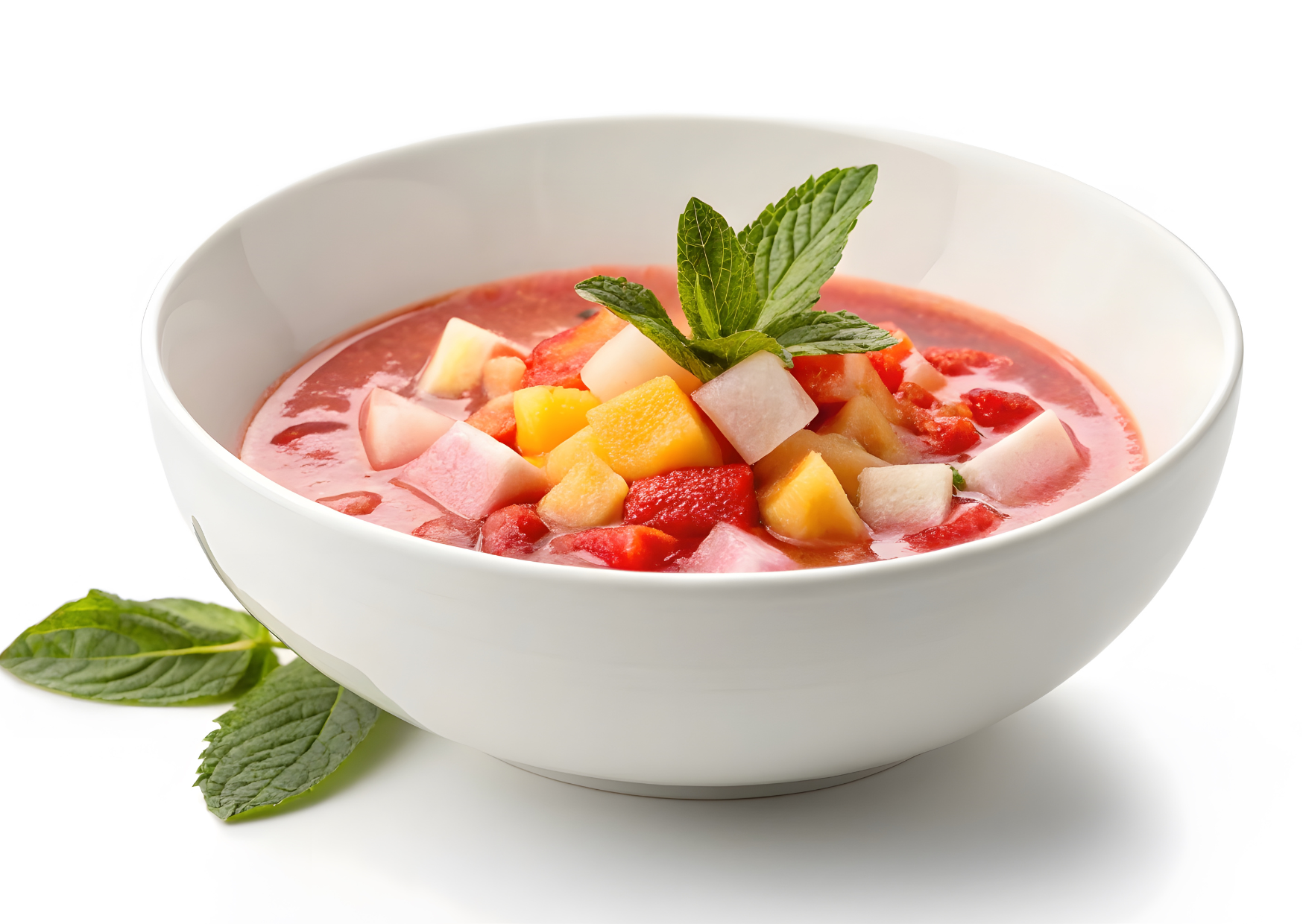
I’ll spell it out like a real month so you don’t overthink it. You can do this with Aldi, Mercadona, Trader Joe’s, whatever cart you push. The recipes are not culinary flexes. They are fast, warm plates that reduce pressure.
Week 1: Flip the temperature
Breakfast (choose one, warm)
- Oats with warm milk and a spoon of yogurt added after cooking, plus banana or stewed apple.
- Eggs on warm toast with olive oil and sliced warm tomato.
- Leftover rice heated with sautéed spinach and an egg.
Bold idea: start the day warm so your stomach learns the rhythm.
Lunch (center meal, hot)
- Lentil stew with carrots, onion, olive oil.
- Chicken and rice soup, lots of broth, soft vegetables.
- Pasta e ceci (chickpeas and pasta) with rosemary and oil.
Bold idea: your biggest meal belongs at midday.
Dinner (light, warm)
- Pureed vegetable soup and a small piece of fish.
- Warm potatoes with olive oil and a spoon of yogurt, chopped herbs.
- Creamy polenta with sautéed mushrooms.
Bold idea: never go to bed full.
Rules this week
- No cold salads at night.
- No iced drinks with meals.
- Stop eating three hours before bed.
Week 2: Fix speed and texture
Keep week-1 menus. Add these behaviors.
- Put the fork down between bites. Chew until it feels silly. Then chew once more. Slow equals lower pressure.
- Blend or mash dinner vegetables. Think zucchini-potato soup, carrot-ginger puree. Make raw salads only at lunch.
- Warm the plate. A bowl warmed with hot water keeps soup hot; you eat calmly instead of chasing heat with speed.
- Ten-minute walk after lunch. Do not skip this. Motion helps empty the stomach.
Week 3: Reassign triggers
You’ll learn your personal culprits. Most people share the same top five. Move them to lunch if you want them at all.
- Tomato-heavy sauces
- Onion, garlic, peppers in quantity
- Fried food
- Chocolate
- Alcohol
Keep coffee if you handle it, but drink it after breakfast, not on an empty stomach. If you love fizzy water, have it at lunch in small sips.
Bold idea: trigger foods are timing problems as much as ingredient problems.
Week 4: Lock the easy wins
- Batch a pot of soup every Sunday. Freeze two portions. You always have a warm dinner that takes five minutes.
- Carry a small thermos. Warm broth at 12:30 prevents the 15:00 nap-attack and the 21:30 raid.
- Set a nightly kitchen cutoff. Phone alarm. Kitchen closed at 20:00. Tea is allowed.
- Raise the head of your bed by 10–15 cm if nights are still noisy. Pillows are worse than bed risers; you want your torso inclined, not your neck bent.
By the end of week four I stopped checking the clock at 2 a.m. because I was asleep. The warm food routine felt boring and kind. That’s the point.
What I actually ate (no chef tricks)
You don’t need measurements to understand these.
Lentils with soft onions
Pot with olive oil, onion, carrot, lentils, water, bay leaf. Simmer 30–35 minutes. Salt at the end. Spoon of yogurt if you like. It reheats beautifully.
Rice and zucchini soup
Sauté onion, add zucchini coins, handful of rice, water or broth. Simmer till soft. Stick-blend half. Silky, warm, zero drama.
Warm potato salad
Boiled potatoes still warm, olive oil, parsley, a spoon of yogurt, pinch of salt. If you want protein, add a soft-cooked egg. Warm starch is friendly.
Pasta e ceci
Olive oil, garlic gently warmed, chickpeas, short pasta, water to cover, rosemary. Simmer till pasta is done, mash a few chickpeas to thicken. Humble and kind to the esophagus.
Carrot-ginger puree with fish
Carrots simmered soft, a little ginger, blend with cooking water and a drizzle of oil. Pan-sear white fish lightly. Everything warm, nothing aggressive.
Notes: the theme is soft, warm, salted like a grown-up. No heat bombs, no ice.
The drink rules that make a bigger difference than anyone admits
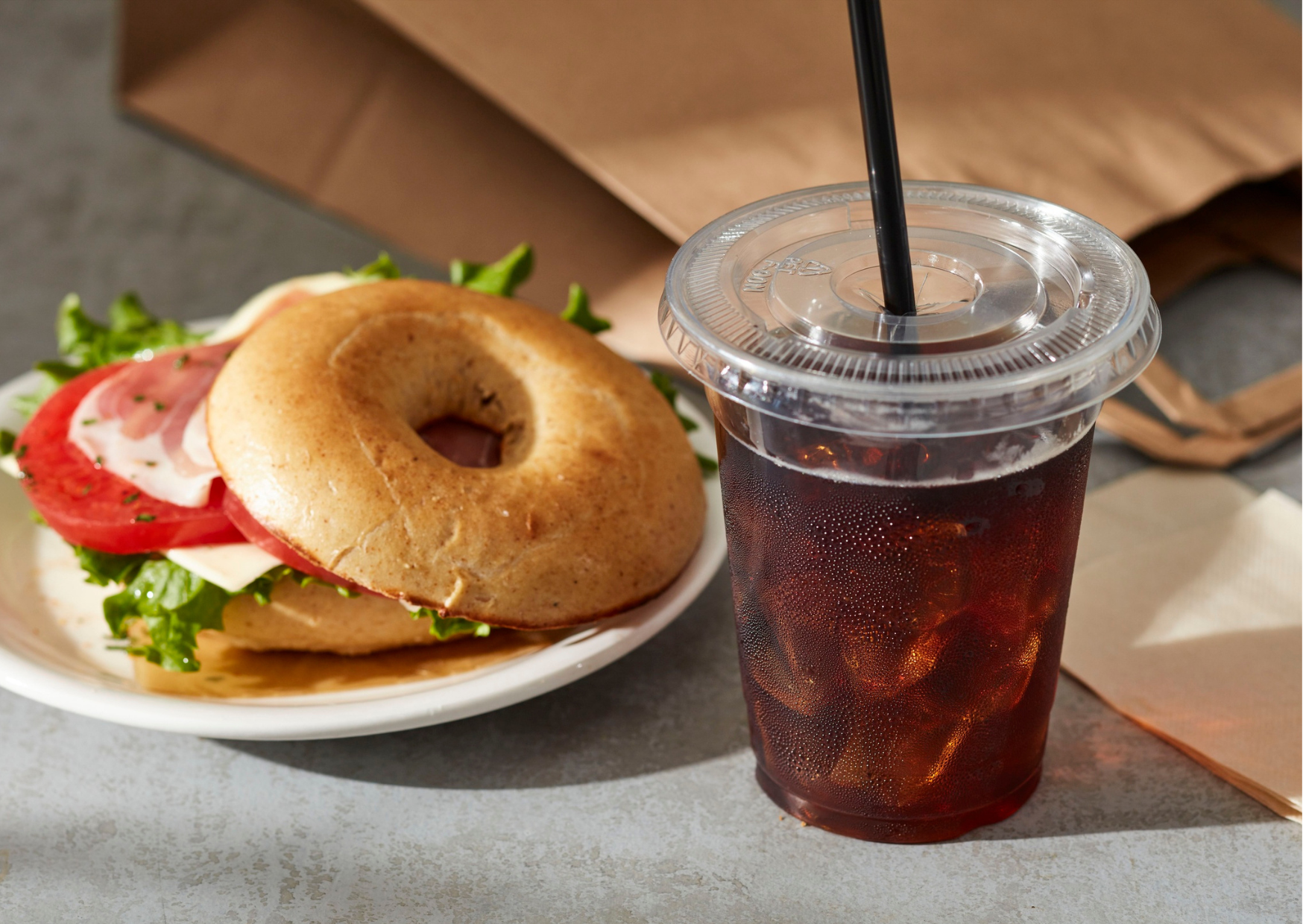
- Room-temp water with meals, not ice. Ice constricts. You feel it.
- Coffee after food, not before. If you insist on an early cup, pair it with a warm bite.
- Tea at night, not wine. If you drink, make it a lunch ritual.
- No fizzy drinks after 17:00. Gas equals pressure. Pressure equals reflux.
Remember: liquids are part of the meal. Treat them like ingredients.
The little things that kept me from quitting
- Warm the toppings. Cold yogurt atop a hot soup will shock your stomach. Temper it: stir a spoonful of warm soup into the yogurt, then add it back.
- Microwave safely. Reheat in glass or ceramic, stir halfway so the center isn’t molten and the edges cold. Even heat equals calmer stomach.
- Pack a warm lunch at work. A microwave bowl and a small thermos keep you on plan. A warm bowl at 13:30 kills the 22:00 snack.
- Eat seated. Standing meals invite speed. Sit, back straight, both feet down. Sounds fussy, fixes nights.
If you must have salad, do it the European way
- At lunch. Not at dinner.
- Room temperature. Not icebox.
- With warm elements. Add warm potatoes, warm beans, or warm grains to the bowl. Half warm plus half cool keeps digestion steady.
- Dress with olive oil and lemon, not vinegar bombs that hit an irritated esophagus.
Key idea: make the salad a warm-cool mix. Pure cold bowls were my worst days.
The three-minute heat-up that saves your evening
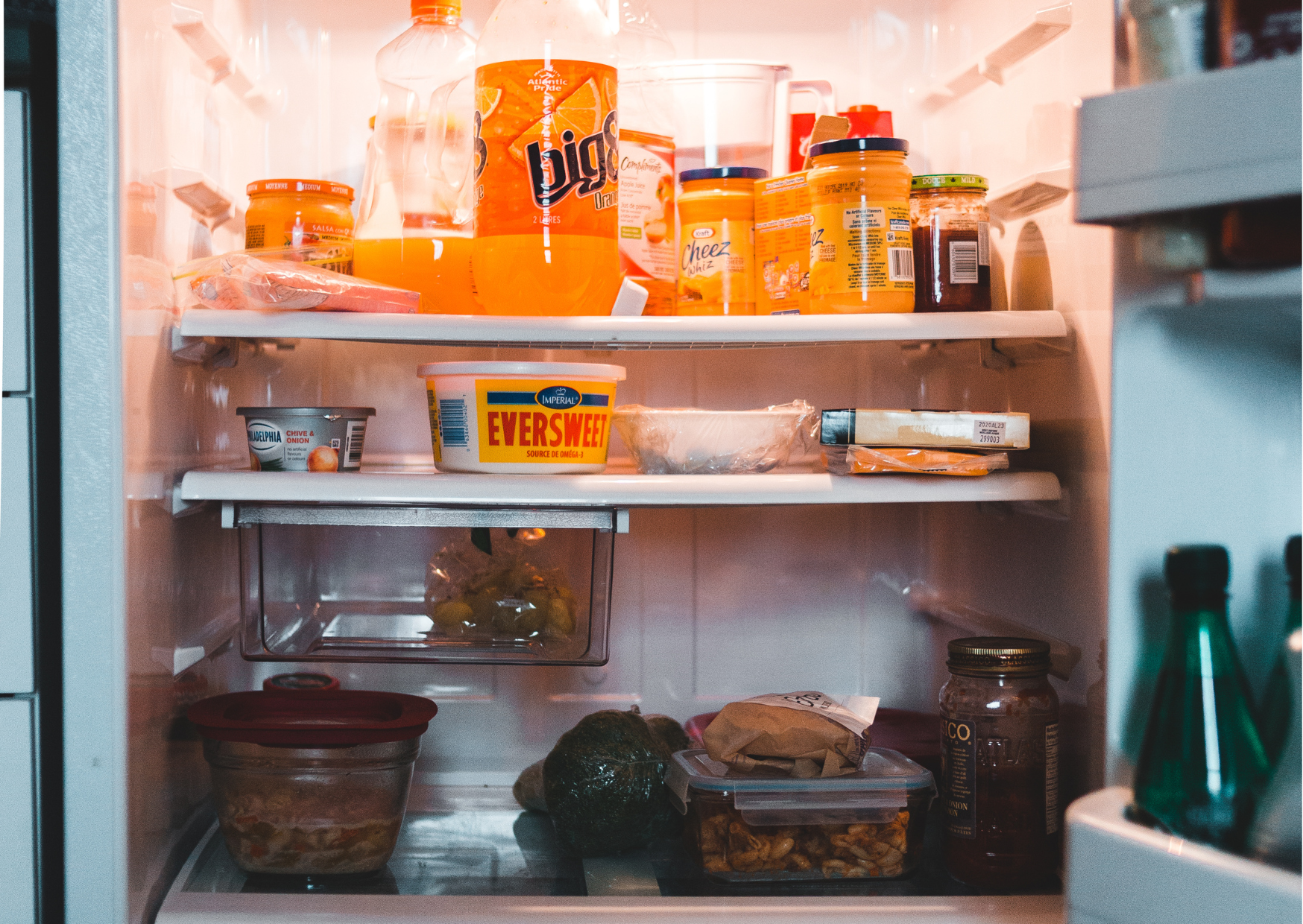
People quit because they think warm food equals time. It doesn’t.
- Soup jar from Sunday. Two minutes in the microwave, stir, one minute more.
- Leftover rice plus a handful of frozen peas and olive oil. Two minutes, stir, one minute.
- Frozen vegetables steamed in a bowl with olive oil and salt. Add canned tuna warm from the pantry, not cold from the fridge.
- Bread and broth. Slice of toasted bread, mug of broth. It looks too simple. It works.
Bold line: warm, simple, fast beats cold, complicated, rushed.
What changed in week two that convinced me
- Night cough vanished. I didn’t realize how often I cleared my throat after 22:00 until it stopped.
- Pressure under the sternum faded by day five.
- I fell asleep faster, because my stomach wasn’t working an overtime shift.
- My posture improved after meals because I wasn’t bracing against cold. This is subtle and real.
- Antacid use dropped to two nights out of thirty, then zero.
Am I overselling it a little because I’m relieved Yes. Relief makes people evangelical. You’ll know in seven days if your body likes this.
Troubleshooting when something still flares
- If soup triggers you: skip tomato bases at night, use root-veg purees.
- If bread triggers you: choose plain sourdough or boiled potatoes for dinner starch. Bread moves to lunch.
- If coffee is non-negotiable: small cup after breakfast, then water the rest of the day.
- If late dinners are unavoidable: eat half early and half at the table. A small warm bowl at 18:30, the rest at 21:00, then a walk.
- If alcohol is the last dragon: two lunch days per week only, none after 17:00 for the month.
Remember: timing is medicine when you can’t change the food.
The one-page shopping list for a reflux-quiet kitchen
- Broth (boxes or homemade)
- Brown rice, oats, polenta, small pasta
- Lentils, chickpeas, white beans
- Potatoes, zucchini, carrots, onions
- White fish, chicken thighs
- Plain yogurt (for tempering, not as a cold bowl)
- Olive oil, lemons, parsley
- Sourdough bread
- Herbal teas
If this is in your house, warm dinners happen by default.
Two small scripts for family who think you’re being dramatic
- “I’m experimenting with warm meals for a month to stop waking up at night. Lunch big, dinner light. Easy and cheap.”
- “We can still have salad, but at lunch and with something warm in it. I want to sleep, not debate antacids at 2 a.m.”
Short. Calm. No lectures.
Travel days and restaurant menus without breaking the month
- Order the soup. Every Mediterranean restaurant has one.
- Ask for warm sides: potatoes, rice, sautéed greens.
- Swap the iced drink for water or a small beer at lunch.
- Split dinner: starter soup plus one shared main. Leave three hours before bed.
You will eat well and still sleep.
If you want the why in one paragraph
Warm food relaxes the upper stomach, speeds comfortable emptying, and reduces the pressure that forces acid upward. Smaller, earlier dinners give the stomach time to finish the job before you lie down. Soft textures reduce mechanical irritation. Neutral beverages avoid the cold spasm you feel and the carbonation that bloats. Gravity after meals keeps the valve closed. None of that is mystical. It’s plumbing with manners.
The 7-day quick start (print this and stick it on the fridge)
Day 1
Warm oats breakfast, lentil soup lunch, vegetable puree dinner. No food three hours before bed.
Day 2
Eggs on toast breakfast, chicken-rice soup lunch, warm potato salad dinner. Ten-minute walk after lunch.
Day 3
Oats again, pasta e ceci lunch, zucchini-rice soup dinner. Coffee only after breakfast.
Day 4
Warm leftover rice breakfast, fish-and-potatoes lunch, carrot-ginger puree dinner. No fizzy drinks after 17:00.
Day 5
Eggs breakfast, lentil soup lunch, polenta with mushrooms dinner. Kitchen closed at 20:00.
Day 6
Yogurt tempered and warm berries breakfast, white-bean soup lunch, potato-leek soup dinner. Short walk after each meal.
Day 7
Repeat your two favorite meals. Notice your night.
Repeat that week three more times with tiny variations. Boredom is your ally here.
Before you start..
You do not need a new identity to stop reflux. You need bowls and a clock. Warm the food. Eat the bigger plate at lunch. Shrink and soften dinner. Keep your head above your stomach at night. Give it seven days. If your throat is quieter and your sleep is less dramatic, keep the habit. If it does nothing, you lost nothing; you ate soup for a week and learned your body wants a different fix.
That’s all I’ve got on this. Warm food, earlier dinner, slower bites. It is not glamorous. It is European for a reason. It works.
After 30 days of avoiding cold food, the biggest change wasn’t dramatic it was relief. Meals no longer triggered that familiar burn, and digestion felt calmer and more predictable. The absence of acid reflux made everyday eating feel normal again, not something to brace for.
What surprised me most was how automatic cold food had been before. Ice-cold drinks, refrigerated leftovers, and chilled breakfasts were default habits, not deliberate choices. Removing them forced me to slow down and pay attention to how food actually felt in my body.
This experiment didn’t require restriction or complicated rules. I didn’t cut out food groups or count anything. I simply changed temperature, and that small adjustment made meals gentler rather than stimulating.
The takeaway wasn’t that cold food is “bad,” but that it wasn’t working for me. Sometimes improvement comes from changing how we eat, not what we eat.

About the Author: Ruben, co-founder of Gamintraveler.com since 2014, is a seasoned traveler from Spain who has explored over 100 countries since 2009. Known for his extensive travel adventures across South America, Europe, the US, Australia, New Zealand, Asia, and Africa, Ruben combines his passion for adventurous yet sustainable living with his love for cycling, highlighted by his remarkable 5-month bicycle journey from Spain to Norway. He currently resides in Spain, where he continues sharing his travel experiences with his partner, Rachel, and their son, Han.