
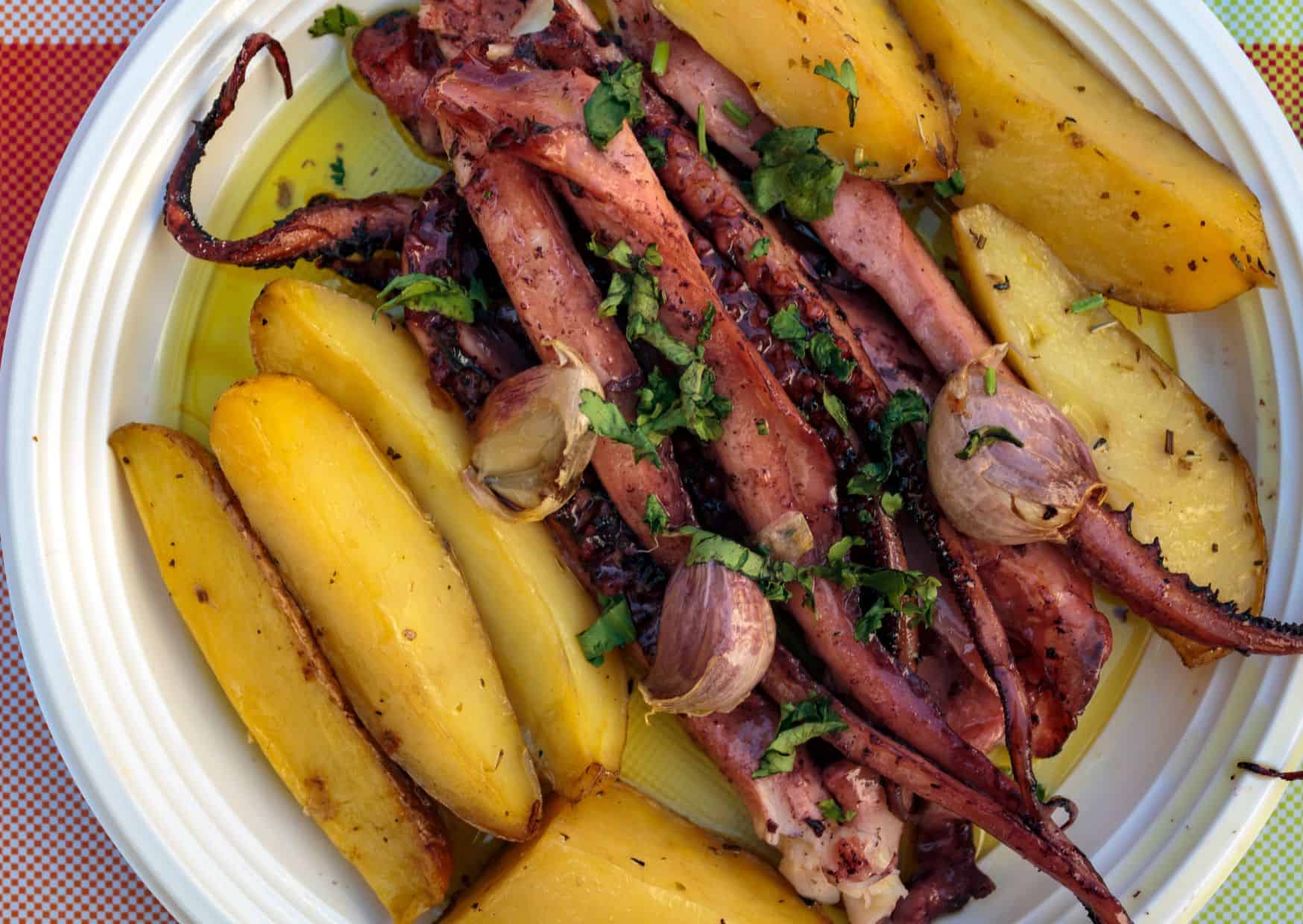
Portuguese cuisine is rooted in the ocean, with centuries of fishing traditions shaping its most beloved dishes. One standout recipe is Polvo à Lagareiro, or octopus roasted with olive oil and garlic. Tender, flavorful, and rich with simplicity, this dish captures the heart of Portuguese cooking, where quality ingredients shine without heavy sauces or complicated techniques.
Polvo à Lagareiro is a staple across coastal Portugal, from family-run tavernas to elegant seaside restaurants. The octopus is first boiled until tender, then roasted or grilled with generous olive oil, garlic, and potatoes until everything is crisped and infused with briny, garlicky goodness. For locals, it is a celebration dish enjoyed with family over long lunches, embodying both comfort and festivity.
In this recipe guide, you’ll learn how to make authentic Portuguese octopus with olive oil and garlic at home. Whether you’re hosting a Portuguese-themed dinner or want to recreate flavors from your travels, this guide will help you master a dish that tastes like a seaside meal on the Algarve.
Read here best traditional breakfast in Portugal, best Vegetarian food in Portugal and Portuguese Food
BOOK YOUR TRAVEL INSURANCE
Two of our favorite travel insurance: Heymondo Vs Safetwing cheapest travel Insurance. You can get for $135 USD your Heymondo Travel Insurance with Heymondo discount code valid for 90 days. Read our full comparison of Genki vs Safetywing Travel Insurance Review and the comparison Heymondo vs Genki
Best Time to Eat and How to Partner
Polvo à Lagareiro is traditionally enjoyed as a long lunch or leisurely dinner, often on weekends or special occasions when families gather for seafood feasts. In Portugal, it’s commonly served in late afternoon lunches that stretch into evening conversations with wine and friends.
To partner this dish authentically, serve it with boiled baby potatoes tossed in olive oil and parsley, a simple green salad with onions and tomatoes, and plenty of fresh crusty bread to soak up the garlicky oil. Pair with a chilled Vinho Verde or a crisp dry white wine like Portuguese Arinto to cut through the richness and highlight the ocean flavors.
One controversial truth about octopus dishes is the ethical debate surrounding octopus consumption. As global demand increases, sustainability concerns have risen, with many marine advocates highlighting that octopus farming is environmentally intensive and wild populations are under pressure. For Portuguese cooks, however, octopus is a deeply rooted traditional food, and sourcing it responsibly from sustainable fisheries is key to preserving this cultural staple without harming ocean ecosystems.
Another often misunderstood aspect is preparation. Many home cooks fear octopus because it can easily turn rubbery if not cooked properly. In Portugal, boiling octopus gently until tender before roasting is standard, while some add wine corks to the pot as a folk method to tenderize it, though chefs argue it’s more myth than science. Achieving the right texture is considered a mark of true culinary skill among Portuguese cooks.
Finally, while tourists often see octopus dishes as gourmet or luxurious, for Portuguese families it is a humble, accessible food rooted in coastal life. Transforming it into an overpriced restaurant novelty abroad loses its traditional context as a simple yet celebratory dish to be shared, savored, and enjoyed with loved ones around a communal table.
How to Make Octopus with Olive Oil and Garlic
Octopus with Olive Oil and Garlic Recipe Ingredients
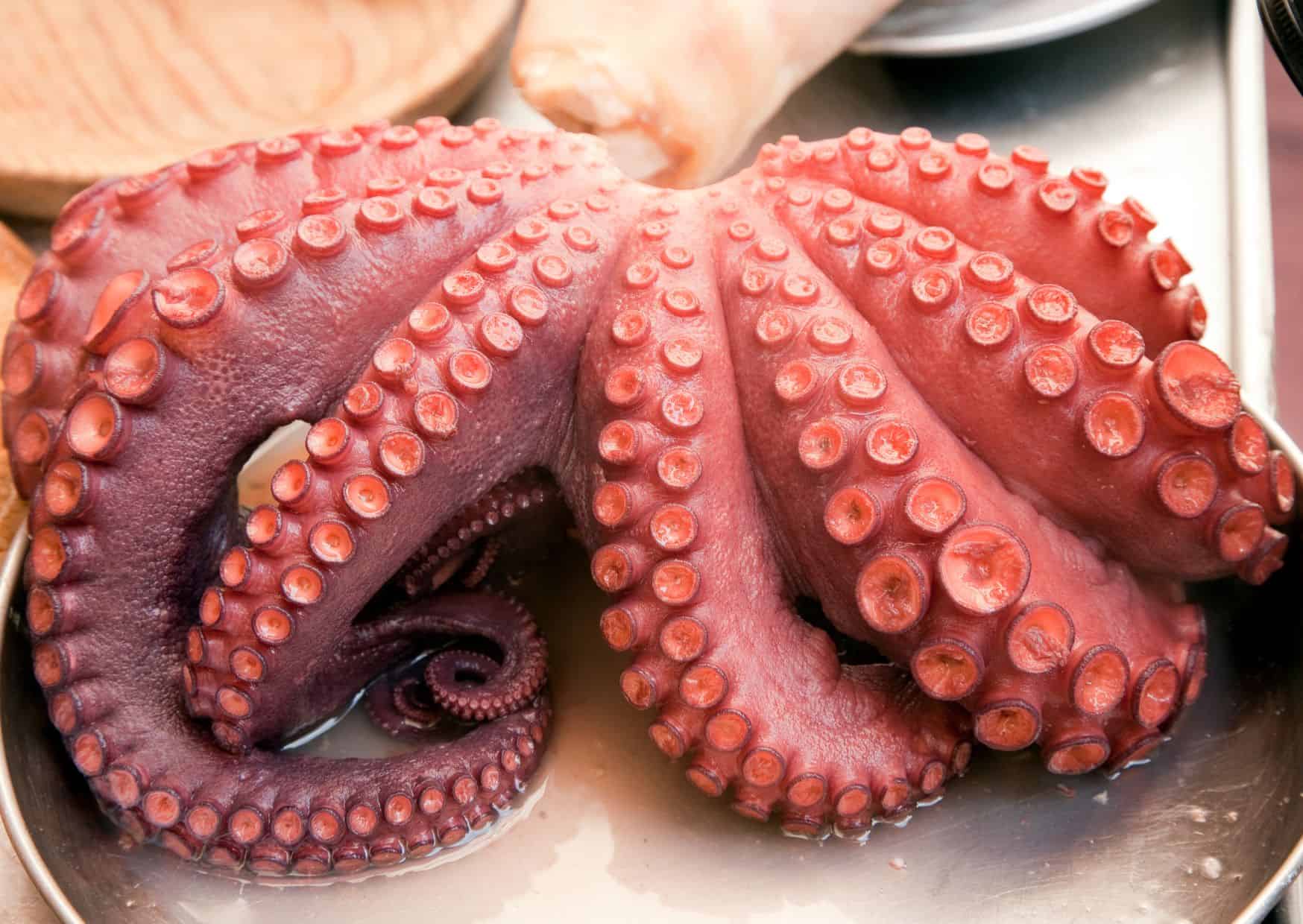
1 medium octopus (about 2-3 pounds)
1/4 cup extra virgin olive oil
4-5 cloves garlic, thinly sliced
1 lemon, cut into wedges
Fresh parsley, chopped (for garnish)
Salt and pepper to taste
Optional: Red pepper flakes for a bit of heat
Get the best deals for your home and kitchen needs
Step By Step How to Make Octopus with Olive Oil and Garlic
Prepare and Cook the Octopus
If the octopus is not already cleaned, remove the beak and eyes. Rinse thoroughly under cold water. To tenderize the octopus, you can freeze it overnight and then thaw it before cooking, or you can gently pound it with a meat mallet.
Boil the Octopus
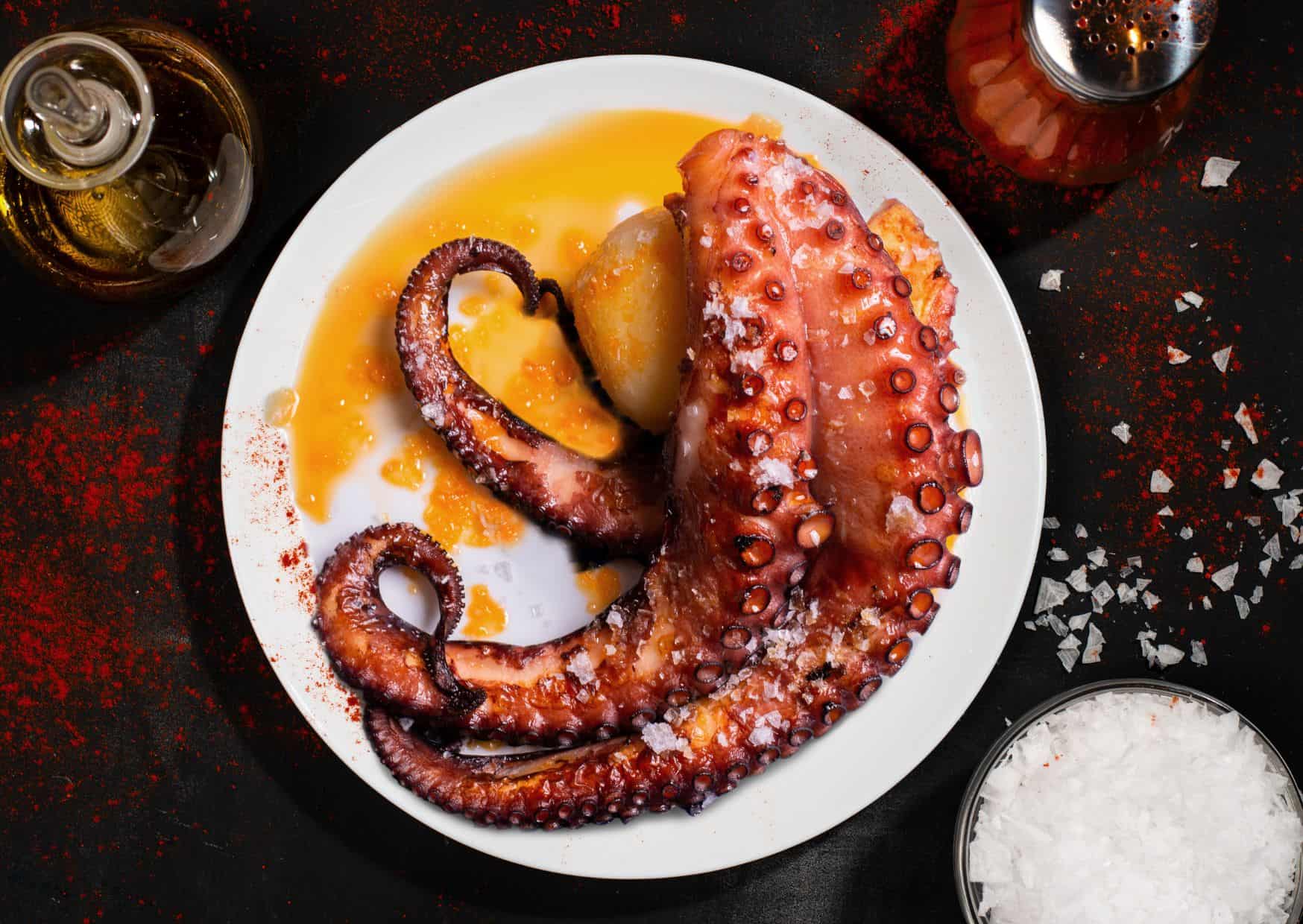
Fill a large pot with water and bring it to a boil. Once boiling, add the octopus. You can add a cork from a wine bottle to the water, which is a traditional method believed to help tenderize the octopus.
Reduce the heat and let it simmer for about 45-60 minutes, or until the octopus is tender. You can test this by inserting a knife into the thickest part; it should go in easily. Remove the octopus from the pot and let it cool slightly. Cut it into bite-sized pieces.
Sauté the Octopus with Olive Oil and Garlic
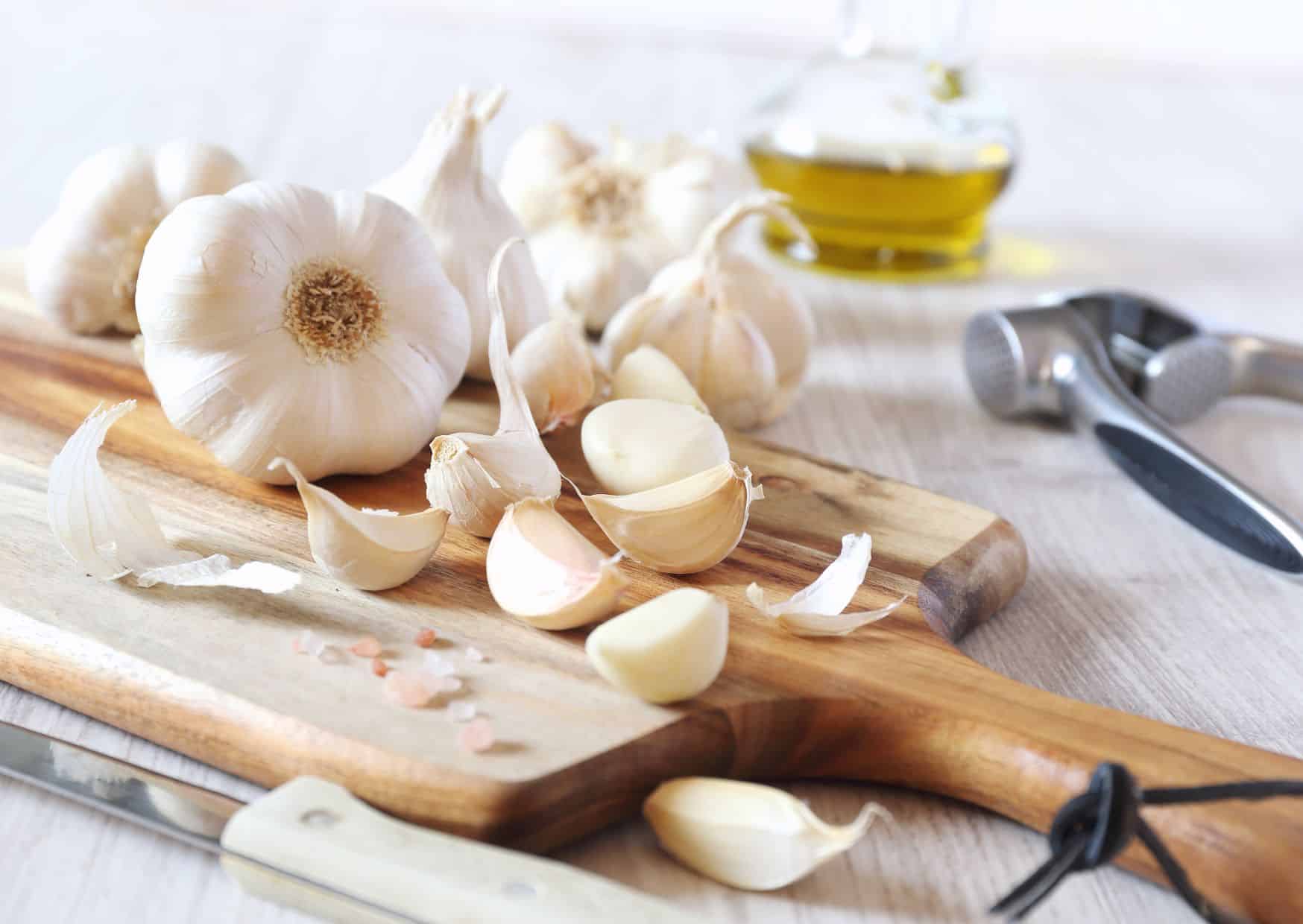
In a large skillet, heat the olive oil over medium heat. Add the sliced garlic to the skillet and sauté until it becomes fragrant and golden, about 1-2 minutes. Be careful not to burn the garlic.
Add the octopus pieces to the skillet. Sauté for about 5-7 minutes, allowing the octopus to absorb the flavors of the garlic and olive oil. Season with salt, pepper, and red pepper flakes (if using).
Serve
Transfer the octopus to a serving dish. Squeeze fresh lemon juice over the octopus and garnish with chopped parsley.
Serve immediately, with extra lemon wedges on the side.
Tips To Make Octopus with Olive Oil and Garlic
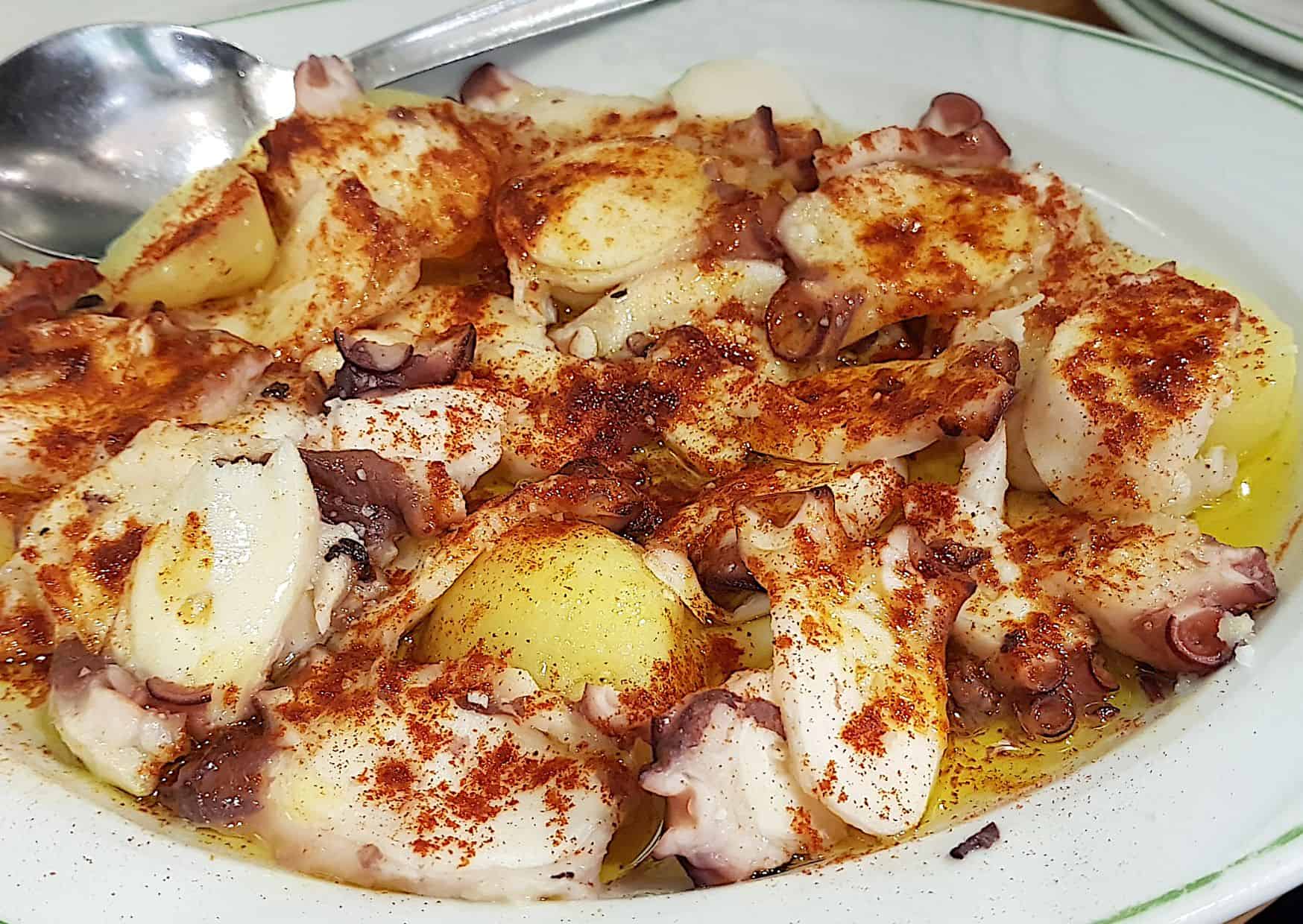
Use the freshest octopus you can find for the best flavor and texture. Properly tenderizing the octopus is key to achieving a soft, not chewy, texture. Boiling it slowly and gently is essential.
You can add other herbs and spices such as thyme, oregano, or bay leaves during the boiling process for additional flavor. This dish pairs well with crusty bread, boiled potatoes, or a fresh green salad.
How Many Calories Have Octopus with Olive Oil and Garlic
Octopus (1/4 of a 2-3 pound octopus): Approximately 80 calories
Olive Oil (1 tablespoon): Approximately 120 calories
Garlic (1 clove): Approximately 4 calories
Lemon (1/4 lemon): Approximately 5 calories
Parsley (1 tablespoon): Approximately 1 calorie
Total Calories per Serving: Approximately 210 calories.
Origin and History
Few dishes capture the soul of Portuguese coastal cuisine quite like Polvo à Lagareiro, the country’s most beloved octopus recipe. Rooted in the fishing villages of northern Portugal, this dish was born out of simplicity freshly caught octopus, potatoes, olive oil, and garlic. Fishermen would bring their catch ashore and cook it over open fires, drizzling it generously with golden olive oil pressed from nearby mills, known as lagares. Over time, this rustic preparation evolved into a national treasure that appears on restaurant tables and family feasts alike.
The dish’s history is intertwined with Portugal’s deep maritime traditions. For centuries, octopus was considered a humble ingredient—common among fishermen’s families who relied on the sea for sustenance. However, the method of boiling and roasting it to tender perfection transformed it into a delicacy admired across the country. Today, Polvo à Lagareiro is a symbol of Portuguese craftsmanship in the kitchen proof that simple ingredients, when treated with respect, can create extraordinary flavor.
Its rise to global recognition came with Portugal’s growing culinary tourism. Visitors who once came for codfish (bacalhau) began discovering this lesser-known gem. Now, octopus dishes are staples in Lisbon’s taverns, Porto’s riverside eateries, and coastal markets, representing the perfect blend of ocean freshness and Mediterranean warmth.
Despite its popularity, Polvo à Lagareiro sparks plenty of debate among chefs and home cooks. The first point of contention is tenderness. Some argue the only way to achieve a soft, buttery texture is by slow boiling the octopus before roasting, while others claim that freezing it first or even adding a cork to the boiling water achieves the same effect. Purists insist on patience; modern cooks prefer shortcuts, but everyone agrees overcooked octopus is unforgivable.
Another controversy lies in seasoning. Traditionalists maintain that salt, olive oil, garlic, and parsley are all you need. However, some chefs add paprika, lemon, or white wine to enhance depth of flavor. These additions divide the culinary community: one side calling it innovation, the other crying sacrilege. The beauty of the dish, though, lies in how it absorbs subtle variations without losing its essence.
Even the type of octopus used sparks debate. Coastal cooks often insist that wild-caught Atlantic octopus, smaller and naturally flavorful, beats imported or farm-raised varieties. Yet sustainability advocates encourage choosing responsibly sourced options, even if they alter the flavor slightly. The conversation continues as Portuguese cuisine balances heritage and modern conscience.
How Long You Take to Prepare
Making authentic Polvo à Lagareiro requires time and care, but not complexity. The process takes about 1 hour and 30 minutes from start to finish, with most of that dedicated to tenderizing the octopus. Start by cleaning it thoroughly and boiling it gently for 40 to 50 minutes, until a fork slides in easily. Patience is key rushing this step leads to toughness.
Once tender, transfer the octopus to a baking tray with small roasted potatoes. Drizzle everything generously with olive oil, add smashed garlic cloves, and roast at a moderate temperature until golden and lightly crisp around the edges. The roasting stage caramelizes the exterior and deepens the flavor, transforming the dish from simple to sublime.
Though the total time may sound long, much of it is hands-off. While the octopus boils or bakes, you can prepare a salad, a sauce, or simply pour a glass of vinho verde. It’s a dish that rewards patience with elegance—every minute contributes to its rich, layered taste.
Serving Suggestions
Polvo à Lagareiro shines as both a main dish and centerpiece for a seafood feast. Serve it with roasted or smashed potatoes, drizzled in the same garlicky olive oil used for cooking. The oil itself is so flavorful that it doubles as a dipping sauce for crusty bread. A sprinkle of fresh parsley and a squeeze of lemon balance the richness beautifully.
For a traditional Portuguese experience, pair the dish with sautéed greens such as kale (couve galega) or turnip tops (grelos). These bitter greens cut through the oil’s intensity and create a perfect harmony of textures. Add a chilled glass of crisp white wine preferably from the Douro or Minho region and you’ll have a restaurant-quality meal at home.
If you’re entertaining, consider presenting the octopus whole on a platter, surrounded by potatoes and herbs. It’s visually striking and captures the rustic elegance of Portuguese dining. The aroma alone garlic, olive oil, and sea essence will make guests believe you’ve transported them straight to Lisbon.
Final Thoughts
Polvo à Lagareiro is more than a recipe it’s a reflection of Portugal’s culinary soul. It captures the spirit of coastal living, where fresh ingredients, family gatherings, and patient cooking come together in perfect balance. Every bite tells a story of simplicity elevated to art through tradition and time.
Cooking it at home connects you to that tradition. It teaches you to slow down, to let ingredients shine, and to appreciate how something as humble as an octopus can become extraordinary with care. This isn’t fast food; it’s thoughtful, rewarding cuisine that brings comfort and pride with every serving.
In the end, the beauty of this dish lies in its authenticity. It doesn’t try to impress it simply delivers. Whether you’re cooking for family, friends, or just yourself, Polvo à Lagareiro invites you to experience Portuguese warmth in your own kitchen. Once you’ve made it right, you’ll understand why it’s one of the most raved-about dishes in the entire country.

About the Author: Ruben, co-founder of Gamintraveler.com since 2014, is a seasoned traveler from Spain who has explored over 100 countries since 2009. Known for his extensive travel adventures across South America, Europe, the US, Australia, New Zealand, Asia, and Africa, Ruben combines his passion for adventurous yet sustainable living with his love for cycling, highlighted by his remarkable 5-month bicycle journey from Spain to Norway. He currently resides in Spain, where he continues sharing his travel experiences with his partner, Rachel, and their son, Han.