
So here is the awkward headline you will not hear during onboarding. The kind of outgoing friendliness that wins you points in U.S. offices sets off alarms in German ones. Not because people are cold. Because the culture treats the workplace as a protected space with boundaries you cannot see until you trip over them. You think you are building rapport. They think you are breaching privacy, hierarchy, or consent. By Friday you are the story in the kitchenette, and by Monday the works council or HR wants “a quick word.”
Where was I. Right. If you plan to work in Germany this year, file this under survival skills, not etiquette. I will show you the specific behaviors that trigger complaints, what Germans read into those behaviors, what to do instead, and exact phrases that sound normal in Munich, Hamburg, or Cologne. I will also give you a simple red amber green map you can keep on your phone. The goal is not to be less friendly. The goal is to be friendly in a way that reads as professional in a system with strict boundaries.
Why “friendly” gets misread
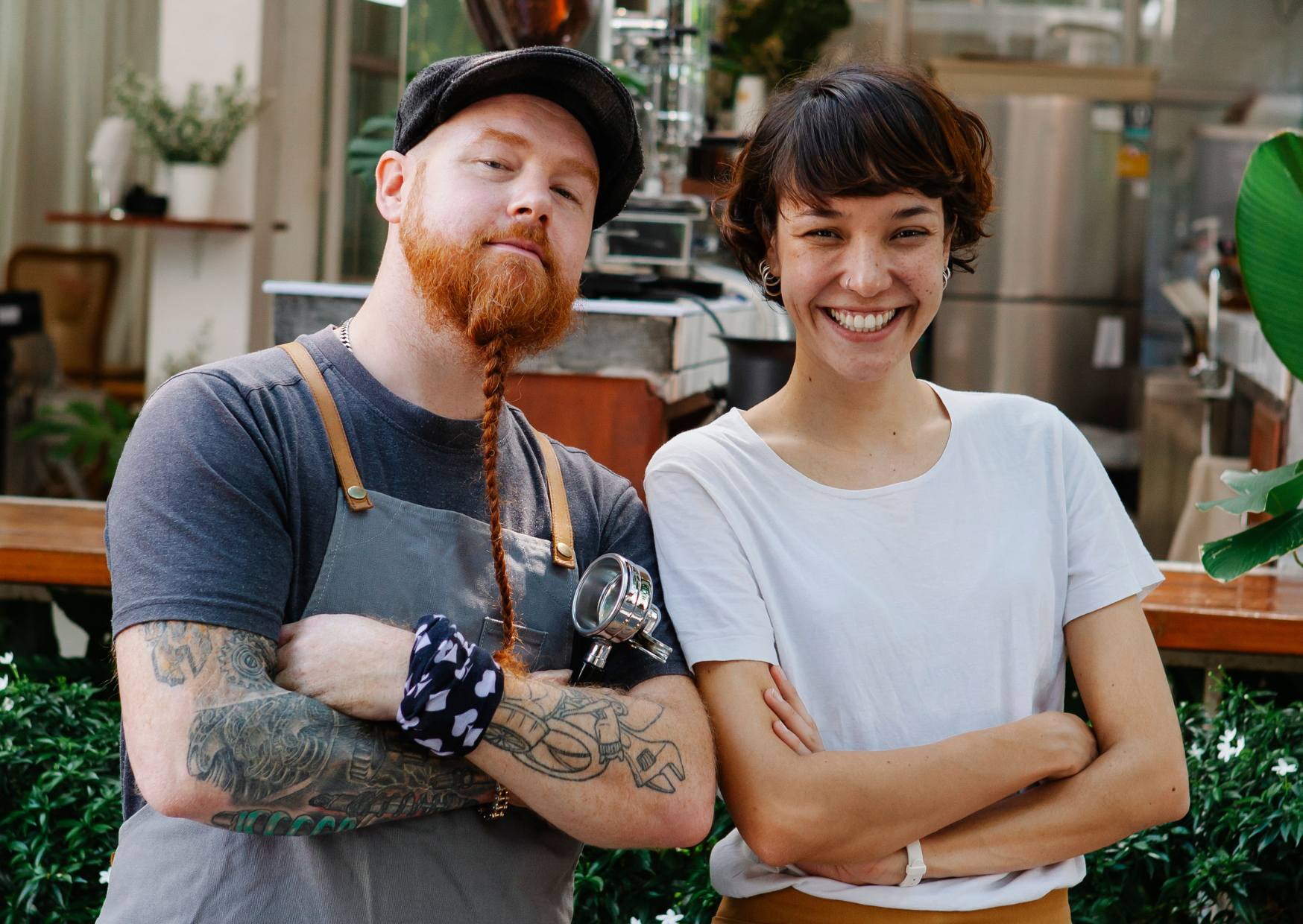
Your mental model says friendliness is warmth, approachability, and informal connection. The German office model treats friendliness as reliability, restraint, and clarity first, warmth second. When you lead with personal chat or physical ease, you jump the queue. When you lead with punctuality, precise emails, and tidy boundaries, your warmth later looks sincere instead of pushy.
Two quiet rules sit under everything.
- Privacy is default. Work is not the place for life story mining unless trust exists. Colleagues will share over time, and often offsite. If you ask personal questions before you have shared results, they will freeze.
- Consent is king. Photos, invitations, touching, messaging platforms, even compliments live behind consent. Assume nothing is opt in until you check.
That is the frame. Inside it, there is plenty of room to be human.
The top behaviors that trigger HR in Germany

This is the list people send to friends after the meeting invite arrives.
- Commenting on appearance.
“You look amazing in that dress” is risky even when meant kindly. Compliment output, not bodies. “Great slide deck this morning” reads as safe and generous. - Unwanted physical contact.
Hugs at work, hand on a shoulder, playful taps, even steering someone by the elbow can prompt a report. Default to personal space unless someone initiates a brief handshake. - Salary probing and bragging.
Pay transparency is rising, but many offices still treat salary as private. If you lead with numbers, you look intrusive. Ask about bands or levels if you must talk comp, avoid personal pay. - After hours outreach.
Calling or pinging outside agreed windows looks inconsiderate. Germany has quiet norms around evenings and Sundays. If you need to send a note, schedule send for morning. - Mixing WhatsApp with work without consent.
People keep private and work devices separate. Use approved tools unless you have explicit agreement. Data protection sits on everyone’s shoulder. - Photographing colleagues without a clear yes.
Company party, team lunch, casual selfie. Consent is required, and posting to social without it is a fast way to a complaint. - Serial invitations framed as pressure.
“Come on, you must join us tonight” sounds friendly to you. It reads as pushy here. One offer is kind. Two is pressure. - Personal history fishing.
Asking about family planning, relationship status, or health will chill a room. Colleagues will tell you what they want you to know when they want you to know it.
Remember: the trigger is not your intention. The trigger is the effect inside a system built on boundaries, written policies, and a legally powerful works council.
Red, amber, green map for daily behavior

Use this until your instincts catch up.
Green
- “Good morning” to everyone in the room.
- Punctual arrival and clear agendas.
- Compliments tied to work products.
- Short meetings that end on time.
- Coffee invitations that include no social pressure.
- Requests for feedback in one sentence.
Amber
- Small talk about weekend plans if the other person offers first.
- LinkedIn connection requests after you have collaborated.
- Light jokes that do not punch down and are not about identity.
- Suggesting a beer after work once, with an easy out.
Red
- Comments on bodies or outfits.
- Repeated social pushes after a soft no.
- Cold messages on private apps without permission.
- Touching beyond a handshake.
- Sharing photos with names in a team channel without consent.
Bold rule to keep: if in doubt, keep it green until the other person moves it to amber.
“Sie” before “du”

Language sets the distance. Start with Sie, not du. Let the more senior person or the group set the switch to du. If that never happens, you stay at Sie forever and your career will be fine.
What to say when you are unsure
- “Sollen wir beim Sie bleiben” which politely clarifies the preference.
- If invited to du, respond “Gern, danke” and mentally note that the door opened in one direction. You can still keep other boundaries intact.
Remember: calling a senior colleague by first name after a du invitation does not mean they want your weekend biography.
How to give warmth that reads professional
You are not a robot. Do warmth in ways that sit inside the norms.
- Greet the room, not just your friend. The German office likes fairness. “Moin zusammen” or “Guten Morgen” to everyone in earshot costs nothing and pays back.
- Bring reliable rituals. Coffee at 10.00, a tidy agenda, sending notes after a meeting. Reliability is felt as warmth here.
- Use praise with content. “The data table on slide three made the decision easy” is friendlier than “you are brilliant.”
- Share small personal details that do not pull. “I tried the new bakery on the corner. The rye is good” starts a safe conversation. Do not force reciprocity.
- Invite to low effort, clear exit events. “A few of us will grab a quick lunch at 12.15. No stress if you are busy.” Notice that “no stress” is the key phrase.
Bold idea: professionalism comes first here, and then warmth is read as generosity rather than a sales pitch.
First month scripts that save you

These are short, precise, and respectful. Use them as lines inside emails or spoken in hallways.
- Setting communication hours
“Ich bin werktags von 9 bis 17 Uhr gut erreichbar. Wenn etwas dringend ist, gern per E-Mail mit Betreff ‘Dringend’, sonst am nächsten Morgen.” - Asking for consent on tools
“Ist es für dich in Ordnung, wenn wir per Signal schreiben, oder bleibe ich besser bei E-Mail und Teams” - Inviting without pressure
“Wir gehen um 12.15 zum Mittag. Wenn du Zeit hast, komm gern dazu. Wenn nicht, kein Problem.” - Declining a social push politely
“Danke dir, heute passt es bei mir nicht. Vielleicht ein andermal.” - Praising work, not bodies
“Deine Zusammenfassung im Confluence hat mir eine Stunde gespart. Danke.” - Handling a photo
“Darf ich ein Foto von der Tafel machen und im Channel teilen. Nur wenn es für dich passt.”
Remember: short, literal sentences feel calmer to German ears than effusive paragraphs.
The meeting room rules nobody writes down
- Punctuality is friendliness. Arrive at the scheduled minute. If you are late, you apologize once, briefly, and start.
- Agenda is affection. A written list of points proves you respect the group’s time. Rambling drains goodwill.
- Decisions are recorded. “Beschluss” or “Entscheidung” written after the item closes. People relax when the outcome is clear.
- Interruptions are rare. If you need to jump in, raise a hand slightly or say “darf ich kurz ergänzen.” That little “may I add” is the oil in the gears.
- Small talk is small. One minute at the start. Then work. Warmth returns at the end with a simple “Danke euch, das war hilfreich.”
Bold truth: in a German office, structure is how you show care.
Social topics that are safe at lunch
You can talk. Just pick topics that do not feel like a test.
- Food, bakeries, markets, seasonal dishes.
- Local travel, hiking, lakes, trains that were actually on time.
- Sports in a light way, no need for fan identity.
- Books, films, concerts, fairs.
- Public holidays and how people use them.
- Weather, bikes, and the price of strawberries. Always strawberries.
Avoid the magnets that pull you into HR’s calendar. Politics, personal relationships, finances, health details, and jokes about national stereotypes. If someone offers first and you have rapport, you can follow. You do not lead with them.
The works council exists
You may not have worked with a Betriebsrat before. In Germany you will. They represent employees and take boundaries seriously. If someone complains about conduct, the council may be in the room. This is not theater. Treat them with respect, answer questions clearly, and show how you are adjusting.
What to say if you are called in
“Mir ist wichtig, dass sich alle wohl fühlen. Wenn ich Grenzen übersehen habe, passe ich mich an. Was genau wünschen Sie sich konkret für die Zusammenarbeit”
Do not argue intention. Confirm the request and mirror it back. You usually walk out with a clear checklist and no scar.
Consent in photos, names, and tags
This catches newcomers constantly.
- Do not tag colleagues on public posts without asking.
- Do not post event photos with faces unless the company has a media consent policy and you have a yes from the people pictured.
- Do not copy personal contact details from a signature into a public space. Data protection is a mood here.
Simple rule: inside company channels, ask before sharing. Outside company channels, share nothing about colleagues unless they say yes.
Gifts, pastries, and birthdays
Food is bonding in Germany too, but there are rituals.
- Pastries in the kitchen with a note are safe. “Selbstbedienung, schönen Tag.” No pressure to come eat with you.
- Small gifts are fine if they are edible and shareable. Anything personal feels like a pull.
- Birthdays are mentioned with a simple Glückwunsch. Do not organize surprise parties for people you barely know. That is not warmth. That is stress.
- Round birthdays get more attention. If the team celebrates, you contribute or say thanks and return to work. No speech unless you are the celebrant.
Email tone that lands well

You can be friendly and still sound like you live here.
- Subject lines that explain the action. “Freigabe für Q4 Landing Page bis Freitag”
- Short greetings, one sentence of context, one sentence of request, one line of thanks.
- Exclamation points are not banned, they are just used sparingly.
- Emojis live in informal team chats, not in external client mail.
- Sign off with “Viele Grüße” or “Beste Grüße” and your full name.
Your email shows more friendliness here when it is short and clear than when it is long and enthusiastic.
Handling compliments without the trap
You want to be kind. Here is the safe way.
- Compliment outcomes and choices. “Die Struktur deiner Präsentation war stark.”
- Avoid compliments about clothing, hair, or bodies. You do not know which topics are sensitive.
- If someone compliments you, a simple “Danke” and eye contact is enough.
- If you accidentally crossed a line, apologize short. “War nicht passend formuliert, entschuldige.”
The point is not to be anxious. The point is to keep your kindness inside the professional frame.
What to do if you already tripped a wire
Do not defend your culture. Fix the behavior and show you understood the rule.
- Acknowledge without essays.
“Danke für den Hinweis. Ich war zu informell. Ich halte mich künftig an E-Mail und Bürozeiten.” - Name the new behavior.
“Keine WhatsApp Nachrichten mehr ohne Absprache. Einmal fragen, dann akzeptieren.” - Follow through for thirty days.
People forgive fast when the change is visible. Trust is built in boring weeks.
If HR invites you to a chat, arrive on time, be brief, and bring a short list of adjustments. They want to see that you can self regulate, not that you can argue intent.
A two week reset that makes you “friendly” in the German way
Week 1
- Use Sie with new colleagues unless invited to du.
- Put communication hours in your Teams status.
- Move all work chat out of WhatsApp unless a group has already agreed.
- Compliment two colleagues on concrete work. Short, specific, done.
- Invite one person to lunch at 12.15 with a clear no pressure line.
Week 2
- Run one meeting with a crisp agenda and end five minutes early.
- Ask consent before posting any team photo or tagging.
- Avoid after hours messages. Use schedule send for the morning.
- Keep physical space. Handshakes only when offered.
- Learn two phrases: “Kein Stress” and “Alles gut.” You will use both.
Remember, the reset is not about being cold. It is about making your friendliness legible.
Cases that confuse newcomers
- Colleagues who seem much more casual.
Some teams are relaxed, some are formal. Follow the most conservative read until you can tell who leads the tone. - Friday beers in the office.
True in some places. Still ask before taking photos. Still avoid physical familiarity. Beer is not a license to reset boundaries. - Company trips.
You are offsite with work. The rules travel with you. No midnight DMs, no tagging faces without a yes, no jokes about bodies. - Mixed language teams.
When a group switches to English for you, keep your sentences simple. Complex jokes and sarcasm do not cross borders well. - Feedback that feels blunt.
Direct feedback is not unkind here. Take it as respect. Warmth returns quickly after a clear fix.
Quick phrases that solve moments
- Photo consent
“Alles gut, wenn ich ein Foto mache und nur im Teamchannel teile” - Boundary on apps
“Ich bleibe bei E-Mail und Teams, ist das für dich ok” - Declining nicely
“Heute leider nicht. Danke dir und viel Spaß.” - Timebox a conversation
“Ich habe bis 14.00 Luft. Sollen wir die drei Punkte kurz durchgehen” - Defusing a compliment you received
“Danke. Hauptsache, das Ergebnis passt.”
A short checklist for the first 90 days
- Start formal, relax later.
- Praise work, not appearance.
- Ask once about social plans, never twice.
- Keep messages inside work tools and hours.
- Get consent before photos, tags, or sharing names.
- Use agendas. End on time.
- Let others offer personal details first.
- Shake hands when offered. Keep space otherwise.
- Learn the coffee rhythm. Join once. Leave on time.
- Write short emails. Clear subject, clear ask, thanks.
If you want the one line that works in every German office, it is this. Be reliable first, be warm second, and everything you say will land as friendly

About the Author: Ruben, co-founder of Gamintraveler.com since 2014, is a seasoned traveler from Spain who has explored over 100 countries since 2009. Known for his extensive travel adventures across South America, Europe, the US, Australia, New Zealand, Asia, and Africa, Ruben combines his passion for adventurous yet sustainable living with his love for cycling, highlighted by his remarkable 5-month bicycle journey from Spain to Norway. He currently resides in Spain, where he continues sharing his travel experiences with his partner, Rachel, and their son, Han.