
(And What This Reveals About Space, Lifestyle, and Shopping Culture)
Walk through a Costco in the U.S. and you’ll see it everywhere: carts filled with 24-roll packs of toilet paper, gallons of ketchup, and cereal boxes the size of a small child. Bulk buying is almost a national pastime in America. It is efficient, money-saving, and convenient.
But try finding that same scene in a European supermarket and you might come up short.
Europeans rarely buy in bulk. Not because they do not like good deals or because they enjoy shopping more often. It is because their entire way of living—from how homes are built to how food is stored—makes bulk buying feel impractical or even unnecessary.
Here are nine everyday items Americans often buy in bulk that Europeans usually do not, and the cultural differences that explain why.
Want More Deep Dives into Everyday European Culture?
– Why Europeans Walk Everywhere (And Americans Should Too)
– How Europeans Actually Afford Living in Cities Without Six-Figure Salaries
– 9 ‘Luxury’ Items in America That Europeans Consider Basic Necessities
Quick Easy Tips
Buy smaller amounts more frequently when traveling in Europe; it’s cheaper and easier to store.
Switch to local markets instead of supermarkets to match European buying habits.
Skip bulk toiletries; European bathrooms and hotel rooms have nowhere to put them.
A big point of confusion between Europeans and Americans is the idea of convenience. In the US, buying in bulk feels efficient, smart, and cost-saving. In Europe, it often feels wasteful or unnecessary. Many Europeans live in walkable cities with small apartments and tiny refrigerators. Weekly or even daily shopping trips are normal. To them, stocking up on a month’s worth of anything seems excessive. Americans see practicality; Europeans see clutter.
Food culture adds another layer. Europeans place a lot of value on fresh ingredients. Big tubs of yogurt, gallon jugs of milk, or enormous family-size snacks don’t match their cooking habits. They prefer buying just what they need, and they’re used to smaller portion sizes. When Americans load up on giant packages, it can look like they’re preparing for an apocalypse instead of a normal week.
There’s also a philosophical divide. Americans grew up with superstores and wholesale clubs. Europeans grew up with markets, bakeries, and local shops. Bulk buying in the US can signal smart budgeting. In Europe, it sometimes signals that someone doesn’t trust the local system to provide what they need when they need it. To Europeans, shopping little and often isn’t just routine—it’s part of their lifestyle.
1. Toilet Paper

In the U.S., it is totally normal to buy toilet paper in 24 or even 36-roll packs. Americans store it in closets, garages, or under beds.
In Europe, space is limited—and so are storage habits.
- Homes are smaller, especially in cities and older buildings.
- Bathrooms rarely have large cabinets or closets.
- People typically buy just a few rolls at a time and restock more frequently.
There is also less pressure to “stock up.” Stores are nearby, often within walking distance, so buying just what you need feels more natural.
2. Bottled Water

Americans often buy cases of bottled water—especially those giant 24-packs. It is common in offices, schools, and homes.
In Europe, people do drink bottled water, but not in the same volume.
- Many countries have excellent tap water and use it daily.
- If people buy bottled water, it is often glass or mineral water in smaller amounts.
- Bulk plastic bottles are seen as environmentally wasteful and hard to store.
There is also a different relationship with hydration. Europeans are less likely to carry water with them everywhere. The idea of constantly sipping water throughout the day is more American than Mediterranean.
3. Paper Towels and Napkins
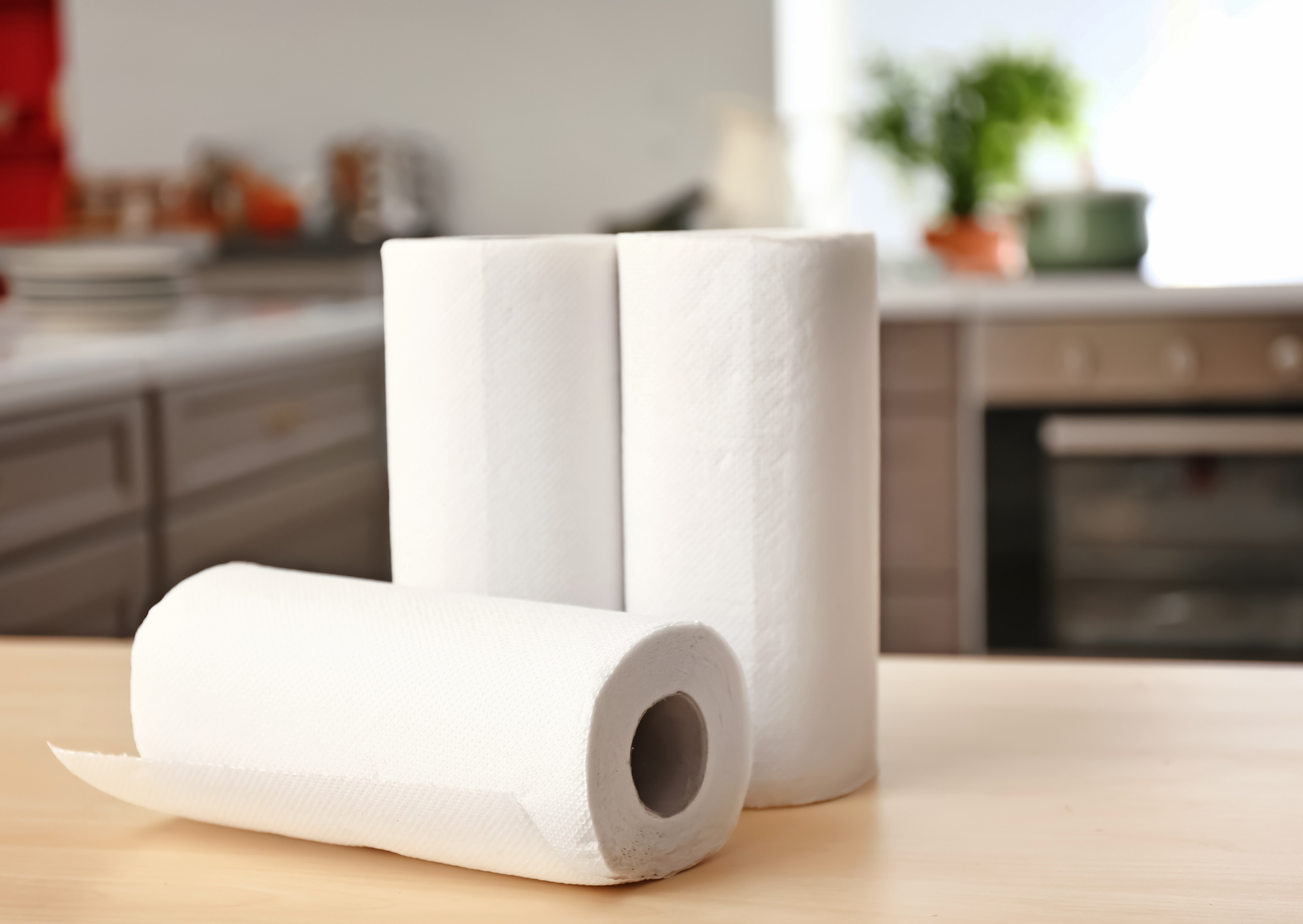
American homes often have multiple rolls of paper towels stocked in bulk. One for the kitchen, one for the garage, backups in the pantry.
In Europe, this is not common.
- Paper towels are used more sparingly.
- Cloth napkins and kitchen towels are standard.
- People clean with reusable cloths rather than reaching for paper every time.
Bulk packs of paper goods are bulky and expensive in smaller grocery stores. So people buy a roll or two at a time—just enough to use without overflowing the cabinet.
4. Meat and Poultry

In American households, stocking the freezer with family packs of chicken, steaks, or ground beef is a regular routine. Bulk stores like Sam’s Club and Costco thrive on it.
In Europe, people prefer to buy meat fresh.
- Butchers are still common and highly trusted.
- People buy what they need for one or two meals at a time.
- Freezers are often much smaller and not meant for long-term bulk storage.
Buying fresh daily is not seen as inefficient. It is seen as a sign of quality. Frozen chicken that lasts six months may be convenient, but it does not match the taste or standard many European cooks expect.
5. Snacks and Chips

Walk into any American pantry and you might find party-size chip bags, giant tubs of cheese puffs, or boxes of granola bars that come in 30-count packs.
Europeans snack too—but differently.
- Snack portions are smaller and less frequent.
- Fresh bread, cheese, or fruit is often preferred over packaged snacks.
- Storage space for snack stockpiling is limited.
Large snack purchases are mostly reserved for special events, not daily life. Europeans might buy a small bag of chips to share with friends at a park or beach—not to keep at home for weeks.
6. Condiments and Sauces

American refrigerators often contain supersized bottles of ketchup, mayo, salad dressing, and barbecue sauce. They are cost-effective, long-lasting, and perfect for families.
In Europe, condiments are bought smaller and used more selectively.
- Fridges are smaller, so shelf space is premium.
- Many sauces are made from scratch or bought fresh.
- There is less variety in brands and flavors, which limits how much people feel they need.
You will rarely find a European fridge with six types of salad dressing. A good olive oil and vinegar will usually do the job.
7. Laundry Detergent and Cleaning Products
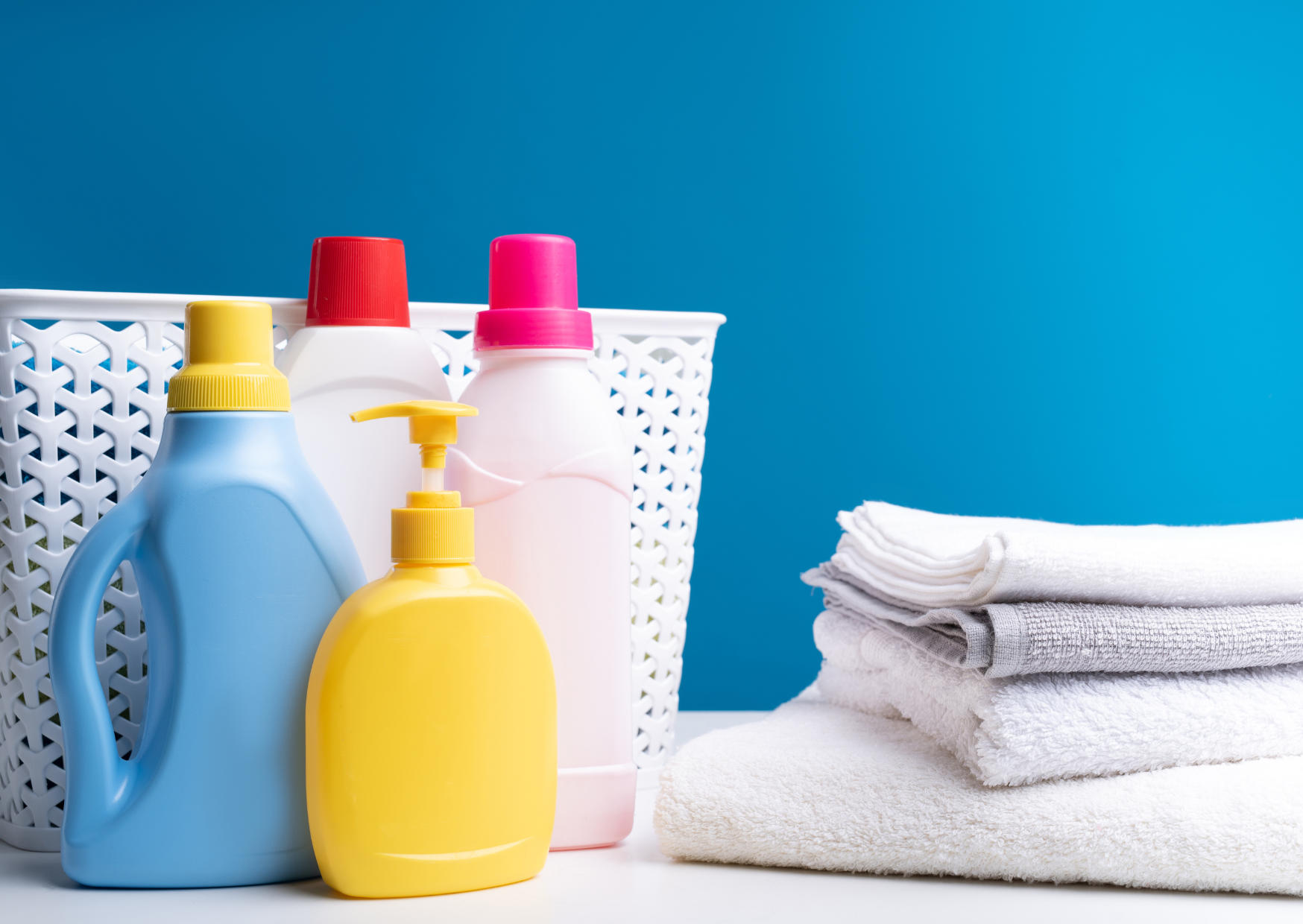
In the U.S., it is common to buy enormous jugs of detergent or multi-packs of disinfectant wipes. It is practical and cheaper long-term.
Europeans are more restrained in their cleaning supply storage.
- Packaging tends to be smaller by default.
- Products are concentrated and used in smaller amounts.
- People buy only what they need and return to the store when it runs out.
There is also less of a focus on “stocking up for emergencies.” Cleaning supplies are just another weekly item—not something to be hoarded or stored in bulk.
8. Cereal and Dry Goods
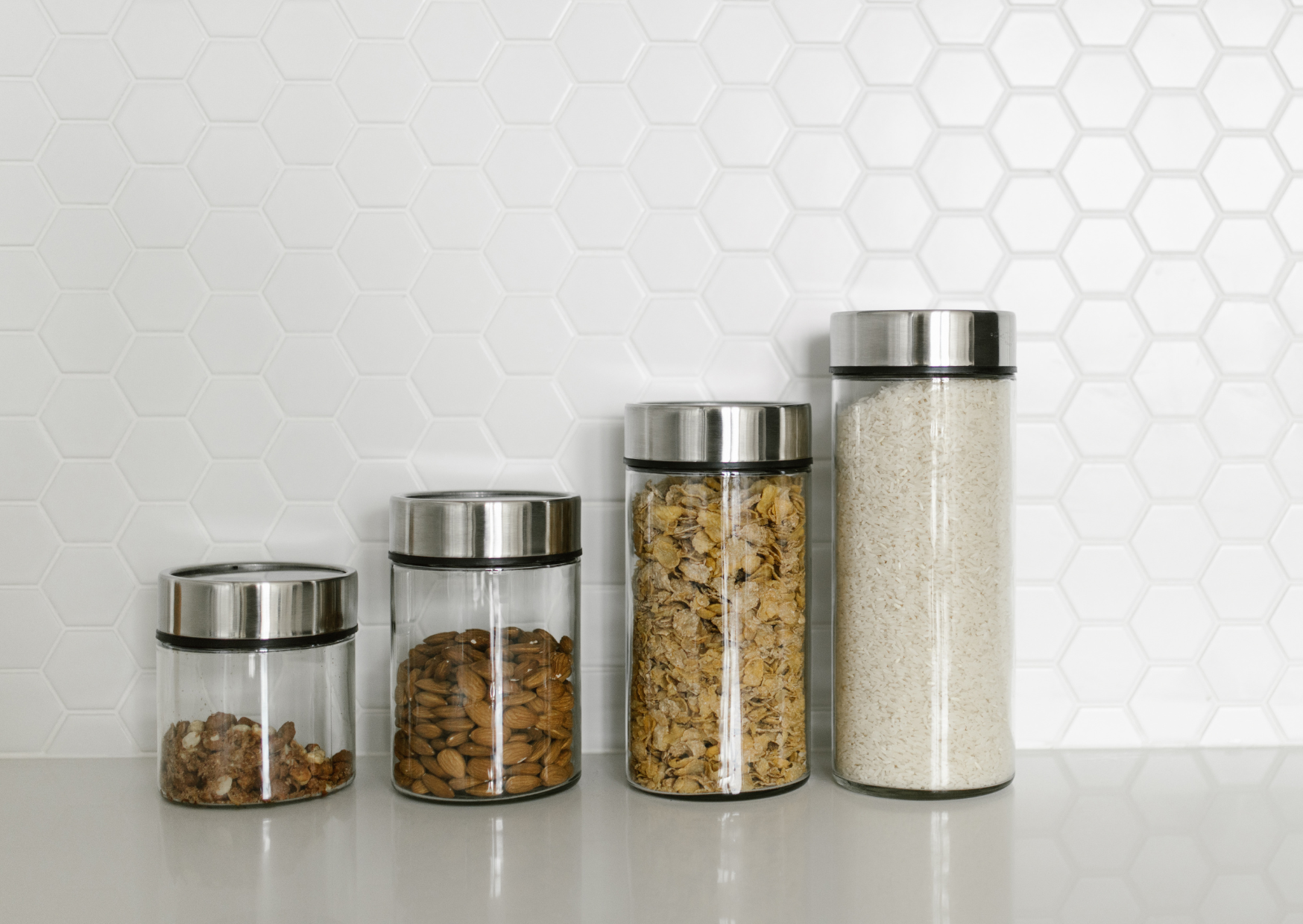
American homes often contain bulk boxes of cereal, oats, or rice stored in plastic bins or lined up on pantry shelves.
European kitchens do not operate that way.
- Cereal is usually bought in small boxes or not eaten at all.
- Dry goods are purchased in quantities that fit neatly into one or two containers.
- Bulk buying is not practical in stores where packaging is designed for small-scale shoppers.
This also reflects eating habits. Breakfast in Europe is often lighter—toast, fruit, or yogurt—not giant bowls of cereal requiring restocking every week.
9. Toiletries and Personal Care Products

American households often buy shampoo, toothpaste, razors, and lotion in multi-packs or family sizes. It makes sense when you shop once a month.
Europeans shop more often and buy what they need.
- Pharmacies and beauty stores are on nearly every corner.
- Products are smaller and often more expensive per ounce, but higher in quality.
- People buy fewer items at once and often stick with the essentials.
Storing five extra tubes of toothpaste or three family-sized bottles of body wash just does not align with the space or shopping rhythm in most European households.
Final Thought: Bulk Culture Reflects Bigger Differences
The difference between American and European shopping habits is not just about shelf size or storage space. It reflects deeper cultural habits:
- Americans value convenience and cost-saving at scale.
- Europeans prioritize freshness, quality, and space-saving minimalism.
- American stores are designed to encourage stocking up.
- European shops are designed to support frequent, focused visits.
Neither system is inherently better. But they create very different relationships with food, products, and even daily life.
If you have ever wondered why your European Airbnb has a tiny fridge, no pantry, and two rolls of toilet paper total, now you know—it is not a mistake. It is a mindset.
Understanding why Europeans avoid bulk buying isn’t about judging either side. It’s about seeing how environment, culture, and lifestyle shape everyday choices. What Americans see as smart and efficient simply doesn’t fit how many Europeans live. Smaller kitchens, smaller cars, and smaller living spaces all make bulk buying feel impractical instead of helpful.
Once you adapt to the rhythm of European shopping, you realize it actually feels pretty good. Picking up a fresh loaf of bread every morning or grabbing ingredients for dinner on the walk home becomes part of the travel experience. It slows you down in the best way and connects you more closely with local life.
The next time you’re in Europe, ditch the instinct to stock up. Embrace the local habit of buying just enough. Not only will you blend in better, you’ll also enjoy the food, the markets, and the day-to-day culture more deeply. And who knows—you might even bring a few of those habits back home.

About the Author: Ruben, co-founder of Gamintraveler.com since 2014, is a seasoned traveler from Spain who has explored over 100 countries since 2009. Known for his extensive travel adventures across South America, Europe, the US, Australia, New Zealand, Asia, and Africa, Ruben combines his passion for adventurous yet sustainable living with his love for cycling, highlighted by his remarkable 5-month bicycle journey from Spain to Norway. He currently resides in Spain, where he continues sharing his travel experiences with his partner, Rachel, and their son, Han.