
A candid, culture-rich guide for anyone considering a move to España.
Spain is one of the most popular destinations in the world for expats, remote workers, retirees, and students—and it’s easy to see why. From sun-drenched beaches and historic cities to affordable healthcare and a laid-back lifestyle, the country seems like a dream. But moving to Spain isn’t all siestas and sangria.
Living in Spain can be magical, but it’s not without challenges. It takes flexibility, patience, and a willingness to adapt to a different pace and structure. But for those who do, the reward is a lifestyle filled with warmth, beauty, and balance.
Whether you’re planning to stay for a few months or settle down permanently, here are the things no one really tells you about living in Spain—the good, the frustrating, and the wonderfully unexpected.
Read here best things to know before visiting Spain, Planning an Itinerary in Spain: 3 Days Madrid Itinerary and 4 Days Barcelona Itinerary
Quick Easy Tips
Get a gestor early: Spanish bureaucracy is complex. A local “gestor” can help you handle paperwork and legal tasks more smoothly than doing it solo.
Adapt to the rhythm: Dinner at 10 p.m. and long lunch breaks are normal. Don’t fight it — embrace the schedule shift.
Learn key phrases in Spanish: Even in major cities, you’ll need basic Spanish to navigate daily life, especially in government offices and local businesses.
One of the biggest culture shocks is how slowly things move. What feels like inefficiency to outsiders is simply the Spanish way — a laid-back, low-stress approach to life. Americans and Northern Europeans often struggle to adjust, feeling frustrated by what they interpret as delays or lack of urgency. But in Spain, relationships matter more than speed, and work rarely comes before life.
Another point of friction? Personal space and privacy. Spaniards are famously social and direct, often standing close in conversation, sharing opinions openly, and asking questions that may seem nosy to outsiders. This isn’t considered rude — it’s considered normal. Expect neighbors to know your routines and for strangers to comment on your groceries or your dog’s haircut.
Then there’s the infamous papeleo — the endless red tape that defines much of Spain’s administrative culture. From setting up a bank account to getting your health card, processes can be drawn out and confusing. While maddening at times, learning to navigate it with patience is part of integrating into Spanish life.
1. Time Has a Different Rhythm
Lunch is at 2–3 PM, dinner at 9–10 PM.
Many businesses close from 2–5 PM for siesta hours, especially in smaller towns.
Sundays? Don’t expect much to be open beyond cafés and restaurants.
Bureaucracy, repairs, and even doctor appointments tend to run on “Spanish time”—which is code for slower than you might expect.
Tip: Embrace the slower pace. Life in Spain isn’t meant to be rushed.
2. The Cost of Living Isn’t the Same Everywhere
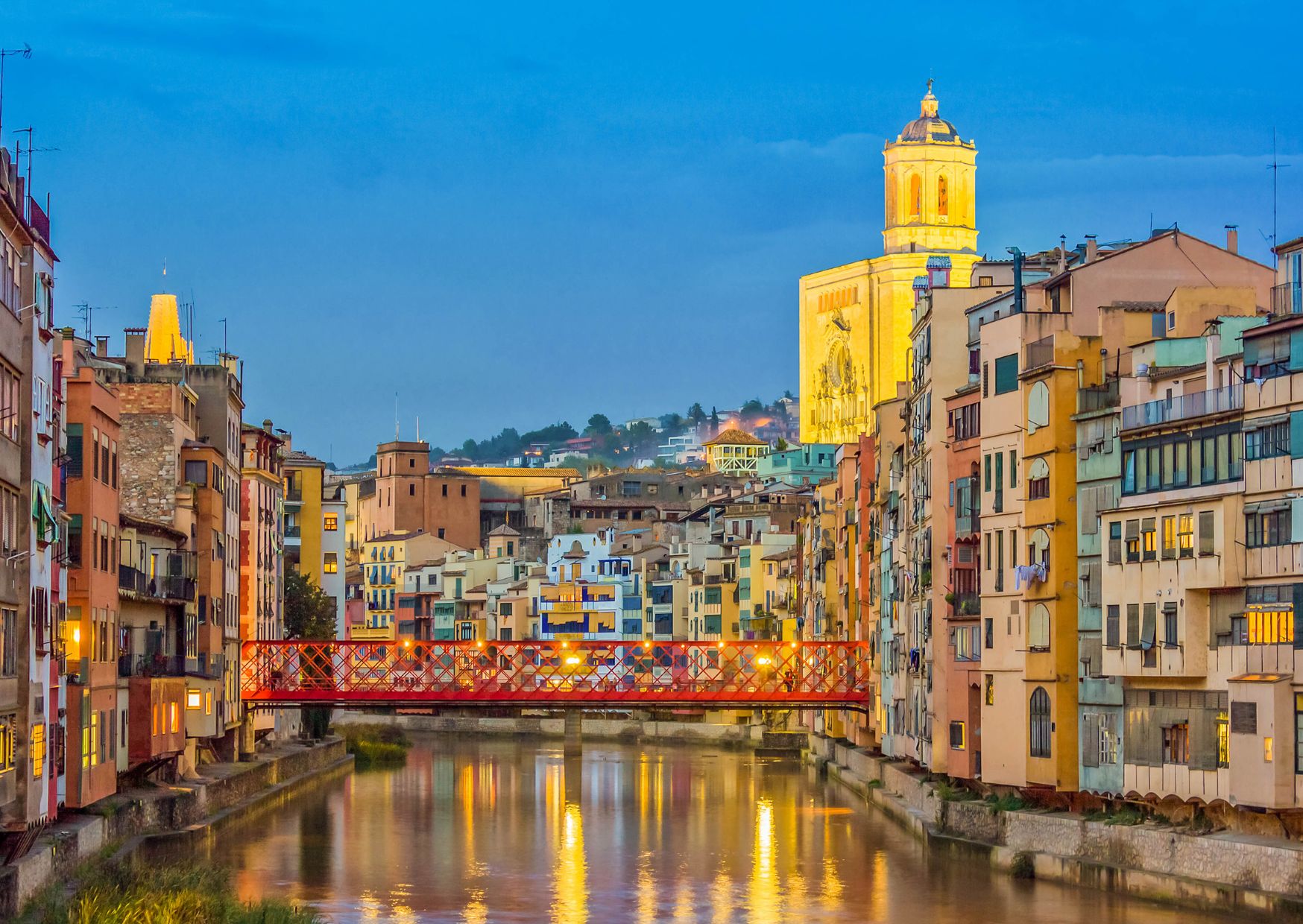
Spain is often described as “affordable”—but it depends where you live:
Madrid and Barcelona: Expensive rent, but great public transport and culture.
Valencia, Seville, Granada: Mid-range costs with high quality of life.
Smaller towns and rural areas: Incredibly affordable, but fewer services and English speakers.
Monthly budgets can range from €1,200 in a small town to €2,500+ in central Barcelona for a single person.
3. Spanish Isn’t the Only Language
Yes, Spanish (Castellano) is the official language—but Spain is home to regional languages that are widely spoken:
Catalan in Catalonia (Barcelona)
Basque in the Basque Country
Galician in Galicia
Valenciano in Valencia
While you can get by with Spanish, you’ll notice street signs, schools, and official forms in regional languages—especially outside major tourist areas.
Tip: Learn basic Spanish before you move, and be respectful of regional identities.
4. Bureaucracy Can Be… a Nightmare

You’ll need endless paperwork for visas, rentals, bank accounts, and registering with local town halls (empadronamiento). Often, no one gives you the full list of documents you’ll need until you’re missing one.
Examples:
Making an appointment at the extranjería (immigration office) can be tricky.
Bank staff may require proof of address, NIE number, and a Spanish phone number—none of which you may have yet.
Tip: Be patient, bring multiple copies of everything, and if possible, work with a local gestor (a private document assistant who understands the system).
5. Apartment Hunting Isn’t Always Easy

While prices are often lower than in the U.S. or UK, finding an apartment can still be a challenge:
Listings disappear quickly in cities.
Many rentals require proof of income, several months’ deposit, or even a local guarantor.
Apartments may come semi-furnished or lack central heating.
Tip: Use local sites like Idealista or Fotocasa, and try to visit listings in person. Know the difference between “calefacción” (heating) and “aire acondicionado” (AC)—many places don’t have both.
6. Dining Out Is a Lifestyle
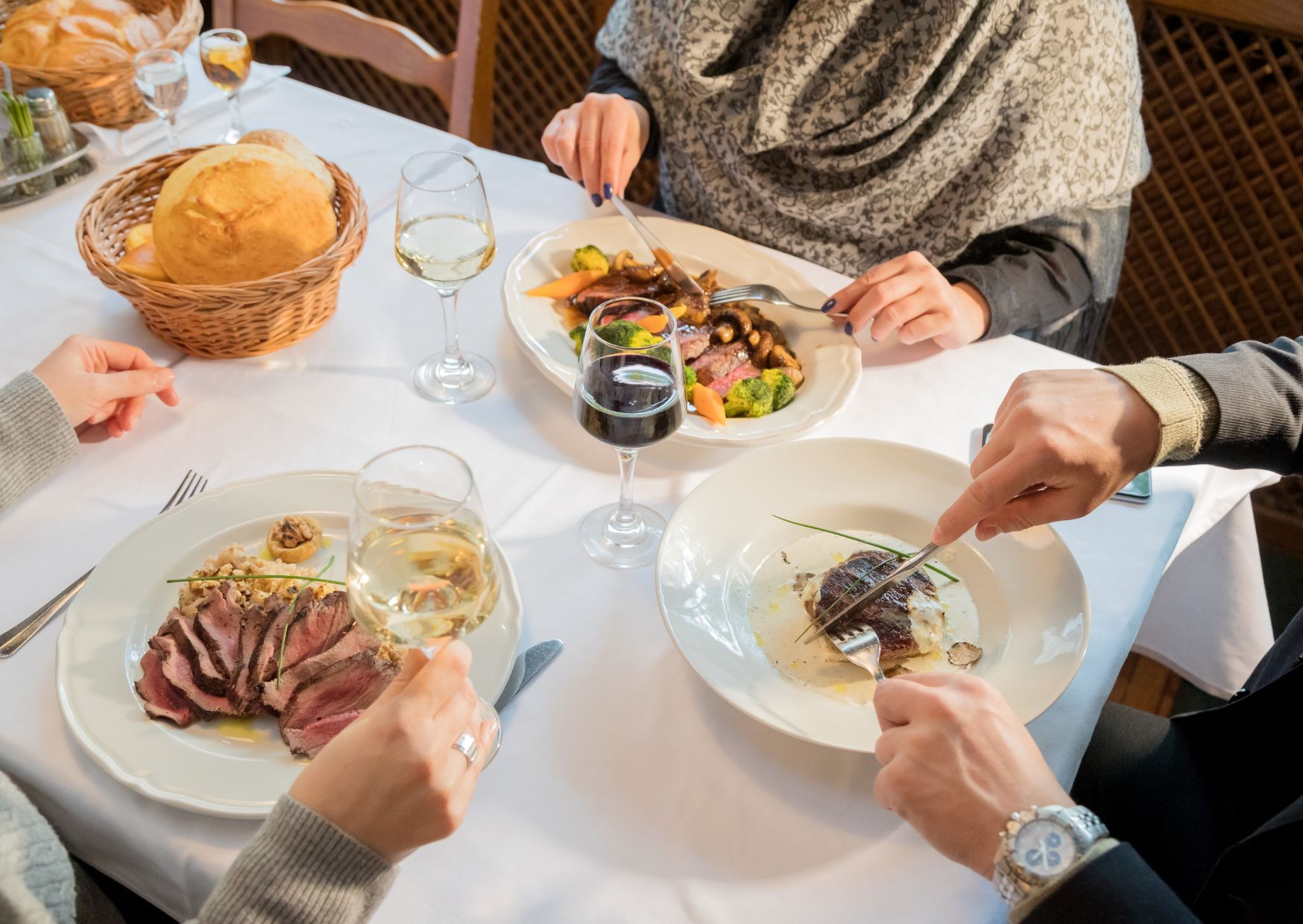
Spaniards love to eat out—and it’s refreshingly affordable:
Menú del día (weekday lunch menu): €10–15 for 2–3 courses, bread, and drink.
Tipping is optional and modest—5–10% max.
Bar culture is big. You can linger for hours over one drink.
But: Restaurants often don’t open for dinner until 8 PM or later, and kitchens may close mid-afternoon.
7. The Work-Life Balance is Real
Spaniards prioritize life over work. You’ll notice:
Long lunches and later evenings.
More public holidays than you’re used to.
Even in big cities, there’s a slower, social rhythm to the day.
Tip: If you’re a remote worker used to 24/7 hustle, Spain might help you rethink your relationship with time.
8. Healthcare Is Excellent (and Cheap)
Spain has one of the best public healthcare systems in Europe. If you’re a resident, you can register for free or low-cost public care.
Private insurance is also affordable—often under €100/month.
Pharmacies are well-stocked and can treat basic ailments.
Tip: Learn the system: you’ll need to register with a local GP (médico de cabecera) and bring your health card (tarjeta sanitaria) to appointments.
9. Yes, It’s Sunny—But Not Everywhere
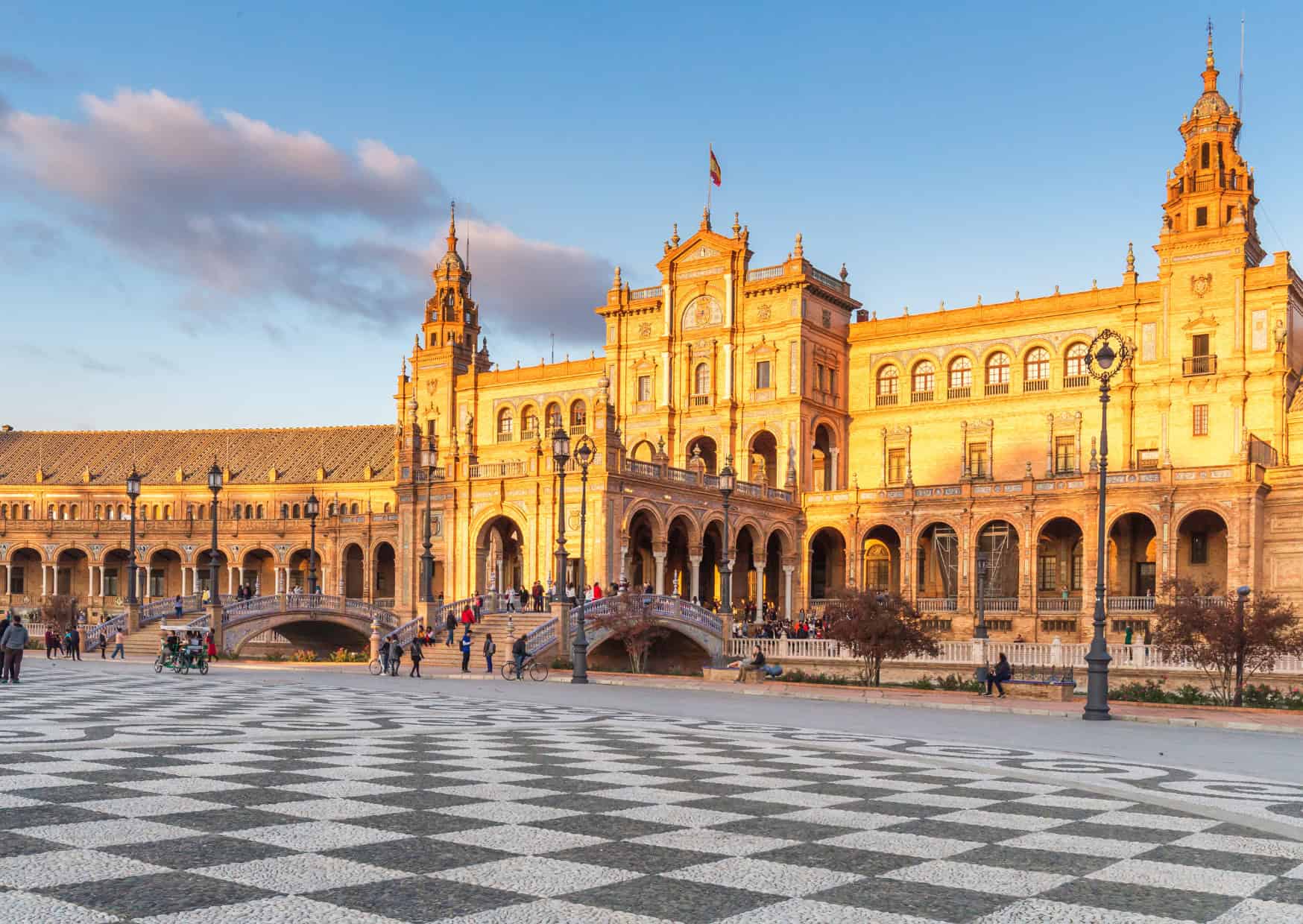
Spain has multiple climates:
Southern Spain (Andalusia): dry, hot, sunny—sometimes unbearably so in summer.
Northern Spain (Basque Country, Galicia): cooler, rainier, green.
Central Spain (Madrid): high heat in summer, cold winters.
Tip: If you’re not a fan of extreme heat, coastal or northern cities may suit you better than places like Seville or Córdoba.
10. Public Transport Is Excellent (and Affordable)
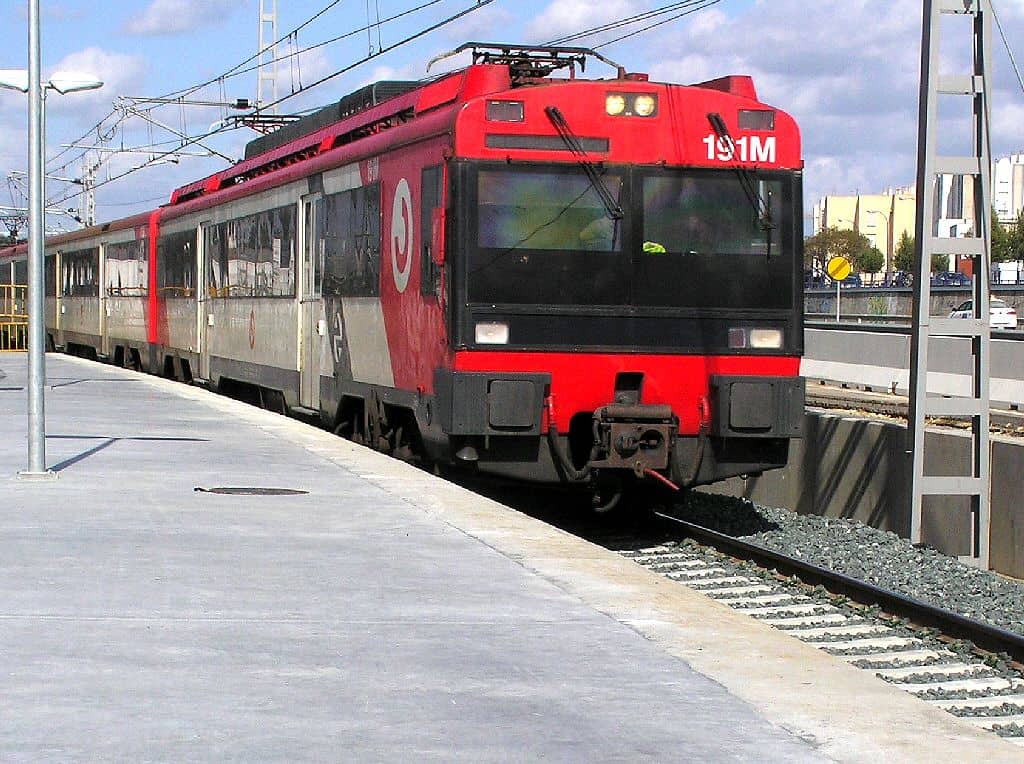
Spain has one of the best rail systems in Europe:
High-speed AVE trains connect Madrid, Barcelona, Seville, Valencia, etc.
Metro systems in cities are clean, safe, and efficient.
Buses connect small towns reliably and cheaply.
Monthly passes for public transport often cost under €40–50.
11. People Are Friendly, But It Takes Time

Spaniards are warm, talkative, and social—but they often have close-knit circles. It can take time to break in.
Don’t be offended if friendships take a while to develop.
Learning Spanish is key to integrating into everyday life.
Socializing often revolves around food, drinks, and community events.
Tip: Join language exchanges, classes, or local meetups. Be patient and consistent.
12. The Festivities Never Stop

Spain is a country of fairs, fiestas, and processions. Every region has unique celebrations—from Semana Santa in Seville to Las Fallas in Valencia.
Tip: Plan your travel around festivals—you’ll experience local pride, food, music, and street life like nowhere else.
Final Thoughts
Living in Spain is not without its challenges, but those who adapt often find themselves falling deeply in love with the country’s relaxed pace, strong community values, and enviable work-life balance. The very things that frustrate you in your first six months might be the things you defend passionately after your first year.
What no one tells you is how much you’ll change in the process. You’ll learn to slow down, to make space for afternoon coffee, to celebrate even the smallest of daily joys. Spain doesn’t just offer a new location — it offers a new mindset.
So if you’re planning to move to Spain, go in with open eyes, a flexible attitude, and a willingness to unlearn some of what you thought you knew. The experience won’t be perfect — but it will be worth it.

About the Author: Ruben, co-founder of Gamintraveler.com since 2014, is a seasoned traveler from Spain who has explored over 100 countries since 2009. Known for his extensive travel adventures across South America, Europe, the US, Australia, New Zealand, Asia, and Africa, Ruben combines his passion for adventurous yet sustainable living with his love for cycling, highlighted by his remarkable 5-month bicycle journey from Spain to Norway. He currently resides in Spain, where he continues sharing his travel experiences with his partner, Rachel, and their son, Han.