
The Big Question
You arrive in Spain, ready to soak up tapas, late dinners, and fiery fiestas. The people are polite enough, but you can’t seem to really break into their social circles. Americans—used to quick “buddying up” with new acquaintances—find themselves hitting a wall with Spaniards who remain friendly but somewhat distant. Why does it seem so hard to become more than casual acquaintances in Spain? Below are 7 reasons it might feel that way—and hints on how to bond beyond “Hola, ¿qué tal?”
Looking for More Insights?
– 7 Ways You’re Insulting Europeans Without Even Realizing It
– They Don’t Work 24/7: 5 Vacation Customs in Europe That Drive Americans Crazy
Quick Easy Tips
Show up consistently; Spaniards warm to people who stick around.
Keep conversations relaxed and light early on.
Join local hobbies, classes, or clubs where friendships form naturally.
A lot of travelers assume Spanish people are instantly social and wildly outgoing with everyone, but that’s only half the story. Yes, Spaniards are warm, expressive, and talkative, but genuine friendship takes time. Outsiders often misinterpret the friendly surface-level interactions as an invitation to fast-track intimacy. In reality, Spaniards draw a clear line between being pleasant and being personally close, and they don’t blur that line easily.
Another big misunderstanding comes from cultural pace. Americans tend to open up quickly, sharing details about their life in the first conversation. Spaniards find that intensity strange. They value slow-build relationships where trust forms naturally through repeated interactions over weeks or months. When foreigners rush the process, locals might quietly step back—not because they dislike you, but because it feels emotionally overwhelming or premature.
There’s also the issue of group loyalty. Spanish social circles are often built over years: school friends, university friends, neighborhood friends, and extended family. These groups are tight-knit and stable. They don’t exclude newcomers on purpose, but they don’t disrupt the core group easily either. Tourists often feel iced out simply because Spanish social life relies heavily on longevity, not instant connection.
1. They Already Have Long-Standing Friend Circles
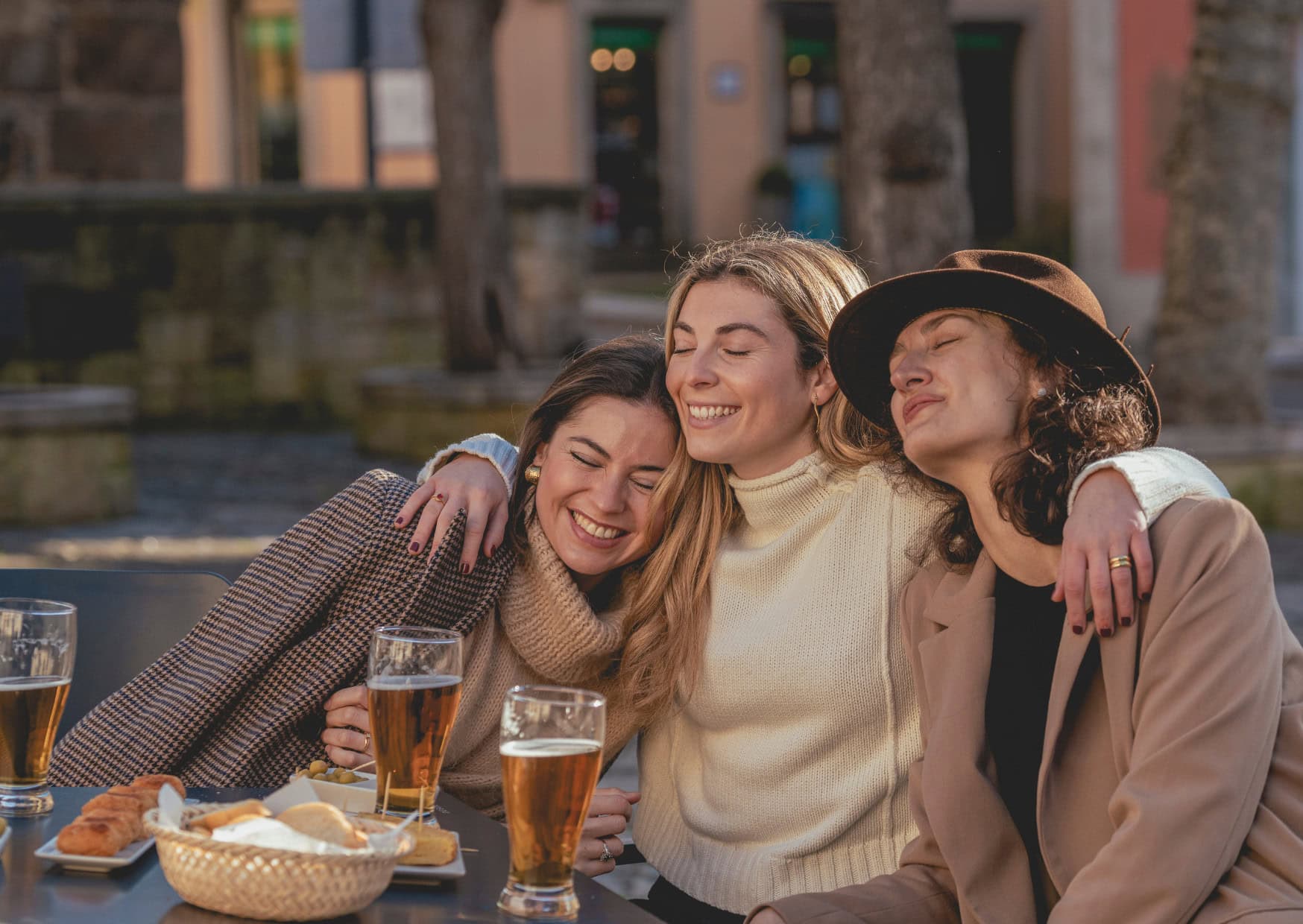
Why Americans Feel Left Out
In many parts of the U.S., people move around frequently—colleges, job relocations—so forming new friendships is quick. In Spain, folks often stay close to their hometown or college circle well into adulthood. Their lifelong friends date back to childhood, so they might not be actively seeking new additions.
How Spaniards Actually See It
- Tight bonds: They rely on amigos de siempre (friends forever) with whom they share family connections or decades of memories.
- Less transitory: They’re not used to large friend churn. They see no immediate need to replace or expand their group.
- Stable routine: The same weekend meet-ups, same group dinners, same chat group—it’s comfortable.
How to Break Through
- Recognize that friendship circles might be less fluid. Don’t rush or push.
- Join shared interest groups—sports, dance classes, cooking workshops—where they see you regularly. Over time, you become part of the “familiar faces.”
- Understand it’s not personal. They’re just not in the habit of adding new besties overnight.
Bottom Line
Yes, it can feel like there’s a “closed circle.” But with patience and consistent presence in their activities, you can slip into that circle—just not instantly.
2. Reserved at First, Not Cold

Why Americans Misread
Americans interpret warm as big smiles, immediate hugs, “let’s hang out tomorrow!” Spaniards can appear more reserved with new people—handshakes or maybe a quick cheek-kiss if introduced by a friend, but not full-blown confessions of personal details. This perceived “aloofness” can throw Americans off.
How Spaniards Actually See It
- Cordial but cautious: They greet with polite kisses or handshakes but might keep personal space in conversation.
- Genuine closeness develops once they trust you. They’d rather not overshare at the start.
- Space & boundaries in initial interactions are normal, not a sign of disinterest.
How to Break Through
- Don’t interpret neutral or less expressive interactions as rudeness. They’re just getting to know you.
- Keep showing up—regular presence fosters comfort. Over time, you’ll see them open up more authentically.
- Mirror their pace: a friendly but not overly intrusive approach.
Bottom Line
Yes, Americans might want that immediate buddy vibe. But for Spaniards, authenticity grows gradually—less about forced cheer, more about genuine step-by-step familiarity.
3. Language Flexibility Isn’t Automatic

Why Americans Struggle
Some Americans assume everyone in Spain speaks good English—especially in big cities. But while many do speak some English, real comfort zones remain Spanish (Castellano) or local dialects (Catalan, Galician, etc.). They might be hesitant to jump into full English conversations beyond basics.
How Spaniards Actually See It
- If your Spanish is limited, they appreciate the attempt, but might not switch to English unless they’re confident.
- Many prefer Spanish in day-to-day chats. Using English exclusively can create a language barrier.
- No ill intent—just a natural comfort in their mother tongue, especially for deep social talk.
How to Break Through
- Learn basic Spanish—even intermediate efforts show you care.
- If they speak partial English, meet them halfway: do a bilingual mix, or gentle Spanish phrases so they don’t feel forced to do all the heavy lifting.
- Don’t let language frustration hamper budding friendships—laugh at mistakes, keep trying.
Bottom Line
Yes, Americans might find it awkward. But bridging the language gap is a huge step to real friendships. Show dedication to Spanish, and locals see you as sincere, not just a passing tourist.
4. Late Meal & Nighttime Schedules
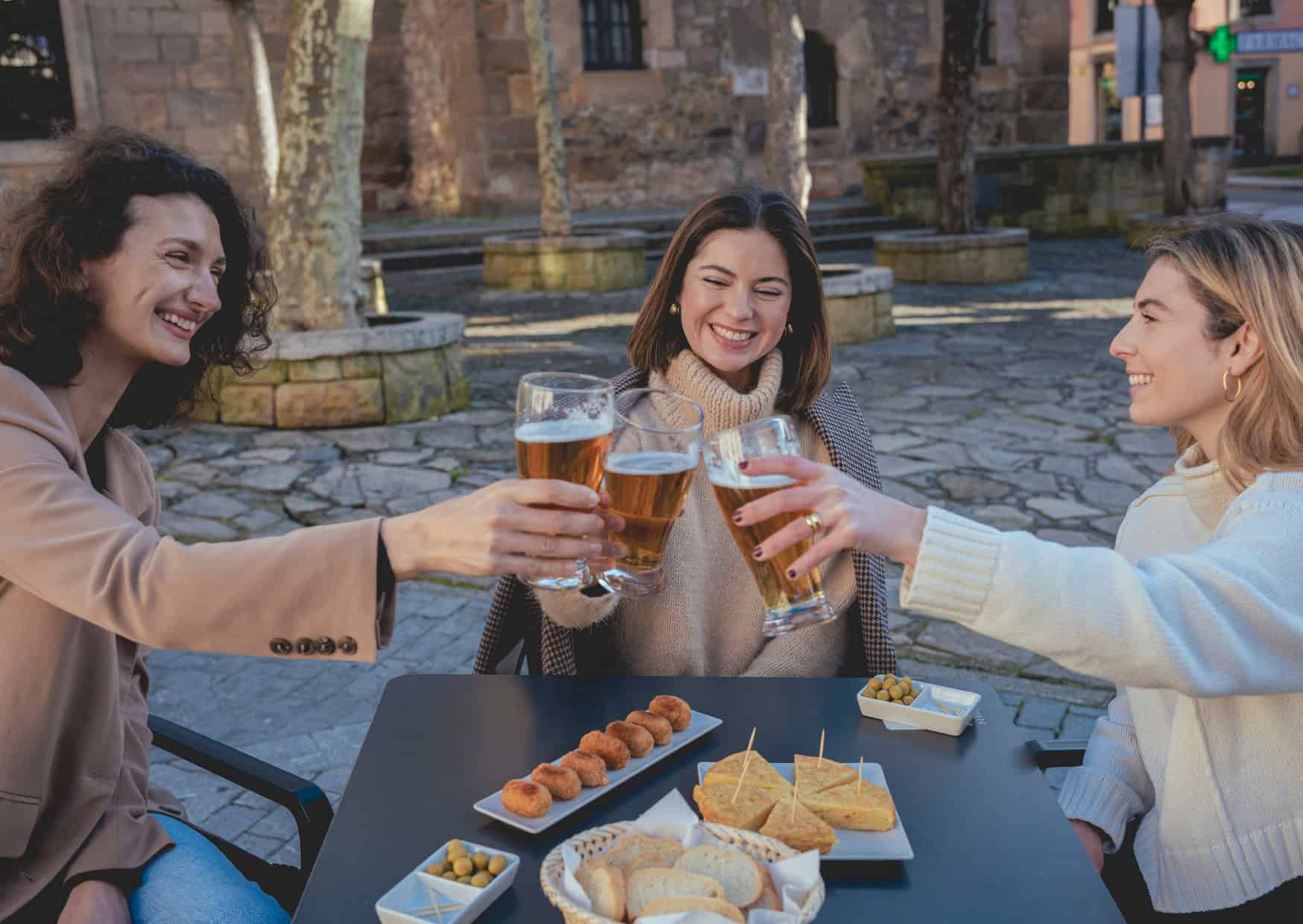
Why Americans Are Disconnected
Social life in Spain can start at 9 or 10 PM dinners, with gatherings continuing well past midnight. Americans used to 6 PM dinners might skip these late invites, inadvertently missing the prime social window. This mismatch kills momentum for forming friendships.
How Spaniards Actually See It
- Dinner at 9 or 10 PM is standard—post-work drinks or tapas push everything later.
- Weekend nights often begin at 11 PM or midnight for going out—morning events are rarer.
- “Our bedtime is your bedtime plus 3 hours”—that creates a cultural gap if you’re not flexible.
How to Break Through
- Adjust your schedule if you want deeper social ties—maybe take a siesta if needed to handle late dinners.
- Accept invites to post-dinner gatherings or weekend parties starting at 11 PM.
- Plan next-day chores accordingly—no early morning errands if you’re out until 2 AM.
Bottom Line
Yes, Americans might balk at 10 PM dinners, but that’s when Spanish social life blossoms. Adapt or expect missed opportunities to bond.
5. Personal Questions May Come Later

Why Americans Misinterpret
In the U.S., small talk quickly delves into “What do you do?” “Where do you live?” “Tell me about your family.” Spaniards might keep personal details private initially, seeing direct questioning as intrusive.
How Spaniards Actually See It
- Personal life is shared once you’ve established trust, not in the first five minutes.
- They might prefer group chatter about general topics—current events, football (soccer), pop culture—before personal histories.
- Once you’re considered a friend, they can be quite open, but it’s timed with closeness, not casual curiosity.
How to Break Through
- Start with neutral topics—food, local festivals, maybe sports. Let them volunteer personal stuff when comfortable.
- Avoid rapid-fire personal queries like “Where do your parents live? Are you married?” etc. in the first meet.
- If they sense genuine interest, they’ll eventually share. Don’t push.
Bottom Line
Yes, Americans love direct personal talk. In Spain, a more organic approach helps. Don’t interpret reluctance to share everything as coldness.
6. They’re Loyal to Hometown & Family Over Newcomers
Why Americans Struggle
Americans relocating to Spain might expect new local friends to invite them to everything—family gatherings, local festivals—but Spanish people often prioritize their longstanding hometown ties and close relatives. Americans might feel left out of big extended family events or local traditions.
How Spaniards Actually See It
- Family is huge—weekend lunches, special events, generational meetups.
- Town or region loyalty fosters a sense of “We’ve known each other forever.”
- Inviting a brand-new acquaintance to intimate family traditions might be unusual or come only after a lot of trust is built.
How to Break Through
- Respect that you might not see the intimate family side for a while.
- Show genuine interest in local festivals or sports events—volunteer to help or attend communal gatherings.
- Over time, if they see your sincere enthusiasm, they might integrate you into some traditions.
Bottom Line
Yes, it can feel isolating if you’re used to quick “come join my family barbecue.” Spaniards hold such gatherings dear, so they prefer to introduce newcomers gradually.
7. Less “Hang Out” Culture, More Planned Meetups
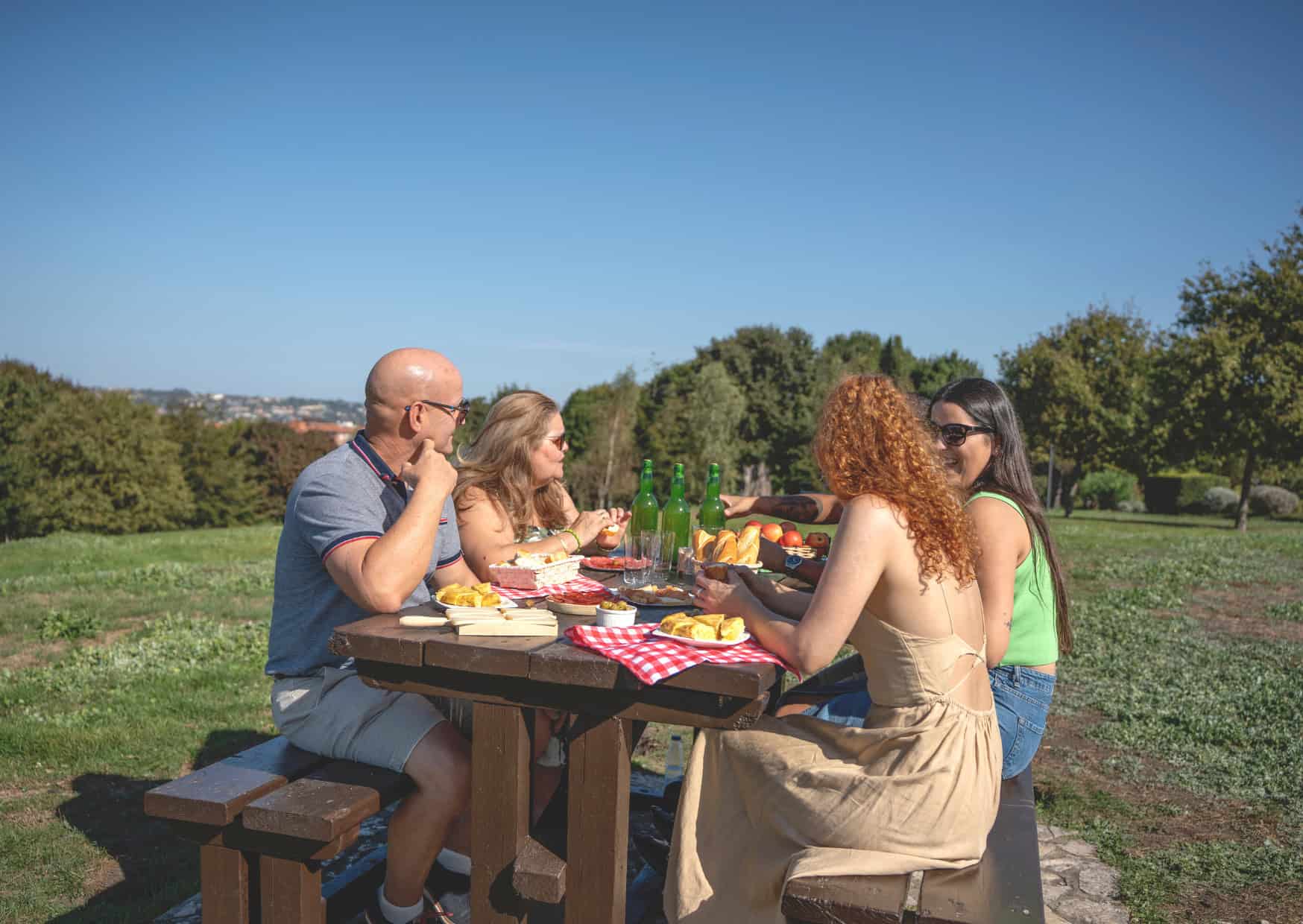
Why Americans Are Surprised
Americans might spontaneously text “Hey, want to hang out tonight?” Spaniards often plan social outings days in advance, especially if it involves multiple people. Or they have a set weekly routine—like Thursday tapas, Saturday nightclub, Sunday family lunch—less random drop-ins.
How Spaniards Do It
- Structured invites: They confirm time, place, who’s coming. They want everyone’s schedule aligned.
- People might prefer fewer but more meaningful meetups, not daily casual “hangouts.”
- Weekdays can be busy; social outings often cluster on weekends or specific nights.
How to Adapt
- Don’t expect last-minute invites—be proactive about planning a few days ahead.
- Show that you value their time by scheduling in advance. This demonstrates you’re serious, not just passing the time.
- If they have their weekly routines, ask politely if you can join occasionally—once they say yes, you’re in.
Bottom Line
Yes, Americans love spontaneous hangouts. In Spain, scheduling is a sign of respect for everyone’s routine. Adjust, plan early, and watch your social calendar fill up eventually.
Conclusion: Yes, They’re Friendly—Just in Their Own Way
From existing lifelong circles to modest personal boundaries in conversation, Spaniards aren’t cold or anti-foreigner. They simply approach friendship with a slower, deeper build. Learn some Spanish, adapt to late dinners, respect their close family ties, and don’t over-ask personal questions right away. Over time, you’ll see them open up, share laughs, and maybe invite you to local festivities. If you’re patient and consistent, you’ll find Spanish friendships can be incredibly warm and lasting—just not instant.
If it feels like Spanish people aren’t befriending you quickly, it’s not rejection—it’s just a cultural rhythm that moves slower than what many foreigners expect. Friendship in Spain isn’t built through intense conversation or giving personal details early on. It’s built by repetition: seeing the same people, sharing small moments, and easing into trust. Once you understand that, the behavior makes a whole lot more sense.
When the connection does finally happen, Spanish friendships run deeper than many people are used to. These aren’t casual acquaintances who disappear after a few outings. Spanish friends show up for you, include you in family events, and stay loyal for years. But that closeness is earned, not granted on day one. Expecting immediate belonging sets people up for disappointment; respecting the slow build brings much better results.
The secret is simple: give the culture time. Don’t force conversations, don’t push for inclusion, and don’t assume a lack of warmth means a lack of interest. Spaniards may take longer to invite you in, but once they do, you become part of something real. If you want, I can also help you write a list of the most common mistakes travelers make when trying to make Spanish friends.
Pro Tip
Before concluding that “Spanish people won’t be my friend,” remember cultural differences. Show genuine curiosity—try local language, meet them on their schedule, don’t push for immediate closeness. Friendship in Spain is like a slow-cooked paella: it takes time to develop full flavor, but the result is truly satisfying. ¡Suerte! (Good luck!)

About the Author: Ruben, co-founder of Gamintraveler.com since 2014, is a seasoned traveler from Spain who has explored over 100 countries since 2009. Known for his extensive travel adventures across South America, Europe, the US, Australia, New Zealand, Asia, and Africa, Ruben combines his passion for adventurous yet sustainable living with his love for cycling, highlighted by his remarkable 5-month bicycle journey from Spain to Norway. He currently resides in Spain, where he continues sharing his travel experiences with his partner, Rachel, and their son, Han.