
Vietnamese cuisine is a perfect balance of bold flavors, fresh ingredients, and vibrant textures — and nowhere is this more evident than in its dinner dishes. From steaming bowls of aromatic pho to sizzling plates of lemongrass chicken, Vietnamese dinners capture the heart of a culinary tradition that’s both comforting and bursting with life. Every meal feels like a celebration of balance: sweet, sour, salty, spicy, and umami all coming together in harmony.
What sets Vietnamese dinners apart is their approach to freshness and simplicity. Unlike heavy, sauce-laden meals, Vietnamese dishes rely on fresh herbs, light broths, and minimal oil, making them as nourishing as they are flavorful. Meals are often designed to be shared, creating a communal dining experience that emphasizes connection and variety — whether at home or in bustling street food stalls.
In this recipe guide, you’ll discover ten of the most popular dinner dishes from Vietnam, complete with simple recipes you can recreate in your own kitchen. Whether you’re new to Vietnamese cooking or looking to expand your culinary horizons, these dishes offer an authentic taste of Vietnam’s rich food culture — right at your dinner table.
Read here best Vietnamese Breakfast, 40 Vietnam Travel Tips and Best Things to Do in Vietnam
BOOK YOUR TRAVEL INSURANCE
Two of our favorite travel insurance: Heymondo Vs Safetwing cheapest travel Insurance. You can get for $135 USD your Heymondo Travel Insurance with Heymondo discount code valid for 90 days. Read our full comparison of Genki vs Safetywing Travel Insurance Review and the comparison Heymondo vs Genki
Tips for Making Vietnamese Dinners
Essential herbs like cilantro, mint, and Thai basil are key to authentic flavors.
Achieving the right balance of sweet, sour, salty, and spicy is crucial in Vietnamese cuisine.
Most dishes are paired with steamed jasmine rice or vermicelli noodles for a complete meal.
Vietnamese dishes often require quick cooking, so prepare everything before you start.
This versatile dipping sauce complements many dishes and can be easily made with fish sauce, lime juice, sugar, and chili.
Best Time to Eat & How to Partner These Dishes
Vietnamese dinners are traditionally enjoyed as part of a family-style evening meal, where a variety of dishes are shared among diners. Meals often include a mix of soups, stir-fried dishes, grilled meats, and fresh vegetable sides, making dinner both a time to nourish and connect. These dinners are light enough for daily meals but packed with enough flavor for special occasions.
Pair hearty dishes like pho bo (beef noodle soup) or bun thit nuong (grilled pork vermicelli) with fresh herbs, pickled vegetables, and a side of steamed jasmine rice. For drinks, Vietnamese iced tea or a cold lager complements the bright, fresh flavors without overpowering the meal. Fresh-cut fruit, often served as a light dessert, rounds out the dining experience.
If you’re hosting a Vietnamese-inspired dinner at home, consider offering a mix of textures and temperatures — like a warming soup alongside a crunchy salad or grilled skewers. This mirrors the traditional Vietnamese dining experience, where balance and variety are key to every meal.
One common misconception is that Vietnamese food is simply a lighter version of Chinese cuisine, when in fact, it has a distinct identity shaped by centuries of cultural influence, geography, and local traditions. Vietnamese dishes emphasize freshness, minimal oil, and bold, clear flavors — setting them apart from their regional neighbors.
Another misunderstanding is that Vietnamese dinners are all about pho, thanks to its global popularity. While pho is undeniably iconic, the everyday dinners enjoyed in Vietnamese homes are much more diverse — from caramelized clay pot fish to lemongrass chicken and savory pancakes like banh xeo. Focusing only on pho misses the rich variety Vietnamese cuisine offers.
And perhaps most surprising: many believe that Vietnamese dishes require exotic ingredients that are hard to find. In reality, many recipes use accessible pantry staples like fish sauce, rice noodles, fresh herbs, and lime, making Vietnamese cooking approachable for home chefs everywhere. The real magic comes from how these simple ingredients are combined — a culinary tradition based on creativity, not complexity.
Most Popular Dinners in Vietnam
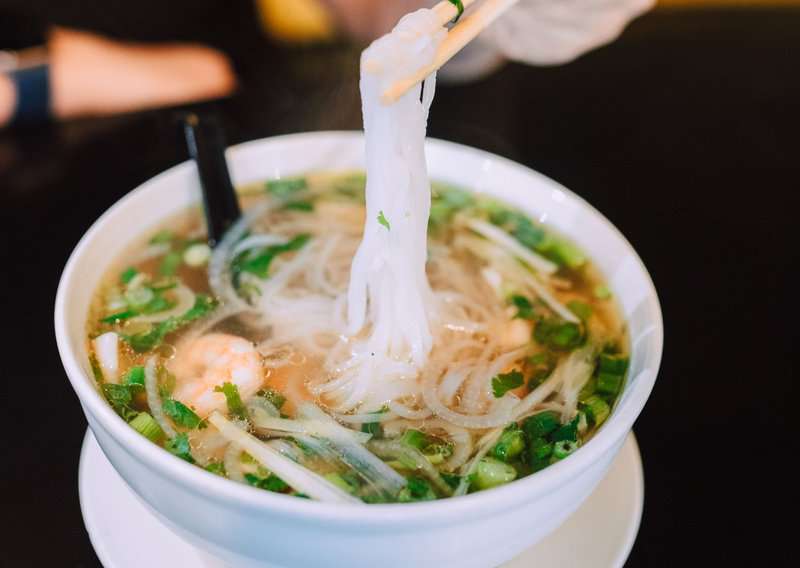
1. Phở (Vietnamese Noodle Soup)
Why It’s Popular:
A comforting and aromatic soup made with rice noodles, beef or chicken, and a flavorful broth.
Ingredients:
Beef bones or chicken, rice noodles, star anise, cloves, cinnamon, ginger, fish sauce, green onions, cilantro, lime.
Simmer bones or chicken with spices to create a rich broth. Cook rice noodles and add to a bowl with meat and toppings.
Pour the hot broth over and garnish with herbs and lime.
Calories: ~350–450 kcal per bowl.
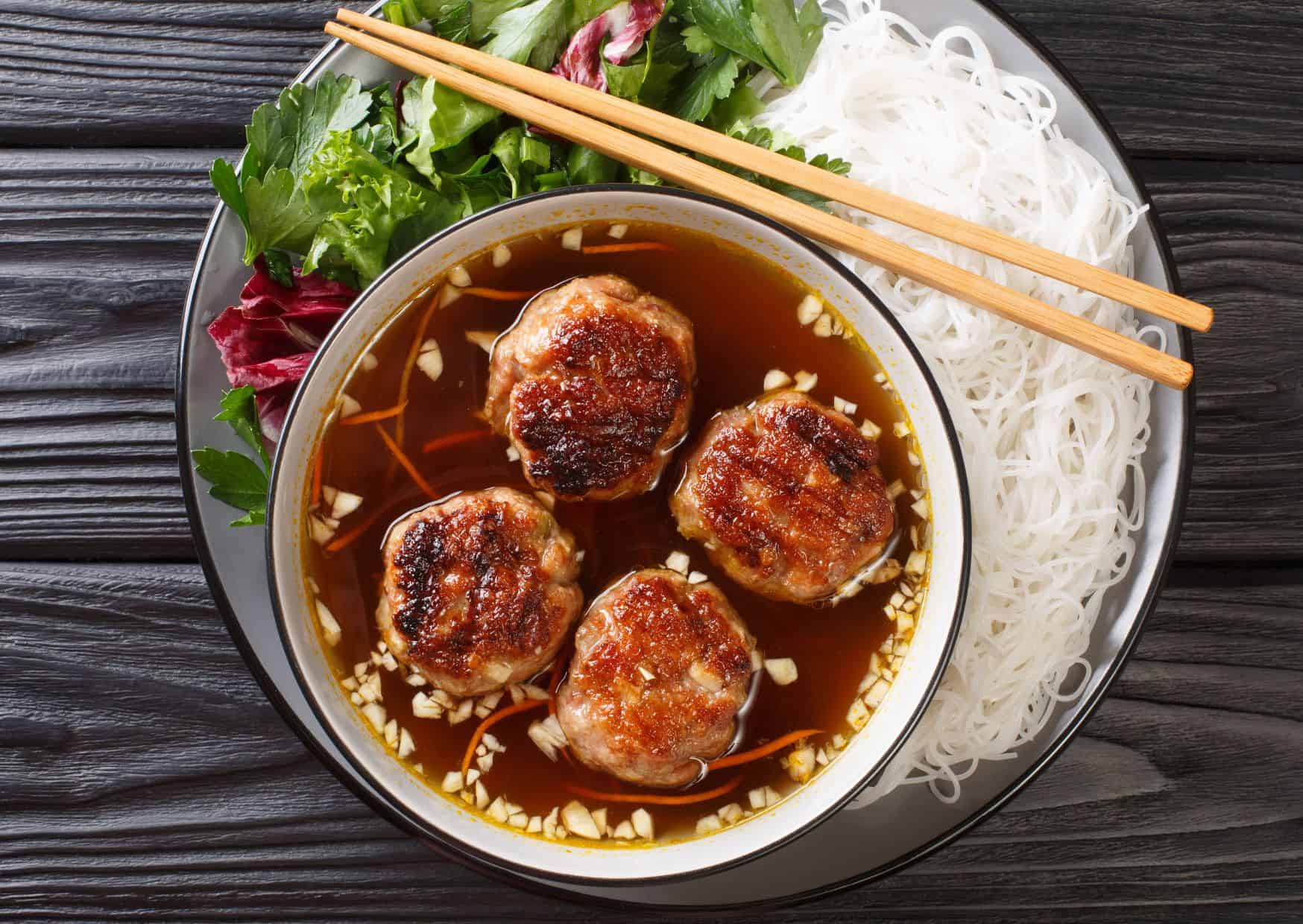
2. Bún Chả (Grilled Pork with Noodles)
Why It’s Popular:
A Hanoi specialty featuring grilled pork patties served with vermicelli noodles, fresh herbs, and a tangy dipping sauce.
Ingredients:
Ground pork, fish sauce, sugar, garlic, vermicelli noodles, lettuce, herbs, nuoc cham (dipping sauce).
Mix pork with seasonings, form into patties, and grill. Serve with vermicelli noodles, herbs, and nuoc cham.
Calories: ~400–500 kcal per serving.
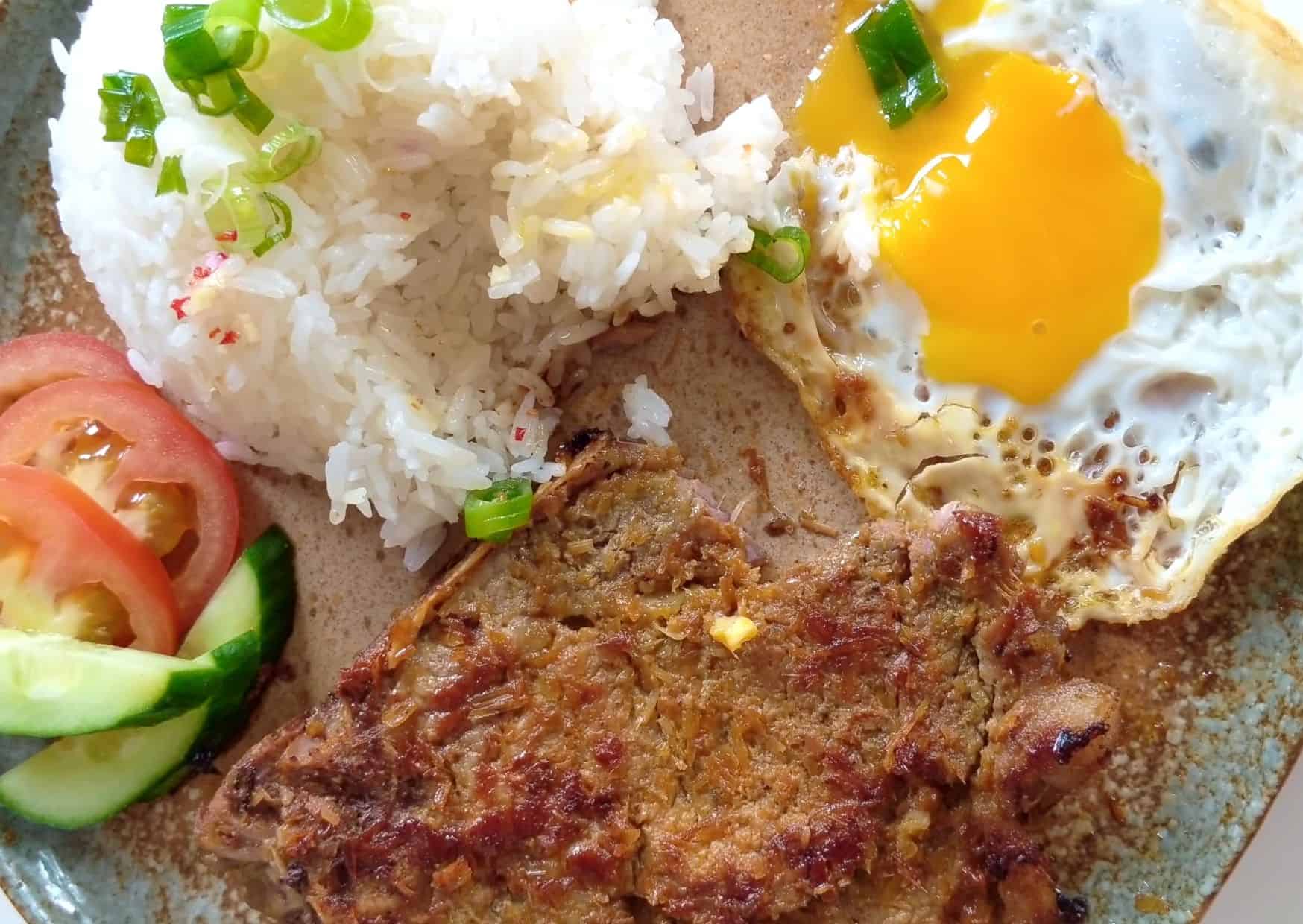
3. Cơm Tấm (Broken Rice)
Why It’s Popular:
A popular street food dish made with broken rice, grilled pork, and a fried egg, often topped with pickled vegetables.
Ingredients:
Broken rice, pork chops, fish sauce, sugar, garlic, pickled carrots, cucumbers, fried egg.
How to Make It:
Marinate and grill pork chops until tender. Serve over cooked broken rice with pickles and a fried egg. Drizzle with nuoc cham for added flavor.
Calories: ~500–600 kcal per serving.
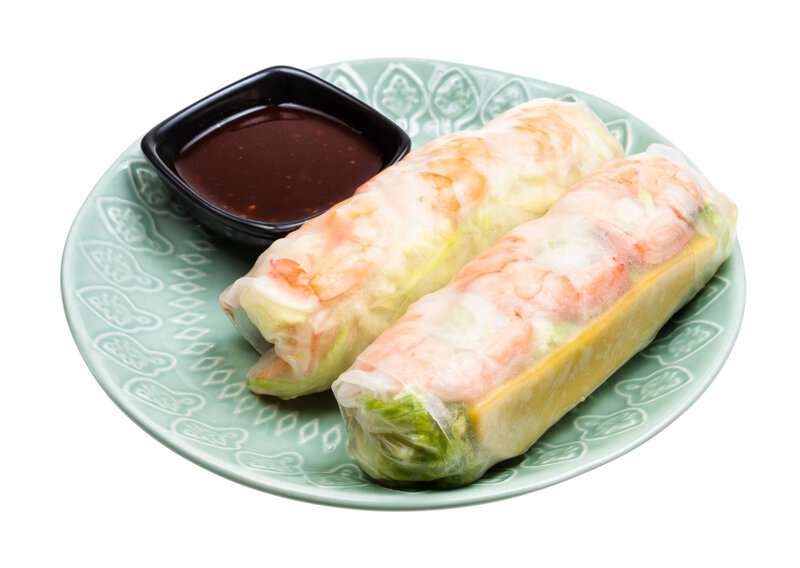
4. Gỏi Cuốn (Fresh Spring Rolls)
Why It’s Popular:
Light and refreshing rolls made with rice paper, shrimp or pork, and fresh vegetables.
Ingredients:
Rice paper, shrimp or pork, vermicelli noodles, lettuce, mint, peanut sauce.
Soften rice paper in water. Fill with shrimp, noodles, lettuce, and herbs, then roll tightly. Serve with peanut dipping sauce.
Calories: ~150–200 kcal per roll.
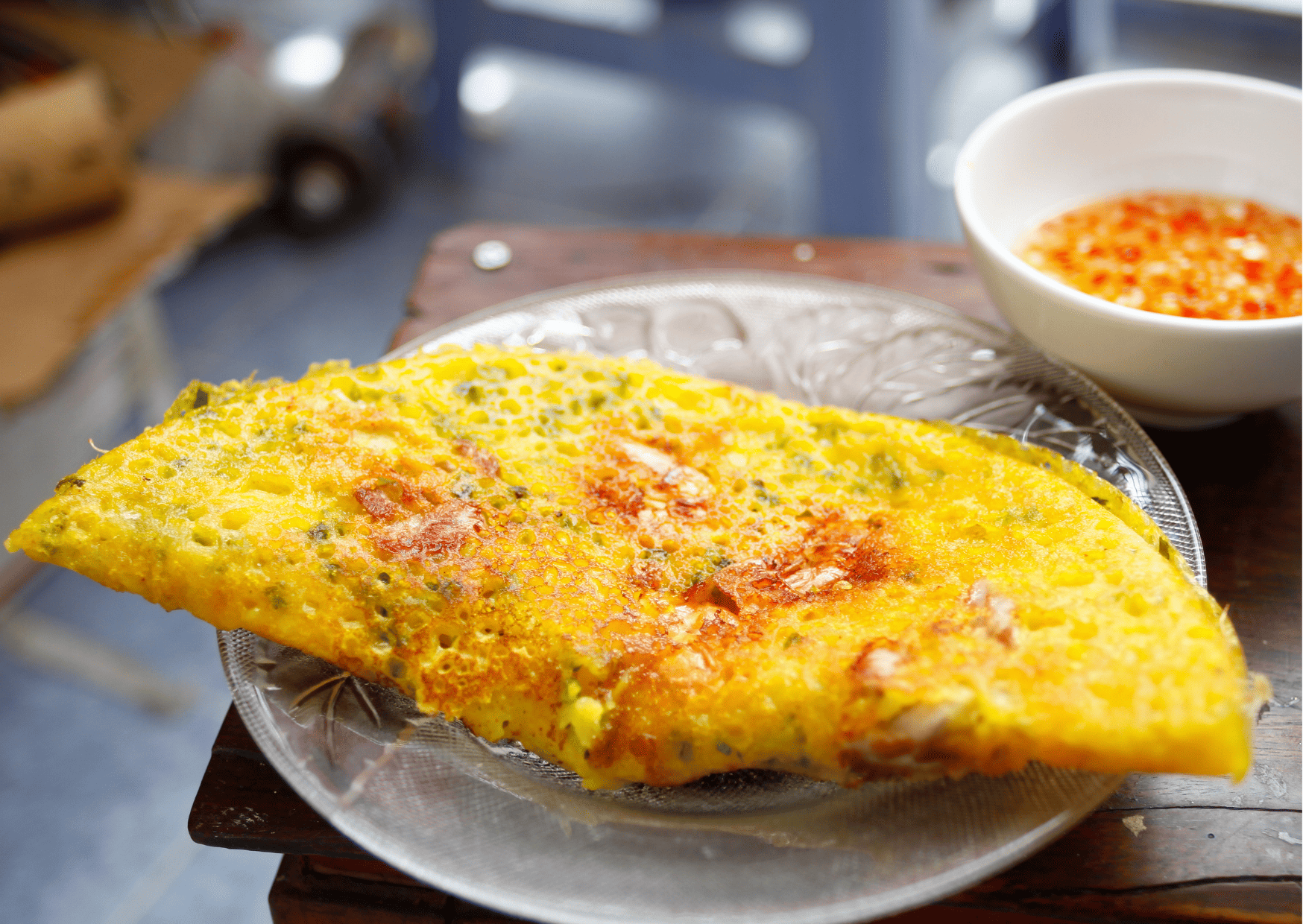
5. Bánh Xèo (Vietnamese Savory Pancakes)
Why It’s Popular:
Crispy rice pancakes filled with shrimp, pork, and bean sprouts, often served with lettuce and herbs.
Ingredients:
Rice flour, turmeric, coconut milk, shrimp, pork, bean sprouts, lettuce, herbs.
Make a batter with rice flour, turmeric, and coconut milk. Cook shrimp, pork, and bean sprouts in a pan, then pour batter over to form a crispy pancake. Serve with lettuce, herbs, and nuoc cham.
Calories: ~300–400 kcal per pancake.
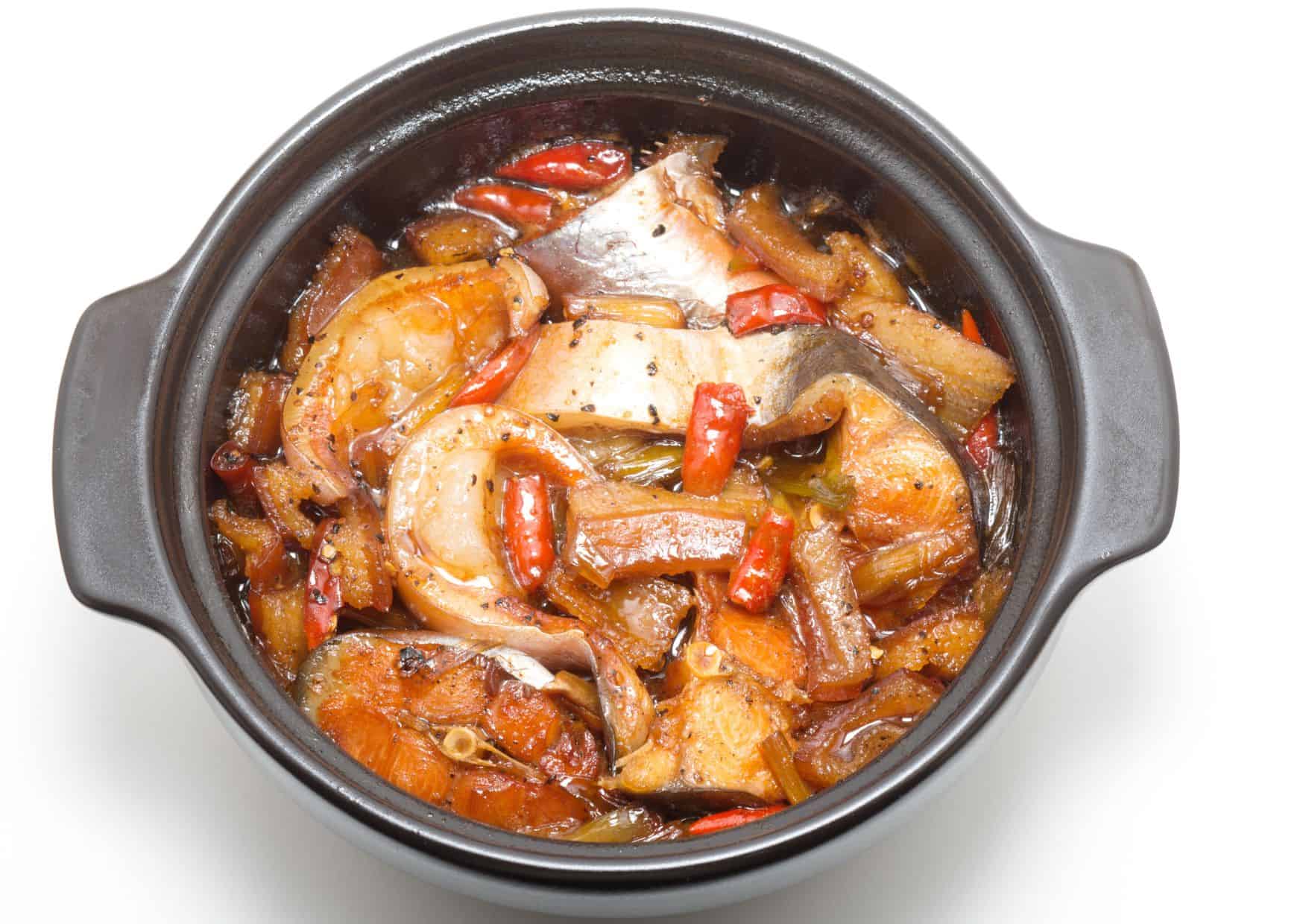
6. Cá Kho Tộ (Caramelized Fish in Clay Pot)
Why It’s Popular:
A savory-sweet dish of fish braised in a caramel sauce, served over rice.
Ingredients:
Catfish or mackerel, fish sauce, sugar, garlic, shallots, black pepper.
Caramelize sugar and add fish sauce, garlic, and shallots. Add fish and simmer until tender in the sauce. Serve with steamed rice.
Calories: ~300–350 kcal per serving.
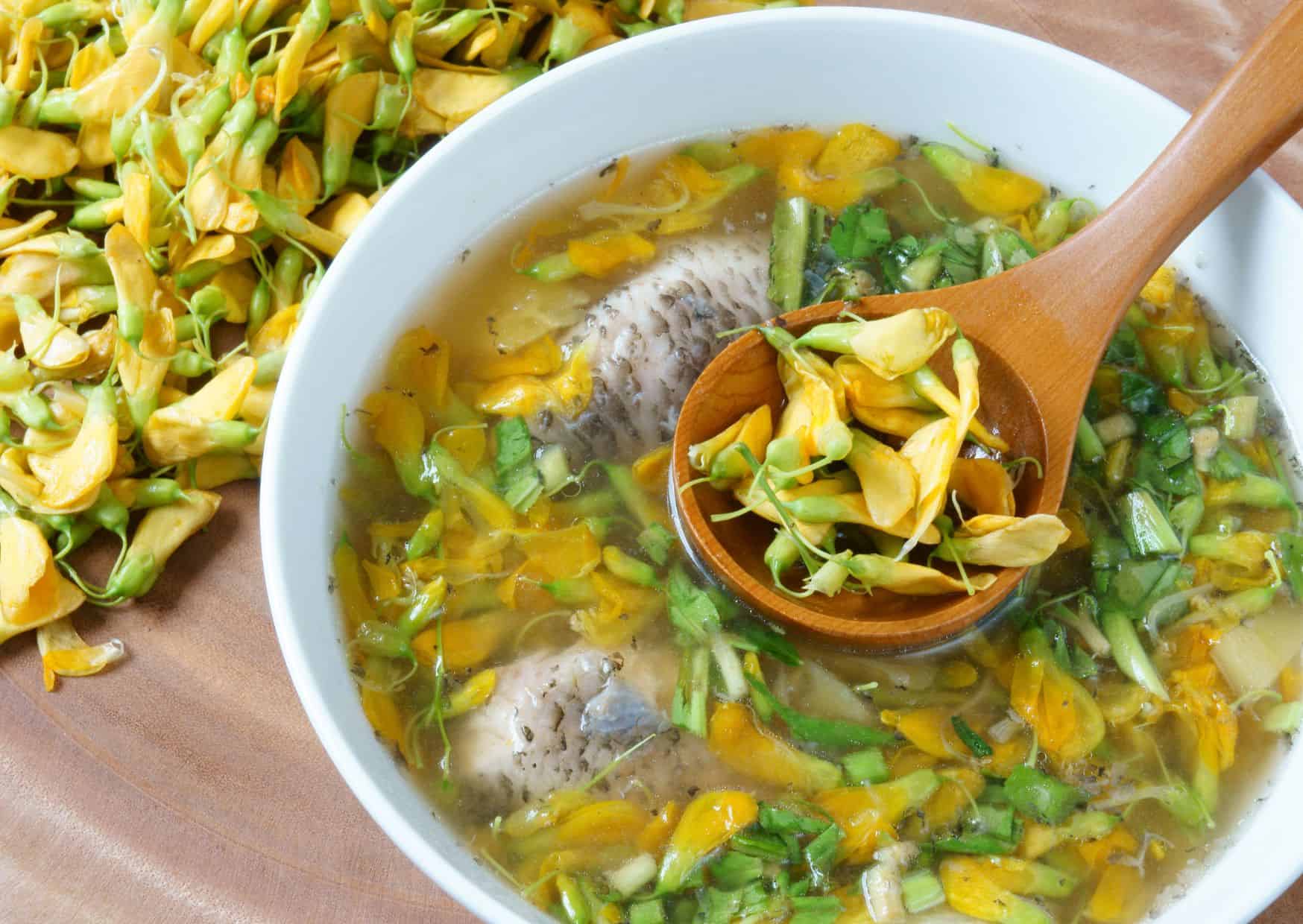
7. Canh Chua (Vietnamese Sour Soup)
Why It’s Popular:
A tangy, sweet, and savory soup made with tamarind, fish, and vegetables.
Ingredients:
Tamarind paste, fish, pineapple, tomatoes, okra, bean sprouts, herbs.
How to Make It:
Boil tamarind paste in water to create the soup base. Add fish, vegetables, and season with fish sauce and sugar. Garnish with fresh herbs before serving.
Calories: ~200–300 kcal per bowl.
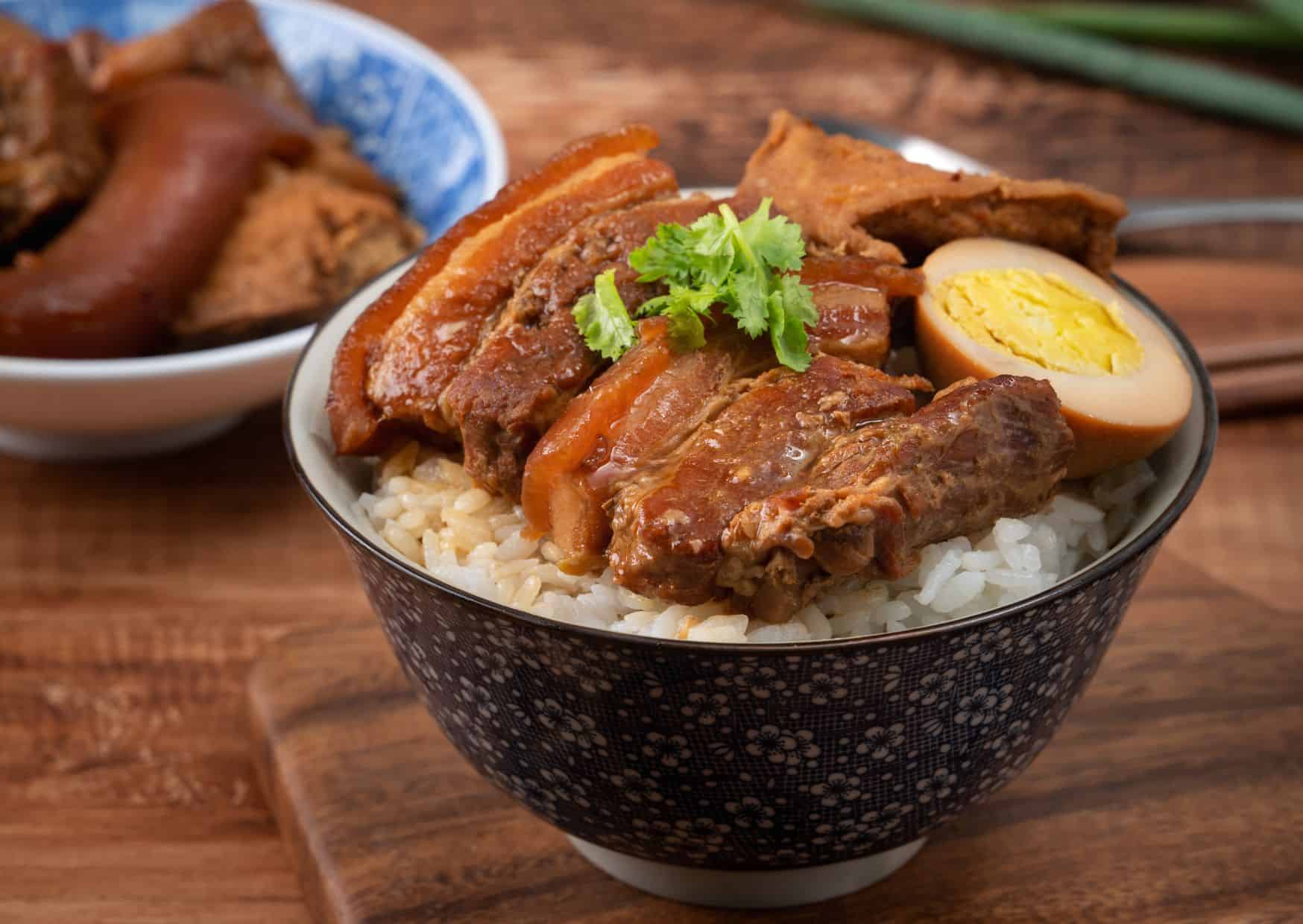
8. Thịt Kho Tàu (Braised Pork and Eggs)
Why It’s Popular:
A comforting dish of pork belly and boiled eggs braised in coconut water.
Ingredients:
Pork belly, eggs, coconut water, fish sauce, sugar, garlic.
How to Make It:
Brown pork and garlic, then add coconut water, fish sauce, and sugar. Add boiled eggs and simmer until the pork is tender. Serve with steamed rice.
Calories: ~500–600 kcal per serving.
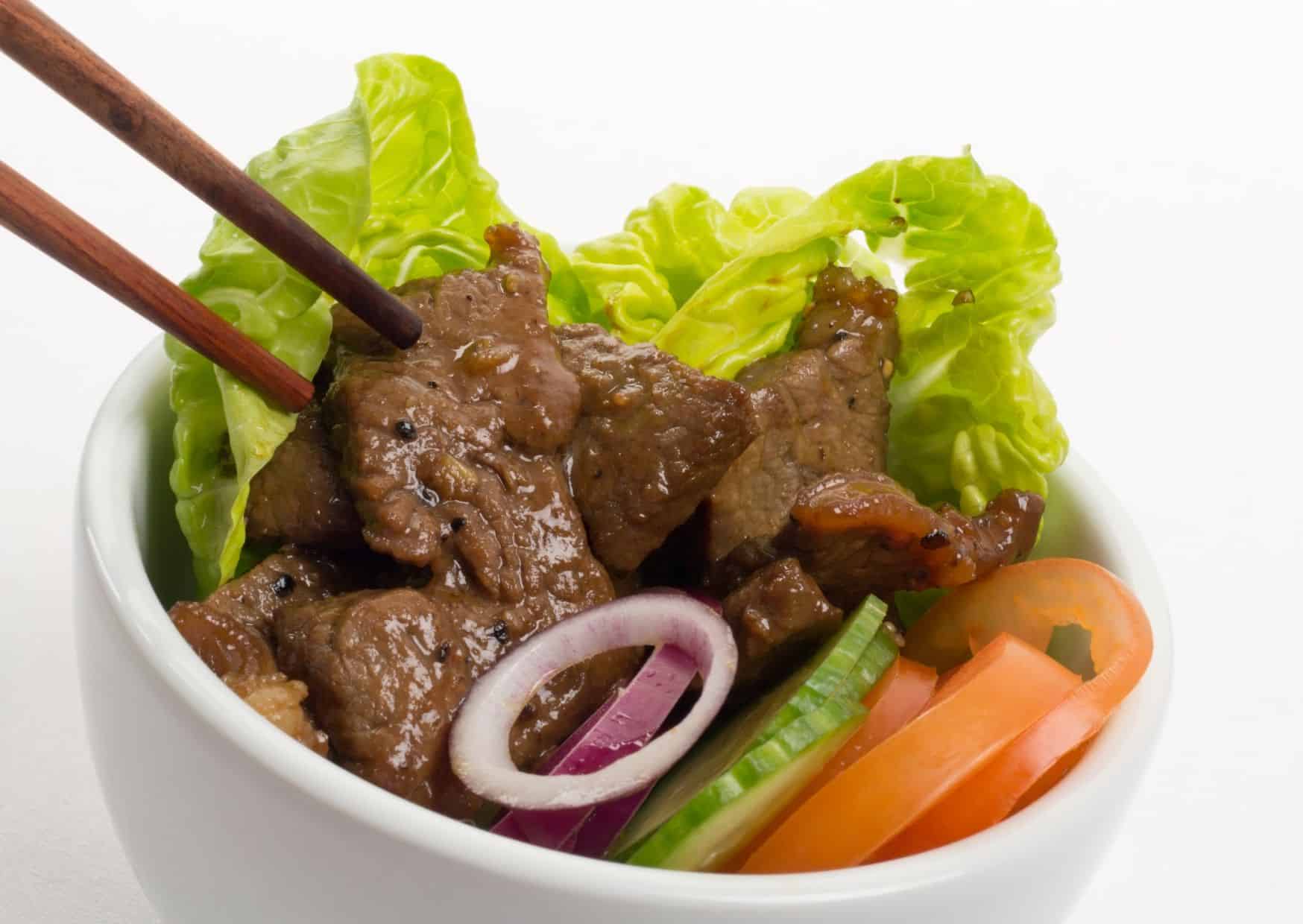
9. Bò Lúc Lắc (Shaking Beef)
Why It’s Popular:
Tender cubes of beef stir-fried with a savory soy-based sauce, served with vegetables and rice.
Ingredients:
Beef, soy sauce, oyster sauce, garlic, sugar, onions, lettuce, tomatoes.
How to Make It:
Marinate beef cubes in soy sauce, oyster sauce, and sugar. Stir-fry beef and onions quickly over high heat. Serve with rice or salad.
Calories: ~400–500 kcal per serving.
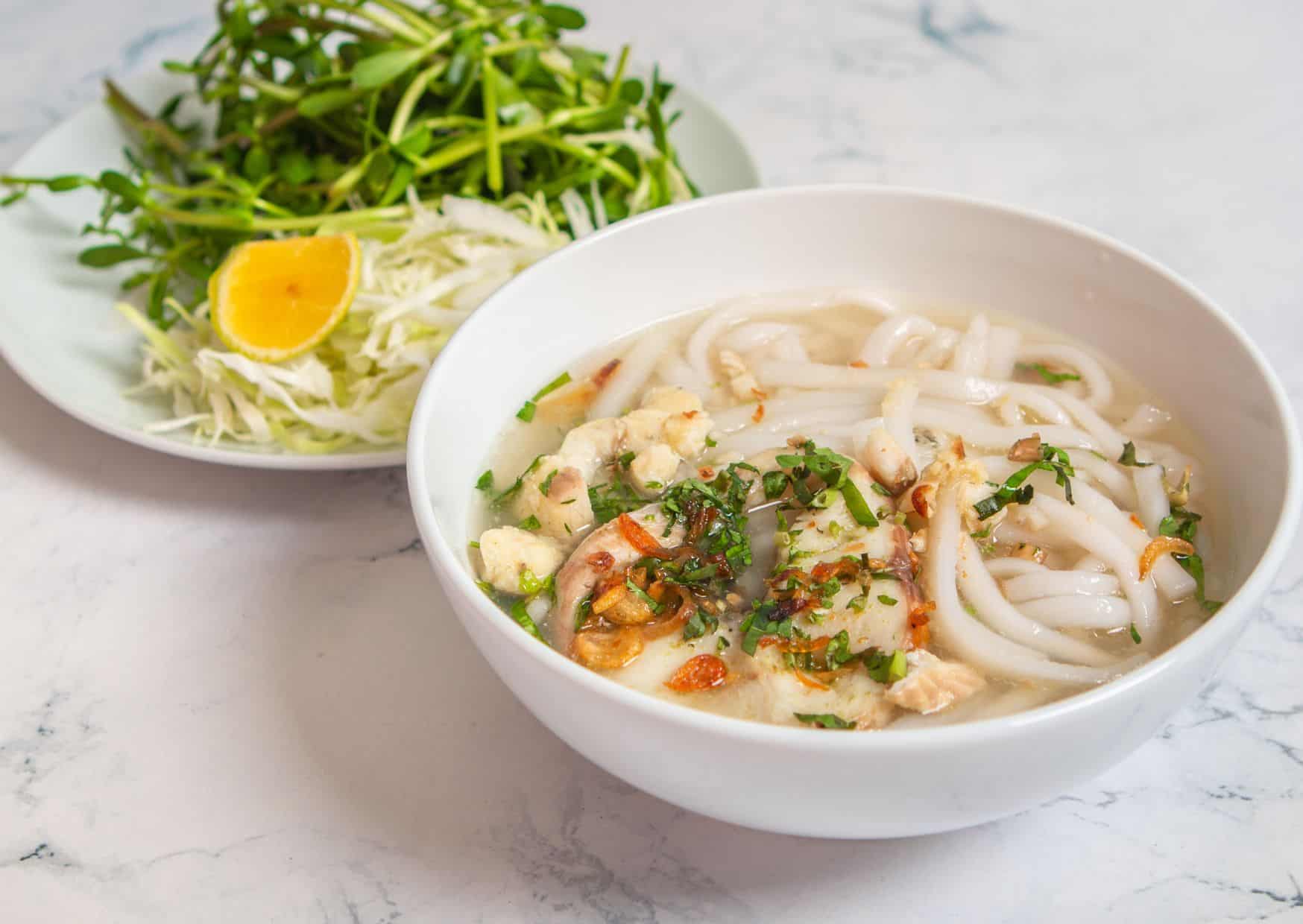
10. Bánh Canh (Thick Noodle Soup)
Why It’s Popular:
A comforting soup made with thick tapioca noodles and a rich broth, often with shrimp or pork.
Ingredients:
Tapioca noodles, pork, shrimp, fish sauce, garlic, green onions.
How to Make It:
Simmer pork and shrimp in a seasoned broth. Cook tapioca noodles and add to the soup. Garnish with green onions and fried garlic.
Calories: ~350–450 kcal per bowl.
Origin and History
Vietnamese cuisine is built on a foundation of balance: salty, sweet, sour, and umami flavors woven together with herbs and fresh ingredients. Its origins stretch back thousands of years, shaped by regional landscapes and cultural influences. Northern Vietnam developed hearty broths and subtle seasoning due to its cooler climate, while central regions created bold, spicy dishes inspired by royal cuisine. In the south, tropical produce shaped sweeter, herb-heavy meals. This diversity is what makes Vietnamese dinners so irresistible.
Chinese and Southeast Asian influences played a role in shaping techniques like stir-frying, noodle making, and soup-based meals. But Vietnam adapted these methods into something uniquely its own. Broths grew lighter and more aromatic, herbs became central to nearly every dish, and fish sauce emerged as the defining flavor of the cuisine. Over centuries, what began as practical, regional dishes transformed into national staples that now capture global attention.
French colonial presence added another layer of evolution, leading to iconic dishes like banh mi, caramelized pork, and silky flans. But at its core, Vietnamese cooking has always remained deeply tied to home kitchens. Even today, many of the country’s most loved dinners—pho, bun cha, shaking beef, and more—are rooted in family recipes passed down through generations, celebrated for their simplicity, freshness, and soul.
One of the biggest misconceptions about Vietnamese food is that it’s always light and healthy. Yes, many dishes rely on herbs and vegetables, but authentic Vietnamese dinners often include rich broths, caramelized meats, and generous amounts of fish sauce. Outsiders sometimes label the cuisine as “diet food,” which locals find amusing and inaccurate. Vietnamese dinners might be balanced, but they are far from bland or restrained.
Another frequent misunderstanding is that Vietnamese cooking requires hours of complicated technique. While pho broth traditionally simmers for hours, many beloved dinners—lemongrass chicken, bun thit nuong, shaking beef—are surprisingly quick. Tourists often assume the cuisine is difficult to recreate, but in reality, most homes rely on simple, affordable ingredients and intuitive cooking methods. The complexity isn’t in the process; it’s in the layering of flavors.
There’s also debate around authenticity. Some people insist that dishes must be cooked exactly as they are in Vietnam, using traditional ingredients like pandan leaves or specific fish sauces. Others argue that Vietnamese cooking has always adapted to what’s available, and substitutions are perfectly acceptable. Even within Vietnam, recipes vary widely by region and family. Authenticity, many say, is about flavor, not strict rules.
How Long You Take to Prepare
Most Vietnamese dinners take 20 to 40 minutes to prepare, which is one reason they fit so well into busy households. Dishes like lemongrass chicken, garlic noodles, or caramel pork can be made quickly once the ingredients are prepped. Much of the cooking relies on fast stir-frying, simmering, or grilling.
More elaborate dishes like pho or bun bo Hue require 2 to 4 hours, though much of that time is inactive simmering. These long-cooked broths develop deep flavor through bones, spices, and aromatics, creating the heart of the dish. Even so, many home cooks prepare broth in large batches to freeze, making future dinners incredibly easy.
Rice and noodle dishes usually fall in the medium range, taking 30 to 50 minutes. Bun cha, for instance, involves marinating, grilling, and mixing herbs, dips, and noodles, but none of the steps are particularly time-consuming. Once you learn the rhythm of Vietnamese cooking—prep herbs, marinate, cook fast—the dishes come together naturally and efficiently.
Serving Suggestions
Vietnamese dinners shine brightest when served with fresh herbs. Mint, cilantro, Thai basil, and perilla leaves add brightness to dishes like bun thit nuong or grilled fish. Keeping a plate of herbs on the table is common in Vietnamese households, allowing everyone to customize their bowls to taste.
Rice and noodles play key roles in rounding out meals. Grilled meats pair perfectly with jasmine rice, while broths come alive with rice noodles. A small bowl of pickled vegetables adds tanginess and crunch, balancing the richness of caramelized meats or spiced broths. These contrasting textures are essential to the Vietnamese eating experience.
For a more festive dinner, multiple dishes can be served family-style. A caramelized pork dish, a vegetable stir-fry, fresh herbs, and a bowl of soup create a balanced spread. Even simple dipping sauces like nuoc cham elevate everything on the table. Whether served as individual bowls or shared plates, Vietnamese dinners are meant to be interactive and flavorful.
Final Thoughts
Vietnamese dinners have a way of winning people over with their freshness, warmth, and layered flavors. They offer comfort without heaviness, complexity without complication. Once you experience how these dishes come together—structured but flexible—it becomes clear why so many people fall in love with Vietnamese cooking. It’s food that feels alive: fragrant, bright, and deeply satisfying.
Cooking these dishes at home lets you experience Vietnam’s culinary philosophy firsthand. You don’t need expensive tools or hard-to-find ingredients; you just need a willingness to embrace bold flavors and fresh herbs. Many Vietnamese dinners are surprisingly quick once you learn the basics, making them ideal for weeknights or gatherings.
The beauty of Vietnamese cuisine is that it welcomes improvisation. Add more herbs, adjust the fish sauce, grill instead of pan-fry—it all works. Once you bring these dinners into your home kitchen, they have a way of sticking around.

About the Author: Ruben, co-founder of Gamintraveler.com since 2014, is a seasoned traveler from Spain who has explored over 100 countries since 2009. Known for his extensive travel adventures across South America, Europe, the US, Australia, New Zealand, Asia, and Africa, Ruben combines his passion for adventurous yet sustainable living with his love for cycling, highlighted by his remarkable 5-month bicycle journey from Spain to Norway. He currently resides in Spain, where he continues sharing his travel experiences with his partner, Rachel, and their son, Han.