
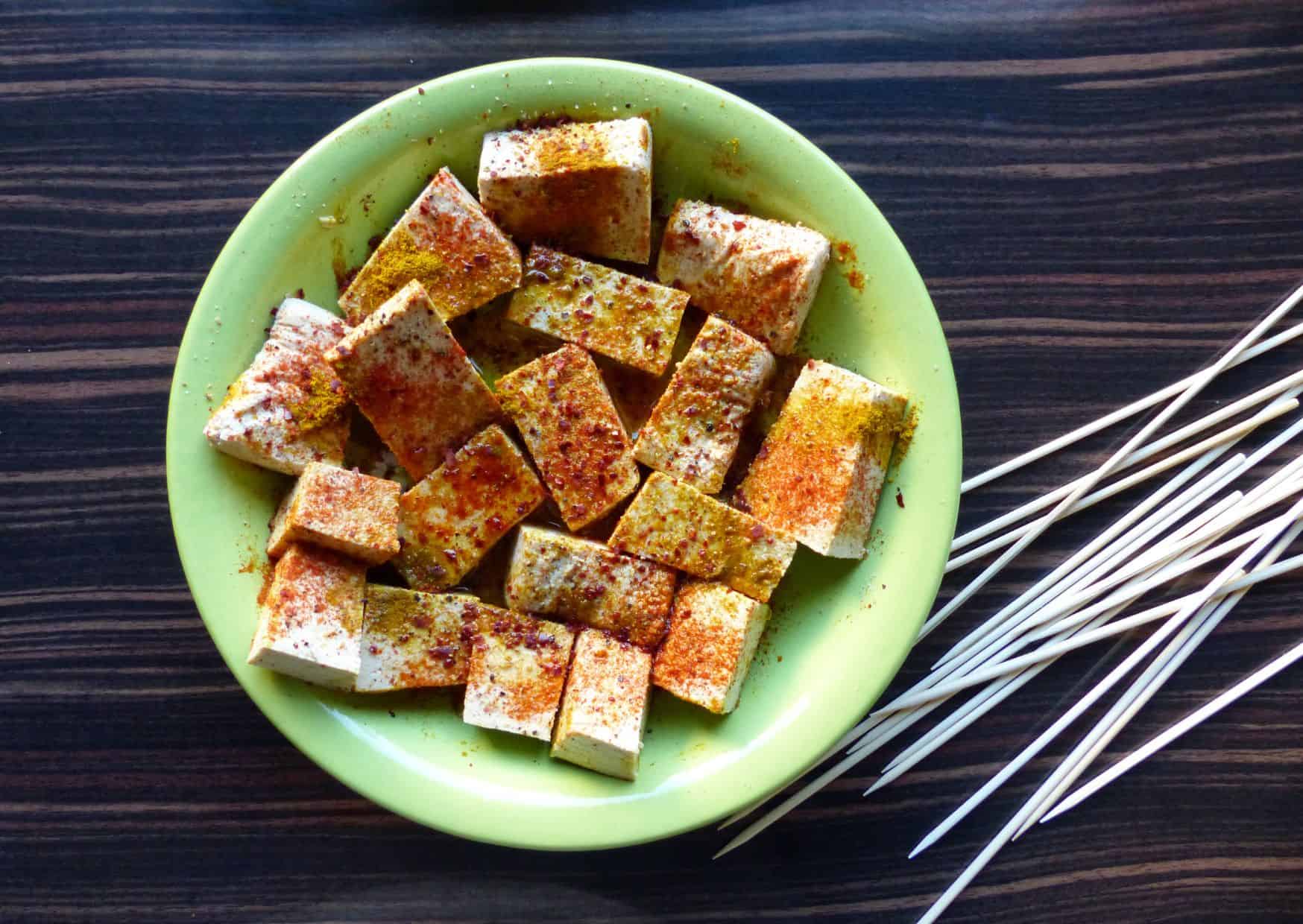
Jerk seasoning is one of the boldest, most recognizable flavors to come out of the Caribbean — a fiery blend of spices, heat, and smoky undertones that define Jamaican cuisine. While traditionally used for chicken or pork, jerk seasoning can transform plant-based dishes, too, giving tofu a flavor punch that surprises even die-hard meat lovers.
Tofu may be mild on its own, but that’s exactly why it makes the perfect base for jerk seasoning. When marinated properly, it soaks up the heat, depth, and earthiness of classic Caribbean spices, turning a simple protein into something smoky, spicy, and completely satisfying. It’s a dish that challenges expectations — in the best way.
In this guide, you’ll learn how to make homemade jerk tofu with a marinade that captures authentic island flavors. Whether you’re vegan, vegetarian, or just looking to shake up your meatless meals, this recipe delivers big taste with a Caribbean heart.
Read here how to make Jerk Chicken, best Jamaican food, best Jamaican breakfast and Jamaican vegetarian food
BOOK YOUR TRAVEL INSURANCE
Two of our favorite travel insurance: Heymondo Vs Safetwing cheapest travel Insurance. You can get for $135 USD your Heymondo Travel Insurance with Heymondo discount code valid for 90 days. Read our full comparison of Genki vs Safetywing Travel Insurance Review and the comparison Heymondo vs Genki
Best Time to Eat & How to Partner This Dish
Jerk tofu shines as a lunch or dinner entrée, especially when grilled or pan-seared to a crispy finish. It’s perfect for summer cookouts, meal prep bowls, or as a bold main for plant-based dinner parties. Because of its vibrant spices, it pairs beautifully with cooling sides like coconut rice, mango salsa, or a fresh green salad.
For the full Caribbean experience, serve it with a side of fried plantains, steamed vegetables, or a refreshing pineapple slaw. Drinks like chilled coconut water, iced hibiscus tea, or a light rum cocktail enhance the island flavors without overpowering the heat of the jerk seasoning.
While jerk tofu works wonderfully on its own, it also makes a standout addition to wraps, grain bowls, or even tacos. The key is pairing it with sides that balance out its bold flavors — think fresh, tangy, and slightly sweet accompaniments.
One of the most debated topics among food purists is whether jerk seasoning should ever be used on anything other than meat. Some traditionalists argue that tofu can’t possibly carry the cultural weight of jerk cuisine, claiming it dilutes the dish’s authenticity. But in reality, jerk is more than a marinade — it’s a celebration of bold flavors and adaptability.
Another misconception is that tofu is bland and can’t stand up to strong spices. This couldn’t be further from the truth. With the right preparation — pressing, marinating, and cooking — tofu becomes the perfect canvas for jerk seasoning, absorbing layers of heat, smokiness, and herbs in a way few proteins can.
And perhaps most surprising of all, some of the most exciting jerk dishes today are coming from plant-based Caribbean chefs who are blending tradition with innovation. Rather than erasing cultural roots, jerk tofu represents how flavors evolve while still honoring the heart of the cuisine. It’s a reminder that food, like culture, is always growing and redefining itself.
How to Make Jerk Tofu
Jerk Tofu Recipe Ingredients
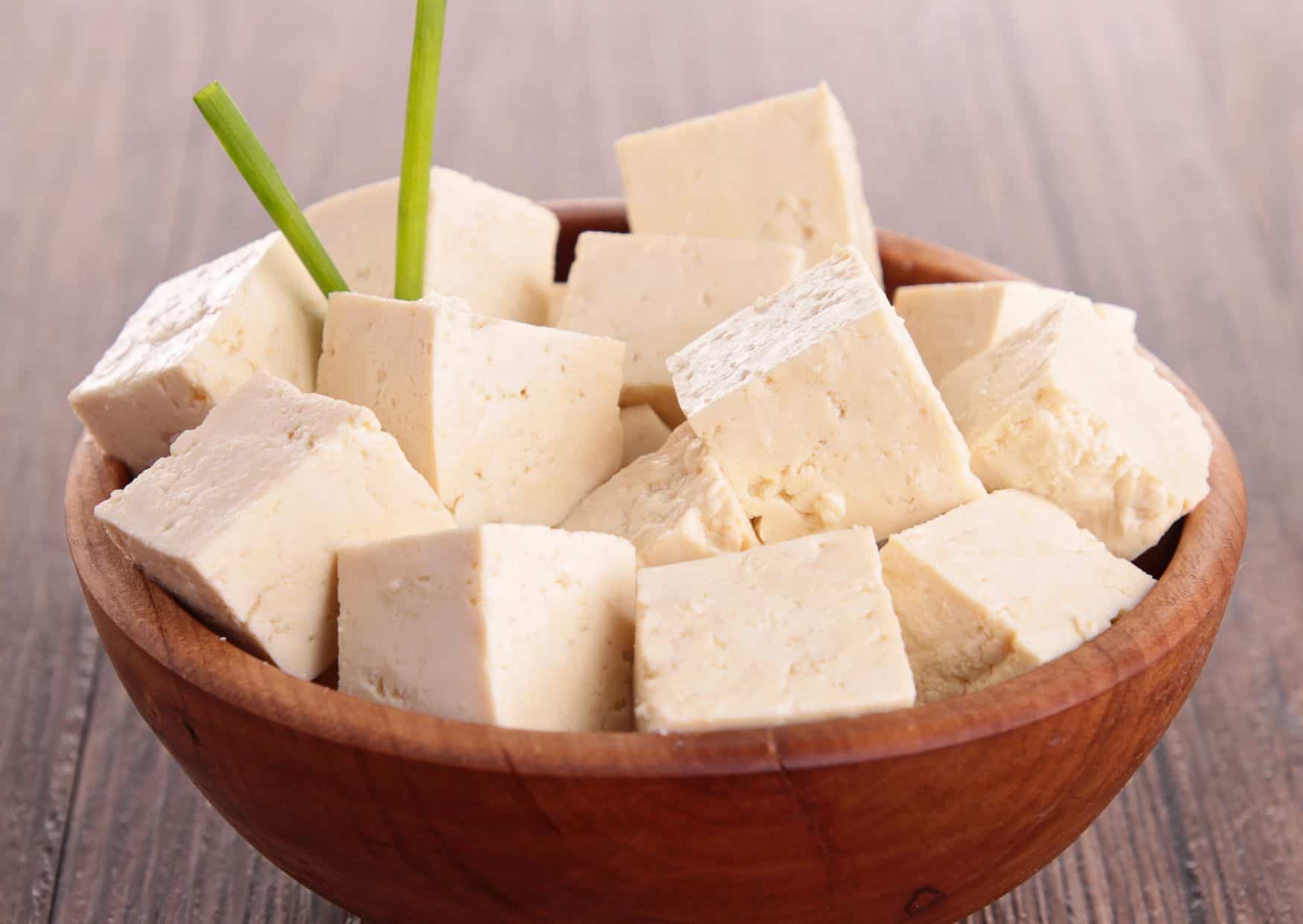
For the Tofu:
1 block (14 ounces) firm or extra-firm tofu
2 tablespoons olive oil
Salt and pepper to taste
For the Jerk Marinade:
1 tablespoon allspice
1 teaspoon cinnamon
1 teaspoon nutmeg
1 teaspoon thyme
2 teaspoons brown sugar
4 cloves garlic, minced
1-2 Scotch bonnet peppers, finely chopped (adjust to taste)
2 tablespoons soy sauce
1 tablespoon olive oil
1 tablespoon lime juice
1 tablespoon fresh ginger, minced
2 green onions, chopped
1/2 teaspoon black pepper
Get the best deals for your home and kitchen needs
Step By Step How to Make Jerk Tofu
Prepare the Tofu
Press the tofu to remove excess moisture. Wrap the tofu in a clean kitchen towel or paper towels and place a heavy object on top for about 20-30 minutes.
Make the Jerk Marinade
In a bowl, combine all the marinade ingredients: allspice, cinnamon, nutmeg, thyme, brown sugar, minced garlic, Scotch bonnet peppers, soy sauce, olive oil, lime juice, fresh ginger, green onions, and black pepper. Mix well to form a paste.
Marinate the Tofu
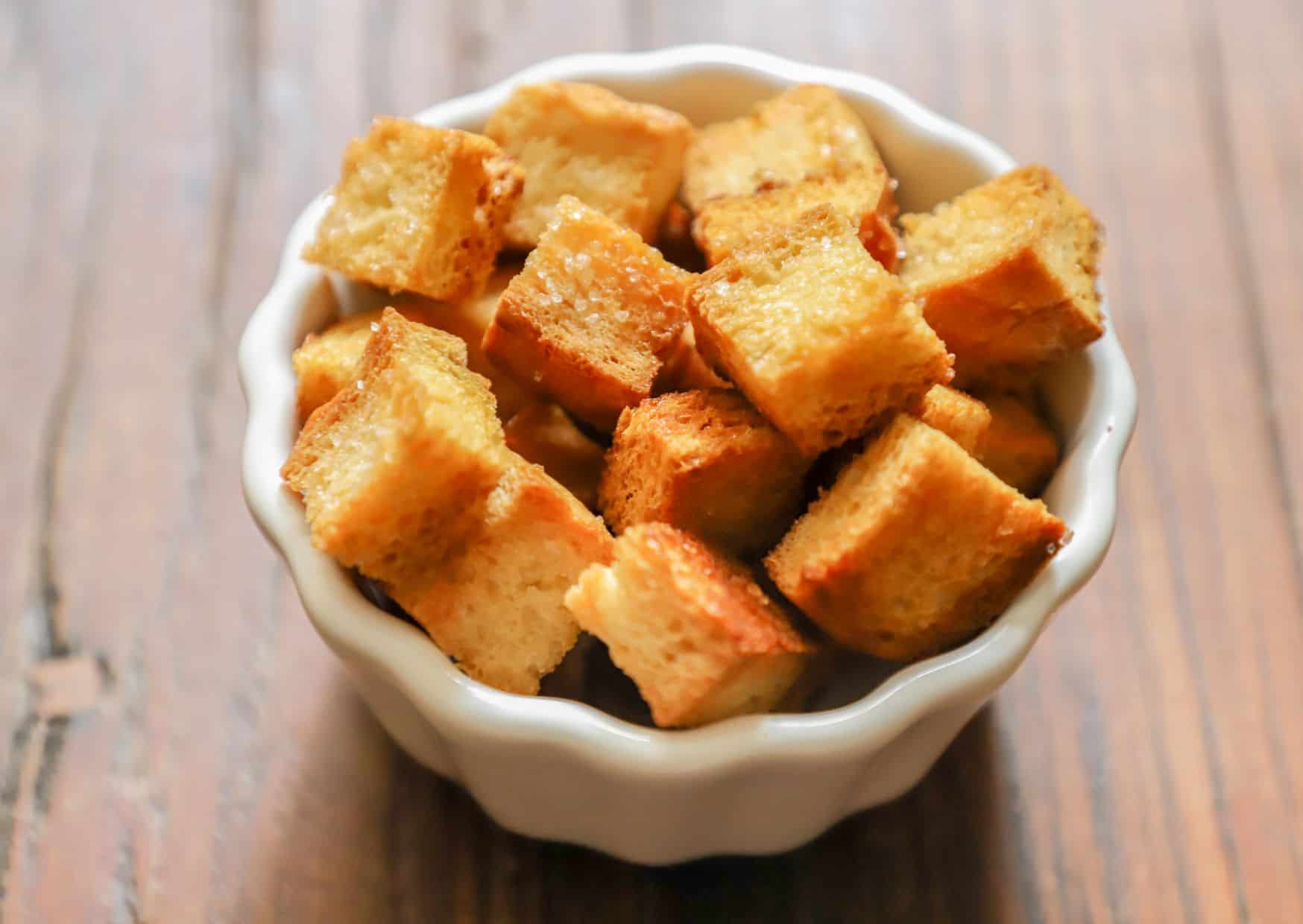
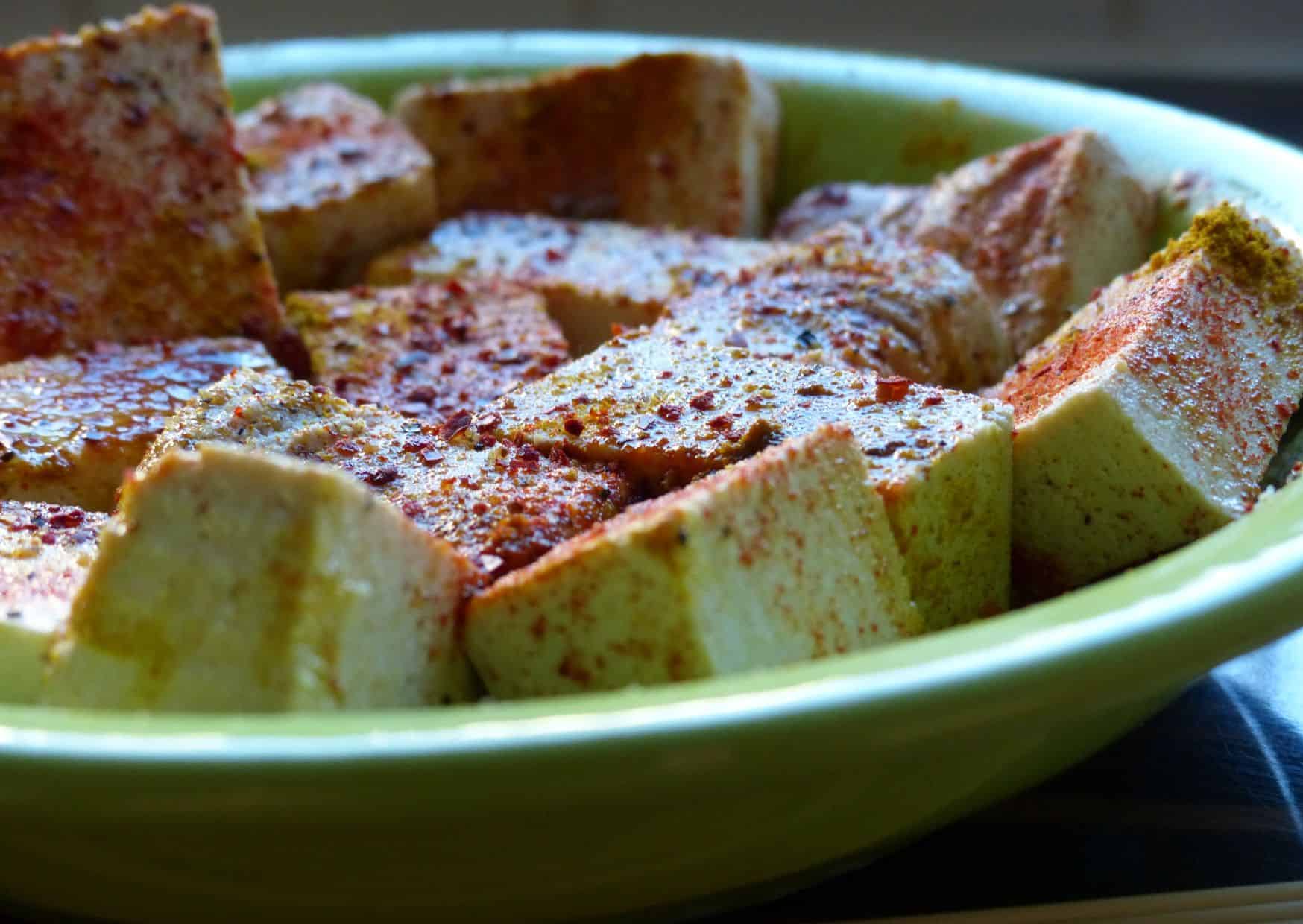
Cut the pressed tofu into cubes or slices. Place the tofu pieces in a shallow dish or a resealable plastic bag. Pour the jerk marinade over the tofu, ensuring all pieces are well-coated. Marinate in the refrigerator for at least 1 hour, preferably overnight.
Cook the Tofu
Preheat the oven to 400°F (200°C) or heat a grill to medium-high. If baking, place the marinated tofu pieces on a baking sheet lined with parchment paper. Bake for 25-30 minutes, flipping halfway through, until the tofu is golden brown and slightly crispy.
If grilling, thread the tofu onto skewers or place directly on the grill. Cook for about 10-15 minutes, turning occasionally, until charred and heated through.
Serve
Serve the jerk tofu with rice, grilled vegetables, or a fresh salad. Garnish with chopped cilantro or parsley if desired.
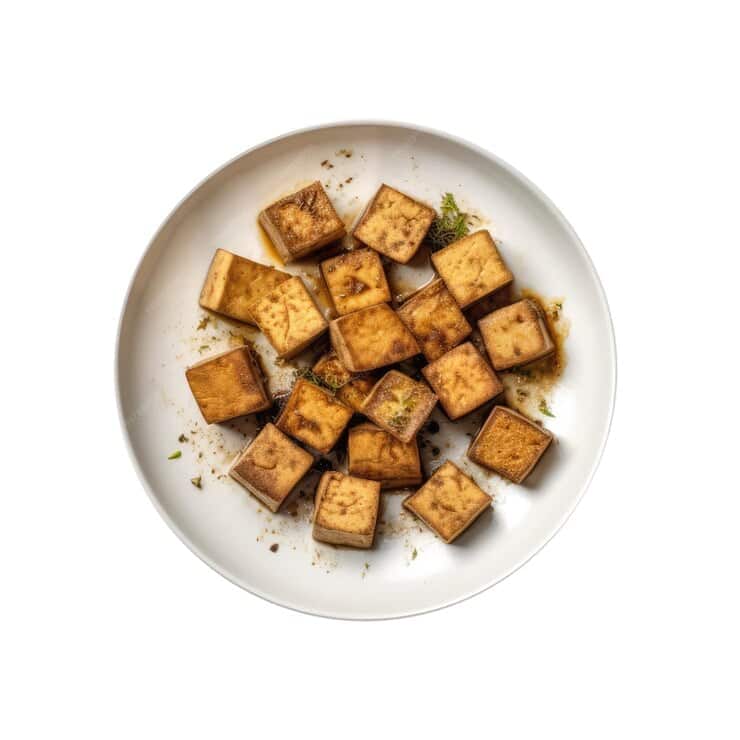
Tips To Make Jerk Tofu
Pressing the tofu is crucial for removing excess moisture, which helps the tofu absorb the marinade better and achieve a firmer texture.
Scotch bonnet peppers are very hot. Adjust the amount based on your spice tolerance. You can also use milder peppers if desired.
Marinate the tofu for at least 1 hour, but for the best flavor, let it marinate overnight. Baking and grilling are great methods for cooking jerk tofu. Baking results in a firmer texture, while grilling adds a smoky flavor.
Pair jerk tofu with traditional sides like rice and peas, plantains, or a tropical fruit salad for a complete meal.
How Many Calories Have Jerk Tofu
Calories: 200-250
Protein: 10-15 grams
Carbohydrates: 10-15 grams
Fat: 12-15 grams
Fiber: 2-3 grams
Sugar: 4-6 grams
Origin and History
Jerk cooking goes back centuries, long before it became a global flavor trend. Its roots lie with the Maroons in Jamaica, communities formed by formerly enslaved Africans who escaped into the mountains. They developed a method of seasoning and slow-smoking meat that kept food flavorful, preserved, and deeply aromatic. Scotch bonnet peppers, allspice, thyme, and warm spices became the backbone of jerk seasoning, and the technique eventually became a hallmark of Caribbean identity.
As jerk culture spread across the islands, each region made small changes to reflect local ingredients and preferences. Some areas leaned spicier, others smokier, and some added touches of sweetness. Chicken and pork eventually became the most iconic jerk dishes, but the seasoning itself was always flexible. The goal was depth, heat, and a smoky backbone that wrapped around whatever protein or vegetable you used.
When Caribbean flavors reached global kitchens, cooks began experimenting. Restaurants and home cooks in North America, Europe, and Asia started adapting jerk seasoning to plant-based ingredients. Tofu, with its ability to absorb flavor, quickly became a favorite for those looking to enjoy jerk cuisine without meat. Today, jerk tofu is a popular entry point for anyone exploring Caribbean flavors with a modern twist.
The idea of making jerk tofu can spark debate. Some people argue that jerk should be reserved strictly for traditional meats because it’s tied to cultural history and specific cooking methods. Others believe that seasoning belongs to everyone who respects the roots and prepares it with intention. Jerk tofu isn’t trying to replace tradition; it’s a way to bring those flavors to people with different diets.
Another point of tension is heat level. Traditional jerk is fiery, thanks to Scotch bonnet peppers. Many plant-based versions soften the spice to appeal to a wider audience. Purists claim this dulls the authenticity, while newcomers appreciate a more manageable level of heat. The truth sits somewhere in the middle: jerk’s soul is in its balance of heat and aromatics, not in burning your taste buds.
Finally, there’s technique. True jerk is cooked low and slow over pimento wood. Most home cooks don’t have access to that setup, so they grill, bake, or pan-sear their tofu. Some argue that removing smoke removes authenticity, but others say the seasoning alone carries enough history and flavor to still honor the dish. The modern twist doesn’t erase the original; it simply adapts it.
How Long You Take to Prepare
Jerk tofu comes together surprisingly quickly, especially compared to traditional jerk chicken or pork. Marinating time makes the biggest difference, and at minimum, you’ll want 30 minutes. If you plan ahead and let the tofu sit overnight, the flavor improves dramatically. Active prep usually takes 15 to 20 minutes: mixing the marinade, pressing the tofu, and prepping your cooking method.
Cooking itself is fast. Pan-searing takes about 10 minutes, baking takes around 25 minutes, and grilling averages about 15. The tofu firms up, caramelizes, and absorbs the seasoning beautifully. This is one of those dishes where the prep isn’t intensive; the marinade does all the heavy lifting.
Start to finish, you can make jerk tofu in under an hour if you’re short on time. If you want deeper flavor, let it marinate longer. It’s flexible enough for weekday dinners or weekend meal prep, and the minimal hands-on time makes it an easy win for busy cooks.
Serving Suggestions
Serve jerk tofu the way you’d serve classic jerk: with bold sides that balance heat. Rice and peas, fried plantains, and sautéed greens are traditional companions. These mellow the spice while adding texture and warmth. Fresh mango salsa or pineapple chunks also pair beautifully, adding brightness and natural sweetness.
For a more modern twist, try jerk tofu bowls. Layer it over coconut rice with cabbage slaw, avocado, and lime. The combination feels fresh but still rooted in Caribbean flavor. Wraps and sandwiches also work well. Stuff jerk tofu into warm tortillas or bread rolls with crunchy veggies and creamy sauce for a handheld option that hits all the right notes.
If you’re hosting, make a jerk-themed spread. Offer bowls of toppings, a pot of coconut rice, and platters of tofu fresh off the grill. People can customize their plates, and you get a meal that feels vibrant, colorful, and full of character. Jerk tofu fits right in with both traditional and fusion-style menus.
Final Thoughts
Jerk tofu proves that plant-based cooking doesn’t have to be bland or predictable. When you use bold seasoning, a good marinade, and the right cooking method, tofu becomes a flavorful canvas that carries the spirit of Caribbean cuisine beautifully. It’s not an imitation of meat; it’s a celebration of flavor in its own right.
Exploring dishes like this also highlights how adaptable global recipes can be. Food evolves as it travels, and jerk tofu is one example of a tradition being honored, not replaced. When you make it with respect for its origins, you bring a little piece of Caribbean culture into your kitchen in a way that suits your lifestyle.
Once you try jerk tofu at home—properly marinated, caramelized, and served with bright sides—you’ll understand why it’s gaining so much attention. It’s comforting, exciting, and surprisingly easy to pull off.

About the Author: Ruben, co-founder of Gamintraveler.com since 2014, is a seasoned traveler from Spain who has explored over 100 countries since 2009. Known for his extensive travel adventures across South America, Europe, the US, Australia, New Zealand, Asia, and Africa, Ruben combines his passion for adventurous yet sustainable living with his love for cycling, highlighted by his remarkable 5-month bicycle journey from Spain to Norway. He currently resides in Spain, where he continues sharing his travel experiences with his partner, Rachel, and their son, Han.