

So here is the uncomfortable opener. That “40%” line you hear at dinner is not a clean statistic. Depending on which yardstick you pick, the gap is smaller or bigger. Spain runs lower obesity, structured screening with high participation, Mediterranean eating anchored by extra virgin olive oil, and a quieter relationship with alcohol in many regions. Put those together and you get fewer breast cancer deaths per woman than in the United States, and a prevention culture that feels unglamorous but works. The precise number moves, the pattern does not.
Let me show you what Spain actually does, the daily levers you can copy anywhere, and the part nobody mentions until you sit in a clinic waiting room: screening here is a government routine, not a personal project. I will keep the science where it matters, with links you can check in five minutes.
First, the reality check on numbers

You deserve the truth up front.
- Mortality is the number that matters. In 2022, the United States logged an age-standardized female breast cancer mortality around the low teens per 100,000; Spain sits lower by a meaningful margin. It is not a neat “40%” everywhere, but Spain does better when you adjust for age. The direction is consistent.
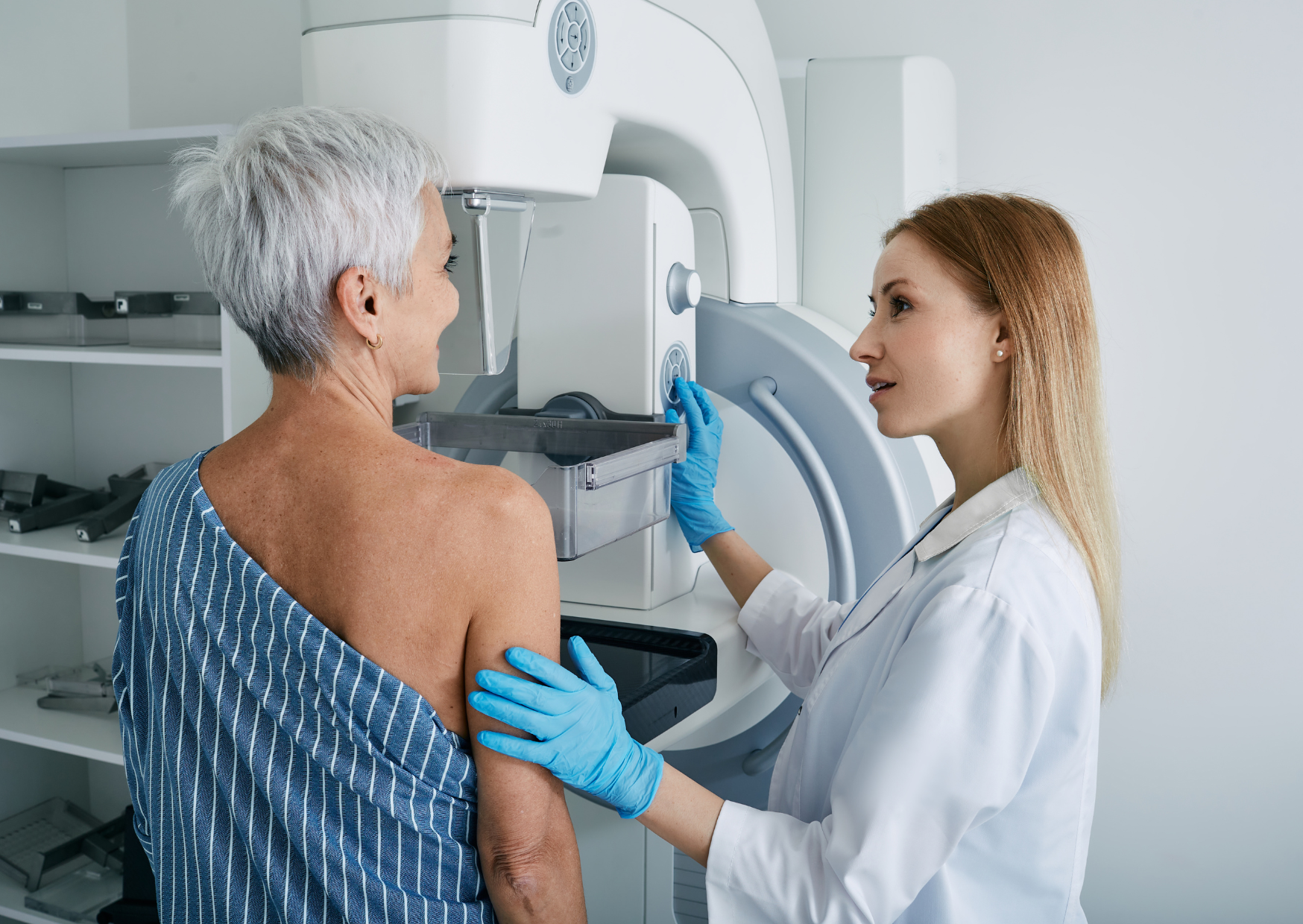
- Screening participation is high in Spain. Over 74% of women aged 50 to 69 report taking part in the national mammography programs on schedule, comfortably above the acceptable European threshold of 70%. Higher participation means more early-stage finds and better survival.
- Lifestyle drivers tilt Spanish. Obesity prevalence is lower in Spain than the OECD average and far below the U.S., and obesity is a breast cancer risk amplifier after menopause. You do not need a thesis to see how weight, insulin, and inflammation stack the deck.
- Diet quality is not a vibe. In a randomized Spanish trial, a Mediterranean diet enriched with extra virgin olive oil was linked with a large relative reduction in invasive breast cancer across the follow-up. Yes, the breast cancer analysis was a secondary outcome and case numbers were small, but the signal lines up with what clinicians see in practice. Olive oil is doing work.
- Alcohol matters more than people want to admit. One to two drinks a day pushes risk up. Spain’s patterns vary by region and age, but the policy message on alcohol and cancer risk is getting louder on both sides of the Atlantic. Less regular drinking means lower breast cancer risk, full stop.
Bottom line: Spain’s edge comes from systems plus habits. Screening is organized, weight is lower, olive oil is normal, and everyday alcohol is managed with fewer hidden pours.
The Spanish system quietly doing most of the work

You notice it when you hit 50. An invitation letter arrives with a date, time, and clinic. You do not chase a referral, you do not argue with billing codes, and you do not wonder whether you are “supposed” to go. You just go.
- Program design
Public health teams invite eligible women every two years for a bilateral mammogram. Participation sits above 70% nationwide and stays stable over time. The clarity of the invitation removes decision fatigue, which is half the psychology of prevention. - Why this matters
In population data, women invited to organized mammography programs see about a 20 to 25% reduction in breast cancer mortality compared to no organized screening. Early detection is not a slogan here, it is a math effect over ten years. - What to copy if you are not in Spain
Put your screening plan on a calendar as if the government mailed you the date. Book every two years from 50 to 69 unless your doctor sets a different cadence for your risk. Treat the appointment like a utility bill. You do it because life runs better when you do.
Remember: organized screening plus high attendance is most of Spain’s unfair advantage.
Olive oil on the table and why it is not just charming
Skip the romance. Extra virgin olive oil has a plausible mechanism and a real signal.
- The Spanish randomized trial
In the PREDIMED cohort, the Mediterranean diet with added extra virgin olive oil showed a 68% relative risk reduction in malignant breast cancer compared with a low-fat control over about 5 years. The nut group did not show that signal. It was a secondary analysis with few cases, so no halo, but the direction is strong and the intervention is simple. Add olive oil to the pattern you already eat. - What Spanish kitchens actually do
Two to four tablespoons of extra virgin olive oil per day across cooking and salads, vegetables in olive oil, legumes twice a week, fish twice a week, nuts most days, a small sweet at the weekend, wine with meals or not at all. - How to make this real in the U.S.
Swap butter for olive oil in your sauté pan, dress everything in olive oil and lemon, and commit to two legume nights per week. Keep a 750 ml bottle on the counter and watch it empty every two to three weeks in a two-person home. If it lasts two months, you are not doing the thing.
Remember: extra virgin olive oil is not a garnish, it is a daily ingredient.
Weight, walking, and why Spain’s streets are doing quiet prevention

It is not just the food. Spain makes it easy to walk. Cities are dense, errands are on foot, and workdays include small movement by default. None of this is heroic, all of it is cumulative.
- Obesity prevalence
Spain’s adult obesity sits in the mid-teens. The U.S. runs far higher. Postmenopausal breast cancer risk rises with adiposity, so this single population difference shifts outcomes. - What the day looks like
Breakfast is light, lunch is the center with real cooking, and evening meals are smaller than the American pattern. Add 10,000 casual steps without a fitness tracker ever lighting up, and you get a metabolic profile that is quietly better for breast tissue. - Copy this anywhere
Put your errands within a 15-minute radius if you can. Stand up for five minutes every hour, walk after lunch for ten minutes, and build two weekly rituals that move your feet without thinking: market on Saturday, neighborhood loop on Wednesday at 19:00.
Remember: weight stability after 50 is defensive medicine for the breast. Do boring things daily.
Alcohol and the line everyone tiptoes around
You can love Rioja and acknowledge biology.
- The risk is dose responsive
One to two drinks per day increases breast cancer risk by roughly 30 to 50% relative to none, through hormonal and DNA damage pathways. That is not scaremongering, it is thirty years of data. - Culture shifts are happening
Policy language in Europe and the U.S. is now explicit about alcohol as a carcinogen, with fresh public warnings in 2025. Moderation is not a vibe, it is a number. - What Spanish women often do right
Alcohol with food, not as a coping mechanism, more drink-free nights than people admit, and fewer oversized pours in the kitchen. You can copy this by picking a two-nights-on, five-nights-off cadence or reserving alcohol for social meals only.
If you want an easy risk lever, drink less and keep it with food.
Breastfeeding and the quiet protection nobody markets well
It is not perfect in Spain either, but the economics and leave policies make it easier to try. Breastfeeding reduces lifetime breast cancer risk, and countries that support it with protected leave and workplace accommodations benefit at the population level. The Spanish literature even tried to put a price on it for the health system, which tells you the policy lens is on.
What to copy if you are not in Spain
Plan support before birth, pick a pediatrician who troubleshoots latching at week one, and negotiate a pump-friendly schedule before you return to work. Every month counts for long-term risk and it is not all or nothing.
What to eat this week, exactly, without twenty tabs open
No poetry. Just a Spanish-style grocery list that lines up with the evidence.
- Extra virgin olive oil 1 bottle or 1 tin
- Vegetables tomatoes, peppers, onions, zucchini, leafy greens
- Legumes dried or jarred lentils and chickpeas
- Fish sardines in olive oil, a white fish for roasting
- Nuts almonds or walnuts
- Whole grains rustic bread or brown rice
- Fruit citrus, apples, berries when cheap
- Yogurt plain, full fat or low fat, your call
- Herbs and spices garlic, parsley, cumin, smoked paprika
- Water still or lightly sparkling, keep alcohol inside meals if at all
The parts people get wrong in January and how to fix them
- They go “low fat” and starve flavor. Spanish kitchens keep fat from olive oil then trim sugar and ultra-processed snacks. Bring flavor back with oil and herbs, not butter and cream.
- They cancel alcohol on weekdays then binge on Saturday. That is not the point. Moderate total intake with food or skip entirely.
- They skip screening because they “eat well now.” Lifestyle and screening are both required. Make the appointment.
- They treat walking as fitness, not transport. In Spain, walking replaces short drives. If you need bread, you walk to get it. Build errands around your feet.
For higher-risk readers who want specifics
If your mother or sister had premenopausal breast cancer, if you carry high-risk variants, or if your clinician has flagged dense breasts, act like a Spaniard plus one.
- Start screening earlier and discuss annual mammography or adjunct imaging per your clinician.
- Hold weight stable after menopause even if it means tracking portions once a quarter.
- Treat alcohol as an occasional food, not a habit.
- Keep the olive oil and legumes constant. Consistency is your shield.
- Write a two-line plan in your calendar with dates. Your brain will follow the plan you can see.
If you want the case for optimism
Spain did not get here with magic. It is systems and small behaviors layered for years. A letter in the mail. Oil on the salad. A ten-minute walk. Fewer oversized pours. Markets that sell chickpeas cheaper than a protein bar. None of that requires a new personality. It requires a calendar, a bottle of olive oil, and a willingness to stop arguing with prevention.
If you want a place to start tonight, dress your vegetables with two tablespoons of extra virgin olive oil and lemon, put your screening date on the calendar, and save the wine for Friday with dinner. You will not feel the difference tomorrow. You will feel the difference ten years from now.

About the Author: Ruben, co-founder of Gamintraveler.com since 2014, is a seasoned traveler from Spain who has explored over 100 countries since 2009. Known for his extensive travel adventures across South America, Europe, the US, Australia, New Zealand, Asia, and Africa, Ruben combines his passion for adventurous yet sustainable living with his love for cycling, highlighted by his remarkable 5-month bicycle journey from Spain to Norway. He currently resides in Spain, where he continues sharing his travel experiences with his partner, Rachel, and their son, Han.