
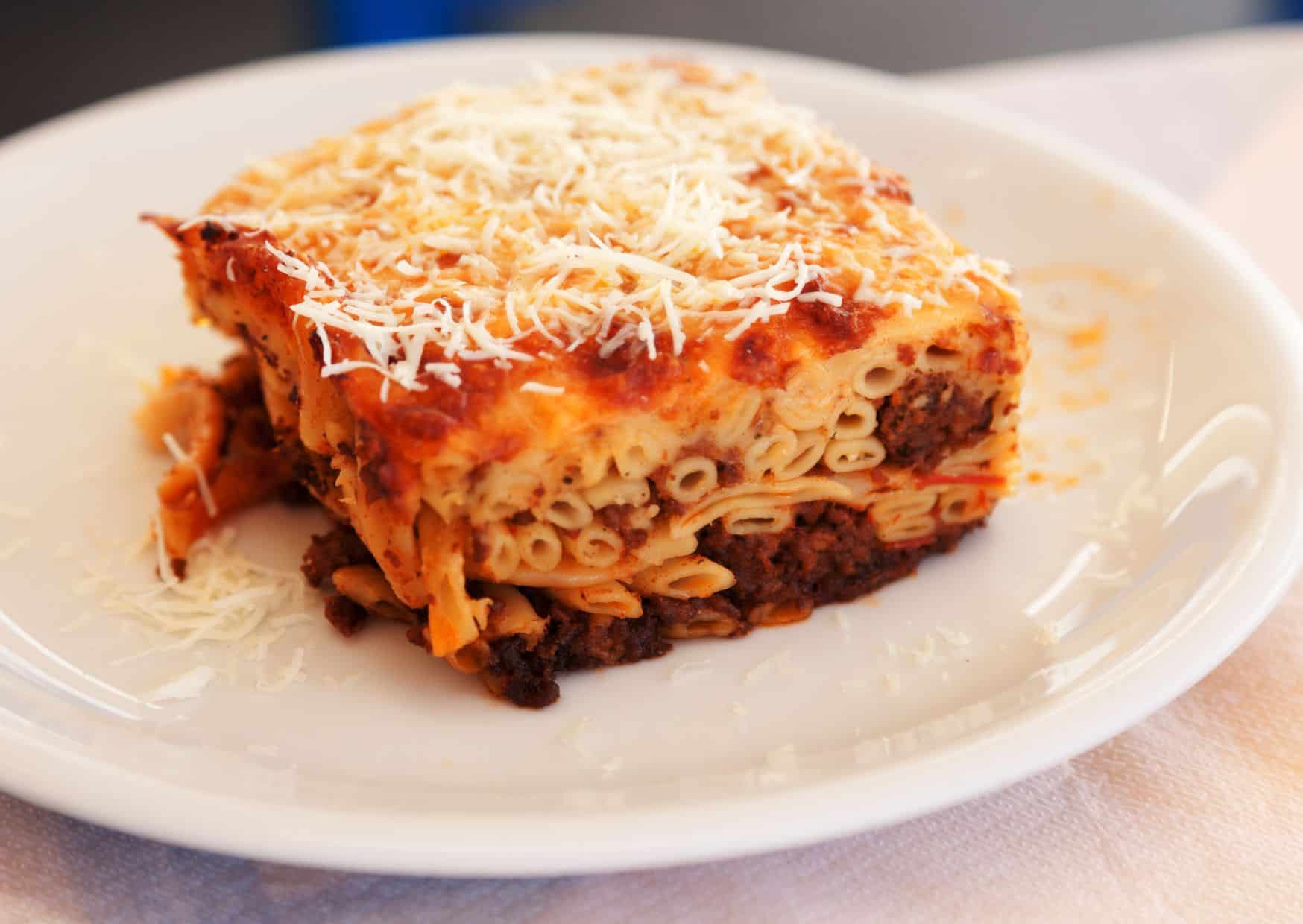
When most people think of lasagna, they picture layers of pasta, tomato sauce, and melted cheese — the Italian classic beloved worldwide. But Greece has its own version of this comfort food favorite, and it’s every bit as rich, flavorful, and satisfying. Known as Pastitsio, Greek lasagna combines layers of pasta, seasoned ground meat, aromatic spices, and a creamy béchamel sauce into one unforgettable dish.
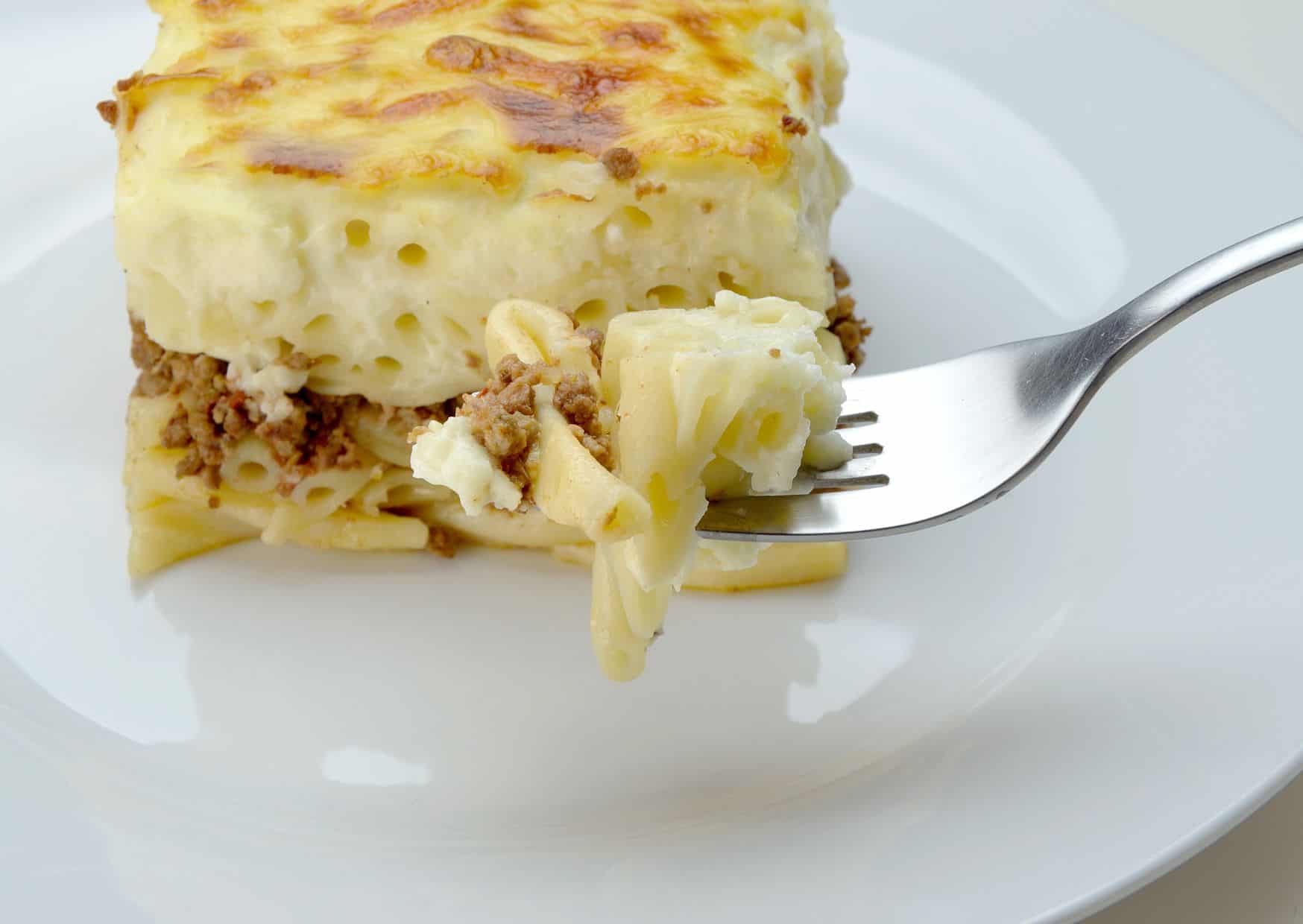
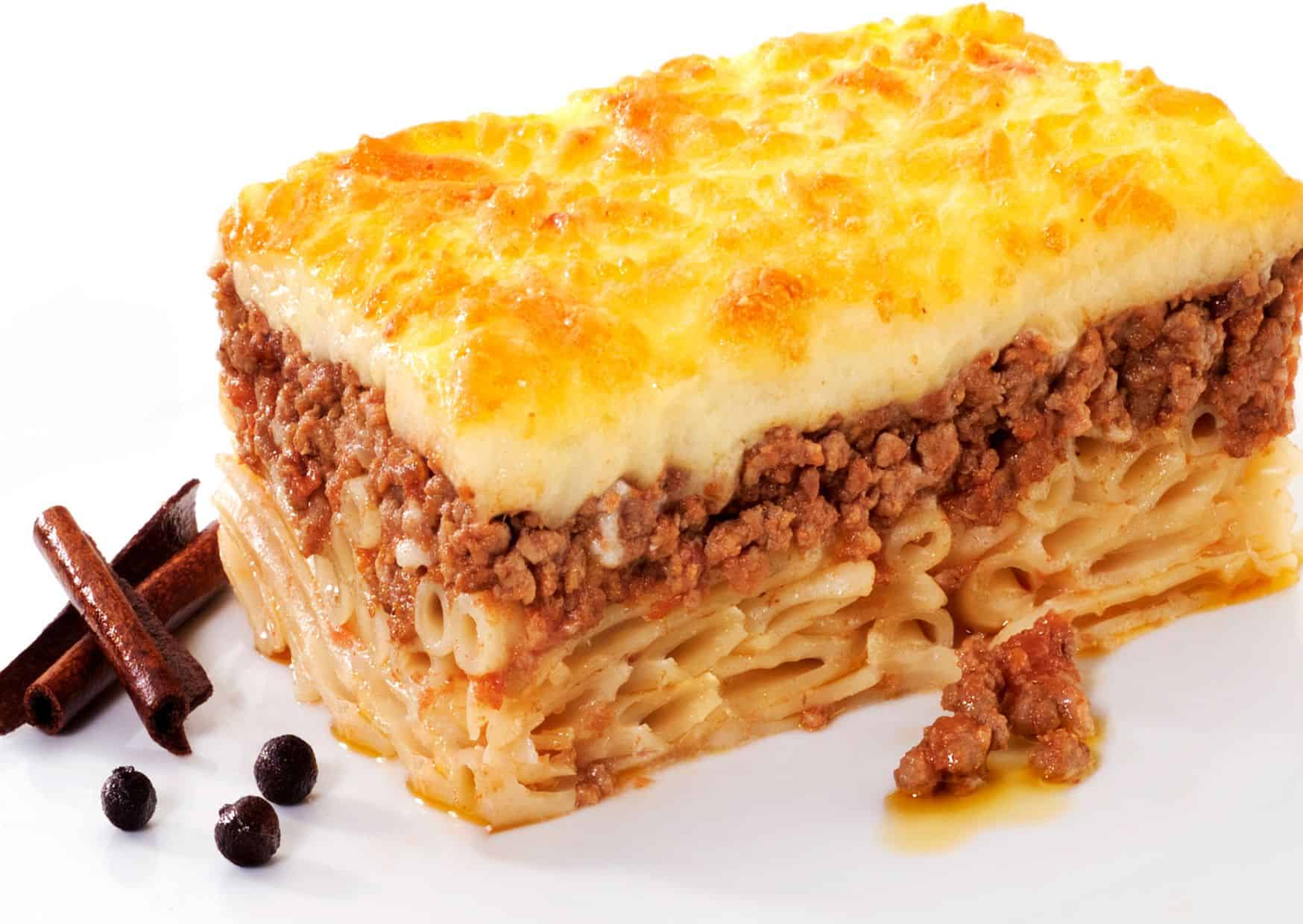
Unlike its Italian cousin, Greek lasagna stands out for its use of cinnamon, nutmeg, and often a hint of clove in the meat sauce, giving it a warm, slightly sweet undertone. The top layer of thick, velvety béchamel sauce creates a golden, creamy crust that sets it apart from anything you’ll find in a typical lasagna dish. It’s comfort food with a distinctly Mediterranean twist — hearty enough for a family dinner yet elegant enough for a special occasion.
In this recipe guide, you’ll learn how to make traditional Greek lasagna at home, including the secrets to a flavorful meat sauce, perfectly cooked pasta, and that signature béchamel topping. Whether you’re feeding a crowd or cooking for a cozy night in, this dish delivers all the richness of lasagna with the bold flavors of Greek cuisine.
Read here best breakfast in Greece, Greek food and drinks in Greece
Read here best Greece sim card for tourist, our Greece travel tips and Budget Travel in Greece
BOOK YOUR TRAVEL INSURANCE
Two of our favorite travel insurance: Heymondo Vs Safetwing cheapest travel Insurance. You can get for $135 USD your Heymondo Travel Insurance with Heymondo discount code valid for 90 days. Read our full comparison of Genki vs Safetywing Travel Insurance Review and the comparison Heymondo vs Genki
Best Time to Eat & How to Partner This Dish
Greek lasagna, or Pastitsio, is traditionally served as a main course for lunch or dinner, often during family gatherings, holidays, or Sunday meals. Its hearty layers make it a natural fit for cooler weather, but it’s beloved year-round thanks to its rich flavors and satisfying texture.
Pair Pastitsio with a simple Greek salad of tomatoes, cucumbers, olives, and feta for a fresh, tangy contrast. A side of crusty bread or a serving of roasted vegetables rounds out the meal nicely. For drinks, a glass of light red wine or a crisp white like Assyrtiko complements the spices and richness of the dish.
While Pastitsio is filling on its own, it also pairs beautifully with light appetizers like tzatziki with pita or grilled halloumi cheese. And like many baked dishes, it often tastes even better the next day — making it perfect for meal prep or leftovers.
One of the most common misunderstandings is assuming that Greek lasagna is just another lasagna with a different name. In reality, Pastitsio has a distinct identity, rooted in Greek culinary tradition and flavored with spices rarely used in Italian lasagna. Cinnamon in a meat sauce may seem unusual to some, but it’s a key element that gives Pastitsio its signature taste.
Another point of confusion comes from the béchamel layer. Unlike the lighter cheeses often used in lasagna, Pastitsio’s thick béchamel acts as a creamy, slightly custardy top layer, making the dish richer and more indulgent. Skipping it or replacing it with cheese sauce misses the essence of what makes Pastitsio unique.
And perhaps most surprising: while many consider lasagna a casual, everyday meal, Pastitsio holds a special place in Greek homes — often served during celebrations or as a centerpiece dish. It’s more than a weeknight dinner; it’s a recipe tied to tradition, family, and the Greek love of hearty, communal meals.
How to Make Greek Lasagna
Greek Lasagna Recipe Ingredients
For the Meat Sauce:
2 tablespoons olive oil
1 large onion, finely chopped
2 cloves garlic, minced
1 pound (450 grams) ground beef or lamb
1/4 cup red wine (optional)
1 can (14.5 ounces) diced tomatoes
2 tablespoons tomato paste
1 teaspoon ground cinnamon
1/2 teaspoon ground allspice
1 teaspoon dried oregano
Salt and pepper, to taste
1/4 cup fresh parsley, chopped
For the Pasta Layer:
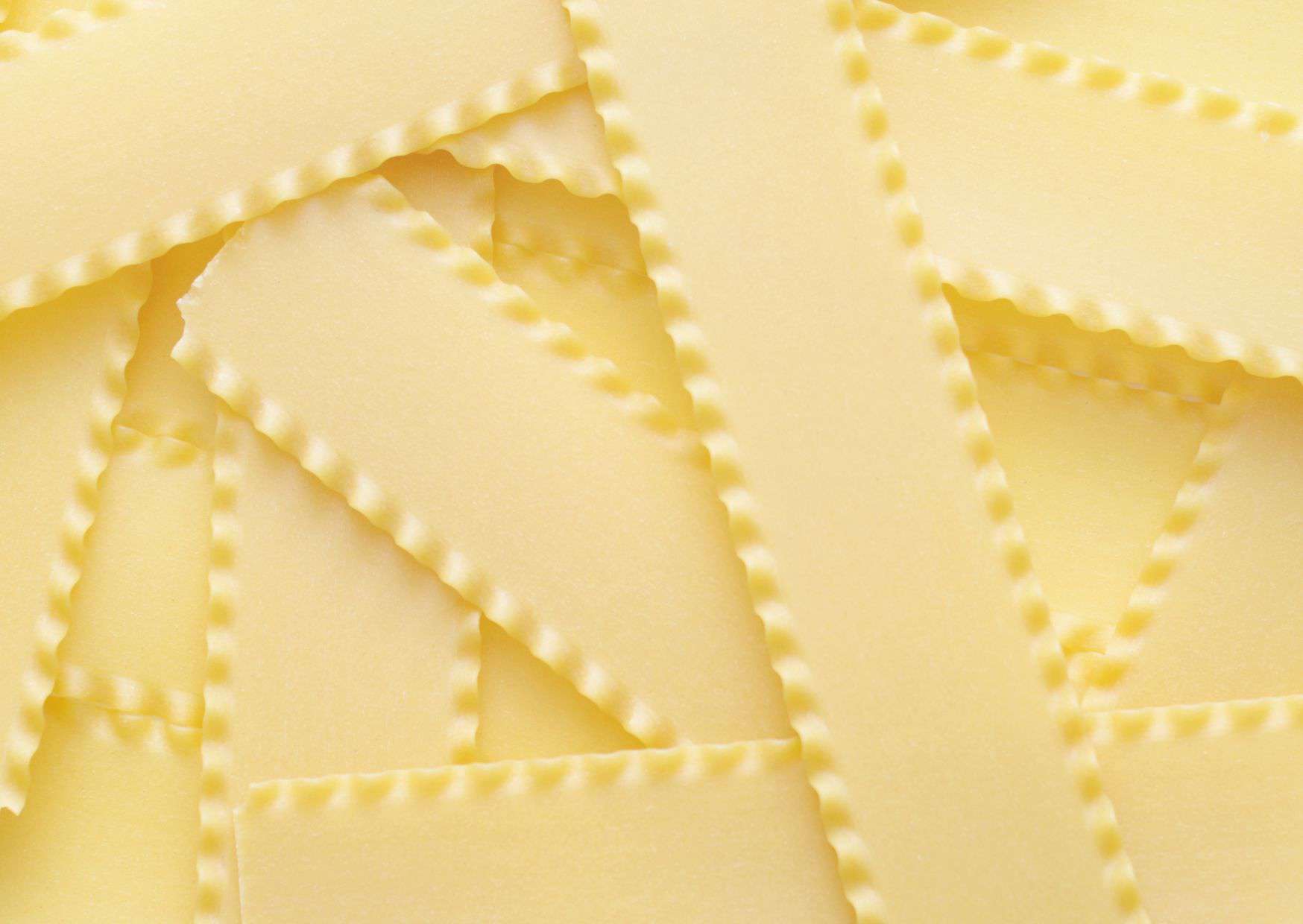
1 pound (450 grams) pasta (usually bucatini or ziti)
2 tablespoons unsalted butter
2 large eggs, lightly beaten
1/2 cup grated Parmesan or Kefalotyri cheese
For the Béchamel Sauce:
1/2 cup (115 grams) unsalted butter
1/2 cup (60 grams) all-purpose flour
4 cups (1 liter) whole milk
1/4 teaspoon ground nutmeg
Salt and pepper, to taste
2 large eggs, lightly beaten
1/2 cup grated Parmesan or Kefalotyri cheese
Get the best deals for your home and kitchen needs
Step By Step How to Make Lasagna
Make the Meat Sauce
In a large skillet, heat the olive oil over medium heat. Add the chopped onion and garlic, and sauté until soft and translucent, about 5 minutes. Add the ground beef or lamb to the skillet. Cook until browned, breaking up any large pieces with a wooden spoon.
If using wine, pour it into the skillet and allow it to reduce for a couple of minutes. Stir in the diced tomatoes, tomato paste, cinnamon, allspice, oregano, salt, and pepper. Simmer the sauce for 20-30 minutes until it thickens slightly. Stir in the fresh parsley and set the sauce aside.
Prepare the Pasta
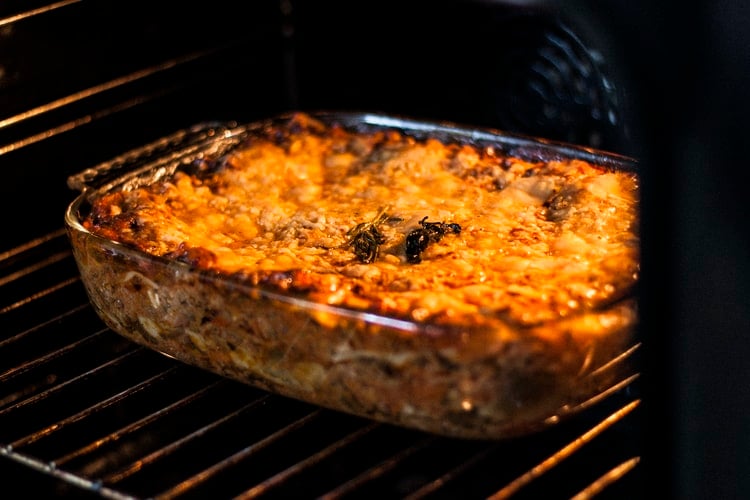
Boil the pasta in salted water according to package instructions until al dente. Drain and return to the pot. Stir in the butter while the pasta is still hot, then allow the pasta to cool slightly before adding the beaten eggs and grated cheese. Mix well to coat the pasta evenly.
Make the Béchamel Sauce
In a medium saucepan, melt the butter over medium heat. Stir in the flour and cook for about 2 minutes, stirring constantly, to create a roux. The mixture should be smooth and lightly golden.
Slowly whisk in the milk, continuing to stir until the sauce thickens and comes to a simmer. Stir in the nutmeg, salt, and pepper. Remove the saucepan from the heat and allow the béchamel to cool slightly before whisking in the beaten eggs and grated cheese.
Assemble the Pastitsio
Preheat your oven to 350°F (175°C). Spread half of the pasta mixture evenly in the bottom of a greased 9×13-inch baking dish. Spoon the meat sauce over the pasta layer, spreading it evenly.
Top with Remaining Pasta: Layer the remaining pasta on top of the meat sauce. Pour the béchamel sauce over the top layer of pasta, spreading it out evenly to cover the entire dish.
Bake and Serve
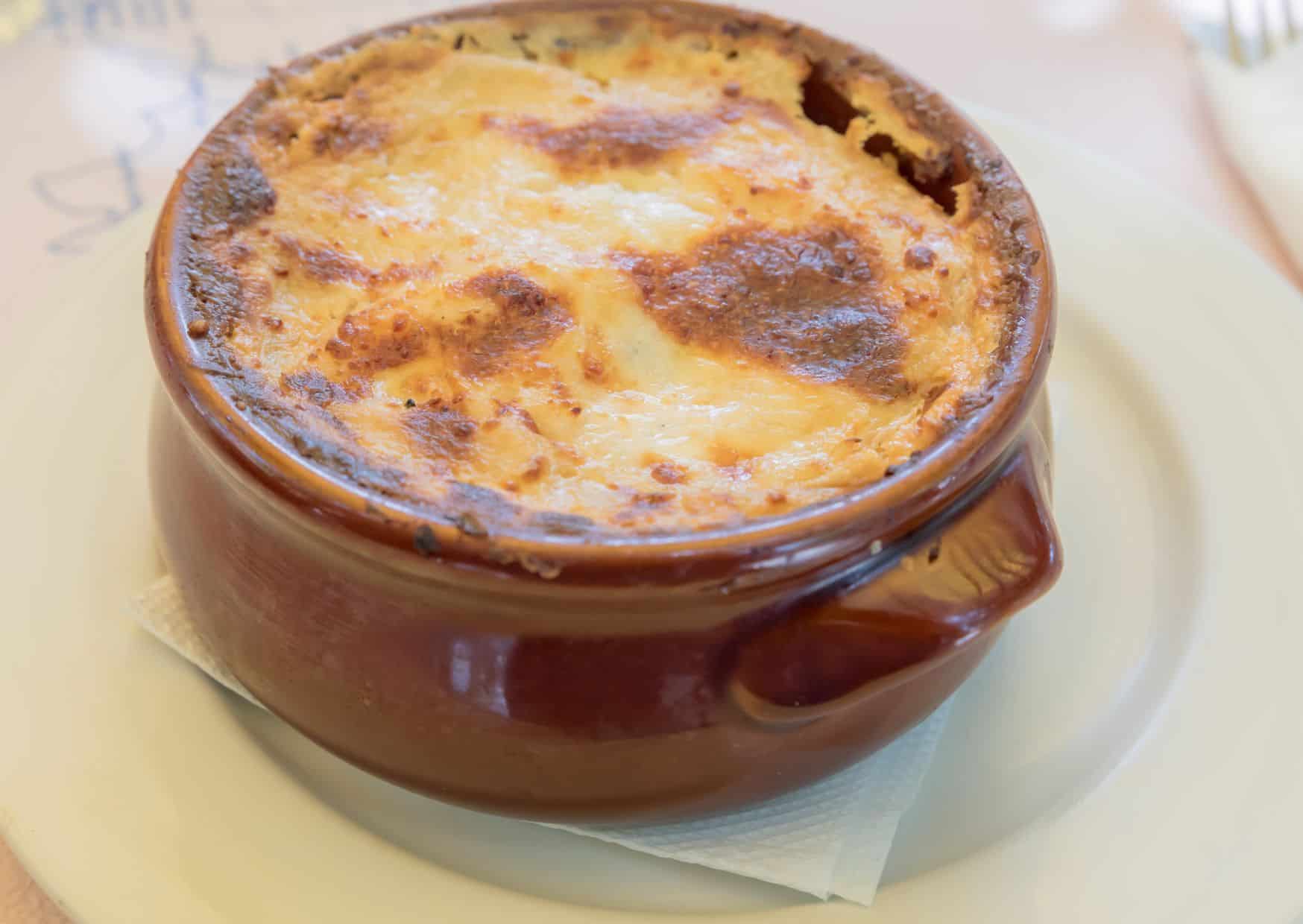
Place the dish in the preheated oven and bake for 45-60 minutes, or until the top is golden brown and the béchamel is set. Allow the pastitsio to cool for 10-15 minutes before slicing and serving. This will help the layers set and make it easier to cut clean portions.
Tips To Make Lasagna
The cinnamon and allspice are key to giving the meat sauce its distinctive Greek flavor. Adjust the spices to your taste.
Ensure your béchamel sauce is thick but still pourable. If it’s too thick, you can thin it out with a little extra milk.
Allow the pastitsio to rest after baking to help the layers set, which will make serving easier and prevent the layers from collapsing.
How Many Calories Have Lasagna
A serving of pastitsio can range from 500 to 700 calories, depending on portion size and specific ingredients used. The dish is rich due to the béchamel sauce and pasta, making it a hearty meal.
Origin and History
What many people think of as “Greek lasagna” is actually pastitsio, a beloved dish with roots tracing back to ancient Mediterranean cooking. Early versions can be linked to layered pasta casseroles enjoyed throughout the region, long before modern lasagna existed. These early dishes combined grains, cheese, and meat in stacked layers meant to feed families and armies alike, setting the foundation for what would eventually become one of Greece’s favorite comfort foods.
Pastitsio, as it’s known today, took shape during the 19th and early 20th centuries. Influences from Italy, the Middle East, and the Balkans blended naturally into Greek cooking, thanks to trade routes and centuries of cultural exchange. Greek cooks adapted foreign techniques to local ingredients, using tubular pasta, spiced meat sauce, and béchamel, creating a dish that felt uniquely their own. Over time, pastitsio became a staple of Sunday tables, feasts, and celebrations across the country.
By the mid-20th century, pastitsio had become synonymous with Greek home cooking. Families passed down recipes from generation to generation, each household creating its own traditional version. Today, it’s one of the most iconic Greek comfort foods, offering the depth of baked pasta with the unmistakable flavor profile of Greek spices, cheese, and creamy béchamel.
One of the fiercest debates is about the seasoning of the meat sauce. Traditionalists insist on cinnamon or nutmeg to create the signature Greek aroma. Others believe these spices are outdated or overpowering, opting instead for garlic-heavy or tomato-forward versions that feel more Italian. The conversation gets surprisingly heated, as many Greeks tie these spices to their childhood memories and cultural identity.
Another point of contention is the béchamel thickness. Some cooks swear it must be luxurious and thick, creating a dramatic top layer that stands tall. Others argue it should be lighter, allowing the pasta and meat to shine. The thickness of the béchamel often marks the difference between regional styles—and strong family opinions.
Even the pasta itself sparks debate. Classic pastitsio uses long, hollow pasta similar to bucatini, but modern cooks sometimes swap in penne or rigatoni for convenience. Purists claim this changes the structure and spirit of the dish. Flexibility-loving home cooks argue that practicality should always win. For many Greeks, though, the pasta shape is non-negotiable.
How Long You Take to Prepare
Making authentic Greek lasagna takes time, typically 1 hour and 30 minutes to 2 hours. The meat sauce alone requires 25 to 35 minutes, since it must simmer long enough for the spices and tomatoes to meld into something rich and deeply flavorful. Rushing this step results in a flatter, less aromatic dish.
Preparing the béchamel takes another 15 to 20 minutes. You slowly whisk flour, butter, and milk until the sauce thickens into a smooth, velvety base. Adding eggs near the end gives the béchamel its signature structure, allowing it to set beautifully while baking. This step requires attention but is surprisingly easy once you get the rhythm.
Assembly and baking take another 45 minutes to 1 hour. You layer the pasta, meat sauce, and béchamel, then bake until the top turns golden and slightly crisp. After baking, the pastitsio needs 10 to 15 minutes of resting time so the layers hold together when sliced. Though it’s not a fast dish, the flavor and comfort it delivers make every minute worth it.
Serving Suggestions
Pastitsio is rich and comforting, so it pairs best with something bright and refreshing. A simple Greek salad—tomatoes, cucumbers, olives, and feta—balances the creamy béchamel and hearty pasta. A drizzle of olive oil and a squeeze of lemon make the meal feel complete without overwhelming the main dish.
For a larger spread, serve pastitsio with roasted vegetables like zucchini, eggplant, or peppers. These sides highlight Greek flavors while keeping the meal light. A helping of crusty bread is optional but welcome, especially for soaking up any extra sauce.
If you’re aiming for a more festive table, pastitsio pairs well with tzatziki, lemon potatoes, or a small plate of meze such as olives, dips, and fresh herbs. A crisp white wine or even a chilled rosé complements the richness of the béchamel and the spices in the meat sauce.
Final Thoughts
Most people think of lasagna as purely Italian, but once you taste authentic pastitsio, you realize Greece has its own version—and it’s just as soulful and comforting. The layers of pasta, warm spices, and creamy béchamel capture the essence of Greek home cooking in every bite. It’s one of those dishes that fills the house with an irresistible aroma and brings people straight to the table.
Making pastitsio at home isn’t complicated; it simply requires patience and a love for richly layered flavors. Once you understand the rhythm of the dish, it becomes a recipe you’ll return to often, especially for family dinners, gatherings, or cozy nights in. Each layer builds toward something greater than the sum of its parts.
In the end, pastitsio isn’t just Greek lasagna—it’s a celebration of tradition, heart, and the kind of food that makes people feel cared for. Master it once, and it becomes a timeless comfort dish you’ll pass along just like Greek families have for generations. If you want, I can also give you a full step-by-step recipe to match this article.

About the Author: Ruben, co-founder of Gamintraveler.com since 2014, is a seasoned traveler from Spain who has explored over 100 countries since 2009. Known for his extensive travel adventures across South America, Europe, the US, Australia, New Zealand, Asia, and Africa, Ruben combines his passion for adventurous yet sustainable living with his love for cycling, highlighted by his remarkable 5-month bicycle journey from Spain to Norway. He currently resides in Spain, where he continues sharing his travel experiences with his partner, Rachel, and their son, Han.