
Last updated on January 14th, 2026 at 04:32 am
You probably saw that number in a chat or a reel and felt your plan wobble. Here is the calm version in one sentence: there is no official Spanish or EU statistic showing a 64 percent refusal rate for Americans on Spanish visas. Tourist entry first, because it removes half the panic. U.S. citizens do not need a Schengen tourist visa for Spain, so that rumored figure cannot apply to short stays.
For long stays, Spain does not publish rejection rates by nationality. What we actually see on the ground is clusters of denials caused by the same paperwork mistakes repeating across a few consulates at the same time. Remember: plan for the errors you control, not for a headline you cannot verify.
I am not interested in arguing about rumors. I am interested in the stack of paper that gets your stamp. Let’s turn this into steps you can act on.
Quick Easy Tips
Start preparing documents at least eight weeks before your appointment.
Match your visa category precisely to your actual plans.
Over-document finances with clear, consistent statements.
Assume nothing is “obvious”—explain everything with paperwork.
The most uncomfortable truth is that many Americans are rejected because they rely on intent instead of evidence. Spain does not approve visas based on sincerity or enthusiasm; it approves them based on documentation that meets exact thresholds.
Another controversial point is nationality. American passports no longer confer practical advantage in long-stay applications. Spain applies the same criteria to all applicants, and perceived privilege can lead to complacency that backfires.
There’s also widespread confusion between tourism rights and residency scrutiny. Applying for a long-stay visa triggers a resident-level review income stability, housing clarity, and non-work assurances are examined closely. Treating it like extended tourism is a common and costly mistake.
Finally, many applicants underestimate how small errors compound. A missing apostille, a vague bank statement, or inconsistent dates can invalidate an otherwise strong case. The system rewards meticulousness, not momentum.
What Americans actually apply for, in real life

Most readers are in one of four lanes. The documents vary a little by consulate, the logic is the same.
- Non Lucrative Visa, NLV for people with sufficient passive income. Think pensions, rentals, dividends you can access.
- Digital Nomad Visa, DNV for remote workers and contractors whose income comes from non Spanish clients.
- Student for degree programs or language schools with enough classroom hours.
- Family reunification categories tied to a Spanish or EU family member.
There is no official, by nationality success rate for those visas. That is inconvenient, but it also means you should stop negotiating with a number and start negotiating with your own file.
Watch for: consulate pages are similar but not identical. Build to your consulate’s exact wording, not to a generic blog.
Why denials spike in waves, even when the law did not change
It is not about passports. It is about enforcement against the same weak points over and over. When fifty applicants in a row copy an old template, you get a visible wave of refusals that looks like a policy shift. It is usually a paperwork shift.
Patterns that repeat:
- Wrong background check
Many people bring a state record. Your consulate likely wants the FBI Identity History Summary, apostilled, and sworn translated into Spanish, sometimes issued within 90 days of your appointment. If you lived in a second country for more than six months in the last five years, you may also need that country’s police certificate with apostille and translation. Remember: scope plus apostille plus sworn translation must align. - Medical certificate without the key sentence
Spain wants a line that references the International Health Regulations of 2005 and the absence of public health risk illnesses. A sweet “in good health” letter fails. Keep it on clinic letterhead, include passport number, and translate it. - Insurance that looks good on a PDF and fails in one line
NLV and many DNV filings need a Spanish private policy with full coverage in Spain, no copays, no deductibles, often no waiting periods, valid for 12 months. If the letter does not say those things, a nice logo does not save you. - Income proven the wrong way
NLV is built on IPREM multiples and DNV often on SMI multiples with documented recurring income. Screenshots of apps, sudden six figure transfers from a relative, or statements in someone else’s name do not count. Heads up: most desks want six months of history in your name. - Housing that cannot be used for padrón
Airbnb, sublets without the owner’s written consent, or a WhatsApp promise leave you standing outside immigration. Bring a lease that can be registered and a landlord who will register it, or an accepted host invitation that matches the consulate’s rules.
If you fix those five, your odds rise fast. It is boring. Boring beats rumor.
Consulate differences that actually matter
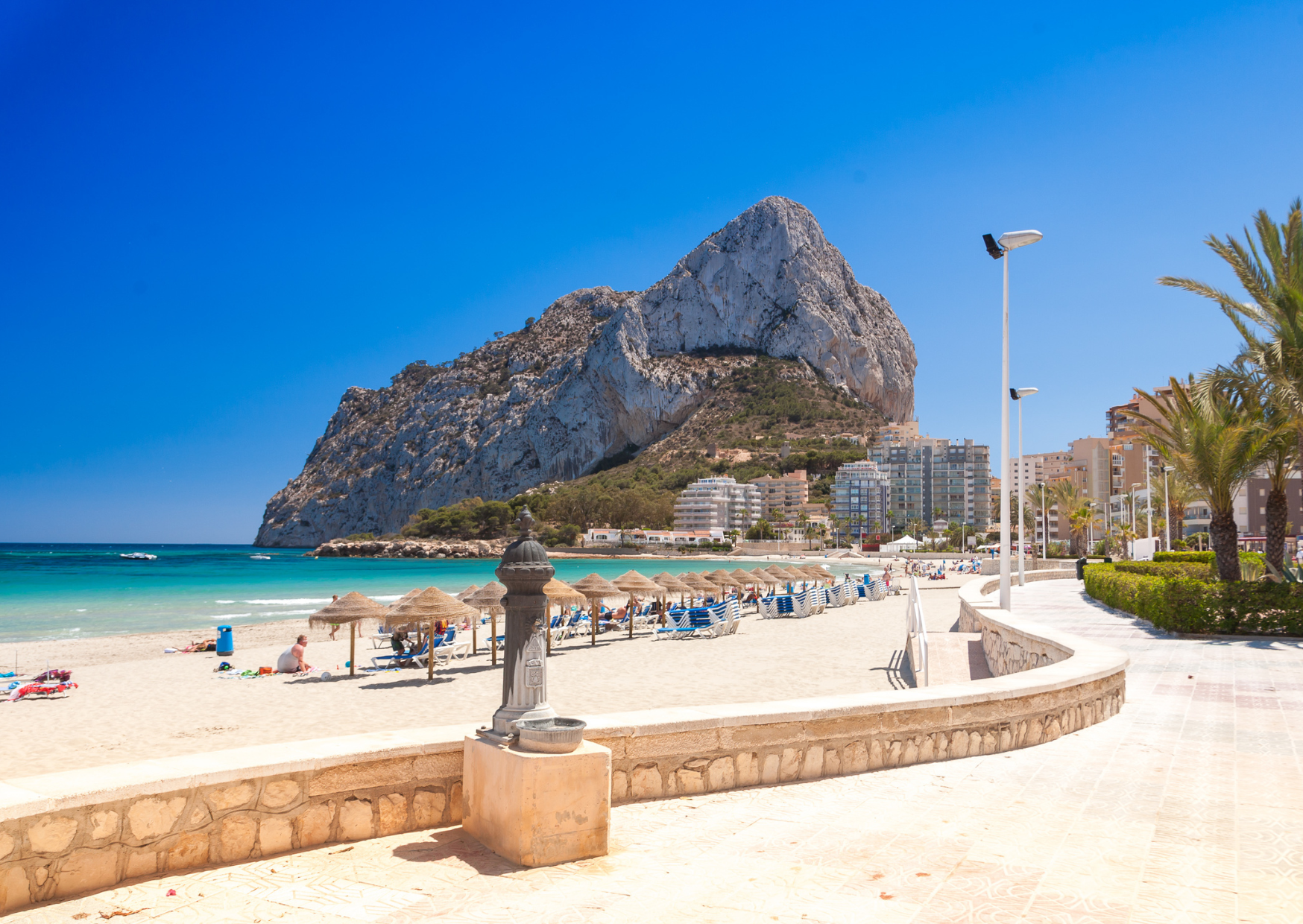
The same national rule can read differently on different websites. Treat your assigned consulate as the only truth that counts.
- New York and Miami tend to be strict about issue dates on the FBI check and the medical letter.
- Los Angeles and San Francisco often press harder on insurance language and housing.
- Houston and Chicago change appointment rhythms around holidays. December silence is common.
Do not argue that “another consulate accepts X.” Bring the page from your own consulate, printed, with each requirement highlighted. What to say: “El expediente sigue su lista literal; está todo en el orden de su web.”
Translation: I followed your list literally and organized the file in your order.
Remember: alignment gets stamped faster than charm.
The five documents Americans most often get wrong
Keep this literal. Fix these and you remove most denial risk.
1) Background check
- Order the FBI Identity History Summary.
- Send it for apostille at the U.S. Department of State.
- Get a sworn translation into Spanish.
- Keep the issue date inside your consulate’s window.
- If you lived in another country six months or more in the last five years, repeat those steps for that country.
What to say at the window: “Certificado del FBI con apostilla y traducción jurada, emitido dentro del plazo.”
2) Medical certificate
- Doctor’s letter on clinic letterhead, with full name and passport number.
- Include the sentence referencing the International Health Regulations of 2005.
- Issue date inside the window.
- Sworn translation.
Watch for: clinics often write “good general health.” Ask them to insert the requested public health sentence.
3) Insurance
- Spanish private policy that states cobertura completa, sin copagos, sin franquicias, 12 meses.
- Ask for a letter on letterhead with your name, passport number, and start date.
- If your consulate requires no waiting periods, get that line in writing.
What to say to the insurer: “Carta que indique cobertura completa en España, sin copagos ni franquicias, por doce meses.”
4) Funds
- NLV: meet or exceed the published IPREM multiple for main applicant plus each dependent. Show six months of statements.
- DNV: show monthly income at or above the SMI multiple with an employer or client letter that allows work from Spain. Bring contracts and company registration info if you are self employed.
Remember: a large transfer the week before the appointment reads as borrowed. Better to season funds across months.
5) Housing
- Lease with names, NIFs, address, duration that matches your visa, and a landlord who will register.
- If using a host, follow your consulate’s exact rules for an invitation.
- If the address cannot be used for padrón, do not attach it to your file.
What to say to a landlord: “El contrato irá a mi nombre con NIF y será registrable. Pago por transferencia SEPA desde mi IBAN.”
DNV only: the letter that actually passes

This is where many good files die. Your employer or client must put it on paper.
- Confirm the role is performed remotely from Spain.
- State gross income and nature of duties.
- Include company registration details and a live signature.
What to ask from HR: “Please add the exact phrase that I am permitted to work remotely from Spain, include my monthly or annual gross income, and add company registration details.”
Update: I used to think “remote” was enough. Now I always ask for “from Spain” in writing and the desk stops asking follow ups.
Student and family lanes, quickly and precisely
Student visas care about hours and housing. Your letter from the school must state weekly hours that meet the threshold, and the housing proof has to match the duration. If insurance is not provided by the school, buy the same compliant private policy. What to say at the window: “Horas semanales según carta de la escuela, alojamiento y seguro listados aquí.”
Family cases care most about civil status paperwork. Bring recent certified copies, apostilles, and sworn translations for marriage and birth certificates, plus any consent documents for minors if a parent is not accompanying. Watch for: name chains after marriage. Connect every name change with official documents so the clerk is not left guessing.
Timelines that keep you out of the denial pile

Set your calendar like this and you will not end up arguing with expiry dates.
- Week 1
Order the FBI check and apostille. Book a sworn translator. Start searching for a registerable lease. If you need the medical, schedule it now and give your doctor the exact sentence. - Week 2
Lock insurance with a confirming letter that says full coverage, no copays, 12 months. For DNV, request the employer letter with the words from Spain. - Week 3
Lease signed or host invitation assembled. Scan every page. Put originals on the left side of a folder, copies on the right, translations clipped behind each source. - Week 4
Print your consulate’s checklist and highlight each line that is satisfied by a document in your folder. If something is missing, pay for a one hour consult to close the gap. Remember: complete beats clever. - Week 5
Appointment day prep. Recheck issue dates, verify passport name matches bank statements name, and confirm your policy start date satisfies your consulate’s rule.
If your appointment is not for another month, freeze your file and resist changing providers unless something truly breaks.
What to say at the window, without sounding like a robot
Keep it short and specific. Place these lines exactly when the clerk looks at that item.
- Insurance check
What to say: “Cobertura completa en España, sin copagos, doce meses. La aseguradora lo confirma en esta carta.” - Funds
What to say: “Fondos en mi cuenta, seis meses de extractos. Supero el mínimo para [NLV o DNV] y dependientes.” - DNV employment
What to say: “La empresa confirma trabajo remoto desde España y el ingreso bruto de [importe]. Firma y registro mercantil aquí.” - Housing
What to say: “Contrato registrable con NIFs. El propietario hará el registro. Aquí la copia.”
Polite, concrete, and done. If a clerk has a follow up, answer the question only. Do not give a speech.
Common edge cases that quietly sink good files
- Old translations
If a document expires or has a freshness window, a perfect translation of an older version still fails. Translate the current one. - Name mismatches
If your bank uses a middle initial but your passport spells it out, update the bank or include a name letter. Remember: exact strings matter. - Insurance start dates
Some consulates require coverage that begins before entry. If your policy starts after landing, you get a polite no. Set the start earlier by a few days. - Business income mixed in a personal account
For DNV, pay yourself to a personal account so the inflows match your name and are easy to read. - Housing gaps
A lease that begins after your appointment without an interim plan can raise questions. If there is a gap, bring a simple statement explaining where you will stay and why the lease start aligns with your arrival.
You do not need to be perfect. You do need to look like a person who reads instructions and follows them.
How to read a denial and recover fast
Do not dramatize. Read the reason line and fix exactly that.
- If it says insurance not sufficient, replace the policy and bring a letter in Spanish that spells out full coverage, no copays, 12 months, plus your name and passport number.
- If it says income not proven, bring longer history with inbound flows in your name, and a short letter that aligns the numbers to the requirement. If you used screenshots, replace them with stamped statements or PDFs downloaded from the bank.
- If it says background check out of window, reissue and retranslate.
Most consulates accept reapplication once the defect is cured. Appeals exist but are slower. Remember: a corrected file usually beats an argument.
Two short examples that show how files actually pass
Example 1, NLV couple in Valencia
They brought FBI checks with apostilles dated 65 days before the appointment, medical letters with the 2005 sentence, an insurance letter stating full coverage without copays, six months of statements showing a combined monthly income above the consulate’s IPREM multiple, and a 12 month lease with landlord willing to register. The clerk asked two questions about start dates and stamped the file. Heads up: their policy started one week before flight. That detail avoided a classic no.
Example 2, DNV single in Madrid
They had a remote contract at a U.S. firm and a letter that initially said “remote.” The law firm told them to add “from Spain.” HR updated it, attached company registration info, and signed. Income cleared the SMI multiple by 25 percent, housing was a registerable lease, and insurance had the correct language. The file moved in one visit. Update: without the words “from Spain,” the desk would have asked for a corrected letter and a second appointment.
Quick checklist you can print

- FBI check, apostilled, sworn translation, issue date inside window.
- Medical certificate with the 2005 sentence, translated, inside window.
- Insurance letter that says full coverage in Spain, no copays, 12 months, your name and passport.
- Funds that match IPREM or SMI math with six months of statements in your name.
- Lease that can be registered or valid host invitation.
- DNV only: employer or client letter stating remote work from Spain, income, and company registration.
- File assembled in your consulate’s order, page printed and highlighted.
If one line worries you, fix that line first. Do not rearrange the whole file to avoid a single missing sentence.
Open your consulate’s page today, highlight every noun they use, and mirror those nouns in your documents. Ask your insurer for the Spanish letter, ask HR to include “from Spain,” and set your medical wording in stone before the appointment. Remember: clean files move, rumors do not.
A 64% rejection rate isn’t a fluke it’s a signal. Spain has shifted how it evaluates long-stay visas, and many Americans are still operating under outdated assumptions. What once felt like an extension of travel is now treated as a formal immigration decision.
The biggest change isn’t hostility; it’s precision. Spain expects applicants to meet exact standards for finances, insurance, housing, and intent. When those standards aren’t met cleanly and consistently, the application fails often without room for interpretation.
This shift exposes a gap between expectation and reality. Americans are accustomed to flexible processes and customer-service logic. Spain’s system is legalistic, document-first, and indifferent to narrative. Understanding that difference is essential.
The takeaway is simple: optimism is no longer enough. Preparation, clarity, and compliance determine outcomes now and those who adapt can still succeed.

About the Author: Ruben, co-founder of Gamintraveler.com since 2014, is a seasoned traveler from Spain who has explored over 100 countries since 2009. Known for his extensive travel adventures across South America, Europe, the US, Australia, New Zealand, Asia, and Africa, Ruben combines his passion for adventurous yet sustainable living with his love for cycling, highlighted by his remarkable 5-month bicycle journey from Spain to Norway. He currently resides in Spain, where he continues sharing his travel experiences with his partner, Rachel, and their son, Han.