
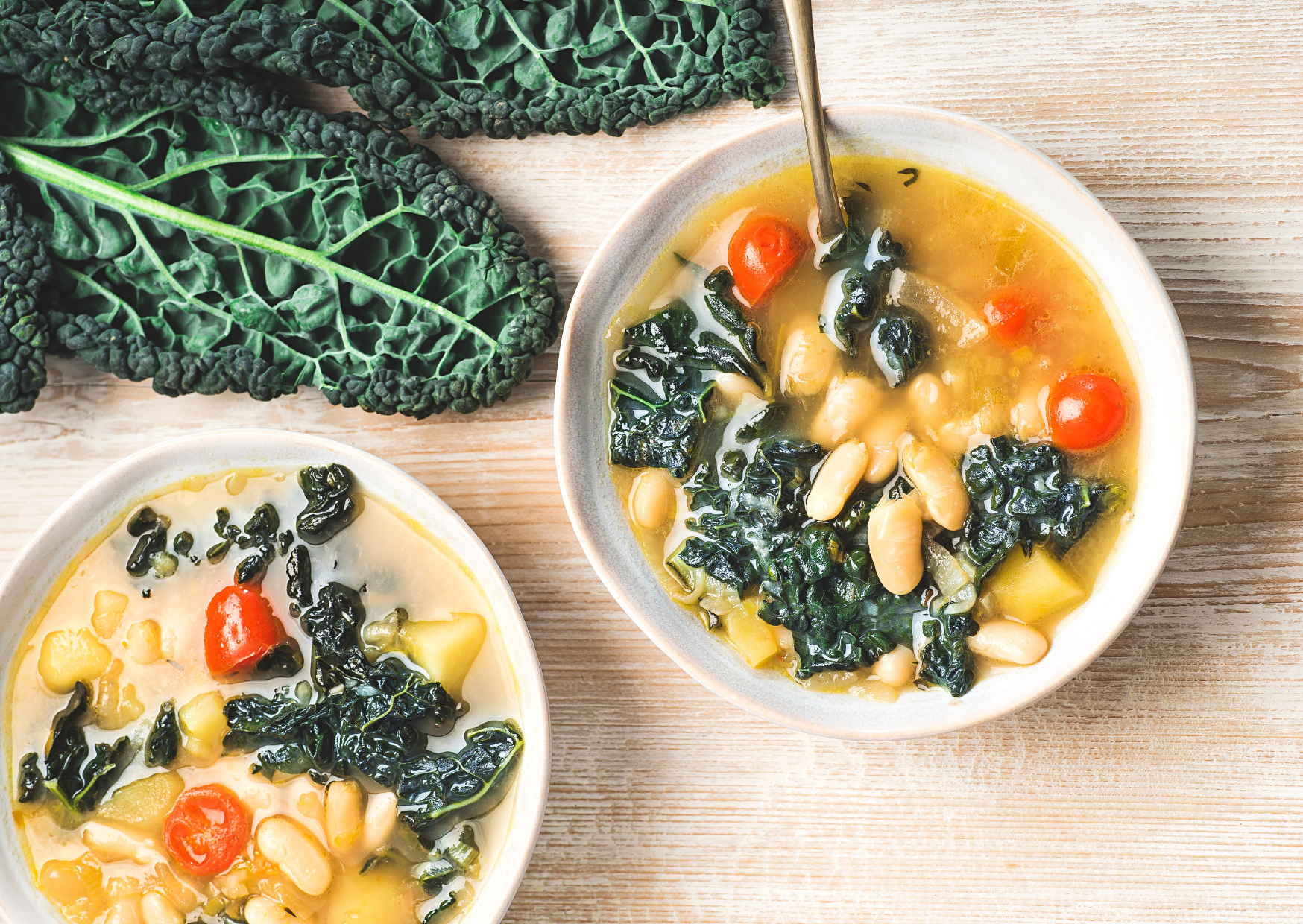
So here is the simple version first. Italian winter eating is warm, heavy on vegetables, and light at night, and the result is you can sail through December without adding two kilos. It is not a trick. It is timing, fiber, and portions that look normal on a plate. I will give you the grocery list, a 14 day rhythm, the soup that anchors the whole thing, and exactly how Italians handle panettone without pretending they hate panettone. If you want calorie math, it is here. If you want a plan that fits around family dinners, also here.
The winter rhythm. Let’s start with what Italians actually eat between late November and early January when it is cold and your aunt is already slicing salame.
What “winter eating” looks like in real kitchens
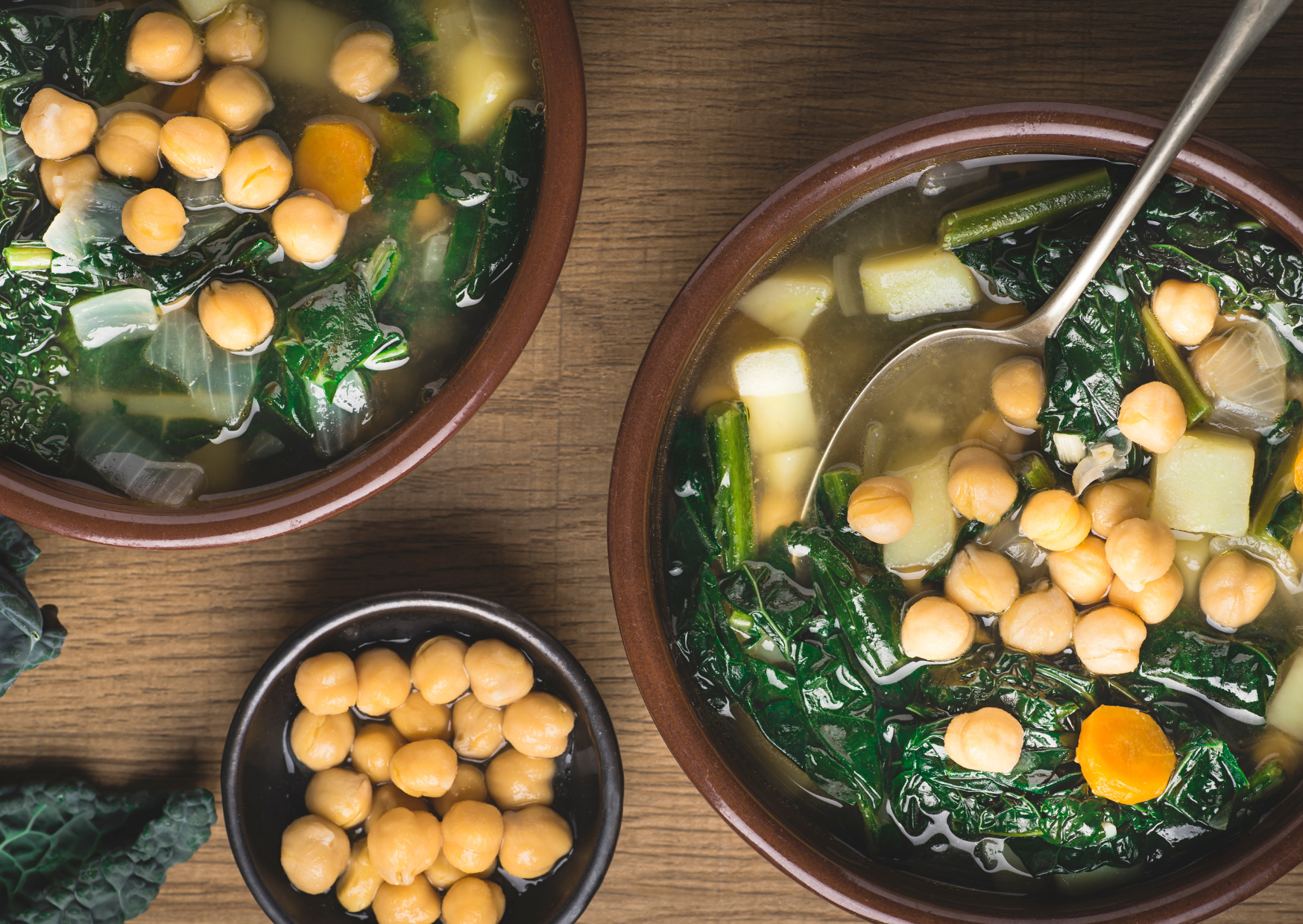
You see a lot of brodo, minestrone, legumes, bitter greens, citrus, and olive oil. Lunch does more work than dinner. Remember: heavy at midday and calm at night is the quiet lever. Typical plate pattern in December:
- Bowl of minestrone or pasta e ceci to start
- Secondo that is small and clean, like pollo al limone or grilled fish
- Contorno of cavolo nero, broccoli rabe, or fennel salad
- Fruit after, usually an orange or clementines
- Dinner becomes a bowl of soup plus bread and a little cheese, or two eggs and spinach if the day was carb heavy
No one is counting almonds. Watch for: portions that fit the plate without stacking. It is almost boring. Boring is good in December.
Why this stops weight gain without drama
Three levers do the work.
- Fiber load before fat load
Soups and legumes bring 12 to 18 grams of fiber before you touch dessert. That blunts appetite and stabilizes glucose. Remember: fiber first means sweets do less damage. - Front loaded calories
A real lunch at 13.30 or 14.00 gives you 400 to 650 kcal when you can still burn them. Dinner drops to 300 to 450 kcal most nights. You sleep lighter and wake up hungry in a good way. - Bitter greens and citrus
Italy eats radicchio, puntarelle, cavolo nero, and drinks lemon in water because it is cold and these are in season. Bitter foods push you toward smaller bites. Call it psychology. The appetite data exist, but you do not need a lecture.
If you only do one thing, move the big meal to lunch for two weeks. You will notice it on your belt even if the scale refuses to be interesting.
The grocery list that makes December automatic
Prices are mid range supermarket in Rome and Bologna this winter. They wobble, but not by much.
- Dried legumes: chickpeas, cannellini, lentils. One kilo bags are €1.50 to €2.40.
- Cavolo nero and broccoli rabe: €1.80 to €2.80 a bunch.
- Radicchio and fennel bulbs: €1.50 to €2.20 each.
- Carrots, celery, onions for soffritto: €0.99 to €1.50 total per batch.
- San Marzano passata: €1.20 to €1.80 per bottle.
- Extra virgin olive oil mid tier: €7.90 to €12.90 per 750 ml.
- Parmigiano Reggiano 24 months: €16 to €22 per kilo.
- Pane integrale or country bread: €2.50 to €3.90 a loaf.
- Eggs: €2.60 to €3.50 for 10.
- Citrus: clementines and oranges €1.50 to €2.30 per kilo.
- Anchovies in olive oil: €2.00 to €3.50 a tin.
- Yogurt intero plain: €0.60 to €0.90 per 125 g.
- Dark chocolate 70 percent: €1.20 to €2.00 per 100 g.
Remember: buy dried beans for price and texture, then cook once and eat three times.
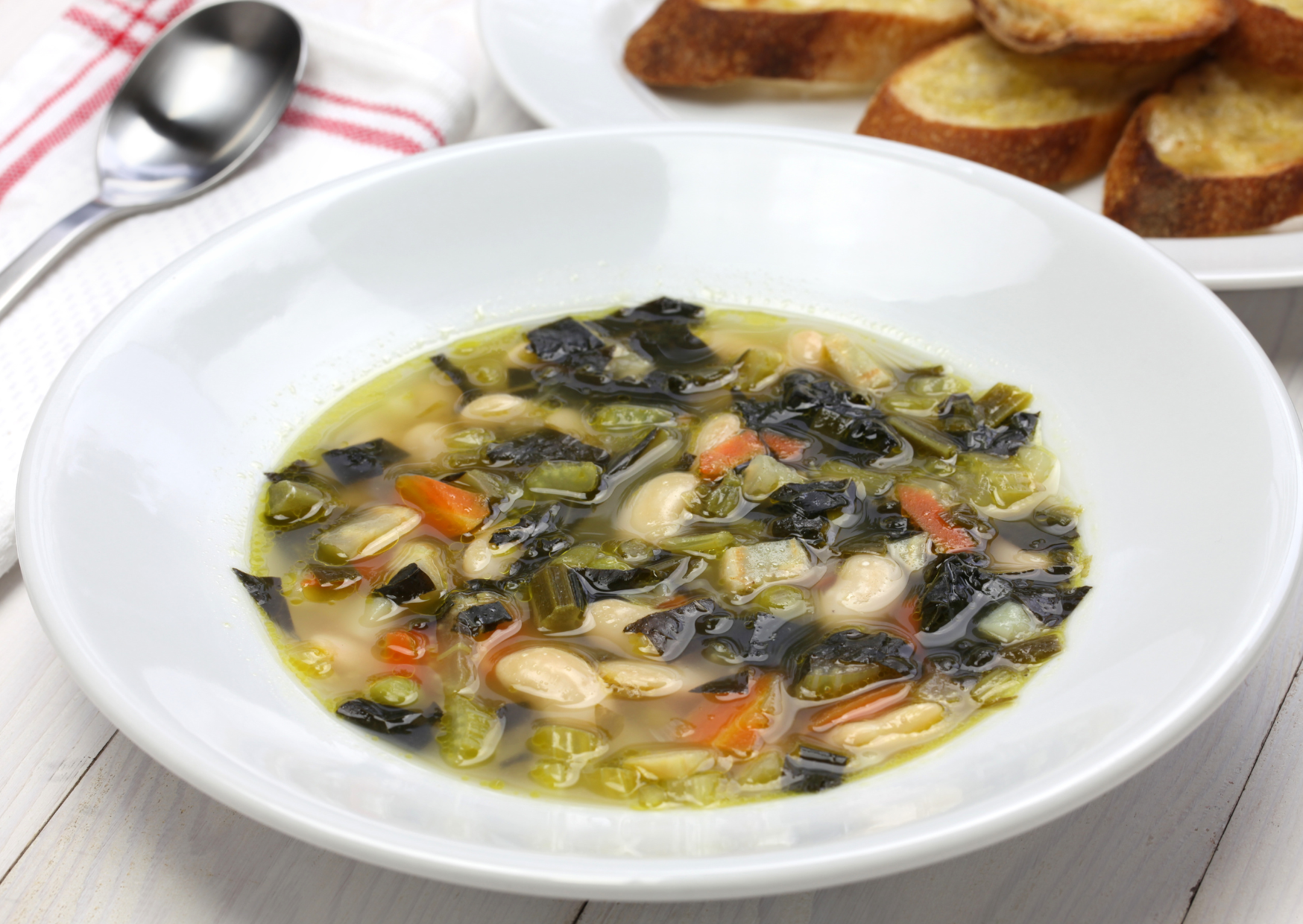
The anchor recipe: Tuscan winter minestrone with cavolo nero
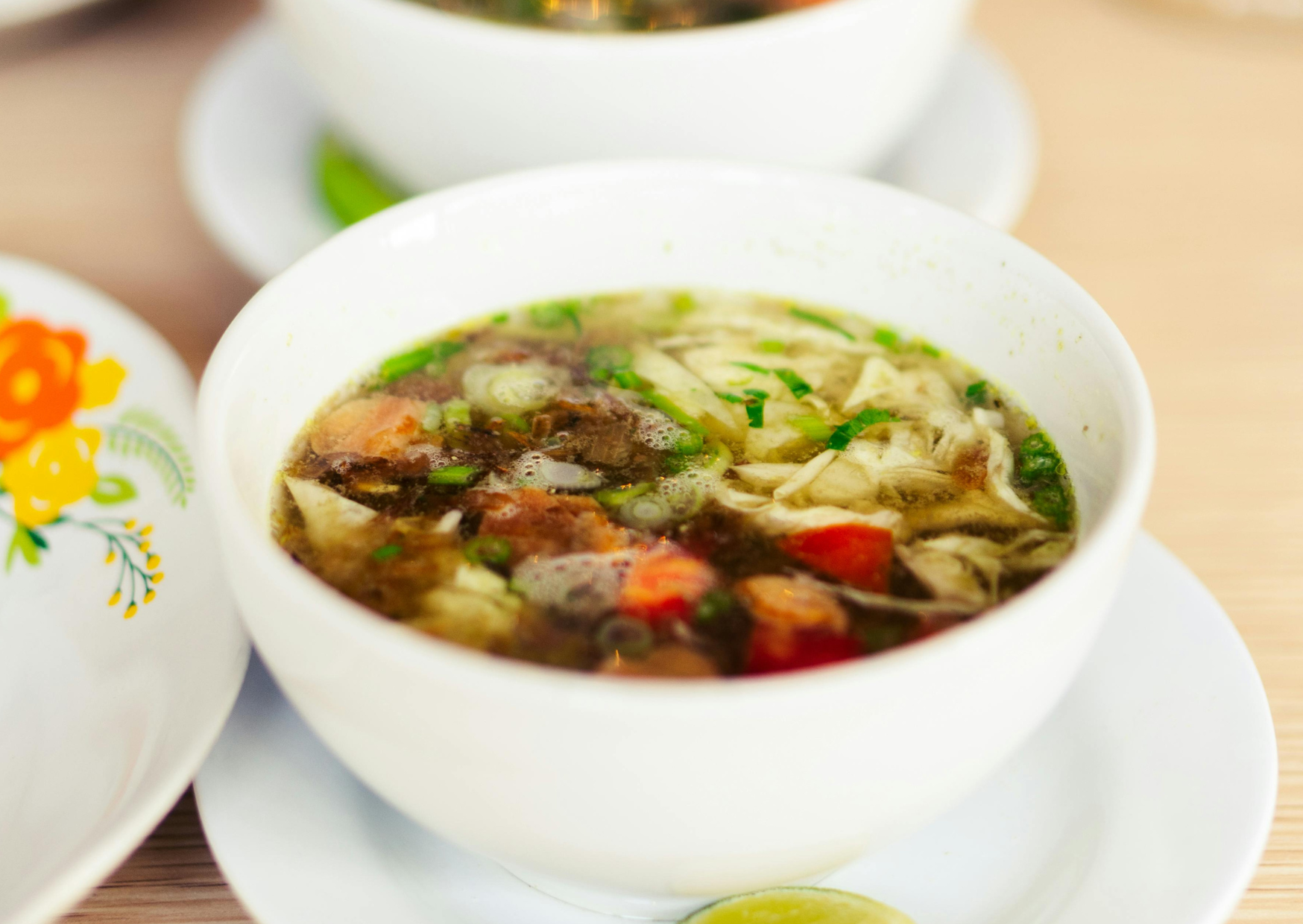
You will cook this once, maybe twice, and it covers five dinners or three lunches plus two dinners. It is the backbone.
Serves: 6 to 8
Time: 90 minutes active plus simmer
Per serving: about 280 kcal, 10 g protein, 9 g fiber before bread or oil
Ingredients
- Extra virgin olive oil, 3 tbsp
- Onion, 1 large, diced
- Carrots, 2, diced
- Celery, 2 stalks, diced
- Garlic, 3 cloves, sliced
- Potatoes, 2 medium, diced small
- Cavolo nero, 1 big bunch, stems chopped, leaves shredded
- Savoy cabbage, 2 cups, shredded
- Dried cannellini beans, 250 g, soaked overnight and drained
- Passata, 300 ml
- Parmesan rind, 1 piece if you have it
- Water or light broth, 1.8 liters
- Salt and black pepper
- Optional: a handful of small pasta or farro, 60 g total
Method
- Warm oil in a heavy pot. Add onion, carrot, celery. Cook gently 10 minutes until sweet.
- Add garlic, potatoes, chopped cavolo nero stems. Stir 2 minutes.
- Add beans, passata, rind, and water. Bring to a lazy boil, then simmer 50 to 60 minutes until beans are tender.
- Add shredded cavolo nero leaves and Savoy cabbage. Simmer 15 minutes.
- If using pasta or farro, add for the final 10 minutes. Season.
- Serve with 1 tsp olive oil and 1 tbsp grated Parmigiano per bowl. That is 80 kcal extra and worth it.
Watch for: this soup improves on day two. Make it Sunday and plan to eat it Tuesday and Thursday for dinner.
What I do differently now: I used to add lots of pasta here. Now I use farro or skip starch and eat a small slice of bread on the side. Satiety is better and the bowl stays about 280 kcal.
A second anchor: Pasta e ceci, weeknight version
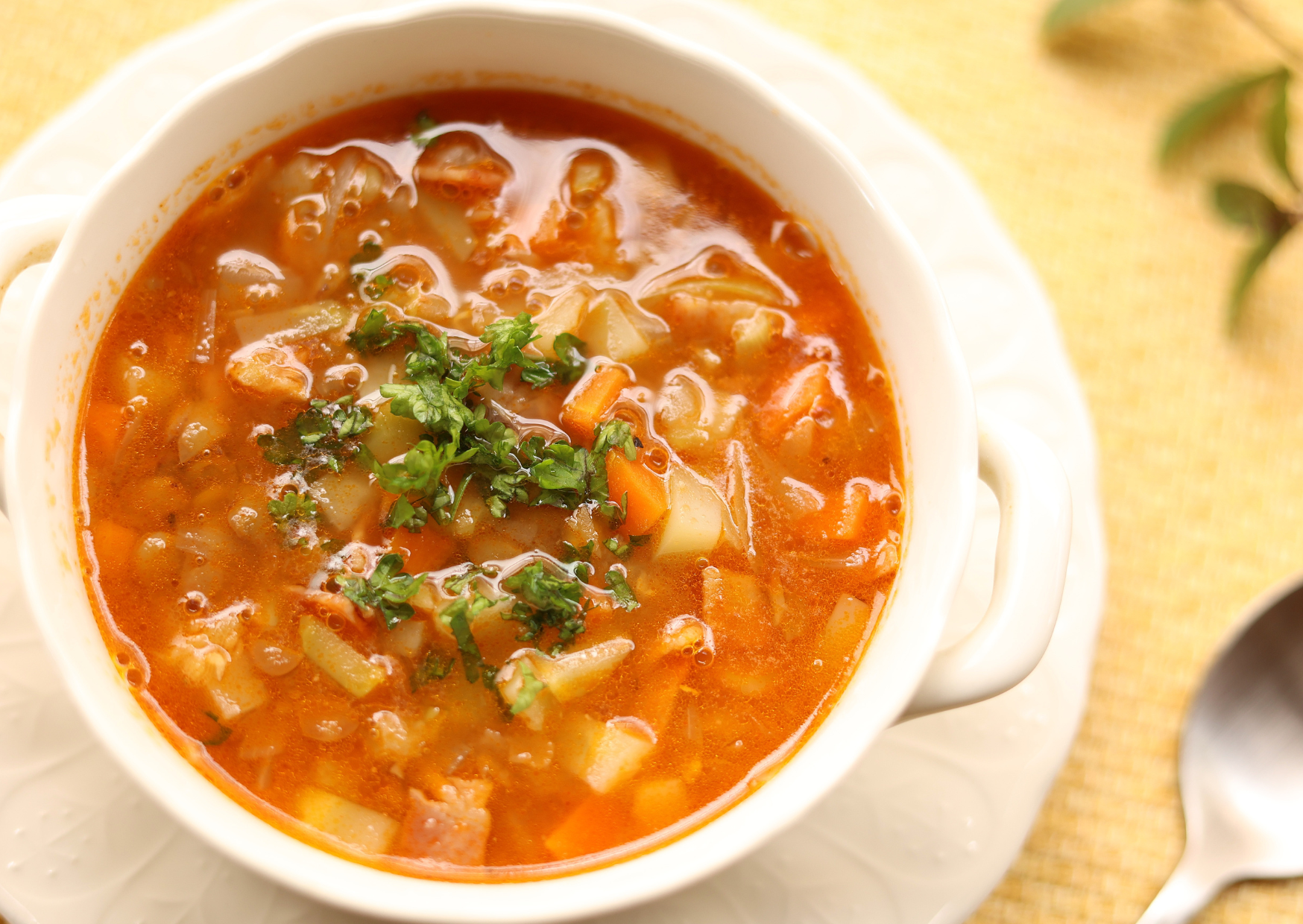
Because some nights you want pasta and you should have pasta.
Serves: 4
Per serving: about 420 kcal
Ingredients
- Olive oil, 2 tbsp
- Garlic, 2 cloves, smashed
- Anchovies, 2 fillets
- Chili flakes, a pinch
- Cooked chickpeas, 400 g drained
- Passata, 200 ml
- Water, 400 ml
- Short pasta, 240 g
- Parsley, small handful
- Lemon zest, half a lemon
Method
- Warm oil, garlic, anchovies, chili. Let anchovies melt.
- Add chickpeas, passata, water. Simmer 10 minutes, mash a few chickpeas.
- Add pasta and cook al dente in the sauce. You can add hot water if needed.
- Finish with parsley and lemon zest. Taste for salt.
Remember: pasta e ceci counts as both first and second if you add a side salad. You do not need meat here.
Two week rhythm that holds your weight through the holidays
You do not need a calendar taped to the fridge. You need a repeating loop.
Week 1
- Mon lunch: minestrone, small piece of pecorino, orange
- Mon dinner: minestrone again, bread slice, fennel salad with olive oil and lemon
- Tue lunch: pasta e ceci, radicchio salad
- Tue dinner: two eggs any style, cavolo nero sauté, yogurt
- Wed lunch: grilled chicken thigh 150 g, roasted potatoes 120 g, salad
- Wed dinner: minestrone, a few anchovies, bread
- Thu lunch: tuna in olive oil 120 g, chickpea and celery salad, apple
- Thu dinner: spinach omelet, broccoli rabe, clementines
- Fri lunch: fish soup or simple grilled fish, rice 80 g cooked, salad
- Fri dinner: minestrone, small cheese, two squares of dark chocolate
- Sat lunch: family pasta 80 g dry per person with tomato and basil, green salad
- Sat dinner: soup and fruit, or skip dinner if lunch was big
- Sun lunch: roast, polenta or potatoes, greens, fruit
- Sun dinner: something tiny, broth and spinach, or fruit and yogurt
Week 2 repeats the pattern with small swaps. Watch for: two dinners are intentionally light. That is the point.
Calories work out around 1,800 to 2,100 kcal most days if lunch is real and dinner is soup. Activity matters. Walk after lunch 15 to 20 minutes. Winter sun plus movement is part of the math.
Aperitivo without wrecking the day
It is December. People pour things. You are allowed to be social.
- Spritz or wine is fine, 120 to 150 kcal.
- Choose one rich thing on the plate, then chase olives and carrots.
- No potato chips before you eat something warm. That one rule saves 200 kcal without grief.
- If dinner is soup night, you can spend those calories at 18.30 and still sleep light.
Remember: the appetite curve changes if you put warm vegetables in your stomach before alcohol. Eat the minestrone first on days with invites and you will order less later.
The panettone plan
You are not abstaining in Italy in December. You are managing.
- Serving is 60 to 70 g, roughly a slice the width of your hand. About 230 to 260 kcal.
- Pair with tangerines or a small espresso. No cream.
- Eat it at 11.00 or with lunch dessert, not at 22.30. That single timing change is the difference between maintenance and gain.
- If the box lives in your kitchen, wrap slices and freeze them. Thaw one at a time. I know this sounds fussy. It works.
Update: I used to make panettone a dinner dessert to be “festive.” Now I move it to midday and stop at one slice. Sleep is better too.
Portion sizes that match what you see on tables
If you need grams, here they are.
- Pasta on a normal day: 70 to 80 g dry
- Legumes cooked as part of a soup: 120 to 160 g
- Olive oil for plating: 1 tsp per bowl, 1 tbsp in salad for two
- Cheese as a finish: 15 to 25 g
- Meat or fish at lunch second course: 120 to 160 g
- Bread with soup: 40 to 60 g
Remember: if the soup comes first, the second course can be small and still feel like a meal.
What to cook when you are tired and the fridge is boring
This is the bit that keeps you honest on Thursdays.
- Uova in trippa without the tripe
Simmer passata with garlic, drop in two eggs to poach, finish with pecorino and mint. Bread on the side. - Cavolo nero bruschetta
Toast bread, rub with garlic, pile sautéed cavolo nero, splash of oil. Salt, pepper, done. - Lentil salad warm
Warm lentils with onion and carrot, add anchovies, lemon zest, parsley. This is lunch with a clementine and a square of chocolate.
A small plate and five ingredients. That is how you survive week two when parties begin.
If you want weight loss, not just maintenance
Tighten two screws for seven days.
- Turn two dinners into broth with greens and yogurt.
- Drop pasta portions to 60 g dry at lunch and increase beans by 50 g cooked.
That alone often creates a 300 to 400 kcal daily deficit without hunger. If it does not, stop tightening. Remember: December is for maintenance and calm. You can be aggressive in January if you like punishment.
Walking, coffee, and the tiny rules that matter
- Walk 15 minutes outside after lunch. Cold air plus movement settles appetite and lifts mood.
- Coffee is fine. Two espressos or one cappuccino in the morning. After 14.00 go decaf if sleep hates you.
- Wine is fine with lunch or early aperitivo, not both, and not nightly.
- Water matters more than you think when the heat is on. Aim for 1.5 to 2 liters across the day.
I am probably explaining the obvious. Still, people forget water in winter.
The nutrition quick math if you care
A day with minestrone dinner and a proper lunch often lands near:
- Protein 70 to 90 g
- Fiber 28 to 38 g
- Fat 55 to 75 g, mostly olive oil and fish
- Carbs 180 to 240 g, with a big share from legumes and vegetables
The balance is Mediterranean by accident because that is what groceries are. If you hit 30 g fiber and keep dinner light, December weight is stable for most adults who walk.
Troubleshooting real life
- Office lunch is late
Eat half your soup at 12.00 and the rest at 14.00. Remember: split meals beat snacks. - Two parties in a week
Make the day before and the day after soup nights. Add citrus and go to bed early once. - Cravings at 21.30
Warm milk with a spoon of honey and a clementine. Not exciting, but it switches off the search for biscuits. - Travel weekend
Bring a bag of roasted chestnuts and two oranges. Buy cheese and bread at a bar if needed. This is not a life hack. It is just normal here.
Open your calendar for the next two weeks and pick two soup nights each week. Cook the minestrone once, keep lunch honest, and move panettone to midday. Remember: a big lunch and a calm dinner are the Italian winter secret you can repeat without thinking. If you want me to convert this into a printable one page grocery and cooking plan, say the word and I will cut it tight for your kitchen counter.

About the Author: Ruben, co-founder of Gamintraveler.com since 2014, is a seasoned traveler from Spain who has explored over 100 countries since 2009. Known for his extensive travel adventures across South America, Europe, the US, Australia, New Zealand, Asia, and Africa, Ruben combines his passion for adventurous yet sustainable living with his love for cycling, highlighted by his remarkable 5-month bicycle journey from Spain to Norway. He currently resides in Spain, where he continues sharing his travel experiences with his partner, Rachel, and their son, Han.