
And What They Reveal About Cleanliness, Courtesy, and the Shared Space of the Sea
The Mediterranean beach looks like freedom.
Sunbathers draped across loungers. Families strolling barefoot for gelato. Old men in linen watching the sea like it’s a personal ritual.
But behind the ease and elegance of European beach life is a quiet set of rules — especially when it comes to bathroom behavior.
Americans often show up ready to soak up sun and saltwater with towels, speakers, snacks, and sunscreen. But within a few hours, they’ve unknowingly violated half a dozen unspoken codes — none more obvious than those involving beach bathroom etiquette.
Because in Europe, how you handle bodily needs at the beach says everything about how you understand public space, cleanliness, and cultural dignity.
Here are the beach bathroom rules Europeans expect everyone to follow — and the tourist habits that immediately signal you didn’t get the memo.
Want More Deep Dives into Everyday European Culture?
– Why Europeans Walk Everywhere (And Americans Should Too)
– How Europeans Actually Afford Living in Cities Without Six-Figure Salaries
– 9 ‘Luxury’ Items in America That Europeans Consider Basic Necessities
In many parts of Europe, beach culture is tied closely to discretion, cleanliness, and respect for shared public space. That’s why tourists who treat beach bathrooms like gas station rest stops—or worse, avoid them entirely—often come off as rude or ignorant, even if they don’t mean to. Locals notice, and yes, they judge.
One of the biggest unspoken rules? Don’t use the ocean as your toilet—a behavior that, while joked about in some circles, is seen as both unsanitary and disrespectful in many European coastal towns. What may be considered “normal” or funny in a spring break context is viewed in Europe as a serious breach of public decency.
There’s also the issue of not respecting designated facilities. Tourists may assume all beach access is informal, but many European beaches have specific zones for changing, rinsing off, or using the restroom—and skipping these rules isn’t just inconsiderate, it can lead to fines or public shaming. Locals are quick to spot who’s playing by the rules—and who clearly didn’t bother to learn them.
1. Don’t Assume There’s a Bathroom — Or That It’s Free
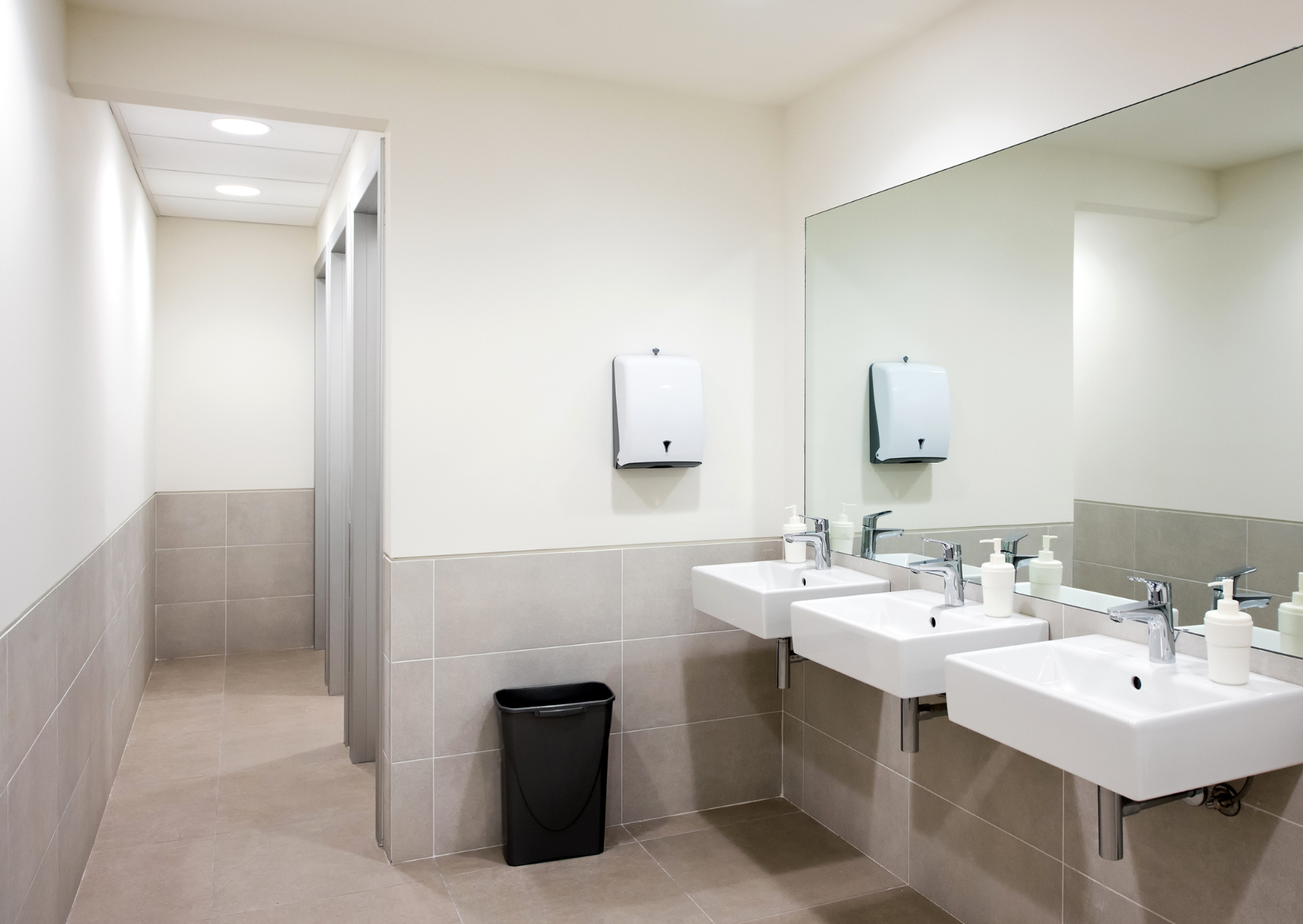
In many parts of the U.S., public beaches are equipped with:
- Free bathrooms
- City-maintained changing areas
- Easy access near parking lots
In Europe? Not so much.
You’re expected to:
- Use the facilities at a nearby café or restaurant
- Pay a small fee for access (usually €0.50–€1.00)
- Be discreet and respectful when asking to use a private toilet
Tourists who loudly ask, “Where’s the bathroom?” and look surprised when told it costs money instantly out themselves.
Locals know the system — you plan ahead or pay up.
2. Never Walk Into a Restaurant Soaked in Saltwater Just to Use the Toilet
This is one of the most common — and most judged — behaviors.
Tourists often wander off the beach, still dripping, sandy feet leaving a trail, towels over shoulders, bathing suits fully exposed, walking straight into:
- Seaside cafés
- Bars with ceramic tile floors
- Upscale beachfront restaurants
And they go straight for the restroom.
To a local, this is the equivalent of walking into someone’s house in muddy boots.
If you want to use a restaurant’s bathroom, you’re expected to:
- Dry off
- Slip on a cover-up or T-shirt
- Ask politely or order something small (a coffee, water, etc.)
Using the toilet without offering anything in return is considered incredibly rude.
3. The Beach Is Not a Toilet — Ever
It should go without saying. And yet… every summer, in every country from Italy to Portugal, locals spot tourists:
- Squatting behind rocks
- Wading suspiciously into shallow water
- Hiding near beach walls or dunes
And they know exactly what’s happening.
This behavior is deeply offensive in cultures where the sea is a sacred space, not just a recreational one.
Mediterranean people grow up with a sense of reverence for the ocean.
Using it as a toilet is not just gross — it’s borderline sacrilegious.
Even children are taught to wait, go before leaving the house, or use a proper facility.
If you’re seen breaking this rule, you won’t just be noticed. You’ll be remembered.
4. Changing in Public? Only If You’re Subtle
Many beaches in Europe don’t have dedicated changing rooms. Locals still change — but they do it with:
- Towels wrapped tightly
- Lightweight sarongs
- Quick, practiced movements
- Strategic use of privacy walls or parked cars
American tourists often:
- Strip out of swimsuits without cover
- Struggle with beach tent contraptions
- Use oversize towels but flash half the beach by accident
- Let children run fully naked far from the shoreline
To a local, changing clothes is not performance. It’s choreography. And they expect you to learn the steps.
5. Don’t Use the Shower Like It’s Your Bathroom at Home

Most European beaches offer:
- Foot rinsing stations
- Cold water showers near the sand
- Occasional coin-operated warm showers at private beach clubs
Tourists often:
- Lather up with shampoo or soap
- Spend five to ten minutes rinsing thoroughly
- Let their kids splash around like it’s a waterpark
Locals use these showers for one reason: a quick rinse to remove salt and sand. That’s it.
Anything beyond that — especially leaving behind soap residue or hair — is seen as polluting a shared resource.
A beach shower is not your spa day. It’s a courtesy. Use it like one.
6. Toilet Paper Doesn’t Go in the Toilet Everywhere
This one trips up a lot of tourists.
In parts of Greece, southern Italy, rural Spain, and older beach towns, plumbing is delicate.
You’ll often see a small bin next to the toilet — and signs asking you not to flush paper.
Tourists who ignore this cause:
- Clogged toilets
- Overflowing plumbing
- Long waits for locals who have to deal with the mess
This isn’t backwards or unhygienic — it’s just infrastructure meeting respect.
If you’re unsure, check for a sign. If there’s a bin, use it.
7. Don’t Leave Wet Clothing or Swim Diapers in Bathroom Stalls
After a beach session, it’s common to see travelers:
- Remove bathing suits in the toilet stall
- Leave them dripping in the corner
- Change kids and toss the used swim diapers beside the toilet
This is deeply frowned upon.
In Europe, public bathrooms are shared spaces, and locals take pride in keeping them clean, even when staff isn’t immediately present.
If you need to change:
- Bring a waterproof bag
- Take your wet suit with you
- Dispose of diapers properly and respectfully
The assumption is simple: leave no trace.
8. Avoid Oversharing in the Mirror Area
Bathrooms near the beach often serve as makeshift dressing rooms — and tourists take full advantage:
- Brushing hair for 10 minutes
- Reapplying full makeup
- Changing into elaborate outfits
- Holding up the sink while chatting loudly with friends
Meanwhile, there’s a line forming — and locals are quietly steaming.
In Europe, bathroom spaces are for:
- Quick, efficient use
- A rinse and refresh
- A small moment of privacy, not prolonged prep
You can get dressed and do your makeup elsewhere.
The sink is not a social lounge.
9. If You Use It, Leave It Better Than You Found It

This isn’t a posted rule. But it’s everywhere.
Whether you use:
- A café toilet
- A beachside stall
- A resort bathroom open to the public
The expectation is clear: wipe down the sink, dry the seat, clean up any sand you tracked in.
Locals do this automatically. It’s part of being a respectful beachgoer and guest.
Tourists who leave a mess, toss paper near the bin, or assume staff will clean up instantly create tension that lingers long after they’ve left.
One Shoreline, Two Standards
To tourists, the beach is casual.
To Europeans, it’s sacred routine.
One side sees bathrooms as disposable spaces.
The other sees them as shared places of dignity.
One culture says, It’s just a toilet, no big deal.
The other says, How you treat the bathroom shows who you are.
So if you’re heading to the Mediterranean this summer, remember:
It’s not just about where you swim. It’s about how you act before and after.
Because locals are watching — quietly, precisely — and what you do in the bathroom?
Says more than you think.
If you’re planning a beach trip in Europe, don’t just pack sunscreen and a towel—pack awareness of local etiquette, too. You’ll blend in better, avoid awkward moments, and earn the quiet respect of those who call these coasts home year-round.
It’s easy to assume that “vacation rules” apply everywhere, but the beach is still a shared public space, and how you behave matters. Taking a moment to use proper facilities, clean up after yourself, and follow signage isn’t just polite—it’s part of being a respectful traveler.
At the end of the day, tourists who understand that etiquette is cultural—not just practical—tend to have better experiences and fewer uncomfortable stares. Respect the beach, and it will welcome you in return.

About the Author: Ruben, co-founder of Gamintraveler.com since 2014, is a seasoned traveler from Spain who has explored over 100 countries since 2009. Known for his extensive travel adventures across South America, Europe, the US, Australia, New Zealand, Asia, and Africa, Ruben combines his passion for adventurous yet sustainable living with his love for cycling, highlighted by his remarkable 5-month bicycle journey from Spain to Norway. He currently resides in Spain, where he continues sharing his travel experiences with his partner, Rachel, and their son, Han.