
Last updated on January 14th, 2026 at 04:59 am
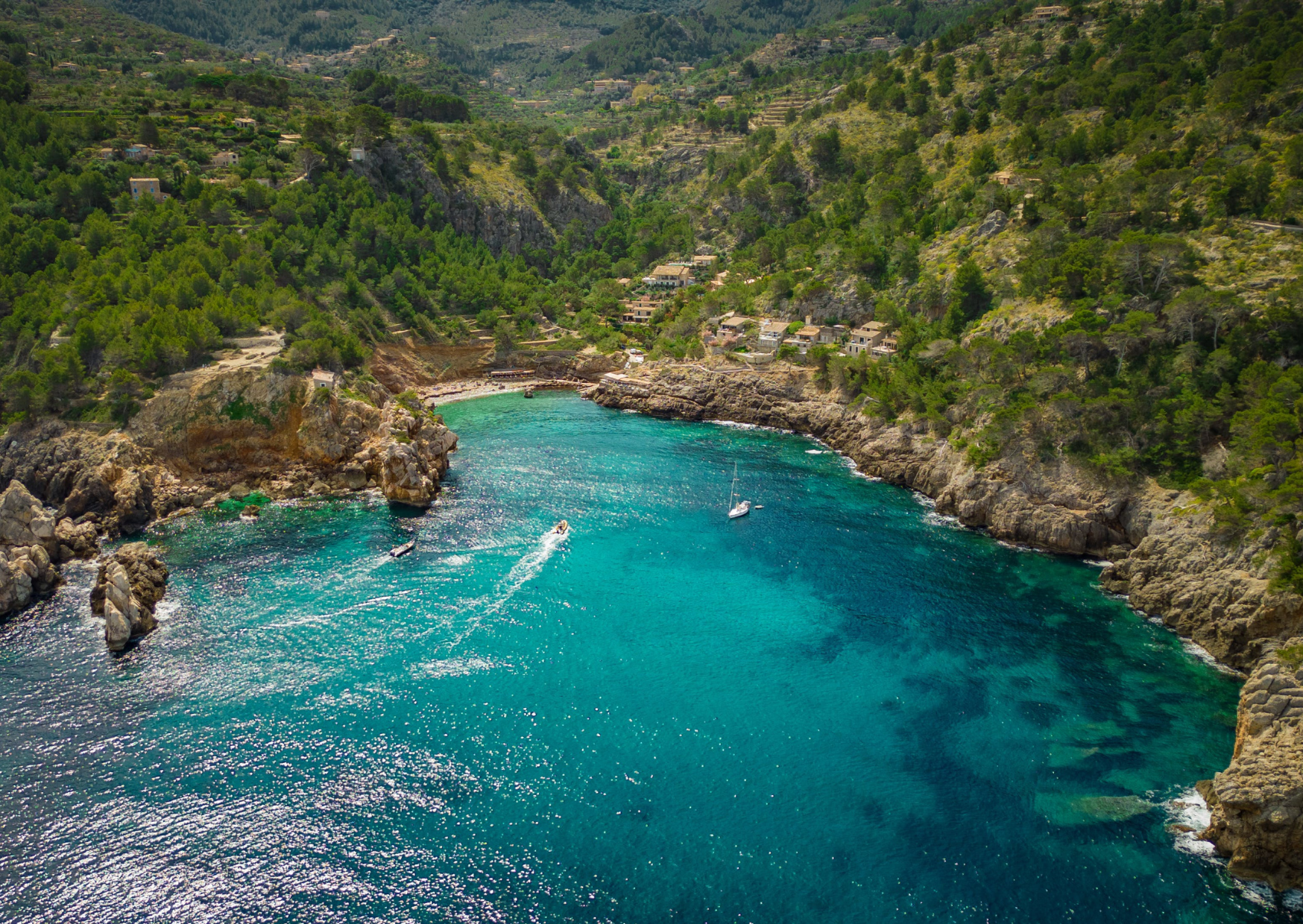
And what it reveals about pleasure, community, and the art of living well on less.
Walk through any Spanish neighborhood at 9 PM on a Tuesday, and you’ll see something that would baffle most Americans.
The streets are alive. Not with tourists or special events, but with regular people. Sitting on benches. Walking slowly. Kids playing while parents chat. Elderly couples arm in arm. Groups laughing over nothing in particular.
No one’s spending money. No one’s documenting it for social media. No one seems worried about being productive.
In America, enjoying life usually comes with a price tag. Dinner out. Movie tickets. Gym memberships. Weekend trips. We’ve been trained to believe that pleasure requires payment, that happiness has an entry fee.
Spanish people know something different.
They’ve mastered the art of daily joy without daily spending. Not because they can’t afford it, but because they’ve discovered that the best parts of life have never required a credit card.
Here’s how Spanish culture creates richness without wealth, and why Americans are paying for experiences that should be free.
Want More Deep Dives into Everyday European Culture?
– Why Europeans Walk Everywhere (And Americans Should Too)
– How Europeans Actually Afford Living in Cities Without Six-Figure Salaries
– 9 ‘Luxury’ Items in America That Europeans Consider Basic Necessities
Quick, Easy Tips for Living Like the Spanish
Prioritize people over things: Spend time with friends and family daily, even briefly.
Embrace slow meals: Take your time eating; conversation matters as much as food.
Enjoy free pleasures: Go for walks, visit public plazas, and soak in your surroundings.
Disconnect often: Limit screen time and savor real-world moments.
Live within your means: Focus on experiences, not possessions or appearances.
Honor rest: Naps, quiet evenings, and unhurried weekends are sacred in Spain.To many Americans, happiness is often tied to financial success bigger homes, luxury cars, expensive dinners, and constant upgrades. In Spain, the equation is completely different. Spaniards have mastered the art of living well without relying on wealth. They prioritize time, relationships, and leisure over consumerism. What might look “simple” to outsiders is, in truth, a deeply intentional way of life rooted in cultural values rather than material goals.
Critics sometimes interpret this lifestyle as a lack of ambition or economic drive, assuming that the Spanish approach sacrifices progress for pleasure. Yet this overlooks a powerful truth: Spaniards have built one of the world’s most balanced societies, where personal happiness often outweighs professional achievement. By choosing community over consumption, they’ve found fulfillment in ways money can’t buy.
Still, this philosophy challenges the American mindset that constant productivity defines success. The Spanish rhythm marked by long meals, evening walks, and social connection can seem almost indulgent. But in a world dominated by burnout, it offers a reminder that contentment isn’t earned through exhaustion. It’s cultivated through living intentionally, slowly, and together.
1. The Evening Walk Is Sacred, Not Optional
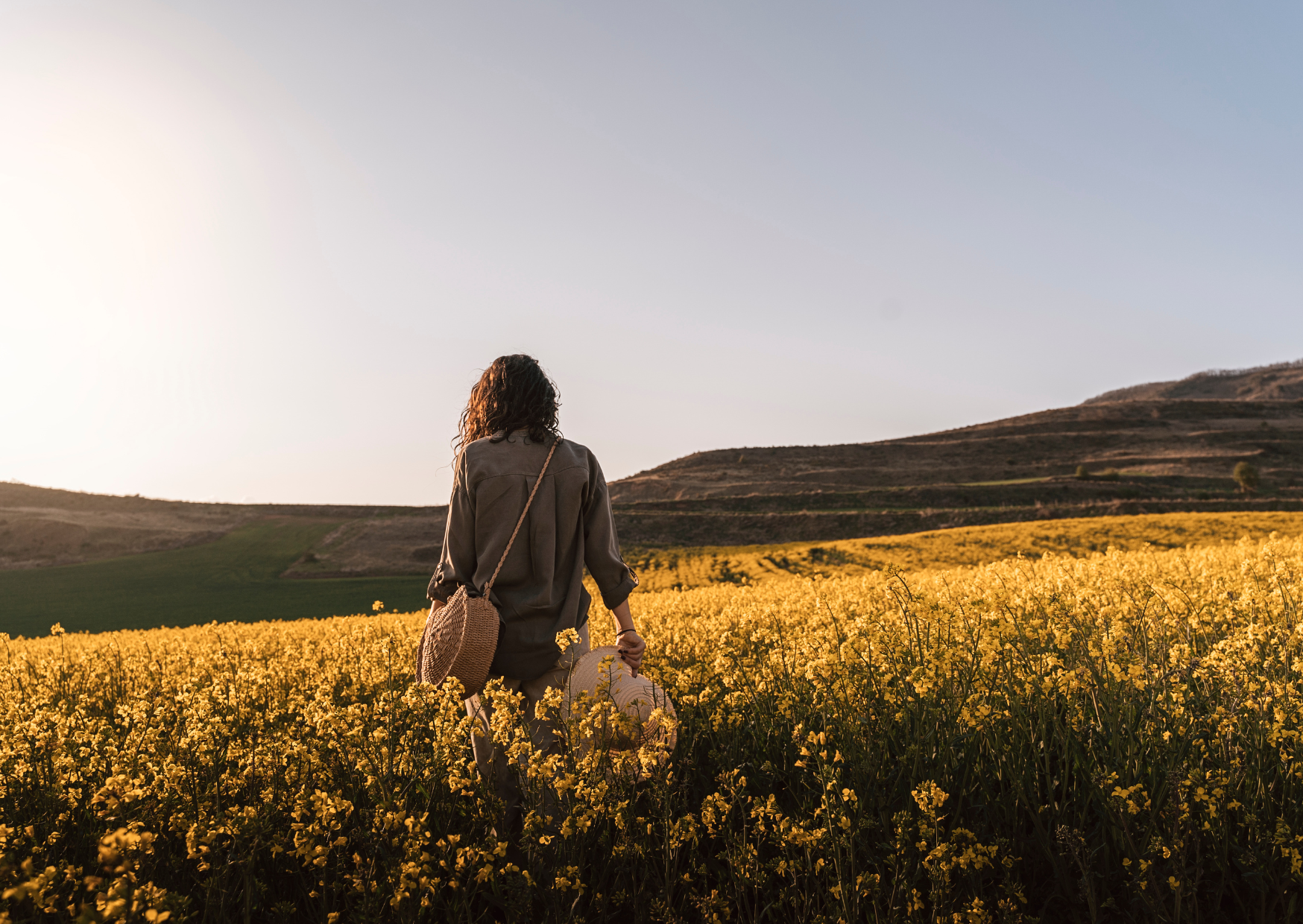
In Spain, the evening paseo isn’t exercise. It’s not tracked on a fitness app. It’s not goal-oriented.
It’s simply what you do when the sun starts to soften.
Entire families emerge around 8 or 9 PM. They walk. They greet neighbors. They stop to chat. Kids run ahead while grandparents follow slowly. The same route, every night, for years.
Americans join expensive gyms, buy Pelotons, pay for fitness classes.
Spanish people just walk.
The health benefits are identical. The social benefits are greater. The cost is nothing.
But more importantly, the paseo isn’t about burning calories or hitting steps. It’s about marking the transition from day to evening, from work to rest, from solitude to community.
You can’t buy that at Equinox.
2. Every Plaza Is a Free Living Room
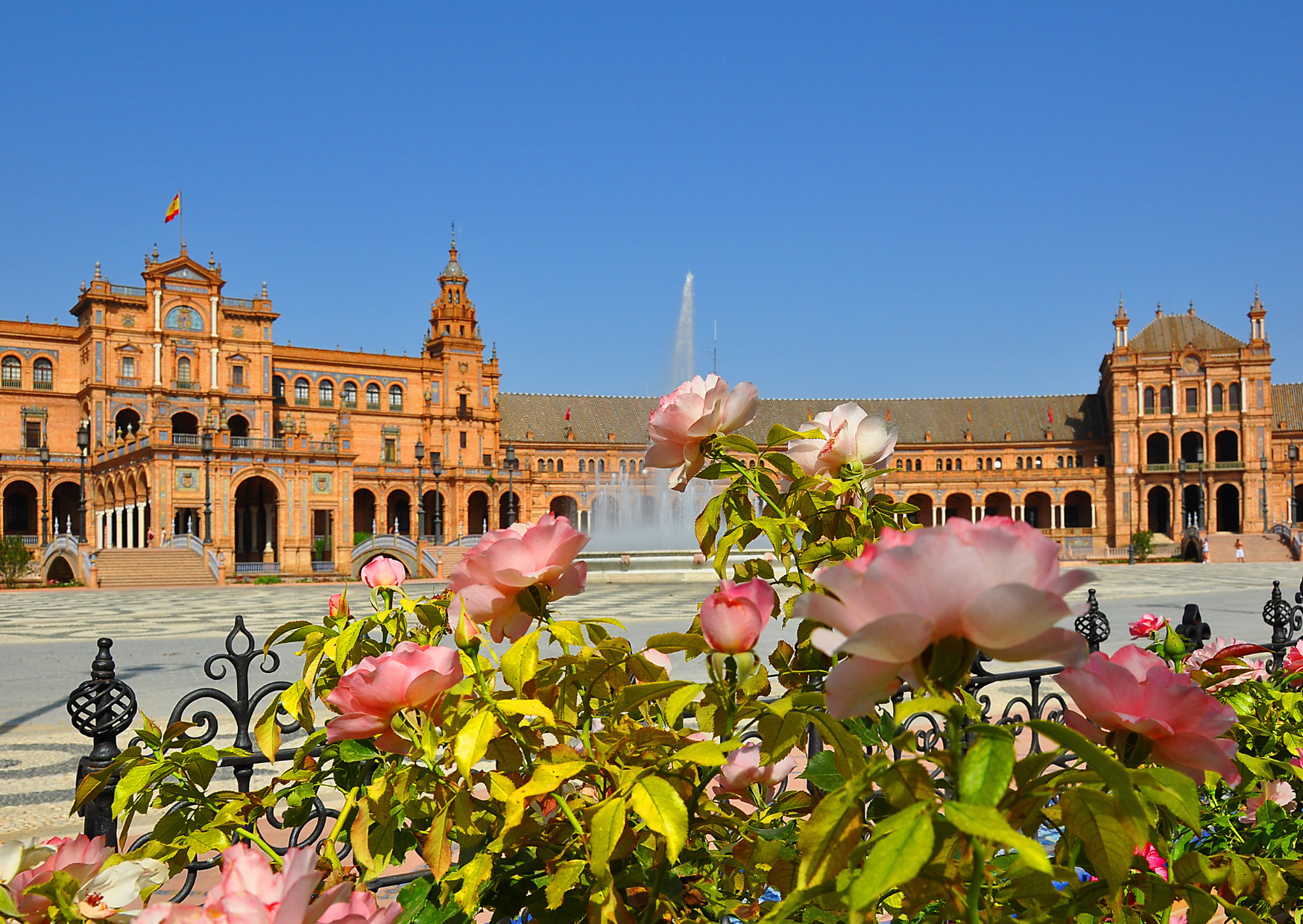
Spanish towns are designed around public squares. Not parks with entry fees or rules about hours, but open plazas where life happens.
These aren’t tourist attractions. They’re extensions of home.
Parents sit while kids play. Teenagers cluster on steps. Elderly men debate on benches. Someone’s always selling sunflower seeds for one euro, but buying them is optional.
The plaza serves every function Americans pay for separately. Playground. Social club. Entertainment venue. Outdoor café. Meeting room.
Watch a Spanish plaza from afternoon to midnight, and you’ll see the same families cycling through. Coffee in the morning. Kids after school. Teenagers in early evening. Families after dinner. Young people late at night.
All on the same free public benches.
In America, we’ve privatized gathering. We meet at restaurants, bars, movie theaters, malls. Each interaction requires a transaction.
Spanish plazas remind us that humans gathered for millennia without cover charges.
3. Sunday Lunch Lasts Four Hours and Costs Almost Nothing
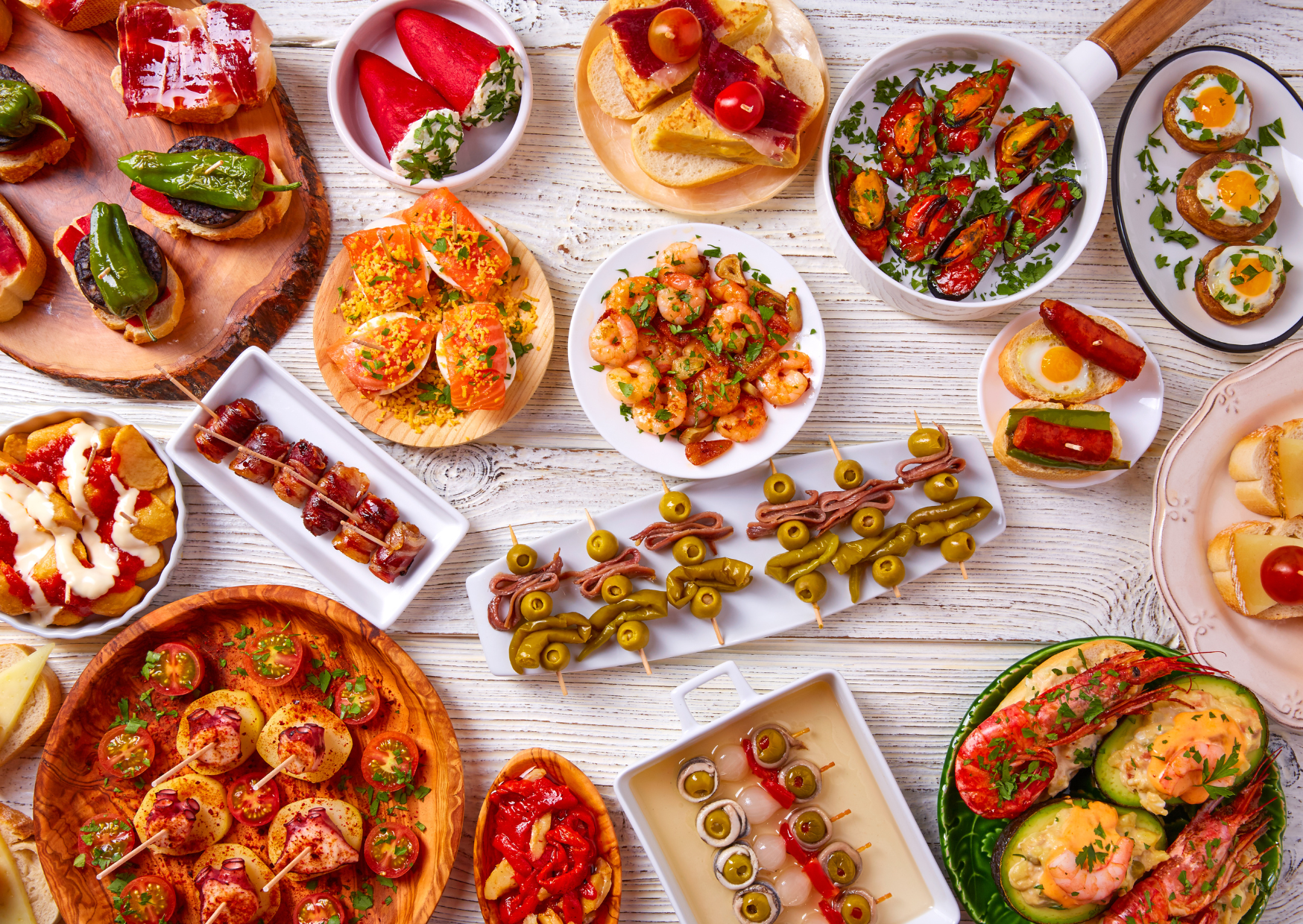
The Spanish Sunday family lunch is legendary, but not for the reasons Americans might think.
It’s not elaborate. It’s not Instagram-worthy. It’s often just rice, salad, bread, and whatever’s in season.
But it lasts forever.
Four hours minimum. Sometimes six. Multiple courses, but small ones. Conversation between each. Kids running between the adults’ legs. Arguments about politics. Stories told for the hundredth time.
The magic isn’t in the menu. It’s in the moment.
Americans spend hundreds at Sunday brunch, then rush to the next activity.
Spanish families buy ingredients once, cook simply, and create an entire afternoon of connection. The same meal in a restaurant would cost ten times more and last half as long.
They’ve figured out that time is the luxury, not the food.
4. Beaches Belong to Everyone, Period
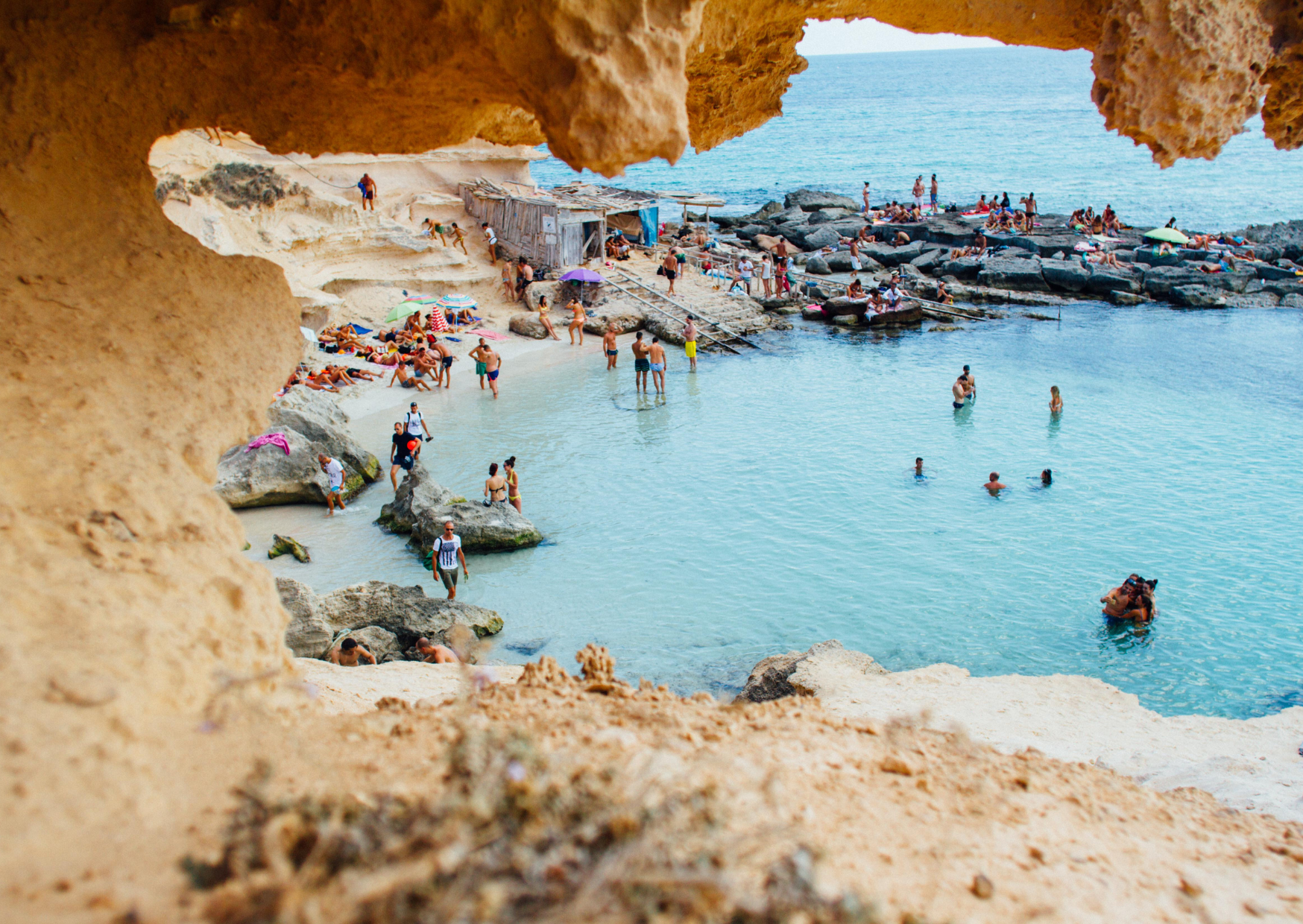
In Spain, every beach is public. By law. No private beaches. No beach clubs you can’t access. No fees for sand.
This seems normal until you realize what it means.
The millionaire’s beachfront mansion can’t block access. The fancy hotel can’t charge for their stretch of sand. The exclusive restaurant can’t reserve the best spots.
Everyone gets the same Mediterranean.
Yes, you can rent an umbrella. Yes, beach bars exist. But the beach itself, the water, the right to swim, to sit, to exist by the sea, that’s untouchable.
Spanish families pack a sandwich, grab a towel, and spend entire days at the beach for the cost of bus fare.
Americans pay for beach parking, beach access, beach clubs, beach equipment.
The ocean is the same. The sun is identical. But one culture has decided that nature requires a membership fee.
5. Every Neighborhood Has Its Living Room Bar
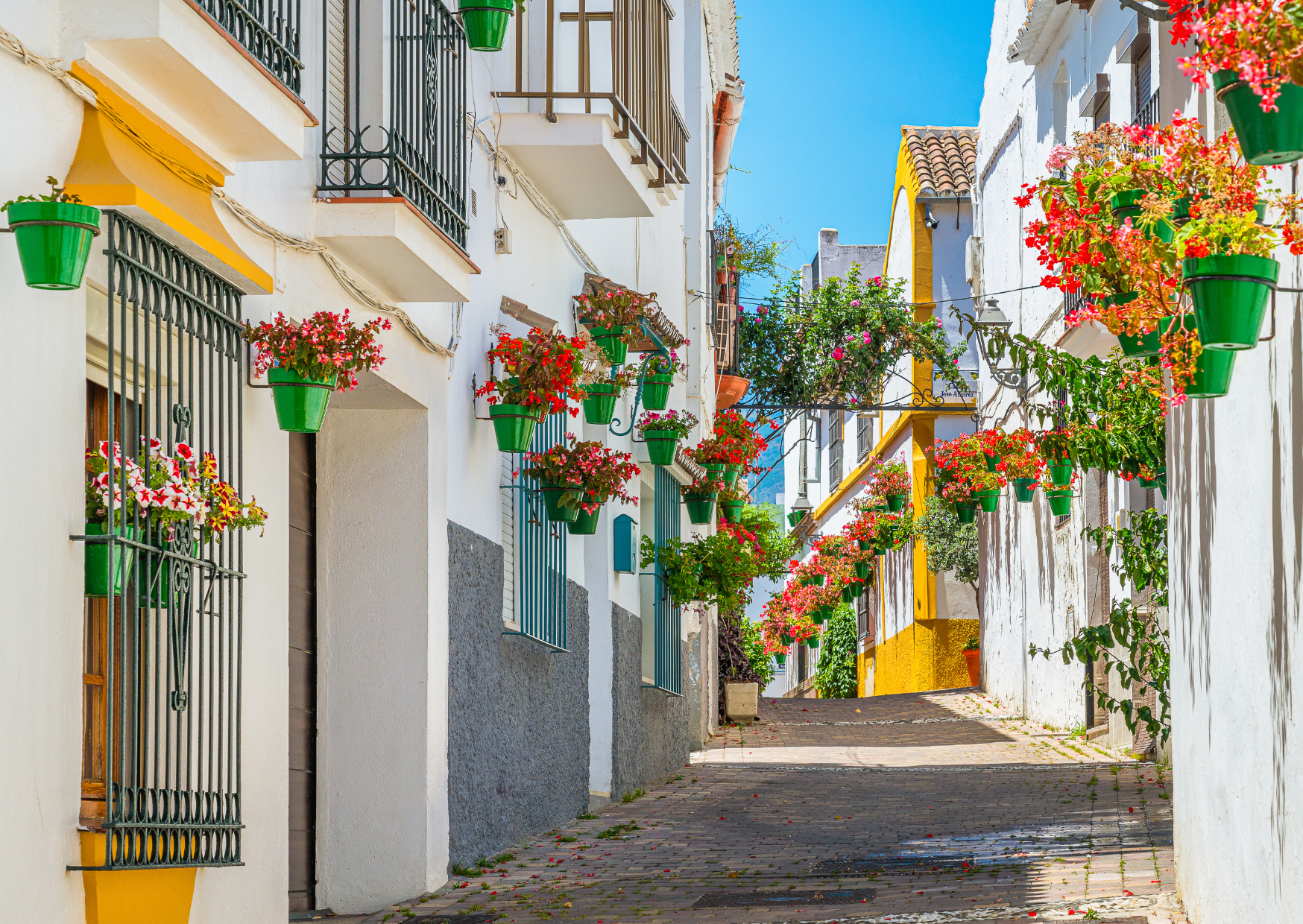
Spanish bars aren’t what Americans think. They’re not about drinking. They’re about living.
The neighborhood bar opens at 8 AM for coffee. Serves simple food all day. Provides a place to exist without explanation.
Old men read newspapers there for hours. Mothers meet after school drop-off. Workers grab quick lunches. Families have evening tapas. All in the same unpretentious space.
One coffee costs one euro. You can sit for three hours. No one asks you to leave. No one pushes you to order more. The WiFi password is on the wall.
These aren’t charming tourist spots. They’re community infrastructure. As essential as sidewalks.
Americans pay $40 for co-working spaces to feel less alone. Spanish people pay $1 for coffee and get community included.
6. Children Play in the Streets Until Midnight
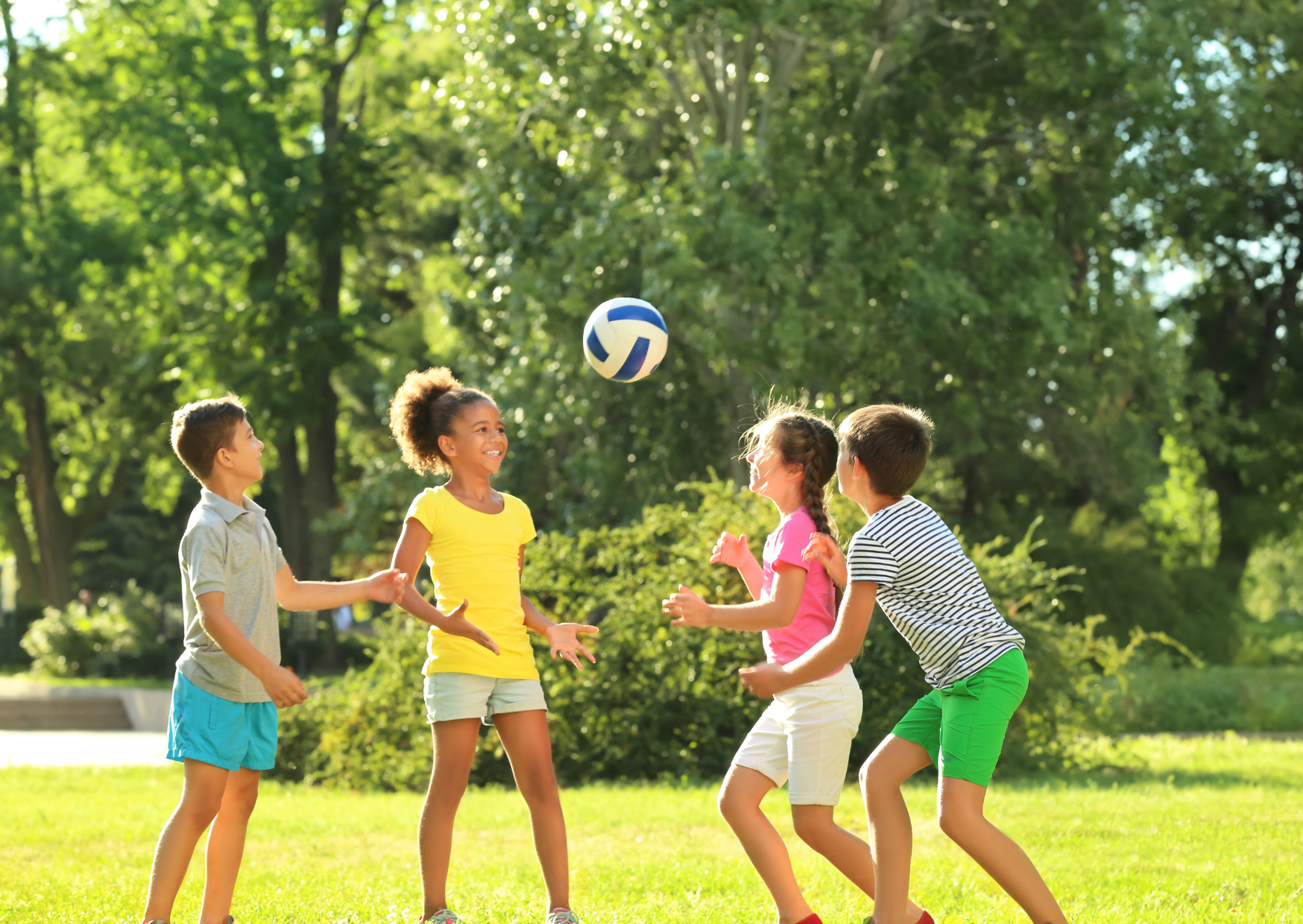
Visit any Spanish neighborhood after 10 PM in summer, and you’ll hear children. Playing. Laughing. Being kids.
Not in organized activities. Not in paid programs. Just in the street, in the plaza, in the spaces between buildings.
Their parents are nearby, talking with other parents. Everyone watches everyone’s kids without formal arrangement. The whole neighborhood is the playground.
American parents spend thousands on after-school programs, summer camps, supervised activities.
Spanish parents open the door.
The children are equally safe. Equally engaged. Equally tired by bedtime.
But one group is learning that joy requires structure and payment. The other is learning that joy is as free as the street outside.
7. Sobremesa Is the Cheapest Luxury on Earth
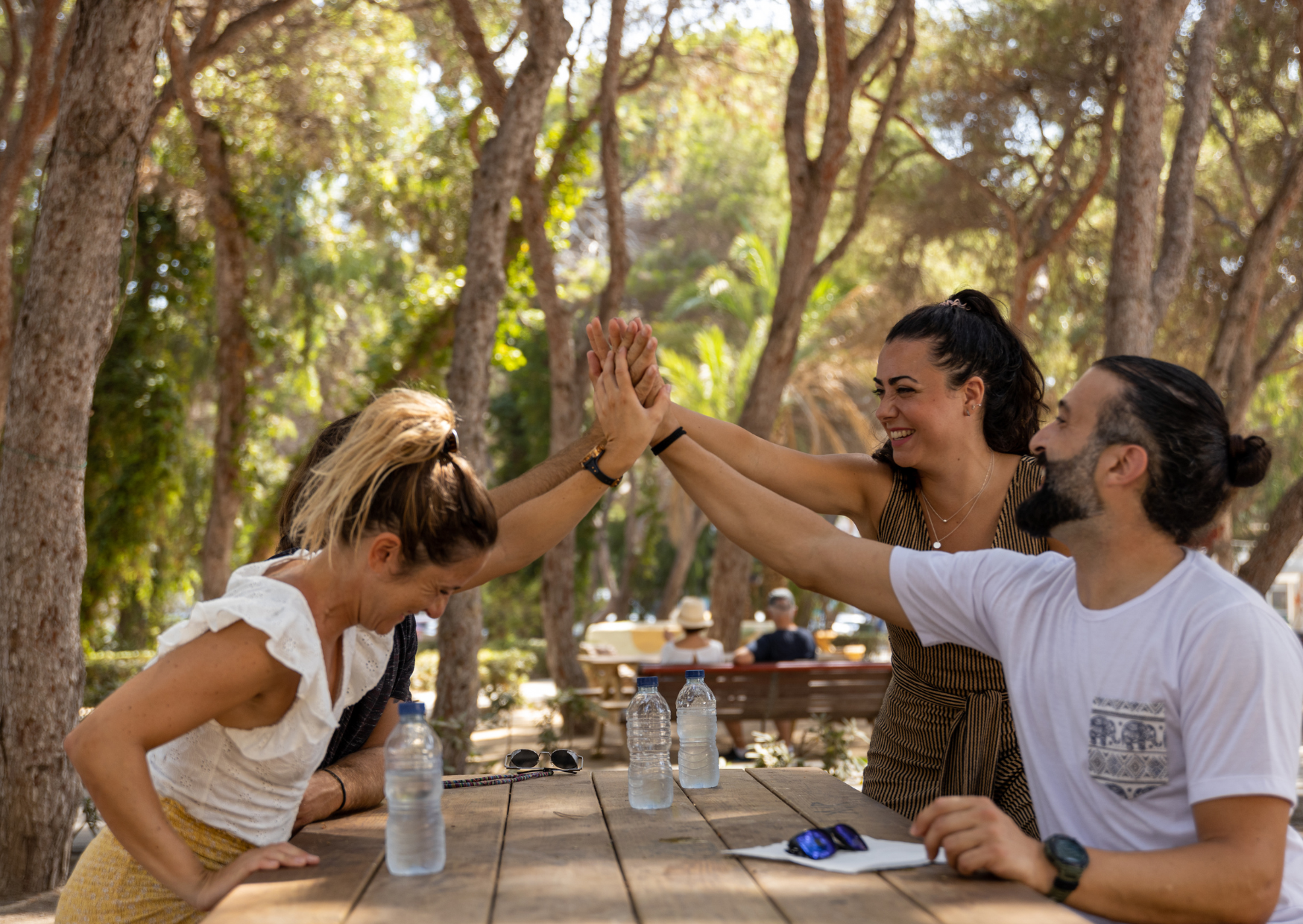
Sobremesa, the time spent talking after a meal, costs nothing and delivers everything.
No one clears the table. No one checks the time. The conversation matters more than the schedule.
This happens after every meal. Not just special occasions. Tuesday lunch. Thursday dinner. Saturday breakfast. The food is finished, but the gathering continues.
Topics meander. Politics, family gossip, philosophical debates, jokes, memories. An hour passes. Maybe two. The plates wait.
Americans pay therapists $200 an hour for someone to listen.
Spanish people do sobremesa and get the same release. Plus connection. Plus tradition. Plus the daily reminder that efficiency isn’t everything.
8. August Vacation Happens in the Same Free Beach Town
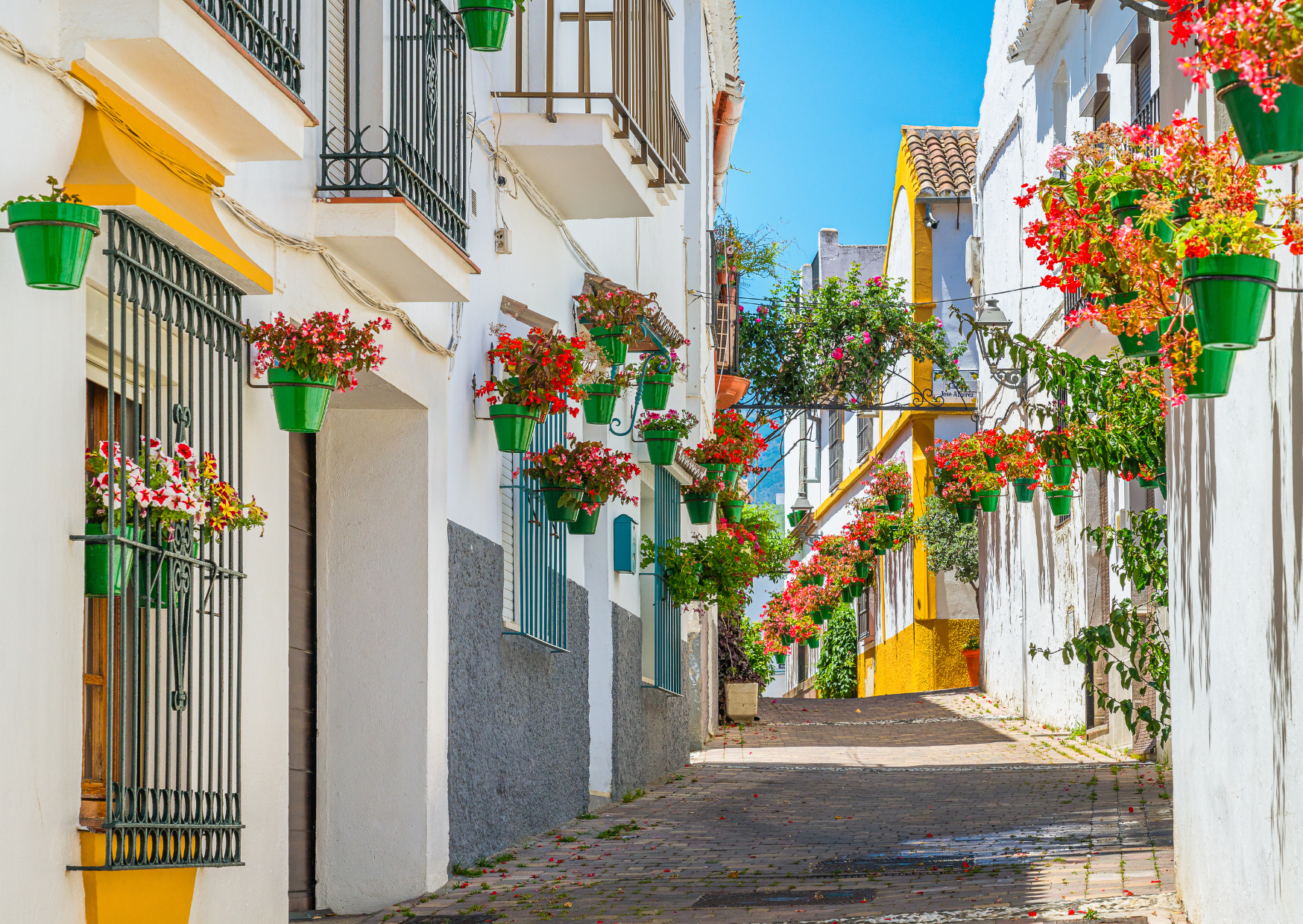
Every August, Spanish cities empty. But not for exotic destinations or luxury resorts.
Most families go to the same place they’ve gone for decades. A relative’s beach apartment. A village house inherited from grandparents. The same coastal town where they know everyone.
The vacation isn’t about novelty or status. It’s about rhythm.
Same beach. Same restaurants. Same evening walk. Same families on neighboring towels.
Americans save all year for one elaborate vacation. Spanish families spend almost nothing to disappear for three weeks.
They swim every day. Eat simple meals. Play cards. Read books. Exist without agenda.
The photos won’t impress Instagram. But the nervous system knows the difference.
9. Festivals Are Public, Not Ticketed
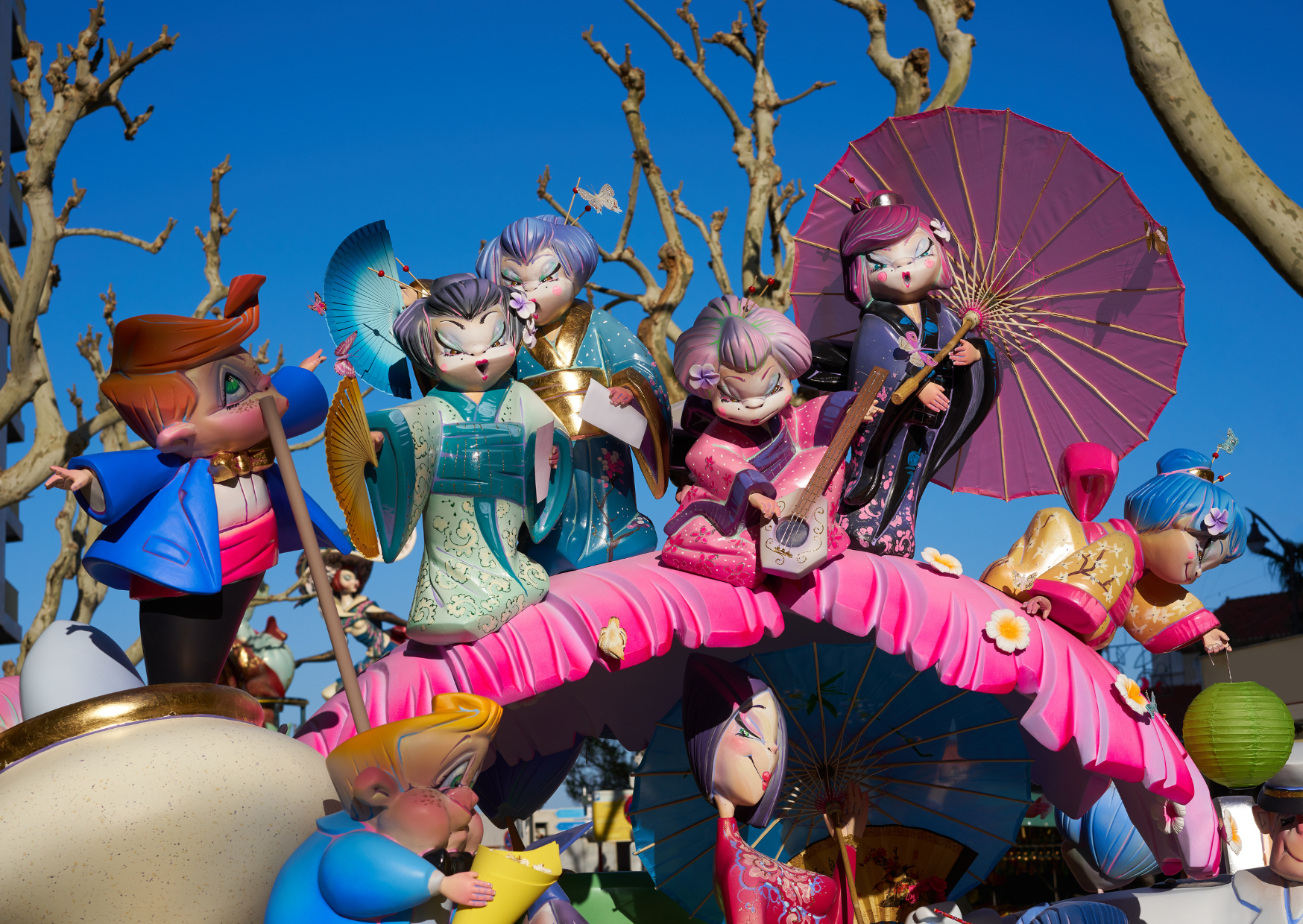
Every Spanish town has its festival. Not a marketed event with VIP sections and price tiers, but a genuine community celebration.
The whole town participates. Streets close. Music plays. Everyone dances. Food appears from nowhere. Wine flows from shared bottles.
Rich families and poor families in the same crowd. Children on shoulders. Grandmothers dancing. Teenagers trying to look cool. All together, all equal, all free.
These aren’t tourist attractions that locals avoid. They’re the heartbeat of community life.
Americans buy festival tickets, VIP upgrades, special access.
Spanish people walk outside when they hear music.
The experience is incomparable. One is curated, controlled, commodified. The other is chaotic, authentic, alive.
And free.
They Haven’t Monetized Joy. We’ve Forgotten It’s Free.
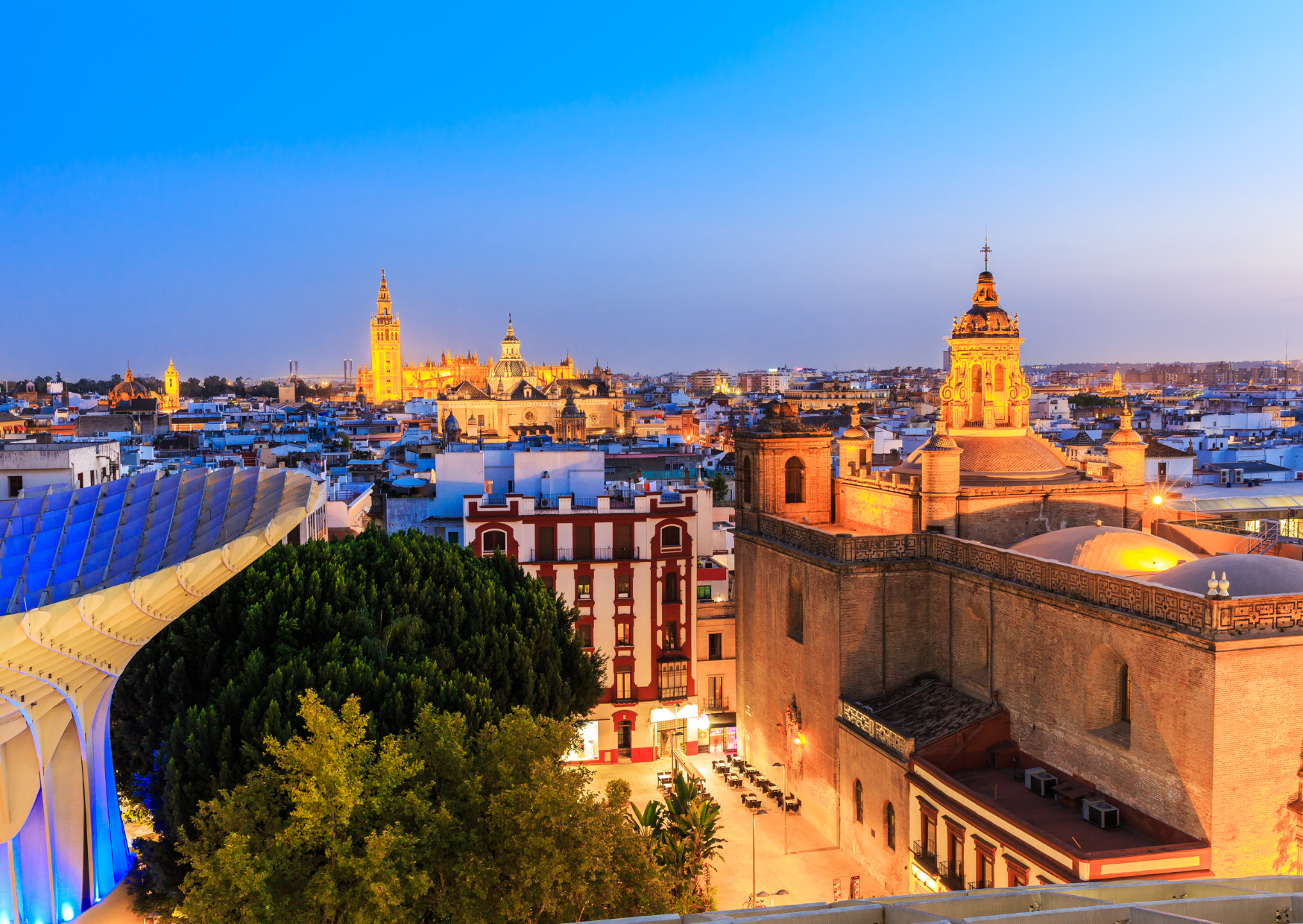
The difference isn’t that Spanish people have less money, though many do.
The difference is they haven’t accepted the American premise that enjoyment requires payment.
They still believe in public space. In community time. In pleasure without productivity. In gathering without spending.
They know that the best parts of being human have never required a credit card.
The evening walk. The long meal. The plaza bench. The neighborhood bar. The street party. The beach day. The sobremesa. The siesta. The simple recognition that being alive, together, in this moment, is enough.
Americans have professionalized joy. We’ve packaged it, priced it, scheduled it.
Spanish people just live it.
Every single day. For free.
And they wonder why we look so tired when we visit.
The Spanish approach to happiness redefines what it means to live well. It’s not about chasing wealth but nurturing joy in everyday moments sharing coffee with friends, savoring a home-cooked meal, or spending a quiet afternoon in the sun. These simple pleasures remind us that richness is not measured by a bank balance but by a sense of belonging and ease.
Spain’s culture shows that comfort doesn’t have to come from abundance; it comes from gratitude. By valuing time and connection over possessions, Spaniards have achieved something many modern societies overlook: balance. They live with purpose, not pressure, and that makes all the difference.
In the end, the Spanish lifestyle is less about rejecting money and more about reclaiming life. It’s a call to slow down, spend meaningfully, and remember that joy often hides in the spaces we overlook when we’re too busy striving for more.

About the Author: Ruben, co-founder of Gamintraveler.com since 2014, is a seasoned traveler from Spain who has explored over 100 countries since 2009. Known for his extensive travel adventures across South America, Europe, the US, Australia, New Zealand, Asia, and Africa, Ruben combines his passion for adventurous yet sustainable living with his love for cycling, highlighted by his remarkable 5-month bicycle journey from Spain to Norway. He currently resides in Spain, where he continues sharing his travel experiences with his partner, Rachel, and their son, Han.