
And why you’ll never get invited back if you don’t follow them
American parties often center around casual energy. Arrive when you want. Bring what you like. Mingle, chat, leave early if needed. The vibe is flexible, the dress code often loose, and the line between “guest” and “host” is blurred.
Not so in much of Europe.
In European countries — whether you’re at a house gathering in Spain, a birthday dinner in France, or a name-day celebration in Greece — social codes run deep. Expectations are rarely stated outright, but they’re real. Show up late without warning? You’ve disrupted the night. Arrive empty-handed? Rude. Overshare personal details at the wrong moment? Unforgivable.
For Americans accustomed to casual invites and come-as-you-are gatherings, these unspoken European party rules can be disorienting — even socially disastrous.
Here are 9 European party customs that could quietly ruin your reputation if you get them wrong, and why they matter more than you think.
Want More Deep Dives into Everyday European Culture?
– Why Europeans Walk Everywhere (And Americans Should Too)
– How Europeans Actually Afford Living in Cities Without Six-Figure Salaries
– 9 ‘Luxury’ Items in America That Europeans Consider Basic Necessities
1. You Must Bring a Gift — And It Can’t Be Cheap

In the United States, it’s common to ask, “What can I bring?” and often hear, “Just yourself!” But in Europe, showing up with nothing is rarely acceptable — even if the host insists.
A bottle of wine, some pastries from a good bakery, flowers (wrapped, never loose), or a thoughtful regional gift are standard.
In France or Italy, bringing a supermarket bottle or a pre-packaged dessert may offend rather than please. The gift should reflect some intention. Think: a small local delicacy, a wine the host enjoys, or even an item tied to your region or travels.
Arriving empty-handed makes a silent announcement — that you don’t understand how hospitality works here. And you probably won’t be invited back.
2. Being Early Is Rude — Seriously
Americans are taught that “on time is late.” But in most of Europe, especially southern countries like Spain, Italy, and Greece, showing up early is borderline offensive.
The host may still be showering. The table might be unfinished. The food is still simmering.
You’re meant to arrive within a specific grace window — typically 15 to 45 minutes after the stated time. In Spain, a 9:00 dinner may actually start at 10:00. In France, arriving at 7:58 to a gathering that begins at 8:00 shows that you’re either too eager or don’t respect the host’s rhythm.
The key is awareness of local time culture. Early equals intrusive. Late — within reason — signals familiarity.
3. There Is a Clear Seating Hierarchy

American dinners often let people choose their seats. In Europe, seating is often informal — but not random.
The host usually has a plan. The most honored guest sits closest. Romantic partners are sometimes seated apart to encourage mingling. Elders may receive priority positions. And in many Mediterranean countries, sitting too far from the host can signal you don’t belong.
Don’t just plop down in the most comfortable chair. Wait for cues. You’ll avoid awkward reshuffling — or worse, giving the impression that you’re unfamiliar with basic social order.
4. You Are Expected to Stay Until the End — Even If It’s 2 A.M.
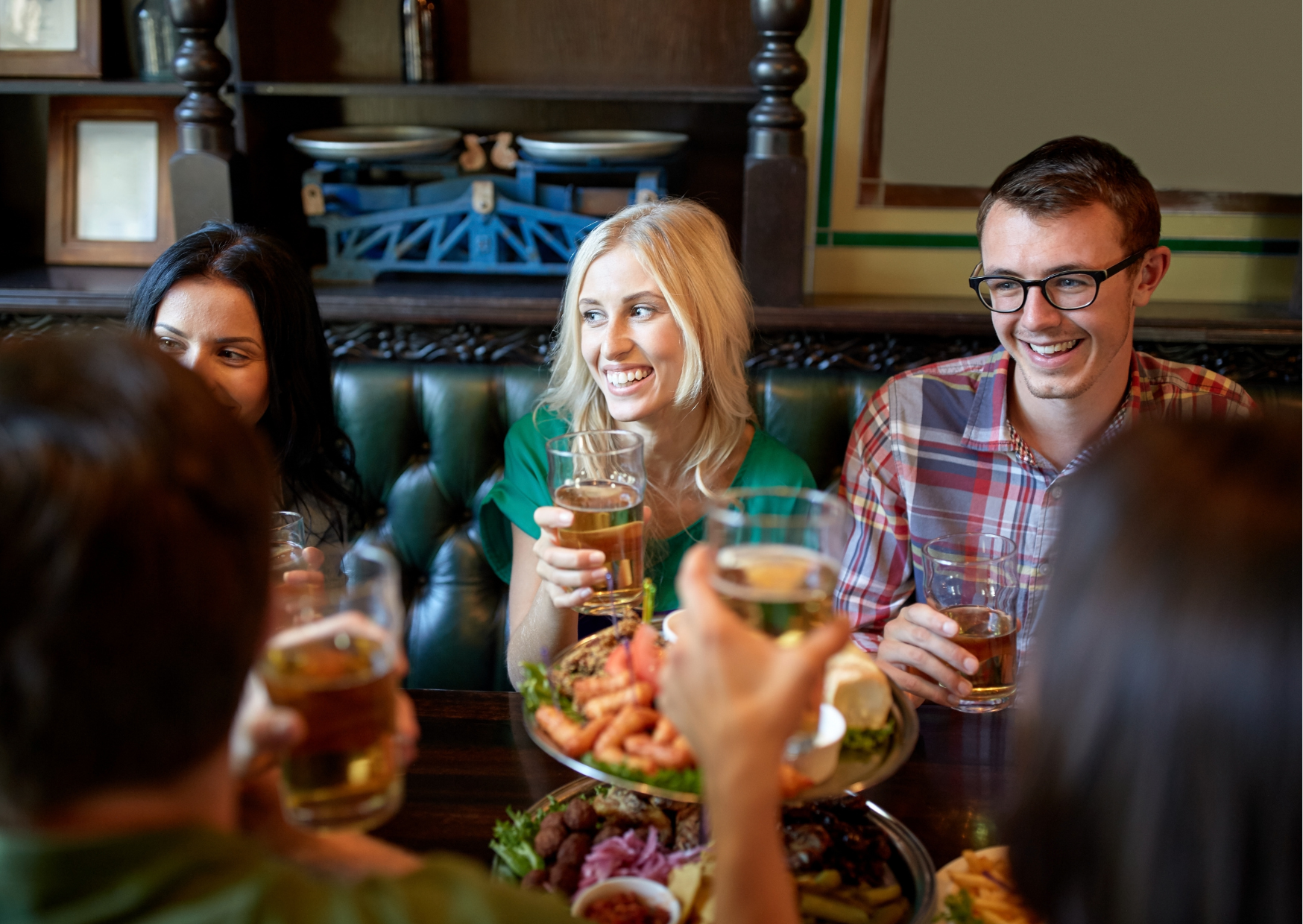
In the U.S., it’s normal to “drop by” or leave early with a quick goodbye.
Not in Europe.
In many European countries, leaving early (unless you explain it beforehand) can seem cold, rude, or dismissive of the effort the host put into the evening.
Dinner parties stretch into multi-hour events. You’re expected to sit through dessert, post-dinner drinks, and often a second round of casual conversation that begins when you thought things were winding down.
In Spain or Italy, it’s not unusual to leave a social gathering at 2:00 or 3:00 in the morning — and still feel like you left early.
5. Don’t Help Yourself — Wait to Be Offered
American guests might grab a drink from the fridge or refill their plate freely, encouraged by the phrase, “Make yourself at home.”
That phrase exists in Europe too — but it doesn’t mean the same thing.
In countries like Portugal, France, or Germany, helping yourself without being invited can feel like overstepping. Wine, dessert, cheese — they’re presented, not grabbed. The host maintains control, even in informal settings.
Wait until something is passed. When you are offered, accept graciously — but don’t overindulge. Politeness is shown through restraint.
6. Personal Questions? Not on Night One

Americans are often praised for openness. Conversations with strangers quickly turn to personal histories, family troubles, even politics.
In many European cultures, this is deeply uncomfortable — especially early in a friendship.
French dinner talk leans toward literature, current events, or art. In Italy, family is discussed freely, but personal drama is not table conversation. In Germany or Scandinavia, probing too early is seen as disrespectful.
The irony? Europeans may argue more freely — but about abstract topics. They save emotional vulnerability for close relationships. So if your first dinner includes loud political debate but no one asks how your divorce is going — that’s on purpose.
7. Fashion Is Not Optional — Even at Home

While American parties might encourage comfort (hoodies, jeans, or bare feet), European gatherings often carry an unspoken dress code — even casual ones.
In France, a dinner party means polished casual: clean shoes, stylish accessories, and well-fitting clothes. In Italy, even a backyard meal might see men wearing tailored shirts and women in smart blouses. In Spain, even teens make an effort — especially in urban areas.
Looking underdressed, frumpy, or overly athletic (outside of actual sports events) signals a lack of respect. You’re not expected to wear designer brands. But you are expected to look like you tried.
8. Silence Has a Place — And You Must Learn to Sit With It
Americans often fill lulls in conversation. Silence can feel awkward or like a failure of hosting.
In Europe, especially in countries like France or Scandinavia, silence is part of rhythm. It signals thoughtfulness, comfort, or a natural pause — not social breakdown.
You’re not expected to force chatter or perform extroversion. In fact, doing so can seem exhausting or unnatural.
A moment of shared silence after a good meal is appreciated. Letting conversation drift — then return — shows confidence. You don’t need to entertain. Just be present.
9. The Toast (Or Lack of One) Speaks Volumes
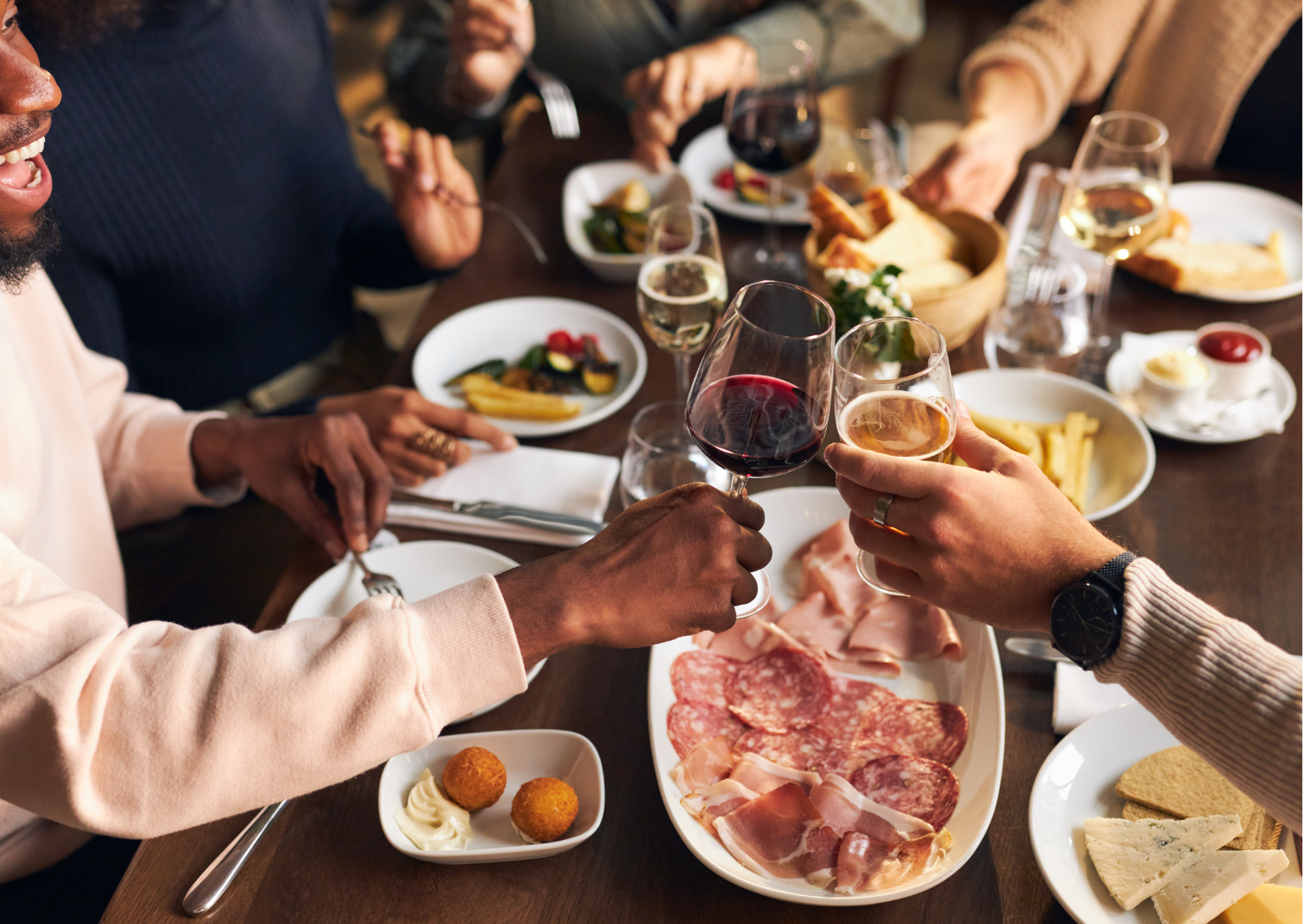
In the U.S., toasts are either formal (weddings, birthdays) or spontaneous. Someone stands up, says a few words, clinks glasses.
In Europe, toasts have traditions — and they’re taken seriously.
In Germany and Scandinavia, eye contact during a toast is essential. Not making it is considered rude. In Greece or Italy, not participating in a toast (even with water or soda) can be seen as antisocial. In France, toasting before everyone has a drink is taboo. Saying “cheers” without eye contact? A faux pas.
Know the ritual. Participate with intention. These are small moments — but they define how you’re perceived.
One Party, Two Realities
To an American, European parties can feel exhausting — long, intense, rule-bound. There’s less flexibility, more structure, and social hierarchy plays a role, even subtly.
But to Europeans, these customs aren’t restrictions. They’re signs of care. A shared language of mutual respect.
Hospitality isn’t just opening your home. It’s creating an environment where everyone feels considered — where the table, the wine, the timing, the conversation, and the farewell all carry meaning.
You’re not just a guest. You’re participating in a ritual — and once you learn the rhythm, you’ll understand why people love it so much.
Even if it means staying until 3:00 a.m., talking about European cinema in your nicest shoes, with a glass of wine you didn’t pour yourself.

About the Author: Ruben, co-founder of Gamintraveler.com since 2014, is a seasoned traveler from Spain who has explored over 100 countries since 2009. Known for his extensive travel adventures across South America, Europe, the US, Australia, New Zealand, Asia, and Africa, Ruben combines his passion for adventurous yet sustainable living with his love for cycling, highlighted by his remarkable 5-month bicycle journey from Spain to Norway. He currently resides in Spain, where he continues sharing his travel experiences with his partner, Rachel, and their son, Han.