
Why Bother Looking Beyond Diet?
When comparing American and European lifestyles, we often see an obesity gap: on average, more Americans struggle with excess weight, while many Europeans remain slimmer. Conventional wisdom focuses on diet—less processed food, smaller portions, more fresh produce. And that’s partially true. But my year living in Europe, plus discussions with nutritionists and everyday locals, revealed deeper reasons beyond the plate. From built environments that encourage walking to a different cultural mindset around leisure and portion control, the real story is about lifestyle and daily habits.
In this article, we’ll explore nine factors that keep many Europeans naturally leaner—factors that might surprise you if you chalk it up solely to their Mediterranean salads or French green beans. By understanding these underlying differences, Americans can glean insights for building healthier routines back home, no matter what they eat.
Looking for More Travel & Culture Reads?
– They Don’t Work 24/7: 5 Vacation Customs in Europe That Drive Americans Crazy
– 7 Dress Code Shocks Americans Face in Italy
– 9 European Beach Habits That Shock First-Time Tourists
– 7 Beach Behaviors That Make Locals Avoid You in Italy
Quick & Easy Tips for a More European Approach to Health
Walk More, Drive Less — In many European cities, daily walking is built into life. Try walking or biking short distances instead of driving whenever possible.
Portion Control — Europeans often eat smaller portions naturally. Start by reducing plate sizes or ordering half portions when dining out.
Mindful Eating — Meals are savored, not rushed. Focus on enjoying your food without screens or multitasking to avoid overeating.
Quality Over Quantity — Europeans favor fresh, high-quality ingredients over processed snacks. Swap packaged foods for whole, seasonal produce when you can.
Daily Movement, Not Just Gym Time — Instead of relying only on workouts, add daily movement like taking stairs, walking to errands, or standing more often.
One controversial point is the myth that Europeans are thinner solely because they eat healthier or exercise more. While diet and activity matter, much of the difference comes from lifestyle habits ingrained in daily routines — not strict diets or gym memberships. Things like walkable cities, longer meal times, and less emphasis on snacking contribute quietly but powerfully over time.
Another misunderstood factor is the cultural attitude toward food and body image. In many parts of Europe, there’s less pressure to follow extreme diets or chase the latest fitness trends. Instead, there’s a focus on moderation, balanced meals, and maintaining a healthy relationship with food. This often contrasts with the American cycle of dieting, bingeing, and food guilt, which can lead to unhealthy patterns despite good intentions.
And perhaps most surprising: it’s not just about personal choice — environment plays a huge role. The design of cities, public transportation, access to fresh markets, and even workplace norms influence daily activity levels and eating habits. While American culture often emphasizes personal responsibility for health, European lifestyles show how much the environment and social norms impact long-term well-being.
1. Constant Walking: Movement Woven into Daily Life

Why It Matters
One glaring difference is how Europeans get around. In many U.S. suburbs, if the grocery store is half a mile away, you drive. Meanwhile, in dense European city centers, daily life happens on foot:
- Short Distances: The bakery, produce stand, and pharmacy might be a block or two away—so you do errands on foot.
- Public Transit: Even if they take a metro or tram, they often walk 10–15 minutes to the station, then walk again at the destination.
Impact on Weight: These small bouts of walking add up, burning calories without feeling like a chore. Over months and years, that equates to a lower baseline body weight. It’s not a gym membership; it’s daily living.
Takeaway: If you want to emulate this at home, park farther from store entrances, or choose to walk for short errands. Let short walks become second nature. Over time, you’ll replicate the “incidental exercise” that keeps Europeans naturally slimmer.
2. Smaller Homes, Fewer “Stockpile” Groceries
Why It Matters
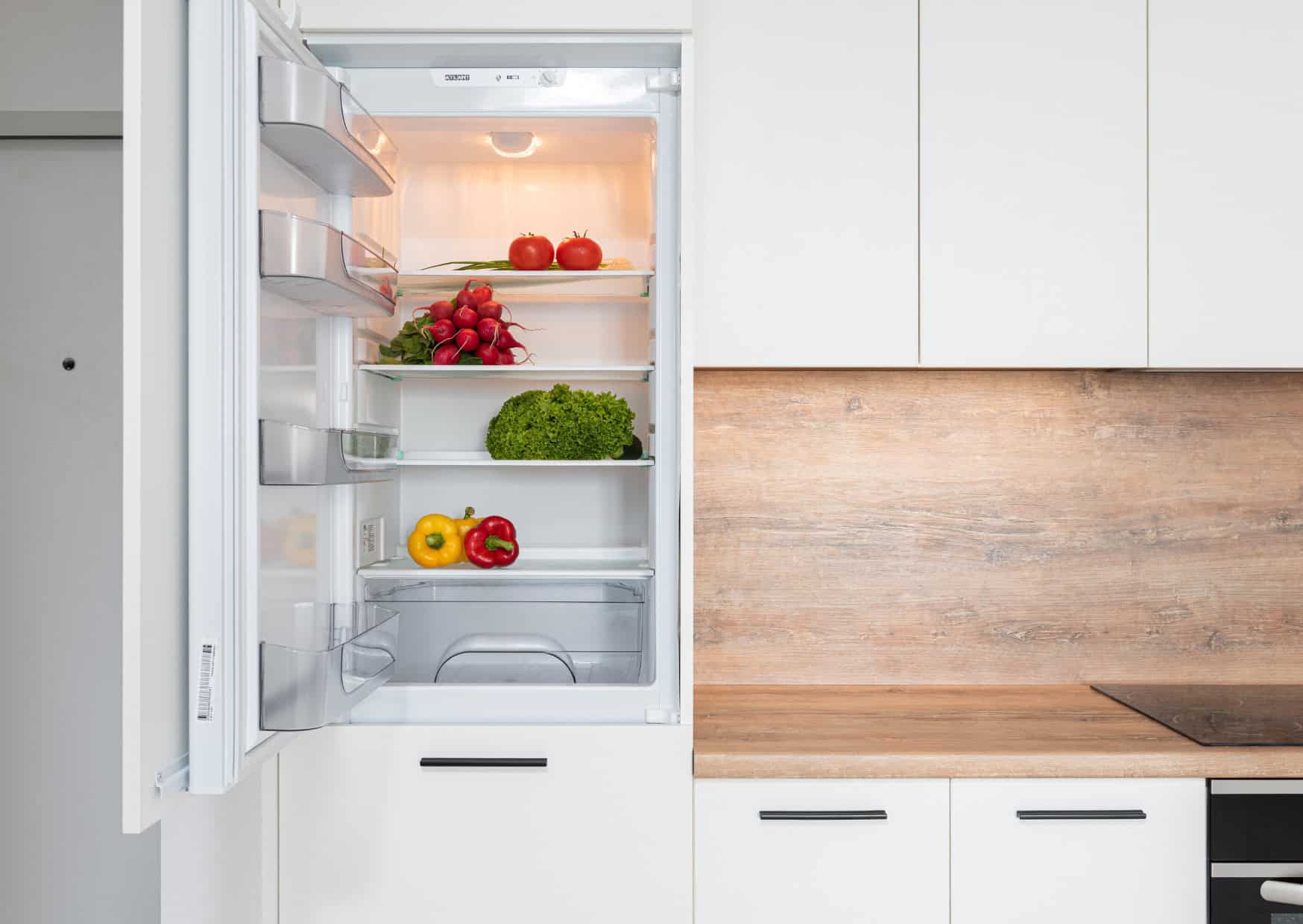
Americans often buy food in bulk—giant packs of snacks, big freezers stuffed with frozen meals—because they have larger houses with ample storage. Europeans, in contrast, might live in smaller apartments:
- Limited Pantry: There’s no huge basement for multiple refrigerators or Costco-sized shelves. They shop more frequently, often daily for fresh produce.
- Fewer Temptations: When you only have a mini fridge or a small pantry, you can’t keep loads of junk food around, so “mindless snacking” is less likely.
Impact on Weight: If your environment doesn’t have a stock of cookies or family-sized chip bags, you’re less prone to impulsive grazing. This fosters more mindful consumption.
Takeaway: Even if your American home is spacious, limit your grocery runs to what you’ll use in a few days. By not stockpiling, you reduce the easy access to calorie-heavy munchies, aligning more with a European approach.
3. Social Meals Over Snacking Culture

Why It Matters
In many European regions—like Spain, Italy, or France—meals are communal events. The day revolves around a robust lunch or a sociable dinner with family or colleagues. Meanwhile, the American pattern of constant snacking between tasks or eating in the car is less common in Europe:
- Fewer Snacks: If you’re not used to munching at your desk or carrying snack bars everywhere, you skip hundreds of extra daily calories.
- Mindful Eating: A sit-down meal with friends fosters slower consumption. That social context means fewer mindless bites and better satiety signals.
Impact on Weight: Replacing random snacking with a well-rounded meal can reduce total daily intake while ensuring the meal is genuinely enjoyed.
Takeaway: You don’t need to replicate the full Mediterranean dinner to adopt this principle. Consider setting stricter mealtimes and skipping the snack drawer. Or if you do snack, do it intentionally—no phone or TV—like a mini meal.
4. Smaller Cars, More City Strolls
Why It Matters
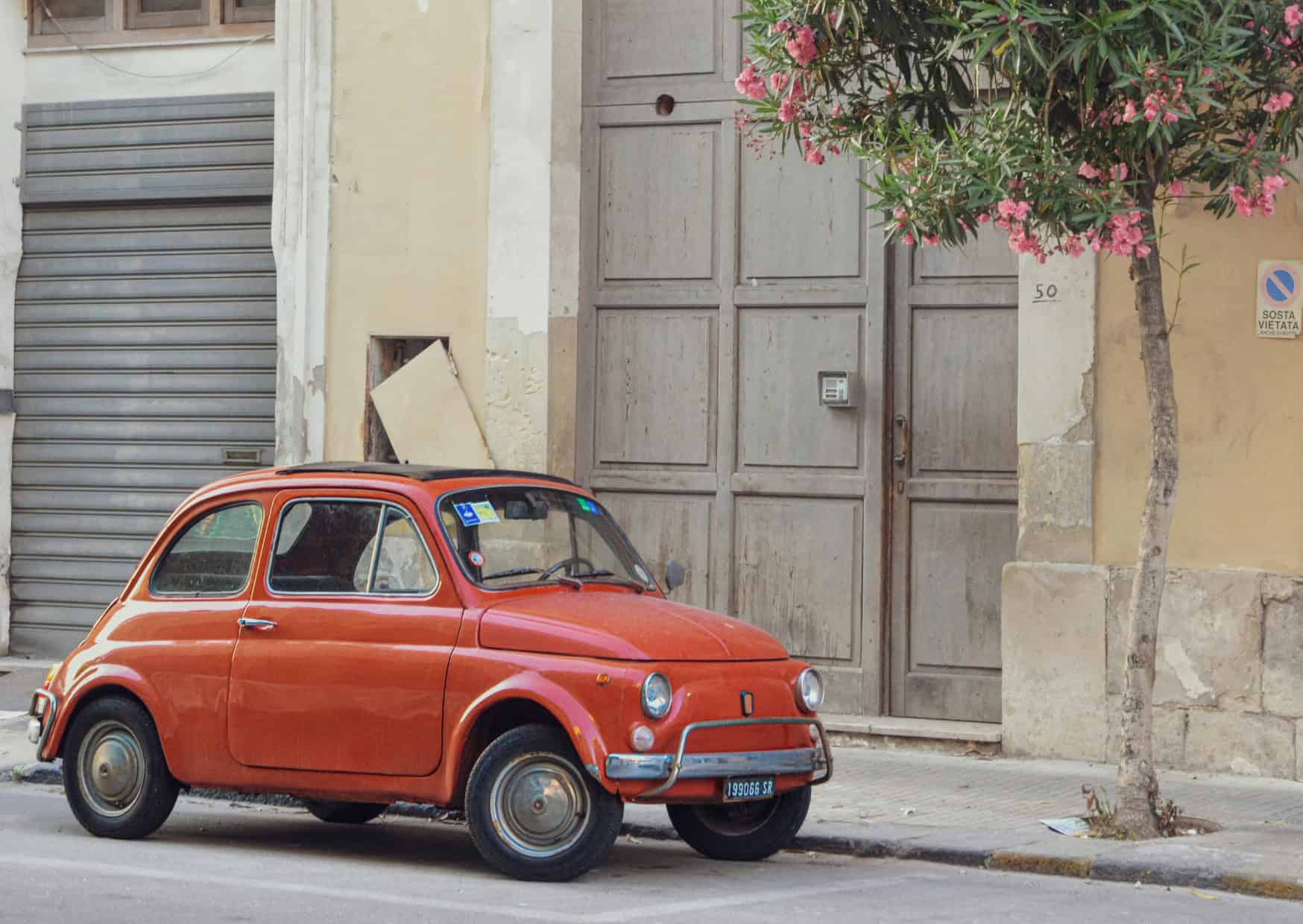
Owning a big car in Europe can be expensive—high fuel taxes, tight parking, narrower roads. So many city dwellers rely on buses, trains, or simply walking. Even those who drive might use a compact car, only for weekend trips or out-of-town errands.
- Short Commutes on Foot: If your commute is a 15-minute walk or bike ride, that’s daily cardio embedded in your schedule.
- Discouragement of Overreliance on Driving: Parking challenges, tolls, and city traffic further motivate people to walk or cycle instead of short car trips.
Impact on Weight: This everyday movement means burning extra calories and maintaining a lower body mass over time. Meanwhile, suburban American lifestyles often revolve around the car for every small errand.
Takeaway: Even if your city isn’t super walkable, try biking or walking for short errands. Combine errands into one trip so you park once and walk between shops. These small steps can mimic Europe’s built-in activity.
5. Emphasis on Fresh Foods at Home

Why It’s Not Just “Diet”
Yes, fresh produce is part of diet, but the real difference is how they shop:
- Frequent Market Visits: Europeans might buy fresh fruit, veggies, bread, and fish daily or every other day, ensuring less processed or packaged convenience foods.
- Less Reliance on Preservatives: Because they shop often, they don’t need extended-shelf-life products loaded with chemicals or salt.
Impact on Weight: With more natural, nutrient-rich meals and fewer junk snacks lying around, it’s easier to maintain a healthy weight. The frequent market visits also mean walking to get groceries—more steps.
Takeaway: Instead of a weekly giant grocery haul, consider smaller, more frequent visits—maybe you’ll incorporate fresh produce that needs to be used quickly, thus cooking healthier meals daily.
6. Wine Sipping Over Sugary Drinks

Why It Matters
For many Americans, a 20 oz soda or sweet iced tea can accompany lunch daily. In European contexts—especially in Mediterranean areas—wine or water is more common. And if soda is consumed, it’s often a smaller portion (maybe an 8 oz glass, not a 32 oz fountain cup).
- Moderate Alcohol: Wine is sipped in smaller amounts, rarely gulped.
- Low Sugar Drinks: Water remains a staple. Sweet juices or colas aren’t an everyday mealtime fixture.
Impact on Weight: Eliminating large amounts of sugary drinks slashes calorie intake. Meanwhile, moderate wine might be fewer calories than super-size sodas or frappes.
Takeaway: Ditching big sodas for water or low-sugar alternatives can reflect a straightforward European approach. If you do enjoy soda, treat it as an occasional treat, not a mealtime default.
7. Longer Lunch Breaks That Prevent Overeating Later

Why It Matters
In countries like Spain or Italy, a lengthy midday meal—the largest meal of the day—helps maintain balanced energy levels. By 8 p.m. dinner, they’re not starving enough to binge. Americans skipping lunch or having just a quick sandwich might overindulge at dinner or late-night snacks.
- Siesta Tradition: After a hearty lunch, some might rest or slow down, so they’re more recharged and less likely to graze mindlessly in the afternoon.
- Dinner Often Lighter: With a bigger lunch, dinner can be smaller (though this is not universal, especially in Spain where dinner can still be big, but they spread it out with tapas).
Impact on Weight: Balanced midday eating can stabilize blood sugar, preventing that “I must eat everything at night” dynamic. Over time, that helps keep daily intake under control.
Takeaway: Even if your job is 9-to-5, consider a more substantial lunch. Avoid skipping midday sustenance. You might be less prone to huge dinner portions or late-night snacking.
8. “No Elevator” Mindset in Old Buildings

Why It Matters
Many historical European apartments or offices lack elevators—climbing stairs is everyday routine. Or if there’s an elevator, it’s tiny or partially broken, prompting people to walk up a few flights rather than wait.
- Daily Exercise: A fourth-floor walk-up in a centuries-old building quickly accumulates multiple flights per day.
- Minimal Complaints: People accept it as normal—incidental workouts are a byproduct, not an inconvenience.
Impact on Weight: Over weeks and months, these daily mini workouts keep the heart pumping and the waistline smaller. Americans used to wide, new buildings with multiple elevators rarely have to climb stairs unless it’s a deliberate choice at a gym.
Takeaway: If you can, choose stairs over elevators or escalators. Even 5–10 flights daily can significantly raise your activity levels, mirroring the European approach.
9. Less Stress on Appearance = Healthier Lifestyle?

Why It Matters
This might sound paradoxical, but some Americans push themselves into extreme diets or fitness routines to match ideal body images, leading to yo-yo dieting or emotional stress around food. Many Europeans adopt a more balanced, less guilt-ridden approach:
- Enjoy Food Without Shame: They eat croissants or pasta but do so in moderate portions, savoring each bite.
- Lifestyle Integration: Because physical movement is woven into daily routines, they maintain a stable weight without crash diets or punishing gym schedules.
- Less Obsession: Not worrying excessively about “cheat meals” or “counting macros” can reduce stress. Reduced stress can mean less emotional overeating.
Impact on Weight: A calmer psychological relationship with food fosters consistent healthy habits rather than binge-restrict cycles. Over the long term, that stability helps keep weight in check.
Takeaway: Replacing extreme dieting mindsets with a more relaxed, mindful approach—listen to your body’s fullness, walk often, enjoy moderate indulgences—can mimic the Mediterranean or central European style of being healthy without constant body angst.
Conclusion: Lifestyles, Not Just Diets, Make the Difference
Yes, diet matters—Europeans do typically eat more fresh produce and less processed junk. But the real secret behind their generally thinner physiques is a broader lifestyle synergy: daily walking, minimal reliance on big cars or giant sodas, cultural norms that prioritize real meals over constant snacks, efficient use of smaller living spaces, and older building infrastructure that forces some daily exertion. Combined, these elements yield a naturally more active, balanced approach to living that fosters healthy body weights without the conscious “I must lose weight” zeal so common in the U.S.
For Americans looking to adopt some of this approach, the message is clear: try integrating movement (walk more, rely on your car less), avoid overstocking groceries that lead to mindless eating, embrace social mealtimes with moderate portion sizes, and relax about punishing diets. Over time, these small changes create an environment that supports a leaner, healthier you—without draconian rules or fad diets. And yes, you can still enjoy that occasional pastry or glass of wine, the way many Europeans do daily.
Ultimately, bridging these lifestyle gaps is about blending the best of both worlds: the American can-do energy with Europe’s more relaxed, integrated approach to everyday movement and mindful consumption. If you adopt even a fraction of these nine habits, you might discover a new kind of balance that helps your body find its natural healthy weight—without stress or guilt. Bon appetit, and enjoy exploring new ways to move and eat in harmony!
Pro Tip: If you travel to Europe, immerse yourself in local daily routines—walk to get pastries, climb that fifth-floor hostel. Notice how you feel physically (and mentally) after a few weeks of these integrated movements. Then bring that sense of everyday activity back home, adjusting your environment as best you can. Over time, you’ll find it’s not about short-term diets, but daily living that keeps you fit and balanced. Enjoy the journey!

About the Author: Ruben, co-founder of Gamintraveler.com since 2014, is a seasoned traveler from Spain who has explored over 100 countries since 2009. Known for his extensive travel adventures across South America, Europe, the US, Australia, New Zealand, Asia, and Africa, Ruben combines his passion for adventurous yet sustainable living with his love for cycling, highlighted by his remarkable 5-month bicycle journey from Spain to Norway. He currently resides in Spain, where he continues sharing his travel experiences with his partner, Rachel, and their son, Han.
Zac
Tuesday 15th of July 2025
Having spent considerable time in both locations, I’d say that food in the USA in general is processed garbage. And that’s before you get to portion sizes. It’s just unhealthy in comparison to food in Europe, which is much closer to the source.
And of course there are exceptions, NY is obviously better than Alabama and Texas, but as a whole US food is pretty terrible.
Steven Miller
Saturday 19th of July 2025
@Zac, sorry, but that’s a ridiculously broad generalization. In every major city in the United States, there is excellent food and in every country in Europe, there is also garbage. And what are you comparing the multiple excellent restaurants in Houston to a garbage pizza joint in Berlin? And no idea what you were talking about that food in Europe is "closer to the source." Overall, Europe is importing food from all over the globe these days. Maybe in some overall sense you could say if food in Europe is "better" but it's such a vast generalization as not to be terribly useful. Anyway, the fantasy constructed in this article about food" Europe" is just that a fantasy.
Steven Miller
Tuesday 15th of July 2025
I finally had to say something about your articles about “Europe“ and “Europeans“. You have constructed what amounts to a fantasy about a nonexistent place. Europe has tremendous variety and what’s true in one place can be very much not true in another, but in reference to this article anybody who actually lives in Europe, will have noticed the severe obesity epidemic that has overtaken the continent in recent years. Yes, it may be true that it is not yet as severe as in the US for the most part but if you count the UK as Europe it very much is in that place at least. Everywhere else I see grossly, overweight, and obese people every place I go, including your beloved Spain. The idea that all over Europe people have this imagined wonderful relationship with food is just ridiculous. There is a ton of junk food everywhere,, people are constantly ordering out, and in Germany at least I don’t see this so-called lunch culture anywhere. I don’t know who you are trying to appeal to with this stuff but if you believe it, you need to open your eyes and if you don’t believe it, you need to stop pushing nonsense