
Portugal has rapidly climbed the ranks of global dream destinations for expats, retirees, and digital nomads seeking sun, surf, historic charm, and an affordable European lifestyle. Its laid-back pace, beautiful coastlines, and relatively low cost of living make it appear like the perfect place to build a new life abroad. However, behind the Instagram-perfect images of tiled streets and sunset wine pours lie realities that few newcomers anticipate before arriving.
From complex bureaucracy and language barriers to hidden costs and cultural nuances, Portugal reveals its true self only once you begin settling in. While locals are warm and welcoming, integrating into daily life requires understanding the unspoken norms, learning patience with administrative processes, and adapting to systems that work differently than in the US or Northern Europe.
In this guide, you’ll learn 10 things no one tells you about living in Portugal—truths that will help you prepare mentally, financially, and emotionally for your move. Because knowing the reality behind the dreamy façade is key to creating a satisfying and sustainable life abroad.
Read here best things to know before visiting Portugal, buying a Madeira sim card, best Portugal sim card for tourist and the best Portuguese food
Quick & Easy Tips
Start learning Portuguese now. Even basic phrases will ease daily life, as English is less common outside tourist hubs.
Prepare for bureaucracy delays. Always keep extra copies of documents and expect multiple appointments for simple processes.
Rent long-term housing in person. Online listings often look different in reality and can include hidden fees or outdated photos.
One controversial reality is the impact of expat migration on local communities. While Portugal’s Golden Visa and tax incentives attract retirees and remote workers, critics argue that this influx drives up rents and living costs, displacing local residents, particularly in Lisbon and Porto. Rising real estate prices have made traditional neighborhoods unaffordable for many Portuguese families, sparking protests and resentment towards the expat community that benefits from these policies.
Another point of tension is the healthcare system. While Portugal’s public healthcare is generally strong and affordable, it can be overstretched and slow, especially in major cities. Many expats expecting seamless European healthcare discover long wait times for specialists and limited English-language services in hospitals. This reality pushes many newcomers into private insurance, which adds unexpected monthly costs.
Finally, the perception of Portugal as a stress-free paradise oversimplifies its economic and social realities. While life is slower paced, wages are among the lowest in Western Europe, youth unemployment remains high, and economic opportunity for locals is limited. For expats with foreign income, Portugal feels affordable and idyllic. For many locals, however, the economic struggle is a daily reality that is invisible to newcomers sipping €2 espressos by the beach.
1. Yes, the Weather Is Great—But It’s Not Always Beach Days
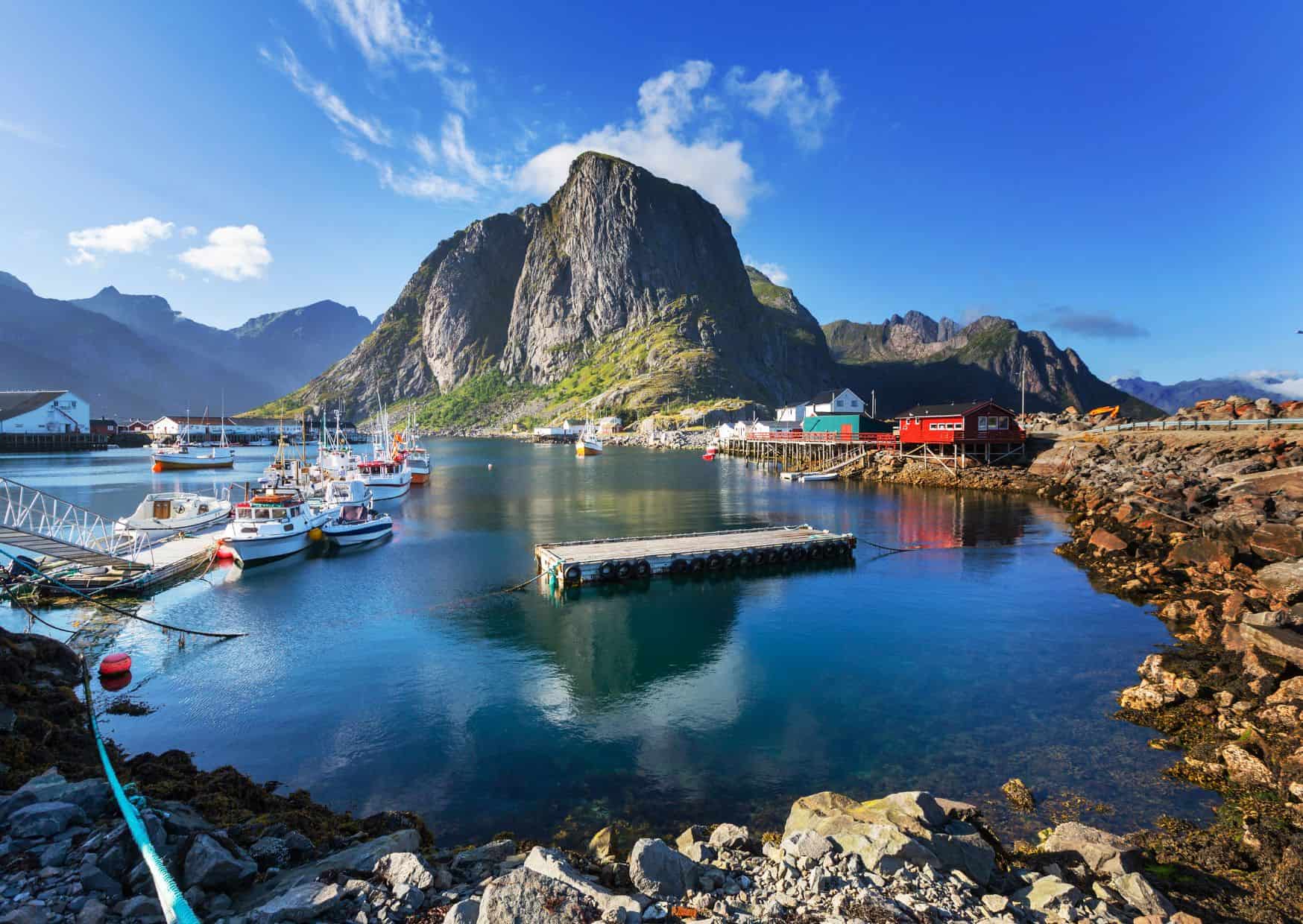
What you hear: 300+ days of sunshine!
What you don’t hear: Winters can be damp, grey, and cold—especially inside.
Many Portuguese homes lack central heating.
In winter, homes can be colder inside than out. Expect to bundle up and invest in space heaters or thermal clothes.
Coastal fog and northern rains are real, especially in Porto or the Serra da Estrela region.
Tip: Choose your region carefully. The Algarve is warmer and sunnier year-round; the north gets more rain and cooler temps.
2. Renting a Home Isn’t as Simple as It Looks Online
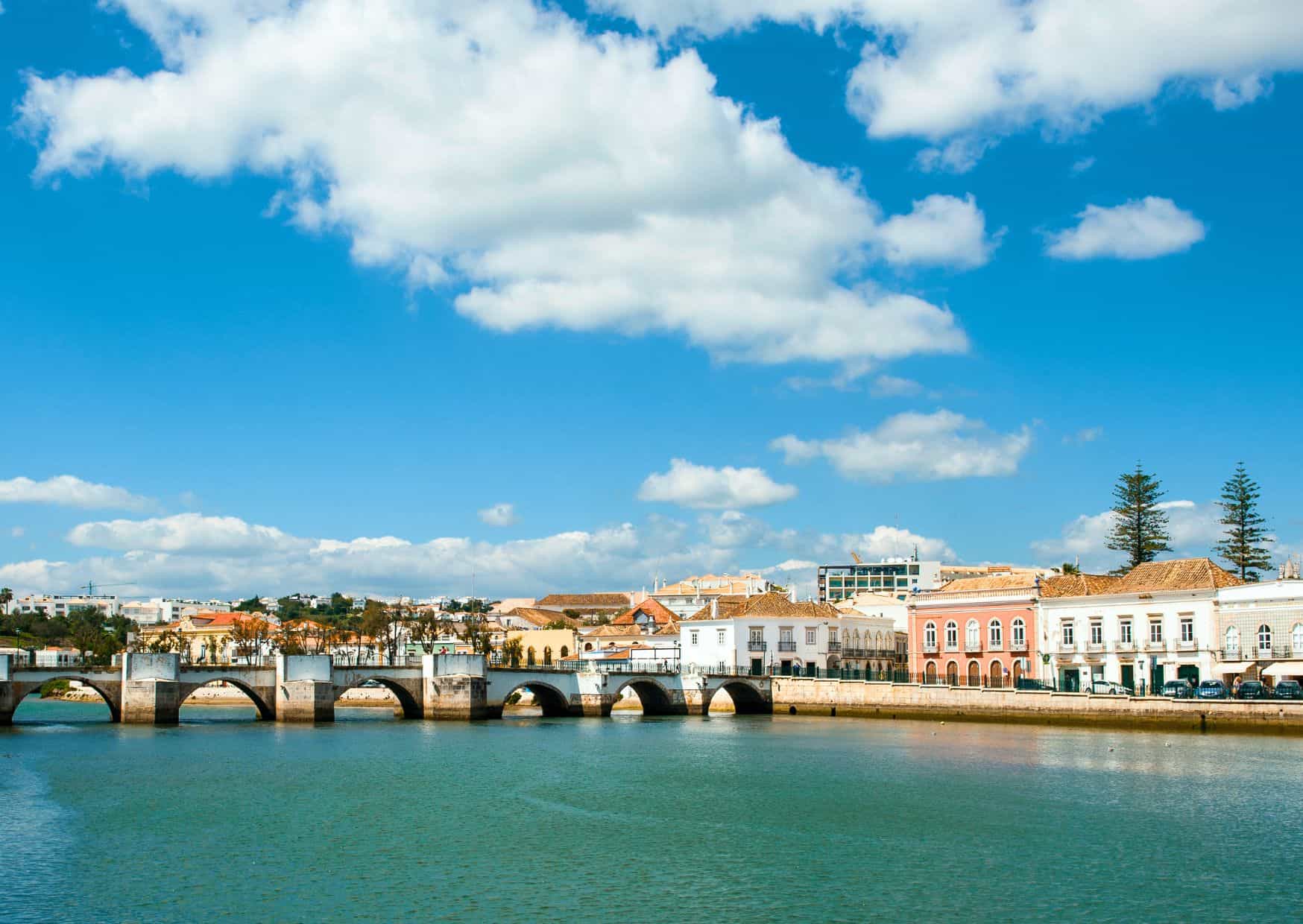
What you hear: Housing is affordable!
What you don’t hear: The rental market is competitive, underregulated, and often opaque.
Many listings are outdated, vague, or never make it online at all.
In popular cities, demand outweighs supply. Good apartments are often rented through personal connections.
Deposits can range from 2–6 months, and leases might favor landlords.
Apartments may come without heating, insulation, or basic appliances.
Tip: Use local groups, WhatsApp, or in-person visits to find real listings. Be ready to move fast—and negotiate with care.
3. English Will Only Get You So Far
What you hear: Everyone speaks English!
What you don’t hear: Outside of major cities and tourist zones, Portuguese is essential.
At government offices, local markets, pharmacies, or clinics, Portuguese is the default.
Even in Lisbon or Porto, paperwork and bureaucracy are mostly in Portuguese.
Using the language, even a little, opens doors—socially and professionally.
Tip: Start learning Portuguese as soon as possible. Locals will appreciate the effort, and it will ease your daily life dramatically.
4. Time Is Flexible, Bureaucracy Is Not
What you hear: Portugal is relaxed and low-stress.
What you don’t hear: Dealing with bureaucracy can be painfully slow and rigid.
Appointments are often delayed—but documents must be perfect.
You may need to visit multiple departments, often in person, for simple tasks.
Booking a residency appointment (SEF), getting a NIF, opening a bank account, or registering for healthcare can take weeks or months.
Tip: Be patient. Bring copies of everything. Consider hiring a relocation consultant or lawyer for complex processes.
5. The Cost of Living Is Rising Fast

What you hear: Portugal is cheap!
What you don’t hear: Prices have risen significantly—especially in major cities.
Rent in Lisbon and Porto is comparable to mid-tier U.S. cities now.
Electricity and gas prices are among the highest in Europe.
Eating out is still affordable, but groceries and fuel can be surprisingly expensive.
Tip: You can still live well on less—but not everywhere. Consider smaller towns or the interior for lower costs.
6. Consumer Choice Is Limited (And That’s Not Always Bad)
What you hear: You’ll love the local lifestyle!
What you don’t hear: You may not find your favorite brands or gadgets—or if you do, they’ll cost more.
Online shopping is limited compared to the U.S. or UK.
Amazon (PT) exists, but many items ship from Spain or Germany, with long delays.
That said, shopping local is common, with neighborhood bakeries, markets, and shops offering great quality.
Tip: Embrace the simplicity. Adjust your expectations—and learn to enjoy what’s available rather than what’s missing.
7. Healthcare Is Good—but Bring Your Patience
What you hear: Healthcare is universal and cheap!
What you don’t hear: The public system can involve long waits and limited English.
The SNS (Serviço Nacional de Saúde) is reliable but overwhelmed.
Routine tests or specialist visits may take weeks or months.
Private healthcare is widely used and affordable, but varies in quality.
Tip: Get private health insurance for flexibility and faster access. Still register with the public system for emergencies.
8. The Food Is Fantastic—If You Love Salt, Bread, and Meat

What you hear: Portuguese food is amazing!
What you don’t hear: It’s delicious, but not always diverse.
The cuisine is traditional: lots of grilled meat, bacalhau, potatoes, and bread.
Vegetarian and vegan options are growing but still limited in many areas.
Spices are mild; variety is local rather than international.
Tip: Cook at home if you crave variety. Farmers’ markets and ethnic shops are growing in big cities.
9. Driving Is an Adventure (And Not in a Fun Way)

What you hear: Portugal has great roads!
What you don’t hear: Driving styles can be aggressive, signage is confusing, and parking is a sport of its own.
In cities, lanes and rules are loosely interpreted.
In rural areas, narrow roads and old infrastructure can be tough for new drivers.
Tolls add up fast on highways, and fuel is expensive.
Tip: Use public transport in cities. If driving, rent a small car and use a toll transponder.
10. Community Is Strong—But Takes Time to Enter
What you hear: The people are friendly and welcoming.
What you don’t hear: Friendship and trust take time.
Locals are polite and helpful, but social circles are close-knit.
Don’t expect instant friendships—especially in smaller towns.
If you invest time, language, and consistency, the connections you make will be deep and lasting.
Tip: Join clubs, volunteer, take classes, and show up regularly. Portugal rewards presence over performance.
Final Thoughts: A Life You Build, Not Just Move Into
Portugal is not a postcard—it’s a real country with complexity, character, and culture. Life here can be slower, simpler, and more grounded—but also requires patience, flexibility, and humility.
The reward?
Daily life that honors conversation over speed
Access to nature, history, and culture at your doorstep
A deeper sense of belonging—if you’re willing to earn it
Living in Portugal isn’t always easy—but it can be incredibly meaningful.

About the Author: Ruben, co-founder of Gamintraveler.com since 2014, is a seasoned traveler from Spain who has explored over 100 countries since 2009. Known for his extensive travel adventures across South America, Europe, the US, Australia, New Zealand, Asia, and Africa, Ruben combines his passion for adventurous yet sustainable living with his love for cycling, highlighted by his remarkable 5-month bicycle journey from Spain to Norway. He currently resides in Spain, where he continues sharing his travel experiences with his partner, Rachel, and their son, Han.