
You walked into a spotless Klinik with a throbbing appendix and a Blue-something card that once felt like a shield. The admissions clerk smiled, tilted her head, and said the sentence you were not ready for. “Wir rechnen nicht direkt mit US-Versicherungen ab.” Translation, they do not bill American insurers directly, not even the fancy ones. You paid a deposit, texted twelve photos of your card to nobody helpful, and by the time you woke up from surgery the bill looked confusing but also, strangely, survivable. That contrast is the whole story. German hospitals refuse your card at the front desk and still save you between $12,000 and $45,000 versus a typical cash price at home. I know, the refusal feels like rejection. It is not. It is policy discipline that prevents everyone from drowning in phone trees.
My coffee is getting cold. Whatever. Here is the system without romance, and how to use it so you do not panic at 02:10 with a cannula in your arm.
The Refusal Is Administrative, Not Medical
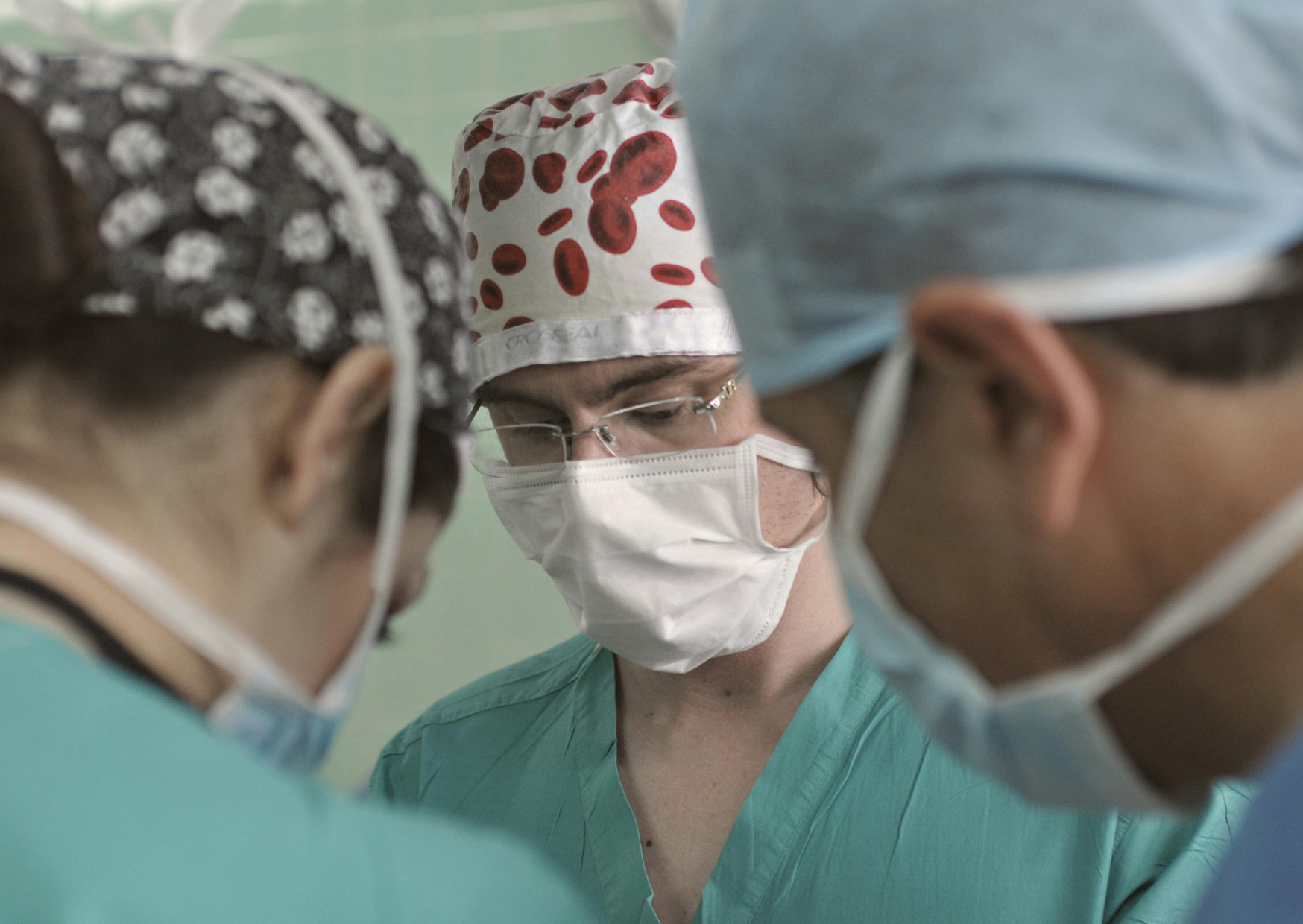
The admission nurse was not judging your passport. She was following rules. German hospitals separate care from reimbursement, heavily. If you show an EHIC from an EU system or proof of GKV statutory insurance, they bill the public pathway. If you hold PKV private insurance from a German provider, they will often bill you or your insurer after you sign a Zahlungsübernahme. If you present American insurance, they will almost always ask for Vorkasse, meaning prepayment or a sizable deposit. It is not personal. They cannot navigate a foreign billing maze while running an emergency department.
Here is the shock you only understand later. The refusal protects you. It forces a clean, transparent invoice calculated under DRG rules or GOÄ fee schedules. Those rules cap what a hospital can charge. There is no fairy tale chargemaster that multiplies a box of gauze by a factor of 11. Your insurer is still useful. You will file a claim and get reimbursed. The cash flow timing is annoying. The total is often a relief.
Bold reality inside the discomfort. A refusal at triage is not a refusal of care. It is a refusal of chaos.
What They Actually Accept Without Friction
Let us be precise because hand waving gets people into debt.
- EHIC. The European Health Insurance Card works for medically necessary care during temporary stays. You hand it over, sign a form, go to the ward.
- GKV card. If you are in the statutory system, the little green card is a key that opens most doors.
- PKV letter or card from a German private insurer. Sometimes they still bill you and you submit. Sometimes they accept a Kostenübernahme pre-authorization faxed within hours.
- Credit card or bank transfer. For non-EU insurance holders this is the normal route. Deposit first. Itemized invoice later.
- Travel insurance with a 24-hour assistance number. If the assistance team emails the hospital a guarantee of payment in German, admissions will often relax.
Everything else sits in a gray zone that triggers “Bitte zahlen Sie vorab”. If you are tired already, that sentence means please pay upfront.
Key sentence to remember. Paper that speaks German is more powerful than a metal card that speaks U.S. marketing.
Typical Costs In Germany, Compared To The Numbers You Fear
Numbers calm people. Here are round and realistic figures for adults in 2025 for common episodes, assuming no exotic complications and big city prices.
- Uncomplicated appendectomy, two nights. Germany €5,800 to €8,900 all in. U.S. list price $18,000 to $45,000 cash before adjustments. The delta is why you exhale when the email arrives.
- Gallbladder removal, two to three nights. Germany €6,500 to €10,500. U.S. cash $22,000 to $58,000, hospital dependent.
- ER workup for chest pain with labs and imaging, no admission. Germany €450 to €1,200. U.S. cash $3,500 to $12,000, sometimes more for a CT you did not want.
- MRI outpatient. Germany €350 to €650 depending on sequences. U.S. cash $1,100 to $5,000 unless you negotiated like an attorney.
I might be off a hair in your town. The shape holds. Refusal at the desk is a procedural sting that often ends with a smaller bill than you feared.
Why The Clerk Said No To Your PPO And Still Helped You

German hospitals operate inside DRG for inpatient care. Doctors bill GOÄ for professional services. The staff cannot plug an American network discount into either rulebook. They lack the contracts and the IT rails. If they tried, your case would hang for months while finance staff guessed at CPT translations. So they decline direct billing, swipe your card for a deposit, and promise an itemized invoice with codes an insurer can parse. The invoice arrives, your insurer reimburses per your plan’s out-of-network schedule, you pocket the difference if you prepaid. It feels backward. It is safer.
There is a second quiet reason. Germany avoids the moral hazard of deferred, uncollectible foreign claims. Hospitals would rather settle quickly with you than entertain six months of emails with an adjuster who changes phone numbers weekly. The rule protects the ward from spreadsheet wars.
What To Say In Admissions Without Shaking
Memorize four lines. You will sound calm and you will get what you need.
- “Ich zahle die Anzahlung mit Karte. Bitte stellen Sie mir eine detaillierte Rechnung auf Englisch und Deutsch aus.”
I will pay the deposit by card. Please issue a detailed invoice in English and German. - “Ich habe eine Auslandsreiseversicherung. Hier ist die Nummer. Können Sie eine Kostenübernahme anfordern.”
I have travel insurance. Here is the number. Can you request a guarantee of payment. - “Ich benötige eine medizinisch notwendige Behandlung. Können Sie mir die DRG oder GOÄ Positionen auflisten, sobald verfügbar.”
I need medically necessary treatment. Can you list the DRG or GOÄ codes once available. - “Bitte vermerken Sie, dass meine Adresse für die Rechnung per E-Mail gereicht.”
Please note that my address for the invoice is by email.
Yes, the last line is clunky. Clerks like clunky that gets them a correct email on file.
Bold habit. Ask for the invoice in both languages on day one. Finance will thank you and your claim will move.
The Three Documents That Make Reimbursement Boring
Your insurer will only behave if you spoon feed them. Create this tiny stack before the taxi.
- Aufnahmebestätigung. The admission confirmation with date and diagnosis.
- Arztbrief. The discharge summary with ICD diagnosis and procedure codes.
- Rechnung. The itemized invoice with hospital stamp, DRG or GOÄ codes, dates, and payment proof.
Attach a card authorization slip or bank transfer confirmation so the plan sees that you paid. If you include all three, the claim goes through on first pass more than half the time. If you send a selfie of your wristband and a paragraph of feelings, your file will nap on a server until spring.
Important truth. Insurers read codes, not essays.
How To Reduce The Deposit Without Being Annoying

Deposits can be steep. You can negotiate, gently, with three tactics.
- Offer a lower deposit plus a signed SEPA direct debit drawn when the invoice is ready. Some clinics allow this if you provide an IBAN and passport.
- Ask for a two step deposit. Half now, half after the first operative note is in the file. Be polite and specific.
- Provide a written guarantee of payment from your travel insurer. If it arrives in German on letterhead, deposits often shrink.
Never argue with triage. Always negotiate with finance. Different rooms, different priorities.
Bold line. Polite paperwork moves money more than speeches.
The Outpatient Trick That Saves You Time And Money
If your problem is urgent but not catastrophic, and you are conscious, ask one question.
“Gibt es eine Notfallambulanz der Fachabteilung statt der zentralen Notaufnahme.”
Is there an emergency clinic for the specialty instead of the central ER.
Large hospitals run specialty clinics during daytime hours for orthopedics, ENT, ophthalmology. They triage faster and bill cleaner. You might avoid an ER surcharge and you will avoid waiting behind four ambulance arrivals. This is not always possible. When it is, you skip two hours and one line item.
I am probably over explaining. Fine. Ask the question if you can stand upright.
If You Have A U.S. HSA Or FSA, Use It Correctly
German hospital invoices qualify as eligible medical expenses. Pay by card, keep the detailed Rechnung, reimburse yourself from the HSA once the card statement posts. If your FSA administrator wants more proof, send the Arztbrief first page. Do not send your lab results. The poor reviewer does not need your potassium level at 3 in the afternoon.
Bold reminder. Even when the insurer is slow, your HSA is fast. Use the fast lane.
The Language Problem Is Real, Solve It With Two Phone Calls
Most nurses speak enough English to keep you safe. The consent forms, the discharge letter, and the billing footnotes are German. Fix this by calling two numbers while you wait for imaging.
- A friend who can read German invoices.
- Your travel insurer assistance line and ask them to email the hospital a guarantee letter in German.
This is not pride. This is logistics.
A ten minute call can prevent a ten week dispute.
Americans Assume “In Network” Is A Universal Phrase
It is not. Germany has GKV networks and PKV panels, then a general private cash lane. Your U.S. network means nothing at a registration desk in Stuttgart. Trying to explain “Blue Preferred 80” is like ordering barbecue in Latin. You will be met with a smile and a card terminal. Save the network talk for your claim. At the hospital, use concrete nouns.
“Appendectomy. Two nights. General surgery ward. Itemized invoice. DRG code.”
That is their language.
Bold rule. Translate your needs into their nouns, not your acronyms.
What If They Truly Will Not Treat You Without A Huge Deposit
Rare, but it happens for elective or borderline emergencies. You have three moves.
- Ask to be transferred to a public teaching hospital. Teaching centers often have more flexible finance policies.
- Call 116 117 if it is out of hours and you are ambulatory. This medical on-call service can direct you to a Praxis with capacity and appropriate fees.
- Use ambulance services only for true emergencies. The bill is reasonable, the routing will drop you where care actually exists.
Do not perform a stand-off in the lobby. Move to a lane that will serve you today.
A Quiet Case Study With Real Math
A reader with a sudden gallbladder storm in Cologne. Front desk refused U.S. direct billing. Deposit requested €3,000. Surgery that evening, laparoscopic, two nights. Total hospital invoice €7,940. Surgeon GOÄ professional fee €1,180. Pathology €120. Total paid €9,240. U.S. PPO reimbursed out of network at 70 percent of allowable, allowable set by the plan at $12,600 for that CPT cluster which was weird but fine. Reimbursement $8,820 after deductible remainder. Net out of pocket about $220 plus some card foreign fees and an extra night in a budget hotel.
Could it go worse. Yes. Could it go better. Also yes. The point is structural. The German total was a five digit euro number, not a drifting six digit nightmare.
Bold takeaway. Refusal at the desk did not equal ruin.
The Discharge Moment You Will Mishandle If You Are Tired
You feel good, you want to leave, someone hands you a folder, you smile and walk away. Stop. Ask for these five items before you exit the ward.
- Arztbrief with ICD and procedure codes.
- OP Bericht if there was surgery.
- Medication plan with generic names and dosing.
- Radiology report if imaging happened. Not only the CD.
- Final invoice status from finance. Paid, outstanding, deposit noted.
If they say the invoice comes later, ask for a Zwischenrechnung, an interim statement that lists services to date. This piece helps your insurer set a reserve and reduces surprises.
Leave with the codes, not just a scar.
The One Time Your American Card Might Matter
If you hold a global plan that issues direct billing letters through a European third party administrator, admissions sometimes accept it. This usually looks like a PDF with your name, the plan year, and a sentence in German that says the TPA guarantees payment up to a limit for emergency inpatient care. If you have this, print it and carry it. If you do not, do not argue that your plan is famous. Fame does not open SAP screens.
I can already hear someone saying their premium card covered everything with a concierge call. Good for them. Do not plan your medical life around someone else’s concierge story.
A Fast Primer On German Bills So You Can Read One

- DRG code lines. Flat amount per case. This is the hospital bed plus standard supplies and standard post-op days.
- GOÄ lines. Professional fees for the surgeon, anesthetist, consultations. Each has a multiplier, usually 1.8 to 2.3, for complexity.
- Zusatzentgelte. Extra fees for implants or special drugs. Not every case has them.
- Pflegesätze. Nursing day rates if you see a separate structure, often now inside DRG.
- Zuzahlung. Copay for statutory insured. As a private payer you will not see this the same way.
If you can identify those five words, you can find the total that matters and stop reading footnotes that talk about linen.
What to Say For Finance When You Are Checking Out
- “Bitte senden Sie mir die Gesamtrechnung als PDF. Ich habe bereits eine Anzahlung geleistet. Hier ist der Zahlungsbeleg.”
Please send me the total invoice as PDF. I already paid a deposit. Here is the receipt. - “Können Sie bestätigen, ob die DRG-Abrechnung abgeschlossen ist und ob zusätzliche GOÄ-Leistungen folgen.”
Can you confirm whether the DRG billing is closed and whether additional GOÄ fees will follow. - “Ich brauche eine Bestätigung über den Zahlungseingang für meine Versicherung.”
I need a confirmation of payment for my insurer.
Polite. Mechanical. Boring. Boring gets money back.
I used to recommend arguing for direct billing because it felt fair. After three episodes where direct billing created a six week delay and one where an American adjuster tried to renegotiate a German DRG and failed noisily, I changed. Pay the deposit, get the codes, submit, move on. I also softened on insisting that every discharge pack be translated. Reality, most claims examiners can read the key lines. If they cannot, you can attach a short summary in plain English and a public link that explains DRG. The rest is theater.
Am I making sense. Not sure. Actually, forget that. You need a folder, not a TED talk.
Common Objections, Answered Without Theater
“If they refuse my card, they should discount more.”
The discount is built in. German tariffs are already negotiated. You are not walking into a flea market.
“I will just fly home.”
Appendixes do not negotiate with flight schedules. Do not board with an abdomen that feels like a drum.
“My friend’s hospital billed their U.S. insurer directly.”
It happens with travel TPAs. It is not the norm. Plan for deposit, enjoy the upgrade if it appears.
“I cannot afford a deposit.”
Travel with a card that carries a buffer or buy a policy that guarantees payment. There is no other adult answer.
“Language is a barrier.”
Speak nouns. Appendix. Pain right lower quadrant. Fever. Surgery. Itemized invoice. Email. It is enough to open all doors.
Pregnancy and paediatrics follow similar logic. Deposits still happen. Social workers appear faster and the paperwork is kinder. That is it.
German hospitals are allergic to your American insurance card at the front desk. Good. Refusal of direct billing is a filter against chaos, not a refusal of care. You will pay a deposit, you will get regulated prices, you will collect a bilingual invoice, and your claim will look like math instead of mystery. Do the four things that matter. Say yes to the deposit, ask for codes, leave with the Arztbrief, submit cleanly. Then look at the total and notice that the number you dreaded is not the number you got.
If you want a printable one pager with scripts and a checklist, say so. Otherwise write this on a small card and stick it in your passport. Deposit today. Codes tomorrow. Bilingual invoice. Claim paid.

About the Author: Ruben, co-founder of Gamintraveler.com since 2014, is a seasoned traveler from Spain who has explored over 100 countries since 2009. Known for his extensive travel adventures across South America, Europe, the US, Australia, New Zealand, Asia, and Africa, Ruben combines his passion for adventurous yet sustainable living with his love for cycling, highlighted by his remarkable 5-month bicycle journey from Spain to Norway. He currently resides in Spain, where he continues sharing his travel experiences with his partner, Rachel, and their son, Han.