
And what it reveals about time, taste, and why Italians take their daily rituals very seriously
There are many ways to blend in while traveling through Italy. Learn a few key phrases. Don’t expect restaurants to open at 5:30. Never touch the produce at the market. Dress like you meant to leave the house. But if there’s one moment that consistently outs Americans as outsiders, it happens at the bar — and it happens at breakfast.
It’s the moment you walk up to the counter, smile confidently, and say:
“I’ll have a cappuccino.”
It’s 2:00 p.m.
The barista doesn’t blink. But the regulars? They’ve already spotted you. The mistake isn’t your accent. It isn’t your pronunciation. It’s your timing.
In Italy, ordering a cappuccino after breakfast is a cultural blunder — not because it’s rude, but because it violates a sacred rhythm of the day. Italians don’t shame you for it. But they know instantly: you’re not from here.
Here’s why ordering a cappuccino after 11:00 a.m. marks you as an uninformed tourist — and what it tells you about how Italians drink coffee, live their mornings, and protect their rituals without ever needing to explain them.
Want More Deep Dives into Everyday European Culture?
– Why Europeans Walk Everywhere (And Americans Should Too)
– How Europeans Actually Afford Living in Cities Without Six-Figure Salaries
– 9 ‘Luxury’ Items in America That Europeans Consider Basic Necessities
Quick Easy Tips
If you want milk in your coffee, order it in the morning—never after lunch or dinner.
When in doubt, ask for an espresso or macchiato. Both are universally accepted and always a safe choice.
Watch what locals order before deciding. It’s the easiest way to blend in and avoid awkward moments at the counter.
One of the biggest debates around Italian coffee culture is whether travelers should adapt to local norms or expect cafés to cater to international habits. Italians see coffee as part of their national identity, with strict unwritten rules about when and how it’s consumed. Many locals believe certain orders—especially oversized, sugary, or milk-heavy drinks—break the rhythm of their coffee tradition. Tourists often feel surprised or judged when they unknowingly violate those norms, even though Italians aren’t trying to be rude.
Another controversial angle comes from how Americans react to Italy’s minimalist approach. Some American travelers argue that coffee culture should evolve with global tastes, offering lattes, frappes, and flavored drinks all day long. Italians, however, see coffee as a functional ritual, not a customizable dessert. They believe that changing it to fit foreign tastes dilutes its heritage. This cultural tug-of-war often leads to misunderstandings at the counter.
There’s also debate about the idea of “ignorance.” Some Italians feel it’s unfair to label tourists as ignorant simply for ordering something unfamiliar, while others insist that visitors should learn basic coffee etiquette before traveling. In truth, most misunderstandings come from cultural differences, not disrespect. But the gap between Italian tradition and American coffee culture remains wide enough to spark constant debate.
1. In Italy, Coffee Isn’t Just a Drink — It’s a Time Stamp
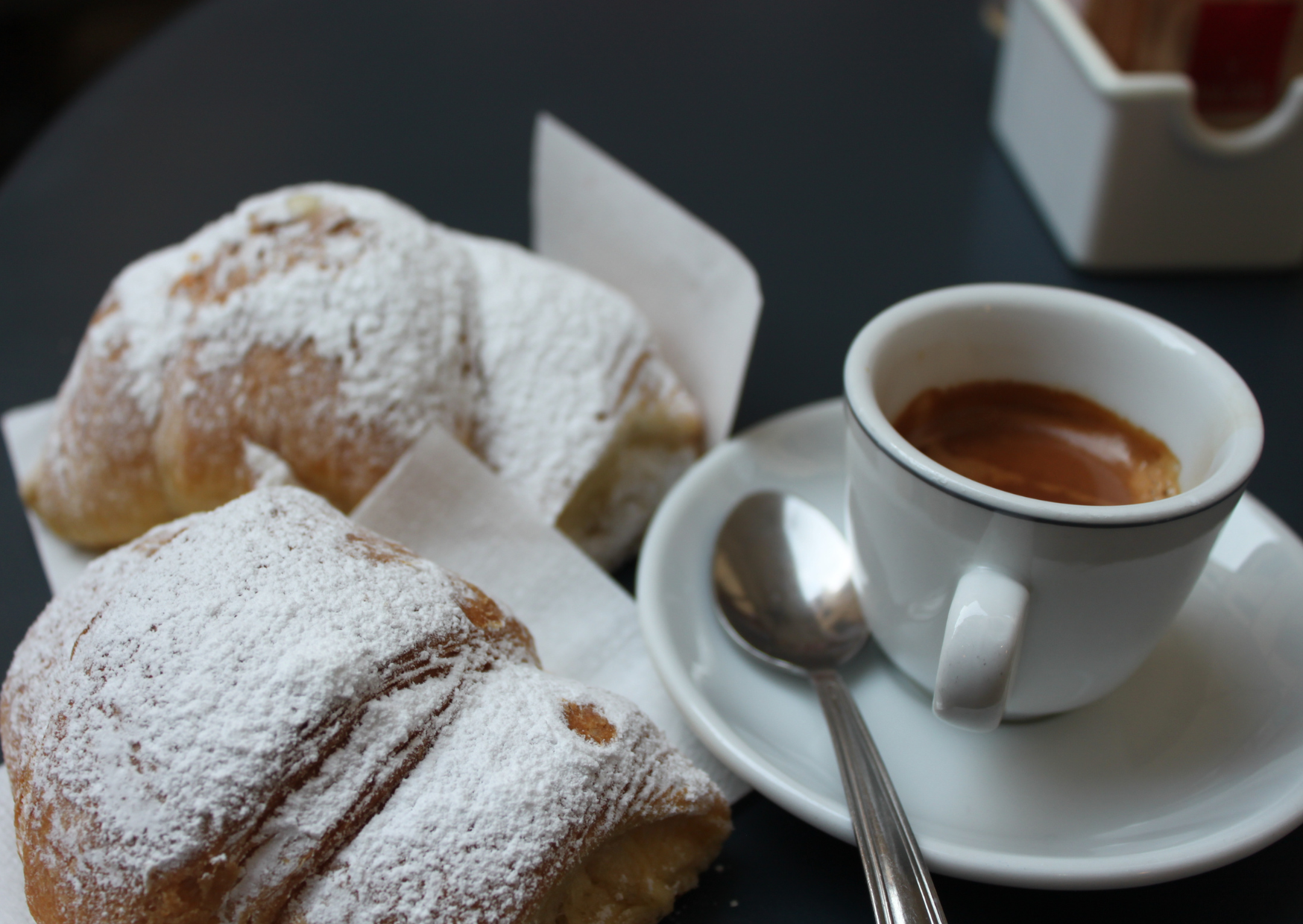
In the U.S., coffee is consumed all day. At breakfast, in the car, during meetings, after lunch, mid-afternoon, and often after dinner. It’s fuel. It’s comfort. It’s personal.
In Italy, coffee is also constant — but the type of coffee changes with the time of day. What you order signals what moment you’re in. And cappuccino is strictly a morning drink, meant to be paired with a cornetto (Italian croissant) and nothing else.
By 11:00 a.m., most Italians have moved on. It’s time for a quick espresso. Maybe a caffè macchiato (espresso “stained” with a drop of milk). But the idea of foamed milk after lunch? That’s indigestible — literally and culturally.
2. Milk After a Meal Is Considered Heavy and Childish
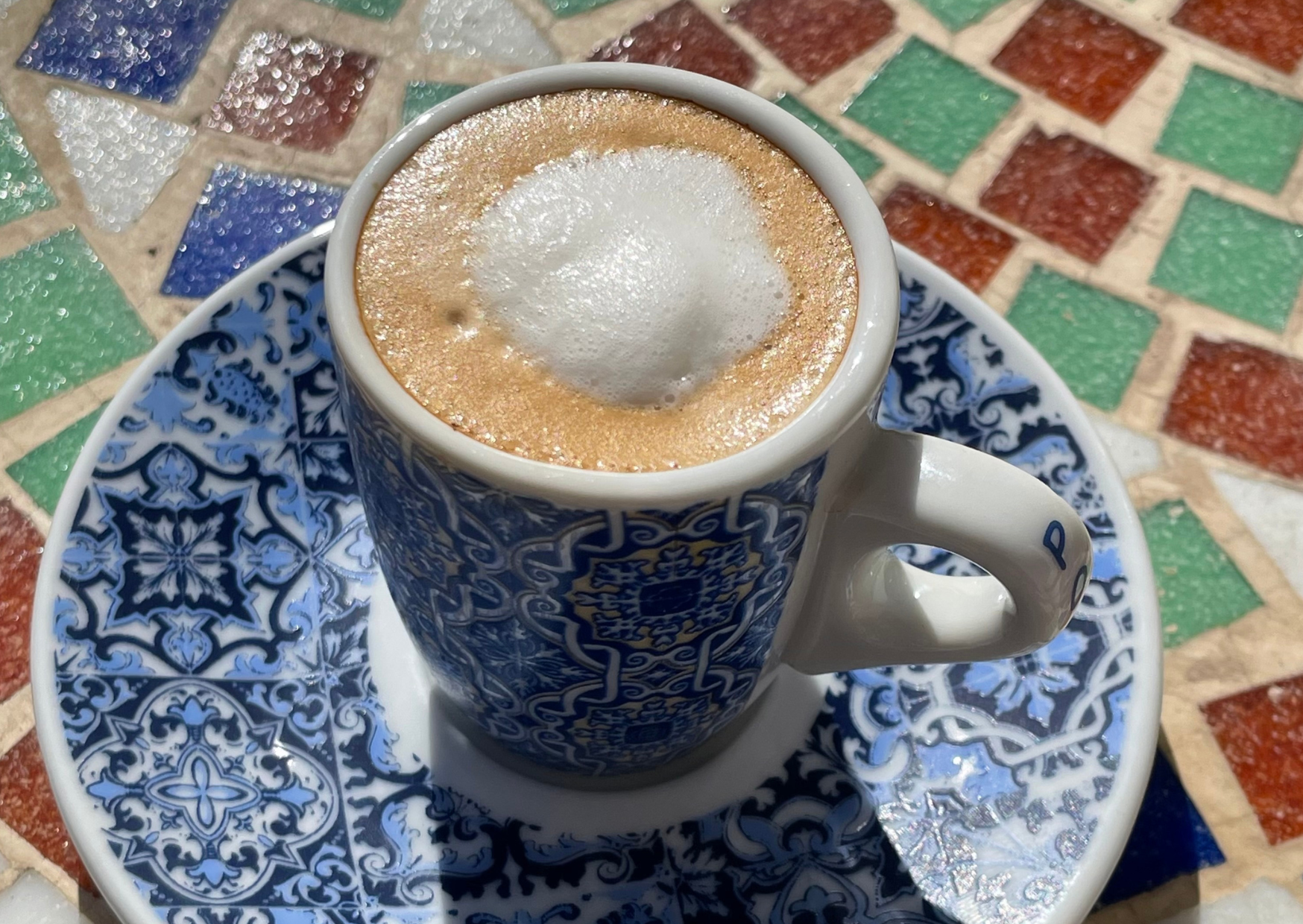
In American cafés, ordering a vanilla latte after a sandwich is unremarkable. In Italy, a hot milk-based drink after 11:00 — especially after a meal — feels wrong.
Italians believe that milk hinders digestion. It’s fine in the morning, when your stomach is empty. But after pasta, risotto, or even a panino? You switch to black coffee. Fast. Bitter. No foam. No syrup.
There’s also an unspoken rule: milky drinks are for kids, or for the breakfast table. An adult sipping a foamy cappuccino in the afternoon is like showing up to a wedding in sneakers.
No one will stop you. But everyone knows: you missed the cue.
3. The Bar Isn’t Starbucks — It’s a Ritual Space
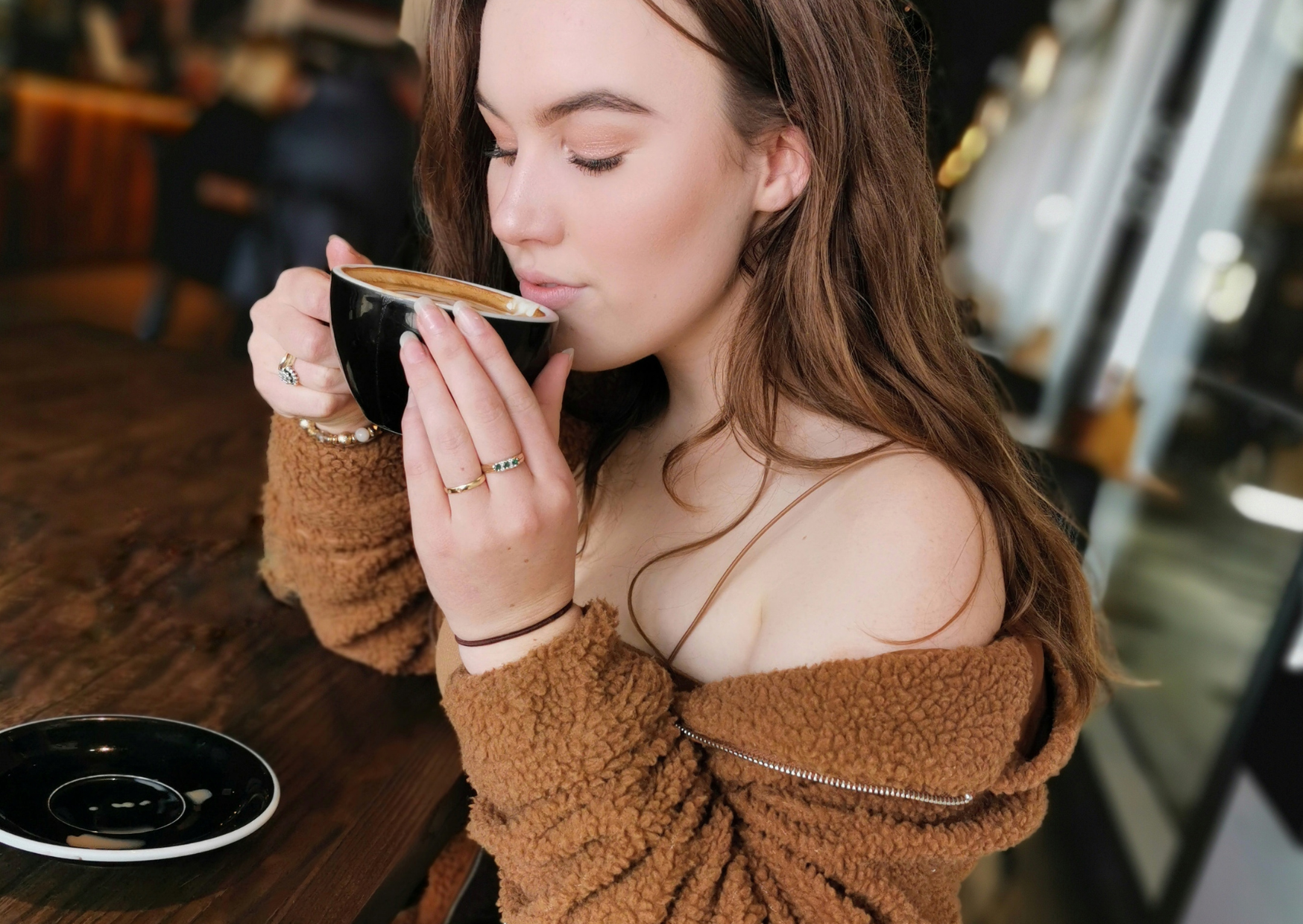
In Italy, the local bar (not to be confused with an American pub) is where life unfolds: where people stand at the counter, sip their tiny cups of espresso, chat with the barista, and leave in under three minutes.
There’s no lounging. No laptop. No triple-shot oat milk anything. The menu is small. The prices are fixed. The pace is fast.
When a tourist orders a cappuccino at 3:00 p.m. — and then tries to sit and linger — it disrupts the rhythm. Not rudely. Just awkwardly. The bar wasn’t built for lingering over warm milk. It was built for momentum.
4. Ordering a Cappuccino Late Doesn’t Offend — It Just Reveals
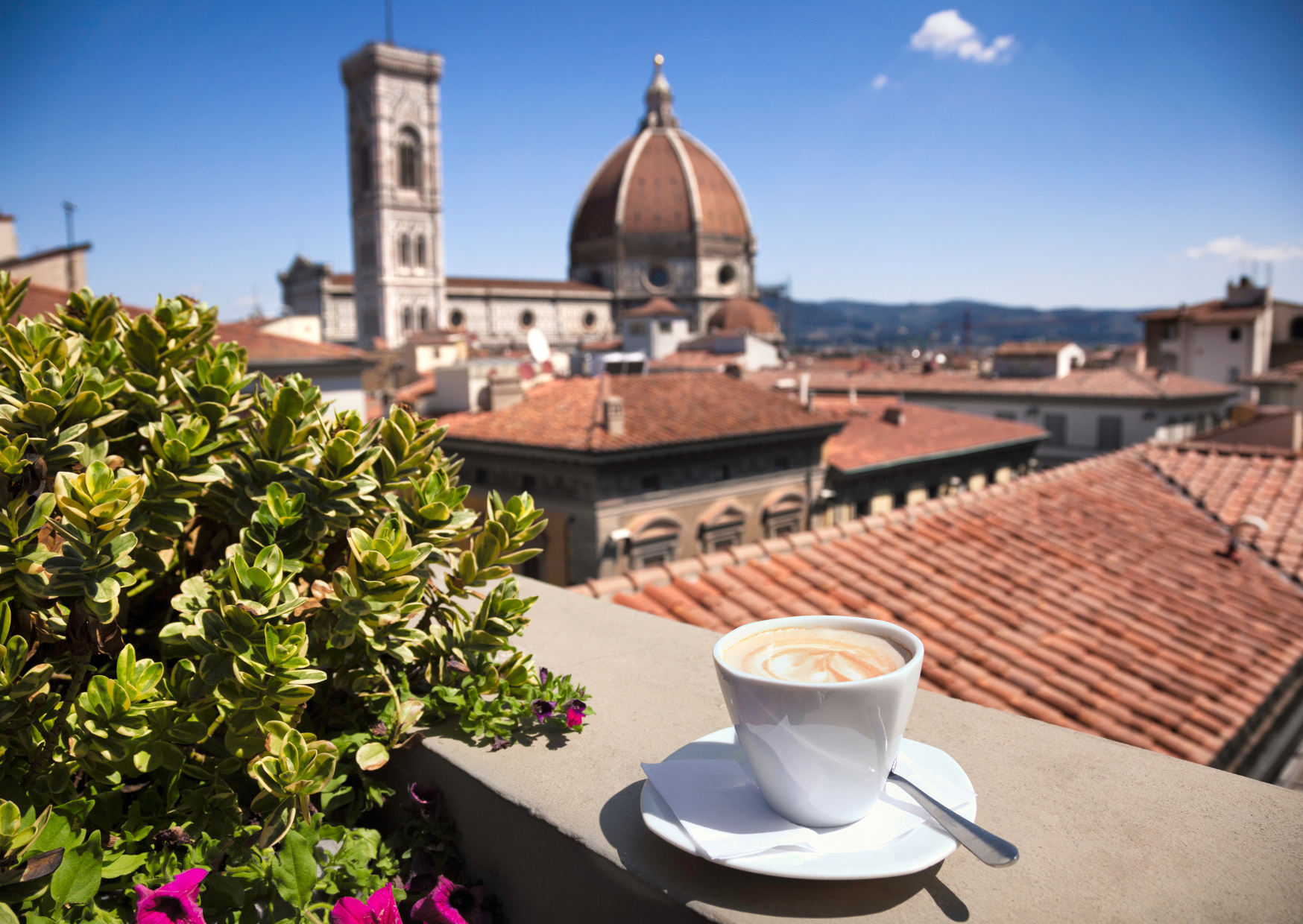
No Italian will laugh at you. No barista will scold you. In fact, they’ll make your cappuccino — quickly and without judgment.
But in that moment, you’ve revealed something that matters here:
You’re not moving with the rhythm of the day.
In Italy, that rhythm is almost sacred. Breakfast is light and milky. Lunch is hearty and dry. Coffee is black and quick. Meals and drinks match the time, the season, the setting.
Breaking that rhythm doesn’t make you a bad person. It just makes you obviously foreign.
5. Italians Read Coffee Orders Like Body Language
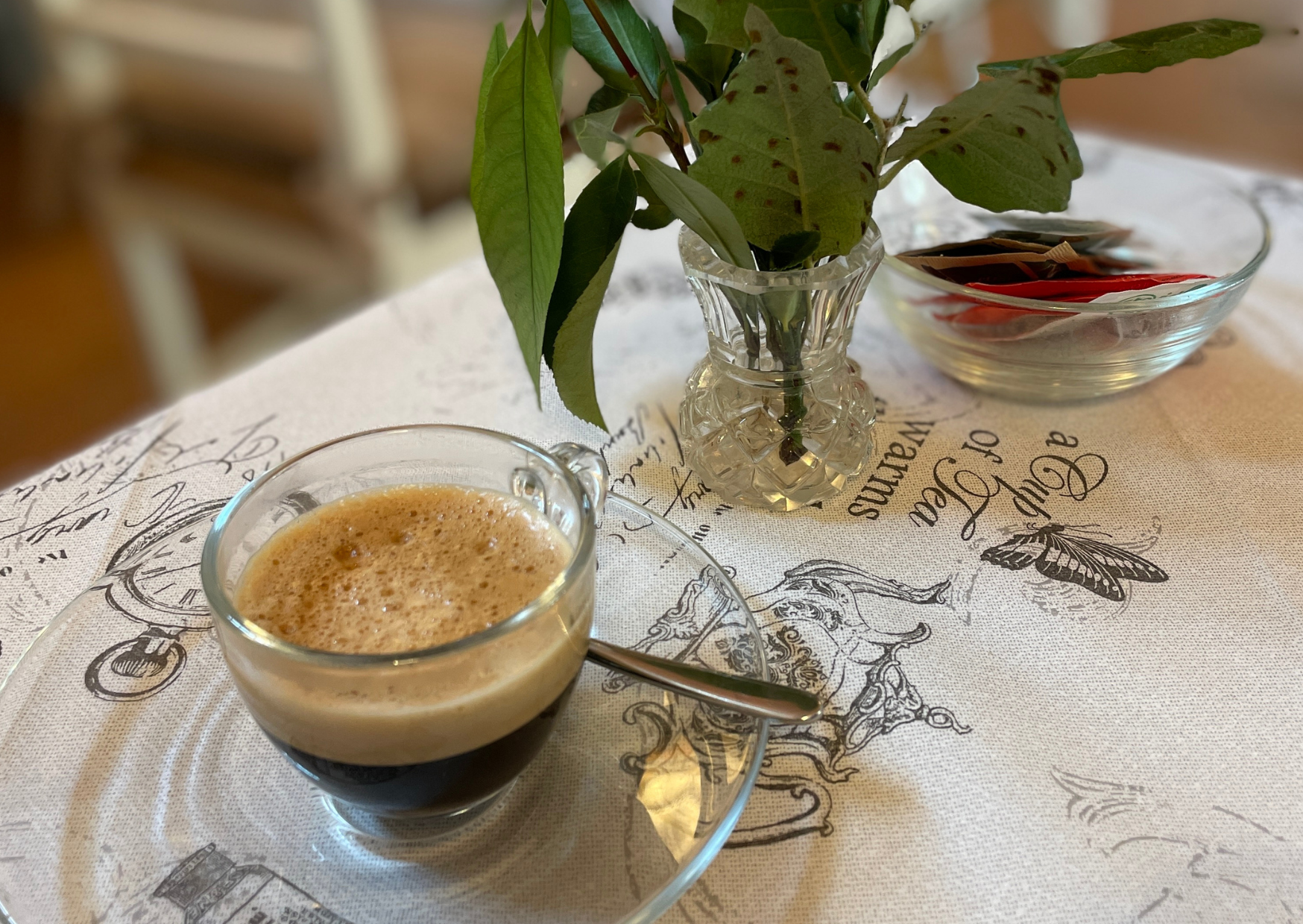
In the U.S., what you drink says little about who you are. But in Italy, ordering coffee is a kind of social shorthand.
A ristretto signals a regular who knows their preferences.
A macchiato suggests someone with a balanced palate.
A decaf hints at health consciousness — or compromise.
But a cappuccino at 4:00 p.m.? That says: “I’m new here.”
It’s not embarrassing. But it is transparent.
It’s the culinary equivalent of wearing flip-flops in November or asking for butter with your bread.
6. Espresso Is Not Fancy — It’s Functional
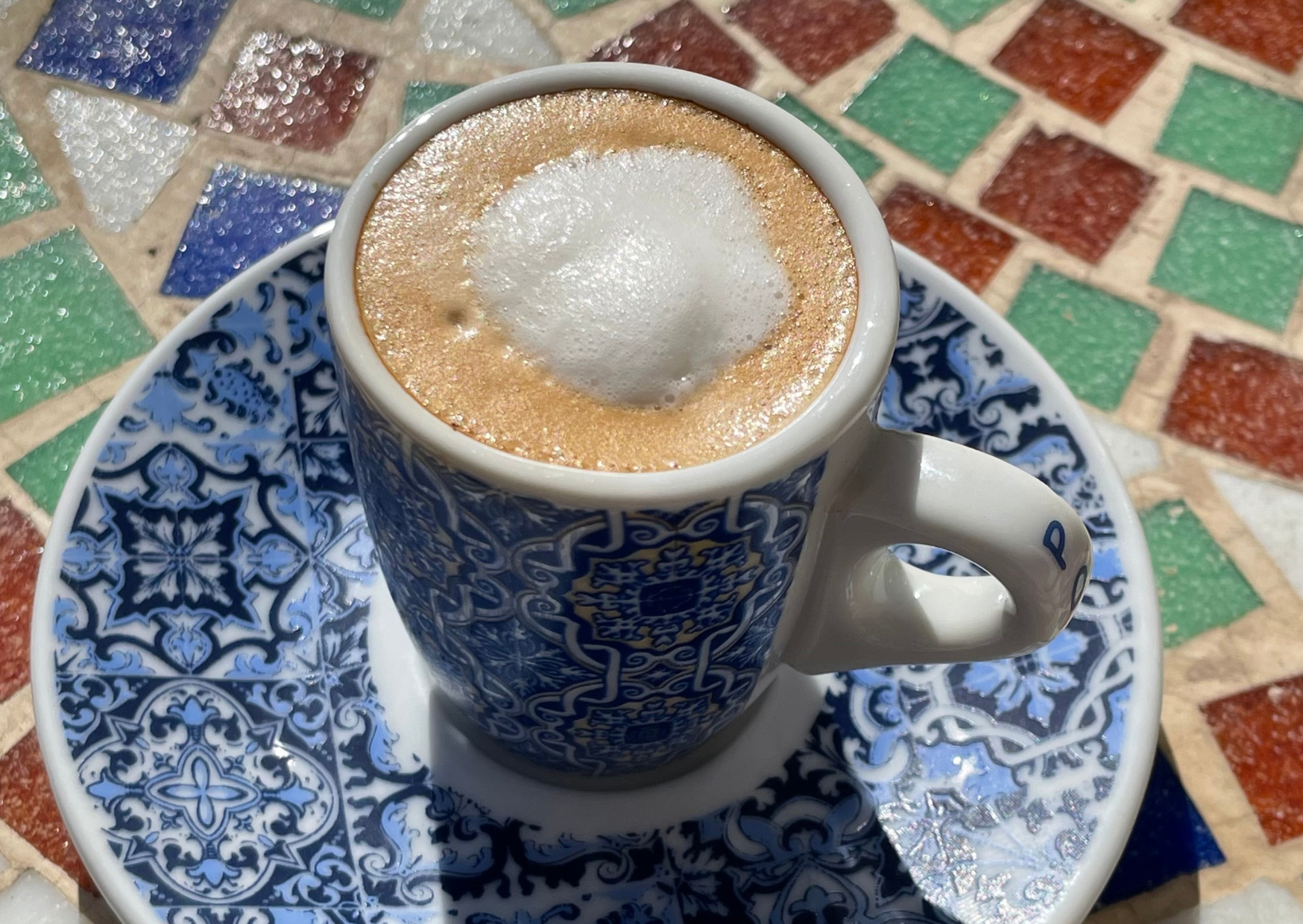
Many Americans associate espresso with fancy cafés or upscale habits. In Italy, espresso (just called caffè) is the baseline.
It’s not pretentious. It’s not hipster. It’s how coffee is served.
You drink it standing. Quickly. Without fuss. Sugar if you want it. No milk unless you ask. One euro. Maybe a biscotto. And you’re done.
There’s no 16-ounce version. No venti. No iced option. Espresso is not an experience — it’s a moment.
And that moment changes when you try to turn it into something else.
7. Latte Means Milk — And That’s All You’ll Get
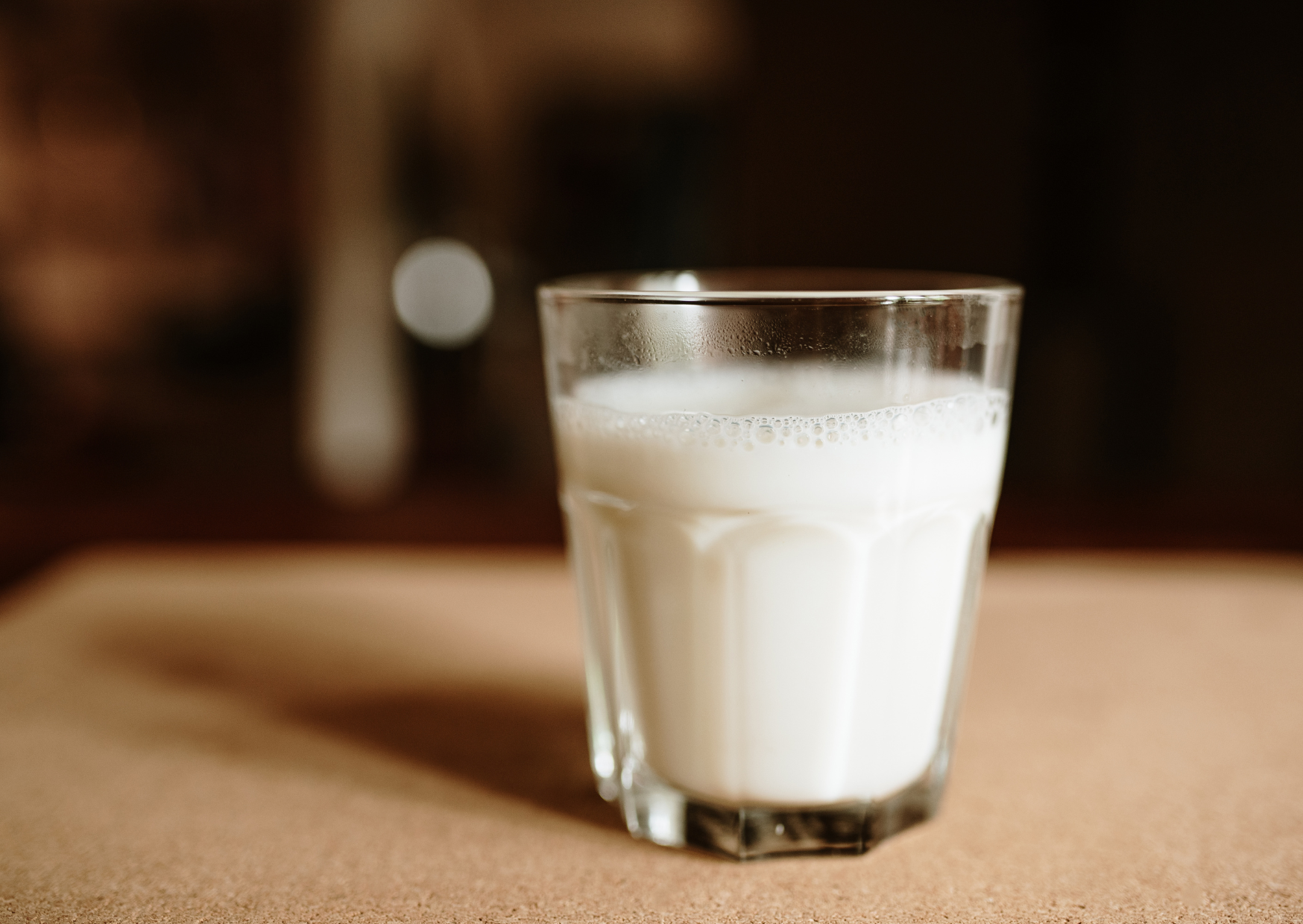
Another common American error: ordering a “latte” expecting a café-style milk-based drink.
In Italy, latte means milk. Period.
If you ask for a latte, you’ll get a glass of steamed milk — with no coffee at all.
What you wanted was probably a caffè latte — which is still a breakfast drink and often served at home, not in bars.
This mistake is so common that many baristas automatically double-check when they hear “latte” spoken with an American accent.
8. Afternoon Coffee Exists — But It’s Short and Strong
Yes, Italians drink coffee in the afternoon — just not cappuccino.
At 2:00 p.m., they might have a quick espresso after lunch. At 5:00 p.m., they might stop at the bar for another.
This late coffee is never milky. It’s never sweet. It’s not a comfort drink. It’s a pick-me-up, not a dessert.
And it’s consumed standing — with confidence, not foam.
9. The Real Respect Is in Observing the Rhythm

Ultimately, ordering the “wrong” coffee doesn’t offend Italians. But not noticing the rhythm does.
Italy has strong culinary boundaries — not as rules, but as patterns.
You eat certain pasta in certain seasons.
You don’t sprinkle cheese on seafood.
You drink cappuccino when your body is empty — not full.
These patterns don’t exist to exclude. They exist to preserve something elegant and quiet — the idea that food and drink are part of life’s larger flow.
To step into that flow is to show respect — not by imitation, but by attention.
One Drink, Two Cultures
To an American, a cappuccino is a flavor. A craving. A mood.
To an Italian, it’s a time of day — and an unspoken agreement between body, culture, and tradition.
In the U.S., your coffee says who you are.
In Italy, your coffee says where you are in the day.
So if you’re traveling in Italy, and it’s 3:00 p.m., and you feel the urge to order a cappuccino — pause.
Look around. See what others are drinking. Take the espresso. Stand at the bar. Sip it in one motion.
And know that in that moment, you’ve joined the rhythm. Not perfectly, but intentionally.
And that’s what Italians notice most.
Italian coffee culture isn’t about rules meant to embarrass travelers—it’s about ritual, identity, and simplicity. Once you understand the reasoning behind these habits, the entire system starts to feel elegant rather than restrictive. Ordering the “wrong” coffee doesn’t make you a bad traveler; it simply highlights how different American and Italian coffee traditions truly are.
When you lean into the local rhythm, something interesting happens: your coffee routine becomes slower, more intentional, and surprisingly more enjoyable. Italians drink coffee as a moment of pause, not as a portable beverage designed to sip on the go. Adopting that mindset deepens the cultural experience and helps you connect with the country on its own terms.
In the end, the goal isn’t to judge anyone’s habits—it’s to appreciate how different cultures shape something as simple as a cup of coffee. By knowing what locals expect, you can skip the awkwardness, order with confidence, and enjoy your coffee the Italian way. If you want, I can add a section listing the most common Italian coffee orders and what each one actually means.

About the Author: Ruben, co-founder of Gamintraveler.com since 2014, is a seasoned traveler from Spain who has explored over 100 countries since 2009. Known for his extensive travel adventures across South America, Europe, the US, Australia, New Zealand, Asia, and Africa, Ruben combines his passion for adventurous yet sustainable living with his love for cycling, highlighted by his remarkable 5-month bicycle journey from Spain to Norway. He currently resides in Spain, where he continues sharing his travel experiences with his partner, Rachel, and their son, Han.