
If your U.S. bank says you can take out a thousand a day but every Italian machine keeps spitting back your request, you are not being scammed. You just ran into Italy’s per-withdrawal cap culture and a fee structure that punishes repeat taps unless you know where to aim your card.
Walk up to a sleek street-corner machine in Rome, punch in 500 euro, and watch the screen refuse you. Try 400, same story. At 250, it finally works. Ten minutes later you are looking for a second machine because your apartment host wants cash for the city tax and the trattoria around the corner still prefers banknotes at lunch. What happened is simple. Italy often limits the amount per transaction, your American daily limit does not override the machine’s rule, and independent ATMs use those low caps to multiply your fees. Once you understand which caps exist and which machines to trust, the problem goes away and so do most of the charges.
Below is a traveler’s field guide to the Italian cash wall. What the “ATM maximum” actually is, why it exists, how it intersects with your U.S. bank’s limits, where the hidden fees stack up, and the exact playbook that lets you pull out more in one clean shot from the right machine.
Want More Deep Dives into Other Cultures?
– 9 Italian Style Rules That Instantly Outshine American Fashion
– Why Europeans Walk Everywhere (And Americans Should Too)
– How Europeans Actually Afford Living in Cities Without Six-Figure Salaries
– 9 ‘Luxury’ Items in America That Europeans Consider Basic Necessities
Quick Easy Tips
Bring more than one debit card so you can withdraw from multiple accounts if needed.
Use bank-operated ATMs, not convenience-store machines, to avoid extra fees and low withdrawal caps.
Notify your bank before traveling. Some banks will temporarily raise your international withdrawal limit if you request it.
One of the biggest misunderstandings between American and European banking systems comes down to cash culture. Many Americans assume ATMs everywhere function like they do in the United States, where large withdrawals are common and often encouraged for convenience. In Italy, however, daily withdrawal limits are intentionally lower. Banks do this partly to discourage large amounts of cash circulating and partly to reduce fraud. Some travelers mistake this as a technical glitch or a scam, when in reality it’s a systemic design choice.
Another controversial point is the belief that Italian ATMs limit withdrawals to force tourists into paying extra fees. While it’s true that foreign cards often incur charges, the ATM limit itself isn’t targeted at travelers. Italians deal with the same caps and rarely complain because cash isn’t king in the same way it is in tourist-heavy areas. The clash happens when Americans expect the convenience they’re used to and bump into a financial system that plays by a completely different rulebook.
There’s also ongoing debate about whether Italy should raise ATM limits given the rise of digital nomads and tourism. Some argue that small limits are outdated and inconvenient. Others insist the system protects locals from fraud and keeps spending transparent. Until that debate is settled, travelers need to adapt rather than expect the system to change for them.
What “the maximum” really is in Italy
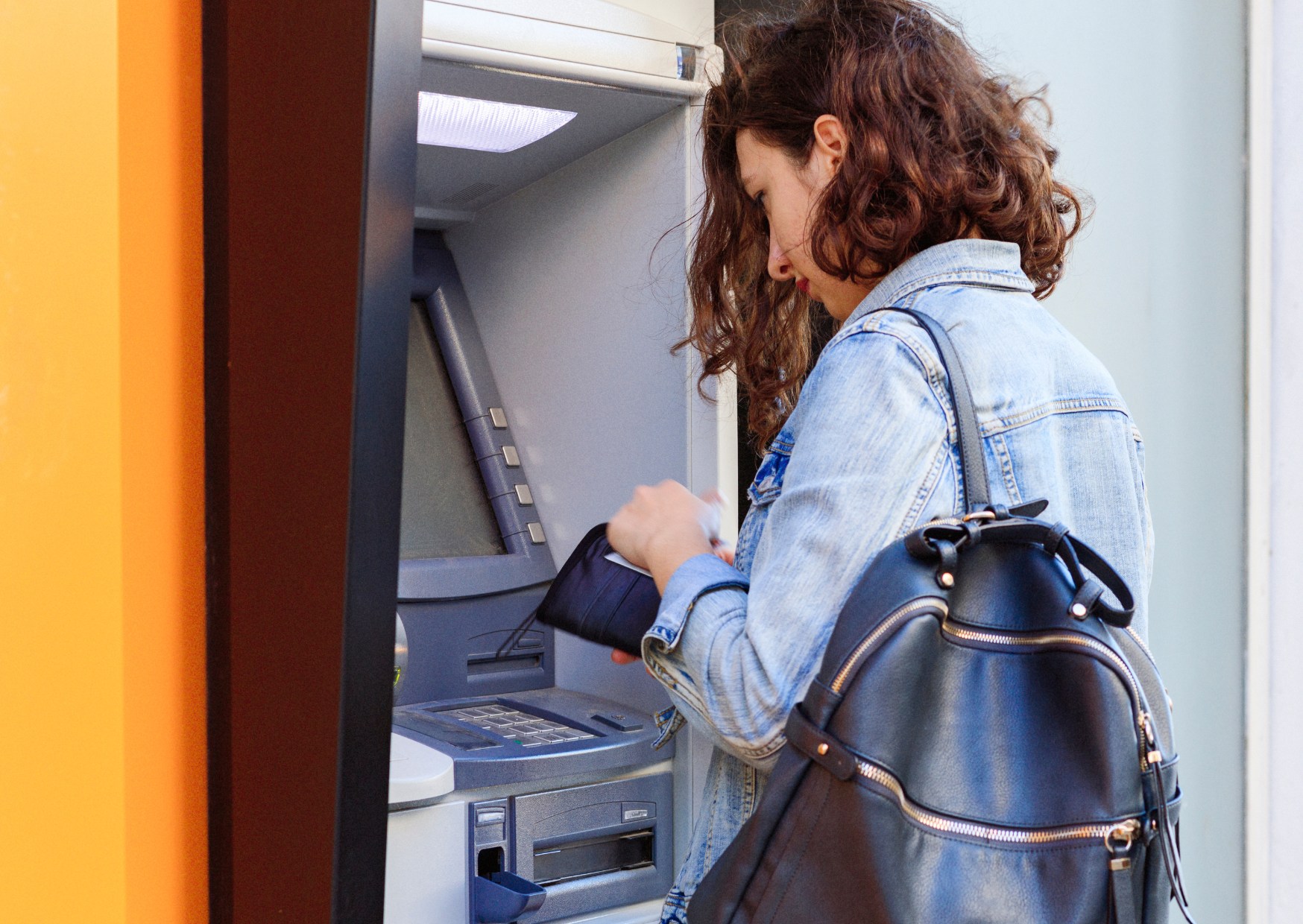
When a machine says no to 500 and yes to 250, you are hitting a per-withdrawal cap set by that ATM’s bank or network. It is not your daily limit. It is the machine’s one-shot ceiling. In Italy, typical caps range from about 250 to 1000 euro per transaction, with many neighborhood “bancomat” terminals clustering at the lower end. That is why visitors end up doing two or three pulls in a row and paying multiple fees. Per-transaction caps are normal, they vary by bank, and they are lower at plenty of machines than Americans expect.
If you grew up where a single ATM happily hands you the bulk of your daily allowance, this feels punitive. It is not. Italian networks have long favored shorter transactions and smaller note bundles. The cap is a design choice, not a tourist trap.
Your U.S. daily limit versus Italy’s per-transaction ceiling
American cards usually have daily withdrawal ceilings like 500 or 1000 dollars. Those numbers are real, but a foreign machine can still tell you no on a large request because your daily ceiling is not a promise the ATM has to honor. Two limits intersect: your bank’s daily cap and the Italian ATM’s per-withdrawal cap. The machine wins the moment you press enter. That is why asking for 500 triggers a refusal while 250 goes through even though you have plenty of room left with your bank.
You can raise your U.S. daily limit before travel to give yourself headroom, but it will not lift an Italian machine’s one-shot ceiling. The fix is selecting machines with higher per-transaction maximums, not simply growing your American limit.
Why some machines force low pulls and others do not
Three forces set the amount that comes out in one go. First, bank policy. Some Italian banks and Poste Italiane configure their terminals to keep transactions small. For example, Poste’s own published card limits show caps of 150 to 600 euro per operation depending on the card type, a window that mirrors what many visitors see on non-Poste machines as well. Bank-owned ATMs often allow more than 250, while conservative terminals stick to it.
Second, cash cassette and note mix. ATMs that stock mostly 20s and 50s need more time and moving parts to count out large sums. Smaller bundles mean fewer jams and faster queues, so per-withdrawal caps keep the machine reliable.
Third, who owns the machine. Independent networks set limits that conveniently generate more transactions and therefore more fees. In tourist areas the per-pull ceiling is often deliberately low, which multiplies charges if you keep pressing accept. Independent terminals want you to make multiple withdrawals. Bank ATMs do not need that game to make money.
The expensive trio you pay when you make repeat withdrawals
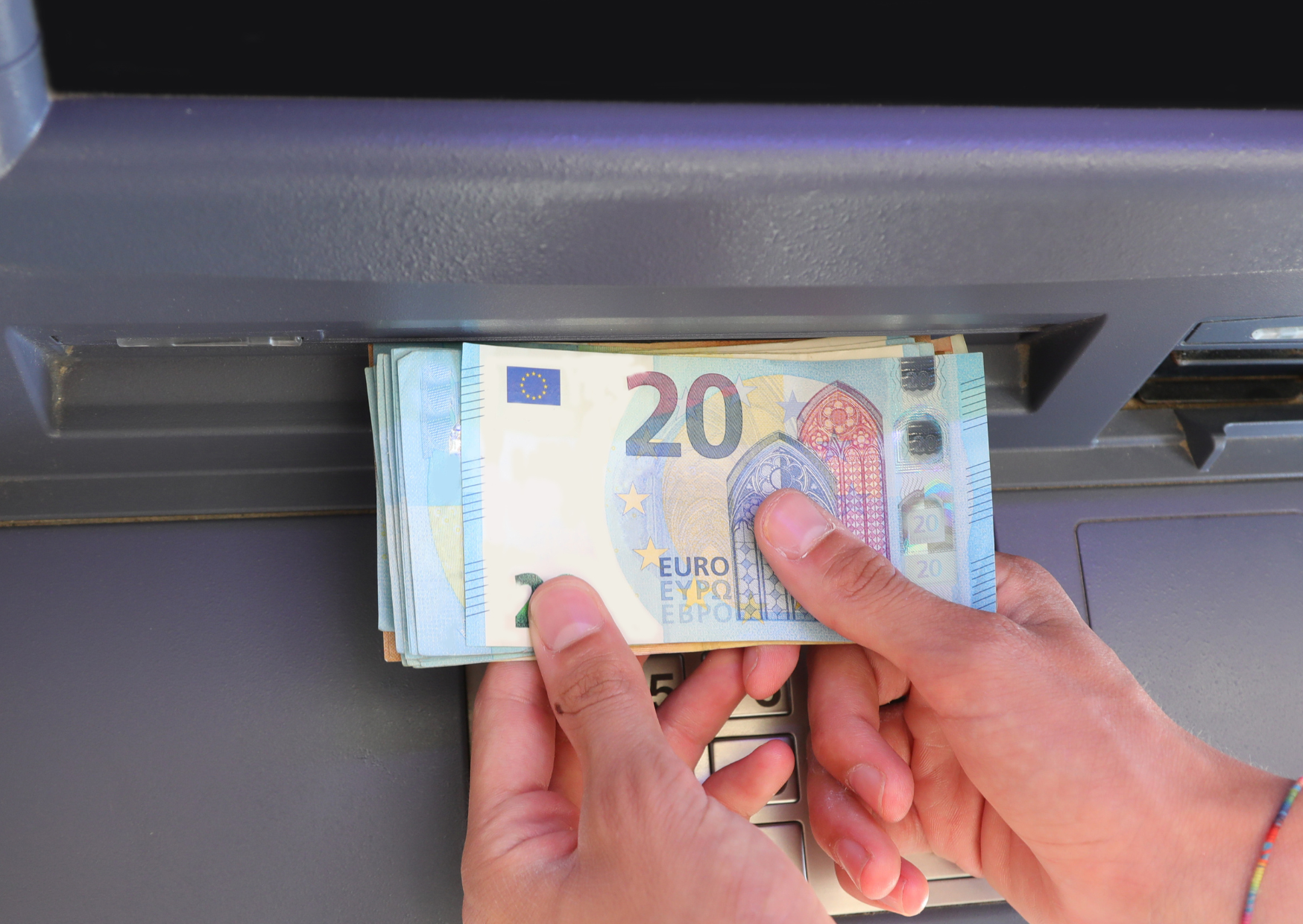
Every additional pull can trigger three separate costs. An owner fee at the ATM is the most obvious, often shown on screen just before you confirm. A foreign ATM fee from your U.S. bank is the quiet one, usually a flat charge per transaction plus or minus a percentage. A currency conversion hit appears if you accept the machine’s “helpful” offer to bill you in dollars instead of euro. That last one is called dynamic currency conversion, and it often adds several percentage points to the rate. The more individual withdrawals you do, the more times each fee hits you. Multiple small pulls compound costs. Dynamic currency conversion magnifies the damage. Owner fees in tourist zones are designed to clip you.
You can say no to conversion every time. You cannot avoid an owner fee except by choosing a different machine. Which brings us to the single biggest win.
Choose bank ATMs on the Bancomat network and you stop the bleeding
In Italy the signage to hunt is Bancomat or PagoBancomat on a bank-branded machine. These are the local debit networks that sit behind most bank ATMs. You want terminals attached to large Italian banks such as Intesa Sanpaolo, UniCredit, Banco BPM, BPER or a Poste Italiane branch, not a standalone box by the door of a souvenir shop. Bank-owned machines usually have higher per-transaction ceilings and lower or no owner fees to foreign cards. In practice that means fewer withdrawals and fewer total charges.
If you are wondering whether this is just traveler folklore, check the way consumer and banking sources describe the landscape. Practical guides highlight 250 to 1000 euro per-transaction limits and caution that tourist-area independents use fees and conversion to profit from low caps. They also advise using true bank machines to minimize both. Bank ATMs are the fix for the forced tiny withdrawal problem, both in limit and cost.
A reality check on how much cash you really need
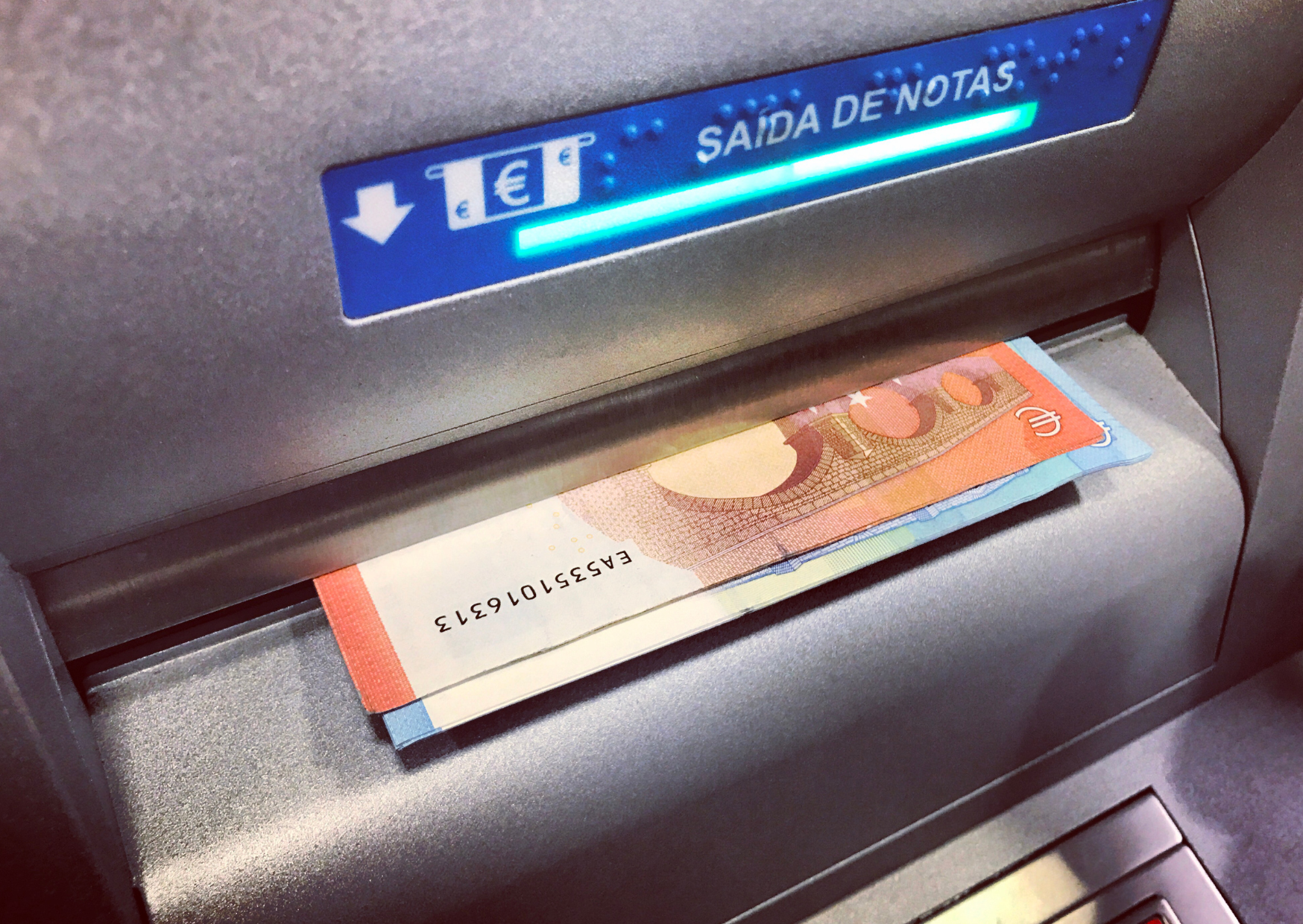
Italy is not the cash-only country it was a decade ago. Contactless debit and credit are normal in cities, taxis tap, and even corner cafés increasingly support cards. There are exceptions, especially in small towns and at family eateries, but you rarely need to carry four figures in notes. And Italy’s legal ceiling for cash payments remains 5,000 euro in 2025, a reminder that large cash deals are discouraged at the policy level. Cards cover more than you think, cash ceilings exist, and withdrawing modestly reduces both risk and fees.
The practical outcome is simple. Pull enough for tips, markets, small cafés, and any place marked contanti only, then do the rest on card. If a hotel or apartment host insists on a large cash payment, you can plan a single higher withdrawal at a bank machine that allows 500 to 1000 euro in one shot and avoid getting nickeled by repeat fees.
The names and places that usually let you take more in one go
Patterns vary by city, but travelers and Italian customers report that big-footprint banks’ lobby or branch-wall ATMs tend to allow higher single pulls than independent terminals on tourist streets. Posters and price sheets also show typical daily caps for Italian cards at 600 to 1000 euro, which implies the hardware is built to handle larger bundles when policy permits. For instance, Fineco publishes 1000 euro daily and 2000 monthly withdrawal ceilings for its own cards, and Poste lists up to 600 euro per operation depending on card version. While those figures describe Italian customers, they hint at what the hardware can dispense in a single go to foreign cards at the same machines. Branch ATMs have higher single-shot headroom, Italian card limits suggest the hardware is comfortable at 500 to 1000, you will get farther at a bank than at a tourist kiosk.
If you need a lot of cash at once, go during banking hours. If a withdrawal fails or caps are too low, you can step inside and ask which of their machines dispenses higher amounts per transaction. Staff will point you to a lobby unit with the right cassette mix.
The independent terminal problem in one sentence
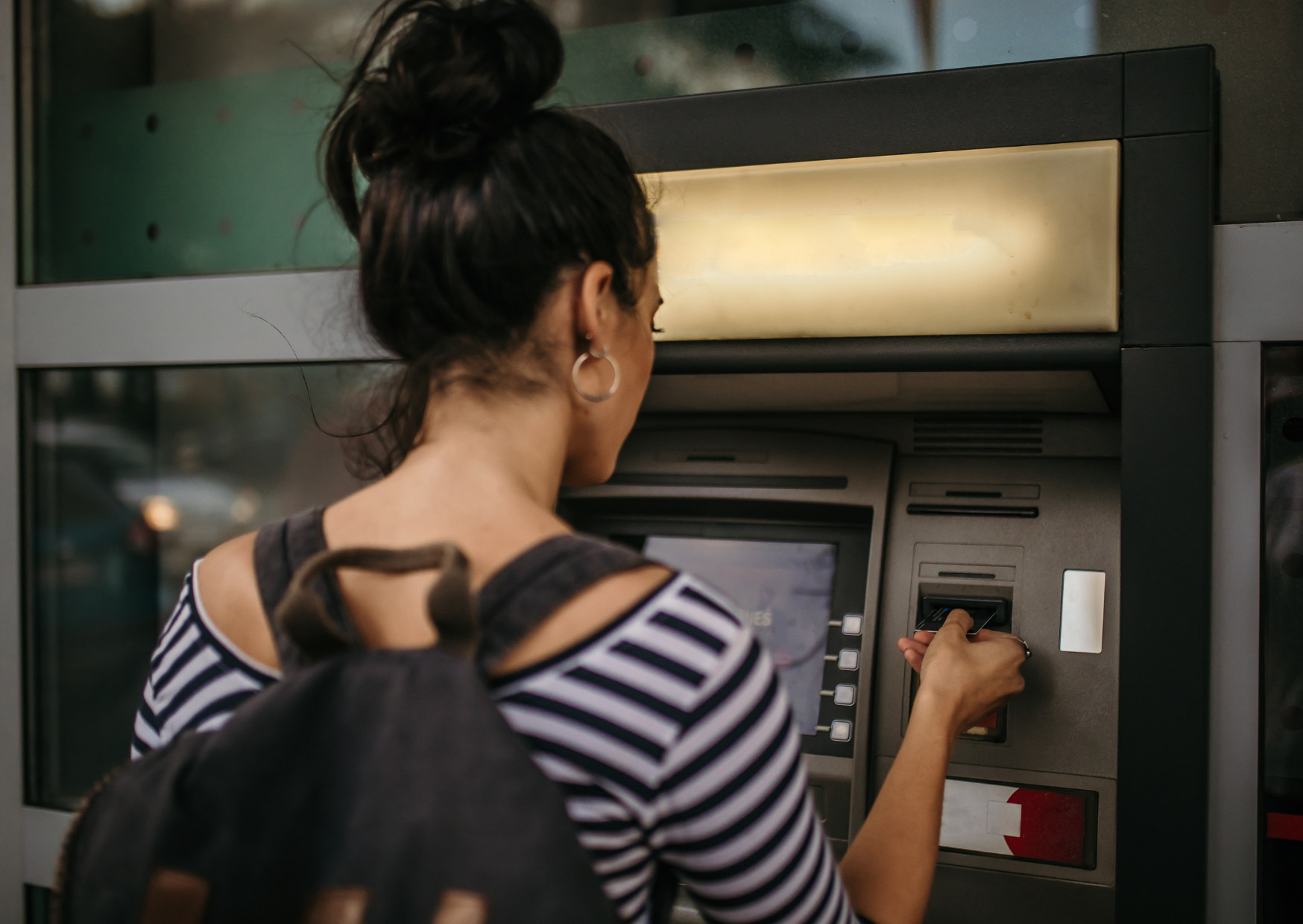
On a cobblestone street near a major sight you spot a blue box promising cash in multiple languages. That is an independent ATM, often Euronet. These machines frequently charge owner fees and push dynamic currency conversion at hostile rates. Many also cap each pull low, which multiplies those fees if you keep tapping. Independent boxes maximize their profit by cutting your withdrawal into pieces. They are legal, they are transparent on screen, and they are almost always the worst choice.
If you see both a bank ATM and an independent machine side by side, use the bank’s. If you only see the independent, keep walking one more block.
The eight-move playbook that stops multiple withdrawals
First, map a bank. Search your map app for Intesa Sanpaolo, UniCredit, Banco BPM, BPER, or Poste Italiane near you. Bank-owned terminals are your default.
Second, withdraw in bank hours when possible. If caps are too low, a teller can direct you to a machine with a higher per-withdrawal ceiling. Help exists if the door is open.
Third, ask for a big single pull first. Try 500 or 600 at a bank machine. If it refuses, drop to 400, then 300, then 250. Find the per-transaction ceiling once, then stop.
Fourth, reject dynamic currency conversion. Always choose to be charged in euro, not dollars. Conversion at your U.S. bank’s network is almost always cheaper.
Fifth, watch for an owner fee screen. If the ATM warns of a 3 to 5 euro fee, cancel and find a bank terminal if you can. Owner fees stack with your U.S. bank’s fee.
Sixth, use the right card. A U.S. debit with no foreign ATM fee and no foreign transaction surcharge turns a necessary withdrawal into a minor cost. If your bank reimburses ATM fees, great. If not, consider opening a travel-friendly account before you fly.
Seventh, carry a backup. Keep a second debit card from a different network in case a machine refuses the first. Italian ATMs generally accept Visa and Mastercard debit, but the second card saves a walk.
Eighth, withdraw less often. Pay by card where accepted and plan one larger cash pull from a proper bank ATM every few days instead of daily dribbles. Fewer transactions means fewer fixed fees.
Common failure points and quick fixes
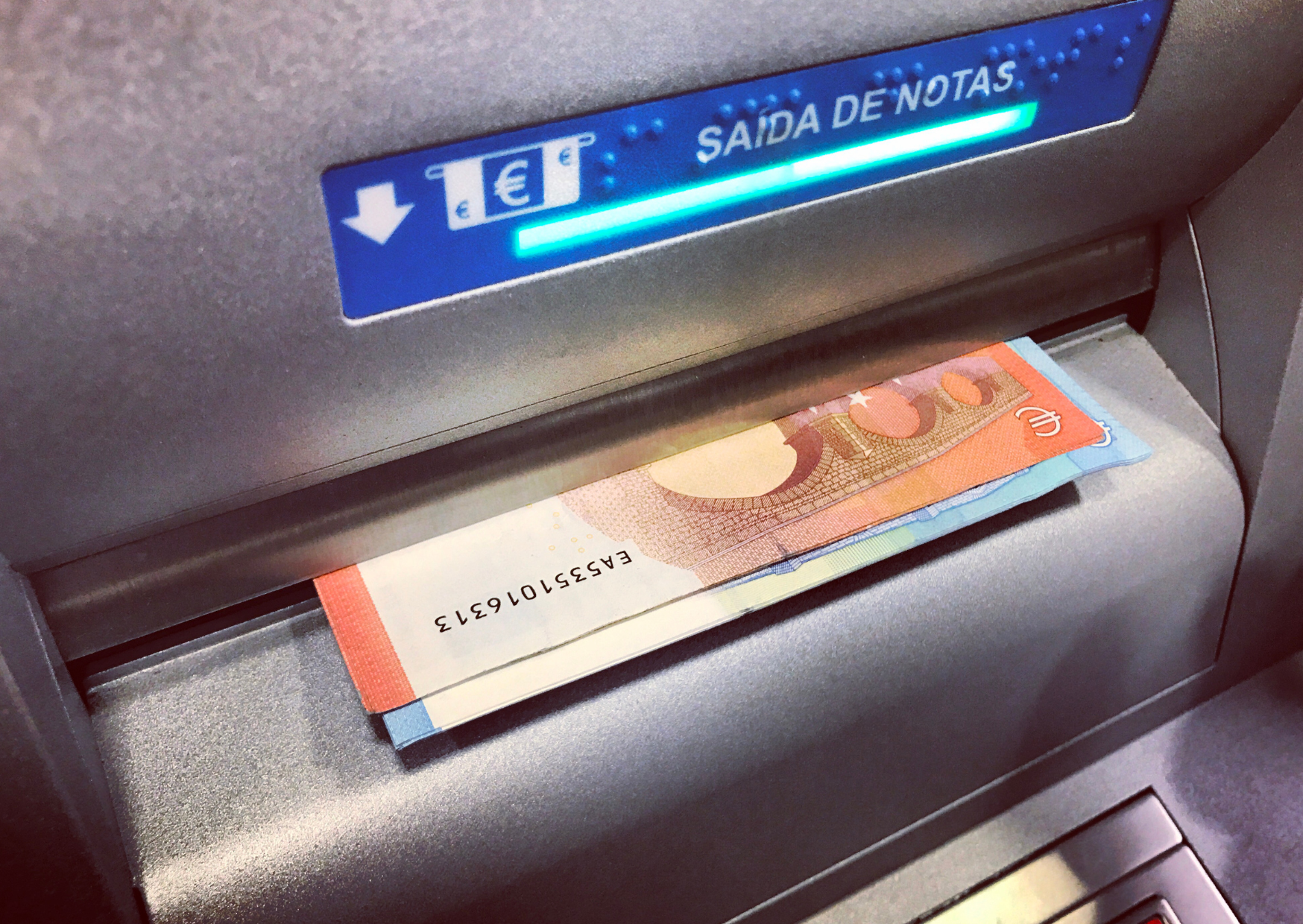
You punch a high number and the machine declines with a vague error. The fix is not to panic or assume your card is blocked. Drop the amount to 250 or 300 and try again. You likely hit a per-withdrawal ceiling, not a fraud tripwire. If it still refuses, try a bank branch ATM, not the corner kiosk.
You accept a “helpful” dollar conversion because the machine warns about a bad rate if you do not. That was the fee talking. Cancel, start over, and pick euro. Nothing else changed except who does the math. Your network’s exchange rate is the one you want.
Your U.S. bank charges a flat foreign ATM fee per transaction and you just did three small pulls. You have two choices. Call and ask if they can credit foreign ATM fees for the trip or switch to a card that does not charge them before your next country. If you are already in Italy, the best you can do is use bank ATMs and withdraw less often so the fixed fee triggers fewer times.
You need more than 1000 euro for a special case, for example a damage deposit that must be cash. Ask your host if a bank transfer is acceptable. Italy’s SEPA transfers are standard and easy from a local account and many U.S. fintechs, and large cash payments are disfavored anyway. If you must do it in banknotes, split the job between two bank ATMs rather than feed an independent machine.
What to expect at airports and tourist centers
Right after baggage claim you will usually see independent ATMs first. They advertise in English, they present big buttons, and they place the conversion choice so that the expensive option is the easiest to touch. Airports are where repeat withdrawals happen most because a jet-lagged brain accepts the cap and taps twice. The cure is to walk to the arrivals hall and look for a bank branch ATM. If you cannot find one, withdraw the bare minimum from the independent and replace it later at a bank machine in town. Airports are fee traps by design. City bank ATMs are the antidote.
Yes, some places still want cash, but the list keeps shrinking
Market stalls, small trattorie at lunch, family-run B&Bs, and taxis in small towns still ask for cash. Everywhere else, cards have quietly taken over. That shift matters for your math. If you were budgeting hundreds in daily banknotes a few years ago, you can halve that in most cities now. Your worst-case scenario becomes a single high-cap bank withdrawal and a week or more of card spending. Card acceptance rises every season, cash ceilings remain at 5,000, and your risk shrinks when you stop carrying a brick of notes.
A quick glossary so you recognize the right signs
Bancomat or PagoBancomat is the local ATM and debit network branding you want to see on a bank machine. Euronet and other independent logos mean a commercial network with its own fee menu. Commissione is the owner fee that appears on screen. Cambio or conversione in dollars is the dynamic-conversion screen you should refuse. Intesa Sanpaolo, UniCredit, Banco BPM, BPER, Poste Italiane are the bank names that usually lead to friendlier limits and lower total cost. Bank logos, not tourist slogans, are your north star.
The bottom line
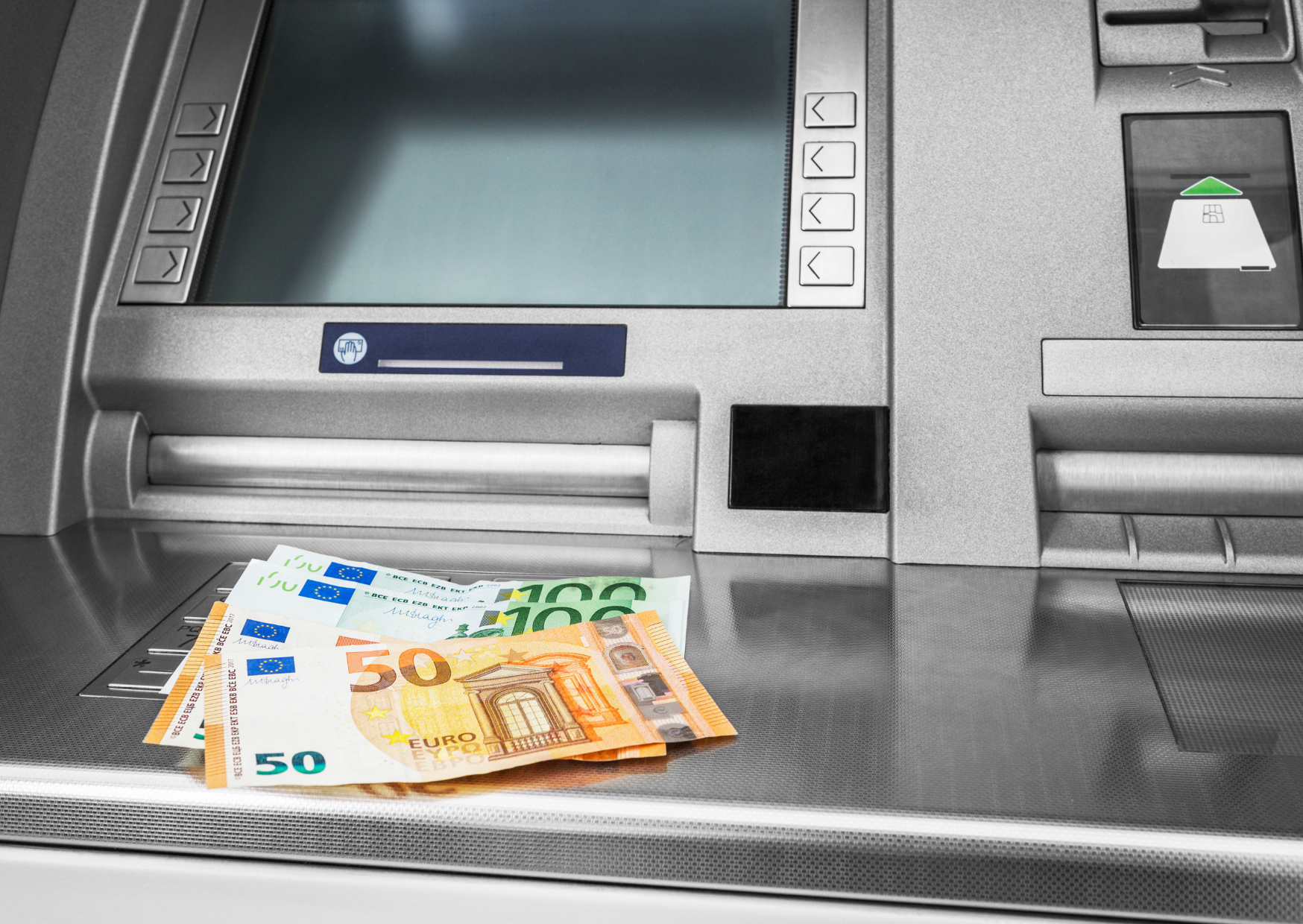
Italy did not design its ATMs to ruin your budget. It designed them to keep transactions short and machines reliable, which produces per-withdrawal caps that surprise Americans used to big single pulls. Independent machines then exploit that surprise with low ceilings, owner fees, and dynamic currency conversion that add up fast when you keep pressing accept. The fix is embarrassingly practical. Find a real bank ATM, take one larger withdrawal in euro, and move on. Add a travel-friendly U.S. debit card and you will stop counting banknotes at a curb because a machine told you no.
Learn the signs, pick the right door, and you will only meet Italy’s “maximum” once. After that, the only number you watch is your aperitivo bill.
The ATM situation in Italy isn’t meant to frustrate travelers—it’s simply a reflection of a different financial culture. Once you know what to expect, it becomes much easier to work around the limits and plan your cash needs for markets, cafés, or small towns where cards aren’t always accepted. Being prepared turns an annoying surprise into just another travel detail you’ve already mastered.
If anything, the lower withdrawal limits encourage travelers to rethink how they use money abroad. Americans often default to convenience, while Italians tend to use cash intentionally and sparingly. Understanding the difference helps you blend into the local rhythm rather than feeling caught off guard.
In the end, managing ATM limits is a small adjustment compared to the beauty of experiencing Italy. With a little planning, you’ll navigate the system smoothly and avoid unnecessary stress. And once you know the rules, you’ll find that the Italian way of handling money isn’t as inconvenient as it seems—it’s just different. Would you like a companion section explaining typical fees, best cards to use, or scams to avoid?

About the Author: Ruben, co-founder of Gamintraveler.com since 2014, is a seasoned traveler from Spain who has explored over 100 countries since 2009. Known for his extensive travel adventures across South America, Europe, the US, Australia, New Zealand, Asia, and Africa, Ruben combines his passion for adventurous yet sustainable living with his love for cycling, highlighted by his remarkable 5-month bicycle journey from Spain to Norway. He currently resides in Spain, where he continues sharing his travel experiences with his partner, Rachel, and their son, Han.