
And what it reveals about rhythm, stress, and how well-being is defined beyond the medical chart
According to the latest global life expectancy rankings, Spain continues to sit near the top. In 2025, Spanish people are still outliving their American counterparts by nearly five years — and the gap is growing. Yet to many Americans, this makes no sense.
Spaniards eat bread with nearly every meal. They stay out late. They nap. They drink wine at lunch. Many smoke. Most don’t track steps, measure macros, or own gym memberships. Public health campaigns exist — but they’re subtle, and largely ignored.
How, then, do Spaniards live longer, healthier lives, with fewer chronic diseases, lower rates of depression, and stronger longevity across all age groups?
The answer is both obvious and infuriating for data-obsessed Americans: it’s not about isolated habits. It’s about how all the habits fit together.
Here’s why Spanish people continue to live longer despite behaviors that Americans would classify as risky, indulgent, or outright unhealthy — and what that reveals about radically different ideas of health, balance, and what a “good life” actually looks like.
Want More Deep Dives into Everyday European Culture?
– Why Europeans Walk Everywhere (And Americans Should Too)
– How Europeans Actually Afford Living in Cities Without Six-Figure Salaries
– 9 ‘Luxury’ Items in America That Europeans Consider Basic Necessities
Quick Easy Tips
Prioritize social connection: Regular shared meals with friends and family can support both mental and physical well-being.
Eat slowly and mindfully: Savoring food instead of rushing meals can improve digestion and reduce stress.
Move naturally: Daily walking, not just structured exercise, is a cornerstone of the Spanish lifestyle.
Allow moderation: Enjoying treats like wine or bread in moderation can fit into a healthy lifestyle.
Value rest: Prioritizing rest and downtime can be just as important as staying active.
One of the biggest cultural clashes between Spain and the U.S. revolves around what “healthy” looks like. In Spain, late-night dinners, daily wine, and slower living are normalized, while in United States, these habits are often criticized as unhealthy. Yet statistically, Spaniards live longer and experience lower rates of some chronic illnesses, challenging conventional health narratives.
Part of the controversy comes from how each culture views food and health. In the U.S., health often focuses on restriction, diet culture, and individual control. In Spain, it’s built into daily routines—meals are social, movement is part of everyday life, and rest isn’t seen as laziness but as essential. This difference in approach leads to strikingly different outcomes.
Critics argue that what works in Spain may not translate directly to American culture because of lifestyle, infrastructure, and work differences. However, the underlying principles—connection, balance, and moderation—are universal. The debate isn’t about copying a lifestyle perfectly but about rethinking rigid definitions of what it means to live “healthily.”
1. They Eat What They Want — But Not Alone and Not in a Rush
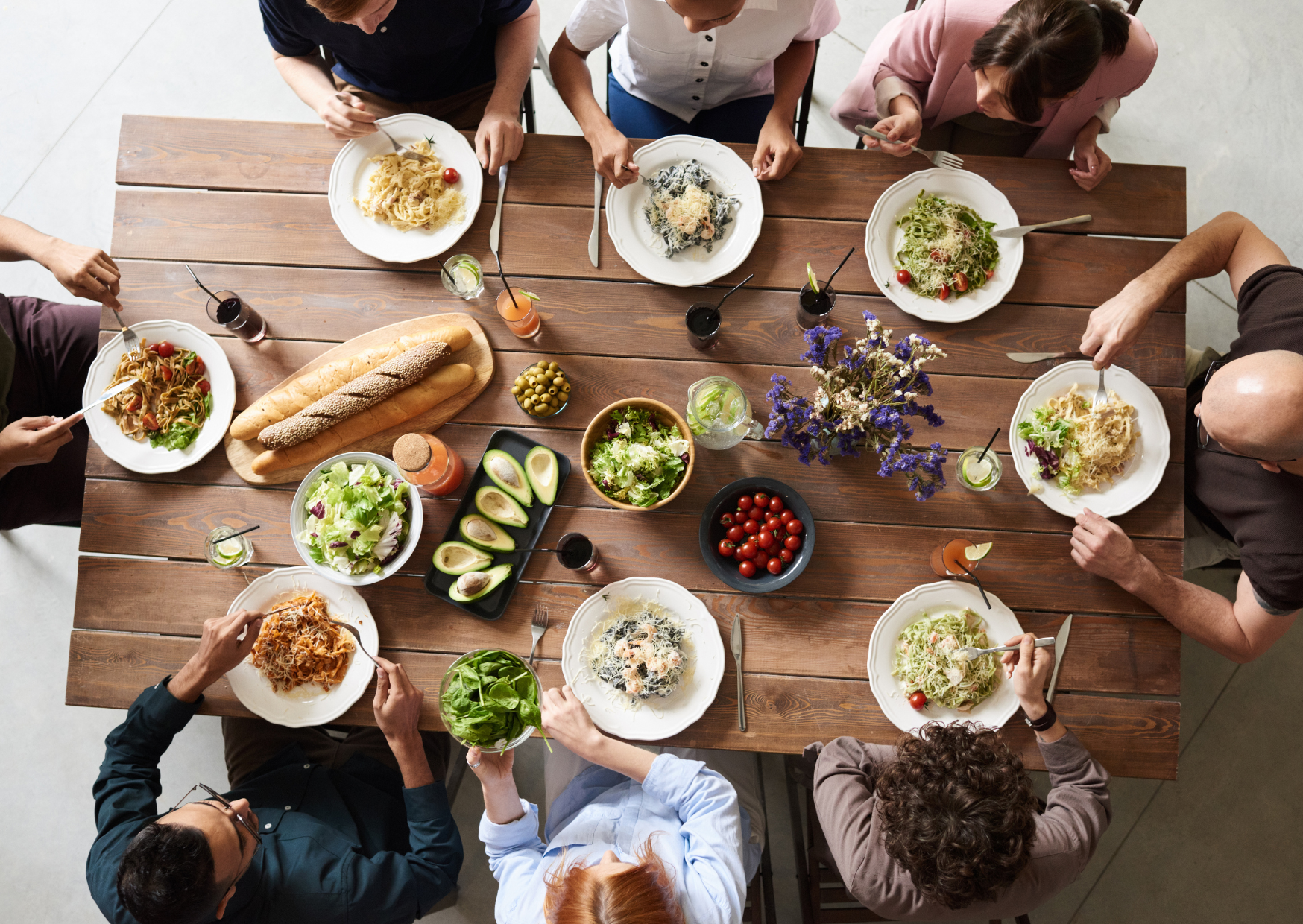
In the U.S., food is often moralized. “Clean” vs. “cheat.” Low-fat. Keto. Sugar-free. Eating is something to control, manage, and often feel guilty about.
In Spain, food is treated with pleasure and regularity. Yes, people eat bread. Yes, they eat fried things. Yes, dessert is normal. But they eat it slowly, at tables, surrounded by others.
Meals are rituals — not refueling stops. Even small towns pause at 2 p.m. so everyone can eat, talk, digest, and live.
And that rhythm — of eating slowly, digesting socially, and moving afterward — changes what the body does with that food.
2. They Smoke and Drink — But Rarely Overdo Either
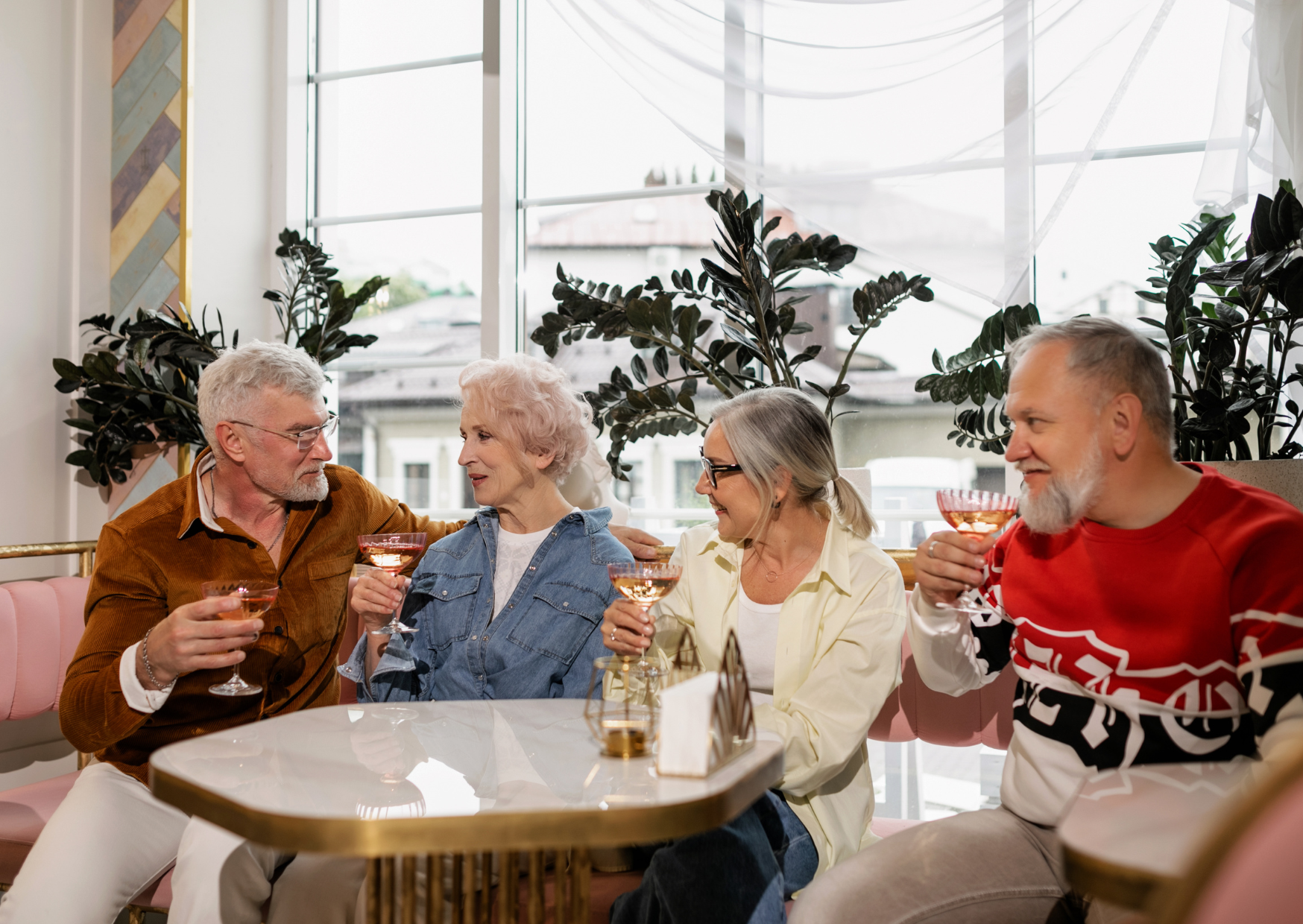
Yes, many Spaniards smoke. Yes, they drink. Americans notice this immediately and wonder how people with such “unhealthy vices” are living so long.
But these behaviors exist within limits. Spaniards smoke less than they used to, and those who do often do so lightly. The culture discourages excess without banning pleasure.
Likewise, alcohol isn’t binge-based. It’s integrated — a glass of wine with lunch, a beer with tapas, a vermut before Sunday lunch. No cocktails the size of pitchers. No bottomless brunch. No “going hard.”
The result? Lower levels of alcohol-related disease, fewer overdoses, and less hidden shame around consumption.
3. They Walk — But They Don’t “Work Out”

In the U.S., physical activity often comes with a price tag: gym fees, gear, apps, trackers. Exercise is a scheduled event, often disconnected from daily life.
In Spain, most people don’t “exercise” in the American sense — but they move all day.
They walk to the market. They walk to dinner. They take the stairs. They carry groceries. They stroll after meals.
Movement isn’t branded. It’s built in.
You don’t need 10,000 steps when life already includes them — and you don’t associate movement with punishment or weight loss.
4. They Sleep When They’re Tired — Not Just at Night

The siesta isn’t dead. It’s just flexible now.
Many Spanish workers still take a rest midday — especially in smaller towns or among older generations. Even if they don’t nap, they pause. Eat. Disconnect. Lie down. Sit in silence.
In the U.S., breaks are rare, naps are stigmatized, and productivity is everything.
In Spain, the body’s needs are respected, even if that means lying down for 20 minutes with a fan on your face.
And when people sleep at night? They often go to bed late — but they sleep deeply, without anxiety or blue-light guilt.
5. They Don’t Obsess Over Health — And That’s Healthier
In the U.S., health is often treated as a project. You monitor it. Biohack it. Talk about it endlessly. Supplements. Ice baths. Diet fads. Health becomes a job.
In Spain, people talk about food, yes. But they don’t talk about protein intake. They talk about recipes. Taste. Family.
They don’t monitor sleep cycles. They monitor how they feel.
They don’t treat the body like a machine to be optimized. They treat it like a companion, one that doesn’t need perfection — just rhythm and care.
6. They Live Outside — Without “Nature Retreats”
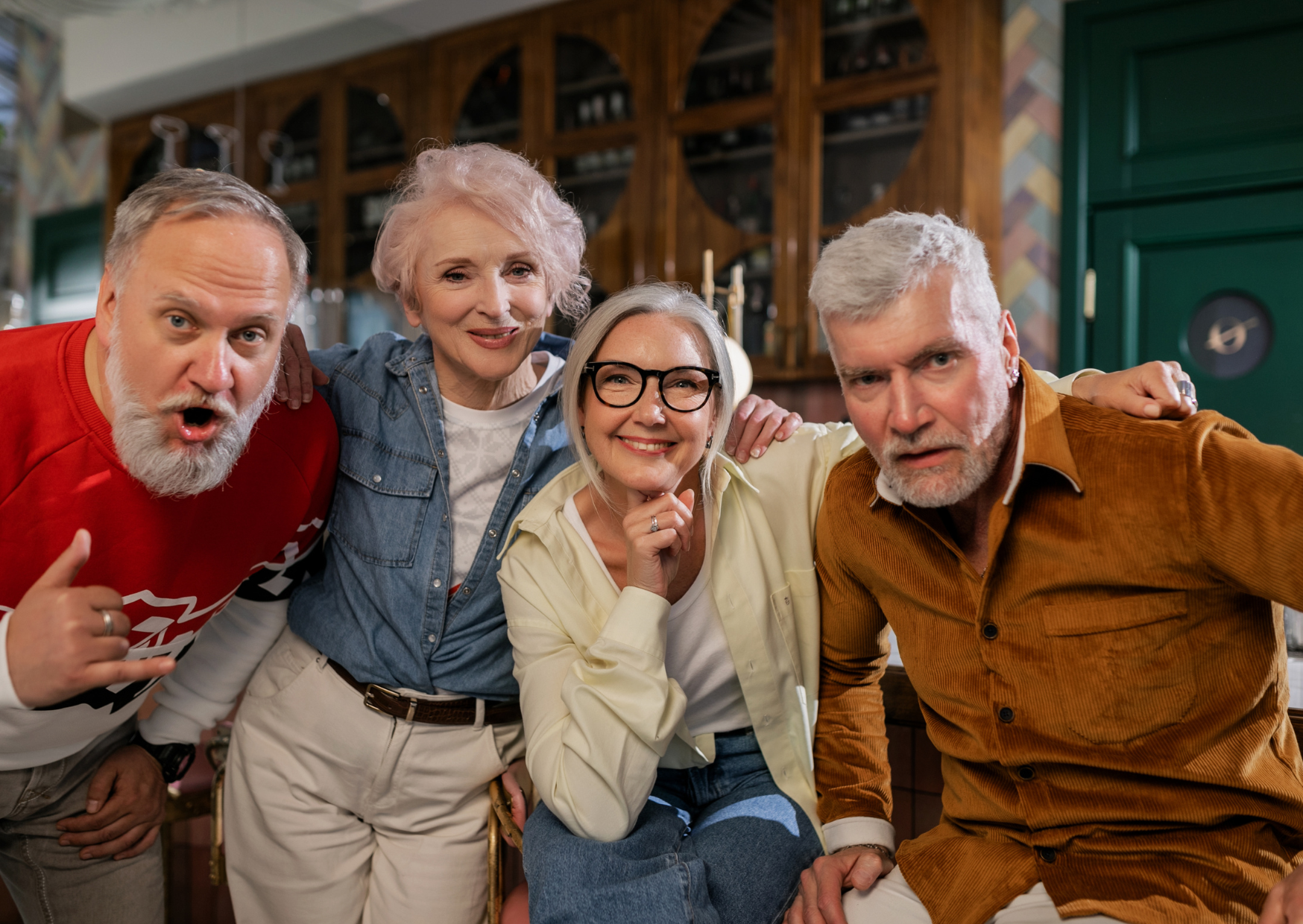
Many Americans drive an hour out of town to “reconnect with nature.” They hike on weekends, then return to indoor lives.
In Spain, life happens outside.
People sit on benches. Chat on balconies. Walk to the bakery. Play cards on the terrace. Walk barefoot through parks. Sit at outdoor cafés until midnight.
Even in cities, the open air is part of the daily rhythm. The body breathes. The skin sees the sun.
And this quiet, constant exposure to the natural world improves sleep, digestion, stress, and even lifespan — without needing a wellness influencer to explain it.
7. Family Isn’t a Burden — It’s the Infrastructure
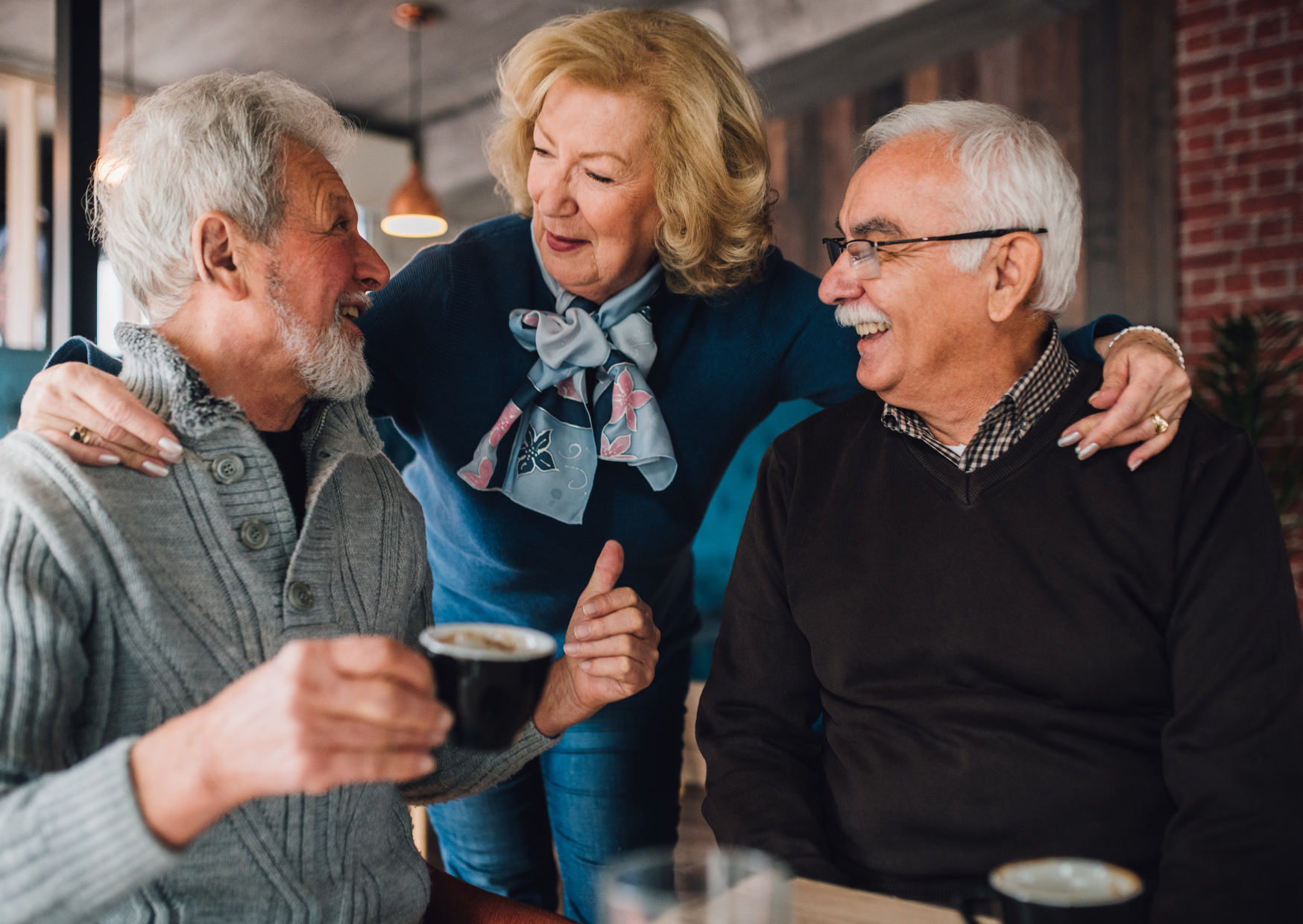
In the U.S., family life often becomes fragmented. Elders live alone. Children move far. Care is institutionalized. People are alone by default.
In Spain, multigenerational living is common. Elders live with children. Cousins are raised together. Parents rely on grandparents for childcare. Teenagers visit their abuelos weekly.
Family isn’t just emotional support — it’s physical, logistical, and practical support.
And people age better when they are not isolated.
Loneliness, now classified as a health crisis in the U.S., is far less common in Spain — not because people are more social, but because life is built around human proximity.
8. Stress Isn’t a Badge of Honor
In the U.S., being “busy” is worn like a medal. Calendars are packed. Vacations are rare. Rest is framed as weakness.
In Spain, people take vacations — long ones. People sit for hours at lunch. They walk slowly, leave messages unread, take full days off without apology.
Yes, Spain has its own forms of stress. Economic strain. Bureaucracy. Urban congestion.
But the pace of life — slower, more relational, more focused on real-time presence — buffers it.
Stress exists. But it is not glorified.
9. Healthcare Is Universal — And Actually Used
Spanish healthcare is universal, free at the point of use, and preventative by design.
People go to the doctor early. They take advice seriously. They don’t skip checkups because of insurance fears or hidden fees.
When problems arise, they’re treated quickly, not managed endlessly through pills and billing systems.
In the U.S., many people delay care — for cost, access, or fear. In Spain, care is available, trusted, and not tangled in paperwork.
It’s not perfect. But it means people live longer because their health system isn’t a negotiation — it’s a service.
One Life, Two Philosophies
To Americans, the Spanish lifestyle can look unhealthy.
Too much bread. Too many cigarettes. Not enough gym memberships.
But longevity doesn’t come from a single metric.
It comes from how your entire life supports or erodes your body.
In the U.S., health is often anxious, individual, and expensive.
In Spain, it’s communal, rhythmic, and woven into daily life.
And the result?
Longer lives. Better aging. Less burnout. More laughter at the dinner table.
So the next time you wonder why Spain keeps ranking high on life expectancy charts — don’t just look at their diet.
Look at their pace. Their priorities. And their joy.
Because that’s what keeps people alive. Even if they had churros for breakfast.
Longevity isn’t just about counting calories, tracking steps, or following strict health trends. In Spain, people live longer not necessarily because of strict health regimens, but because of a balanced, culturally ingrained way of life. Many of the habits Americans label as “unhealthy” are simply part of a lifestyle that emphasizes community, routine, and moderation rather than extremes.
Spaniards often enjoy long, late meals, drink wine regularly, and prioritize socializing, all of which might seem counterintuitive to the typical American health playbook. Yet, their overall life expectancy consistently ranks among the highest in the world. Their secret isn’t about perfection—it’s about living in a way that sustains joy and connection over the long term.
Understanding this mindset is key. Health isn’t only physical—it’s social, emotional, and cultural. By looking beyond rigid health narratives, travelers and health enthusiasts alike can learn valuable lessons from how the Spanish approach everyday life.

About the Author: Ruben, co-founder of Gamintraveler.com since 2014, is a seasoned traveler from Spain who has explored over 100 countries since 2009. Known for his extensive travel adventures across South America, Europe, the US, Australia, New Zealand, Asia, and Africa, Ruben combines his passion for adventurous yet sustainable living with his love for cycling, highlighted by his remarkable 5-month bicycle journey from Spain to Norway. He currently resides in Spain, where he continues sharing his travel experiences with his partner, Rachel, and their son, Han.