
And what they reveal about risk, resilience, and a completely different relationship with the human body
American culture treats the human body like a fragile, high-risk asset. Insurance plans are built around protecting it. Gym memberships promise to “optimize” it. Products, protocols, and professionals are available for every ache, pain, or imperfection. And if you deviate from the expected path of care — if you take too many risks — your coverage might even be denied.
In Europe, especially in the Mediterranean and across much of the continent, the body is treated differently. It’s not babied. It’s not over-managed. It’s not wrapped in bubble wrap and insured against every variable. Instead, it’s expected to endure.
Children walk barefoot on stone floors. Seniors bathe in freezing mountain water. Young adults eat raw cheese, sleep with open windows in January, and leap into cold seas without warming up. And no one is filling out liability waivers or consulting ten specialists before doing it.
Here are nine everyday European body practices that would raise red flags — or possibly void insurance policies — in the United States. And why, for many Europeans, these habits are not dangerous. They’re just life.
Want More Deep Dives into Everyday European Culture?
– Why Europeans Walk Everywhere (And Americans Should Too)
– How Europeans Actually Afford Living in Cities Without Six-Figure Salaries
– 9 ‘Luxury’ Items in America That Europeans Consider Basic Necessities
Quick Easy Tips
If experimenting with European wellness habits, start small and listen to your body’s signals.
Research the origins and intended benefits of these practices before adopting them. Context matters.
Adapt the routines to your environment—what works in Scandinavia or the Mediterranean may need tweaking to suit American lifestyles.
One major controversy lies in cultural perception of risk. Europeans often embrace practices such as cold plunges, sauna marathons, or barefoot walking in public spaces as wellness routines. To Americans, however, these activities can look dangerous or even reckless—something life insurers might flag as a liability.
Another debate surrounds moderation. In many parts of Europe, daily wine consumption or long sunbathing sessions are seen as normal parts of life. While Europeans argue these habits contribute to longevity and relaxation, American insurers often interpret them as health risks that shorten life expectancy.
Finally, there’s disagreement about resilience versus recklessness. Europeans frequently highlight how their bodies adapt through exposure—whether to cold, heat, or natural environments—while critics argue that such practices increase accident and health risks. The clash reveals deeper cultural differences in how health and safety are defined.
1. Jumping into Cold Water — Without a Second Thought
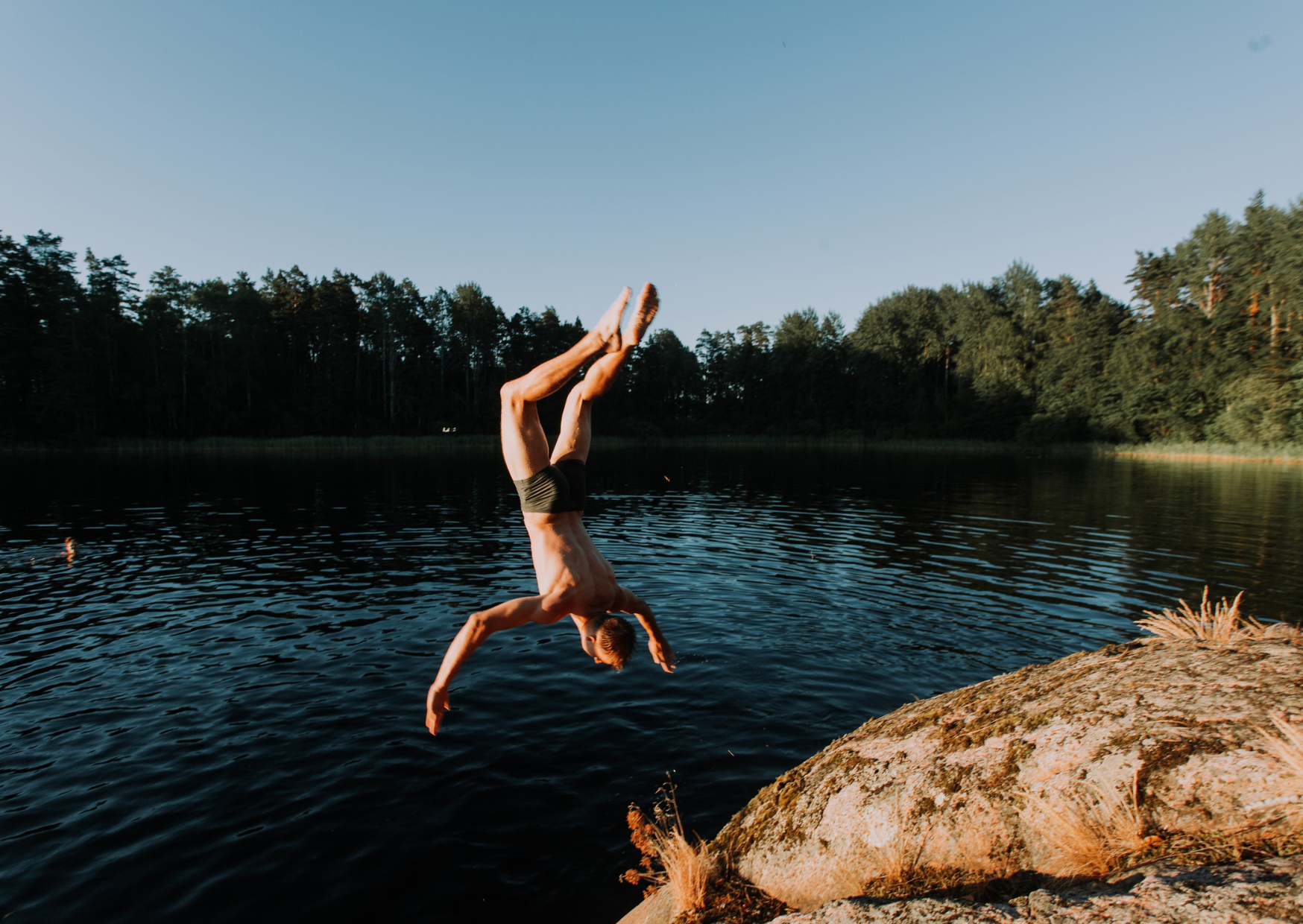
In the U.S., jumping into freezing lakes or rivers is often reserved for viral challenges or organized events that require waivers and supervision.
In Europe, especially in places like Finland, Norway, or Slovenia — but also southern Italy and Greece during shoulder seasons — cold-water plunges are just what people do.
Locals swim in alpine lakes. Elderly people dip into icy seas. Families splash around in streams and fjords with no lifeguards, no hot showers nearby, and no “safety gear.” Children get used to it early. Adults don’t talk about it as a biohacking trend. It’s simply how you wake up.
An American insurance provider might ask for a doctor’s note before approving such a practice. Europeans don’t ask for permission. They trust the body to adapt.
2. Going Barefoot Indoors — Even in Cold Weather
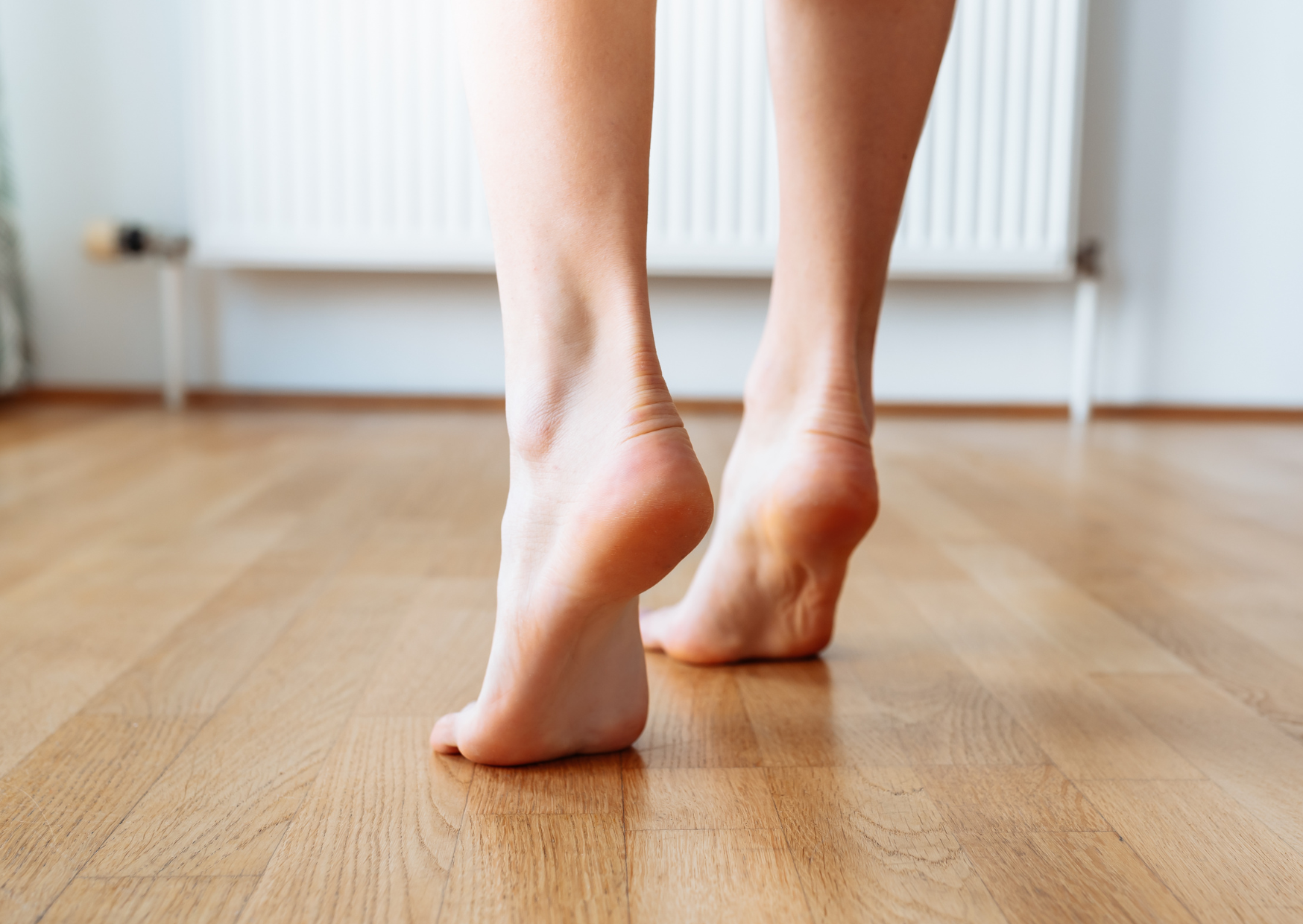
In the United States, especially in cooler regions, walking around without slippers or socks is frowned upon. Parents scold children to “put something on your feet.” Cold floors are treated like a threat.
In Spain, Portugal, Italy, and Greece, many people walk barefoot year-round. Tiled floors are common. Heating systems are minimal. Feet get cold — and that’s not seen as dangerous.
This practice baffles Americans, who associate bare feet with illness. But in Europe, minor discomfort isn’t pathologized. It’s considered normal. No one is calling the pediatrician because their kid ran barefoot across the kitchen in December.
3. Sun Exposure Without SPF 50 or Rash Guards
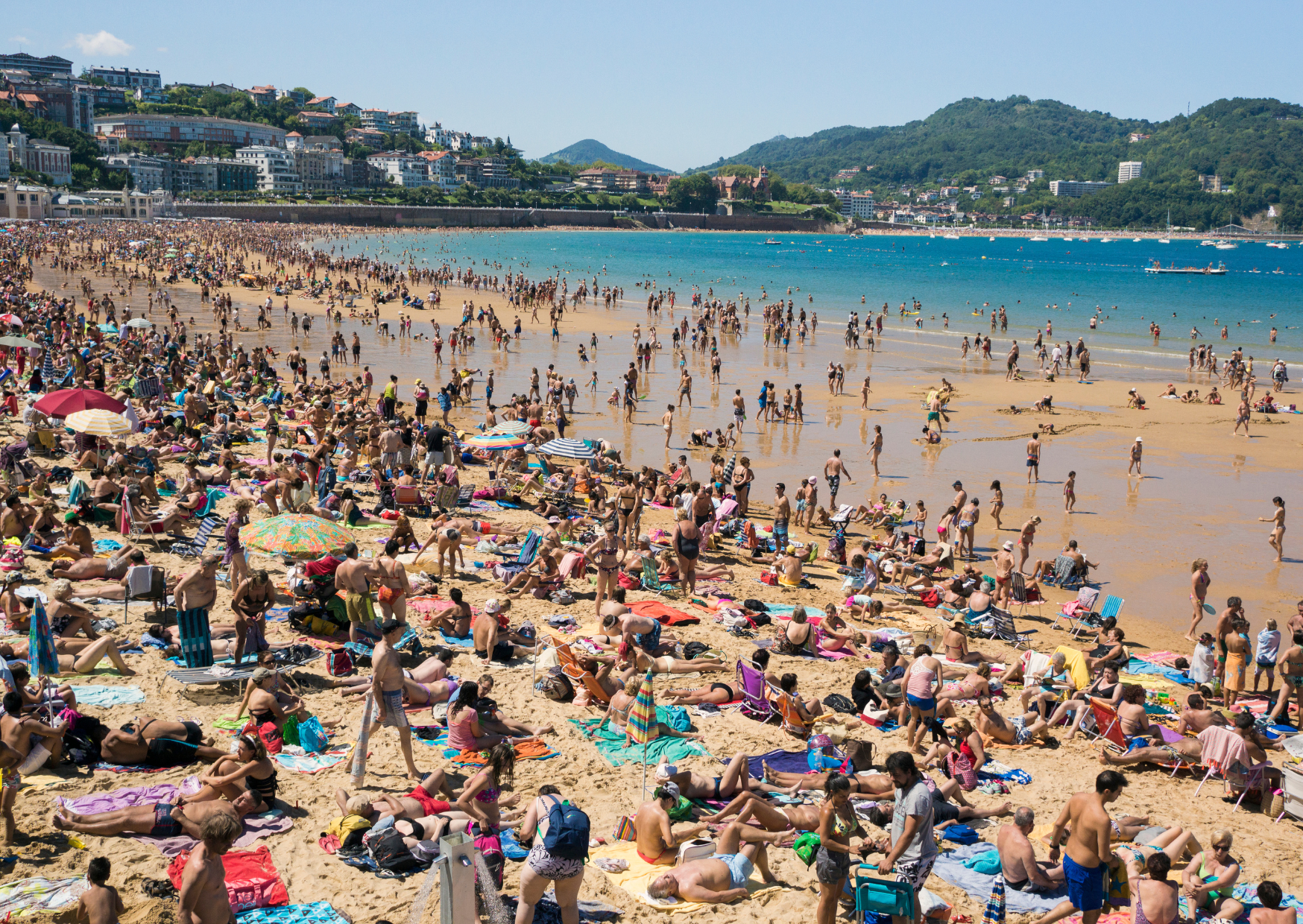
American parents often slather their children in sunscreen every 90 minutes, cover them with hats and UV-protective clothing, and keep them under umbrellas even at the beach.
In Europe, especially in Southern countries, sun exposure is treated with more balance.
Children play outdoors in the midday sun. Adults sunbathe without timers. SPF is used — but not religiously. The goal isn’t full avoidance. It’s adaptation. Let the skin tan. Get a little red. Learn your limits.
To an American dermatologist or underwriter, this is reckless. But in Spain, Italy, and France, moderate sun exposure is part of life — and part of health.
4. Letting Babies Nap Outdoors — Even in Cold Air
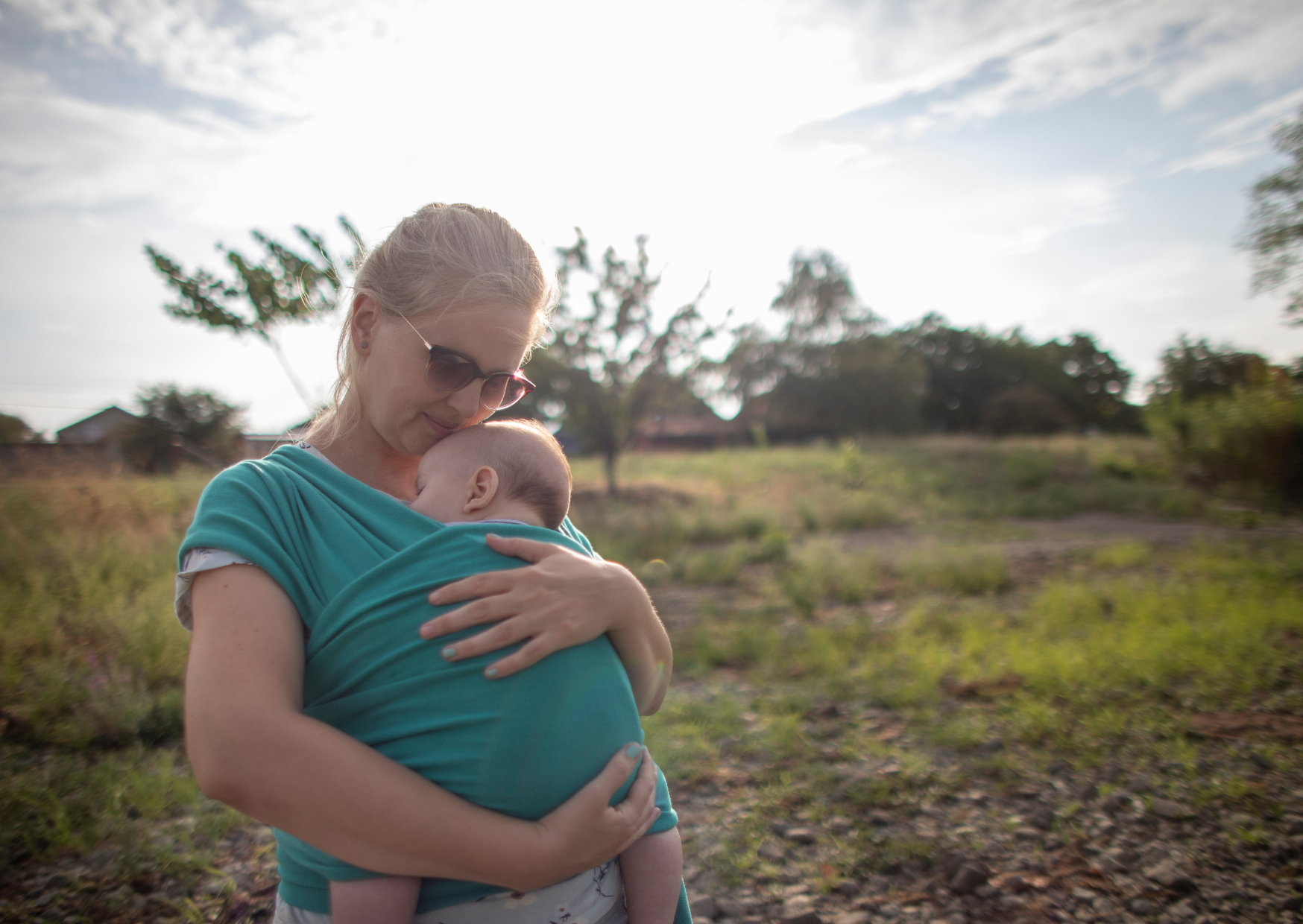
In Northern Europe, notably Denmark, Sweden, and Finland, it’s common for babies to nap outdoors — in strollers, in the shade, even in snowy weather.
The baby is bundled up. The pram is well-insulated. But the idea is clear: fresh air builds strength.
This practice would horrify many American pediatricians — and possibly trigger a visit from child protective services if done publicly. But in Europe, it’s celebrated. Daycare centers have rows of strollers lined up outdoors. Parents believe in exposing children to real conditions early.
And according to many local doctors? These babies sleep better and get sick less.
5. Eating Raw or Unpasteurized Cheese and Meats
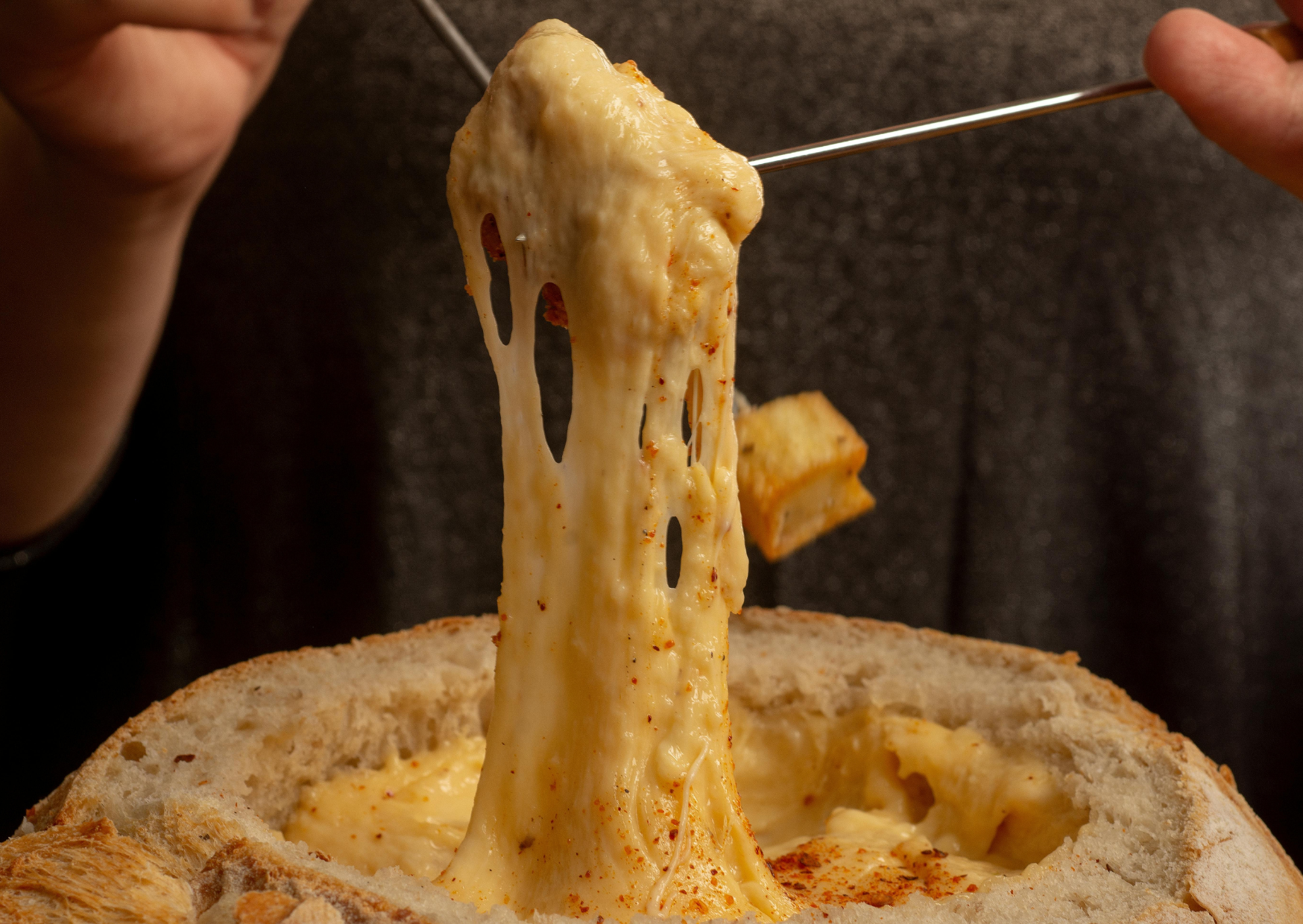
In the U.S., raw dairy and undercooked meats are heavily regulated. Warnings are placed on menus. Certain cheeses are banned entirely unless aged long enough to meet safety thresholds.
In France, Italy, and parts of Eastern Europe, these foods are not only allowed — they’re celebrated.
Raw milk cheeses. Carpaccio. Tartare. Prosciutto sliced from a leg that’s been hanging in someone’s home. All considered safe, even for pregnant women in some cases.
The body, in this view, is not so easily undone. It doesn’t need every bacteria sterilized. It needs exposure to build immunity — and experience the full taste of life.
6. Letting Children Climb, Fall, and Get Hurt

American playgrounds are designed to minimize injury: padded flooring, plastic equipment, low heights. In some cases, climbing trees or playing on uneven surfaces is forbidden.
In Europe, especially in Southern and Central countries, playgrounds still involve risk.
Children climb high walls. They run without shoes. They jump from swings and tumble into dirt. And when they cry, they’re dusted off — not rushed to the ER.
In countries like Germany and Austria, “adventure playgrounds” include tools, fire pits, and real wood. Risk is part of growth. Not a liability.
To an American life insurance provider, this looks like neglect. To European parents, it’s parenting with trust.
7. Sleeping with Windows Open in Winter
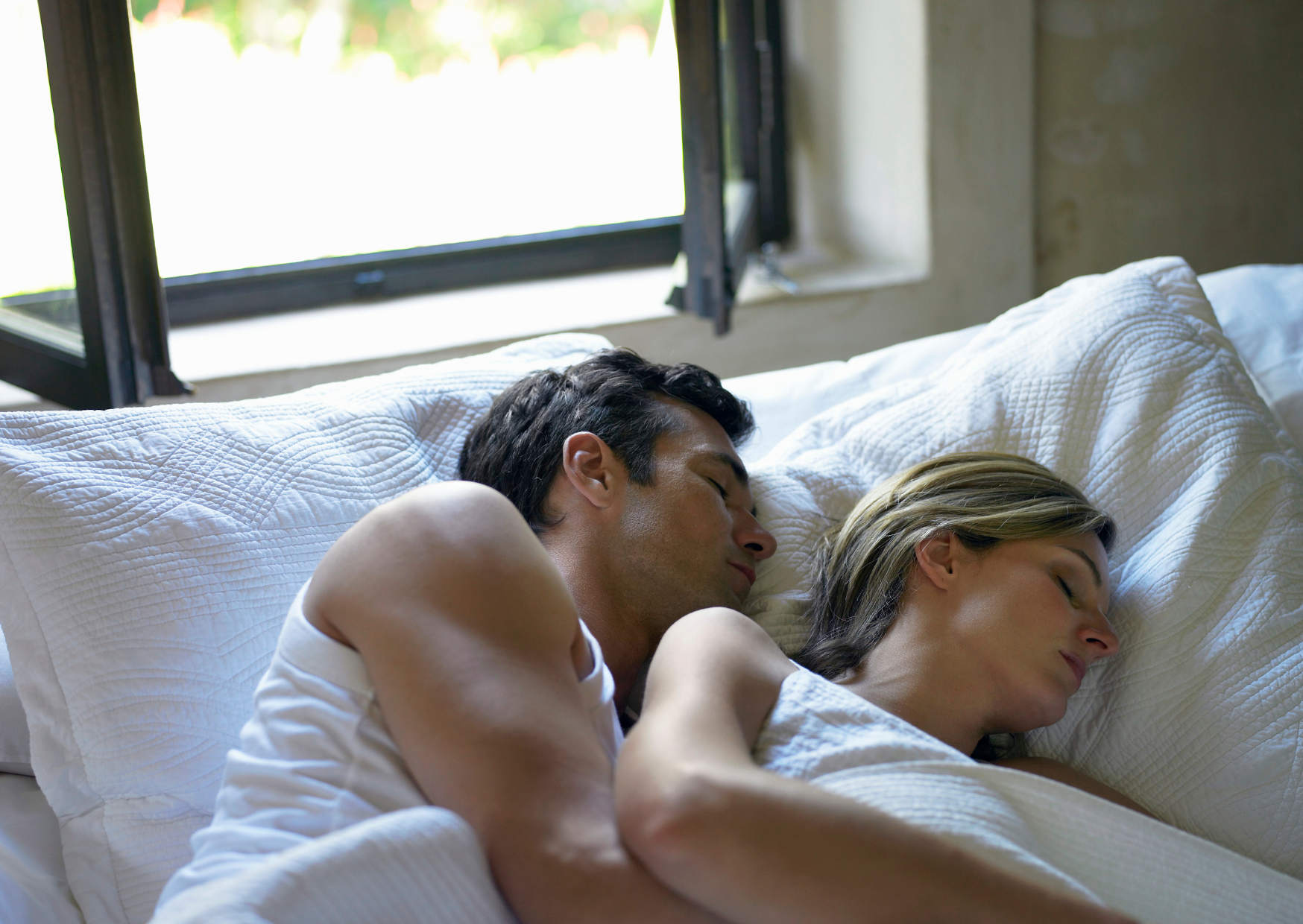
In American culture, insulation is sacred. Windows are sealed, drafts are blocked, and bedrooms are kept at consistent temperatures.
In Italy, Spain, France, and even in colder countries like Germany, it’s normal to sleep with windows cracked open, even in winter.
The belief is simple: fresh air is better than stale heat. Cold air at night promotes deeper sleep, clearer lungs, and healthier immunity.
People wear socks. They use more blankets. But they don’t fear the breeze. They welcome it.
Insurance companies in the U.S. might see this as a health risk. Europeans see it as preventive care.
8. Skipping Preventive Screenings and Daily Supplements
In the U.S., medical culture encourages frequent checkups, vitamin regimens, annual blood panels, and a cautious approach to every sensation. Many Americans have health trackers, smartwatches, and supplement routines that rival pharmacy shelves.
In Europe, there is less emphasis on constant health management. Most people visit doctors when something feels wrong — not before. Preventive care exists, but it’s more reserved. Supplements are used sparingly. Multivitamins are often dismissed as unnecessary.
This doesn’t mean Europeans are careless. It means they trust the body to self-regulate more than Americans do.
9. Drinking and Eating Without Puritanical Restrictions
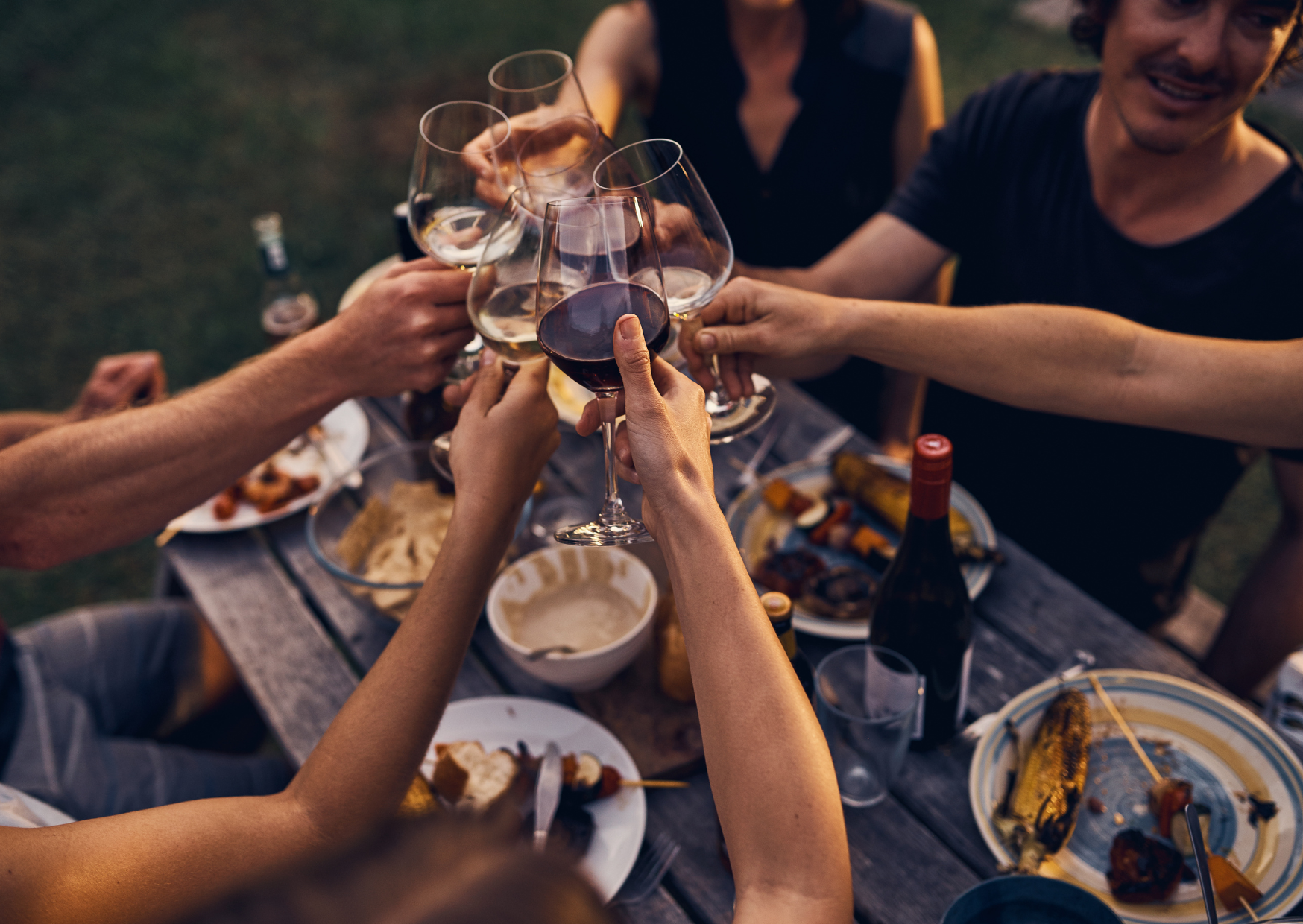
In the U.S., alcohol is strictly age-gated, portion-controlled, and surrounded by warnings. Food is often categorized into “good” and “bad,” and guilt weaves through many eating habits.
In Europe, even teenagers drink wine with dinner. A small brandy might follow lunch. Fried food is eaten without apology. Bread is daily. Pastries are routine.
What would trigger concern on an American insurance intake form — regular alcohol, full-fat cheese, no supplements — is simply considered normal living in Europe.
And remarkably, many Europeans live long, active lives — not because they avoid risk, but because they integrate it.
One Body, Two Worlds
To an American system built on minimizing liability, these European habits seem reckless. Unsanitary. Uncontrolled. Even dangerous.
But that perception reveals more about cultural conditioning than biological truth.
Where Americans seek control, Europeans expect resilience. Where Americans avoid discomfort, Europeans build tolerance. Where Americans lean on systems, Europeans lean on habit — and history.
These body practices aren’t stunts. They’re quiet, daily acts of trust. In the body. In nature. In common sense passed down not by policy — but by experience.
They won’t get you a discount on an American life insurance policy. But they might just keep you grounded in a different kind of health — one that isn’t measured in numbers, but in ease, movement, and instinct.

About the Author: Ruben, co-founder of Gamintraveler.com since 2014, is a seasoned traveler from Spain who has explored over 100 countries since 2009. Known for his extensive travel adventures across South America, Europe, the US, Australia, New Zealand, Asia, and Africa, Ruben combines his passion for adventurous yet sustainable living with his love for cycling, highlighted by his remarkable 5-month bicycle journey from Spain to Norway. He currently resides in Spain, where he continues sharing his travel experiences with his partner, Rachel, and their son, Han.
Mark
Friday 13th of June 2025
I can't tell from your articles if you are trying to educate Americans because they are ignorant, or trolling them because they are obtuse.
Either way, I'm enjoying your articles as I plan to retire in Spain and it helps to have this type of information.