
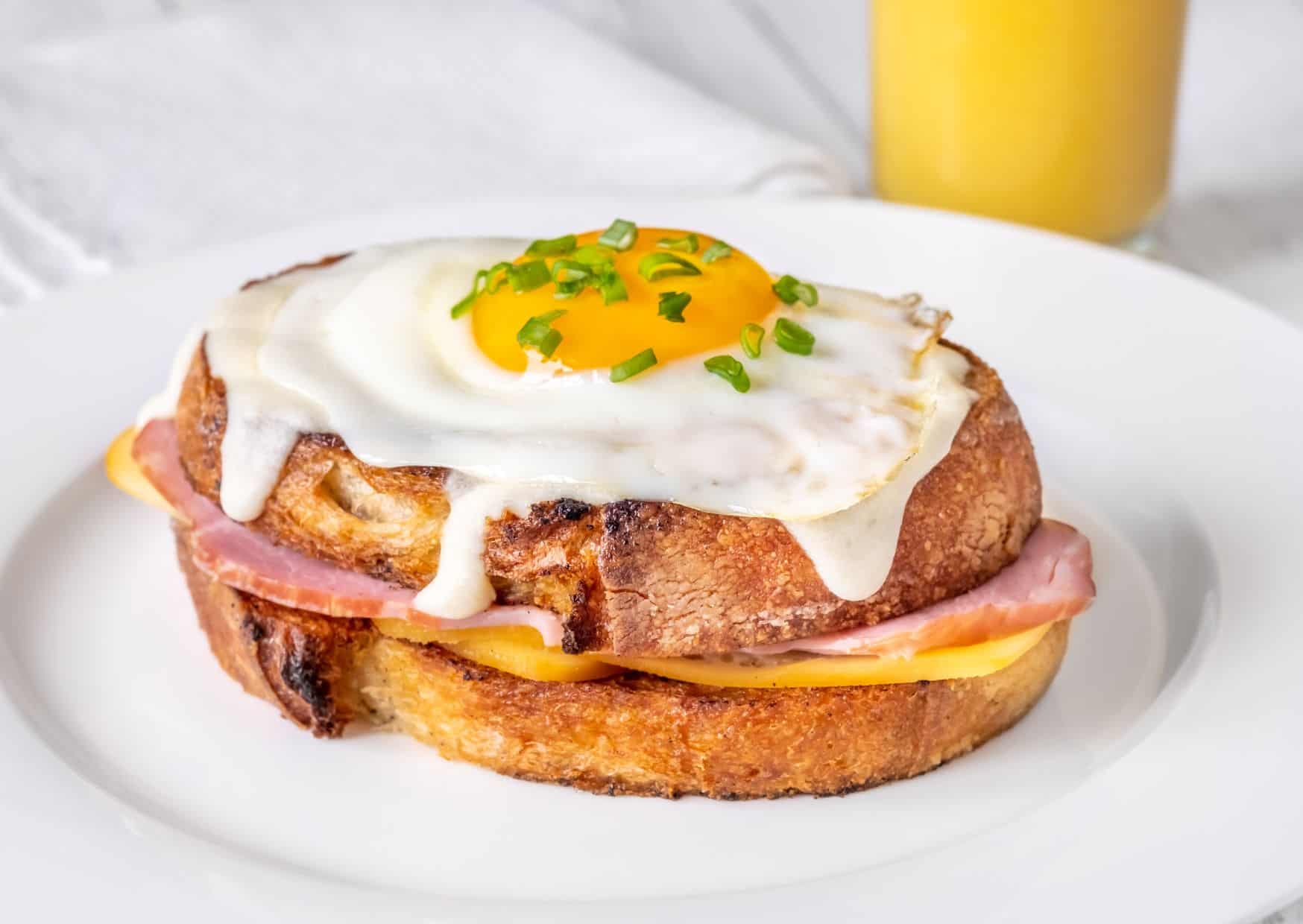
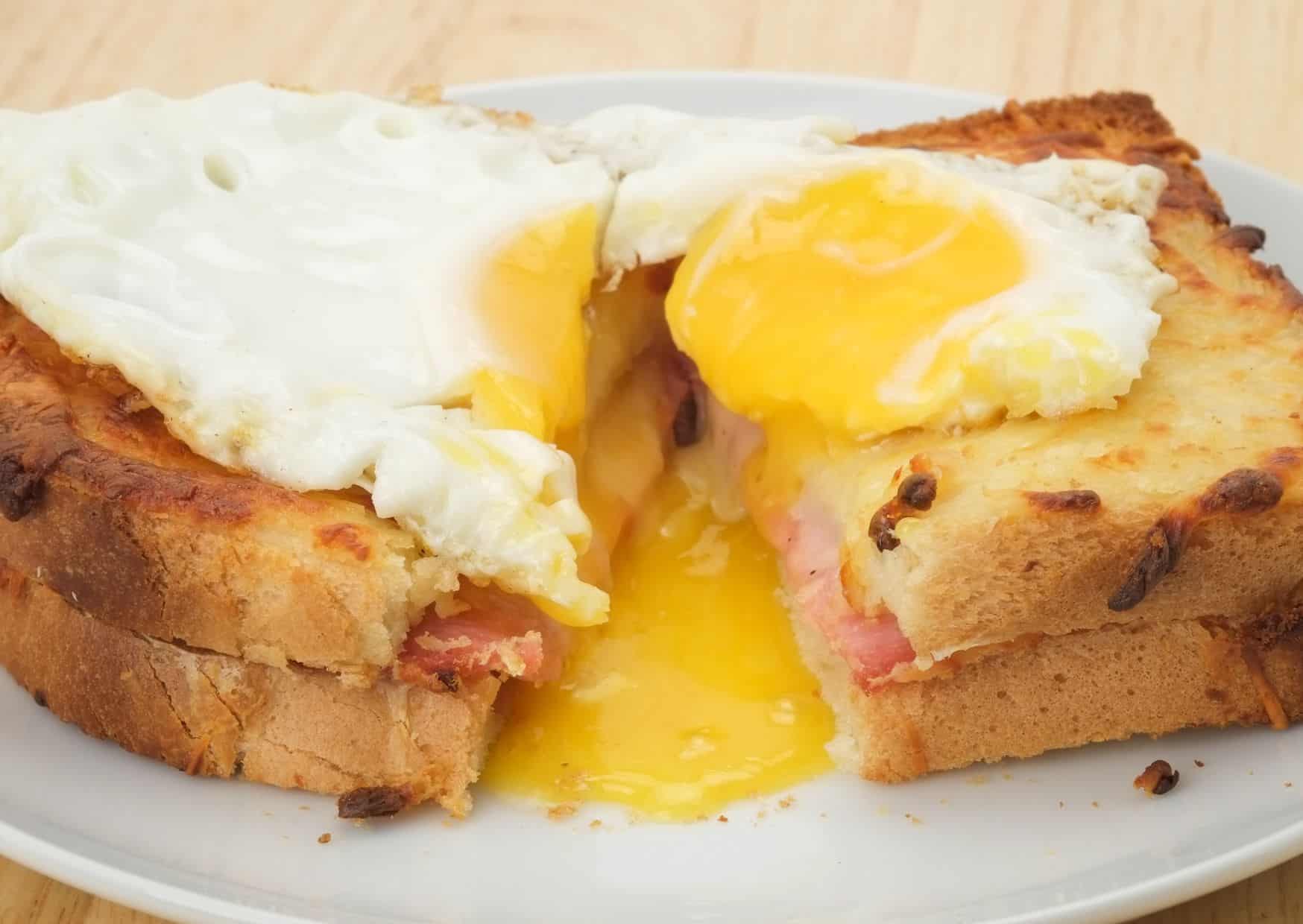
Few dishes capture the essence of French café culture like the Croque Madame — a perfectly toasted sandwich layered with ham, melted cheese, creamy béchamel sauce, and topped with a sunny-side-up egg. It’s the kind of dish that feels indulgent yet approachable, elegant yet satisfying. A staple in French bistros and casual eateries, the Croque Madame is comfort food with a Parisian twist.
What sets the Croque Madame apart from its cousin, the Croque Monsieur, is that signature egg on top, turning a simple ham-and-cheese sandwich into a meal that feels fit for brunch or a leisurely lunch. It blends rich textures and flavors — crisp bread, creamy sauce, savory ham, and a perfectly runny yolk — making it a favorite far beyond France’s borders.
In this guide, we’ll walk you through how to make a traditional Croque Madame at home. Whether you’re looking to impress guests at a weekend brunch or treat yourself to a classic French comfort dish, this recipe brings a touch of Paris to your kitchen with simple ingredients and foolproof steps.
Read here best French Food, vegetarian food in France, France and Switzerland 14 Days Itinerary and Classic French Breakfast
BOOK YOUR TRAVEL INSURANCE
Two of our favorite travel insurance: Heymondo Vs Safetwing cheapest travel Insurance. You can get for $135 USD your Heymondo Travel Insurance with Heymondo discount code valid for 90 days. Read our full comparison of Genki vs Safetywing Travel Insurance Review and the comparison Heymondo vs Genki and if you look for accommodation with Booking
Best Time to Eat & How to Partner This Dish
The Croque Madame is best enjoyed as a brunch centerpiece, a hearty breakfast, or a casual yet elegant lunch. In France, it’s often served in cozy cafés or bistros during late morning or early afternoon, especially paired with a simple green salad and a light vinaigrette.
Pair this dish with a crisp glass of white wine, sparkling water, or a classic café au lait for a traditional French touch. A side of lightly dressed mixed greens or a small serving of fresh fruit complements the rich flavors of the sandwich without overwhelming it.
If you’re serving it for brunch, consider adding a side of roasted potatoes or a fresh baguette on the table for sharing. The Croque Madame shines when it’s part of a relaxed, sit-down meal that invites you to slow down and savor both the food and the moment.
One common misconception is that the Croque Madame is an elaborate or gourmet dish reserved for restaurants. In reality, it’s a simple, rustic meal that originated as a quick, hearty option for workers and café-goers. Its beauty lies in its simplicity — quality ingredients and straightforward preparation.
Another debated point is whether the Croque Madame is a breakfast or lunch dish. While the addition of the egg makes it brunch-friendly, in France, it’s just as commonly enjoyed at midday or even as a casual dinner. The dish defies strict meal categories, fitting comfortably into any time of day when comfort food is called for.
Perhaps most surprising is the belief that there’s only one “authentic” way to make a Croque Madame. While traditional versions follow a standard recipe, regional variations across France — and even home-cooked adaptations — allow for different cheeses, breads, or even vegetarian fillings. The essence of the dish is in its comforting layers, not rigid rules.
How to Make Croque Madame
Croque Madame Recipe Ingredients
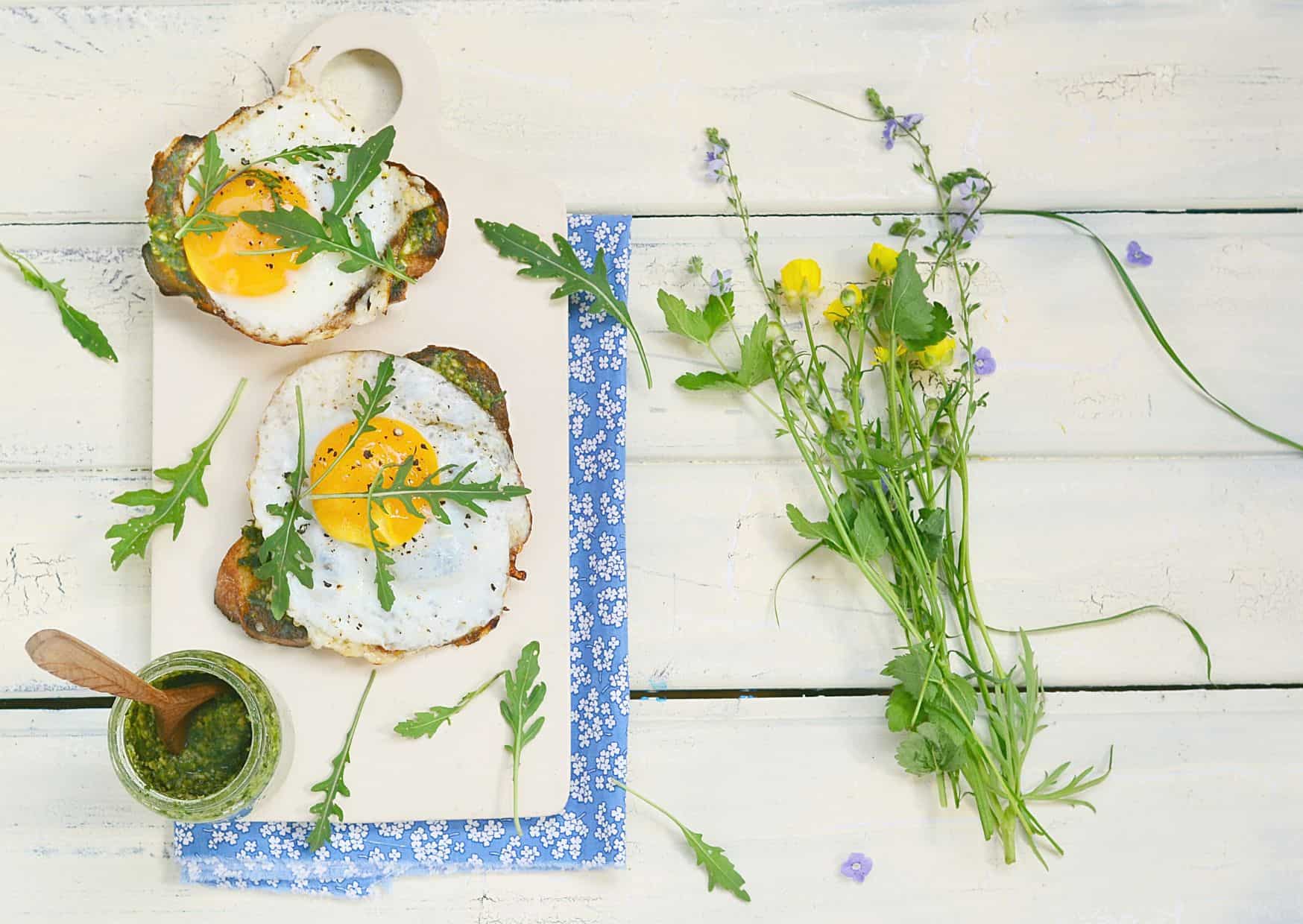
For the Béchamel Sauce:
2 tablespoons butter
2 tablespoons all-purpose flour
1 cup whole milk
1/2 teaspoon salt
1/4 teaspoon ground black pepper
A pinch of ground nutmeg
For the Sandwich:
8 slices of white bread (preferably thick-cut)
4 tablespoons Dijon mustard
8 slices of ham
2 cups grated Gruyère cheese (or Emmental cheese)
4 large eggs
2 tablespoons butter (for frying eggs)
Optional: 1/4 cup grated Parmesan cheese for extra flavor
Get the best deals for your home and kitchen needs
Step By Step How to Make Croque Madame
Making the Béchamel Sauce
In a small saucepan, melt the butter over medium heat. Whisk in the flour and cook for 1-2 minutes until lightly golden, forming a roux. Gradually whisk in the milk, continuing to whisk until the sauce thickens, about 3-5 minutes. Add salt, pepper, and nutmeg. Remove from heat and set aside.
Assembling the Sandwich
Preheat Oven: Preheat your oven to 375°F (190°C). Lightly toast the bread slices in a toaster or under a broiler until just golden. Spread Dijon mustard on one side of each slice of toasted bread.
On four slices of bread, place a slice of ham, then sprinkle with grated Gruyère cheese. Top with another slice of bread, mustard side down, to form a sandwich.
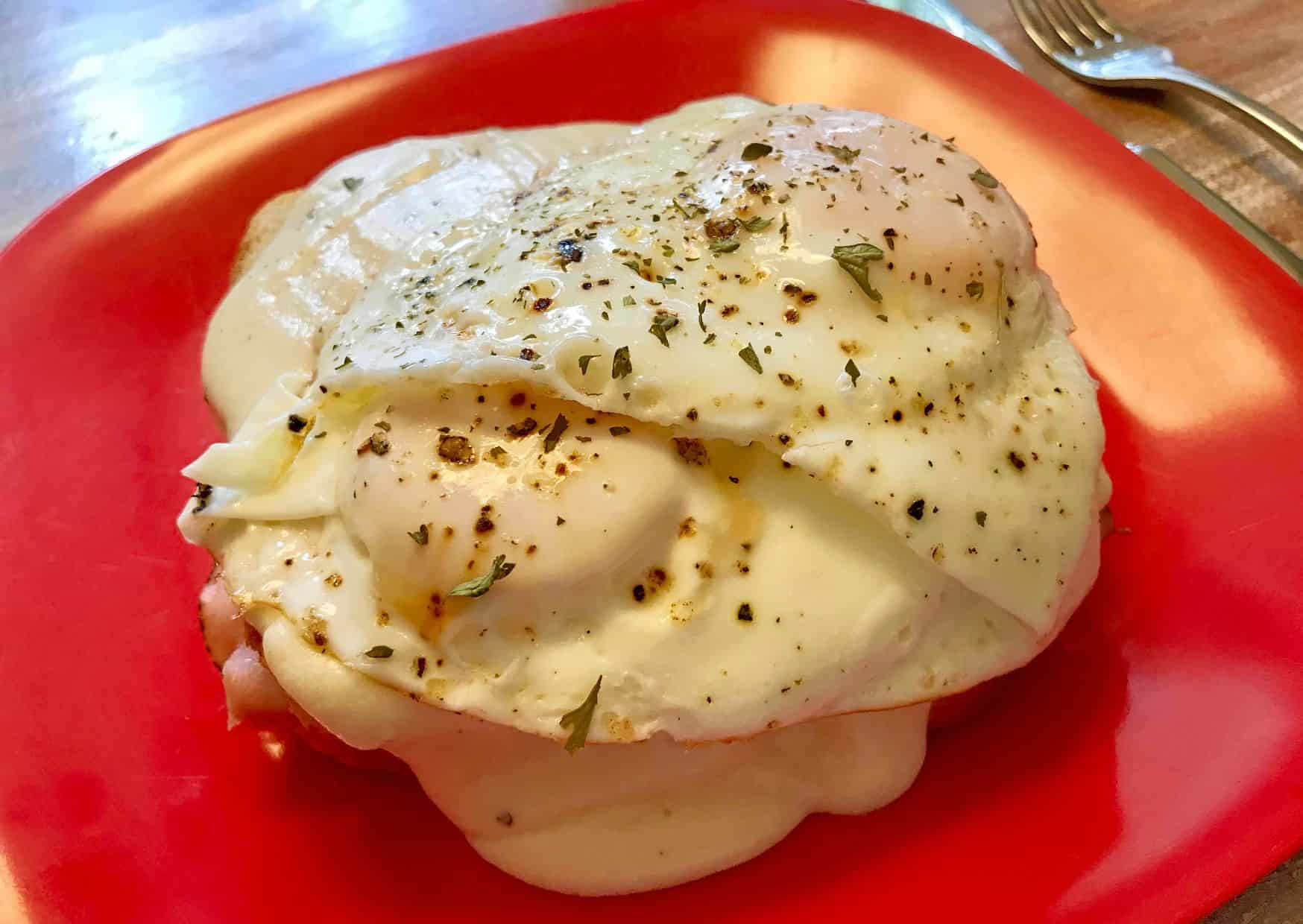
Place the sandwiches on a baking sheet. Spoon the béchamel sauce over the top of each sandwich, spreading it to cover the entire surface. Sprinkle with additional grated Gruyère and Parmesan cheese if desired.
Baking
Bake the sandwiches in the preheated oven for about 10-15 minutes, or until the cheese on top is melted and golden brown.
Frying the Eggs
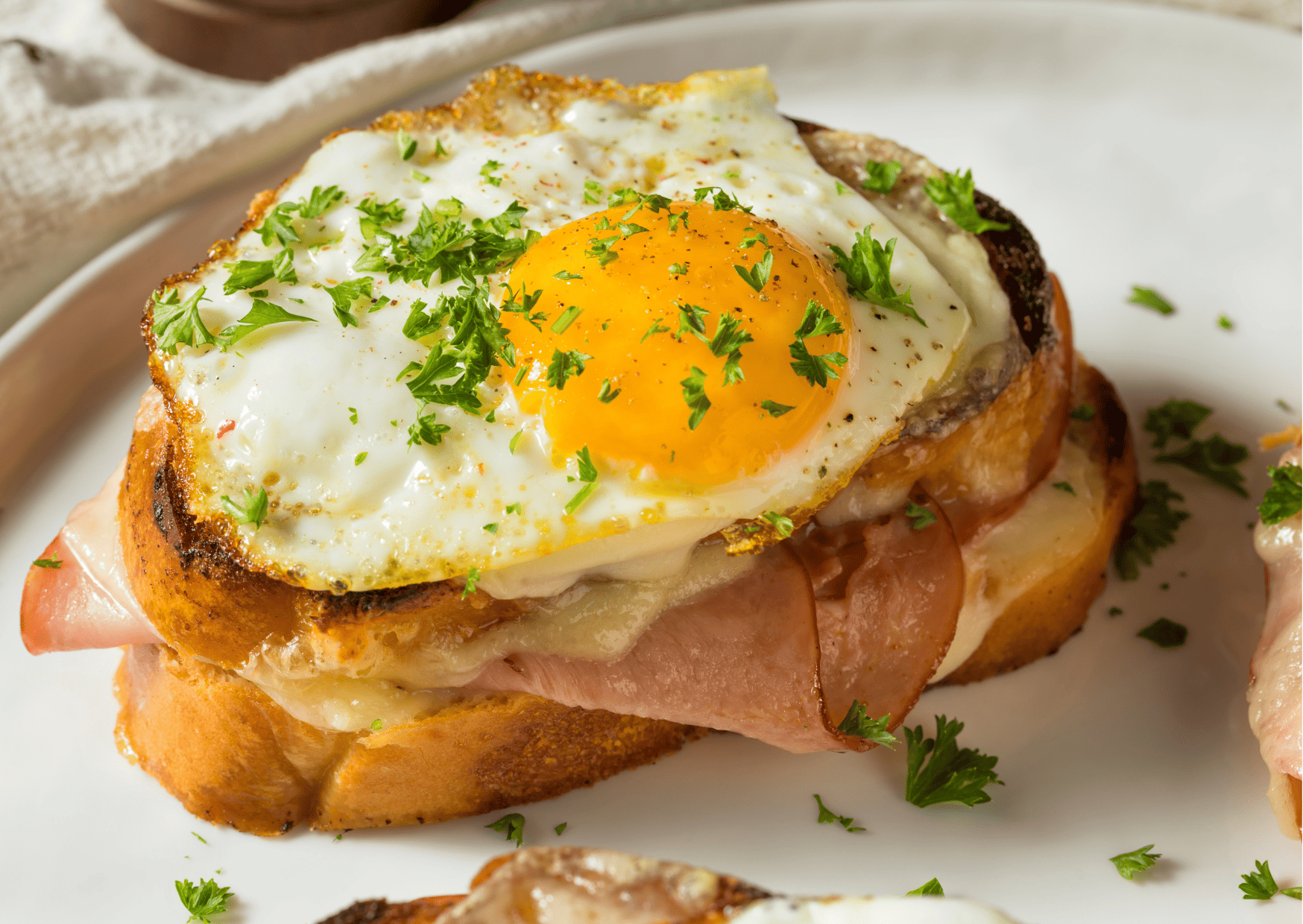
While the sandwiches are baking, melt the butter in a non-stick skillet over medium heat. Fry the eggs sunny-side up until the whites are set but the yolks are still runny. Remove the sandwiches from the oven and top each one with a fried egg.
Serving
Serve Immediately: Serve the Croque Madame hot, garnished with a sprinkle of fresh parsley if desired.
Tips To Make Croque Madame
Use high-quality, thick-cut bread for a sturdier sandwich. Gruyère is traditional, but Emmental or Swiss cheese are good substitutes. Make sure the béchamel sauce is smooth and lump-free. Whisk continuously while adding the milk.
For perfect sunny-side-up eggs, cook them over medium-low heat and cover the pan briefly to ensure the whites are fully set.
How Many Calories Have Croque Madame
Bread: ~150-200 calories per slice (300-400 calories for two slices)
Ham: ~50-70 calories per slice (100-140 calories for two slices)
Cheese: ~100 calories per 1/2 cup grated Gruyère (200 calories for 1 cup)
Béchamel Sauce: ~150-200 calories
Egg: ~70-90 calories
Butter: ~50 calories
Total: Approximately 870-1130 calories per serving
Origin and History
The Croque Madame is one of France’s most iconic brunch dishes, but its origins are surprisingly humble. It began in Parisian cafés in the early 20th century, where workers needed a quick, satisfying lunch that could be assembled with simple ingredients. The earliest version, the Croque Monsieur, appeared around 1910 and was little more than toasted bread, ham, and cheese. Its popularity grew instantly thanks to its rich flavors, crisp texture, and effortless preparation.
As French café culture blossomed, the Croque Monsieur evolved. Chefs began experimenting with béchamel sauce and different cheeses, elevating what was once a snack into a beloved staple. The addition of a fried or poached egg came shortly after, creating the Croque Madame. The name was meant to be playful—the rounded egg on top resembled a woman’s hat, popular at the time in Parisian fashion.
Over the decades, the Croque Madame transformed from café fare into a symbol of casual French cuisine. Today it sits comfortably on brunch menus worldwide, often seen as a luxurious treat. Yet despite its sophistication, the dish remains true to its origins: simple ingredients, carefully layered, prepared with French attention to detail.
Like many classic dishes, the Croque Madame has sparked its share of culinary debate. The biggest point of contention is the béchamel sauce. Purists argue that a true Croque Madame must contain béchamel spread across the bread, adding creaminess and structure. Others prefer a lighter version without sauce, insisting that the richness of the Gruyère and egg stands on its own. Both sides claim authenticity, though history slightly favors the béchamel camp.
Another controversy centers on the choice of cheese. Traditionalists insist on Gruyère or Comté, cheeses that melt beautifully and bring the nutty complexity French cuisine is known for. Modern cooks sometimes swap in mozzarella, cheddar, or Swiss cheese for convenience. While these substitutions are common, purists argue they result in a sandwich that loses its French identity.
Even the egg preparation divides opinion. Some love the elegance of a perfectly poached egg with a runny yolk; others insist that a sunny-side-up egg is the only correct topping. The debate reflects deeper questions about how strictly one should adhere to French culinary tradition. Ultimately, the variations prove just how adaptable—and beloved—this classic really is.
How Long You Take to Prepare
Making a Croque Madame typically takes 25 to 35 minutes, and most of that time is spent prepping the béchamel and assembling layers. Start by making the béchamel: whisk butter, flour, and milk until thick and smooth. This takes about 5 minutes and forms the creamy backbone of the sandwich. A pinch of nutmeg gives it the unmistakable French aroma.
Next comes assembly. Layer slices of good-quality bread with ham, cheese, and a generous spread of béchamel. Toast the sandwich in the oven or skillet until the bread is golden and the cheese is melty. This phase takes about 10 minutes and fills the kitchen with warm, buttery fragrance.
Finally, cook the egg. A sunny-side-up egg takes roughly 3 minutes, while poaching may take a bit longer. Place the egg gently on top of the sandwich, allowing the heat to soften the cheese beneath. With a final sprinkle of salt and pepper, the Croque Madame is ready—simple, elegant, and satisfying.
Serving Suggestions
The Croque Madame is hearty enough to stand on its own, but it pairs beautifully with light, fresh sides. A simple green salad with lemon vinaigrette provides a crisp, bright contrast to the richness of the sandwich. Cherry tomatoes or lightly dressed arugula add acidity that balances the creamy béchamel and egg yolk.
For brunch lovers, serve your Croque Madame with roasted potatoes or thin-cut French-style fries for added texture. If you prefer a lighter breakfast, pair it with fruit salad or fresh berries to create a satisfying yet balanced meal. The sandwich also pairs well with herbal teas, café au lait, or a glass of sparkling water.
To elevate the dish for a more indulgent brunch, consider adding caramelized onions, sautéed mushrooms, or a touch of Dijon mustard inside the sandwich. These additions enhance flavor without straying too far from the classic profile. The Croque Madame adapts easily while remaining unmistakably French.
Final Thoughts
The Croque Madame proves that French cooking isn’t about complexity—it’s about technique, balance, and thoughtful ingredients. What seems like a luxurious café dish is actually an approachable recipe any home cook can master. Once you understand the basics, the flavors come together effortlessly, offering a rich and comforting meal that feels elegant without being intimidating.
Part of the dish’s charm lies in its versatility. Whether enjoyed as brunch, lunch, or a cozy dinner, a Croque Madame always feels special. The crunch of toasted bread, the creaminess of béchamel, the savory ham, and the golden yolk create a combination that feels timeless and indulgent. It’s no wonder the sandwich has endured for more than a century.
Ultimately, mastering the Croque Madame brings a little piece of French café culture into your home. It captures everything people love about French cuisine: comfort, sophistication, and the joy of savoring simple ingredients made with care. Once you perfect it, this classic will become a go-to dish whenever you want something satisfying, elegant, and irresistibly delicious.

About the Author: Ruben, co-founder of Gamintraveler.com since 2014, is a seasoned traveler from Spain who has explored over 100 countries since 2009. Known for his extensive travel adventures across South America, Europe, the US, Australia, New Zealand, Asia, and Africa, Ruben combines his passion for adventurous yet sustainable living with his love for cycling, highlighted by his remarkable 5-month bicycle journey from Spain to Norway. He currently resides in Spain, where he continues sharing his travel experiences with his partner, Rachel, and their son, Han.