
Visiting France is a dream for many travelers, but it’s also one of the easiest places to accidentally break an unspoken rule. French culture runs on subtle etiquette, long-standing traditions, and an unspoken social rhythm that isn’t always obvious to outsiders. What may seem harmless in the United States or elsewhere—like greeting a shopkeeper too casually or eating while walking—can come across as disrespectful or disruptive in France. Understanding these cultural nuances can completely transform your trip.
The good news is that most of these social “don’ts” aren’t difficult to avoid once you know them. Many revolve around showing awareness, politeness, and attention to local customs. Whether you’re sipping coffee at a Parisian café, visiting small villages in Provence, or browsing a bustling market, a little cultural knowledge goes a long way. French people appreciate when visitors try to understand the culture rather than bulldozing through it with their own habits.
This guide covers 24 things you should never do in France—from dining mistakes to social missteps to tourist-specific behaviors that instantly mark you as an outsider. By knowing what to avoid, you’ll enjoy smoother interactions, more authentic experiences, and a deeper connection with the country. France rewards travelers who show curiosity and cultural respect, and you’ll feel the difference from the moment you arrive.
Read here Common Mistakes to avoid in France, France Sim Card for Tourists and 28 Things to Know Before Visiting France
BOOK YOUR TRAVEL INSURANCE
Two of our favorite travel insurance: Heymondo Vs Safetwing cheapest travel Insurance. You can get for $135 USD your Heymondo Travel Insurance with Heymondo discount code valid for 90 days. Read our full comparison of Genki vs Safetywing Travel Insurance Review and the comparison Heymondo vs Genki
Quick Easy Tips
Always start every interaction with “Bonjour” or “Bonsoir.” It’s the single most important rule in France and instantly sets a respectful tone. Whether entering a shop, approaching a counter, or asking a stranger a question, greet first—request later.
Avoid eating or drinking while walking. Sit down, stand at a café counter, or find a bench. It’s considered more polite, and you’ll also enjoy your food more.
Dress neatly, especially in cities. France isn’t formal, but it does value effort. Simple, well-fitted clothing helps you blend in and prevents unwanted attention, especially in touristy areas.
One of the most debated topics among travelers is whether French people are “rude.” Many visitors interpret the directness or formality of French culture as unfriendly, but locals see it differently. In France, politeness is conveyed through structure—proper greetings, slower pacing, and respect for personal space. When travelers skip these norms, it can lead to misunderstandings. The controversy isn’t about attitude but about differing cultural expectations.
Another point of contention is the belief that France should adjust to tourists rather than tourists adapting to France. Some travelers feel their habits should be accepted wherever they go, while others argue that respecting local customs is part of responsible travel. This tension plays out especially in tourist-heavy cities where locals often feel overwhelmed by crowds who don’t follow basic etiquette.
There’s also debate about how much French language a visitor must know. Some insist that speaking fluent French is unnecessary, while others claim that even a few words completely change the interaction. Most locals fall somewhere in the middle: they don’t expect perfect grammar, but they do expect travelers to greet properly before asking questions or placing orders. This expectation is cultural, not personal, yet it remains one of the most misunderstood aspects of visiting France.
Things not to do in France
1. Don’t Skip Basic French Greetings
Why: In France, politeness is important, and a simple greeting sets a positive tone.
Tip: Always greet people with “Bonjour” (Good day) or “Bonsoir” (Good evening) before asking questions or entering shops. Adding “Madame” or “Monsieur” is even better.
2. Don’t Assume Everyone Speaks English
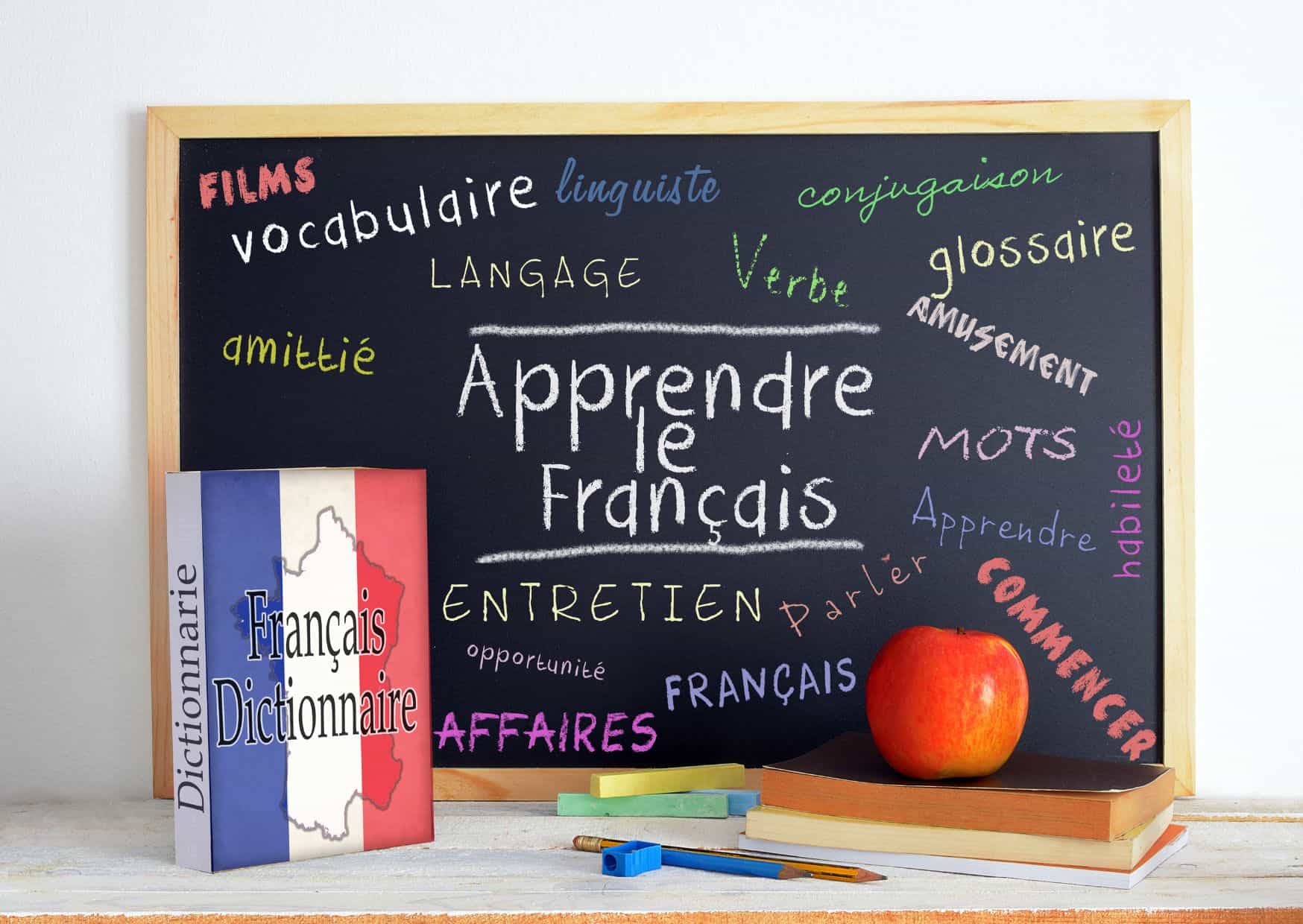
Why: While many French people speak English, assuming so can come across as disrespectful.
Tip: Start with basic French phrases, like “Parlez-vous anglais?” (Do you speak English?), to show courtesy. Even a small effort with French will be appreciated.
3. Don’t Rush Through Meals

Why: Dining in France is a social activity and an experience to be savored, not rushed.
Tip: Take your time to enjoy each course. Meals can be leisurely, especially dinner, so expect service to be more relaxed than in some other countries.
4. Don’t Over-Tip
Why: In France, a service charge is included in the bill at restaurants, so tipping isn’t necessary.
Tip: If you want to show appreciation, leave a small tip (5-10%) or round up. For cafes or taxis, rounding up is sufficient.
5. Don’t Expect Breakfast to Be Hearty
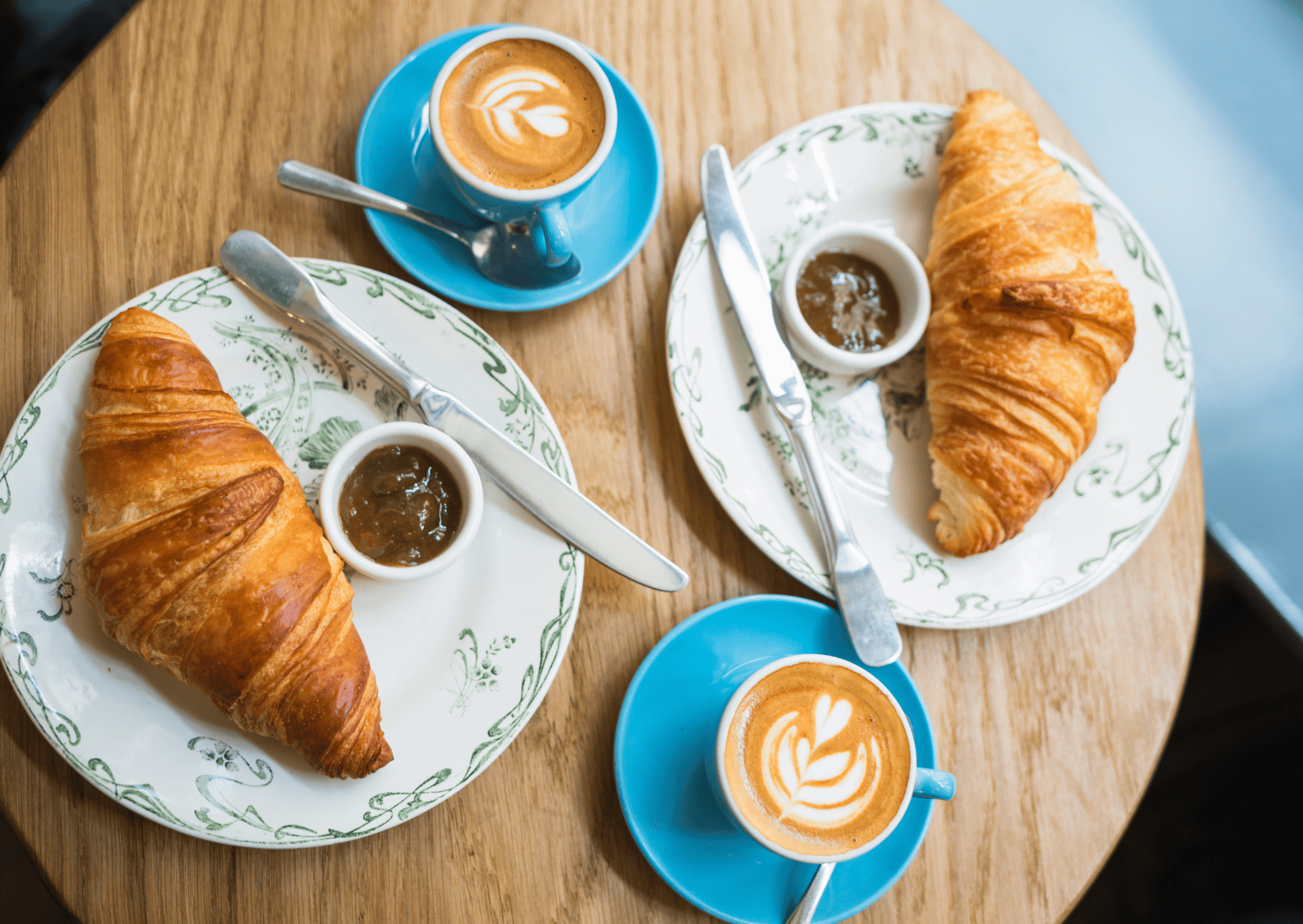
Why: Traditional French breakfast is light, usually consisting of coffee and a croissant or bread with butter and jam.
Tip: If you prefer a large breakfast, look for hotels that offer buffet-style options or plan to have a more substantial lunch.
6. Don’t Misinterpret French Reserve as Rudeness
Why: The French can be more reserved, especially with strangers, which may be misinterpreted as coldness.
Tip: Understand that people may seem more formal at first but warm up with time. Respect their personal space, and be polite without overly familiar gestures.
7. Don’t Expect Quick Service in Restaurants
Why: French dining emphasizes enjoying food and conversation, and the service pace reflects this.
Tip: Waiters won’t typically rush you or bring the bill until you ask for it. If you need something, politely get their attention and relax into the leisurely experience.
8. Don’t Speak Loudly in Public Places
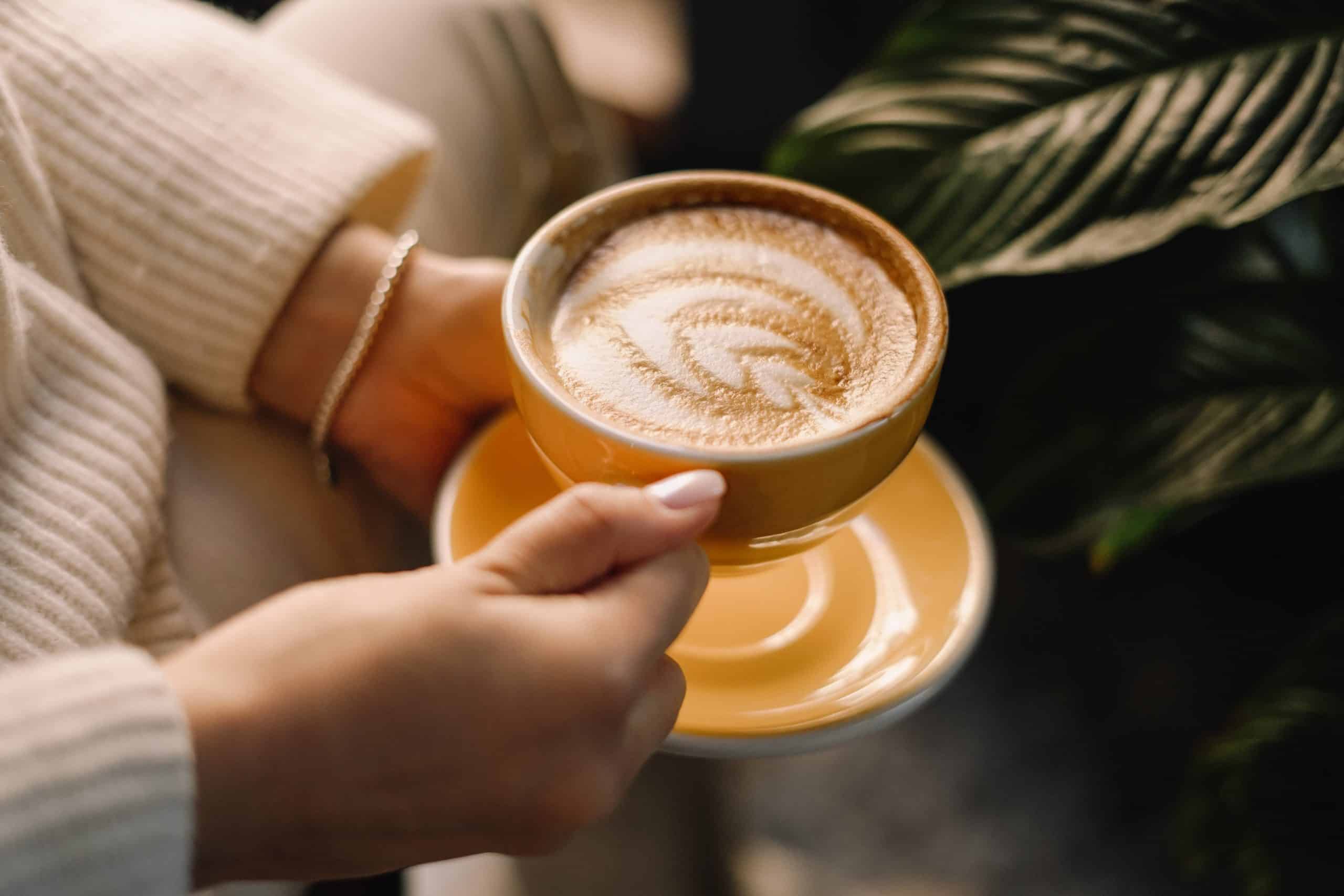
Why: The French value quiet, especially in public settings like cafes, shops, and transportation.
Tip: Keep your voice down in public spaces. Speaking too loudly is often viewed as disruptive or impolite.
9. Don’t Forget to Say “Merci” (Thank You)
Why: Expressing gratitude is highly valued in French culture.
Tip: Always thank people, especially for small gestures, like holding the door or answering questions. Adding “Merci beaucoup” (Thank you very much) is even more polite.
10. Don’t Cut Bread with a Knife
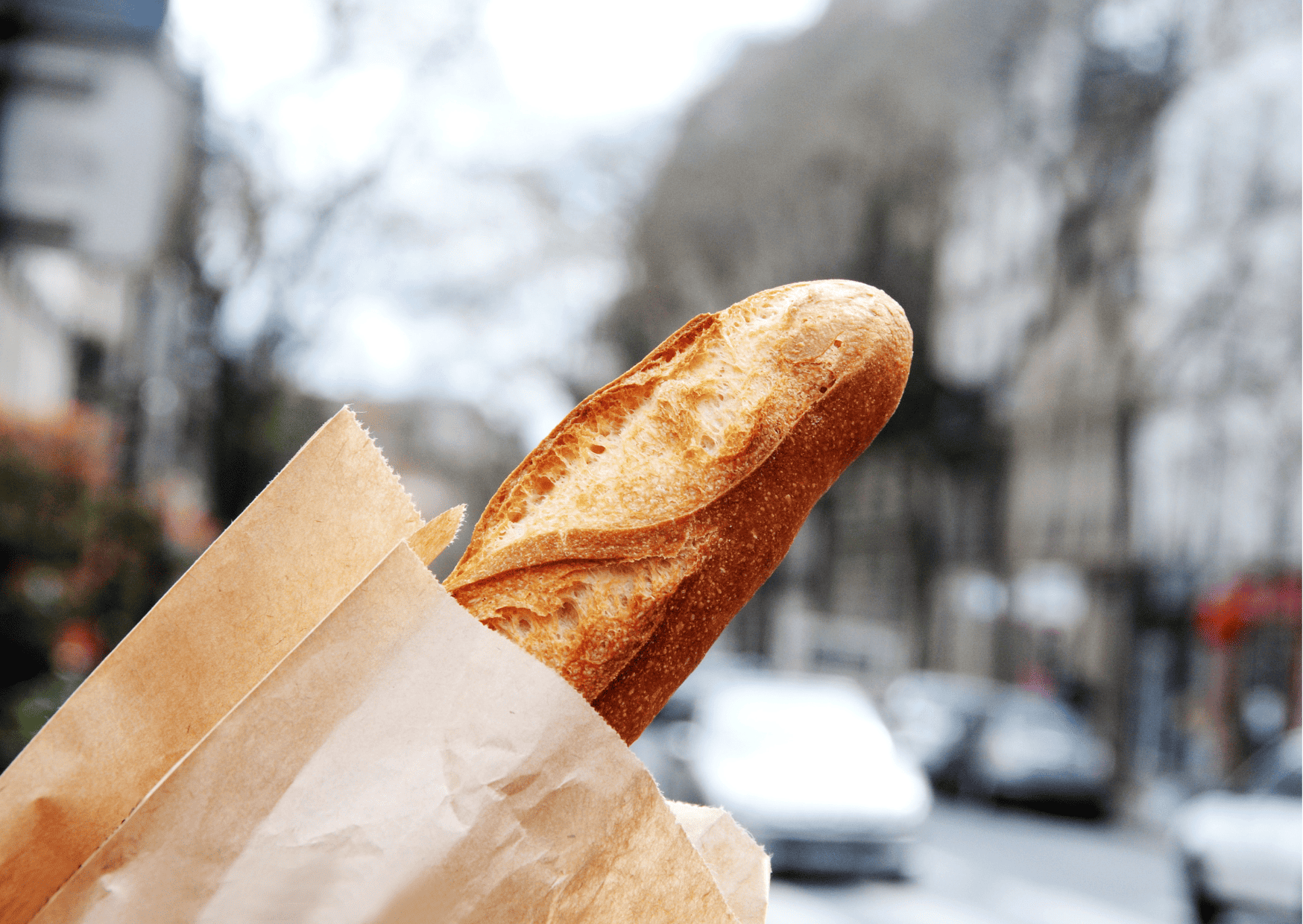
Why: In France, bread is usually broken with your hands rather than sliced.
Tip: Follow French etiquette by tearing your bread by hand. Also, bread is often eaten with meals, not as an appetizer.
11. Don’t Handle Produce at Markets
Why: In French markets, vendors prefer to select produce for you.
Tip: Ask the vendor for help, and let them choose the best items for you. Only touch produce if it’s clearly marked as “self-service.”
12. Don’t Assume French Fries Are a Common Side
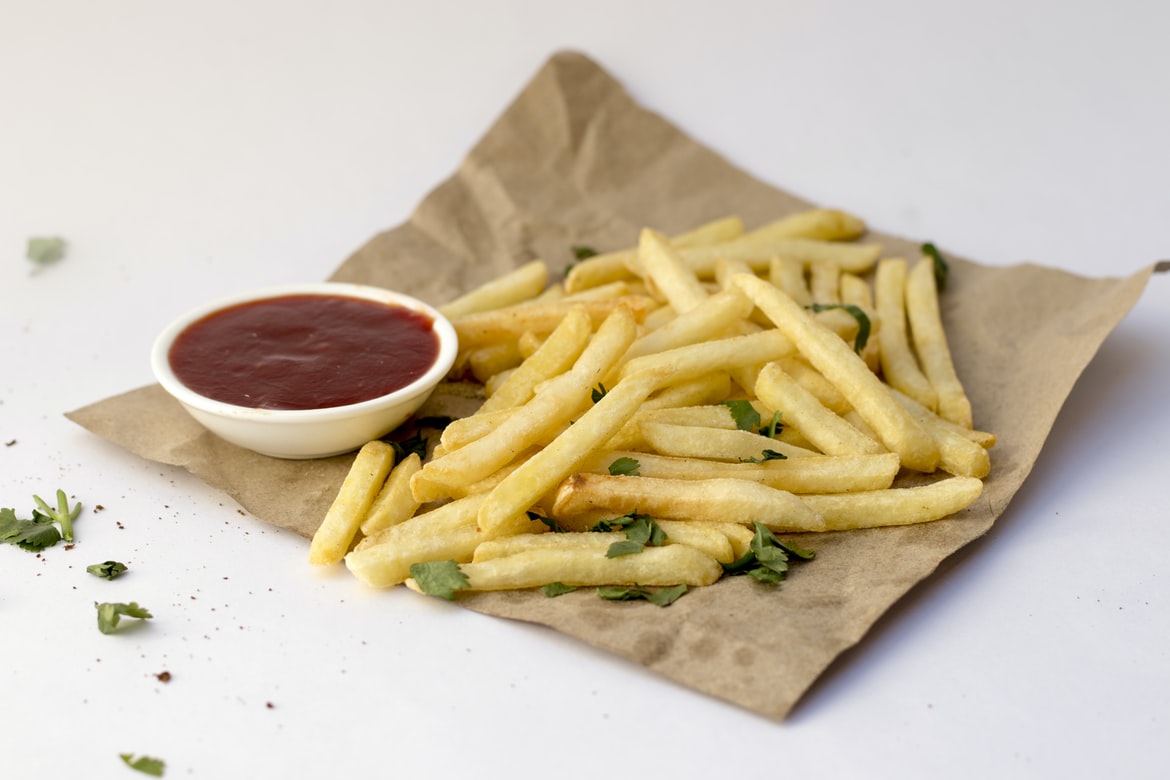
Why: Though named “frites” in French, fries aren’t served as commonly as in the U.S., especially with traditional French dishes.
Tip: Expect more traditional sides like vegetables, potatoes, or salad. If you want fries, ask specifically or try Belgian-style frites, which are popular near the Belgian border.
13. Don’t Take Up Space in Busy Sidewalks or Shops
Why: Blocking busy walkways is seen as inconsiderate.
Tip: Be mindful in crowded areas by stepping aside to let others pass. Avoid standing in shop doorways or on narrow sidewalks.
14. Don’t Expect Ice in Your Drinks
Why: In France, beverages are typically served without ice unless requested, even in warmer weather.
Tip: If you prefer ice, you can politely ask for “avec des glaçons,” but be prepared for smaller amounts than in other countries.
15. Don’t Dress Too Casually
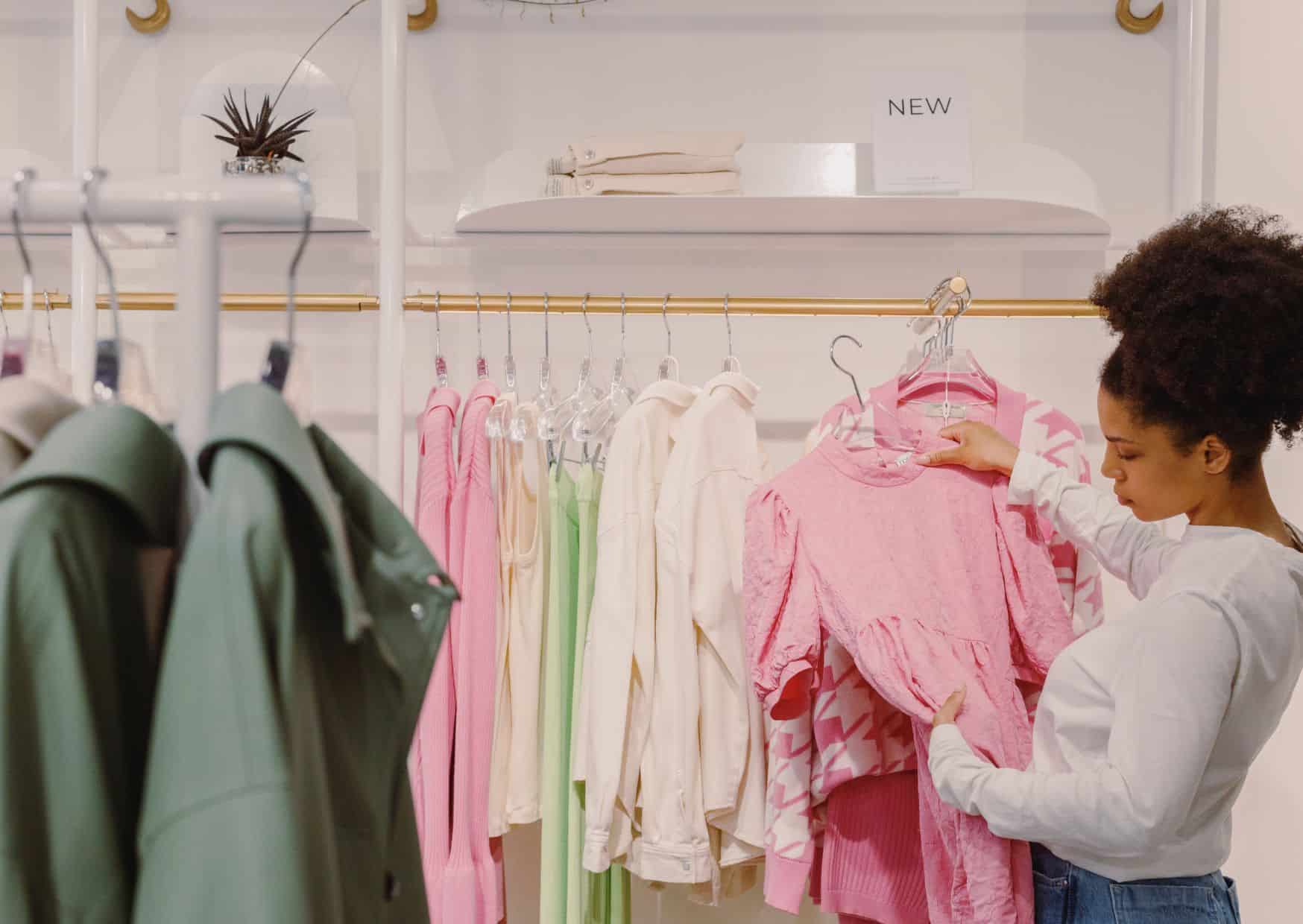
Why: The French take pride in dressing well, and overly casual or sloppy clothing may stand out, especially in cities.
Tip: Dress neatly and avoid wearing sportswear or gym clothes unless you’re actually working out. Opt for smart-casual attire, particularly at nicer restaurants or events.
16. Don’t Touch Artifacts or Lean on Displays in Museums

Why: Museums in France have strict rules about preserving their exhibits, and touching artifacts is generally forbidden.
Tip: Follow museum guidelines and maintain a respectful distance from displays. Photography is often allowed but without flash.
17. Don’t Criticize French Culture or Customs
Why: The French are very proud of their culture and may take offense at casual criticism.
Tip: Approach cultural differences with curiosity and appreciation. If the topic of conversation arises, listen respectfully rather than comparing or criticizing.
18. Don’t Ask for Substitutions in Restaurants
Why: French chefs take pride in their menu offerings, and substitutions or modifications may be seen as questioning their expertise.
Tip: Order items as they appear on the menu. If you have dietary restrictions, try to choose dishes that naturally meet your needs rather than asking for alterations.
19. Don’t Expect Free Refills on Beverages
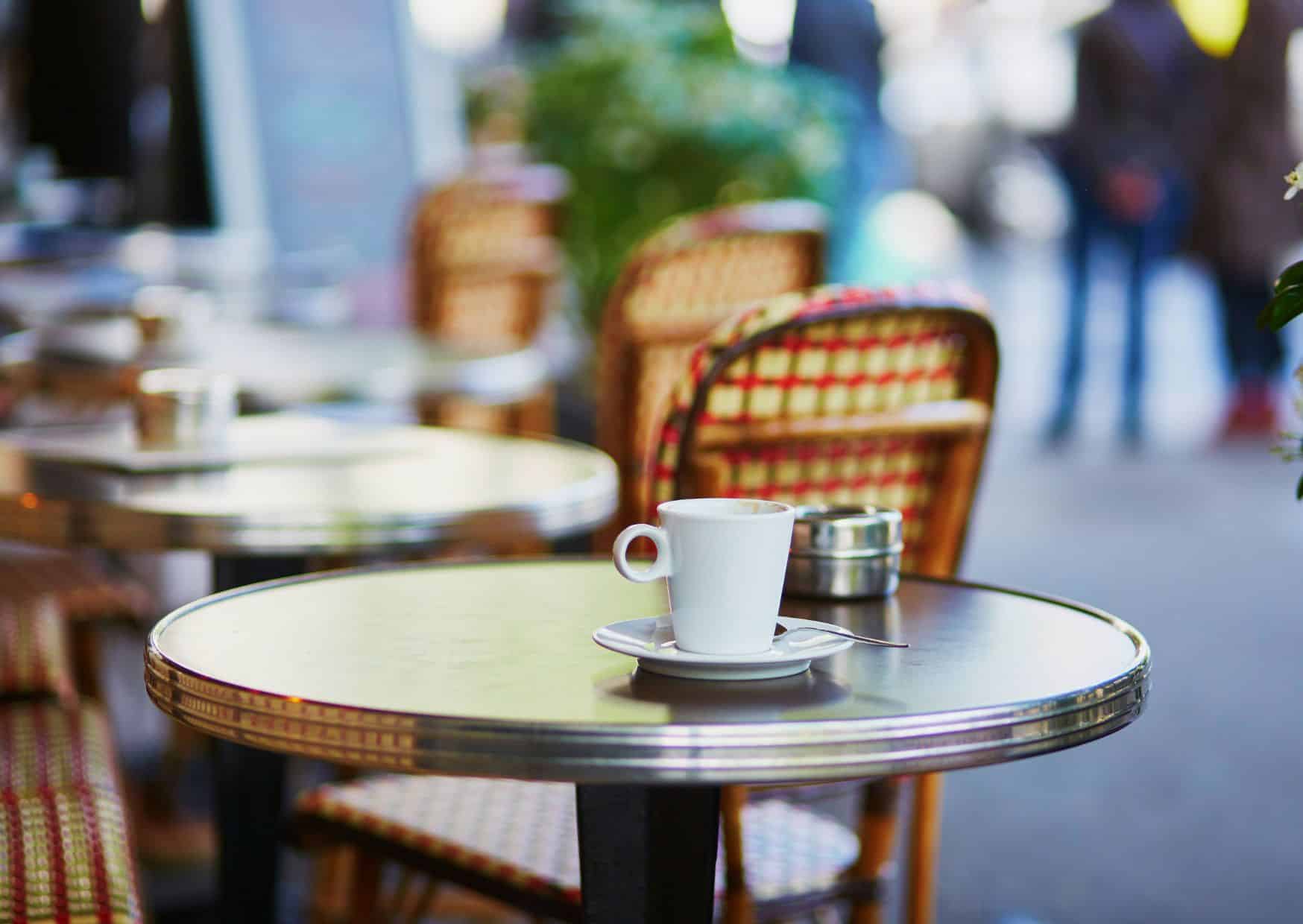
Why: In France, free refills on soft drinks or coffee are uncommon, especially outside of fast-food chains.
Tip: Order another drink if you’d like more. Also, water is usually served in a small glass carafe that you can ask to be refilled.
20. Don’t Mistake the “Bises” (Kiss on Cheek) Greeting
Why: The French greet with “bises” (a kiss on each cheek) with close friends and family, but it’s not always appropriate with new acquaintances.
Tip: Follow the lead of your French hosts. If someone offers you a cheek, go for the bises; otherwise, a polite handshake is often sufficient.
21. Don’t Assume All French Wine is Expensive
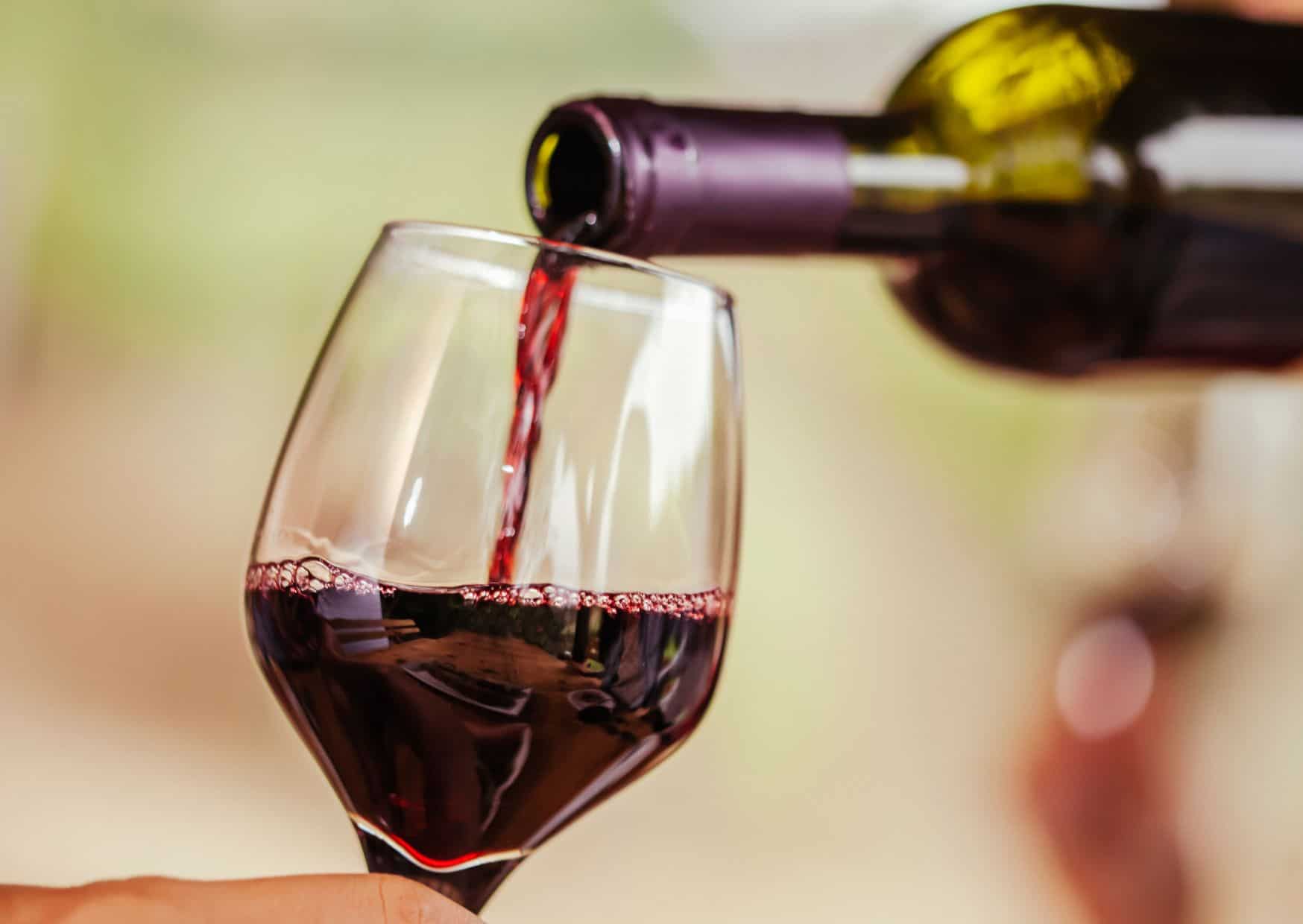
Why: Many excellent wines in France are affordable, with good options available in all price ranges.
Tip: Ask for recommendations based on your budget. A bottle of house wine in many restaurants will be both affordable and delicious.
22. Don’t Forget to Check Museum and Store Hours
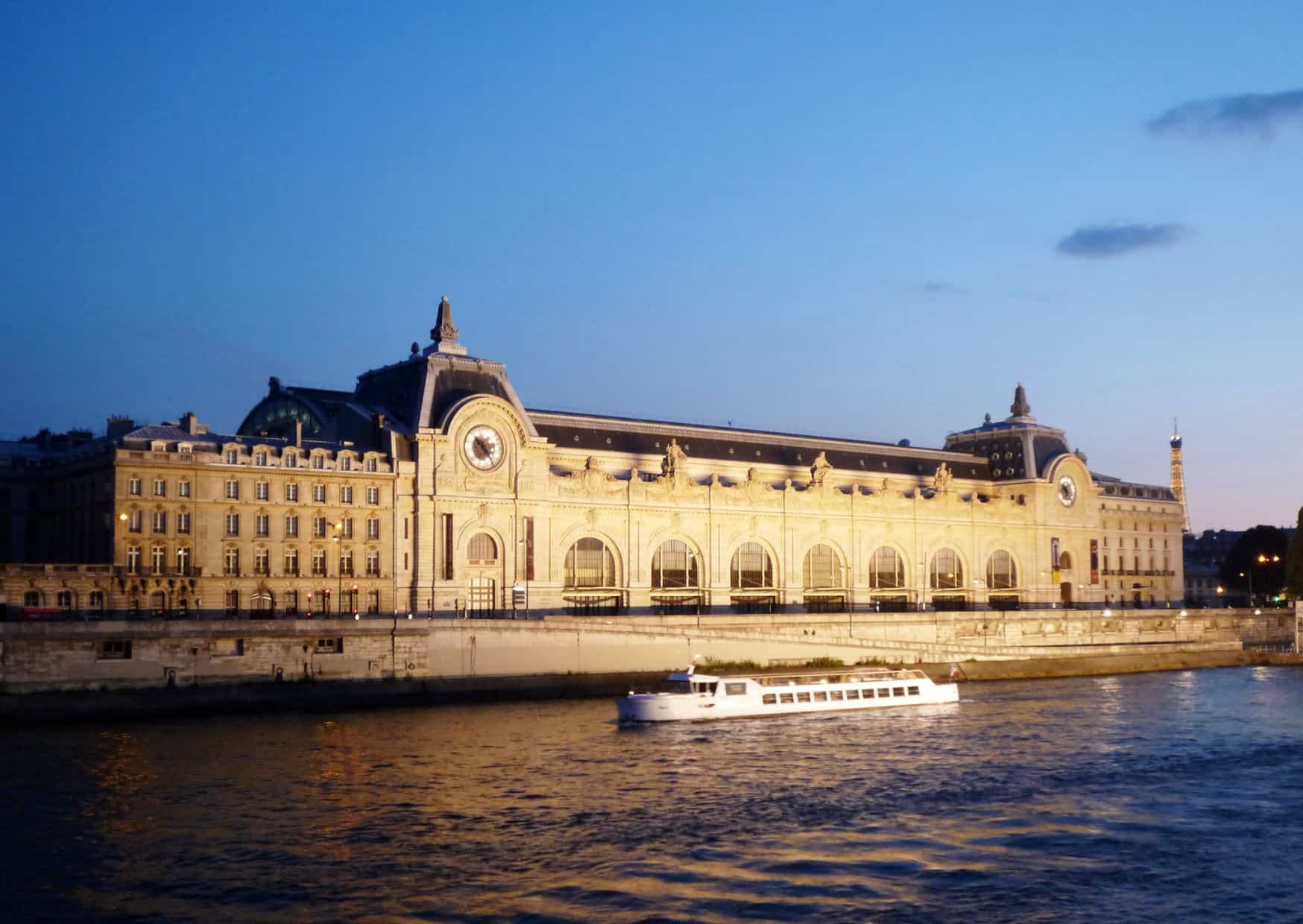
Why: Many stores and museums close for a break around midday or have shorter hours on Sundays and Mondays.
Tip: Verify hours in advance, especially in smaller towns, to avoid missing out on key attractions or shops.
23. Don’t Expect Public Restrooms Everywhere
Why: Public restrooms are not as common in France as in some other countries.
Tip: Look for signs for “Toilettes” at cafes or train stations, and be prepared to pay a small fee at some locations.
24. Don’t Treat the Eiffel Tower as the Only Attraction
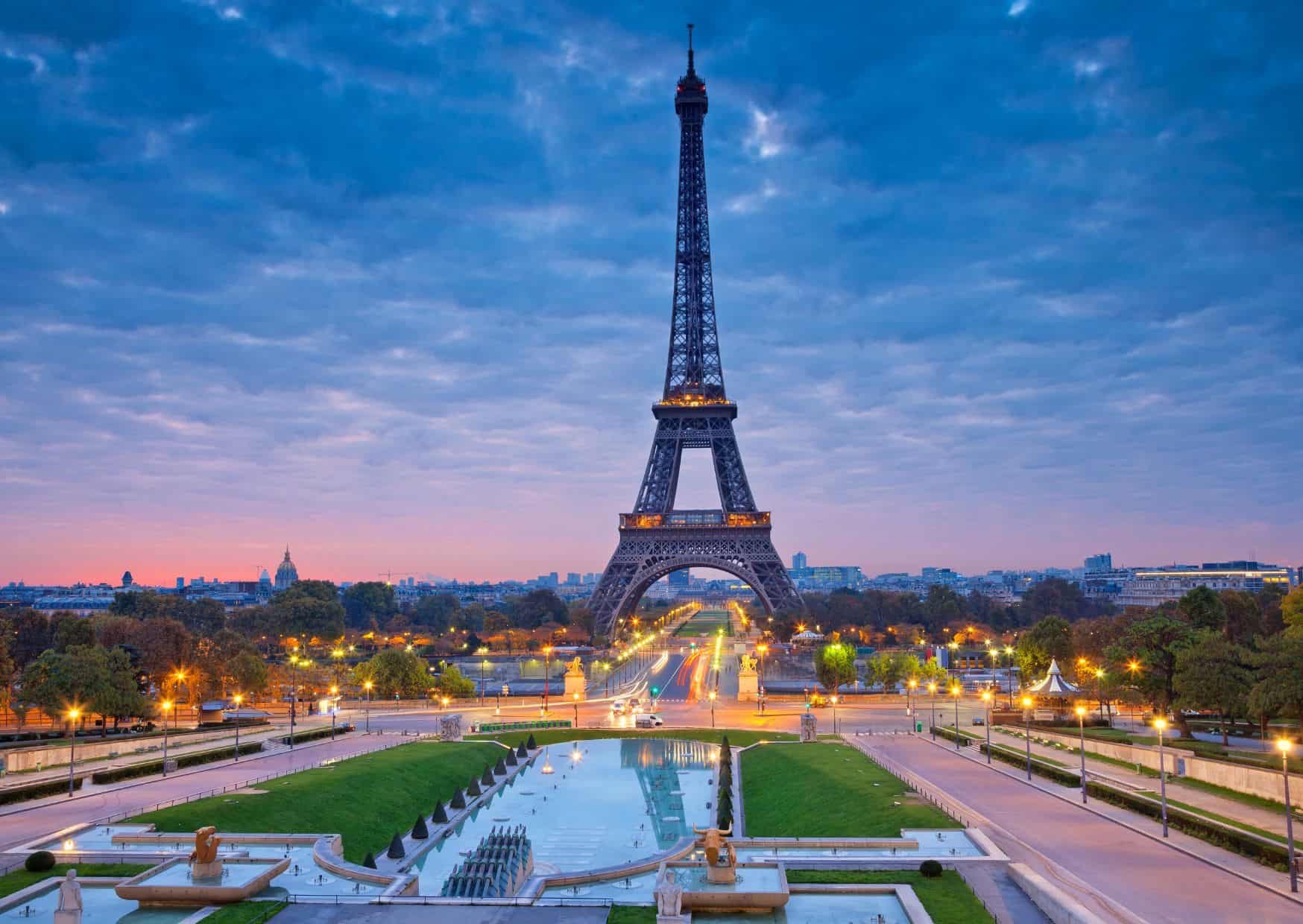
Why: While iconic, Paris and the rest of France offer much more than the Eiffel Tower.
Tip: Explore other cultural landmarks, such as the Louvre, Mont Saint-Michel, the Loire Valley châteaux, and regional treasures in Provence or Alsace.
Final Thoughts
France is one of the world’s most rewarding destinations not because it looks like the postcards, but because it feels different. Its customs—whether charming, strict, subtle, or surprising—are what make it unique. When you learn what not to do, you’re not just avoiding awkward moments; you’re stepping into the cultural rhythm that locals live by every day. That understanding adds depth to everything you see, taste, and experience.
Most of the “don’ts” travelers encounter aren’t about rules—they’re about respect. Taking a moment to greet someone, slowing down at a café, or dressing with intention communicates that you value the culture you’re stepping into. These gestures create more meaningful interactions, and locals notice immediately when visitors make the effort.
In the end, a great trip to France isn’t just about seeing famous landmarks; it’s about engaging with the culture in a way that feels authentic and enriching. By avoiding these common mistakes, you open the door to warmer conversations, better service, and a richer connection to the country itself. Respect the traditions, embrace the differences, and France will welcome you with open arms.

About the Author: Ruben, co-founder of Gamintraveler.com since 2014, is a seasoned traveler from Spain who has explored over 100 countries since 2009. Known for his extensive travel adventures across South America, Europe, the US, Australia, New Zealand, Asia, and Africa, Ruben combines his passion for adventurous yet sustainable living with his love for cycling, highlighted by his remarkable 5-month bicycle journey from Spain to Norway. He currently resides in Spain, where he continues sharing his travel experiences with his partner, Rachel, and their son, Han.