
The family did most things right. They had a real buyer’s agent in Valencia, a notary date, a 10 percent arras deposit, and a clear plan. Then they sent the money the way they had always sent money in the U.S. The wire arrived to the seller’s bank in USD, the receiving bank auto converted at its own rate, a correspondent bank skimmed fees, and compliance froze the remainder for “source of funds” questions. They missed closing by four days. The penalty and the double conversion ate the savings. By the time dust settled, the total hit was forty seven thousand dollars. Nobody warned them that Europe treats currency and wires like a different sport.
The short version that hurt to write

The family wired $612,000 from a U.S. bank directly into a Spanish seller’s EUR account. The U.S. bank charged a $50 wire fee, set the exchange at €1 = $1.11 when the interbank that hour was €1 = $1.095, which is about 1.4 percent worse. An intermediary skimmed $35, the receiving bank applied a “lifting fee” of €87, and then held the funds pending enhanced due diligence because the transfer narrative said “house” without a contract number. While compliance emailed, the euro moved 0.9 percent against them and the notary refused to close without cleared funds. The seller enforced the arras penalty because the contract was calendar, not feelings. That was €15,000 gone. When the bank finally released the wire they discovered a second mistake. The funds had first been credited in USD to a mirror account, then the Spanish bank did a bank side conversion to EUR at a 2.8 percent spread because the client had not pre agreed a rate. That was the second haircut. Add hotel nights, rescheduling fees, a new notary slot, and everyone was suddenly learning acronyms they did not want to know. SEPA, SWIFT, OUR, SHA. I am tired just typing them.
It sounds like a rare disaster. It is not. The normal U.S. way to push money is a trap in the eurozone.
Europe runs on SEPA, not the vibe of “wire it and hope”
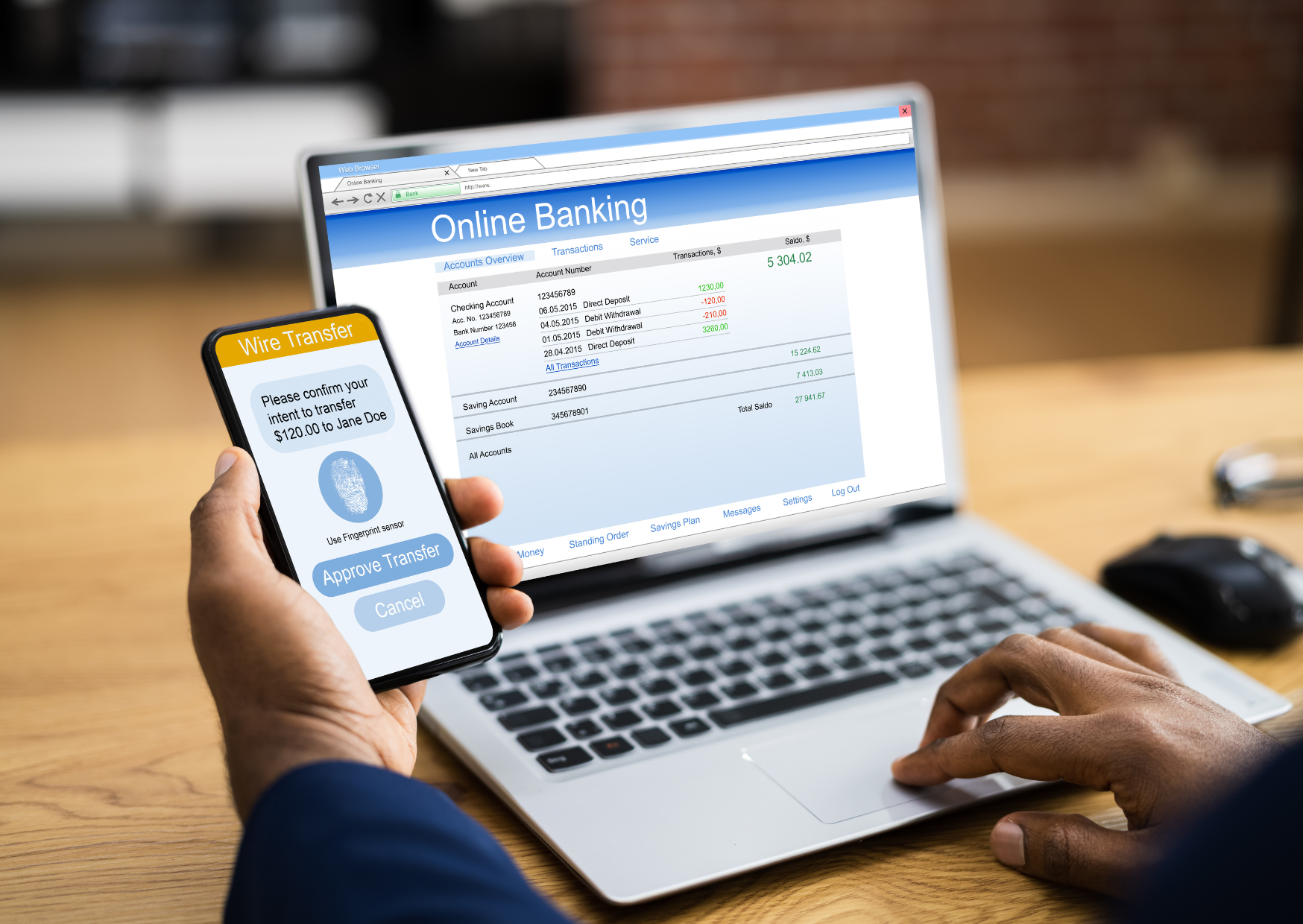
SEPA is the Single Euro Payments Area. Inside it, EUR to EUR payments move like domestic transfers: IBAN in, name, sometimes BIC, delivered next day or instant if both banks support SEPA Instant. Fees are tiny or zero. Everything outside that lane becomes SWIFT, which is messaging for international wires, and SWIFT is where correspondents and spreads eat lunch.
Key principle that would have saved them. Never send USD into a European EUR account unless you have a written FX rate locked first. Always convert to EUR on your terms, then send EUR via SEPA. The path is boring and safe. The other path is expensive and slow. This sounds pedantic until a notary calendar and a seller’s lawyer are looking at you like you invented chaos.
A second principle sits next to it. Compliance is not personal. Any large transfer without clean “source of funds” documentation will pause. Your perfect intentions are irrelevant to a clerk who sees only numbers.
Where the forty seven thousand actually came from

I will itemize because vague advice is useless.
- FX spread at the U.S. bank. On $612,000, a 1.4 percent spread versus interbank equals about $8,568. That is the first slice.
- Intermediary and receiving fees. Call it $35 plus €87 which landed near $130 total. This part hurts your pride more than your budget.
- Compliance delay. Four days, two emails, one phone call, zero malice. During the hold the euro shifted 0.9 percent the wrong direction. On the converted amount, that drift cost about $5,300 in effective purchasing power at settlement because they needed a specific euro figure at closing.
- Seller’s penalty for missed closing. In Spain, arras penitenciales normally means the buyer forfeits the deposit if they back out. This case was a four day miss and the seller agreed to keep the deal if the buyer paid half of the deposit as penalty for the delay. That was €15,000, about $16,350 at the week’s rate. They were lucky. The seller could have kept everything and re listed.
- Bank side conversion. Because funds arrived as USD first inside the Spanish bank, then were converted without a negotiated rate, the bank took another 2.8 percent spread on the portion they insisted on converting internally for “operational reasons”. This was the ugliest line. On the remaining $270,000 portion they re touched, that’s $7,560.
- Ancillary costs. New notary slot €200, extra translations €90, hotel and rebooked flights $1,100, couriering originals €48. Call it $1,650 total.
Add it and you are unpleasantly near $47,000. Most of that was not a fee with a line item. It was preventable spread and penalty, the expensive kind of education.
I can already hear the comment that a different bank would be nicer. Maybe. Structure beats brand in Europe. The process is what you control.
The five mistakes people repeat, even after reading warnings
Mistake one
Pushing USD via SWIFT into a EUR IBAN, then letting the receiving bank decide the rate. Banks are not in the charity business. Fix is to convert to EUR yourself before the wire.
Mistake two
Using the instruction field to write poetry. “House in Spain yay” is not a reference. Fix is to include contract number, notary name, date, and a dry phrase like “payment of property price as per contract”.
Mistake three
Assuming SEPA Instant equals instant at any amount. Many banks cap SEPA Instant at €15,000 or €50,000 per push. Your down payment will exceed that. Fix is to plan multiple days or use a single SEPA Credit Transfer timed to hit the day before.
Mistake four
Underestimating compliance. Banks will ask for proof of source of funds above certain thresholds. Screenshots of a brokerage app are not enough. Fix is to prepare PDF statements, sale contracts, 1099s or W2s, and a short declaration.
Mistake five
Letting U.S. banks send SHA fees when the counterpart expects OUR. In SWIFT, OUR means sender pays all fees. SHA splits them. The wrong flag creates underpayment and a second transfer for a tiny remainder. Fix is to pick OUR for any SWIFT that must land exact.
I changed my mind on one of these mid month. I used to say SEPA Instant solves everything. It does not. Cutoffs and caps still apply.
The correct sequence for large euro payments when you are American

This is the boring truth. Copy and paste it into your notes.
- Open an EU receiving account in your own name as soon as you land a lease or have a preliminary contract. A EUR account with its own IBAN. Fintechs can work for staging money, traditional banks are usually required for notary day because some notaries insist on banker’s drafts.
- Verify SEPA membership and SEPA Instant limits for both your account and the beneficiary. Ask for caps per transaction and per day. Write those numbers down.
- Choose your FX method. Use a specialist to convert USD to EUR at a transparent rate. People use Wise, Revolut Business, xe, or a broker. The key is mid market plus a published fee, not a mystery spread.
- Move USD to the specialist by domestic ACH or wire, convert to EUR, then send EUR via SEPA to your own EUR account first. Test with €100. Then €1,000. Then the full down payment.
- Prepare compliance pack. One PDF folder named Spain_Funds_SOF_YYYYMM with bank statements, tax returns pages showing income, sale contract or 401k distribution letter, and a one page declaration in plain English that the funds derive from salary, sale, or savings.
- Inform both banks ahead of time. Send a secure message with the transfer date, amount, and purpose. Attach the compliance pack. Human eyes remove holds later.
- Day before notary, push EUR via SEPA Credit Transfer to the seller’s IBAN with a contract reference that the notary provided. If the seller requires a banker’s draft bring funds to your Spanish bank two days prior and order the draft by name.
- Keep a buffer. Hold €5,000 more than the purchase price and taxes for clerical surprises. The day you think you will not need it is the day you will need it.
This is not thrilling. It works.
IBAN, BIC, and the name that must match

An IBAN is the big long number. A BIC or SWIFT code is the bank identifier. European banks are getting stricter about name matching between the sender and the receiving account. If the seller’s name is a company name, send to the company. If the notary’s escrow account holds funds, use that IBAN with the reference assigned to you. Never send to a personal intermediary who says they will “pass it on”. That sentence becomes a night you do not sleep.
Also, IBAN discrimination is real in day to day life but not in notary rooms. People may look sideways at fintech IBANs for utilities. For large payments, the notary cares that the funds are visible and traceable, not the brand. Still, open a traditional bank account if your seller or notary requires a banker’s draft. Paper cheques from U.S. banks are not a thing here.
A tiny glossary because acronyms are not intuitive
- SEPA CT. Standard euro transfer inside SEPA, next business day.
- SEPA Instant. Real time euro transfer where supported, limits apply.
- SWIFT. Messaging system for international wires, fees and correspondents live here.
- OUR. Sender pays all fees. Use for SWIFT when exact arrival is required.
- SHA. Fees shared. Creates shortfalls in exact amount scenarios.
- Lifting fee. Receiving bank’s charge to credit a SWIFT.
- Intermediary fee. Correspondent bank charge along the path. You do not control which bank.
If your eyes glazed. Same. The point is to stay inside SEPA in EUR whenever possible.
What to put in the transfer narrative so compliance smiles
Write like a clerk will skim it.
- “Pago precio vivienda contrato 0423 Notaría Pérez 15 Jul 2026.”
- “Señal compra vivienda ref 7812, comprador [your full name], vendedor [seller name].”
- “Gastos e impuestos compraventa vivienda, exp. 5531.”
Short, factual, verifiable. No emojis, no jokes, and yes I have seen both.
The one page “source of funds” pack a bank actually respects
Put five PDFs in a folder.
- Three to six months of statements for the account you will send from.
- Tax return summary page showing total income or closing statement for a house you sold.
- Brokerage statement if funds came from liquidating assets.
- Pay stubs or 1099s if income based.
- A signed declaration: “I, [name, passport], declare that the funds used for purchase of [address] derive from [salary, sale of property, savings].”
If documents are not in Spanish, fine. This is bank compliance, not the notary. Order and clarity beat translation here. When you do need Spanish, your notary will say it. I changed my mind about including too much. Less but precise is better.
The ugly scenario where funds bounce and how to react
It happens. A SWIFT arrives short by €43, the seller’s bank rejects the transfer for underpayment, and the money returns minus more correspondent fees. Resist panic. Do three things.
- Ask your bank for the MT103. That is the SWIFT proof with the path and fees.
- Ask the seller’s bank or notary for the return reference and the reason.
- Re send as OUR and add €100 overage to absorb any surprise fees. Include the same narrative with references.
Keep everyone in a single email chain. Clarity calms sellers faster than apologies.
Limits and cutoffs you will not see until they hurt
- Many EU banks have daily outbound caps for SEPA, like €50,000 or €100,000, even if your balance is higher. You can raise caps, but you must ask days in advance.
- FX desks close at certain hours. If you request a negotiated rate Friday at 18:30, you are not getting one.
- SEPA Instant limits are per push and per day. You cannot split a €250,000 payment into five instant hits if your per day cap is €50,000. Use SEPA CT and give it one business day.
- Notary calendars are real. Miss your slot by one day and you may be two weeks out.
I wish I did not have to write the last line. Calendars move money as much as fees do.
How to stage a property payment without drama

Month before closing
- Open a Spanish bank account if a banker’s draft will be required.
- Move a small test from your U.S. bank to your EUR account with your chosen provider.
- Ask the notary how they want the money. Some accept SEPA to escrow, many still love banker’s drafts.
Week before
- Convert the bulk of funds to EUR with your FX provider.
- Send to your own EUR account and verify arrival.
- If drafts are required, order them with exact name and amount. Ask how many drafts are needed for price, taxes, and fees. In Spain you may need multiple drafts.
Day before
- Confirm with the notary that funds are visible or drafts are ready.
- Print MT103, bank letters, and balances. Put them in a folder.
- Sleep. Wake up. Do not change anything at breakfast.
I know that last sentence sounded parental. It is data driven.
Banking as a resident versus before you have the card
Pre residency, banks will ask for passport, NIE assigned number if you have it, and proof of address. Some open non resident accounts with higher fees and fewer features. After your TIE arrives, move to a resident account to lower fees and unlock online limits. CRS and FATCA forms will appear. Sign them. Americans get nervous at acronyms. This is normal. The alternative is account freezes for missing declarations and that is not exciting.
Also, yes, some banks dislike U.S. persons because compliance is heavy. Others do not mind at all. Do not take it personally, just pick a different branch. Branch managers matter in Spain in a way that will feel old fashioned and then very helpful.
A small side note about USD sub accounts at European banks
A few banks offer USD sub accounts under your IBAN. Sounds useful. It can be an expensive detour. If you receive USD there and later move to EUR, many banks will apply their own FX spread on internal conversions. If you then send EUR out and something bounces and returns in USD, you can get hit again on the reverse. The triple conversion feels like a prank. Convert once in a place with a transparent fee. Try not to collect currencies like souvenirs unless you truly need them.
A two week fix if you already messed it up

Week one
- Stop sending USD to Europe. Freeze that habit.
- Open an EUR account in your own name.
- Set up an FX provider and do a €100 test, then a €1,000 test. Confirm timings.
- Ask your bank for SEPA limits and outbound caps. Request temporary increases in writing with dates.
- Build your compliance pack and send a secure message to the receiving bank that a large legitimate transfer is coming with purpose and docs attached.
Week two
- Convert the bulk to EUR in one go or two, depending on spreads.
- Land the money to your own EUR account.
- Notify the notary and seller with proof.
- If required, order banker’s drafts.
- Keep €5,000 buffer. Do not be a hero with exact zeros.
You will feel boring. Boring beats penalties.
Scripts you can actually use at banks and notaries
To your U.S. bank
“I need to wire USD to a currency provider for conversion to EUR for a property purchase. Please confirm SWIFT OUR is available and remove any international wire limits for the dates [X to Y].”
To your FX provider
“I must deliver [€ amount] to [IBAN] by [date]. What is your cutoff for same day conversion and what are your SEPA push limits.”
To the Spanish bank
“Voy a recibir una transferencia grande en euros para una compraventa. Adjunto documentación de origen de fondos. Les ruego tomen nota para evitar retenciones por cumplimiento.”
To the notary
“Confirmo que los fondos estarán disponibles el día anterior mediante transferencia SEPA o cheques bancarios. ¿Prefiere ustedes varios cheques para precio e impuestos.”
These lines are dull and magical. Precision prevents drama.
Common side costs you should not discover at the desk
- Notary fee. Scales with pages and price. Budget €600 to €1,200.
- Registry fee. Budget €300 to €800.
- Gestor fee if someone shepherds the file. Budget €300 to €600.
- Banker’s drafts. Some banks charge €30 to €60 per draft. If you need three drafts, multiply.
- Transfer fees. Even with SEPA, a few banks still charge €1 to €5 per push unless you are on a premium plan. Tiny, but it accumulates.
The worst surprise is not the money. It is the time. If you budget time, the money becomes smaller.
Three tiny details that make sellers trust you
- Send a courtesy email one week before closing with a bank letter or screenshot of your EUR balance. Sellers relax.
- Ask how they want the buyer’s name to appear on drafts. Small typos lead to redrafting.
- Arrive with paper. MT103, bank letter, ID copies, contract copy. A tidy folder signals you are not their last chaos of the summer.
I used to think this was overkill. Then I watched one draft reissued twice because of a missing accent in a surname. Bring the paper.
What to do if the euro moves against you during the hold
If funds are frozen and the market turns, do not stare at a chart. Hedge the remaining exposure if your provider allows it, or convert an additional small cushion immediately to cover slippage at closing. Explain to the seller that bank compliance is the cause, not lack of funds, and attach the bank’s message. Sellers are practical. Silence is what scares them.
If you are not buying property, the same rules quietly apply
Setting up school fees, rent, or medical payments works better when you keep everything EUR to EUR and SEPA. U.S. banks love wires. Europe loves IBANs and predictable narratives. Your landlord will accept late rent once. The second time they call a cousin with a truck. Move your life into euros if your life is here.
A quiet ending because this is about boring excellence
The family did not lose the house. They lost $47,000 to a combination of spreads, time, and a contract clause that meant what it said. Europe isn’t punishing you. It is just not America, and the money pipes reflect that. Convert USD to EUR on your terms, move EUR via SEPA, arrive one day early, and speak to banks with documents, not vibes. If you do those four things, your notary day is short, the clerk smiles without smiling, and you go for rice by the sea instead of refreshing your inbox for a compliance email that never arrives.

About the Author: Ruben, co-founder of Gamintraveler.com since 2014, is a seasoned traveler from Spain who has explored over 100 countries since 2009. Known for his extensive travel adventures across South America, Europe, the US, Australia, New Zealand, Asia, and Africa, Ruben combines his passion for adventurous yet sustainable living with his love for cycling, highlighted by his remarkable 5-month bicycle journey from Spain to Norway. He currently resides in Spain, where he continues sharing his travel experiences with his partner, Rachel, and their son, Han.