
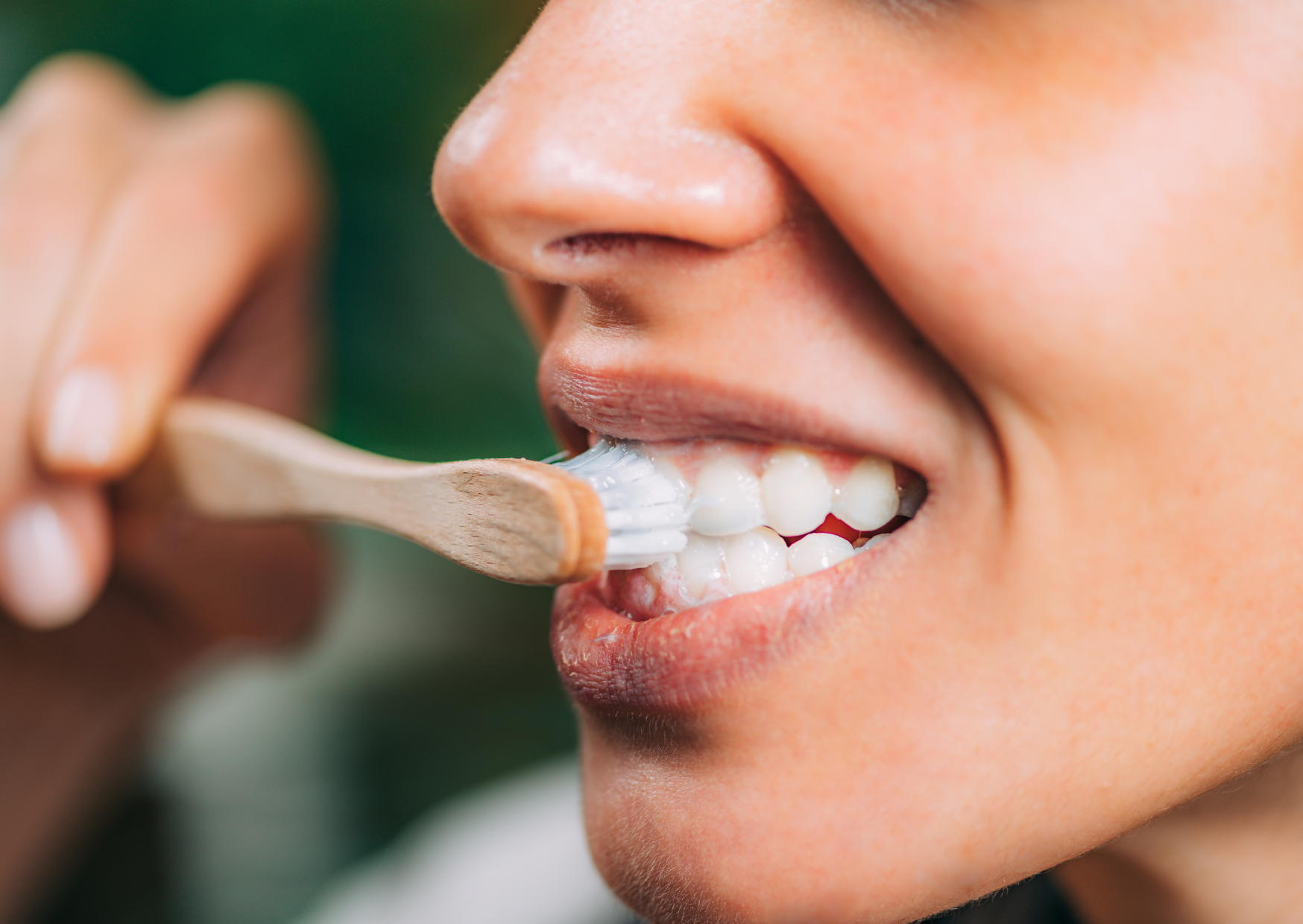
This started as a petty experiment. I took the bright, minty tube out of my bathroom and replaced it with a simple Italian tooth powder that looked like something from a pharmacy in 1963. Thirty days later the hygienist paused, rechecked the chart, and said the thing you want to hear: “Plaque score is way down.” I wish that was the end of the story. It isn’t. Charcoal powders are not toys, and I had to learn a very specific way to use them so I didn’t sand my enamel. Also I changed my mind halfway through on which powder belonged in my mouth. More on that.
What I actually used and why it wasn’t just charcoal
Italian shelves still sell polvere dentifricia the way grandparents remember: a dry blend of calcium carbonate, white clay, a tiny pinch of bicarbonate, sometimes a touch of charcoal, and essential oils for breath. The point is mechanical clean with low foaming, not a dessert in a tube. I bought two powders: one with charcoal as a colorant and one more traditional white powder with calcium base and mild mint.
Important reality before the romance: pure charcoal is abrasive if you grind it hard against enamel. Enamel does not grow back. Italian powders that use charcoal usually rely on ultra-fine activated carbon in small percentage for stain pickup, not as the main scrub. That difference saved this experiment. Low-foam plus soft technique is what did the work.
I still like modern pastes. I just wanted to see what happens when you strip the sugar alcohols, the candy flavors, and the foamy agents that make the sink a bubble bath. Less foam means more feedback on where you’ve actually cleaned.
The 30-day protocol that made this safe
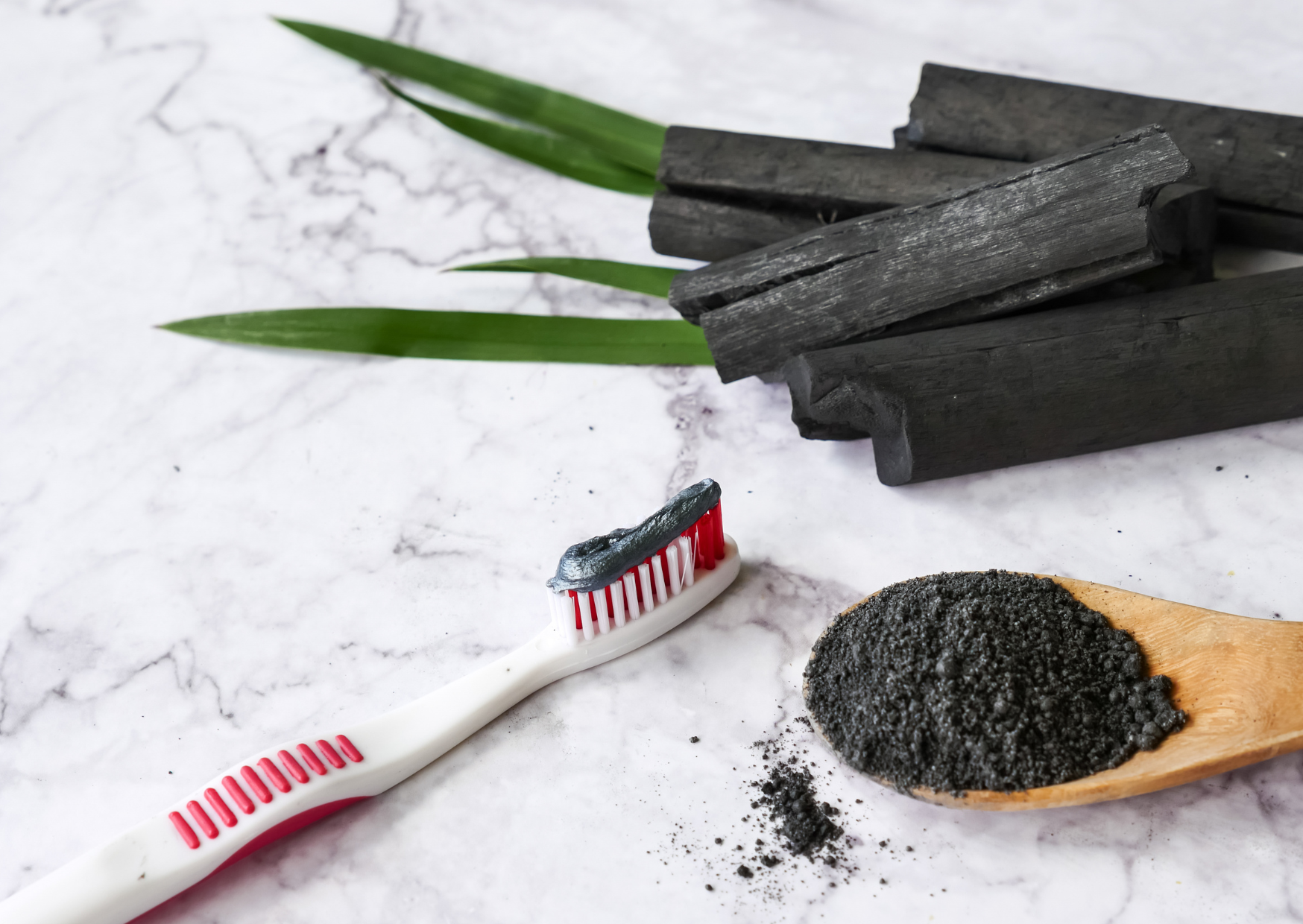
I didn’t wing it. I wrote a boring, careful plan on day one and taped it inside the cabinet. If you copy anything, copy this.
- Twice a day, two minutes. Morning and night. Occasionally a short midday rinse when coffee happened.
- Softest brush you can find. No pressure. If the bristles splay, you’re pressing too hard.
- Powder first, fluoride second. For 21 of the 30 days I used powder alone. On nine nights I followed with a fluoride rinse because remineralization matters.
- Technique beats product. Short strokes, tip angled 45 degrees to the gumline, cheeks relaxed so the brush can reach.
- Charcoal every other evening only in week one, then twice weekly in weeks two to four. The rest of the time I used the white calcium powder.
- Tongue and gum care. Light sweep of the tongue with the brush, then a saline swish for 15 seconds.
- No dry brushing marathons. Powder plus a few drops of water on the bristles. That’s it.
I kept a note card: pressure, time, where I always miss. Feedback loops reduce force. It sounds dull. It was dull. It worked.
What happened at the dentist and what I think actually caused it
The hygienist measured and smiled. Less visible plaque, fewer tartar edges at the lower incisors, and almost no red spots where my flossing used to fake it. I would love to credit the charcoal. I can’t. Plaque reduction came from technique, not grit. The powder helped because low foam makes you honest. You can feel the film disappear, especially at the gumline. Feeling beats guessing.
There’s also the rinsing. Italian pharmacies are big on saltwater or neutral mouthwashes after mechanical clean. I did a 15-second saline swish at night and woke up without that fuzzy coat. Could the powder alone do that? Maybe. I’m saying the stack did it. Powder plus gentle brush plus saline is a mean little trio.
I said my dentist “couldn’t believe” the plaque reduction. Fine, I’m exaggerating one inch. She raised her eyebrows and asked what changed. I told her. She said, “Keep the fluoride somewhere in your week.” So I did.
Why Italian tooth powder felt different in the mouth
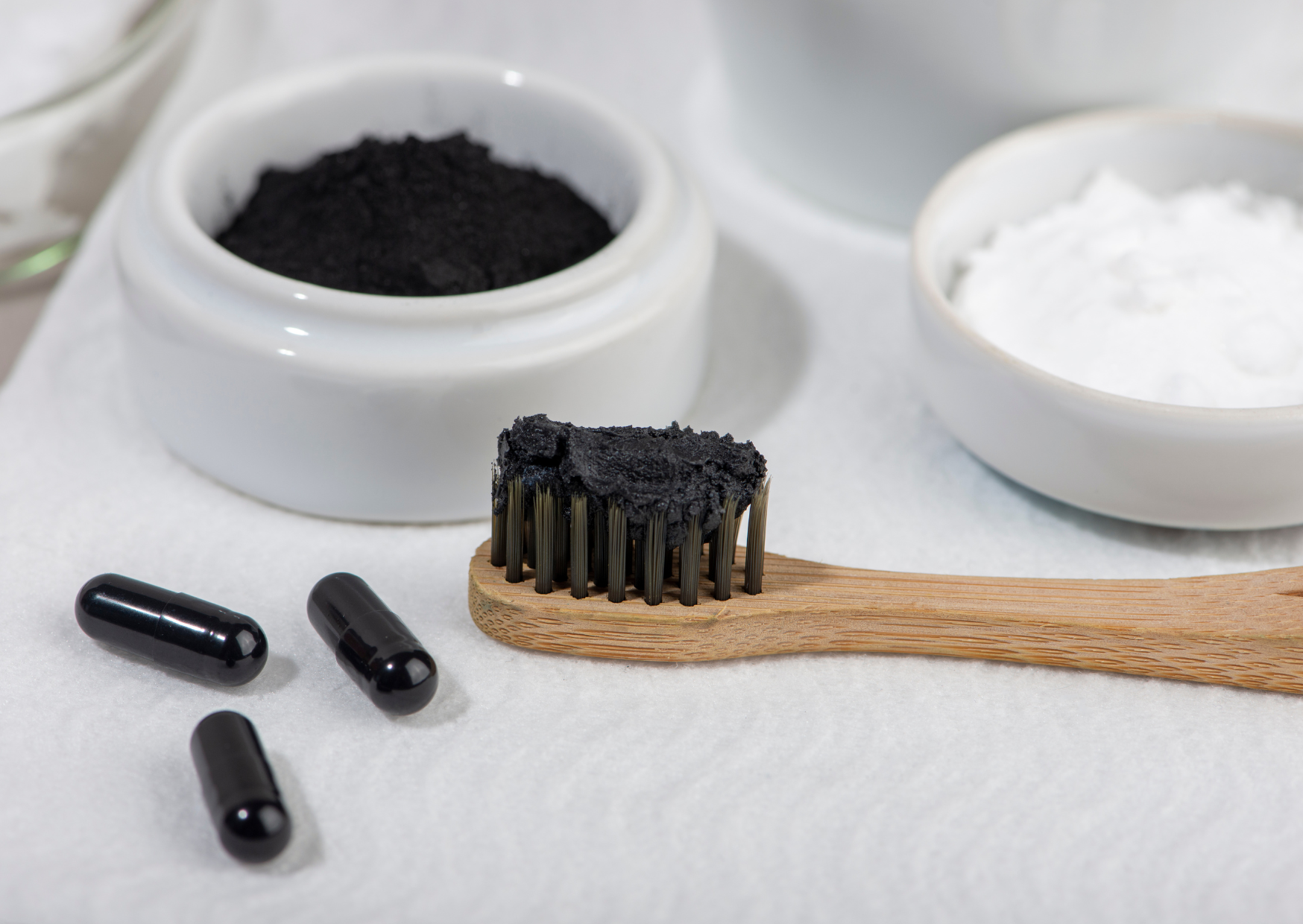
Dry powders feel quiet. No fireworks, no dessert mint. The flavor is clean and faint. You stop chasing the foam and start noticing whether the tooth feels glassy at the end of a stroke. That sensory switch matters. In the first week I kept “brushing” out of habit even after the surface was already clean. By week two I could tell when a patch was done. Overbrushing is how people make powders dangerous. The point is to lift film, not polish a mirror.
Also, the sink looks normal. No blue dye, no sticky film, nothing that makes your landlord cry. I didn’t expect to enjoy that. I did.
A safe way to use charcoal without eating enamel
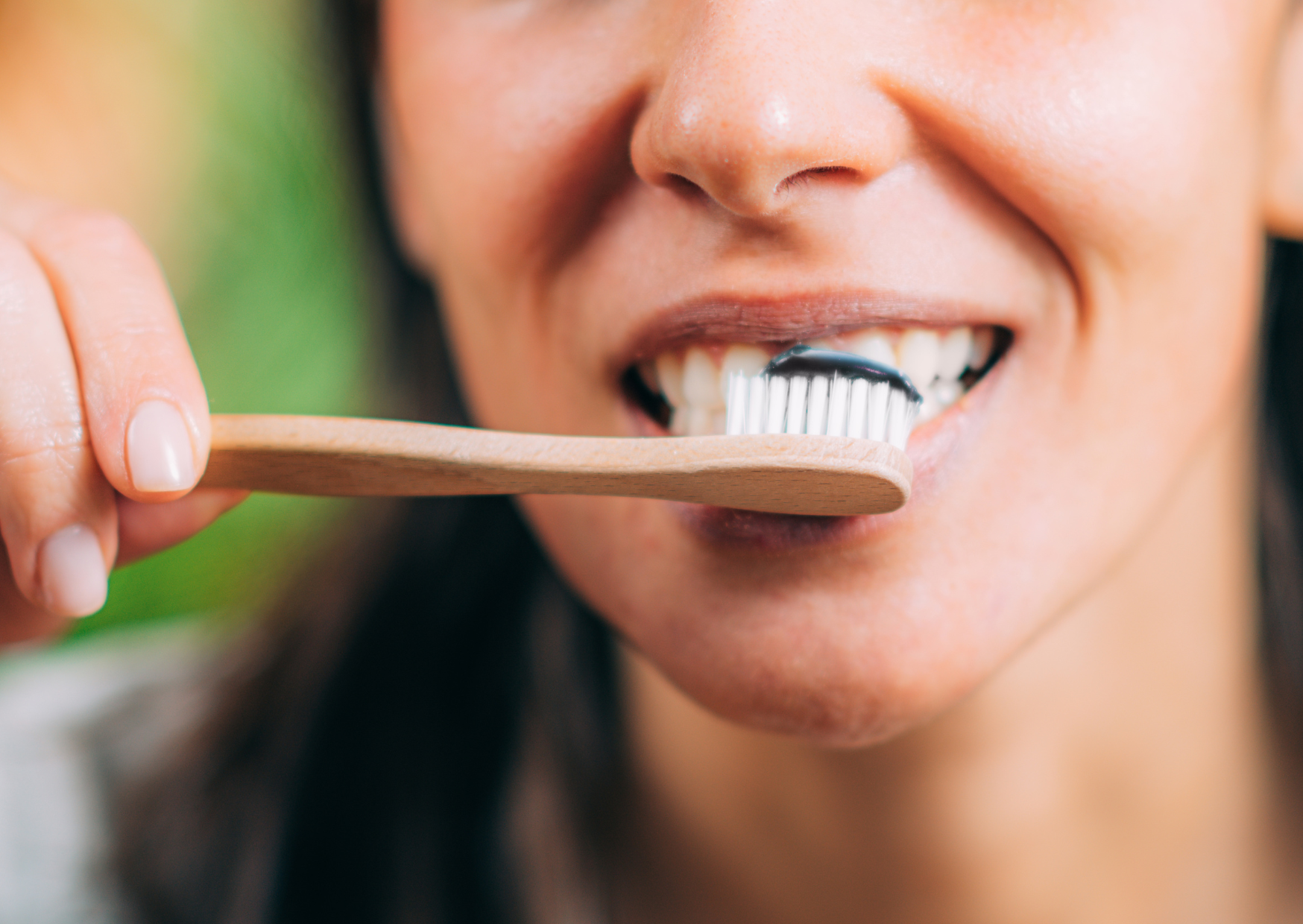
Let’s talk about the dangerous part first. Charcoal can be too abrasive when used daily with pressure. I did not do that. Here’s the protocol that passed the common sense test and didn’t wreck my teeth.
- Buy powder with charcoal as a minor ingredient, not jet-black jars of mystery grit. Fine grind only.
- Use charcoal days as “polish days” twice per week max, end of day only.
- Feather touch. If you feel drag, you’re pushing. Lift and set, do not grind.
- Follow with a fluoride rinse on charcoal nights. Mechanical clean first, remineralize second.
- Skip charcoal if you have recession, exposed dentin, or sensitivity. Use calcium or clay-based white powder instead.
I started the month thinking charcoal was the hero. Halfway through I realized calcium powder plus good technique was quietly doing most of the work. The charcoal just handled surface tea stains on the edges. I changed my mind and I’m keeping it changed.
The “Italian pharmacy” brushing routine step by step
This is the part I wish someone had written on a napkin for me.
- Wet the soft brush. Tap off excess.
- Tap the tips into the powder, barely coat the first third of bristles. You need less than you think.
- Angle 45 degrees to the gumline. Short, gentle strokes. Count six to eight strokes per tooth face, then move on. You’re cleaning the margin, not scrubbing the front door.
- Re-dip once when you reach the molars. Not more.
- Sweep the tongue lightly. One pass is plenty.
- Spit, then saline rinse. Half a teaspoon of salt in a glass of warm water. Swish for 15 seconds.
- Floss the contacts. Powder tends to leave less paste residue, so floss feels easier.
- Optional fluoride rinse three to five evenings per week. Swish for 60 seconds, spit, no water after. Let minerals sit.
Time total: two minutes forty seconds including the saline and floss. Short, precise, done.
The subtle gains that matter more than any ad
- Gums looked calmer. Less pink flare at the margins. Calm tissue bleeds less when you floss.
- Coffee breath faded faster. Powders don’t perfume your mouth. They actually reduce film so smells don’t cling.
- Sensitivity dropped a notch by week three, probably from the fluoride nights. I can’t separate variables perfectly, and I’m not going to try.
- Travel kit got tiny. A thimble of powder and the soft brush. No airport confetti. Packing light is a real benefit.
This section is too tidy. Real life included one midnight brush where I was heavy handed and felt a zing on an old filling. I backed off for two days and the zing left. Feedback and humility are part of the method.
The risks I won’t ignore and how I mitigated them
Let me say it bluntly. You can harm enamel with powders if you treat your mouth like a countertop. Three places people go wrong:
- Daily charcoal grinding with a medium or hard brush.
- Skipping fluoride entirely for months when diet or acid exposure is high.
- Overbrushing the same shiny spot because it feels productive.
Mitigations that worked:
- Softest brush available, replace it as soon as it fans. Frayed bristles equal too much force.
- Nightly fluoride rinse on days I had citrus, wine, or long coffee sessions.
- Twice-weekly charcoal only with butterfly pressure.
- Listen to your hygienist. If they see more wear, abort the experiment. Dentists know what recession looks like.
If you have reflux, high-acid diet, active decay, or lots of exposed dentin, favor calcium-based white powders or a standard fluoride paste for the heavy lifting and keep charcoal for rare stain days.
A simple homemade powder that copies the pharmacy feel
If you can’t find a good Italian powder, this is a conservative blend that behaves like the white versions. No claims to magic. Just clean and calm.
Yield: about 60 grams, one month for one person.
- 40 g calcium carbonate (very fine, food or pharma grade)
- 15 g white kaolin clay (cosmetic grade, ultra-fine)
- 3 g sodium bicarbonate (baking soda, sifted)
- 2 g xylitol crystals, powdered (optional for taste and plaque interference)
- 6 to 8 drops peppermint essential oil or 2 drops fennel diluted in ½ tsp vodka to disperse evenly
Method
Sift powders into a bowl. Stir well with a dry whisk. Sprinkle the diluted essential oil while whisking to avoid clumps. Store in a dry, airtight glass jar. To use, dab a barely damp brush into the powder. Do not add charcoal to this blend unless you know the particle size and you plan to use it sparingly.
Charcoal add-in option: If you must, stir in 1 g ultra-fine activated carbon per 60 g batch and reserve this jar for twice-weekly use only. Fine means talc-like, not gritty.
Important: keep powders dry, do not dip a wet brush into the jar. Tap a pinch into a saucer if you’re sharing the jar in a household.
Cost compared to a month of glossy tubes
My month with powders cost €6 to €12 depending on which jar and how fancy the packaging looked. A decent fluoride rinse added €3 to €5. The tube routine I’d been buying ran €12 to €18 for the paste alone, plus whitening extras I didn’t need. Not a massive savings, but the cleanliness per minute felt higher and the bathroom shelf got simpler. The real savings will show up at scale cleanings if tartar keeps falling behind. Less scraping. Less chair time. Enough said.
What improved technique looks like in the mirror
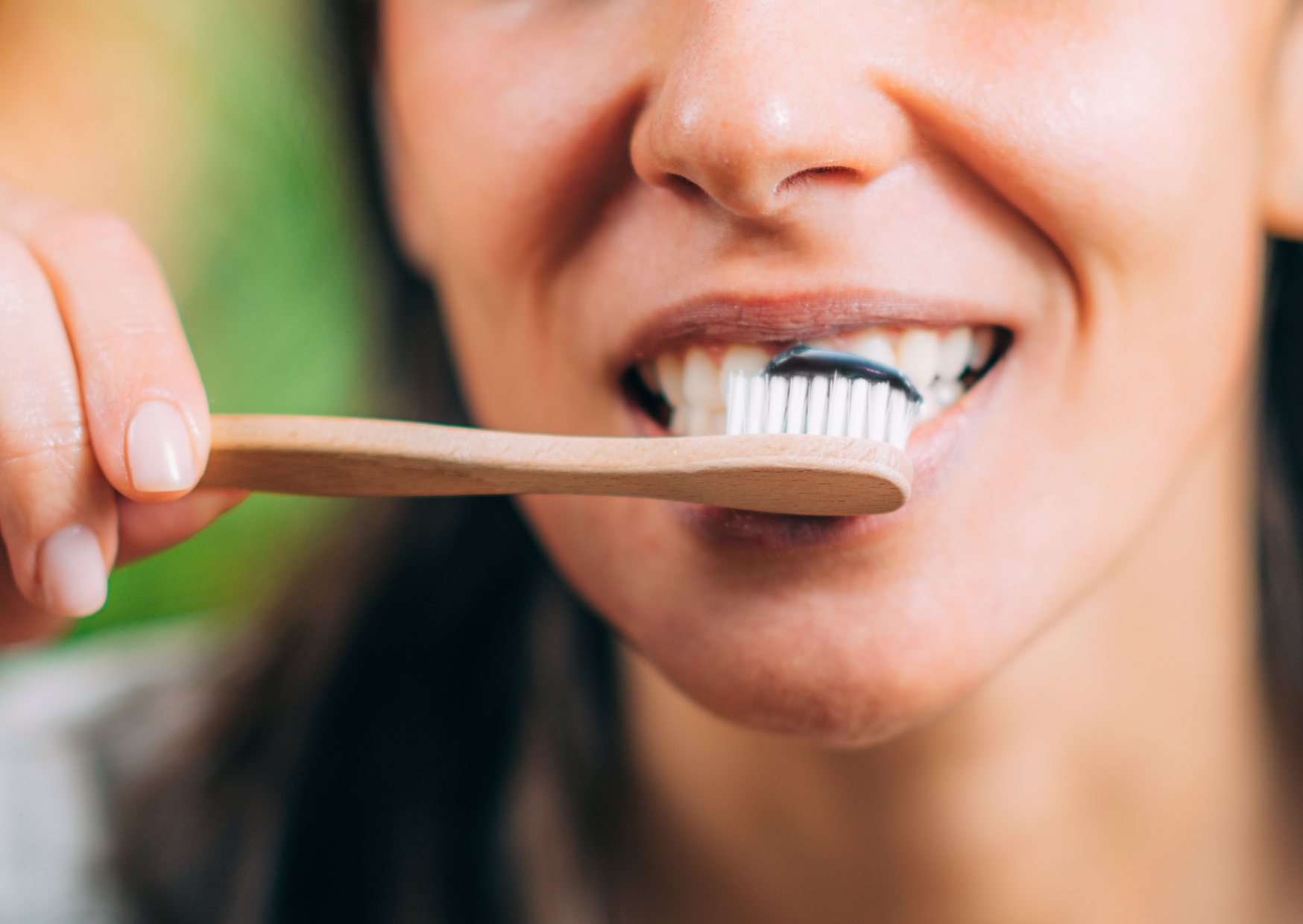
Humor me for thirty seconds. Open your mouth and try this with a dry brush.
- Place the tips at 45 degrees to the gum edge.
- Keep the handle relaxed, nearly pencil grip.
- Make tiny strokes that vibrate at the margin instead of long scrapes.
- Think “lift film” not “scrub surface”.
- Move on as soon as the tooth feels glassy. The glassy feel is the sign you’re done.
- Do not polish the same spot because it’s satisfying. Satisfaction is the trap.
Glassy beats squeaky. Squeaky often means you’ve dried the surface and are now abrading. Stop sooner than you want to. I had to learn that twice.
My first week notes, unedited and a little embarrassing
- Day 1: Overdid pressure on the lower front. Felt “productive” which is code for wrong.
- Day 3: Switched to even softer brush. Huge difference. Powder tastes clean.
- Day 5: Charcoal night. Edges brighter, no sensitivity. Followed with fluoride rinse.
- Day 6: Coffee stain near canine is less. Might be placebo.
- Day 7: Saline swish before bed helps morning breath more than mint bombs.
I almost stopped on day four because I missed the foam. Then I realized foam is a feeling, not a result. I kept going.
The weak link nobody talks about: floss timing
Flossing after powder felt different. Less slime, less resistance. I tested before versus after brushing and found this: floss after powder on normal nights so the floss can sweep powder residue and plaque from the contacts, then fluoride rinse at the very end. On charcoal nights I floss before the brush, then do powder, then fluoride. It’s minimal, but the sequence matters. Order is half the victory.
If you have kids or braces, adjust the plan
- Kids: powders are messy with small hands and they need fluoride in their week. Use fluoride paste for most days and keep powders as a novelty once a week with supervision. Tiny brushes, tiny pressure.
- Braces or fixed retainers: powders alone won’t navigate hardware. Combine a water flosser, interdental brushes, and a fluoride paste as primary. Keep powder for occasional polish only on the smooth surfaces, nothing near the wires.
- Implants, extensive restorations: listen to your dentist first. Surface finishes are different and can scratch. Default to gentle paste.
I am not an absolutist. Use the right tool for the mouth you have.
Quick answers to the questions friends actually asked
Does charcoal whiten teeth
Not in the fairy-tale sense. It lifts surface stains if the particles are ultra-fine and you use it sparingly. It does not bleach. Overuse causes wear that looks whiter until the sensitivity bill arrives.
What about fluoride-free forever
Fluoride is proven to harden enamel and reduce caries. I kept it in the week. If you insist on fluoride-free, be perfect with diet, technique, and remineralizing alternatives your dentist approves. I am not your hero on this one.
Can I just use baking soda
Straight soda is too alkaline and gritty for daily use with pressure. In tiny amounts inside a balanced powder, fine. As a solo paste, risky.
Which brand
Italy has several, pharmacies will point to the one they trust. Choose fine texture, clear ingredient list, small charcoal percentage if included, and no harsh bleaches.
One section I almost cut because it sounds preachy
Sugar and acid exposures will outrun any powder or paste. Coffee habit, citrus, wine, constant snacking, reflux at night. If those are daily and heavy, guard your enamel with timing. Wait 30 minutes after acid before brushing so you don’t brush softened enamel. Drink water with coffee. If reflux exists, fix the reflux. Powders won’t win against chemistry. I know you know this. I needed to read it anyway.
Okay I’m done preaching.
A tiny travel kit that actually fits in a jacket pocket
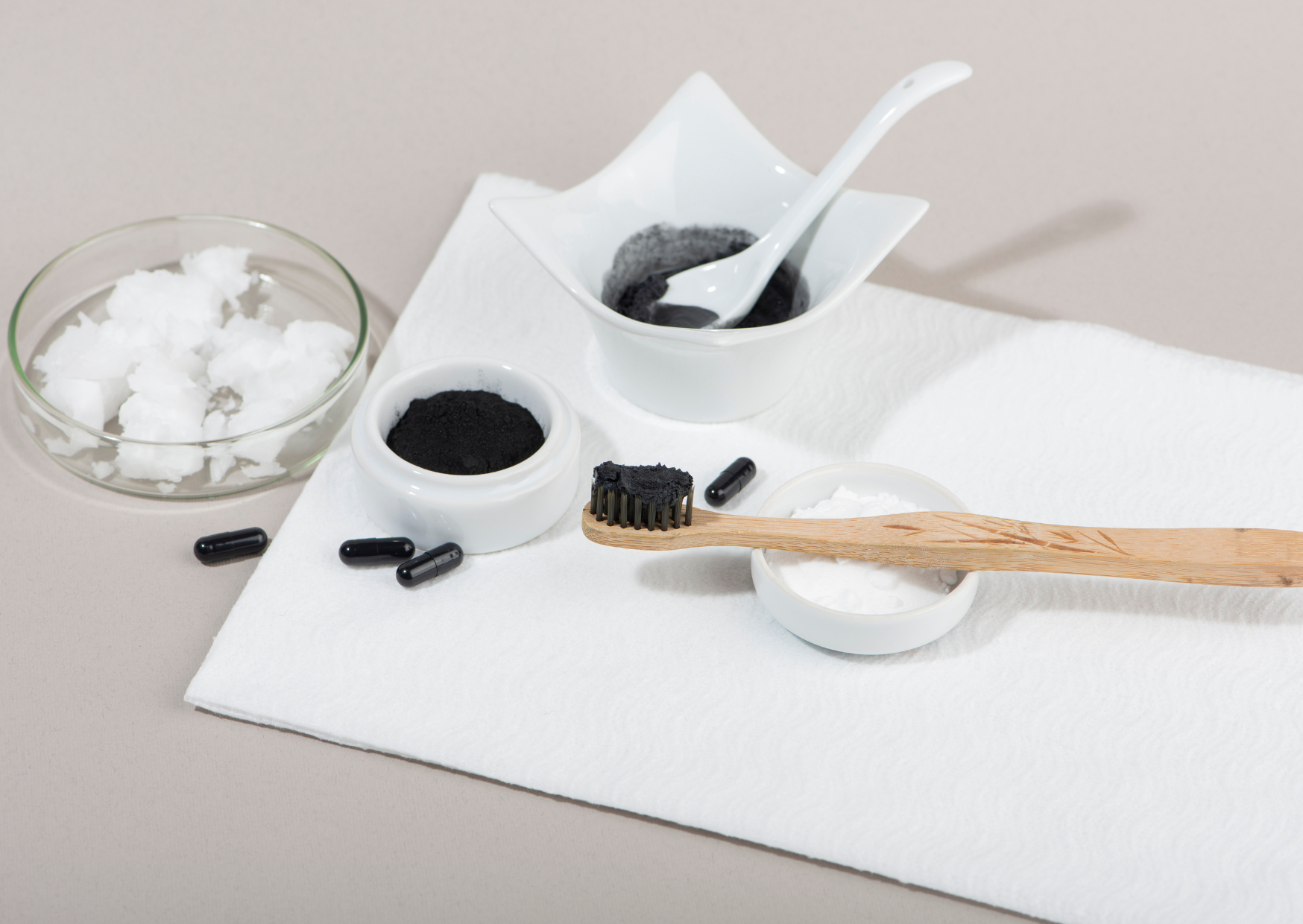
- 10 g micro-jar of powder
- Soft travel brush that folds
- Mini floss
- Fluoride rinse sachets if you want to keep minerals on nights in hotels
That’s all. Airport sinks now look less like a mint bomb exploded.
I started the month thinking charcoal was the magic and the minty tube was the villain. By week two I realized the real villain was pressure and distraction, and the hero was boring precision. Charcoal is a tool for edges and stain days. The daily driver is fine calcium powder with soft technique and a fluoride cameo most nights. I will still travel with a modern paste for emergencies. I just don’t need it every day.
Where was I. Right. The part where I admit I liked how quiet my mouth felt in the morning.
Try this for ten days if you’re curious and cautious
- Buy a fine Italian-style white powder. If charcoal is included, keep it minor and use it twice weekly.
- Use a soft brush, light pressure, two minutes.
- Saline swish at night.
- Floss after powder on normal nights.
- Add fluoride rinse at least three nights a week unless your dentist says otherwise.
- Watch the gumline, not the mirror smile. Clean margins shrink plaque scores.
If your hygienist says the same words mine did at the next appointment, you’ll know why. If they don’t, you still learned a safer technique and a cheaper way to keep the sink honest. Either way, your enamel wins.
One last thing I forgot then remembered
If your powder tastes like perfume or feels gritty between the teeth, change the product. There is no honor in finishing a jar that disrespects your enamel. This isn’t a project. It’s teeth. Comfort and control beat novelty.

About the Author: Ruben, co-founder of Gamintraveler.com since 2014, is a seasoned traveler from Spain who has explored over 100 countries since 2009. Known for his extensive travel adventures across South America, Europe, the US, Australia, New Zealand, Asia, and Africa, Ruben combines his passion for adventurous yet sustainable living with his love for cycling, highlighted by his remarkable 5-month bicycle journey from Spain to Norway. He currently resides in Spain, where he continues sharing his travel experiences with his partner, Rachel, and their son, Han.