
Italy is famous for its pasta, pizza, and gelato — but tucked away in the Emilia-Romagna region is a lesser-known culinary gem: the Piadina Romagnola. This traditional flatbread, soft yet slightly crisp when grilled, has been a staple of Italian street food and home kitchens for centuries. Filled with simple yet flavorful ingredients like prosciutto, fresh mozzarella, arugula, and soft cheeses, piadina is a delicious alternative to the classic sandwich.
The beauty of piadina lies in its versatility. It can be made thick or thin, filled with savory meats or sweet spreads, and enjoyed hot off the griddle or packed for a quick meal on the go. Making it at home is surprisingly simple, requiring only a few pantry staples like flour, water, lard or olive oil, and a bit of patience with the rolling pin.
In this guide, we’ll walk you through how to make authentic Piadina Romagnola from scratch, plus tips for creative fillings and perfect pairings. Whether you’re looking for a new lunch idea or want to bring a taste of Italy into your kitchen, this recipe will quickly become a favorite.
Read here best Italian food, vegetarian food in Italy, best drinks in Italy and best breakfast in Italy
What Is Piadina Romagnola?
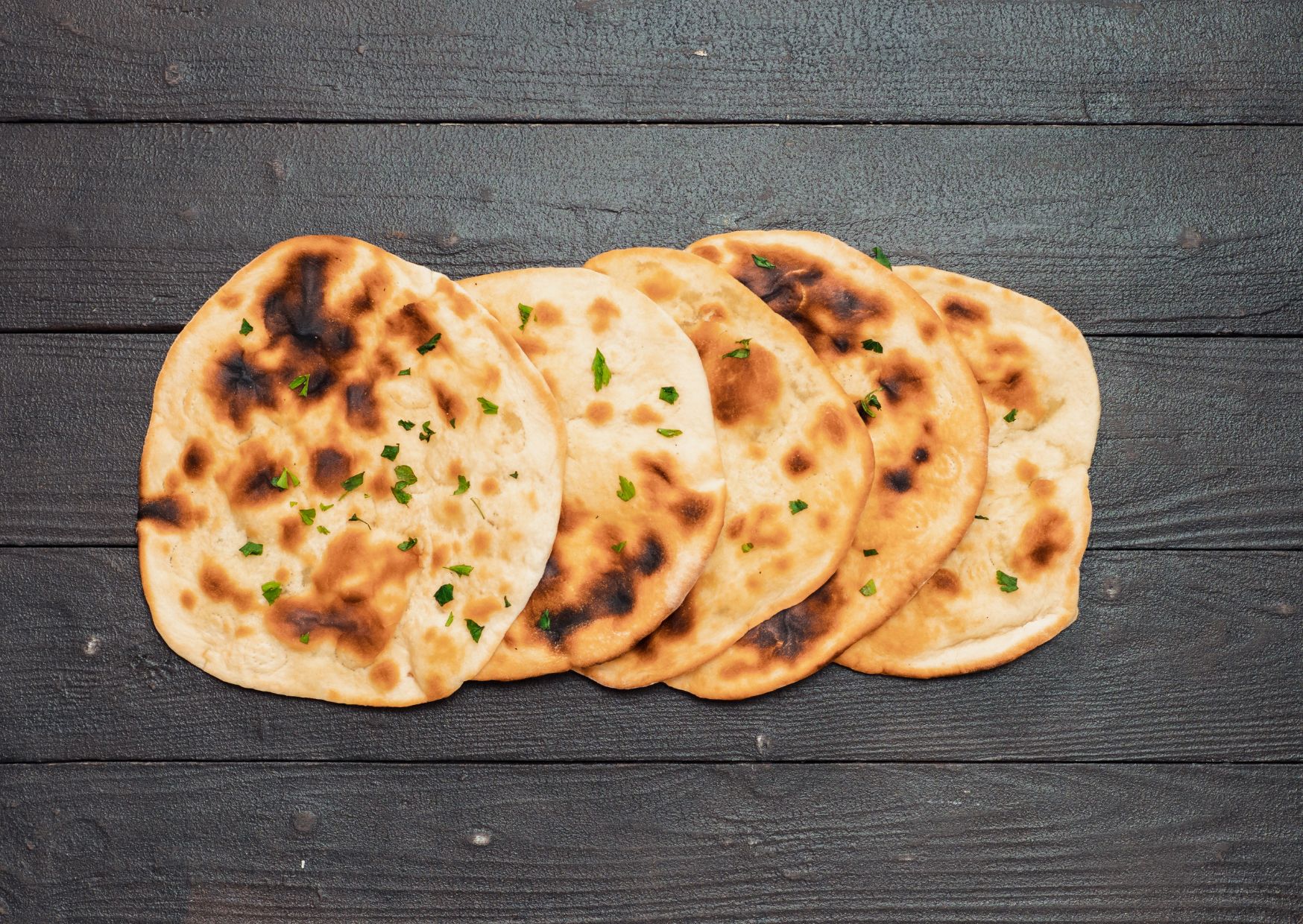
Piadina is a traditional Italian flatbread originating from Emilia-Romagna, particularly in Rimini and Cesena. It’s typically made with flour, lard or olive oil, water, and salt, then cooked on a flat griddle (testo or cast iron pan). Once cooked, it’s filled with prosciutto, stracchino cheese, arugula, grilled veggies, or Nutella for sweet versions.
Best Time to Eat & How to Partner Piadina
Piadina is best enjoyed as a lunch, light dinner, or hearty snack, especially when served fresh off the griddle. It’s a popular street food in Italy, often eaten on the go or during casual gatherings with family and friends. It also makes a perfect picnic staple or party dish.
Pair your piadina with Italian cured meats like prosciutto or mortadella, soft cheeses like squacquerone or stracchino, and fresh vegetables like arugula or tomatoes. For a sweet version, try it with Nutella or jam. To drink, it pairs beautifully with a light Italian wine, a sparkling water, or a cold beer.
For a full Italian-style meal, serve piadina with a simple side salad or a platter of marinated olives. Its versatility means it works for casual meals, appetizers, or even a part of an antipasto spread when entertaining guests.
One common misconception is that piadina is just another flatbread or wrap. While it may look similar to tortillas or pita, piadina has a unique texture and flavor thanks to its specific mix of ingredients — especially when made with traditional lard or Italian olive oil.
Another debated belief is that piadina is only good as a sandwich alternative. In reality, Italians enjoy it in many forms — as a snack, a meal on its own, or even as a dessert with sweet fillings. Its cultural significance in Emilia-Romagna makes it much more than just bread — it’s a symbol of regional identity.
Perhaps most surprising is the idea that you need professional equipment or a traditional piadina griddle to make it right. While a traditional terracotta griddle adds authenticity, a good nonstick pan or cast iron skillet works just as well at home, making this recipe accessible to any kitchen.
Piadina Romagnola Ingredients (Makes 6 medium piadine)
3 cups (375g) all-purpose flour
1/2 teaspoon baking powder (or 1/4 tsp baking soda)
1 teaspoon salt
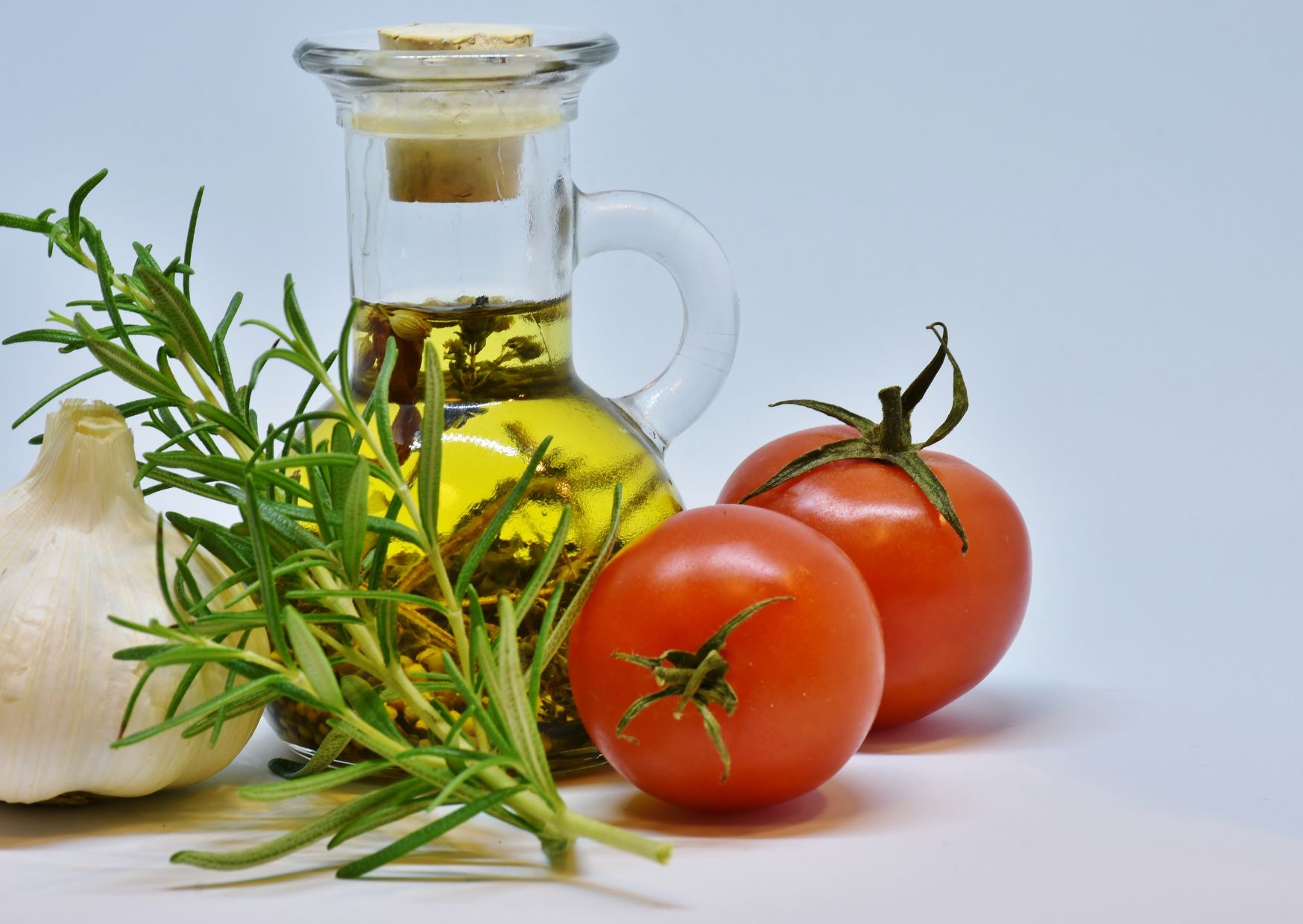
3 tablespoons lard (traditional) or olive oil (modern alternative)
3/4 cup (180ml) warm water (more if needed)
Traditionalists use lard for authenticity and flakiness, but olive oil is great too.
Piadina Romagnola Step-by-Step Instructions
Make the Dough
In a large bowl, mix flour, salt, and baking powder.
Add lard or olive oil, then gradually pour in warm water, mixing as you go.
Knead the dough for 8–10 minutes until smooth and soft.
Cover with a cloth or wrap and let rest for 30–45 minutes at room temperature.
Divide and Roll Out
Divide dough into 6 equal balls.
On a lightly floured surface, roll each ball into a thin circle about 8 inches (20 cm) wide.
Tip: Keep unused dough covered so it doesn’t dry out.
Cook the Piadine
Heat a cast iron skillet, flat pan, or griddle over medium-high heat.
Cook each piadina for 1–2 minutes per side, until golden brown spots appear.
Flip once; they should remain soft and pliable, but with a bit of crunch.
Tip: Pierce bubbles with a fork to keep them flat.
Fill and Fold
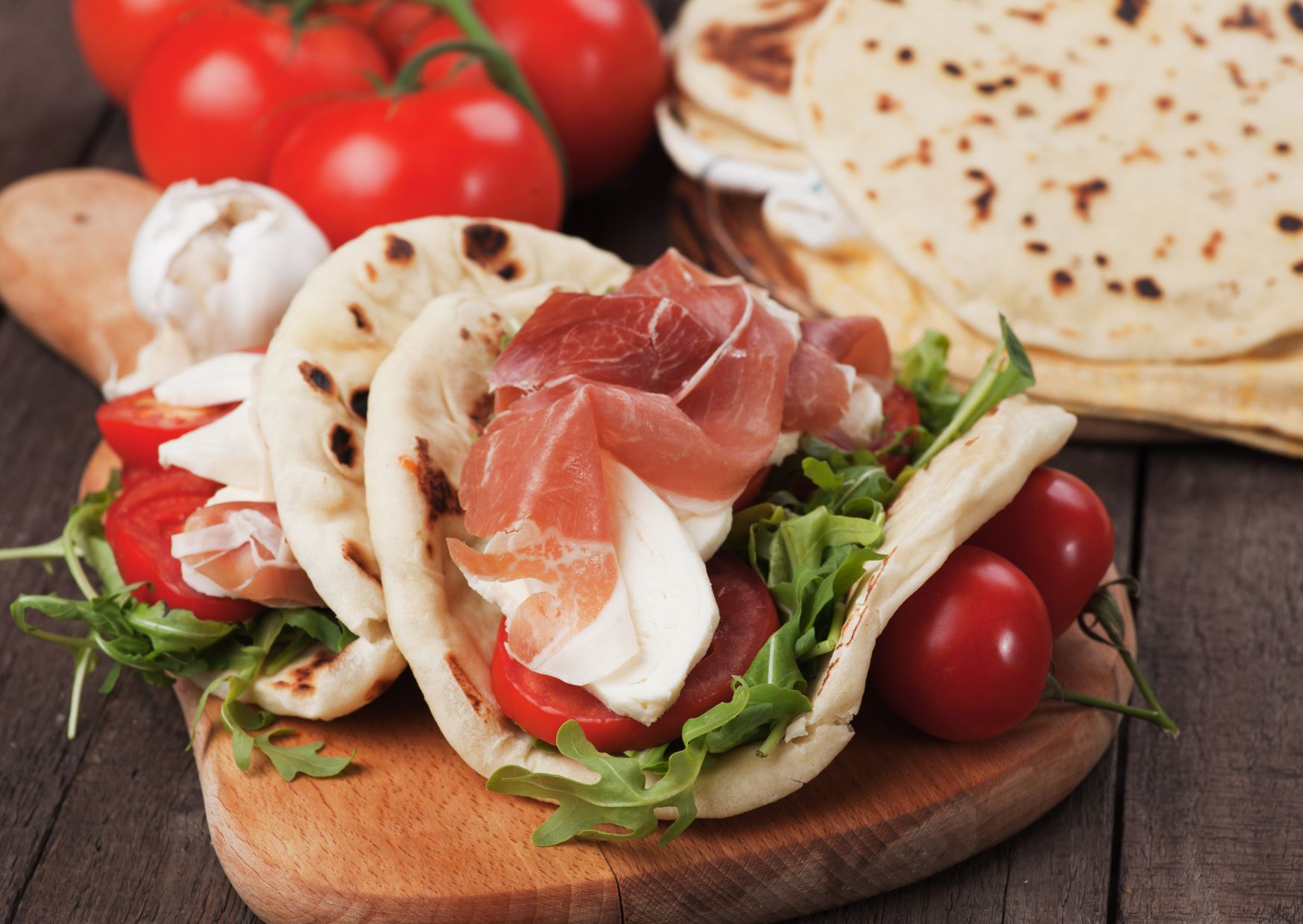
While still warm, fill with your choice of ingredients, fold in half, and serve immediately.
Filling Suggestions (Savory)
Prosciutto crudo + stracchino cheese + arugula (classic)
Grilled zucchini, eggplant, mozzarella
Tuna + tomatoes + fresh oregano
Sautéed mushrooms + fontina cheese
Ham + provolone + sun-dried tomatoes
Sweet Versions
Nutella + banana
Mascarpone + fig jam
Honey + ricotta + chopped walnuts
Variations
Whole wheat flour: Swap 50% flour for whole wheat for extra flavor
Vegan: Use olive oil and water only
Crispier piadina: Roll thinner and cook slightly longer
Piadina Romagnola Nutrition Info (Per plain piadina – without fillings)
Calories: ~220
Carbohydrates: 35g
Protein: 5g
Fat: 7g (more if made with lard)
Fiber: 1g
Sodium: ~300mg
Serving Ideas & Pairings
Serve warm with aperitivo (cheese, olives, cured meats)
Pair with Lambrusco, Sangiovese, or a cold beer
Great as picnic food, quick lunch, or part of an antipasto platter
Origin and History
The Piadina Romagnola, a soft, thin Italian flatbread, is one of Emilia-Romagna’s most treasured culinary creations. Its history dates back to ancient times, when rural farmers and shepherds made simple breads from flour, water, and lard. Originally cooked on clay griddles, or testi, over open fires, piadina was a humble staple—portable, filling, and endlessly versatile. Over the centuries, it evolved from peasant food to an icon of Italian street cuisine, symbolizing the heart and soul of Romagnan simplicity.
By the Middle Ages, piadina had become so beloved that even poets celebrated it. Italian author Giovanni Pascoli once called it “the bread of humanity,” emphasizing its cultural importance. It was the go-to meal for farmers who needed something quick and satisfying after long days in the fields. Made with minimal ingredients, it represented the ingenuity of rural Italians who could create incredible flavor from the simplest components—flour, water, fat, and salt.
Today, the piadina remains a culinary institution across Italy, though it’s still most associated with the coastal towns of Rimini, Cesena, and Forlì. Locals often enjoy it as a sandwich, folded around prosciutto di Parma, squacquerone cheese, and fresh arugula. In recent years, it has gained international attention as an artisanal street food—proof that Italy’s simplest recipes often turn out to be its most enduring.
Though universally loved, the Piadina Romagnola is not without controversy. The first—and fiercest—debate centers on ingredients, especially the choice between lard and olive oil. Traditionalists in Romagna argue that true piadina must be made with lard, which gives it its distinct softness and flavor. However, modern cooks, particularly outside Italy, prefer olive oil for health reasons. Purists see this as sacrilege, claiming that oil changes the texture entirely.
Another contentious issue is regional authenticity. The Protected Geographical Indication (PGI) status of Piadina Romagnola means that only flatbreads made in certain parts of Emilia-Romagna can officially bear the name. This has sparked debates between traditional artisans and modern chefs across Italy who wish to adapt the recipe freely. The question remains: does innovation enhance or erode culinary identity?
Even cooking methods are subject to dispute. Some insist that only the traditional clay testo can yield authentic results, while others argue that a modern griddle or cast-iron pan works just as well. Italians are famously passionate about food, and the piadina is no exception—every family has its own recipe, passed down through generations, each claiming theirs is the “real” one.
How Long You Take to Prepare
One of the best things about making Piadina Romagnola at home is how simple and fast it is. The entire process—from mixing the dough to cooking—takes about 45 minutes. Start by combining flour, lard (or olive oil), salt, baking soda, and warm water. The key is kneading until the dough becomes soft and elastic, which usually takes around 8 to 10 minutes. Then, let it rest for 30 minutes to relax the gluten and make it easier to roll out.
After resting, divide the dough into small balls, then roll each one into thin circles about 8 inches wide. Traditionally, piadina is slightly thicker than a tortilla but thinner than pita bread. The thickness affects both texture and flexibility—too thick, and it becomes chewy; too thin, and it loses its signature softness.
Cooking the piadina takes just a few minutes per side. Heat a griddle or heavy pan until very hot, then cook each flatbread until golden brown spots appear. The result is soft yet crisp, warm, and fragrant—a perfect blank canvas for any filling. Once you’ve made one batch, you’ll see why Italians swear by the fresh, homemade version over anything store-bought.
Serving Suggestions
The beauty of Piadina Romagnola lies in its versatility. Traditionally, it’s filled with prosciutto di Parma, creamy squacquerone cheese, and peppery arugula. The combination of salty, tangy, and fresh flavors defines the classic Romagnan style. Fold it in half and enjoy it warm—it’s as close to eating sunshine as you can get.
For a modern twist, you can experiment with fillings. Try roasted vegetables with goat cheese for a vegetarian option, or grilled chicken with pesto for a more substantial meal. Sweet versions are also popular—spread Nutella or honey and add sliced strawberries for an indulgent dessert piadina. The dough’s mild flavor complements both savory and sweet fillings beautifully.
Piadina also makes an excellent party food or quick lunch option. It’s easy to prepare ahead of time—just keep the cooked flatbreads wrapped in a cloth to stay soft. You can reheat them on a pan for a few seconds before serving. Pair your piadina with a glass of Sangiovese or a light Italian white wine for a meal that feels effortlessly elegant.
Final Thoughts
The Piadina Romagnola isn’t just a recipe—it’s a piece of living Italian culture. Born out of necessity, perfected through time, and now loved around the world, it embodies the best of Italy’s culinary philosophy: simplicity, quality, and connection. Every fold of dough, every bite of melted cheese and cured ham, tells a story of home, community, and craftsmanship.
Making piadina by hand offers more than just delicious results—it’s a reminder that great food doesn’t need to be complicated. With a few ingredients and a bit of care, you can recreate a tradition that has fed generations. It’s proof that rustic cuisine can be both humble and deeply satisfying.
So, the next time you crave something fresh and authentic, skip the sandwich bread and reach for a rolling pin. In less than an hour, you’ll have a warm, golden piadina ready to fill and fold. Once you’ve tasted it straight from the pan, soft and slightly smoky, you’ll understand why Italians could eat it every single day—and never tire of it.

About the Author: Ruben, co-founder of Gamintraveler.com since 2014, is a seasoned traveler from Spain who has explored over 100 countries since 2009. Known for his extensive travel adventures across South America, Europe, the US, Australia, New Zealand, Asia, and Africa, Ruben combines his passion for adventurous yet sustainable living with his love for cycling, highlighted by his remarkable 5-month bicycle journey from Spain to Norway. He currently resides in Spain, where he continues sharing his travel experiences with his partner, Rachel, and their son, Han.