
And what it reveals about tradition, labeling, and how sweetness and ancestry still live on the same plate in Spain
For travelers with dietary restrictions, ingredient lists are a sacred guide. In the United States, packaged goods and restaurant menus reflect this reality. Labels are detailed. Dishes are often flagged “vegan,” “vegetarian,” “dairy-free,” or “gluten-free.” The idea is simple — people want to know what’s in their food. And they expect transparency.
Then you arrive in Spain. You’re offered a flaky, sugar-dusted pastry in a village bakery. You bite into a soft Christmas treat from a grandparent’s table. You’re assured it contains no meat, no problem.
But what you’ve just eaten — unknowingly — contains manteca de cerdo, or pig fat.
To most Spaniards, this is not a lie. It’s not even worth mentioning. The dessert is sweet, plant-free in flavor, and part of a long tradition. But for many Americans — especially vegans, vegetarians, or those used to ingredient disclosure — this feels like a major betrayal.
Here’s why Spanish sweets often contain pork fat, how it remains nearly undetectable to foreign taste buds, and what this quiet cultural detail reveals about a country that still cooks with memory before marketing.
Want More Deep Dives into Everyday European Culture?
– Why Europeans Walk Everywhere (And Americans Should Too)
– How Europeans Actually Afford Living in Cities Without Six-Figure Salaries
– 9 ‘Luxury’ Items in America That Europeans Consider Basic Necessities
Quick and Easy Tips
Always ask before buying traditional pastries in Spain. Many sweets, especially in Andalusia, still use lard even if it’s not listed clearly.
Try modern alternatives. Some bakeries now offer olive oil–based versions of classic treats that maintain the traditional flavor profile.
If baking at home, experiment wisely. Coconut oil or vegan butter can work, but achieving the same texture as manteca requires patience and precision.
The use of pig fat in Spanish desserts sits at the crossroads of culture, religion, and modern dietary ethics. Historically, manteca was a practical choice—pork fat was abundant, cheap, and long-lasting in a pre-refrigeration world. But it also carried deeper social implications. During the Spanish Inquisition, the inclusion of pork fat in cooking was sometimes used as proof of Christian faith, setting a dangerous precedent that excluded Jewish and Muslim communities. In that sense, manteca isn’t just a cooking ingredient—it’s a historical artifact.
In today’s globalized food culture, that same ingredient sparks new debates. American tourists, often unaware of the presence of lard in traditional sweets, are surprised to learn that their “vegetarian” or “vegan” pastry wasn’t what they thought it was. Some accuse Spanish bakers of being deceptive, while others argue that it’s the visitor’s responsibility to understand what they’re eating. The tension highlights the cultural clash between modern food labeling norms and traditional artisan practices.
Then comes the broader ethical question: should traditional recipes evolve to meet modern moral standards, or should they remain untouched as living history? For some Spaniards, changing them would erase generations of craftsmanship. For others, adaptation ensures their survival in an increasingly plant-based world. The debate continues—but one thing is clear: whether you’re for or against manteca, its role in Spanish desserts proves that food is never just food. It’s memory, identity, and a conversation between past and present.
1. Manteca de Cerdo Isn’t Hidden — It’s Just Assumed
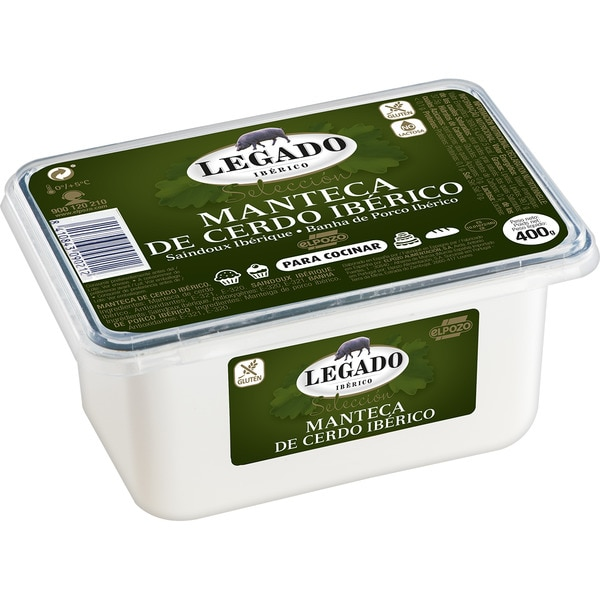
In Spain, manteca de cerdo (lard) is not disguised. It’s not trickery. It’s simply not treated like a shocking ingredient.
It’s common in Andalusian kitchens. It’s sold in white tubs next to butter. It’s used in pastries, stews, cookies, and holiday breads. And everyone who cooks with it… knows they’re cooking with it.
But for visitors unfamiliar with the term, or for those who ask “Is there meat in this?” — the answer is often “No,” because pork fat isn’t considered meat. It’s fat. It melts. It sweetens. And it’s been part of traditional recipes for centuries.
So when a Spaniard hands you a cookie and says “It’s vegetarian” — they mean there’s no visible meat, no chunks, no jamón. They’re not trying to mislead. They’re operating within a different food logic.
2. It’s Especially Common in Traditional Holiday Sweets
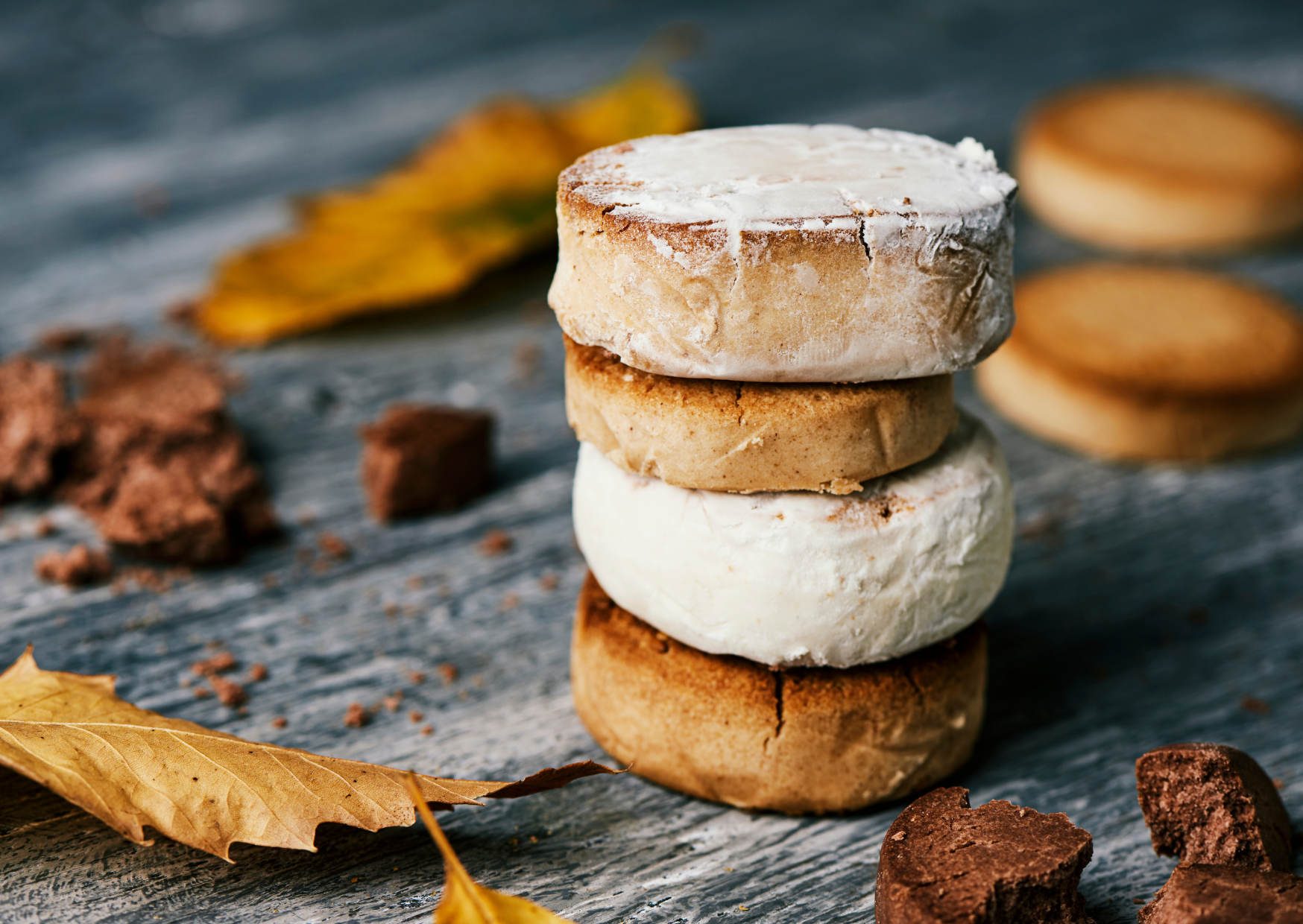
The most infamous example is mantecados — short, crumbly cookies made in winter and especially around Christmas.
The name literally comes from “manteca,” meaning lard, and the original versions were made almost entirely from flour, sugar, and pig fat.
Modern recipes sometimes use butter or vegetable oil. But in many homes and bakeries, especially in southern Spain, manteca remains the default.
There’s also:
- Polvorones — another dry, melt-in-your-mouth cookie often made with lard
- Tortas de manteca — flat cakes made with pork fat and sugar
- Ensaimadas — a coiled pastry from Mallorca, traditionally made with lard instead of butter
- Pestiños — deep-fried pastries glazed with honey, often made with lard in the dough
To an American vegan looking for almond flour and coconut oil, this can feel like sabotage.
But to a Spanish grandmother, it’s just how sweets are made.
3. It’s Nearly Impossible to Taste
Part of the confusion is that manteca de cerdo doesn’t taste like bacon. It’s neutral, creamy, and almost undetectable in flavor.
It doesn’t smell like pork. It doesn’t leave a greasy film. It melts seamlessly into dough, giving cookies a crumbly, almost sandy texture that butter can’t quite replicate.
That’s why many American tourists eat these sweets — love them, even — without ever realizing they’ve just broken their vegan or vegetarian routine.
Until they ask. And even then, the answer might be vague: “Oh, it just has flour and sugar… maybe a bit of manteca.”
4. Most Bakeries Don’t Label Ingredients
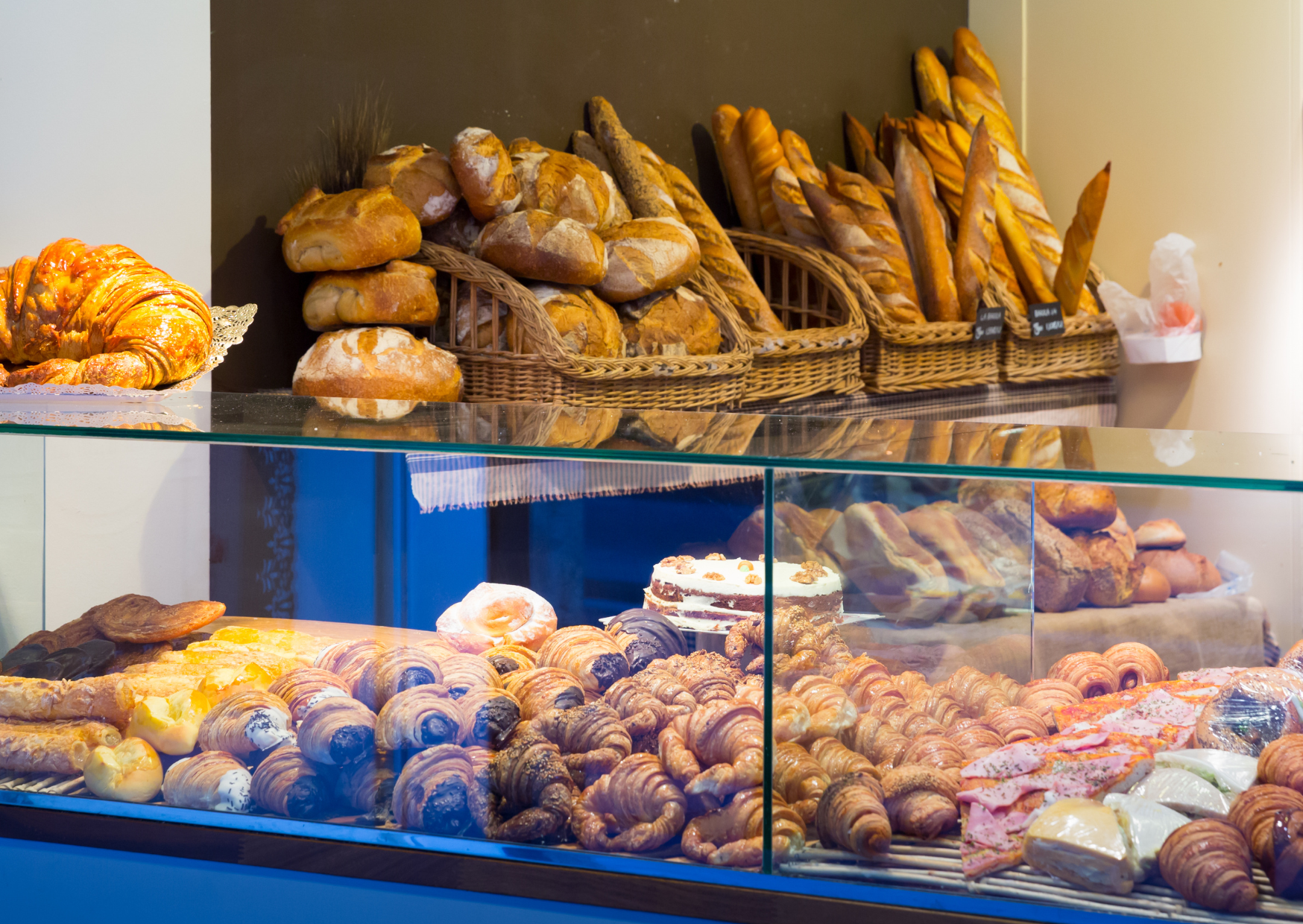
In the U.S., bakeries and cafés are increasingly transparent. Vegan options are marked. Ingredients are listed. Allergy notices are prominent.
In Spain, especially outside major cities, bakeries rarely label products with full ingredient lists. If you want to know what’s inside, you ask. And even then, you might get a general description — not a full breakdown.
This isn’t about secrecy. It’s about tradition over compliance. These recipes predate packaging laws. Many bakers don’t write down their ingredient lists — they carry them in their heads.
To Americans accustomed to precise dietary data, this feels frustrating. But to Spaniards, food isn’t a document. It’s a relationship.
5. Vegetarianism in Spain Is Still Evolving
While plant-based diets are growing in Spain — especially in big cities — the cultural logic of vegetarianism still differs from American norms.
In Spain, a dish without visible meat is often considered “vegetarian.” That might include broth made from jamón, beans cooked with pork rind, or desserts made with animal fat.
The concept of veganism is still unfamiliar in many parts of the country. Many older Spaniards don’t understand what it means — or why it matters. They don’t see lard as violating a vegetarian dish, especially if it’s a traditional sweet.
This doesn’t mean they’re resistant. But it means you need to ask specific questions — and explain what you mean.
6. Lard Is Treated as Better — Not Cheaper
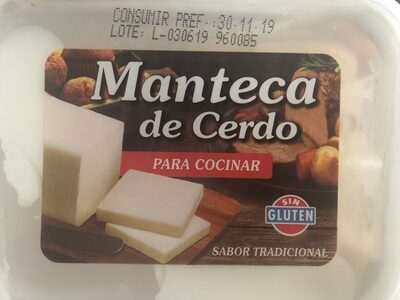
In American food culture, lard often carries a stigma. It’s seen as unhealthy, outdated, or inferior to butter or vegetable oils. People assume it’s a cheap filler.
In Spain, manteca is seen as a deliberate choice — not a cost-cutting substitute. In fact, many bakers choose lard over butter because of its texture and cultural authenticity.
Sweets made with manteca are often labeled as artesanal — handmade, traditional, and richer in flavor.
If you say, “Why not use oil?” you may get a look that says, “Then it wouldn’t be real.”
7. It’s Part of a Nose-to-Tail Philosophy
Spanish food culture deeply values using the whole animal. Pig fat in desserts isn’t waste — it’s tradition, conservation, and continuity.
This isn’t a gimmick. It’s a worldview.
You use what you have. You respect what’s available. And you incorporate it into daily life without labeling it as odd.
In America, people slice pork tenderloin and discard the rest. In Spain, the same pig becomes jamón, caldo, croquetas, lard, chorizo, and more — including cookies.
To remove lard from a recipe isn’t just about health. It’s about breaking continuity with memory.
8. Asking About It Can Still Be Awkward
Even if you speak fluent Spanish, asking “¿Tiene manteca de cerdo?” (Does this have pork fat?) can feel awkward — especially in small towns.
The person behind the counter may not know. Or may answer casually: “Just a little.” Or may not understand why you’re asking.
In Spanish culture, food preferences are respected. But dietary restrictions — especially ethical or identity-based ones — are still not treated with the same urgency.
You’re expected to navigate, not to demand. If you need something specific, you’ll often need to bring your own solution.
9. The Sweetness Is About More Than Taste
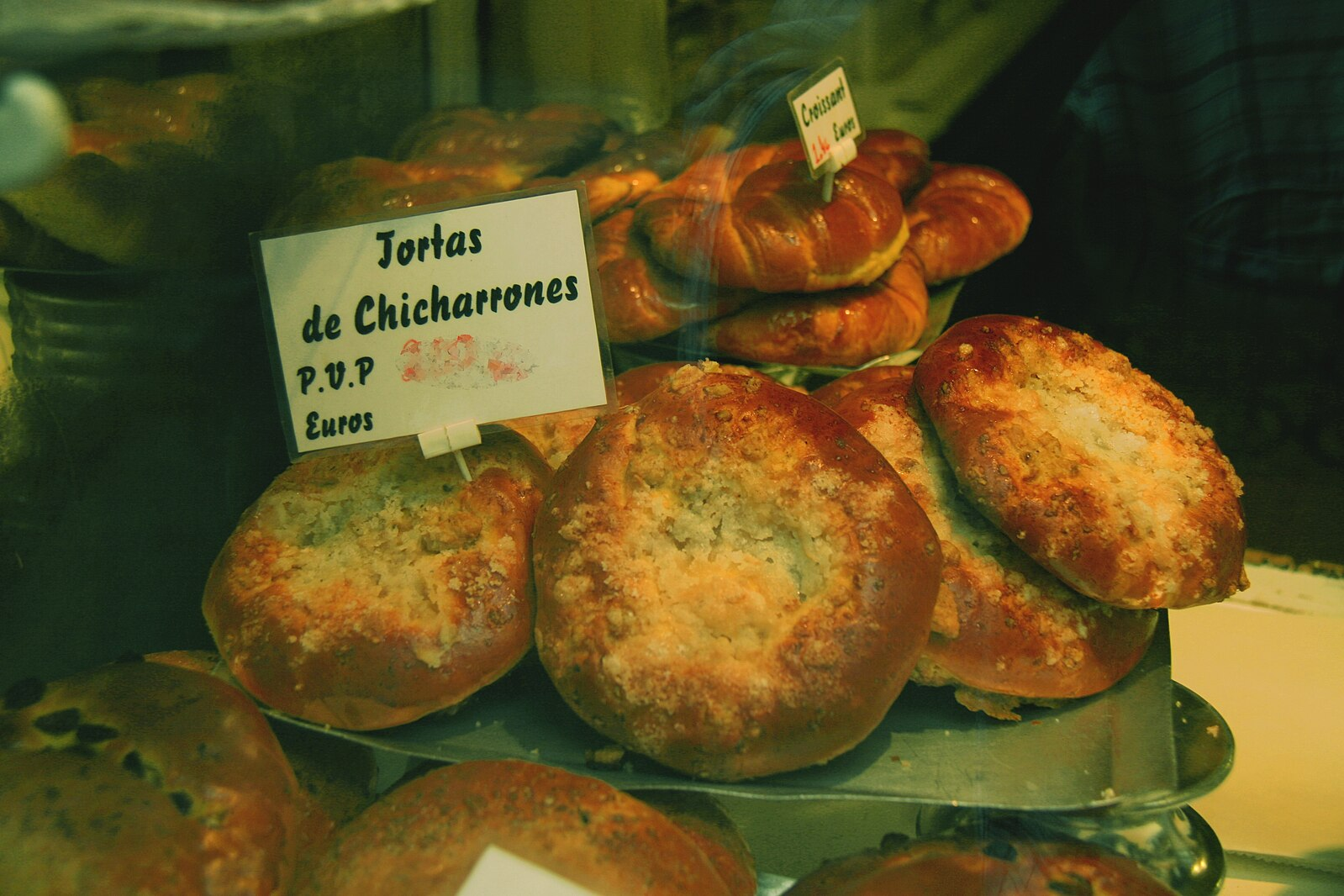
At the heart of this culinary tradition is a reality that doesn’t translate well to American food culture: desserts are emotional before they are nutritional.
A mantecado is tied to family. It’s passed around on Christmas Eve. It’s eaten in summer on road trips. It’s bought from a neighborhood bakery run by the same family for forty years.
Asking someone to remove the manteca is like asking them to remake a memory.
That doesn’t mean Spanish culture can’t adapt — it is adapting. Vegan bakeries now exist in cities like Madrid, Barcelona, and Valencia. But the old sweets live on, pig fat and all.
Because to many Spaniards, a sweet is sweet not just in taste, but in time.
One Cookie, Two Perspectives
To Americans, pig fat in a dessert — especially undisclosed — feels deceitful. Even revolting.
To Spaniards, it feels essential, traditional, and normal.
To an American vegan, it’s a serious dietary violation.
To a Spanish baker, it’s a detail — not a betrayal.
In the U.S., sweets are filtered through labels, ethics, and health fads.
In Spain, sweets are filtered through ancestry, texture, and memory.
So if you’re traveling in Spain, and you bite into something delicious, don’t panic. Just ask. Learn. Understand that behind that crumbly texture is a culture still very much tied to the past — and proud of it.
Spain’s dessert traditions are built on centuries of resourcefulness, where no ingredient went to waste and every flavor had a purpose. The use of pig fat, known as manteca, in pastries and sweets might sound shocking to outsiders, but in Spanish kitchens, it’s a mark of authenticity and heritage. Before the age of butter and processed oils, manteca was a common, flavorful fat that gave sweets their unique texture and depth. For Spaniards, it isn’t controversial—it’s cultural.
Modern palates, especially in places like the United States, often separate the savory from the sweet. But in Spain, that line has always been blurred. Whether it’s in Polvorones, Mantecados, or Roscos de vino, pig fat adds richness that plant-based or hydrogenated alternatives can’t quite replicate. It’s what gives traditional holiday cookies their melt-in-the-mouth consistency—a culinary signature that can’t be easily mimicked without sacrificing authenticity.
As global diets shift and veganism grows, Spain faces the delicate balance of preserving heritage while accommodating modern preferences. But even as some bakers turn to olive oil or plant-based substitutes, the traditional recipes still stand as a testament to a time when food was about practicality, flavor, and survival. Understanding that doesn’t require approval—just appreciation for a history that’s as complex as its cuisine.

About the Author: Ruben, co-founder of Gamintraveler.com since 2014, is a seasoned traveler from Spain who has explored over 100 countries since 2009. Known for his extensive travel adventures across South America, Europe, the US, Australia, New Zealand, Asia, and Africa, Ruben combines his passion for adventurous yet sustainable living with his love for cycling, highlighted by his remarkable 5-month bicycle journey from Spain to Norway. He currently resides in Spain, where he continues sharing his travel experiences with his partner, Rachel, and their son, Han.