
(And Why Americans Might Be Avoiding the Wrong Things)
To many Americans, health is a checklist: green smoothies, high-protein meals, 10,000 steps, no alcohol, early bedtimes, and plenty of supplements. It is structured, rule-bound, and often guilt-driven.
But in Europe—particularly in Southern countries like Italy, Spain, France, and Greece—you’ll find people living well into their 80s and 90s while doing everything Americans are told not to do. They drink wine. They eat white bread. They stay up late. And somehow, their health outcomes often surpass those in the U.S.
This isn’t coincidence. It’s not just genetics either. It is a different approach to daily life—one where habits that look “unhealthy” on the surface actually build resilience, lower stress, and improve quality of life.
Many American health experts might cringe at some traditional European habits, labeling them as indulgent, risky, or simply bad for your health. Think daily glasses of wine, eating full-fat cheeses, or taking long midday naps instead of “hustling” through the afternoon. However, numerous studies show that these very habits, when practiced moderately and culturally embedded, actually contribute to lower stress levels, better cardiovascular health, and even increased lifespan across Mediterranean and certain Central European countries.
Yet critics argue that glorifying these habits overlooks broader lifestyle differences. For example, while Italians might eat pasta daily, they also walk more, eat smaller portions, and prioritize fresh local ingredients over processed foods. Simply importing European habits without adopting their holistic lifestyle context can backfire. Drinking wine daily in an American fast-paced, high-stress work culture while maintaining a sedentary routine won’t magically yield the same health benefits observed in rural France or southern Spain.
Additionally, some public health advocates caution against idealizing these habits as longevity hacks. They argue that praising them ignores genetic factors, universal healthcare access, and robust social structures that underpin European longevity rates. Without these systemic supports, isolated habits like daily wine or buttered croissants might not just be unhelpful—they could be harmful if overdone without moderation, mindfulness, and balance.
Adopt moderation. Europeans often enjoy treats in small portions rather than bingeing. Focus on quality over quantity.
Move daily. Many Europeans walk to markets, cafes, or work. Integrate natural movement into your routine.
Slow down meals. Eating slowly and socially improves digestion and satisfaction—try it for your next lunch or dinner.
Here are nine so-called bad habits that Europeans keep—and why they might actually be helping them live longer.
Want More Deep Dives into Everyday European Culture?
– Why Europeans Walk Everywhere (And Americans Should Too)
– How Europeans Actually Afford Living in Cities Without Six-Figure Salaries
– 9 ‘Luxury’ Items in America That Europeans Consider Basic Necessities
Quick, Easy Tips to Adopt European Longevity Habits
Enjoy meals slowly: Savor your food instead of rushing through it.
Walk more: Europeans build movement naturally into their day through walking.
Prioritize social connection: Regular meals with friends and family improve well-being.
Allow small indulgences: A pastry or glass of wine can be part of a balanced lifestyle.
Create routines with pleasure: Focus on habits you can maintain, not extreme restrictions.
Live slower: Stress less about perfection and focus more on living well.
Across the Atlantic, many European lifestyle habits are often viewed by Americans as indulgent or unhealthy. Long lunches with wine, late-night meals, daily pastries, and slower workdays don’t exactly fit the traditional “health advice” narrative. Yet paradoxically, many European countries enjoy longer life expectancies, lower rates of chronic illness, and stronger community well-being. This disconnect has sparked debate about what truly defines a healthy life.
One controversial perspective is that the American obsession with restriction—low-carb diets, rigid schedules, and fast-paced routines—may overlook the health benefits of enjoyment and balance. Europeans, on the other hand, often prioritize pleasure in moderation. Wine with dinner, walking instead of driving, and long social meals are less about excess and more about quality of life.
Critics argue that these habits only work because of cultural and systemic differences. Supporters, however, believe that the core principles—slower living, real food, and meaningful connections—can be adopted anywhere. This debate isn’t about which lifestyle is better, but about rethinking what “healthy” really means.
1. They Eat White Bread Every Day

In the U.S., white bread is vilified. It’s labeled “empty carbs,” blamed for weight gain, and avoided by health-conscious shoppers. But in countries like France, Spain, and Italy, white bread is a daily staple.
- In France, fresh baguettes are bought every morning.
- In Italy, crusty loaves are served at every lunch and dinner.
- In Greece, thick slices of white bread often accompany dips and spreads.
So why doesn’t this cause the same problems? Because the bread is fresh, fermented, and part of a whole meal—not ultra-processed, sugar-laced, and eaten in isolation. It’s also consumed mindfully, not in the car between errands.
2. They Drink Wine With Lunch (and Dinner)

Many Americans consider daily drinking a red flag. But in much of Europe, a glass of wine at lunch is not indulgence—it’s routine.
- Red wine is especially common in Italy, France, and Spain.
- Portions are small, not binge-sized.
- Wine is sipped slowly, always with food, and often socially.
This habit has been linked to improved cardiovascular health, especially when part of the Mediterranean diet. It reduces stress, enhances digestion, and reinforces social connection—factors that contribute more to longevity than abstinence alone.
3. They Stay Up Late—and Sleep In

“Early to bed, early to rise” is the American ideal. Productivity is king. But in Southern Europe, the day starts later and ends later—and no one apologizes for it.
- In Spain, it’s common to eat dinner at 9 or 10 p.m.
- Shops may not open until 10 a.m.
- Evening walks, long conversations, and late family dinners are the norm.
Though it may sound lazy to some, the rhythm allows for better social interaction, more relaxed meals, and less rushed evenings. Sleep is still valued—it’s just not required to start at 9 p.m.
4. They Sit for Long Meals Without Guilt

In the U.S., long meals are often seen as unproductive. “Eat and get going” is the norm. But across Europe, meals stretch for an hour or more—especially lunch and dinner.
- People sit, talk, and eat slowly.
- There is no pressure to multitask or finish quickly.
- The pace of eating supports digestion and prevents overeating.
This slowness does not just improve health. It reduces stress and builds relationships—two powerful predictors of long life.
5. They Use Real Fat—Generously

Butter, olive oil, lard. In many American households, these are used sparingly, if at all. In Europe, they are essential building blocks of flavor and nutrition.
- Italians use olive oil liberally, not as a garnish.
- The French are not afraid of butter.
- Traditional Greek cooking often includes full-fat cheeses and oils.
The difference? These fats are natural, not processed, and paired with whole foods. They are also part of a balanced lifestyle that includes walking, social eating, and stress-reducing rituals.
6. They Take Breaks—Real Ones

In the U.S., taking a break often means scrolling on your phone between tasks. In Europe, breaks are built into the rhythm of the day.
- A morning coffee break is sacrosanct in Italy.
- A proper lunch hour still exists in Spain and France.
- Evenings are meant for rest, not just catching up on what you didn’t finish earlier.
These pauses lower cortisol levels and protect mental health. The result is a calmer nervous system—and often, better long-term outcomes for heart health and sleep.
7. They Don’t Obsess Over Exercise—They Just Move

Fitness culture in the U.S. is goal-driven. HIIT classes, fitness trackers, and apps dominate. In Europe, movement is integrated into daily life without labels.
- People walk everywhere, often multiple times a day.
- Markets, errands, and social visits are done on foot.
- Elevators are avoided. Stairs are normal.
There is rarely “workout guilt.” No one is counting steps or pushing to failure. Yet obesity and chronic disease rates are often lower in countries that simply prioritize walking, biking, and living in movement-friendly cities.
8. They Take Their Time to Eat “Forbidden” Foods
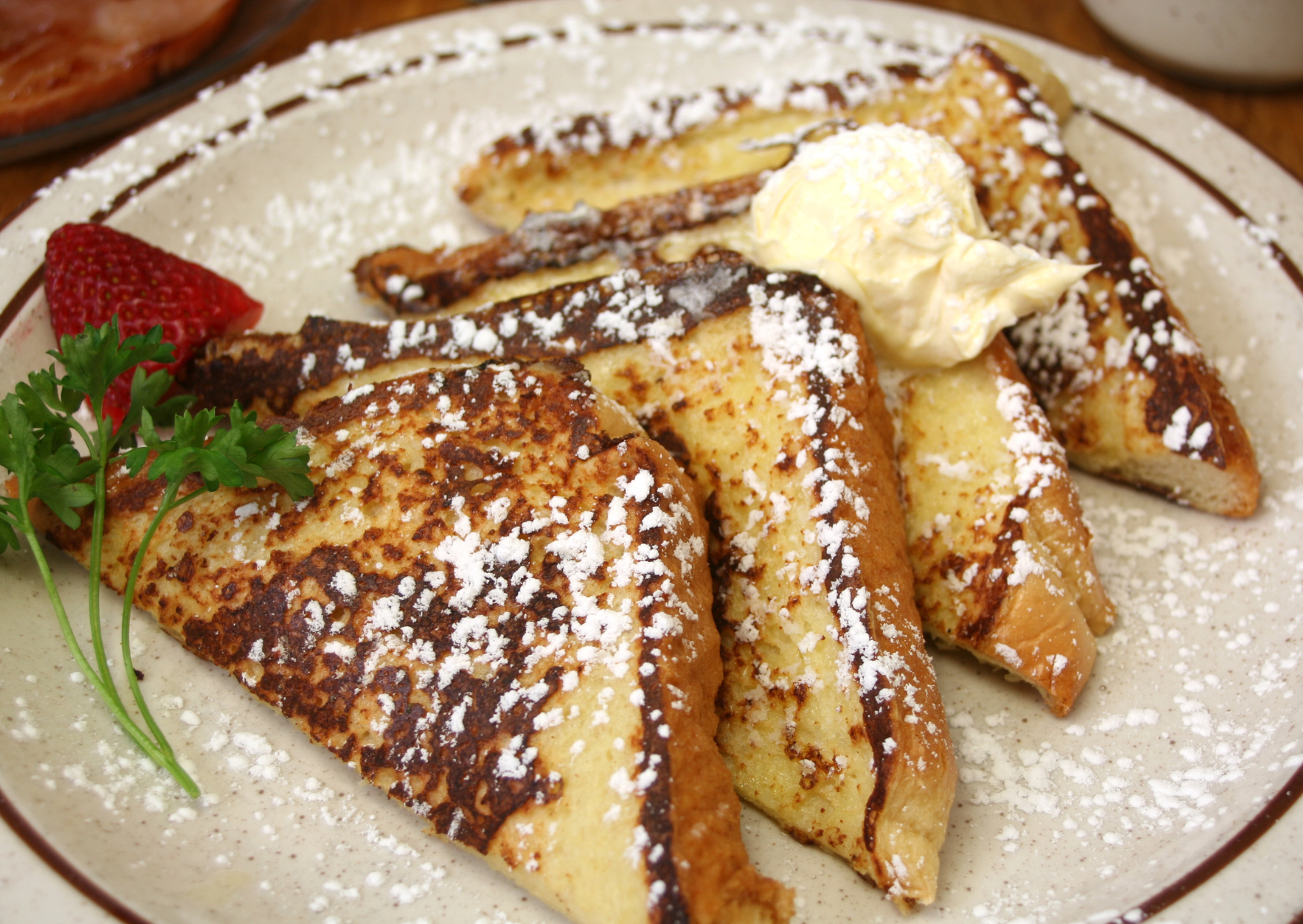
Pastries. Pasta. Gelato. Cheese. Americans tend to view these foods as treats to be earned, justified, or limited. Europeans eat them without apology.
- A French breakfast might include a buttered croissant.
- Italians enjoy pasta almost every day.
- Greeks eat honey-drenched desserts after hearty meals.
What’s different is the attitude. These foods are not inhaled out of guilt. They are savored slowly, as part of a full meal, with others. That ritual—and that joy—actually contributes to healthier digestion and a more intuitive relationship with food.
9. They Don’t Fear Aging

In the U.S., aging is something to resist. Anti-aging creams. Supplements. Cosmetic surgery. Fitness as youth preservation.
In much of Europe, aging is expected, respected, and welcomed.
- Older people remain active members of society.
- Multigenerational living is common.
- Beauty is defined by vitality and presence—not youth.
This approach leads to lower levels of anxiety around body image and time. People do not see health as a battle against aging, but as a way to stay vibrant within it. And that shift in mindset? It has real effects on stress, sleep, and quality of life.
What Looks Unhealthy May Actually Be Balance
Many of these habits appear unhealthy only when removed from their full context. Drinking wine alone while binge-watching TV is not the same as sipping wine with family over dinner. Eating white bread in a car is not the same as eating it with olive oil and fresh vegetables at a table.
The difference is not the food or the action. It is the culture surrounding it.
Southern Europeans have built rituals that promote calm, connection, and pleasure—three ingredients that the U.S. often undervalues in its obsession with metrics and optimization.
If you’re avoiding all carbs, forcing yourself to sleep early, and treating rest like laziness, it may be worth stepping back. Ask not only what keeps you alive—but what makes that life worth living.
Longevity isn’t just shaped by diets, gym memberships, or supplements. It’s also about how people live each day. European habits may appear “unhealthy” on the surface, but they reflect a deeper cultural commitment to balance, connection, and enjoyment. These are powerful, often overlooked factors that contribute to both physical and mental well-being.
Instead of focusing solely on what to cut out, many Europeans emphasize what to savor. Whether it’s taking long walks, eating real food without guilt, or spending hours around a shared table, these small daily choices add up over time. They create a lifestyle that is sustainable, enjoyable, and surprisingly health-promoting.
In the end, healthy living isn’t just about rules—it’s about rhythm. Borrowing a few of these “unhealthy” habits may not just make life feel richer; it might also make it last longer.

About the Author: Ruben, co-founder of Gamintraveler.com since 2014, is a seasoned traveler from Spain who has explored over 100 countries since 2009. Known for his extensive travel adventures across South America, Europe, the US, Australia, New Zealand, Asia, and Africa, Ruben combines his passion for adventurous yet sustainable living with his love for cycling, highlighted by his remarkable 5-month bicycle journey from Spain to Norway. He currently resides in Spain, where he continues sharing his travel experiences with his partner, Rachel, and their son, Han.