
(And Why It Shapes How People Feel, React, and Connect in Daily Life)
English is a rich language. It can be precise, poetic, adaptable, and global. But when it comes to emotional expression, especially the kind that lives in the body, in the moment, or between people—English falls short.
In Mediterranean countries like Italy, Greece, Spain, and parts of southern France, people rely on words, phrases, and expressions that carry emotional weight, even when they cannot be neatly translated. These are not just vocabulary quirks. They reflect a way of being, feeling, and relating to others that is embedded in the culture.
Here are nine emotional expressions Mediterranean cultures use regularly—none of which have a real equivalent in English. And each one reveals something deeper about how people live and connect in these places.
Want More Deep Dives into Everyday European Culture?
– Why Europeans Walk Everywhere (And Americans Should Too)
– How Europeans Actually Afford Living in Cities Without Six-Figure Salaries
– 9 ‘Luxury’ Items in America That Europeans Consider Basic Necessities
Quick Easy Tips
Learn untranslatable words – Words like saudade (Portuguese) or meraki (Greek) carry deep cultural insights.
Pay attention to emotional nuance – Mediterranean languages often describe feelings in layered, poetic terms.
Use body language intentionally – In many Mediterranean cultures, expression includes tone, hands, and eye contact.
Talk about feelings openly – Emotions are part of daily conversation, not just therapy sessions.
Practice slowing down speech – Mediterranean dialogue allows for pauses, storytelling, and emotional presence.
English is a powerful language for commerce, technology, and legal clarity—but it often fails miserably at expressing emotional depth. Mediterranean languages like Italian, Greek, and Spanish have a rich vocabulary of feeling that is often impossible to translate. Words like pena, duende, or struggimento don’t just describe emotions—they evoke entire atmospheres. Many in Mediterranean cultures grow up with emotional fluency, while English speakers are left clumsily describing nuance with the same recycled adjectives: “sad,” “happy,” “excited.”
This linguistic gap might explain why Mediterranean people are often perceived as more passionate or expressive. They aren’t necessarily feeling more than others—they just have the cultural and verbal tools to describe it. In contrast, many English-speaking cultures treat emotional expression as something private or even embarrassing. That repression creates not just a communication barrier but a disconnect from shared humanity. What happens when you can’t even name what you’re feeling?
Critics might argue that these emotional words are too “poetic” or impractical, but that’s the point. Mediterranean cultures treat emotional experience as art—not as weakness or inefficiency. The idea that emotions need to be “managed” or “toned down” is a very Anglo-American framework. In the Mediterranean world, expressing what you feel in all its beauty, contradiction, and chaos is a kind of truth-telling. It’s not just how they speak—it’s how they connect.
1. “Mεράκι” (Meraki) — Greek
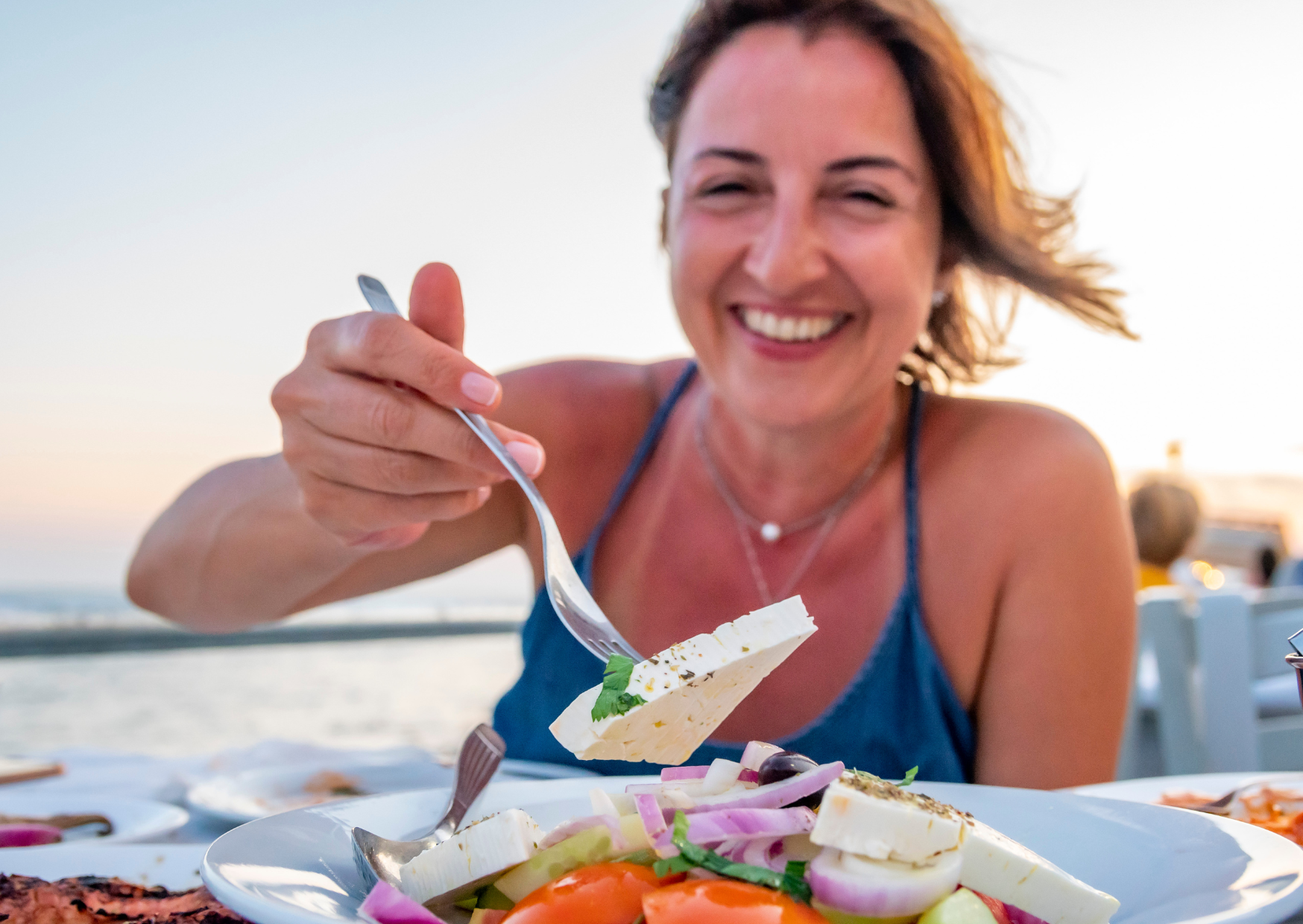
This word refers to doing something with soul, creativity, or love—to put a piece of yourself into your work. It is most often used when describing cooking, crafting, or caring for something.
- A grandmother makes a pie with meraki.
- An artisan carves wood with meraki.
- It implies devotion, not duty.
In English, we might say “made with love,” but meraki is quieter, more embodied. It is not about performance. It is about intention. You can taste it. You can feel it.
2. “Saudade” — Portuguese
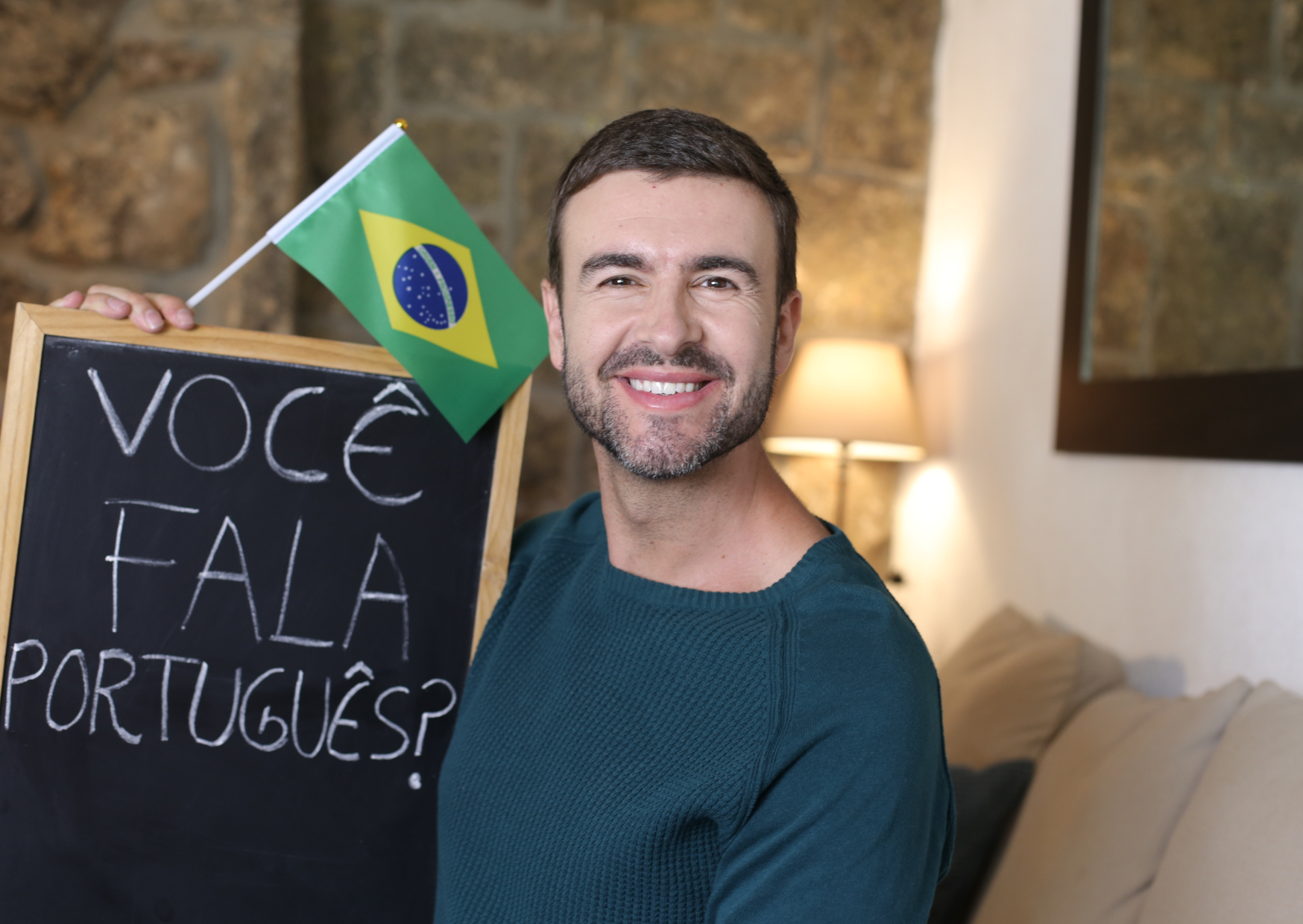
While Portugal is not Mediterranean by strict geography, this word echoes across Mediterranean cultures.
Saudade is a longing, a nostalgic ache, a sense of absence for something or someone that once was—or might never be again. It is sweet and sad at the same time.
- You can feel saudade for a lost lover, a childhood summer, or a home that no longer exists.
- It is not depression or sadness. It is poetic absence.
- It holds space for beauty in grief.
English tries phrases like “I miss it” or “bittersweet,” but none match the deep, emotional weight of saudade.
3. “Vergüenza Ajena” — Spanish

This is the discomfort you feel on behalf of someone else’s embarrassment—even if they do not notice or care.
- Watching someone perform badly and not realize it.
- Hearing a cringeworthy speech.
- Witnessing someone act inappropriately in public.
It is not about shame directed inward. It is empathy laced with discomfort. English does not have a word for this. In Spain, everyone knows what you mean when you say “qué vergüenza ajena”. It is a shared social awareness.
4. “Mångata” — While not Mediterranean, similar terms exist in Italian poetic speech
This Swedish word describes the reflection of the moon on water, but in Mediterranean languages, especially Italian and Catalan, you find similar poetic terms for everyday sights that move the soul.
In Italy, someone might say “un riflesso che toglie il fiato” (a reflection that takes your breath away), which is not a dictionary word, but a cultural shorthand for noticing beauty with emotion.
Where English often leans on metaphor, Mediterranean languages often live inside metaphor, allowing people to describe fleeting sensations without overthinking.
5. “Parea” (Παρέα) — Greek
A parea is not just a group of friends. It is a gathering of people who enjoy each other’s company, who talk about life, share food, and spend time in an unhurried way.
- There is no agenda.
- It can last for hours.
- It is about presence and conversation.
In English, we might say “hangout,” “gathering,” or “dinner with friends.” But parea is warmer, slower, and more human. It describes the space between people where something gentle and meaningful happens.
6. “Magone” — Italian
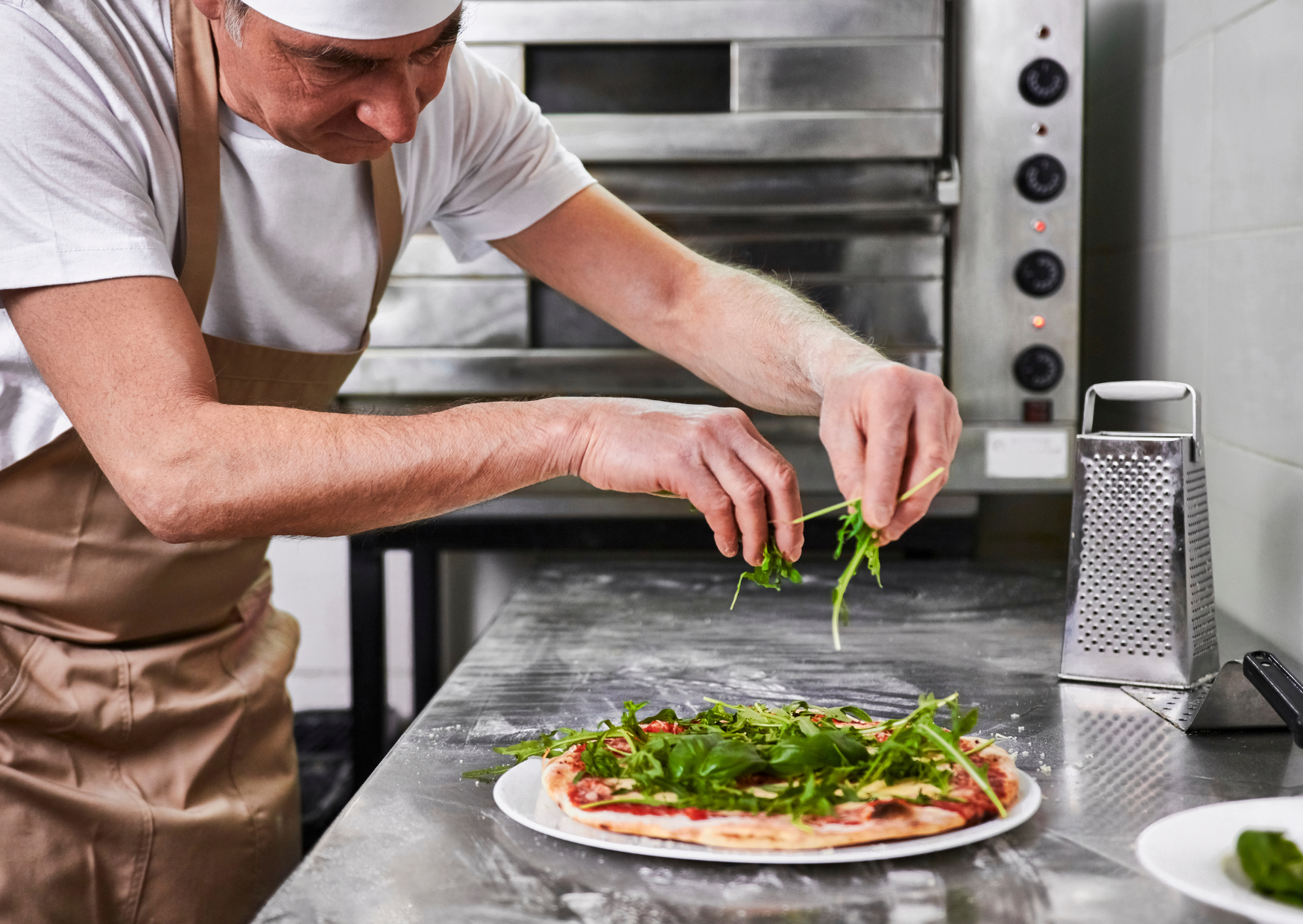
Magone refers to the tightness in the throat you feel when you are about to cry but hold it in. It is a physical emotion.
- It is grief held just below the surface.
- Often used when someone tries to be strong but is clearly shaken.
- “Mi è venuto il magone” means “I got choked up.”
This is not quite sadness. It is the embodied restraint of sadness, which English does not describe so well. It lives in the chest and throat, not just the mind.
7. “Desgana” — Spanish

Desgana is the feeling of having no desire to do something even though you are expected to do it. It’s not laziness. It is a reluctant drag.
- You get out of bed with desgana.
- You cook dinner with desgana after a long day.
- You go to a family event with desgana, because you must.
English offers “not in the mood” or “unmotivated,” but neither carries the emotional heaviness of obligation mixed with fatigue. In Spain, people understand when you say “lo hago con desgana.” No explanation needed.
8. “Sprezzatura” — Italian
Coined during the Renaissance, this word describes a kind of effortless grace—the art of making difficult things look easy.
- A perfectly tailored jacket worn with casual charm.
- A violinist playing a complex piece with relaxed hands.
- A host preparing a dinner that feels spontaneous but is beautifully thought-out.
There is no equivalent in English. “Effortless” or “cool” do not capture the same blend of mastery and humility. Sprezzatura is not natural-born talent. It is cultivated nonchalance.
9. “Dolce Far Niente” — Italian

Literally, “the sweetness of doing nothing.” But it means much more than laziness or idleness.
- It is the joy of sitting in the sun.
- Of staring out the window without checking your phone.
- Of listening to birds with no urgency to act.
This concept is foundational in Italian life, especially on Sundays or in the quiet hours after lunch. It does not exist in American English. The closest we have is “taking a break,” which often comes with guilt.
Dolce far niente is not time wasted. It is time savored. And for many Mediterranean people, it is where clarity and joy are born.
Why These Words Matter
Language shapes how we see and feel the world. When a culture has a word for an emotion, it becomes recognizable, valid, and sharable. When that word does not exist, the emotion often remains invisible.
Mediterranean languages are deeply emotional—not just expressive in tone, but structured around emotional nuance. They give names to:
- The way people connect
- The physical feeling of restraint or joy
- The space between pleasure and grief
- The moments that matter but are hard to describe
What This Tells Us About Mediterranean Culture
These words reflect values that go beyond vocabulary. They reveal cultures that:
- Live through feeling, not just logic
- Value presence, even when nothing is happening
- Recognize shared emotional experience, from joy to awkwardness
- Preserve language that connects the body and the heart
Mediterranean cultures are not obsessed with emotional control. They do not aim to tidy up feelings. They name them. They live with them. And they make space for them in daily life.
That is the power of emotional language. It tells people: you are not alone in how you feel. Even if the feeling is difficult. Even if there is no solution.

About the Author: Ruben, co-founder of Gamintraveler.com since 2014, is a seasoned traveler from Spain who has explored over 100 countries since 2009. Known for his extensive travel adventures across South America, Europe, the US, Australia, New Zealand, Asia, and Africa, Ruben combines his passion for adventurous yet sustainable living with his love for cycling, highlighted by his remarkable 5-month bicycle journey from Spain to Norway. He currently resides in Spain, where he continues sharing his travel experiences with his partner, Rachel, and their son, Han.