
If your idea of retirement is sunshine, walkable streets, and a monthly budget that finally breathes, follow where Europeans actually go. These are the cities that pair low housing costs with everyday ease, not fantasy prices or false promises.
Stand on a seaside paseo in early evening and count the languages. Dutch couples in linen. German and French grandparents strolling with gelato. A British book club comparing notes on tomorrow’s market. These are not two-week tourists. They live here. All year.
Ask why and the answers rhyme. Rent that does not strangle a fixed income. Doctors close by. Trains instead of traffic. A climate that is kind to knees. A daily life that asks less from your wallet and your nerves.
Americans often chase the same idea, then lose the plot in the wrong postcodes. They look at Italy and only price Florence. They look at Portugal and only search the Algarve waterfront. They look at Spain and only see Barcelona and Madrid. Europeans do something simpler. They skip the trophy neighborhoods, pick mid-sized cities with services, settle near real airports, and keep monthly housing under control.
This guide follows their map. Six regions where European retirees have quietly gathered for decades, with city names that will sound familiar once you arrive, and monthly rents that can sit below what many Americans pay for a one-bedroom back home. The goal is not to sell you a dream. The goal is to point you to places where the numbers and the lifestyle line up.
Before we start, a benchmark. In mid-2025, national rent trackers place the typical U.S. asking rent around two thousand dollars for new listings, with other datasets showing national medians in the high fourteens to mid-sixteens for leased one-bedrooms. Those are countrywide figures. Major metros run higher. When you see the rents below, you will understand why a European retirement can cost less than a single American housing bill.
Want More Deep Dives into Other Cultures?
– Why Europeans Walk Everywhere (And Americans Should Too)
– How Europeans Actually Afford Living in Cities Without Six-Figure Salaries
– 9 ‘Luxury’ Items in America That Europeans Consider Basic Necessities
Quick and Easy Tips
Research cost of living by region. Southern Europe—like Portugal’s Algarve or Spain’s Andalusia—offers some of the lowest daily costs with high quality of life.
Check visa and tax agreements. Some countries have special retirement or “non-lucrative” visas for foreigners, along with tax incentives for pensioners.
Visit before you move. Spend at least a month in your desired city or town to understand local healthcare, housing, and culture before committing long-term.
The growing wave of Americans eyeing European retirement has sparked cultural and economic debate on both sides of the Atlantic. Some critics in the U.S. argue that retiring abroad is unpatriotic or financially risky—pointing to fluctuating exchange rates, language barriers, and differing healthcare systems. Yet for many, these concerns pale in comparison to the skyrocketing costs of American living, where even modest retirement savings can feel insufficient.
In Europe, there’s also quiet tension. Some locals worry that foreign retirees are driving up housing costs in small coastal towns, mirroring the gentrification patterns seen in American cities. While retirees often bring economic activity, they can unintentionally price out locals, altering communities that were once tightly knit and affordable. It’s a delicate balance between welcoming newcomers and protecting cultural authenticity.
Then there’s the philosophical debate: what does “retirement” truly mean? In the U.S., it’s often seen as an endpoint—a reward after decades of work. In Europe, it’s a continuation of life’s rhythm, where older adults remain socially active and integrated. Americans moving abroad often experience this cultural shift firsthand, learning that retirement isn’t about stepping back—it’s about finally living fully. The controversy, then, isn’t just about economics—it’s about redefining what a good life looks like when work no longer defines it.
Spain beyond the postcards: Costa Blanca and the Málaga coast

European retirees did not invent this move. They perfected it. On Spain’s Mediterranean rim, thousands of Northern Europeans have spent the last thirty years turning sunny, service-rich towns into year-round communities where a fixed income stretches.
If you want weather that warms the joints, air links to the rest of Europe, and apartment blocks with elevators rather than stairs to nowhere, look at Alicante, Torrevieja, and the Málaga suburbs like Fuengirola and Benalmádena. These are not secret. They are simply practical.
What the numbers look like: long-term one-bedrooms in Alicante city routinely list from the high five hundreds to the eight hundreds per month, with outer districts lower and brand-new stock higher. Across the province, the range is wide, but the floor is still friendly compared with U.S. metros that start with a two. In Málaga province, beachfront and peak-season units rise, yet retirees who choose neighborhoods a tram ride inland keep monthly costs sane. Solid medical clinics, low-stress transit, winter sun are what keep Europeans here year after year.
How it feels to live it: mornings start at the market, not in a car. You walk along the sea most days, ride a bus without thinking about it, and book flights to visit family because low-cost carriers treat these airports as hubs. You spend less time fixing things and more time outside.
Northern Portugal’s sweet spot: Braga, Guimarães, and Coimbra

When Europeans pick Portugal for value, they often skip the postcard Algarve and go north, where green hills, Roman stones, and university towns offer a gentler rhythm and lower rent.
Braga is compact and quietly prosperous, with a young feel from its tech parks and a historic core that does not shout. Long-term one-bedrooms commonly list in the mid fives to mid sevens per month, with modern T1s in new buildings closer to eight or nine. Coimbra, the old university city between Porto and Lisbon, sits in a similar band, with older stock cheaper and renovated units higher. What people come for is walkable centers, reliable trains, and healthcare that is easy to reach.
The rhythm: mornings in parks shaded by plane trees, a café that knows your order by week two, regional trains that cost less than parking in an American downtown. If you need a big hospital, Porto is up the line. If you want the ocean, the coast is a short drive. And because you are not paying a resort premium, the rest of your budget goes to food and travel, not the roof.
Italy without the tourist tax: Puglia and Le Marche
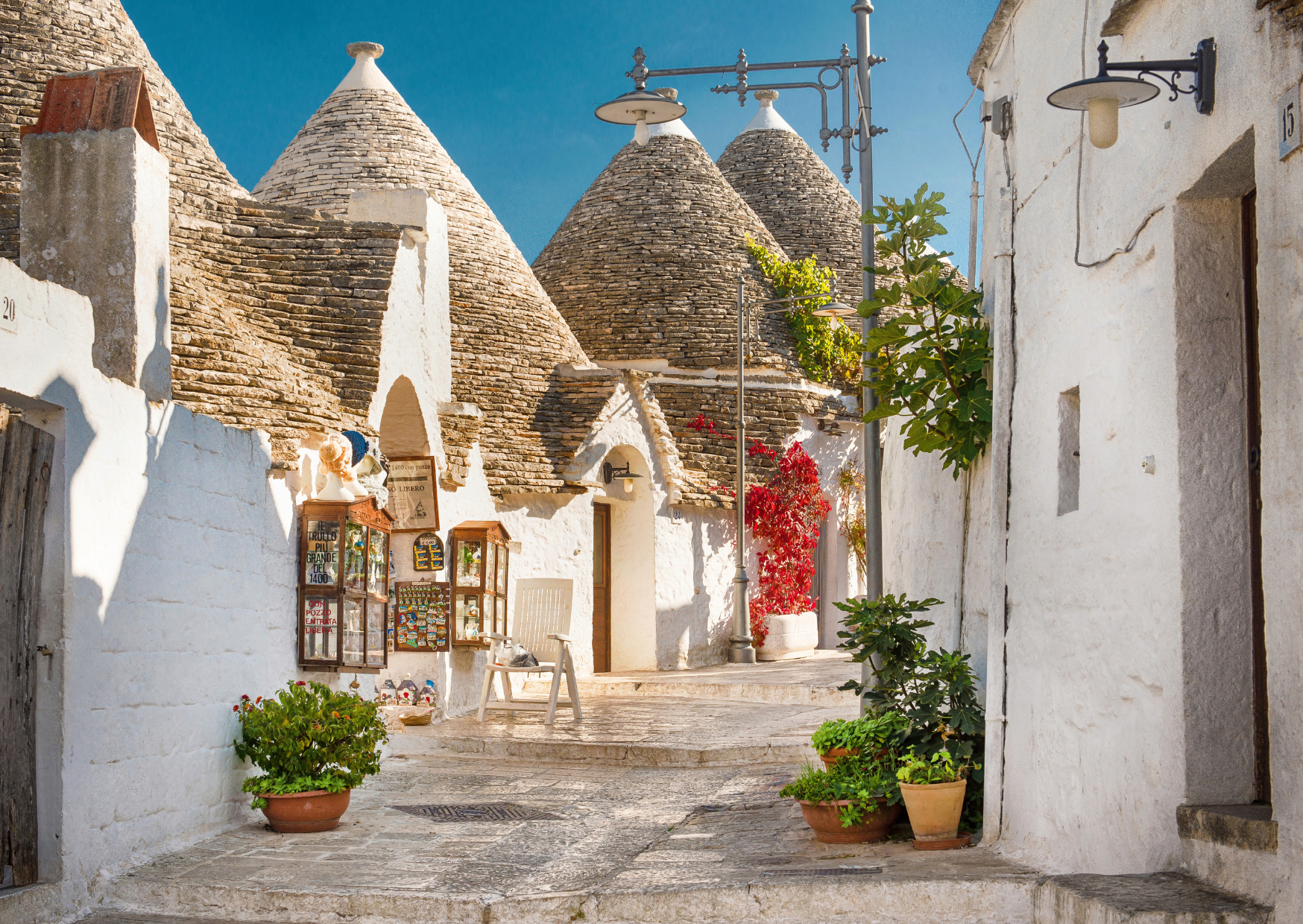
Italian retirement does not need to mean Florence prices or Rome traffic. Europeans who want Italian food with ordinary bills point their compass toward the heel and the middle.
In Puglia, the cities of Lecce and Bari anchor the region. Lecce gives you Baroque streets and a lively student energy; Bari gives you a working port and better air links. One-bedroom long-term listings in the province often start in the four to six hundreds for older units, with renovated bilocali higher. Head up the Adriatic and Le Marche offers the same logic in a softer landscape. Ancona, Ascoli Piceno, and smaller hill towns deliver steady rents, excellent regional food, and a pace that suits knees and hips. Market summaries for Ancona show average asks around nine to ten euros per square meter, which keeps a modest one-bedroom in approachable territory by European standards.
Why Europeans choose it: trains string the towns together, specialists sit inside regional hospitals, and the weekly shop is a walk, not a freeway. You trade the “must see” crowd for everyday livability, and your rent thanks you.
Greece after the ferries: Thessaloniki and the Peloponnese
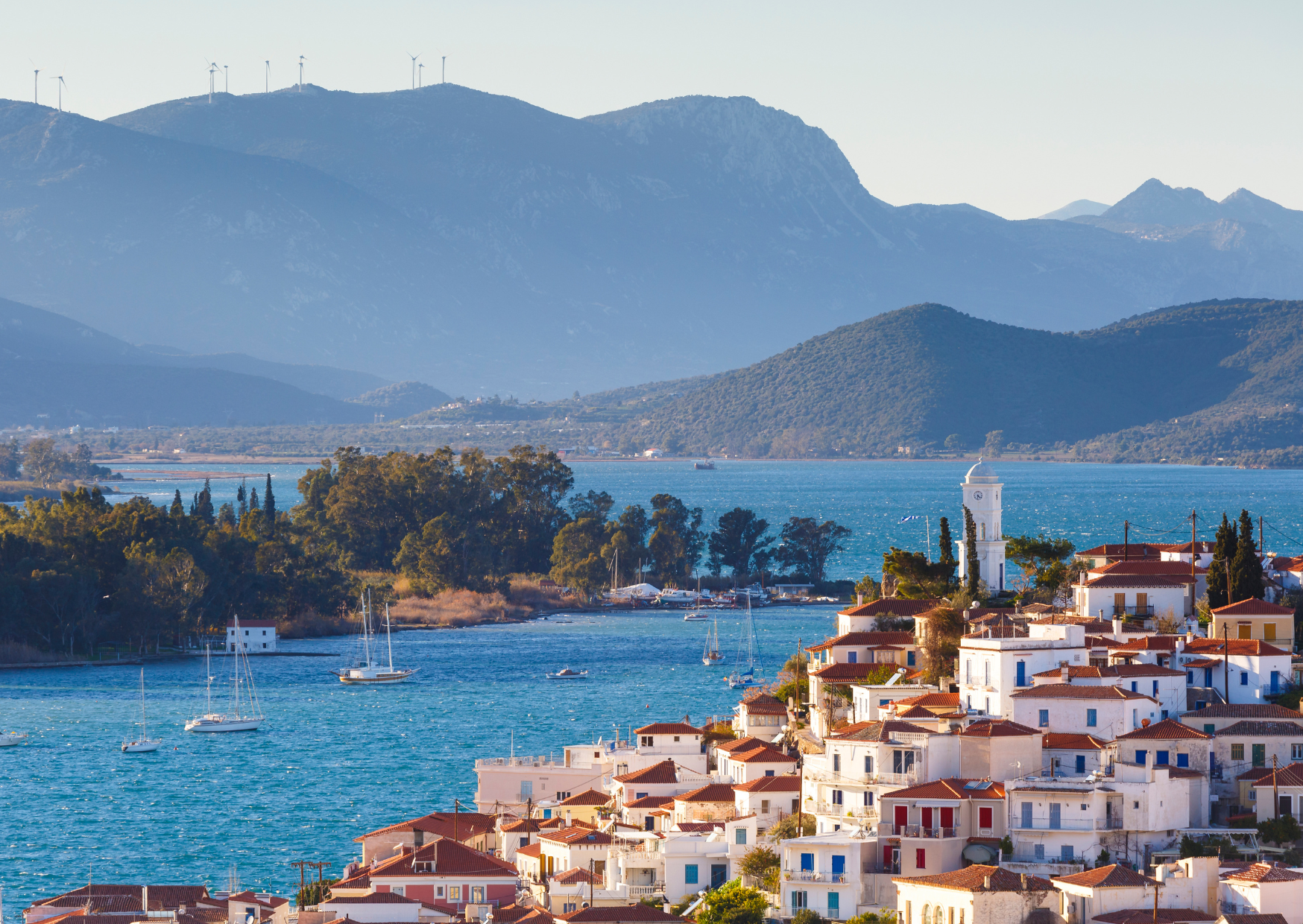
Greece draws summer crowds to islands, then exhales for the rest of the year. European retirees who want four seasons and real infrastructure pick Thessaloniki or mainland towns that hum after August.
Thessaloniki is Greece’s second city, student-heavy, food-obsessed, and laced with waterfront promenades built for daily walking. Average asking rents float near eight euros per square meter, which means a compact one-bedroom can sit well below the American median if you avoid short-let hot zones. In the Peloponnese, towns like Kalamata swap islands’ logistics for easy access to hospitals, an airport with seasonal service, and lower annual housing costs.
The lifestyle dividend: you get coffee culture that rivals any European city, produce that tastes like sunlight, and a winter that still lets you walk. You also avoid the ferry math that can make island life pricier than it looks.
Central and Eastern values: Romania and Bulgaria’s second cities
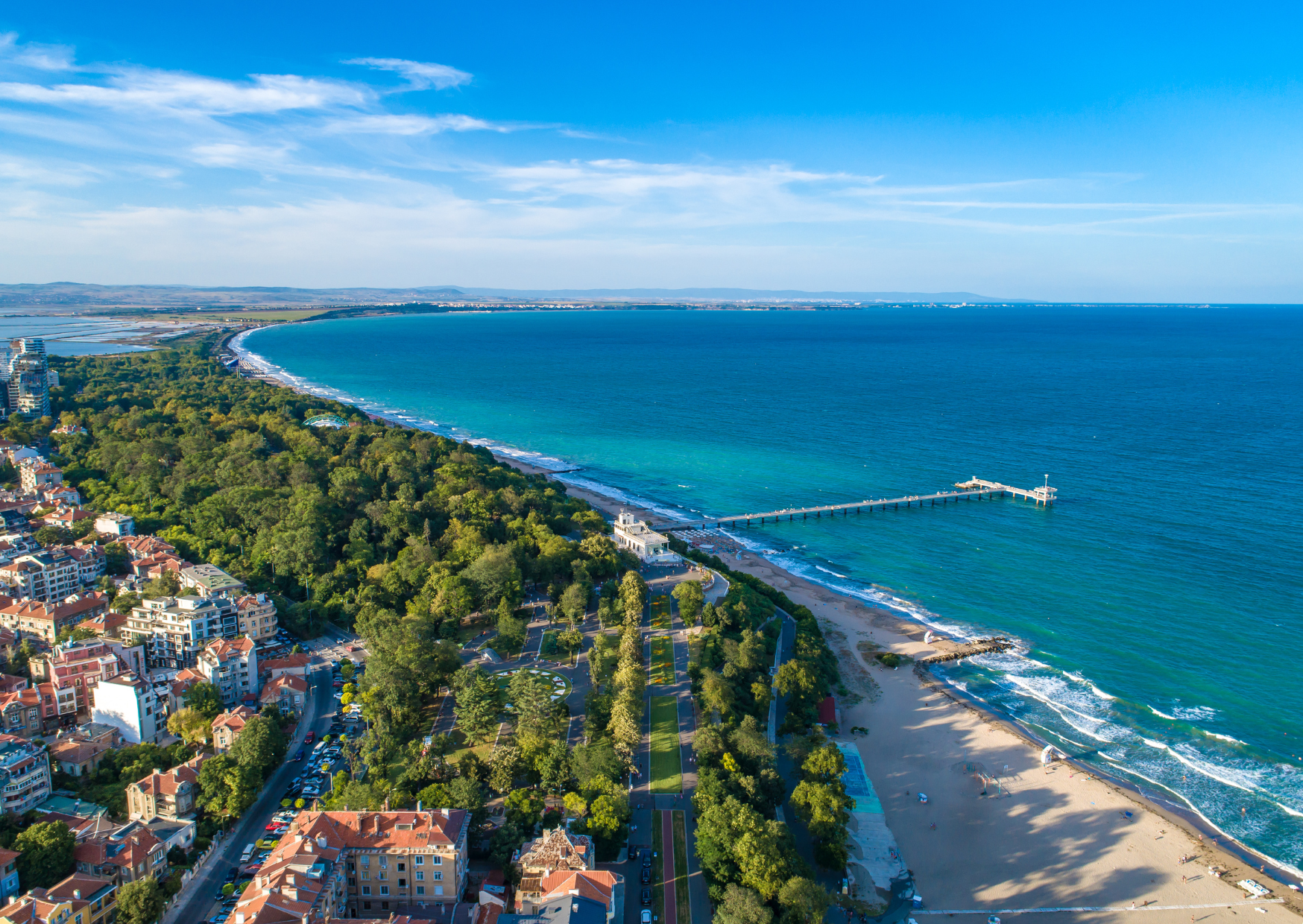
When value is the headline, European retirees who do not need the sea look to Romania and Bulgaria, especially the second cities where services are solid and rents stay grounded.
Oradea and Brașov in Romania put you near mountains and thermal baths, in walkable cores that feel Renaissance on one street and Art Nouveau on the next. One-bedroom rents in city centers regularly sit in the equivalent of 250 to 550 euros, with outer districts lower. Plovdiv in Bulgaria offers lively culture and a Roman theater under the sky, with one-bedrooms frequently advertised in the roughly 350 to 550 euro band depending on location and finish. The draw here is clear: low rents, low utilities, high walkability.
Who this suits: retirees who want seasons, trains, and the ability to take long trips on the savings they bank every month. Flights are not as dense as Spain or Portugal, but costs on the ground more than compensate if your family visits once or twice a year rather than monthly.
Croatia when the season ends: Zadar and the mid-Adriatic
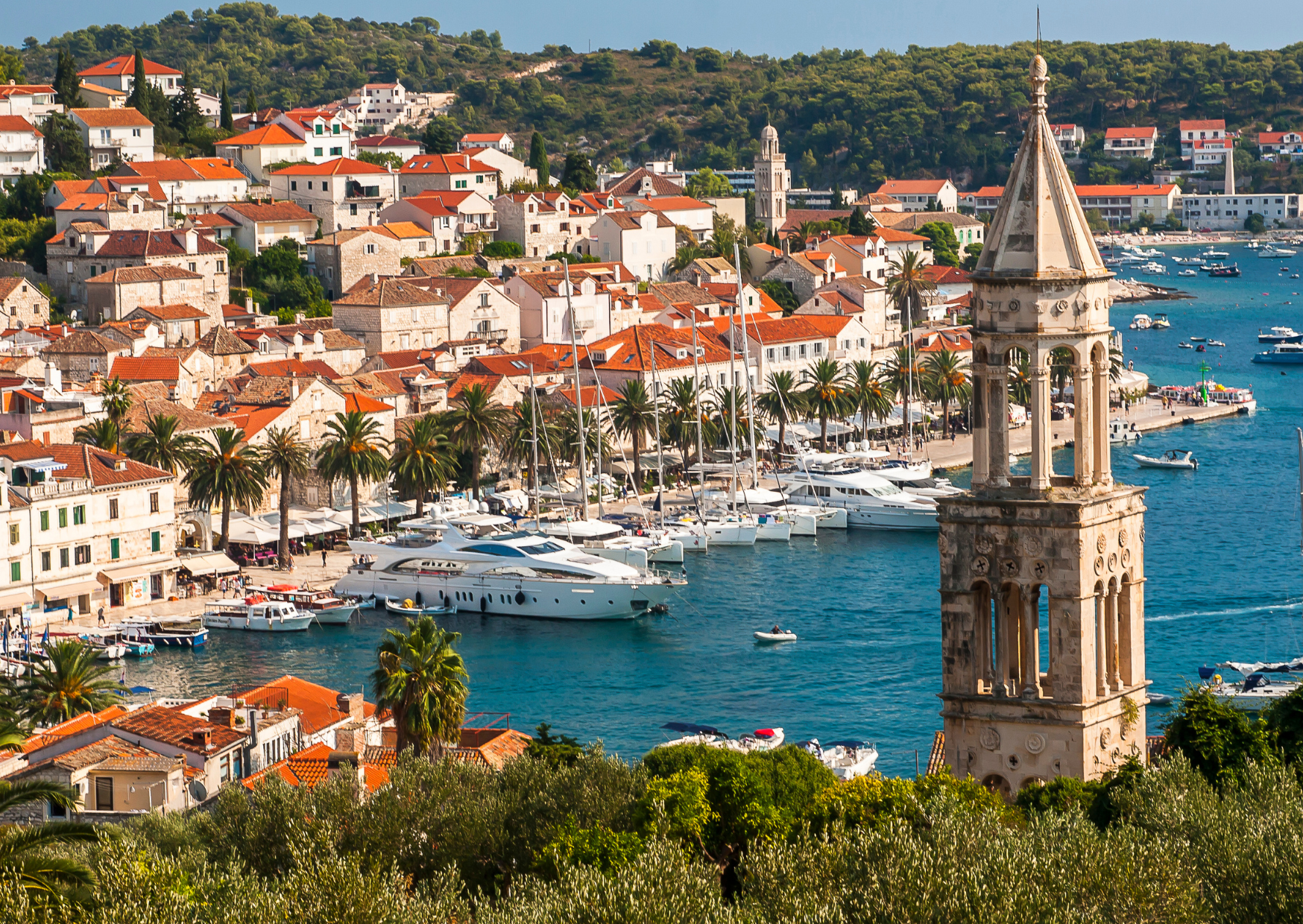
Croatia has luxury corners that cost like Western Europe, but it also has mid-Adriatic towns where life between October and May is pleasantly slow and the rent comes back down to earth.
Zadar is a working city first, a tourist stop second. Off-season, long-term apartments move on local timelines and local pricing, with one-bedrooms that undercut the typical U.S. listing by a wide margin. Coastal Croatia still sees a summer premium, but if you sign for a twelve-month lease, stay a few blocks back from the water, and accept European-sized spaces, your annual housing spend can sit under what many Americans pay to be close to a big city job they no longer have. Historic core, regional hospital, bus and ferry links are the quiet reasons Europeans plant roots here.
The rhythm: a market hall in the morning, a swim from a stone pier in shoulder season, and a town that belongs to its residents nine months of the year.
How Europeans decide where to land, and how to copy it
The cities above are not random dots. They win because they pass a simple test that Europeans use instinctively.
They start with housing under 35 percent of income and work backward. If a one-bedroom near transit costs more than a third of your monthly budget, they keep looking until it does not. They check healthcare capacity before beaches. Is there a hospital in town, and can you reach a larger one in under ninety minutes. They pick airports and rails over jaw-drop scenery. A medium airport that feeds Europe’s hubs beats a postcard town that isolates you in winter. They choose walkability first, then confirm buses and trains fill the gaps.
If you want to copy the method, make one sheet for each city and answer four questions with real numbers.
What is the long-term rent for a one-bedroom in a neighborhood with supermarkets and clinics. Ignore short-let prices and agency hype, and study the listings that locals respond to. What is the annual transport plan you will actually use. Car ownership in Europe costs more than you think. Urban life here is built for feet and buses, then trains, then cars. What are the typical utility bills and internet plans for a one-bedroom. Do not guess. Every euro you know is a euro you do not need to find. What is your flight plan to family. The right answer is not the cheapest once. It is the reliable twice a year at humane hours.
You will notice that the cities in this guide keep delivering the same three advantages: housing that does not dominate the budget, daily errands without a car, medical care close enough to calm you. That is the European retirement triangle.
What Americans must solve before they follow the crowd
You can live like a European retiree in these cities. You just have to solve the American paperwork.
First, visa status. Long stays in the Schengen area require a national visa or residency from the country where you will live. Several countries offer retirement-friendly routes for people with stable income and private health insurance. Rules change, documents matter, and processing takes months. Put this step first, not last.
Second, tax coordination. U.S. citizens file at home regardless of residence. Some countries tax local income and pensions; some give relief via treaties; some exempt foreign pensions for a period. What you care about is not a headline but your after-tax cash flow. A half-day with a cross-border tax planner is cheaper than guessing.
Third, health coverage. Until you qualify for a national system, plan on private insurance that meets local residency requirements. The point is not to chase a bargain. The point is to meet the rule and sleep at night. Once you establish residency in many EU countries, you can often enroll in the public system or a contributory plan.
Fourth, banking and payments. Open a local account when you arrive and set up account-to-account bill pay for rent and utilities. Everyday life is smoother when the landlord pulls the rent and your phone bill leaves on the correct day. Keep one no-foreign-fee credit card on full autopay for travel and online security, then tap a local debit card for daily spend.
Finally, seasonal truth. Coastal Europe runs hot in July and August. Locals leave or adapt. The bargain is in the nine months that feel like a secret. Plan your family visits in shoulder season, learn to love October and May, and you will understand why Europeans keep choosing these places when the vacationers go home.
Final Thoughts
Retirement doesn’t have to mean downsizing your dreams—it can mean upgrading your lifestyle. Across Europe, retirees are discovering that peaceful coastal towns, medieval villages, and sun-drenched countrysides can cost less than a one-bedroom apartment in the United States. Places like Portugal, Spain, and Greece offer not just affordable living, but something many Americans crave: balance. Affordable healthcare, slower living, and community-driven culture make these destinations ideal for those seeking comfort without compromise.
For many Europeans, the idea of retiring abroad isn’t new. It’s a lifestyle choice rooted in practicality—spend less, live better, and prioritize quality of life over square footage. Americans are slowly catching on, realizing that a modest pension or savings can stretch much further across the Atlantic. The promise of fresh markets, walkable towns, and mild climates has turned Europe into the retirement dream Americans never realized they could afford.
What this shift reveals is that retirement isn’t just about money—it’s about value. The European model shows that happiness in later years comes from community, health, and freedom from financial stress. While the U.S. remains tied to rising rents and healthcare costs, Europe offers an alternative vision: a retirement defined by fulfillment rather than fear.

About the Author: Ruben, co-founder of Gamintraveler.com since 2014, is a seasoned traveler from Spain who has explored over 100 countries since 2009. Known for his extensive travel adventures across South America, Europe, the US, Australia, New Zealand, Asia, and Africa, Ruben combines his passion for adventurous yet sustainable living with his love for cycling, highlighted by his remarkable 5-month bicycle journey from Spain to Norway. He currently resides in Spain, where he continues sharing his travel experiences with his partner, Rachel, and their son, Han.