
African cuisine is one of the most underappreciated culinary treasures in the world. Stretching across more than 50 countries and thousands of cultures, the continent’s food is as diverse as its landscapes — from the aromatic stews of West Africa to the spiced curries of the East and the hearty, meat-rich dishes of the South. Yet for many travelers and home cooks, these recipes remain a mystery. That’s starting to change — and for good reason.
At the heart of most African dishes is a sense of community, flavor, and history. Meals are meant to be shared, often eaten with hands, and accompanied by rich stories passed down through generations. These five popular recipes represent just a glimpse of what African cuisine has to offer — dishes that are deeply satisfying, incredibly unique, and surprisingly approachable to make at home.
Whether you’re craving something spicy, something comforting, or something utterly unfamiliar, exploring African food will take your taste buds on a global journey without leaving your kitchen. Get ready to discover five recipes that may soon become your new staples.
BOOK YOUR TRAVEL INSURANCE
Two of our favorite travel insurance: Heymondo Vs Safetwing cheapest travel Insurance. You can get for $135 USD your Heymondo Travel Insurance with Heymondo discount code valid for 90 days. Read our full comparison of Genki vs Safetywing Travel Insurance Review and the comparison Heymondo vs Genki
Best Time to Eat and How to Partner
Most traditional African dishes are served for lunch or dinner, often as the central event of the day. In many cultures, meals are eaten slowly, communally, and with intention — making them ideal for weekend gatherings or weeknight family-style dinners.
For pairing, consider what the dish calls for: Fufu and egusi soup are best served with chilled water or hibiscus tea, while Jollof rice pairs perfectly with fried plantains and grilled meats. Injera with doro wat is best enjoyed with tangy fermented beverages or light beer. African cuisine often doesn’t follow Western-style meal “courses,” so sides like spiced lentils, flatbreads, or stewed greens are always welcome.
No matter what dish you’re serving, eating with your hands is common (especially in West and East African traditions). Just remember — the right hand is used for eating, while the left is traditionally reserved for other tasks.
Despite its rich traditions, African cuisine has long been overlooked or misunderstood by the global food scene. One reason is the deep-rooted stereotype that African food is “too spicy,” “too heavy,” or difficult to prepare. In truth, most dishes are highly adaptable, and spice levels vary dramatically across regions.
There’s also a cultural debate over authenticity vs. accessibility. Many chefs in the diaspora modify recipes to fit Western ingredients or preferences, which can dilute or misrepresent the dish. Purists argue that changing core ingredients like palm oil or fermented grains erases the dish’s soul — while others say adaptation is the key to keeping the cuisine alive and appreciated worldwide.
Lastly, African cuisine is often lumped together as one monolithic category, which oversimplifies the continent’s incredible diversity. Nigeria’s Jollof rice is worlds apart from Ethiopia’s injera, and Moroccan tagine shares little with Kenyan nyama choma. Understanding these nuances is key to appreciating African food not just as a trend — but as a complex and evolving culinary tradition.
Popular African Dishes
1. Jollof Rice (West Africa)
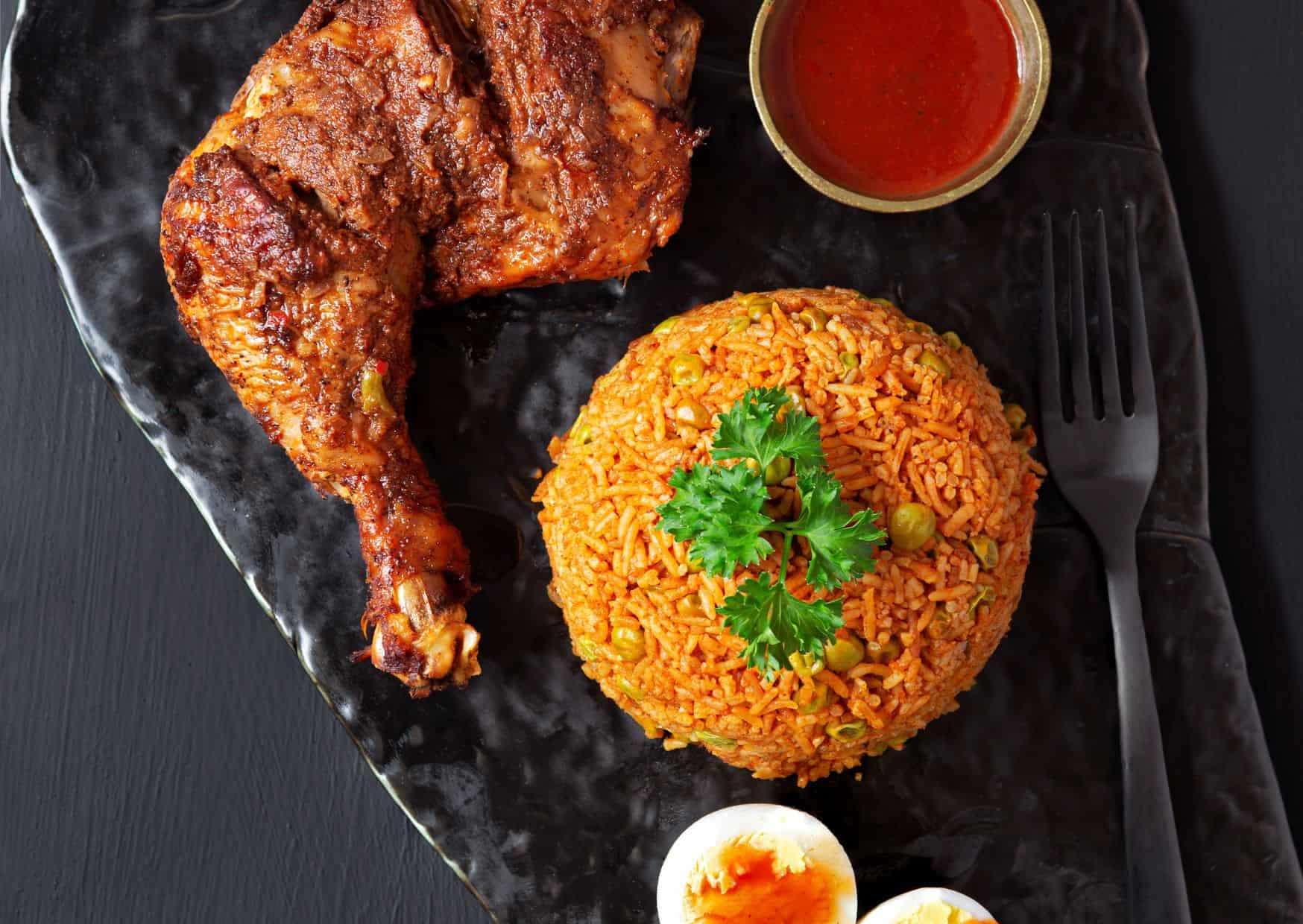
Ingredients:
2 cups long-grain parboiled rice
1/4 cup vegetable oil
1 large onion, finely chopped
2 cloves garlic, minced
1 tablespoon ginger, minced
1 red bell pepper, chopped
1 green bell pepper, chopped
2 cups chicken broth
1 cup tomato puree
2 tablespoons tomato paste
1 teaspoon thyme
1 teaspoon curry powder
1 teaspoon paprika
Salt and pepper to taste
1 bay leaf
Instructions:
Prepare the Base
Heat vegetable oil in a large pot over medium heat. Add onions, garlic, and ginger. Sauté until fragrant. Add tomato paste and cook for a few minutes. Then add tomato puree, thyme, curry powder, paprika, salt, and pepper. Cook for about 10 minutes until the sauce thickens.
Add the Rice and Broth
Add rice to the pot and stir well to coat with the sauce. Pour in chicken broth and add the bay leaf. Stir to combine.
Cook the Rice
Bring to a boil, then reduce heat to low, cover, and simmer for 20-30 minutes, or until the rice is cooked and the liquid is absorbed.
Serve
Fluff the rice with a fork and serve hot.
Tips:
Protein Additions: Add cooked chicken, shrimp, or beef for a heartier meal.
Vegetables: Include peas, carrots, or green beans for added nutrition.
Calories: Approximately 350-400 calories per serving.
Read here how to make Jollof Rice
2. Bunny Chow (South Africa)
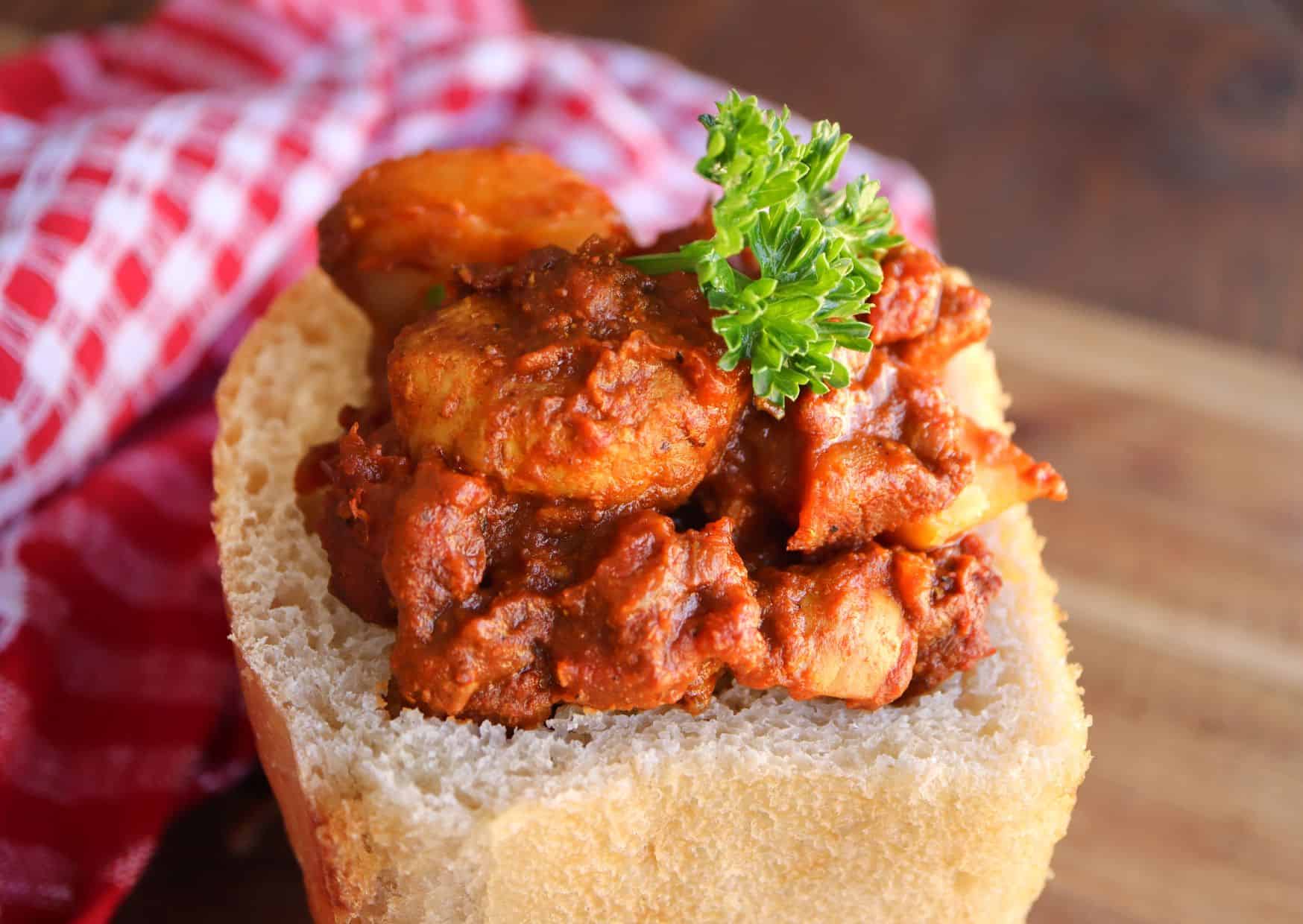
Ingredients:
500g (1.1 lbs) beef or lamb, cubed
2 tablespoons vegetable oil
1 large onion, chopped
2 cloves garlic, minced
1 tablespoon ginger, minced
2 tablespoons curry powder
1 teaspoon ground cumin
1 teaspoon ground coriander
1 teaspoon turmeric
1 can (400g) diced tomatoes
1 cup beef broth
2 potatoes, peeled and cubed
1 loaf of white bread
Fresh cilantro (for garnish)
Instructions:
Cook the Meat
Heat oil in a large pot over medium heat. Add onions, garlic, and ginger. Sauté until onions are translucent. Add curry powder, cumin, coriander, and turmeric. Cook for 1-2 minutes.
Add the Meat and Vegetables
Add cubed meat and cook until browned on all sides. Add diced tomatoes, beef broth, and potatoes. Bring to a boil, then reduce heat and simmer for 45 minutes to an hour, until the meat is tender and the sauce has thickened.
Prepare the Bread
Cut the loaf of bread into quarters. Hollow out each quarter to create a bread bowl.
Serve
Spoon the curry into the bread bowls. Garnish with fresh cilantro.
Tips
Bread Choice: Use a sturdy loaf that can hold the curry without becoming soggy. Spice Level: Adjust the curry powder to your preferred heat level.
Calories: Approximately 500-600 calories per serving.
Read here how to make Bunny Chow
3. Tagine (Morocco)
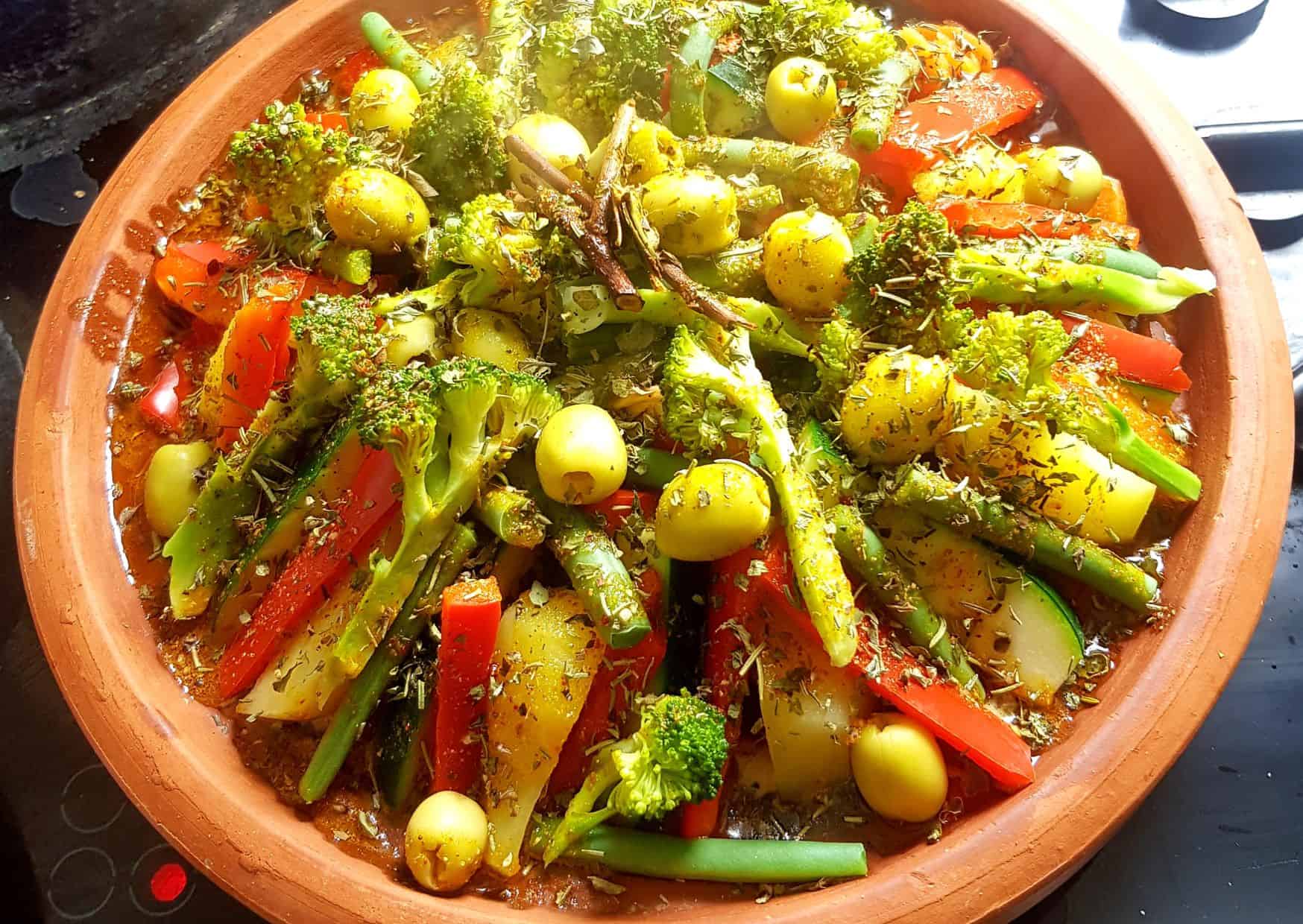
Ingredients:
1 kg (2.2 lbs) chicken thighs
2 tablespoons olive oil
1 large onion, chopped
3 cloves garlic, minced
1 teaspoon ground ginger
1 teaspoon ground cumin
1 teaspoon ground cinnamon
1 teaspoon ground turmeric
1 teaspoon paprika
1/2 teaspoon ground black pepper
1 cup chicken broth
1 can (400g) chickpeas, drained
1 cup dried apricots, halved
1/2 cup green olives
Fresh cilantro (for garnish)
Instructions:
Prepare the Chicken
Heat olive oil in a large pot or tagine over medium heat. Add onions and garlic. Sauté until onions are soft. Add ginger, cumin, cinnamon, turmeric, paprika, and black pepper. Cook for 1-2 minutes.
Cook the Chicken
Add chicken thighs and brown on all sides. Pour in chicken broth, chickpeas, apricots, and olives. Stir to combine.
Simmer
Cover and simmer for 45 minutes to an hour, until the chicken is cooked through and tender.
Serve
Garnish with fresh cilantro and serve hot with couscous or rice.
Tips:
Cooking Vessel: If you don’t have a tagine, use a heavy-bottomed pot with a tight-fitting lid.
Flavor Enhancement: For added depth of flavor, marinate the chicken in the spices for a few hours before cooking.
Calories: Approximately 400-500 calories per serving.
Read here how to make Tagine
4. Piri Piri Chicken (Mozambique)
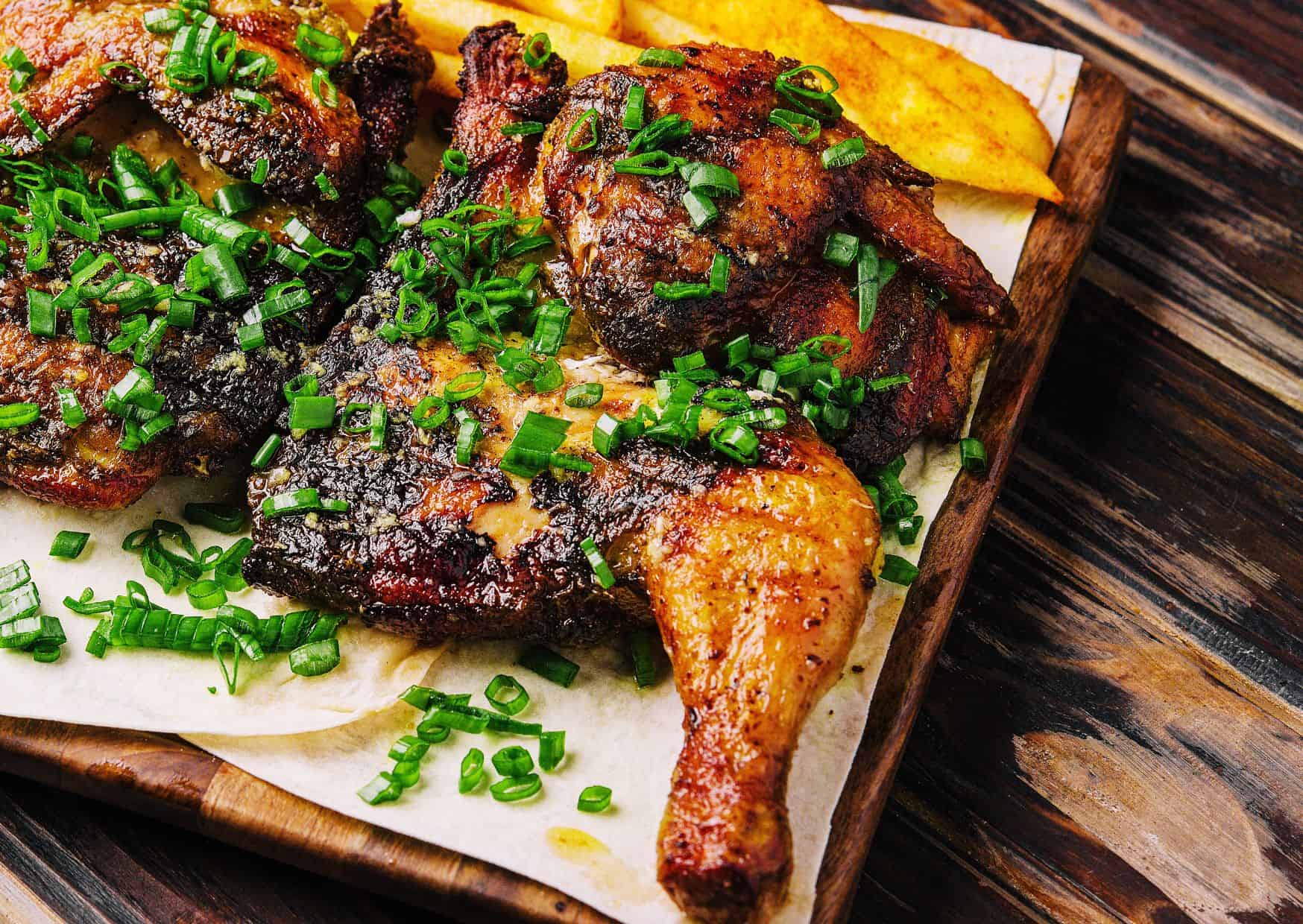
Ingredients:
1 whole chicken, spatchcocked
1/4 cup olive oil
4 cloves garlic, minced
1 red chili, chopped
1 tablespoon smoked paprika
1 teaspoon ground cumin
1 teaspoon ground coriander
1/4 cup lemon juice
Salt and pepper to taste
Instructions:
Prepare the Marinade
In a bowl, mix olive oil, garlic, red chili, smoked paprika, cumin, coriander, lemon juice, salt, and pepper.
Marinate the Chicken
Rub the marinade all over the chicken, making sure to coat it well. Let it marinate for at least 1 hour, preferably overnight.
Grill the Chicken
Preheat the grill to medium-high heat. Grill the chicken, skin side down first, for 10-15 minutes. Flip and continue grilling for another 15-20 minutes, until the chicken is cooked through and the skin is crispy.
Serve
Serve hot with a side of grilled vegetables or salad.
Tips:
Marinating Time: The longer the marinating time, the more flavorful the chicken will be.
Grill or Oven: If you don’t have a grill, you can roast the chicken in the oven at 200°C (400°F) for about 45 minutes.
Calories: Approximately 600-700 calories per serving.
Read here how to make Piri Piri Chicken
5. Bobotie (South Africa)
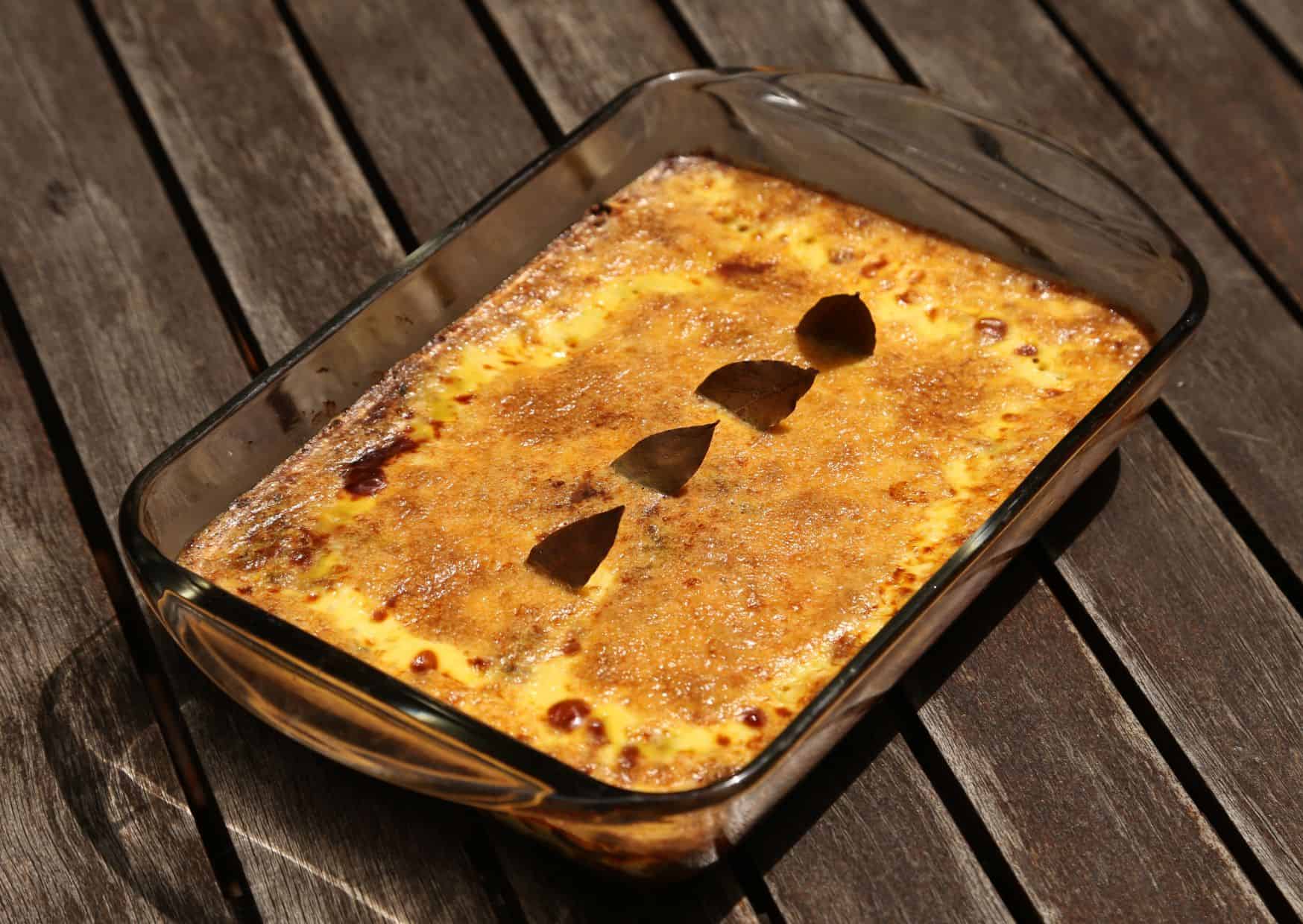
Ingredients:
500g (1.1 lbs) ground beef
1 large onion, chopped
2 cloves garlic, minced
2 slices of white bread, soaked in milk
1 tablespoon curry powder
1 teaspoon turmeric
1 teaspoon ground coriander
1 teaspoon ground cumin
1/2 teaspoon ground cloves
1/2 teaspoon ground nutmeg
2 tablespoons chutney
1/4 cup raisins
2 tablespoons lemon juice
2 eggs
1 cup milk
Bay leaves
Instructions:
Cook the Meat
Preheat oven to 180°C (350°F). In a large skillet, cook onions and garlic until soft. Add ground beef and cook until browned. Add curry powder, turmeric, coriander, cumin, cloves, and nutmeg. Stir to combine.
Prepare the Mixture
Squeeze excess milk from the bread and crumble it into the meat mixture. Add chutney, raisins, and lemon juice. Mix well.
Bake
Transfer the mixture to a greased baking dish. Beat eggs with milk and pour over the meat mixture. Place bay leaves on top.
Bake for 45 minutes, until the top is set and golden brown.
Serve
Serve hot with yellow rice and vegetables.
Tips
Flavor Depth: Let the mixture sit for a few hours before baking to deepen the flavors.
Side Dish: Pair with chutney and a fresh salad for a balanced meal.
Calories: Approximately 450-500 calories per serving.
Origin and History
African cuisine is as vast and diverse as the continent itself, shaped by centuries of trade, migration, and storytelling through food. Long before modern borders existed, communities across Africa developed rich culinary traditions rooted in local ingredients—grains like millet and sorghum, earthy vegetables, aromatic spices, and grilled or stewed meats. Every dish reflects not just sustenance but history: how people adapted to their environment, celebrated the harvest, and brought families together around communal meals.
Across the West Africa, for instance, dishes like Jollof Rice and Egusi Soup emerged as cornerstones of social gatherings, blending native grains with influences from trade routes that brought tomatoes, peppers, and exotic spices. In the Horn of Africa, flatbreads like Injera became both utensil and plate, a reflection of Ethiopia’s deep-rooted connection to its agricultural heritage. In the south, maize-based staples like Sadza and Pap took center stage, paired with savory stews that celebrate the resourcefulness of the land.
Colonial history and global trade later introduced new ingredients—like cassava, peanuts, and chili—that African cooks masterfully incorporated into their dishes without losing authenticity. The result today is a cuisine that’s bold, complex, and deeply comforting, yet still often overlooked in global food culture. These five dishes—ranging from rich stews to spiced grains—tell a story of heritage, resilience, and creativity that deserves a place at every table.
One of the biggest controversies surrounding African cuisine is how it’s represented—or more accurately, underrepresented—on the global stage. Despite being one of the oldest and most influential food cultures in the world, African dishes are often simplified, mislabeled, or treated as “exotic.” Western restaurants rarely showcase them in their true form, and when they do, the flavors are often muted to suit foreign palates. This cultural dilution frustrates many African chefs, who argue that the world deserves to taste these dishes in their authentic, unapologetic richness.
Another point of debate lies in ownership. Dishes like Jollof Rice have sparked friendly rivalries among countries such as Nigeria, Ghana, and Senegal, each claiming to have the most authentic version. While outsiders see it as a lighthearted food feud, locals know it’s a matter of pride and identity. These culinary differences highlight the complexity of African cuisine—it’s not one monolithic tradition, but thousands of distinct cultures united by shared values of community and flavor.
Finally, there’s the modern tension between tradition and globalization. As more African chefs gain international recognition, some feel pressured to “elevate” traditional dishes to fit fine-dining expectations. Critics argue that doing so risks alienating the very communities that created these recipes. Others see it as an opportunity to introduce African flavors to new audiences while still honoring their roots. Either way, it’s clear that Africa’s culinary influence is rising—and the conversation around authenticity is shaping its next chapter.
How Long You Take to Prepare
The five dishes featured—Jollof Rice, Egusi Soup, Injera, Bunny Chow, and Bobotie—each vary in preparation time, but all share one thing: patience is key. Jollof Rice, for example, takes about an hour, as long-grain rice simmers in a rich tomato-pepper sauce until every grain is coated with smoky sweetness. It’s a one-pot meal that rewards slow cooking and attention to detail.
Egusi Soup, a Nigerian favorite made with ground melon seeds, leafy greens, and spiced meat, takes roughly an hour and a half. The process involves toasting and blending the seeds, simmering meat or fish, and layering flavors slowly until the stew achieves a thick, nutty consistency. It’s a dish that teaches the value of time—each step builds depth.
Meanwhile, Injera, the Ethiopian flatbread, requires the most foresight. Made from fermented teff flour, the batter sits for several days to develop its signature tang before being cooked like a crepe. Though it takes planning, it’s worth every minute—Injera’s spongy texture and subtle sourness perfectly complement any stew or curry. The other dishes, Bunny Chow and Bobotie, both from South Africa, can be prepared in under two hours and reflect a blend of African and Indian influences that define the region’s diverse cuisine.
Serving Suggestions
African meals are designed to be shared, and presentation is as much about community as it is about flavor. Jollof Rice is best served family-style, piled high in a large bowl with grilled chicken, fried plantains, and a garnish of chopped scallions or sliced tomatoes. The vibrant orange hue of the rice alone makes it a showstopper on any table.
Egusi Soup pairs beautifully with pounded yam, fufu, or rice. The creamy, nutty sauce clings perfectly to the starch, creating a satisfying balance of textures. Add a few drops of palm oil and a sprinkle of dried pepper for an authentic touch. Injera acts as both plate and utensil—tear off a piece and use it to scoop up spicy lentil stews, tender meat, or sautéed greens.
For Bunny Chow, hollow out a loaf of bread and fill it with spicy curry, letting the sauce soak into the crust for a comforting, flavorful experience. Bobotie, a baked dish of curried minced meat topped with a golden egg custard, is often served with yellow rice and chutney, striking a beautiful balance between savory and sweet. No matter the dish, African meals encourage you to eat slowly, share generously, and savor deeply.
Final Thoughts
African cuisine is a celebration of heritage, history, and heart. Every dish tells a story—not just of ingredients, but of survival, creativity, and connection. What makes these five dishes truly remarkable isn’t just their bold flavors, but their ability to bring people together. They remind us that food, at its best, transcends borders and speaks a universal language of comfort and joy.
The beauty of African cooking lies in its honesty. There’s no pretense—just ingredients used to their fullest potential. From the smokiness of Jollof Rice to the earthy depth of Egusi Soup, these dishes invite you to slow down, cook with intention, and taste centuries of wisdom in every bite.
So, if you’ve never explored African cuisine, now is the time. These dishes are more than recipes—they’re stories on a plate, waiting to be shared. Once you taste their complexity and warmth, you’ll wonder why it took you so long to discover them. Because when it comes to flavor, Africa doesn’t just deliver—it defines it.

About the Author: Ruben, co-founder of Gamintraveler.com since 2014, is a seasoned traveler from Spain who has explored over 100 countries since 2009. Known for his extensive travel adventures across South America, Europe, the US, Australia, New Zealand, Asia, and Africa, Ruben combines his passion for adventurous yet sustainable living with his love for cycling, highlighted by his remarkable 5-month bicycle journey from Spain to Norway. He currently resides in Spain, where he continues sharing his travel experiences with his partner, Rachel, and their son, Han.