
If you show up in November and order like a local, Italy quietly halves your bill. No tricks. Just timing, weather, and menus that only appear when the cameras leave.
What Locals Order When Tourists Go Home
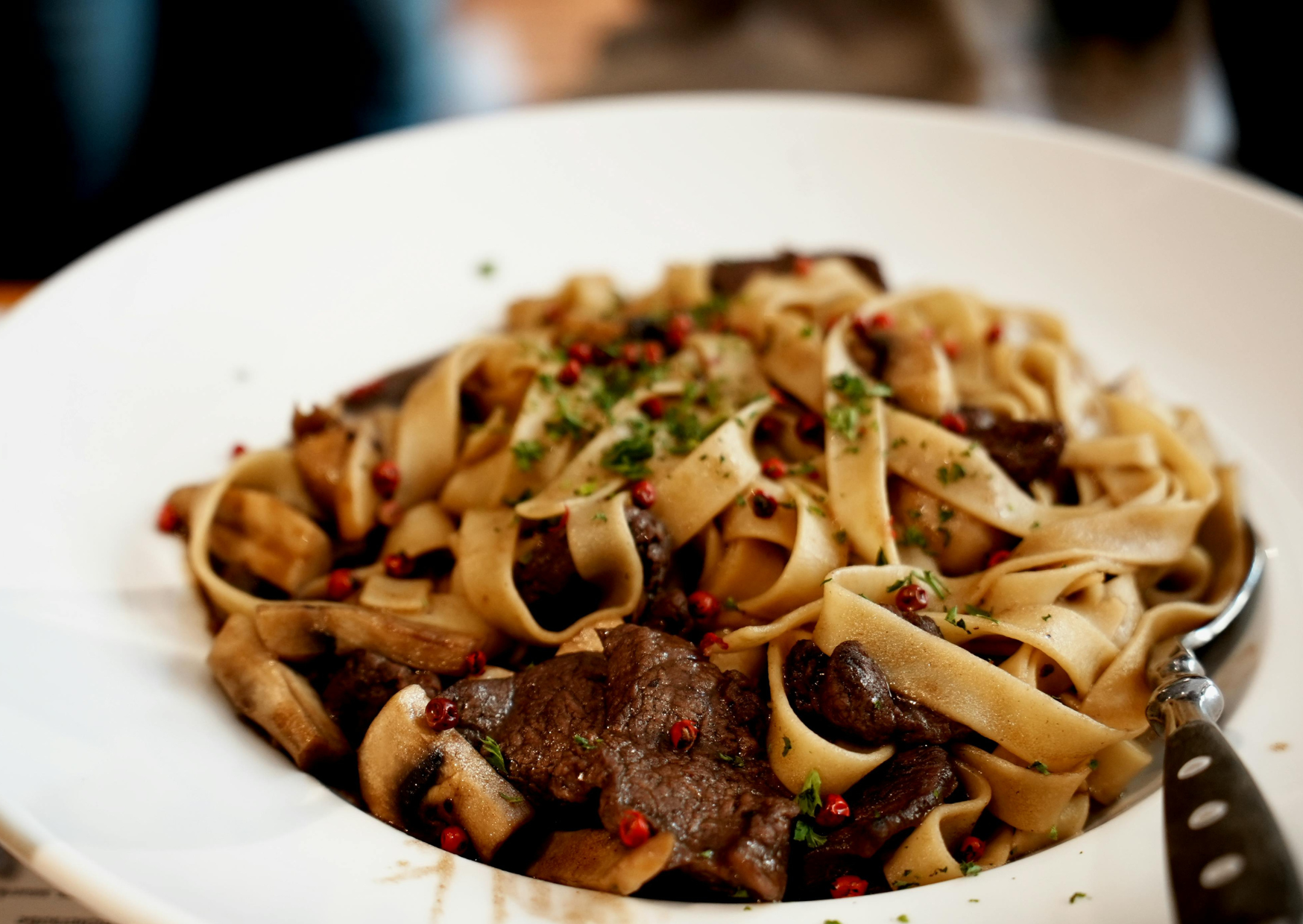
Here’s what happens after autumn rain hits the cobblestones and the cruise ships pull out. Dining rooms exhale. Chalkboards appear. Locals stop reading printed menus and start ordering what the kitchen cooked today. The prices drop without an announcement. Not forever. Just this shoulder month where mushrooms, pumpkins, and radicchio take over, and the lunch crowd turns into workers grabbing something hot before the evening chill.
Two phrases matter more than anything: “menù del giorno” and “piatti del giorno.” Sometimes you’ll see “pranzo di lavoro” or “menù fisso.” These are not tourist specials. They are the industrial rhythm of the country. A first course, a second, a side, water, sometimes a quarter liter of house wine, often coffee. Thirteen to eighteen euros in small cities, fifteen to twenty-two in the big ones, and still less in towns where nobody bothers with English menus in November.
I know someone will email me with a 28 euro menu they saw near the Duomo. Sure. Walk two streets off the postcard and look again.
Why November Cuts Your Bill In Half
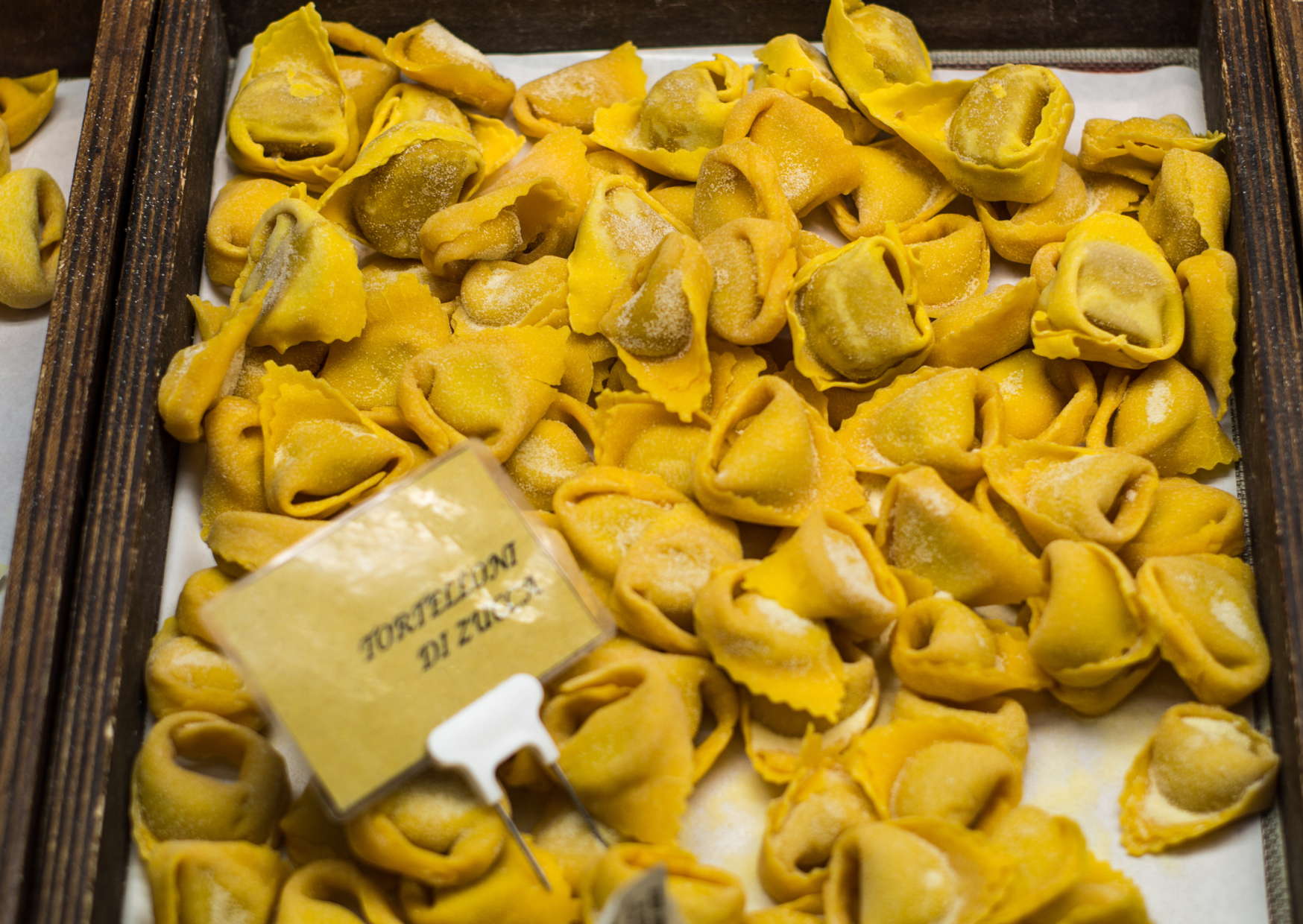
The logic is simple. Tourist demand collapses, but kitchen labor stays, and seasonal produce gets cheap and abundant. The menus bend toward volume and warmth. Pasta with ragù, polenta with sausage, pumpkin tortelli if you’re lucky, stewed beans, grilled radicchio, braised greens. None of this needs truffles to taste like a weekend.
Restaurants need bodies at tables when the weather scares visitors. So they revive the old working lunch, and the margins make sense because everyone orders fast, eats fast, pays fast. You get local pricing without asking and the staff gets a dining room that feels alive on a grey day. It is not a secret club. It is a seasonal handshake.
I should say this out loud: dinner is where tourists overpay. Lunch in November is where you catch the right price for the right food. There are exceptions. I am already changing my mind. Some trattorie run a quiet fixed dinner on Mondays and Tuesdays because they know the dining room will be half empty. Ask.
The Words You Actually Say At The Table
This is the part people skip and then wonder why they paid full price. Do not ask for “the cheap menu.” Ask for “il menù del giorno” or “il pranzo di lavoro” like a person who has eaten lunch before. If it is not printed, ask “Quali sono i piatti del giorno oggi”. If you see a chalkboard, point and say “Prendiamo da qui”.
If you want the full fixed set with water and wine, try “È incluso acqua e un quarto di vino”. Sometimes it is. Sometimes it is water only. If you are solo and not very hungry, ask for a “piatto unico” made from today’s dishes. They will build one plate with pasta and a protein. Chefs roll their eyes at this in July. In November, they smile and say yes.
Bad transition, I know, but it matters: never open with English. Start in Italian, even poorly. You are signaling that you are here to eat like they eat. That tiny move unlocks the chalkboard world.
What Shows Up On The November Chalkboard
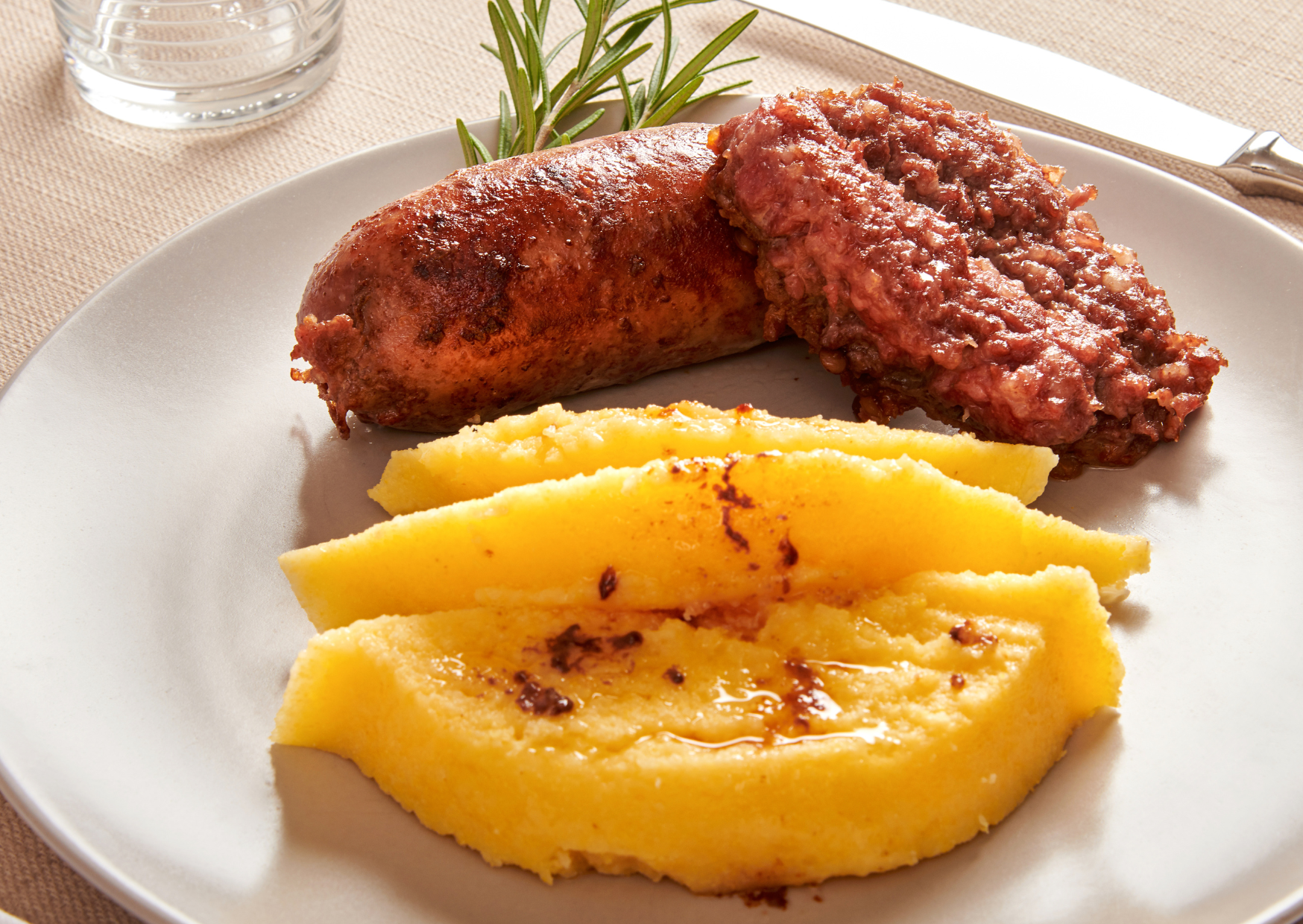
Regional reality check. Northern kitchens lean on polenta, porcini, and radicchio. The center cooks wild boar ragù, chickpea stews, and roast chicken with potatoes. The south slides in cime di rapa, grilled sausage, lentils, and bitter greens. The price moves with the rent and the tourist density, but the shape is identical.
Expect to see items like:
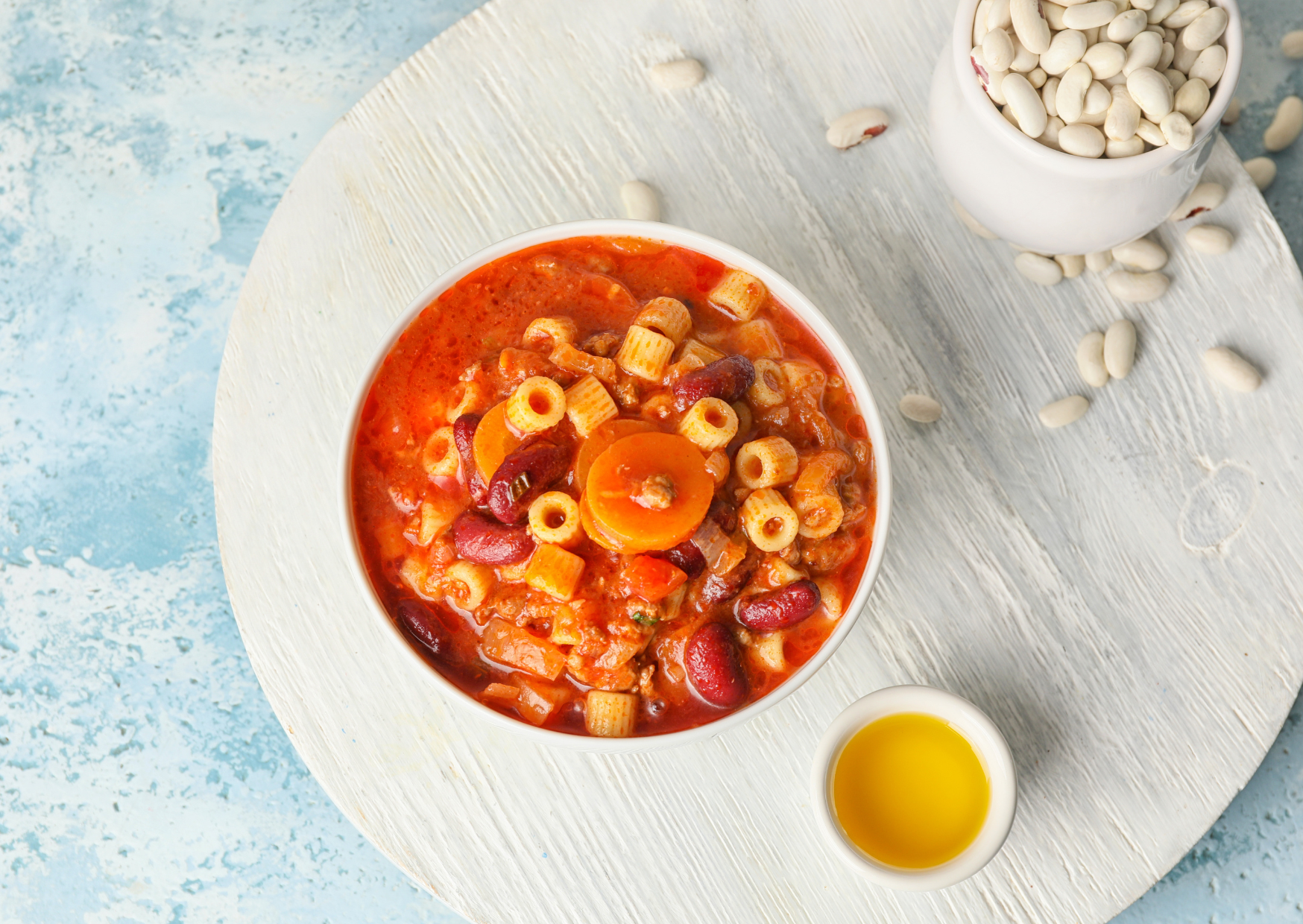
- Pasta e fagioli with a proper simmer
- Tagliatelle ai funghi when the mushrooms are honest
- Tortelli di zucca where it belongs, not as a gimmick
- Polenta con salsiccia or with a spoon of gorgonzola if the day is wet
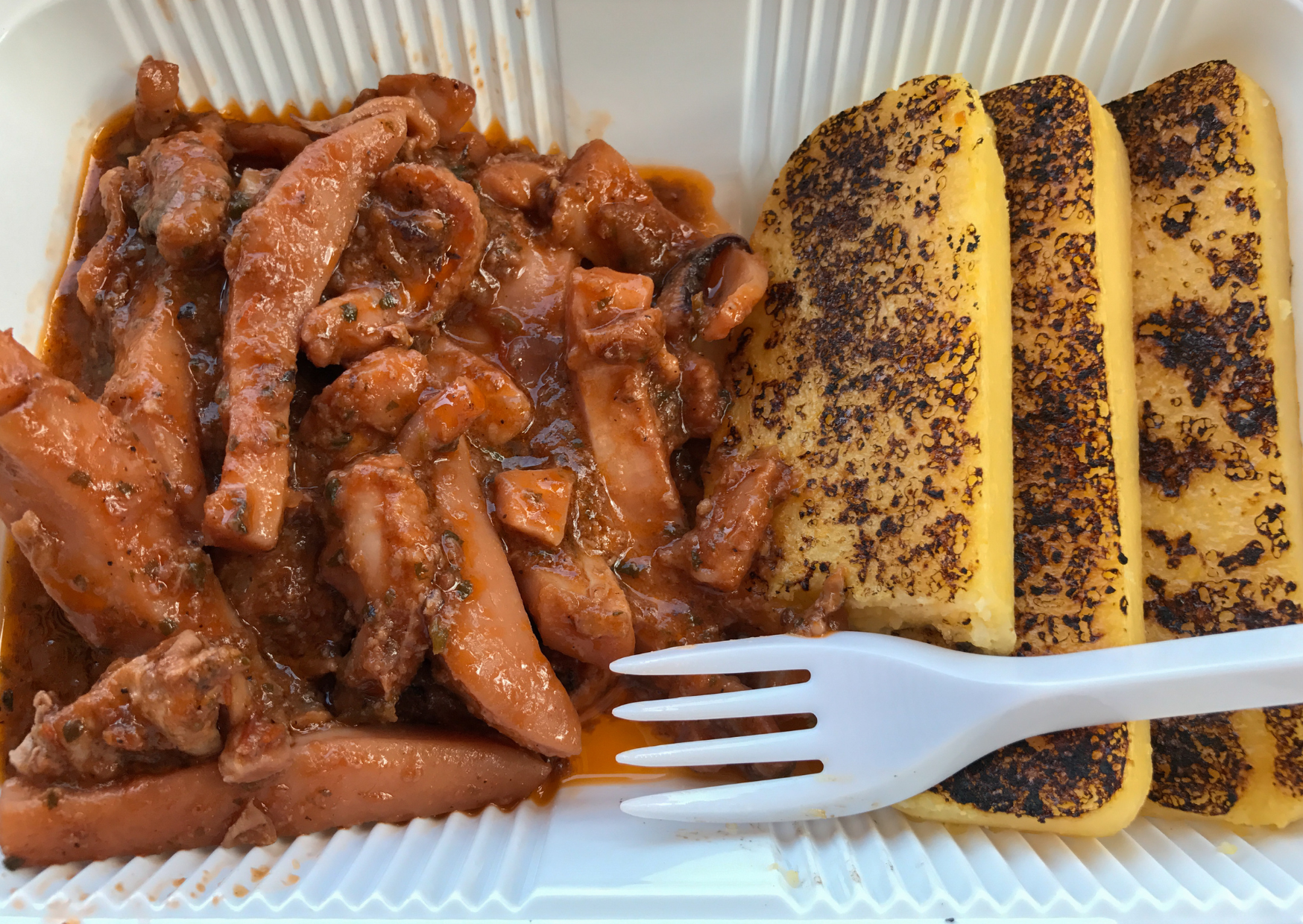
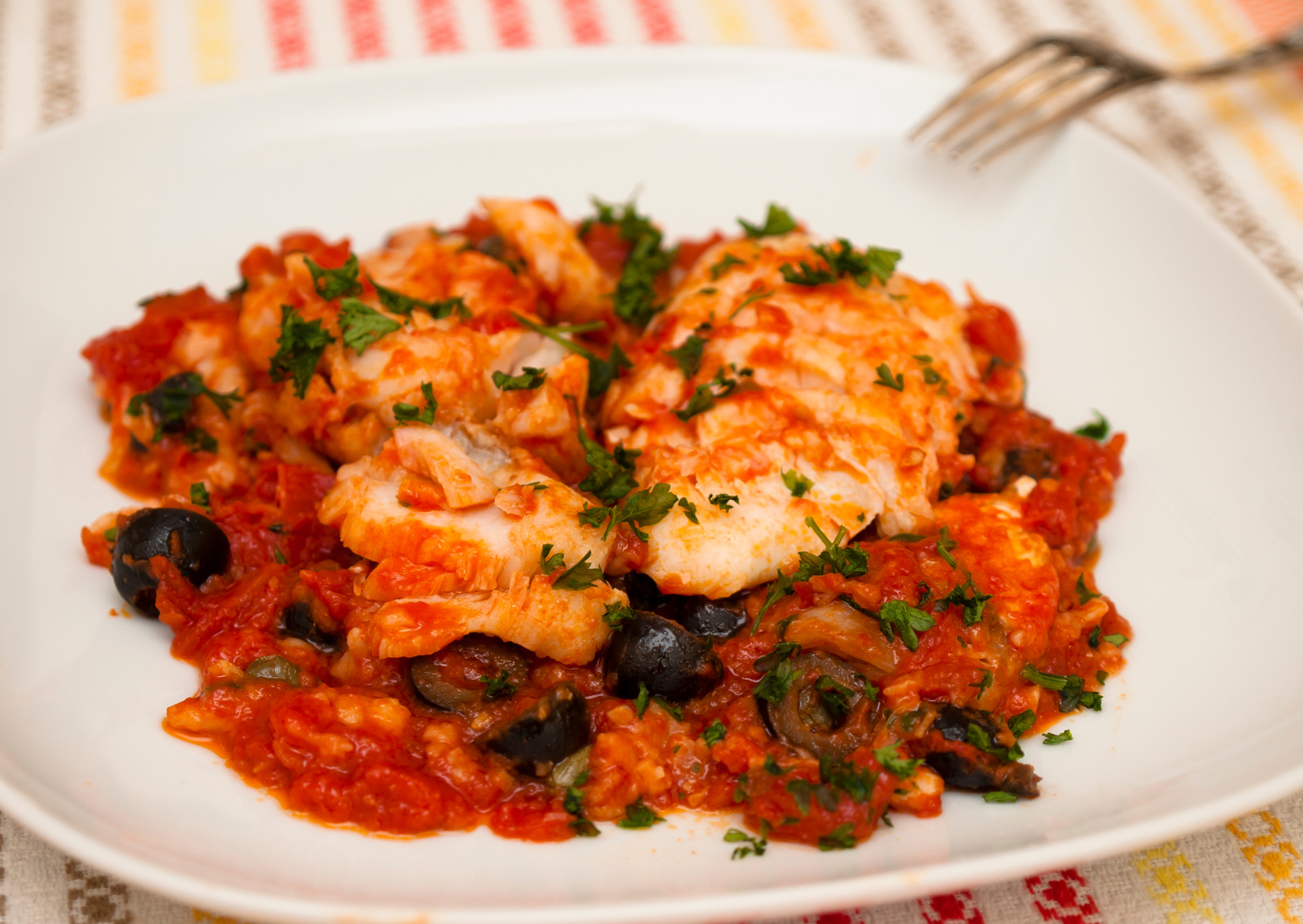
- Seppie in umido on the coast
- Baccalà mantecato in the Veneto if you catch a good osteria
- Sformato di verdure that looks humble and eats rich
You will notice the prices cluster between 7 and 10 for a primo, 9 to 12 for a secondo, and contorni at 4 to 6. Then the fixed menu undercuts the total. That is your fifty percent right there.
Lunch Formats That Beat The Tourist Menu
There are three formats you should memorize. Knowing the format saves you from the laminated trap.
- Menù del giorno
Set price, typically 12 to 18 outside the big postcards, a little higher in Milan, Florence center, Venice proper. Usually includes primo, secondo, contorno, water, and sometimes coffee or wine.
What to say: “Prendiamo il menù del giorno per due.” - Pranzo di lavoro
More flexible. Pick any two courses from the daily list. Water nearly always included. Sometimes dessert swaps for the second. Price lives in the 10 to 16 range outside the magnets.
What to say: “Faccio primo e contorno dal pranzo di lavoro.” - Piatto unico
One plate, built from today’s pots. Perfect if you want to eat for under 10 to 12 and keep moving.
What to say: “Mi fa un piatto unico, pasta e carne di oggi.”
I am probably explaining this badly. It becomes obvious once you watch what people order.
How To Spot The Right Places In Five Minutes
Skip the front row on the postcard square and walk two blocks sideways. You want paper tablecloths or bare wood, handwritten boards, and a short printed menu that looks like it has survived rain. The staff should be moving quickly. Workers in reflective vests at two-tops are your green light. If a restaurant has a big laminated English menu in November, you are shopping in the wrong aisle.
Outside, check for a chalkboard with today’s soups and stews. Inside, scan what lands on the nearest table. If three bowls of the same pasta appear within five minutes, it is the dish you order. Do not outsmart the room. Order what the room orders.
I know I am supposed to add a map with pins. You do not need a map. You need eyes.
Prices You Can Expect By Region Right Now
I am going to give you ranges I have seen and sanity-checked with friends. They are not tourist numbers. They are November numbers.
- Piedmont and Lombardy smaller towns: menù del giorno 12 to 16, house wine by the quarter 2.50 to 4, coffee 1.20.
- Veneto outside peak Venice orbit: lunch sets 14 to 18, cicchetti at bars 1.50 to 3 each, a plate of three plus a small spritz under 10 if you stand.
- Emilia-Romagna cities like Parma, Modena: expected 14 to 19 for a full set, pumpkin filled pasta appears and can nudge the price by a euro.
- Tuscany beyond Florence center: 13 to 18. Closer to the cathedral you will pay twenty-something and wonder why.
- Rome neighborhoods like Garbatella, Testaccio: 15 to 20 for two-course lunch sets. Termini-adjacent tourist pockets are higher and worse.
- Puglia and Basilicata towns: 10 to 15 is still common, plus water. Grilled sausage, beans, greens. You will not be hungry at three.
Numbers slide with rent and pride, but the shape holds. If you are seeing thirty for a bowl of cacio e pepe in November, back away.
How Italians Cut The Bill Without Asking For Discounts
There is a quiet etiquette that reduces the cost without the theater of bargaining. They eat the lunch that is being cooked, not the dish they saw on a listicle in July. They drink the house wine or water. They sit inside when the terrace carries a premium. They do not order a second starter and a dessert just to prove something. The savings fall out of the pattern.
Also, they do not nibble all day and then sit at 2:30 p.m. starving. They show up when the kitchen is still hot. Midday window is real. Step outside it and you will either overpay or get leftovers.
I am tired just writing that. It is obvious, but I forget too.
Phrases That Unlock Local Service
Add these to your phone. Use them once, even imperfectly, and watch the tone change.
- “Cosa consigliate oggi dalla lavagna”
What do you recommend today from the board - “Il menù di lavoro comprende acqua e caffè”
Does the work lunch include water and coffee - “Possiamo condividere il secondo”
Can we share the second course - “Un quarto di rosso della casa, grazie”
A quarter liter of house red, please - “Va bene il coperto, va bene tutto”
The cover is fine, all good
That last line signals you understand coperto is a small per-person cover charge. Stop arguing about it. It is not a scam. It is a chair fee and bread. Two euros to sit during cold rain is a bargain.
What To Order If You Have No Idea
You do not need a plan. Order the weather. If it is cold, pick polenta, beans, braises. If it is just wet, pick pasta with mushrooms. Coastal town on a Tuesday with boats in? Stewed cuttlefish or anchovies. Central market day? Soup and a grilled thing.
If there is radicchio tardivo on the board, try it grilled. If you see zuppa di ceci, it will be better than you think. If the table next to you is eating a mountain of salsiccia e friarielli, copy them. Ask “Uguale a loro” and point. You will feel ridiculous for three seconds and then you will be happy.
I had a stronger ending for this section, but I lost the thread. Moving on.
The Tourist Traps That Still Look Tempting In November
There are three. Set dinners with photos, street barkers, and menus that celebrate carbonara like a theme park ride. Locals do not go near these in November. They go home or to the bar where the lights are bright and the soups are cheap. If the restaurant declares in English that it is authentic, you are already paying for a story instead of a meal.
One more warning. Tasting menus can be good value in November because kitchens play with mushrooms and game. But if you are chasing the fifty percent savings, this is not your lane. Tasting is performance. November is about heat and bread and leaving with change in your pocket.
A One-Week Plan That Teaches Your Eyes
Test this for seven days and then tell me you still need a list of “best” places.
Day 1, lunch, any medium city: walk three blocks off the postcard, look for a chalkboard, ask for the menù del giorno, sit inside, order water, eat what is written.
Day 2, bar lunch: three cicchetti or small plates, a small spritz, stand at the counter. Keep it under 10 to 12.
Day 3, workers’ place near the market: two courses from pranzo di lavoro with coffee. Fifteen to eighteen and you will not need dinner.
Day 4, coastal town: stew or grilled fish from the board, no English menu in sight, pay what the fishermen pay.
Day 5, rainy city center: soup and a second, house wine by the quarter, leave a simple tip if service was patient.
Day 6, Sunday family place: fixed lunch that looks like a wedding rehearsal. More food than you deserve for the price.
Day 7, your call: repeat the one that felt like home.
By the end of the week you will see the pattern without trying. The secret menu is not a code. It is just November.
What You Pay Versus What Tourists Pay
Let us try clean math. A couple in a high-traffic square orders two pastas, two spritzes, a dessert to share, and pays 46 to 58 after cover and service. The same couple on a rainy back street takes the menù del giorno for two, gets four courses total, water, and coffee, and pays 28 to 36. Different food, better food, different room, better room. That is your fifty percent.
If you want to chase it further, eat a piatto unico and a coffee and keep lunch under 12. Then take the savings to a good bakery at four and get a slice of torta di riso. There is nothing virtuous about starving in Italy.
Small Things That Ruin The Deal
Ordering the most expensive bottle on a budget menu, sitting at the fanciest table outside when the terrace adds a fee, asking for substitutions when the kitchen is clearly running a set, and leaving it too late in the day so you arrive at a cold line. None of these are crimes. They just pull you back into tourist math.
Also, do not chase truffles unless you actually care about truffles. White truffle season is romantic, yes. It is also a reason for some places to triple the bill. If you want a plate of tagliatelle al tartufo for the smell of it, treat it like a celebration, not a strategy.
If You Need A Script For Paying And Leaving
You are finished, you are warm, your bill is honest. Ask “Il conto quando vuole, grazie”. When it arrives, look at it. Say “Perfetto, grazie” if it is right. If you want to leave a little extra, round up in cash. No debates about tipping percentages. Italy is not punishing you for good service. The system already pays wages.
And if you felt especially taken care of, tell the person who cooked your food. “Era buono, grazie di cuore.” Kitchens remember that in November when the dining room is quiet. They might remember your face tomorrow and point you at the stew you did not know to order. Or not. It is fine either way.
Where I Leave This
November is the month when Italian restaurants come back to themselves. The menus stop posing for photos and start feeding people. If you learn the chalkboard words and the lunch formats, if you order what is being cooked instead of what you dreamed about on the plane, your bill collapses and your meal gets better.
I still make mistakes. I still sit at the wrong table sometimes because it is sunny. Then I remember how this works, slide inside, and say the one sentence that always resets the room: “Cosa avete oggi.” Then I eat the rain and pay less than the tourists. That is the whole story.

About the Author: Ruben, co-founder of Gamintraveler.com since 2014, is a seasoned traveler from Spain who has explored over 100 countries since 2009. Known for his extensive travel adventures across South America, Europe, the US, Australia, New Zealand, Asia, and Africa, Ruben combines his passion for adventurous yet sustainable living with his love for cycling, highlighted by his remarkable 5-month bicycle journey from Spain to Norway. He currently resides in Spain, where he continues sharing his travel experiences with his partner, Rachel, and their son, Han.