
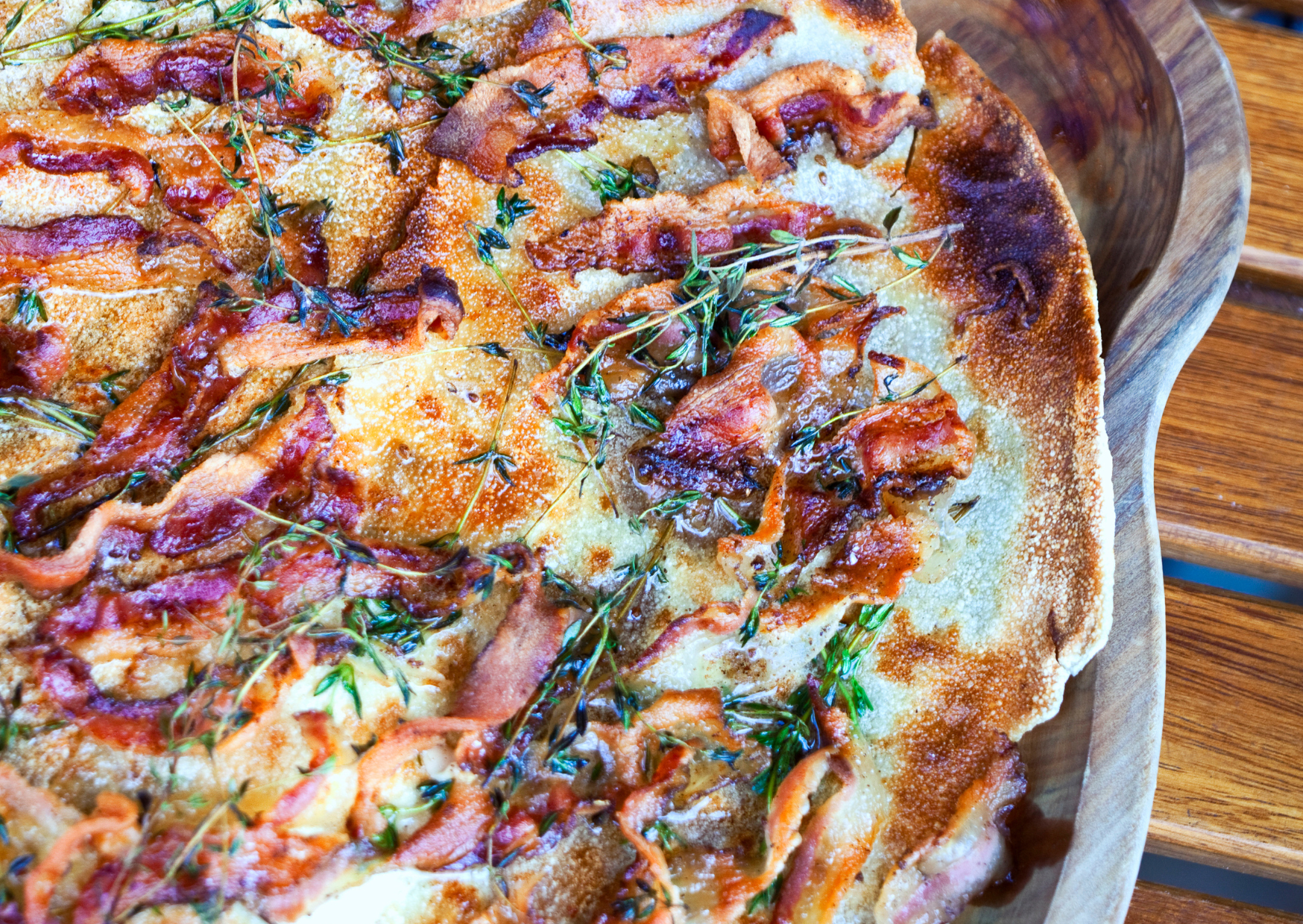
Quiet villages, stubborn bread, beans that show up more often than meat. The so-called secret is not exotic. It is cheap food cooked slowly, goat and sheep dairy, barley instead of white rice, and a walkable routine that makes dessert optional because everyone is talking.
What longevity actually looks like on a plate
In central Sardinia the table puts beans before meat, greens before starch, and olive oil before butter. Lunch is often a bowl, a slice of pane carasau that shatters like glass, and a spoon of pecorino grated on top. Dinner is smaller and quieter. People call this mysterious. It is not. It is legumes plus greens with goat or sheep dairy as the indulgence, not a steak.
There is wine on some days, usually Cannonau with food, never solo. Bread is thin, baked hard, and used like a tool rather than a pillow. You can copy this without a hillside orchard. Start with beans, barley, olive oil, and a small triangle of pecorino. That four-piece set does most of the work.
What this diet is not
It is not endless salad. It is warm, salted food that a farmer would eat and then go prune vines. It is not heavy on supplements either. Vegetables arrive cooked most of the time, which makes them easier to eat in real portions. Sweetness comes from fruit and a little honey. Meat shows up small and meaningful. The rhythm that matters is biggish lunch, modest dinner, and constant walking.
If you keep trying to bolt this onto a late-night lifestyle, it will feel fake. If you slide the important meal toward noon and let the evening shrink, your appetite follows the island clock. Timing is a nutrient here, even if no label prints it.
The five building blocks you can copy this week
You do not need a specialist shop. You need these five habits and some patience.
- Legumes at the center
Fava beans, chickpeas, white beans. Cook a kilogram on Sunday. Keep a pot in the fridge. A pot of beans replaces three expensive foods without drama, and the salt plus oil make it feel like dinner. - Barley over refined pasta
Barley shows up in soup and salads. It keeps you full and steady. If barley scares you, start with farro and then switch. Barley gives long energy that white rice wastes. - Goat and sheep dairy, not buckets of cow
Pecorino and caprino are rich, so a small wedge carries flavor across a whole bowl. Tiny portion, big satisfaction is the rule. - Olive oil as the main fat
Not a cosmetic drizzle. A full tablespoon where taste requires it. Good oil makes plants taste like a meal and helps you forget cream. - Pane carasau as a tool
Paper thin. Bakes hard. Stores forever. Softens in hot broth and gives crunch plus chew without a mountain of bread. If you cannot find it, one crispbread sheet does the job. Texture matters as much as ingredients.
The pantry list with realistic prices
Numbers shift by region, but the proportions hold. Build a week around these items and your bill drops while meals get calmer.
- Dried chickpeas, 1 kg, €2.50 to €3.80
- Dried cannellini or white beans, 1 kg, €3.20 to €4.50
- Pearl barley, 1 kg, €2.30 to €3.20
- Extra virgin olive oil, 1 L, €7 to €11
- Pecorino sardo, 200 g, €4 to €6
- Pane carasau, 500 g, €3 to €5
- Passata, 700 g, €1.20 to €1.80
- Onions, 1 kg, €1.60 to €2.20
- Carrots, 1 kg, €1.20 to €1.80
- Celery, 1 bunch, €1 to €1.50
- Potatoes, 2 kg, €3 to €4
- Seasonal greens, 1 kg, €2 to €4
- Cannonau table wine, 750 ml, €5 to €8 if you want it
Spend on oil and pecorino, save on beans and barley, and let greens fill plates. That is the map.
Breakfast that fits the island clock
Breakfast is not a three-tier event. It is coffee and something small or sometimes just coffee. A slice of toasted bread with olive oil and honey, or plain yogurt with a few chopped nuts, or a leftover wedge of frittata. The point is enough to start without stealing hunger from lunch. If you eat a heavy breakfast and then a heavy lunch, the system stalls.
A small breakfast means your midday bowl tastes like relief, not work. That single choice makes the rest of the day easier.
The main recipes locals would recognize
Make these two once and you will understand the structure.
Sardinian minestrone with barley and beans
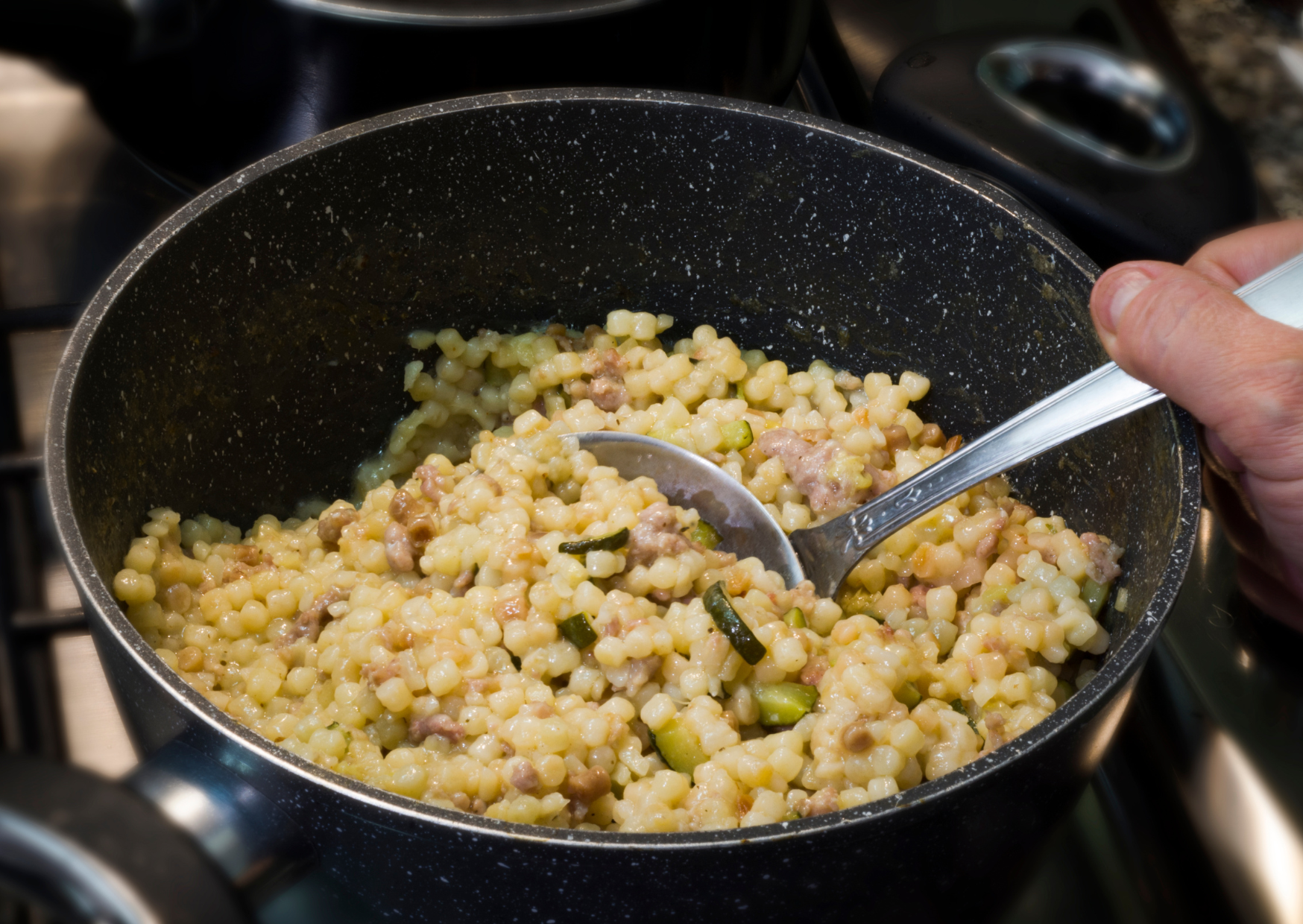
Serves 6 as a meal, keeps 4 days
- Olive oil 3 tbsp
- Onion 1 large, diced
- Carrots 2, diced
- Celery 2 stalks, diced
- Garlic 3 cloves, sliced
- Potatoes 2 medium, cubed
- Cabbage or chard 300 g, shredded
- Cooked white beans 400 g
- Pearl barley 120 g, rinsed
- Passata 400 g
- Water or light veg stock 1.5 to 1.7 L
- Salt 2 tsp to start, then adjust
- Black pepper, bay leaf 1, parsley if you have it
- Pecorino to finish, 20 to 30 g per bowl
- Pane carasau, 1 to 2 sheets per person
- Warm oil, soften soffritto vegetables for 8 minutes until sweet. Add garlic for 1 minute.
- Add potatoes, cabbage, beans, barley, passata, bay, stock. Simmer 40 to 50 minutes until barley is tender.
- Adjust salt, rest 10 minutes.
- Serve with pecorino and pane carasau that softens in the bowl. Texture plus heat equals comfort.
If you insist on meat, sweat a small pancetta strip at the start. Keep it modest.
Barley, chickpea, and lemon salad
Serves 4 for lunch, travels well
- Cooked barley 400 g
- Cooked chickpeas 300 g
- Fennel 1 small, shaved, or cucumber in summer
- Parsley and mint 1 cup, chopped
- Lemon 1 large, zest and juice
- Olive oil 3 to 4 tbsp
- Salt ¾ tsp to start, pepper
- Pecorino shavings 20 g
- Optional toasted almonds 30 g
Mix, then wait ten minutes so barley drinks. Finish with pecorino. Cold holds. This is work lunch you do not resent.
A Sunday flatbread that fixes hungry evenings
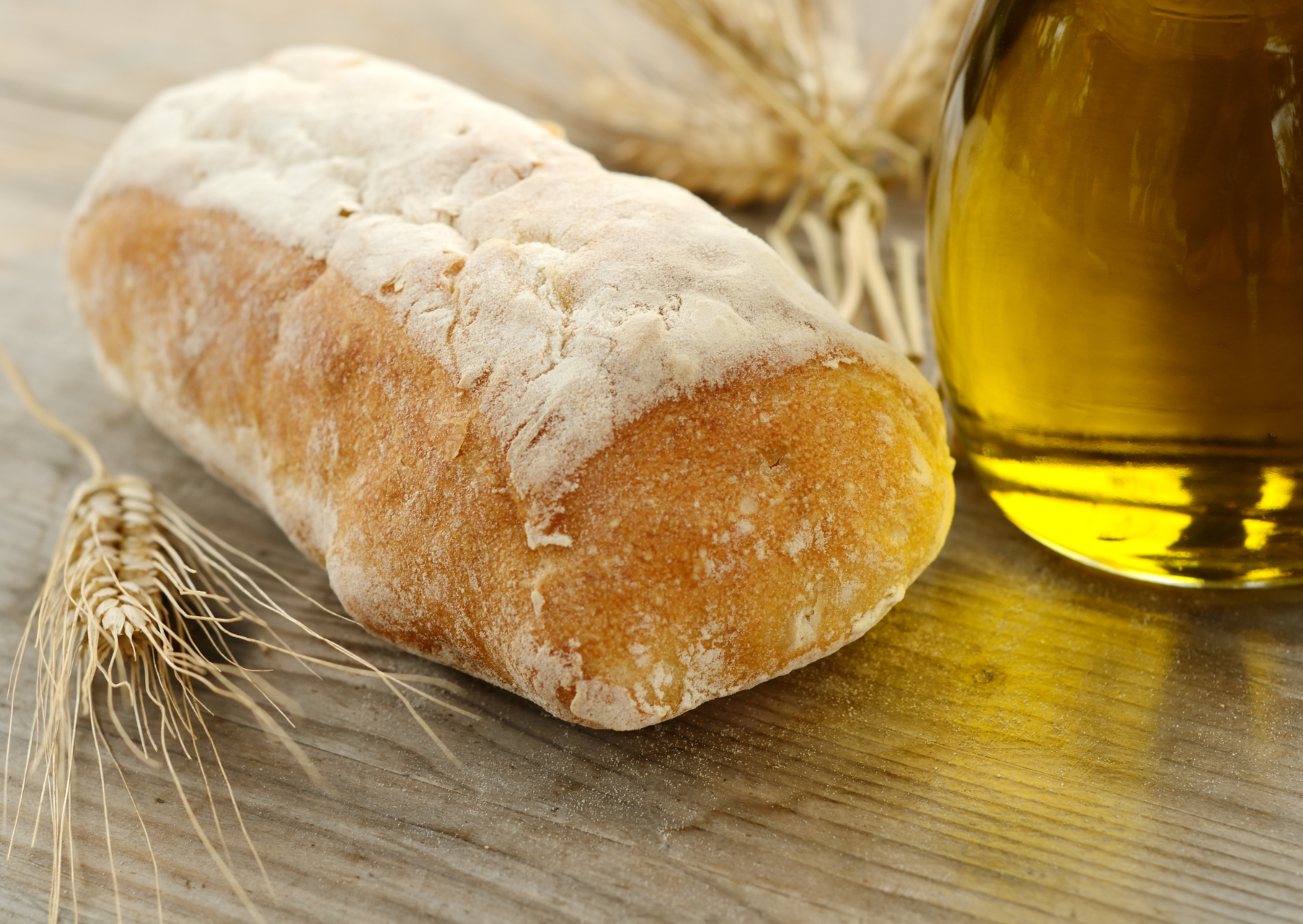
Pane frattau is pane carasau softened in hot broth and stacked with tomato sauce, a little pecorino, and a poached egg. It eats like lasagna on a budget.
- Warm 500 ml light broth and 300 ml simple tomato sauce.
- Dip sheets of pane carasau in broth until soft, stack on a plate with sauce between layers.
- Top with a poached egg, pecorino, and a thread of oil.
- Eat hot. Egg plus grain plus tomato turns a small dinner into a meal.
If you cannot find carasau, soften crispbread in broth briefly and proceed. The spirit is the same.
Weekly shopping in one loop
One loop, twenty minutes.
- Buy 1 kg beans, 1 kg barley, 1 kg greens, 2 kg potatoes, 1 kg onions, 1 bottle oil, 1 wedge pecorino, 1 pack pane carasau, fruit for the week.
- Cook one pot beans, one pot minestrone, one pot barley.
- Store in clear containers so the solution is visible when you open the fridge.
Visibility is underrated. When a pot of barley stares at you, dinner writes itself.
Timing and appetite, the part nobody markets
Central villagers eat their main plate near midday. Work resumes after. Evening is social, with soup or eggs and salad. You can copy that in a city by sliding your big meal toward early afternoon or by making the office lunch the main event and keeping dinner small. The hormonal piece is plain. Large midday eating with a smaller evening often leads to better sleep, lower night snacking, and less morning fog.
If you cannot move lunch, borrow the pattern. Make midday the heaviest within your constraints and refuse to perform dinner on weekdays.
Wine and social rules that make this sustainable
Wine is not a macro. It is a table accessory. A small glass with food on days that make sense, not nightly. Always with company and conversation. The social part is a lever. When people talk and plates are simple, second portions stop volunteering. I am not romanticizing this. It is a reliable human effect. Company regulates appetite better than willpower.
Meat, fish, and when to use them
Meat shows up like punctuation. A little sausage in a pot, grilled sardines when there is a catch, stew if the weather insists. The protein that carries the week is still beans and eggs. If you need a number, aim for five legume days, one fish day, and one small meat day. Protein adequacy is easy when legumes lead and eggs backstop.
Movement that holds the food in place
There is no gym heroics here. The island pattern is three to five short walks daily. Climb a hill if you see one. Carry groceries by hand when practical. Stand after lunch and take ten minutes outside. The metabolic effect of constant small movement is boring to describe and powerful in practice. Frequent, low-intensity motion beats rare extremes for this style of eating.
A note on cost and why it stays low
A week of the pantry items above plus fruit lands near €28 to €40 for two in many Italian regions in winter, higher in large capitals, still modest. The reason is structural. Beans are cheap, barley is cheap, oil concentrates flavor, and cheese is used as seasoning rather than a main. When the large plate lands at noon and bread is thin, snack spending falls by itself.
If the only change you make is minestrone three days a week and barley twice instead of white rice, you will feel the shift. It is not the whole island. It is close enough to move a household budget.
Mistakes people make and how to fix them
Treating bread like a meal. Pane carasau is a tool, not the plan. Keep it to one or two sheets, then stop. If you use soft bread, cut one slice and pair with oil.
Under-salting the pot. Beans without enough salt taste like penance. Season the pot and let pecorino finish the bowl so you can keep sodium sensible.
Making dinner large because emotions are large. Keep dinner warm and modest. Soup, eggs, salad. Big feelings do not need big plates.
Buying five cheeses. Buy one wedge per week and rotate. Variety by rotation beats variety by accumulation.
Cooking beans too fast. Give them time. Add salt at the start. A soft simmer keeps skins intact and reduces next-day regret.
If you live far from a specialty shop
You can still get unreasonably close.
- Swap pane carasau for any crispbread, or toast thin slices until very dry.
- Use farro if barley is missing, then move to barley when you find it.
- Any firm sheep cheese works. Portion small.
- Buy the olive oil you actually like and stop saving it for guests.
- Use canned beans when you must, rinse well, then graduate to dry.
Copy the pattern first, then chase provenance when life allows.
The small science behind the calm you feel
Legume fiber feeds gut microbes that produce short-chain fatty acids. These molecules are heavily linked to satiety and gut calm. Barley adds beta-glucans, which slow glucose rise and extend steady energy. Olive oil carries polyphenols and helps fat-soluble nutrients absorb. Goat and sheep cheeses are often better tolerated for some people than large cow portions, and the salt plus umami make small amounts feel complete.
If that paragraph bored you, good. The kitchen is where the evidence lives. Cook the pot and observe your mood at four in the afternoon.
A winter shopping receipt to make this real
Two adults, central city, January.
- Chickpeas 1 kg, €3.20
- Cannellini 1 kg, €3.80
- Pearl barley 1 kg, €2.70
- Olive oil 1 L, €9.50
- Pecorino sardo 220 g, €5.60
- Pane carasau 500 g, €3.90
- Onions 1 kg, €1.80
- Carrots 1 kg, €1.40
- Celery 1 bunch, €1.30
- Potatoes 2 kg, €3.40
- Greens 1 kg, €3.20
- Fruit mix, €6.00
Total €45.80. That feeds seven lunches and seven dinners without touching restaurants. If you add one fish purchase on Day 3, the total climbs a little and the system still holds.
What I changed my mind about while writing this
I used to push pasta because it photographs well. After a winter packed with barley and beans, I stopped fighting reality. Barley keeps energy steady in a way pasta does not for workdays. I am saying it plainly so I do not backslide when nostalgia knocks. Right, moving on.
How to start on Monday without a ceremony
Buy beans, barley, greens, oil, and one wedge of pecorino. Cook one pot of minestrone and one pot of barley. Put the pots where you can see them. Tomorrow, eat the large plate at noon and the small plate at night. Walk after lunch. Repeat for seven days. Then decide whether you want the wine. The food will be enough either way.
Copy the shape, not the romance. The islands will forgive you and your body will thank you with quiet.
Two more recipes if you want variety next week
Chickpeas and bitter greens in lemon-garlic oil
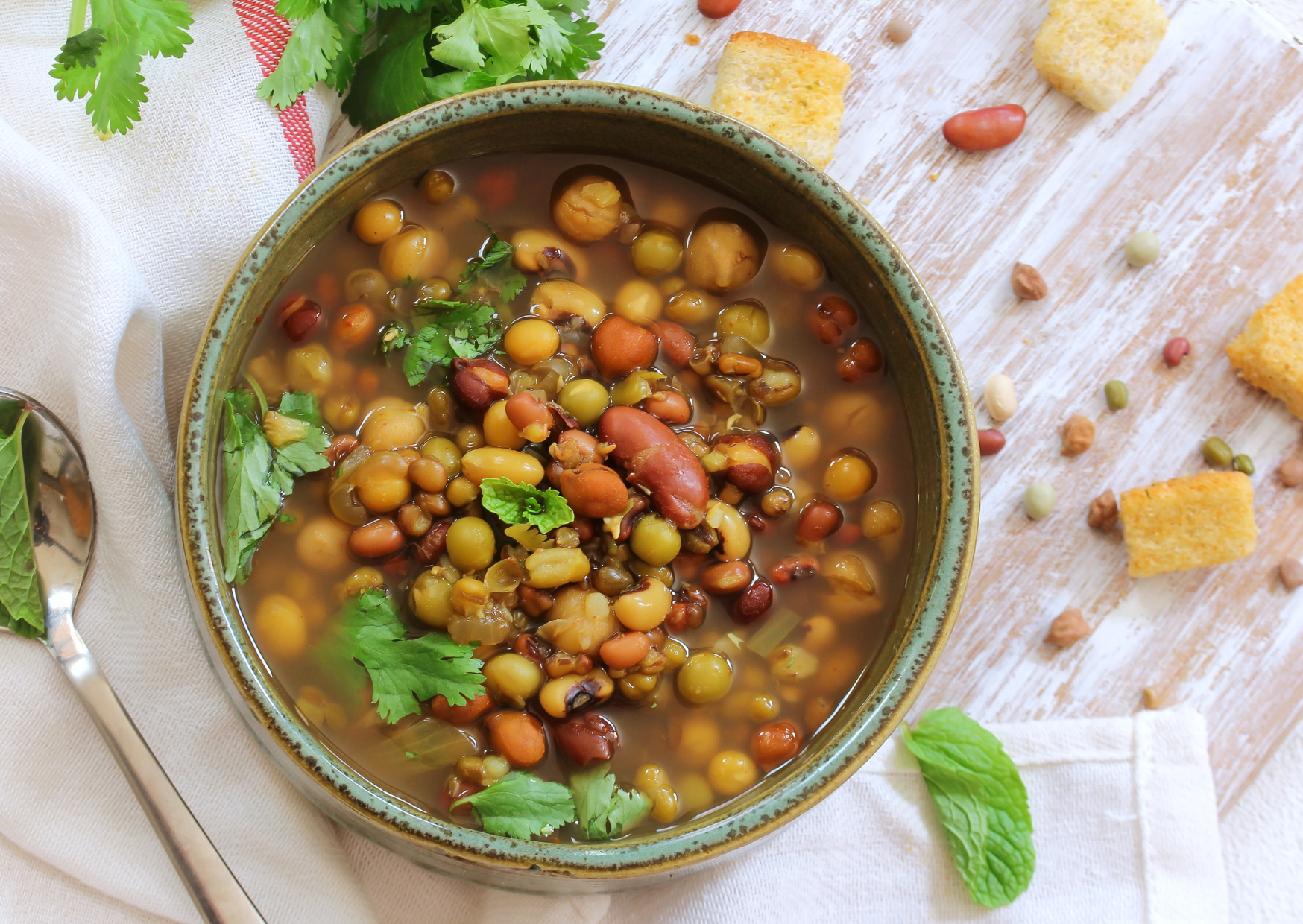
- Warm 3 tbsp oil. Cook 2 cloves sliced garlic until fragrant.
- Add 400 g cooked chickpeas and 300 g shredded greens.
- Splash lemon juice, salt, pepper, and a small pecorino rain.
- Serve with cracked pane carasau and a sliced orange.
Fast, salty, warm. The bowl that keeps you from ordering delivery.
Fava bean mash with mint
- Simmer dried split fava until soft with a little onion.
- Mash with olive oil, salt, pepper, and chopped mint.
- Spread on toast or eat by the spoon.
- Add pickled onions if you like contrasts.
One pot gives two dinners if you add an egg on top the second night.
Where I leave this
The longevity story of Sardinia is a grocery story that refuses to be sold in a bottle. Beans, barley, olive oil, greens, a little sheep cheese, and a smaller dinner. Walk more than you think you need. Talk at the table. Keep wine small and with food. If all you do is adopt those six moves, the rest of the myth becomes a routine you can live with for years.
No clinic visit required. No subscription required. Just pots, patience, and people. That is the entire trick.

About the Author: Ruben, co-founder of Gamintraveler.com since 2014, is a seasoned traveler from Spain who has explored over 100 countries since 2009. Known for his extensive travel adventures across South America, Europe, the US, Australia, New Zealand, Asia, and Africa, Ruben combines his passion for adventurous yet sustainable living with his love for cycling, highlighted by his remarkable 5-month bicycle journey from Spain to Norway. He currently resides in Spain, where he continues sharing his travel experiences with his partner, Rachel, and their son, Han.