
And what it reveals about calm intensity, tradition, and a culture that trusts the body more than the label
If you’re walking through any Italian town just before sunrise — from the stone alleys of Florence to the sleepy countryside of Puglia — you’ll likely hear a familiar sound.
Not birds. Not traffic.
But the hiss of a steaming espresso machine.
Because by 6:00 a.m., cafes are already open. People are already standing at the bar. And Italians across the country are doing what they’ve done for decades: starting their day with a small, powerful shot of black espresso — no milk, no food, and no water first.
To Americans raised on morning smoothies, decaf options, hydration trends, and warnings about “coffee on an empty stomach,” this looks dangerous. Even reckless.
But to Italians, it’s a rhythm so normal, so unquestioned, that skipping it would feel more shocking than doing it.
Here’s why Italians begin their day with something Americans associate with heart attacks — and what it says about a culture that trusts real routines over health fads and fear.
Looking for More Travel & Culture Reads?
– They Don’t Work 24/7: 5 Vacation Customs in Europe That Drive Americans Crazy
– 7 Dress Code Shocks Americans Face in Italy
– 9 European Beach Habits That Shock First-Time Tourists
– 7 Beach Behaviors That Make Locals Avoid You in Italy
Quick and Easy Tips
Drink it small and strong. Skip the giant to-go cups and stick with one or two small espressos to start your day.
Make it a ritual, not a reflex. Stand, sip, and slow down—enjoy the moment instead of multitasking.
Skip the sugar overload. Italians rarely drown their espresso in syrups or whipped cream. Keep it simple and clean for real flavor and fewer calories.
The morning espresso tradition might be quintessentially Italian, but it’s not without controversy. Some American health experts warn that drinking strong coffee first thing on an empty stomach can spike cortisol levels and strain the heart. They argue that Italy’s habit of fasted caffeine is risky, especially for those with hypertension. Italians, however, shrug off these warnings, pointing to their longevity and the Mediterranean diet as proof that moderation—and good food—balances everything.
Another debate lies in perception. In the United States, coffee is often treated as fuel: something to survive the morning commute or pull through work. In Italy, it’s the opposite—a social act of connection that starts the day with purpose. This cultural contrast has sparked ongoing discussions about whether America’s coffee culture encourages overconsumption and stress, rather than community and calm.
Finally, there’s the marketing divide. American coffee culture glorifies massive portions and caffeine-packed drinks as productivity tools, while Italians resist turning espresso into a status symbol. Critics say the U.S. obsession with “functional coffee” has stripped it of its artistry. Italians, on the other hand, have kept their mornings sacred—a reminder that sometimes, simplicity beats innovation. The supposed “heart-attack” espresso isn’t a danger to them; it’s a reminder to start every day with flavor, focus, and balance.
1. A Shot of Espresso Is the First Thing — No Water, No Toast, No Delay
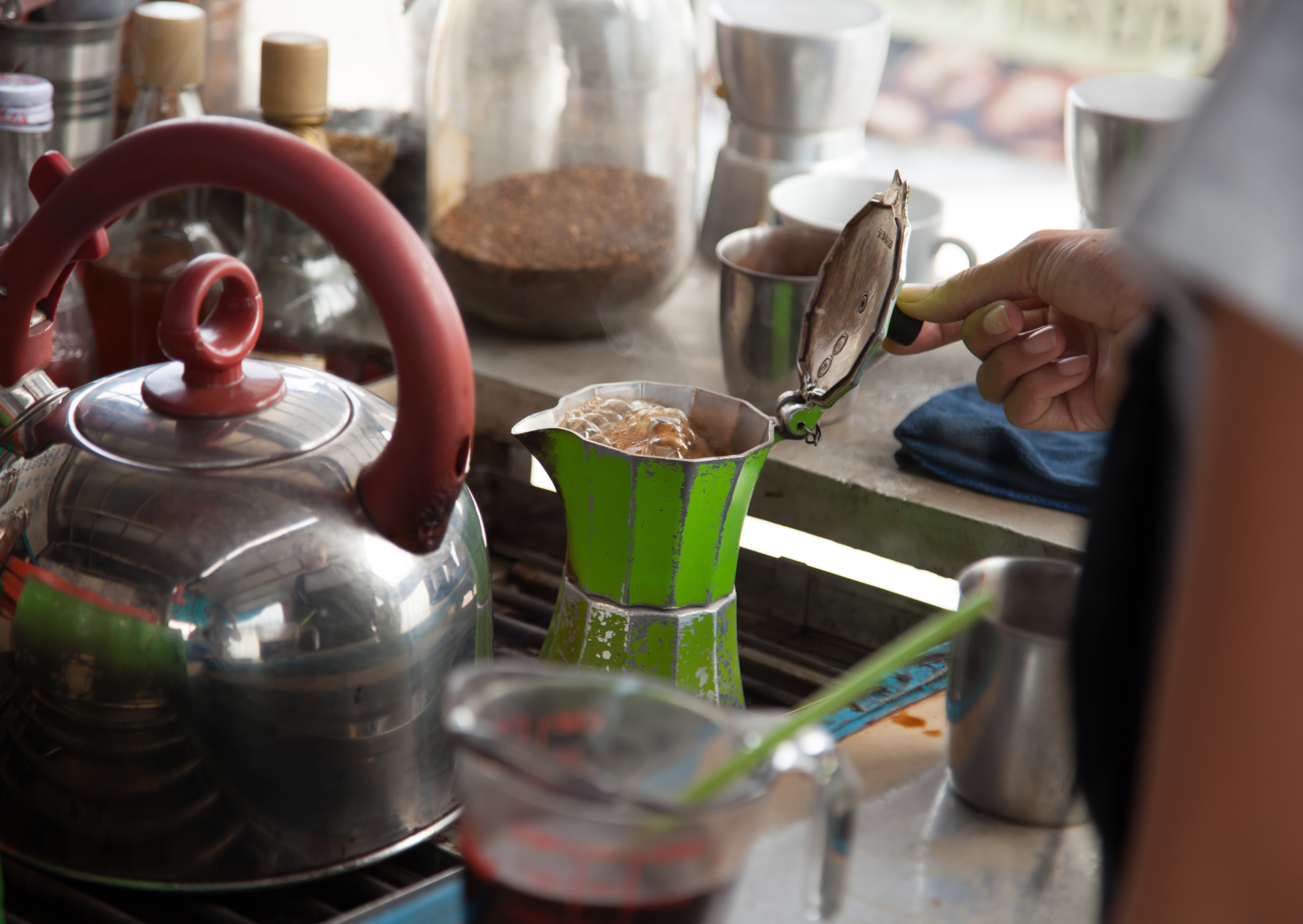
In many American homes, the morning begins with water, a protein bar, or a long mug of lightly roasted coffee — sipped slowly, often with milk and sugar.
In Italy, the first thing many people consume — sometimes within 10 minutes of waking — is a single shot of espresso. No milk. No sugar. No food. Just 25ml of concentrated coffee.
It’s downed in seconds. No one sits with it. No one needs a ceramic mug. It’s served standing up, and it’s finished almost before the cup is set down.
To Americans, this seems like a guaranteed recipe for jittery panic and acid reflux.
To Italians, it’s a moment of clarity before the day begins.
2. The Body Isn’t Coddled — It’s Expected to Adapt
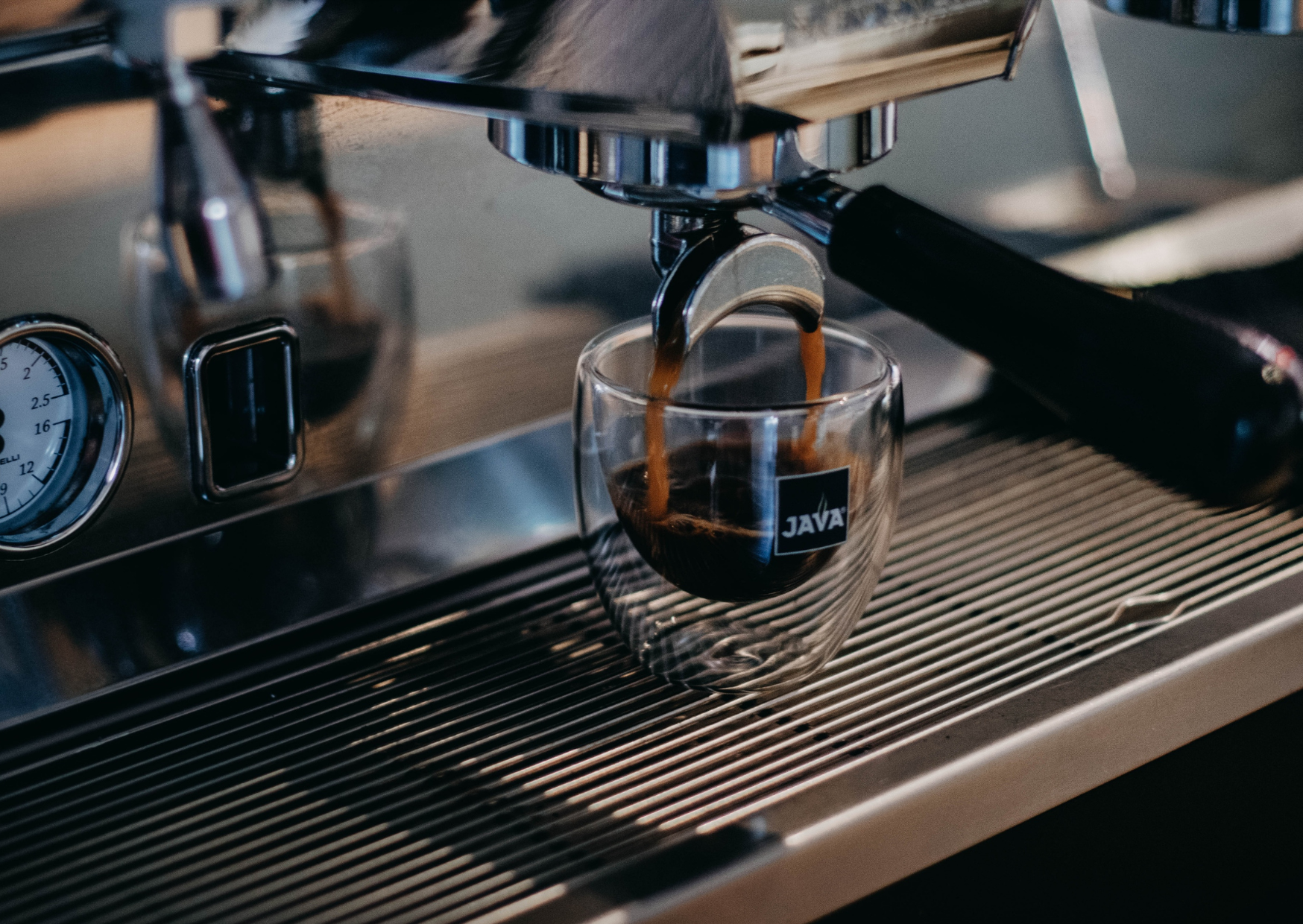
American wellness culture often encourages the body to be gently guided into the day — with warm lemon water, slow stretches, “breaking the fast” carefully, and avoiding caffeine until you’ve eaten.
In Italy, the body is trusted. It’s been doing this for a lifetime. It can handle caffeine. It can handle intensity.
There’s no babied relationship with digestion or energy. You wake up, wash your face, drink your espresso, and move on.
It’s not about shock. It’s about starting the engine cleanly — not over-prepping it.
3. Espresso in Italy Is Not the Same as American Coffee
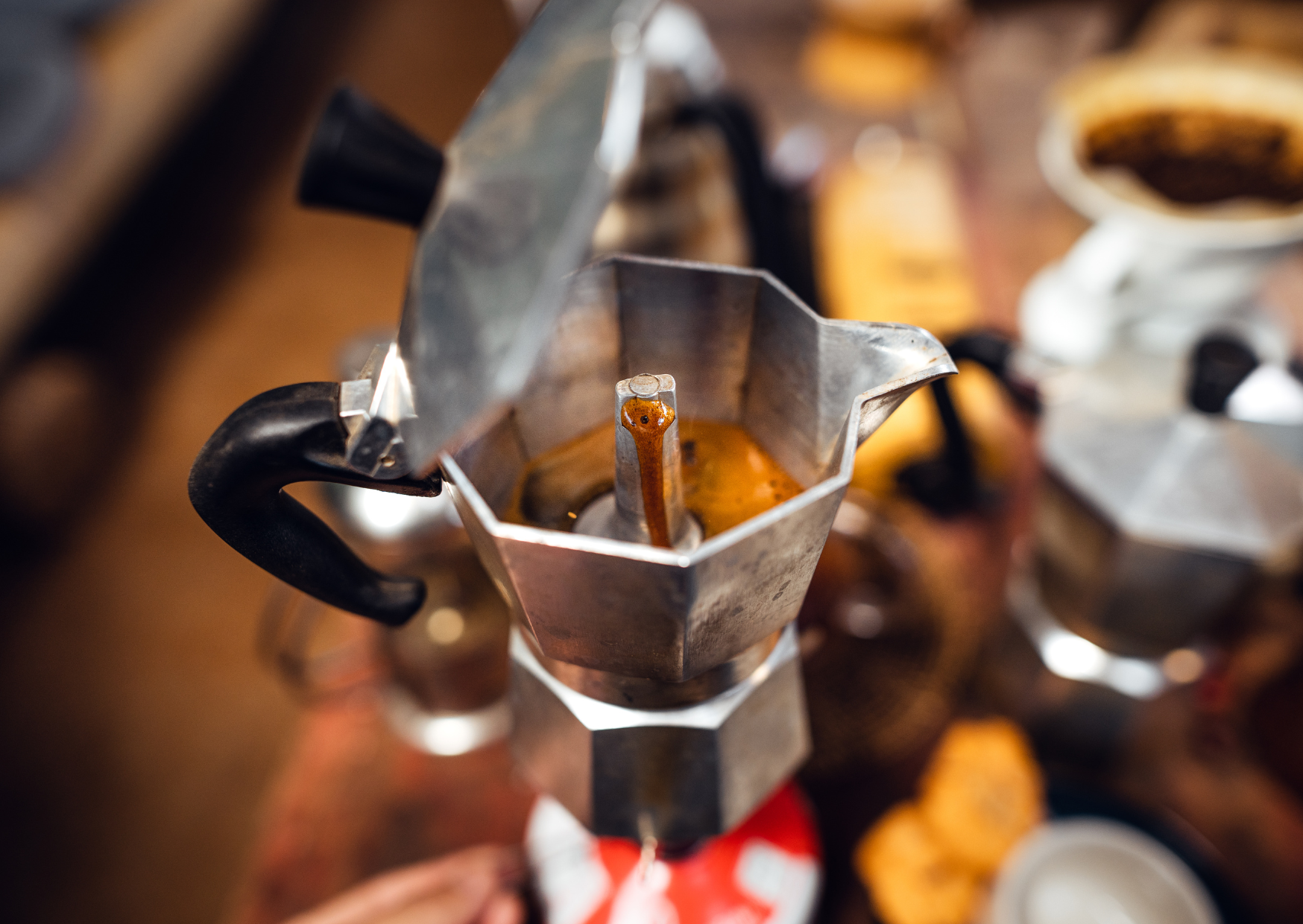
One reason Americans panic at the thought of “espresso at 6 a.m.” is because they imagine their own coffee — but more concentrated.
But Italian espresso is different.
It’s served in small, quick doses. The caffeine content is often lower per volume than an American filter coffee. It’s brewed with balance — rich, smooth, and designed to be absorbed by a body that already knows how to handle it.
An American might sip 16 ounces of drip coffee over an hour.
An Italian will drink 1 ounce in 10 seconds — and keep walking.
It’s not a stimulant. It’s a switch.
4. Most Italians Don’t Eat Breakfast — Coffee Is the Meal
In the U.S., skipping breakfast is often seen as a health mistake. School programs insist on it. Doctors warn against it. The phrase “the most important meal of the day” is drilled in early.
In Italy, many people don’t eat anything solid before mid-morning — and the espresso is breakfast.
Some add sugar. Some have a biscuit on the side. But the idea of a full meal at 6 a.m.? Rare.
Even when a pastry is added — a cornetto, maybe — it’s small, light, and eaten fast.
There’s no panic about skipping food. No anxiety about metabolism. Just a cup of espresso and the road ahead.
5. They Do It Every Day — And Have for Generations
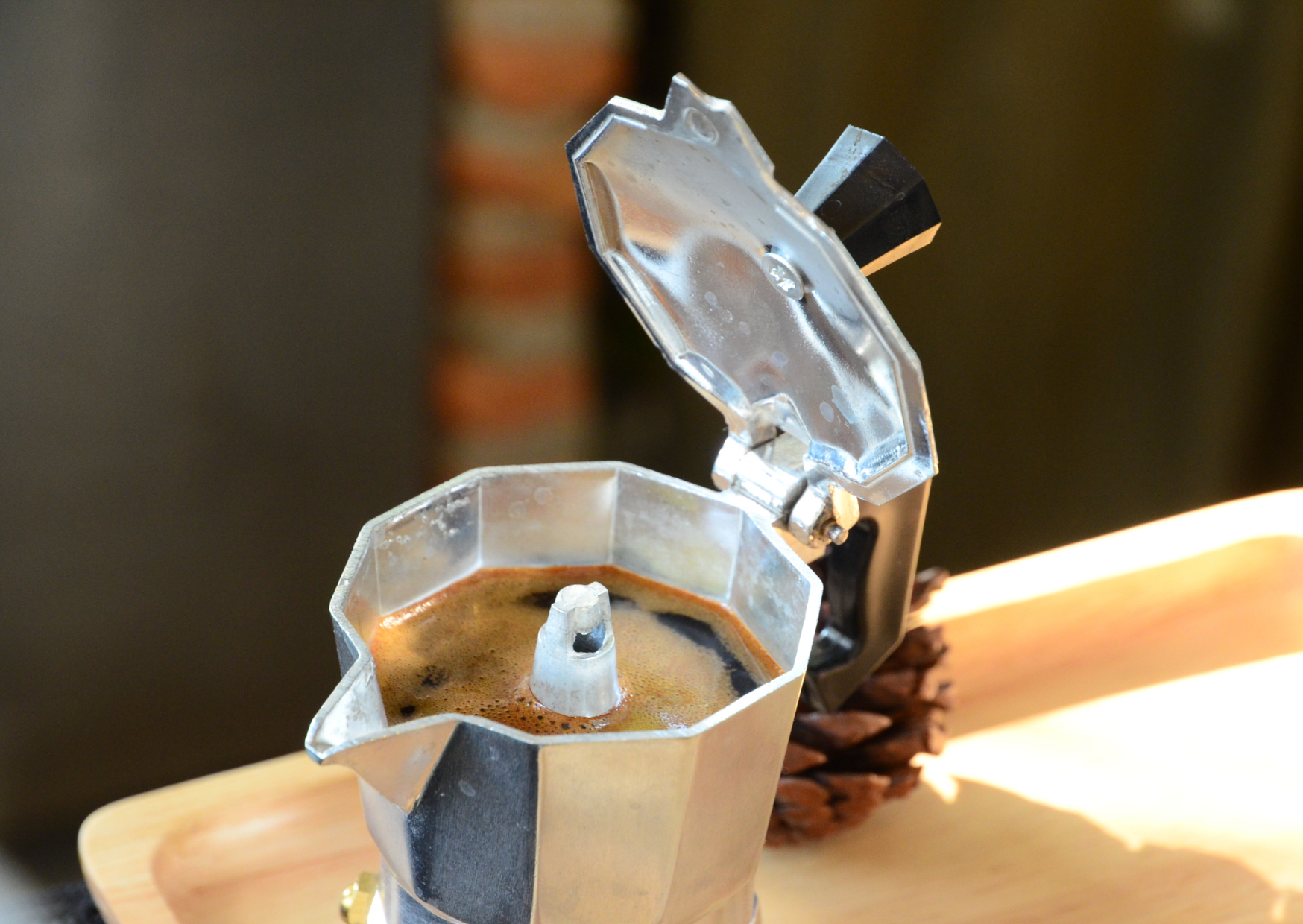
If Americans associate caffeine with overwork, anxiety, and health risk, it’s partly because coffee in the U.S. is linked to productivity culture.
In Italy, espresso is tied to consistency and calm.
It’s not a performance enhancer. It’s a habit. You see it across generations — grandparents, construction workers, students, taxi drivers — all starting the day the same way.
There’s no marketing. No biohacking. No coffee subscription box. Just the barista, the machine, and a ritual that’s older than most wellness trends combined.
6. Heart Health Isn’t Feared — It’s Understood Contextually
Americans often read coffee studies with a sense of panic. One article says it helps longevity. Another says it increases heart attack risk. Then comes a third, saying “Actually, 3 cups per day is ideal.”
In Italy, no one’s reading coffee studies over breakfast.
They’re living inside the data — and it says: This works. We’re fine.
The rates of long-term heart disease aren’t notably higher. People live long lives. They walk more. They eat real food. And they drink espresso, every day, often before sunrise.
They don’t fear it. They’ve lived with it for generations.
7. Cafés Open Before the Sun — Just to Serve the First Round
In most American towns, cafés open at 7:00 or 8:00 a.m. — and still, customers expect to take their coffee to go.
In Italy, the barista opens the shutters before 6:00 a.m., and regulars are already waiting.
They line up, greet each other, say “Buongiorno,” and knock back their coffee. It takes two minutes. Then they’re off to work.
There are no custom orders. No oat milk. No complicated brewing processes. Just espresso machines running hot, and the day beginning with confidence.
To outsiders, it seems intense.
To Italians, it’s the quietest part of the day.
8. The Heart Attack Panic Is an American Projection
Ask an American doctor about espresso on an empty stomach, and you might hear words like “acidic,” “stimulant load,” or “cortisol spike.”
But this framing assumes that the human body is fragile, and that anything intense must be dangerous.
Italians view the body as resilient, practiced, and capable. Not to be abused, but not to be micromanaged either.
That espresso at 6:00 a.m. doesn’t lead to heart palpitations. It leads to a conversation, a walk, or the sound of a Vespa starting up.
The American panic is understandable — but misplaced.
9. The Routine Isn’t Just Physical — It’s Social
Americans often think of morning coffee as fuel — solo, on the go, or in a reusable cup between Zoom calls.
In Italy, even the 6:00 a.m. espresso is social.
You chat with the barista. You nod to the same three people from last week. You hear a quick soccer opinion, a joke, a weather complaint. Then you go.
The heart doesn’t race. It grounds itself. Because this habit — this very short, very strong coffee — isn’t just about caffeine. It’s about showing up for life, even before the day begins.
One Cup, Two Cultures
To Americans, a 6:00 a.m. espresso shot — no food, no water, no delay — sounds like a health hazard.
To Italians, it’s how you meet the morning with focus, calm, and a sense of self.
In the U.S., coffee is managed like a supplement.
In Italy, coffee is a practice.
It doesn’t rush. It doesn’t overpromise. It doesn’t apologize.
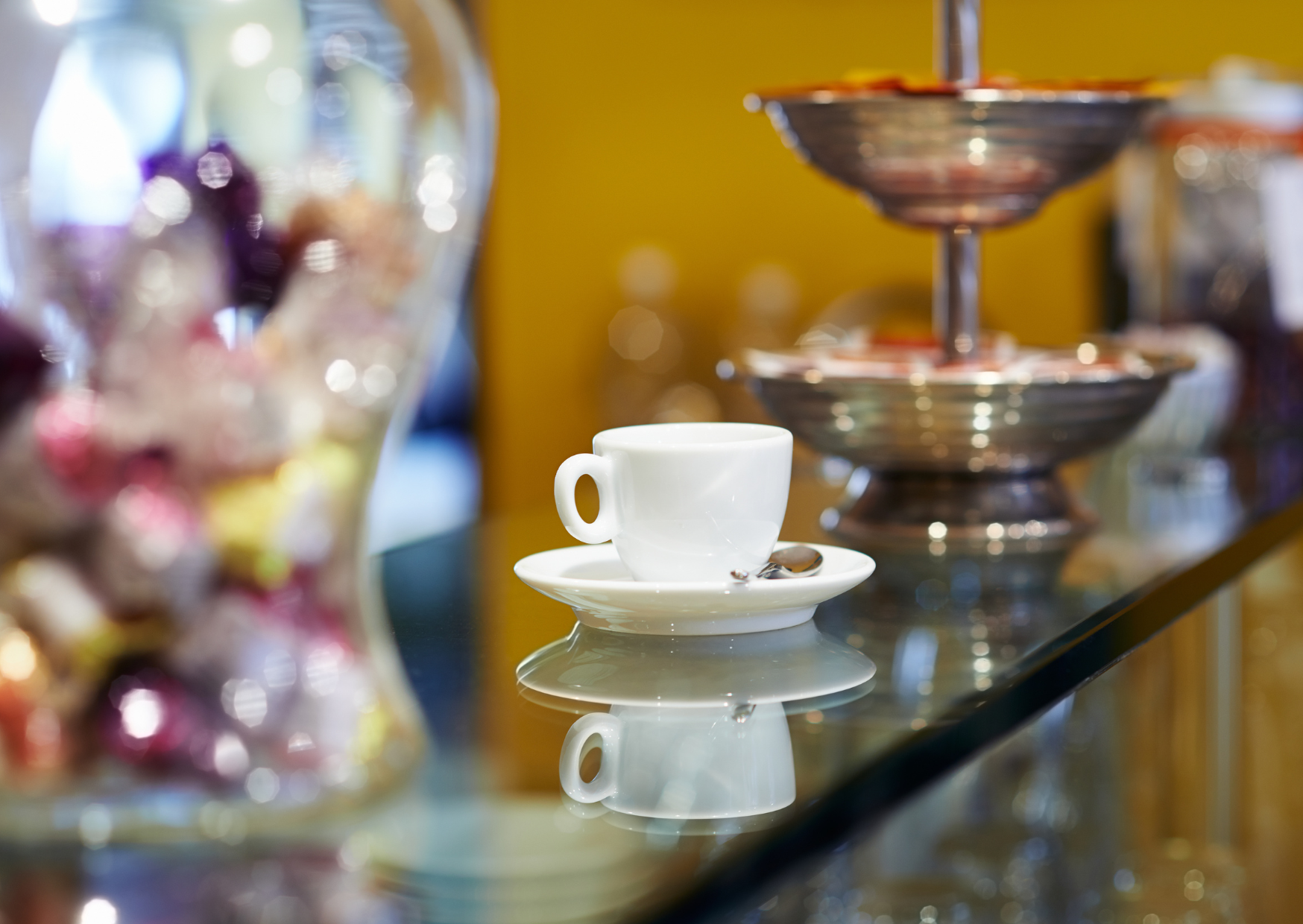
So the next time you’re in Italy, and you see someone standing at a bar, eyes barely open, hand wrapped around a tiny porcelain cup — know that they’re not risking a heart attack.
They’re just starting the day the way their grandfather did — and his, too.
And somehow, it still works.
Every morning across Italy, cafés fill with locals standing at the counter, sipping tiny cups of espresso before heading to work. It’s a ritual so deeply ingrained in Italian culture that it’s less about caffeine and more about connection, rhythm, and identity. Yet to many Americans, the sight of downing pure espresso at dawn seems extreme—a shock to the system rather than a source of calm. But for Italians, this early-morning jolt is the foundation of their day, done with balance, not excess.
The key difference lies in how the habit is practiced. Italians treat their espresso like a mindful pause, not a desperate rush for energy. They don’t walk around with venti-sized cups or drink coffee all day; they take a moment to savor it, then move on. This cultural approach turns caffeine into a small act of pleasure instead of a chemical dependency. What may seem unhealthy to outsiders is, in fact, part of a balanced, intentional lifestyle rooted in moderation.
Ultimately, the Italian espresso habit reflects a broader philosophy: life’s small pleasures, enjoyed in the right way, aren’t indulgent—they’re essential. Rather than seeing espresso as a health risk, perhaps it’s time Americans rethink how they consume their own morning rituals. Sometimes, the secret to feeling alive isn’t avoiding what’s strong—it’s learning how to enjoy it the Italian way.

About the Author: Ruben, co-founder of Gamintraveler.com since 2014, is a seasoned traveler from Spain who has explored over 100 countries since 2009. Known for his extensive travel adventures across South America, Europe, the US, Australia, New Zealand, Asia, and Africa, Ruben combines his passion for adventurous yet sustainable living with his love for cycling, highlighted by his remarkable 5-month bicycle journey from Spain to Norway. He currently resides in Spain, where he continues sharing his travel experiences with his partner, Rachel, and their son, Han.